
Traveling from the USA to Ethiopia primarily involves booking international flights, securing the necessary visa, and preparing for cultural differences, with direct flights being rare, often requiring at least one stopover in a major European or Middle Eastern hub. As of 2026-2027, key considerations include understanding Ethiopian Airlines’ extensive network, the e-visa system for most US citizens, the best seasons for visiting, and essential packing and health advice to ensure a smooth and enriching experience in this fascinating East African nation.
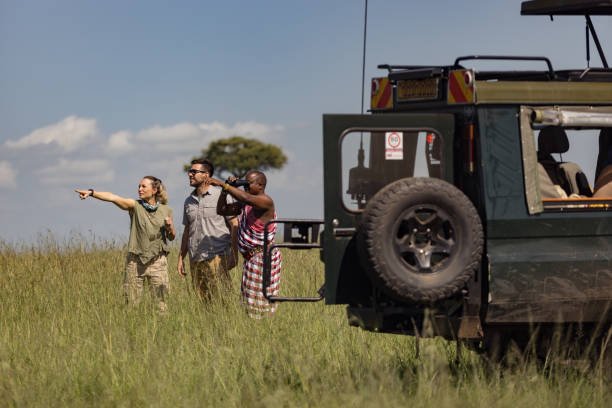


Understanding Your Journey: USA to Ethiopia Travel Essentials
The allure of Ethiopia, a land of ancient history, diverse cultures, and stunning landscapes, draws many travelers from across the globe, including a significant number from the United States. Planning a trip from the USA to Ethiopia requires careful consideration of several key aspects, from the practicalities of air travel and visa applications to understanding local customs and the best times to visit. This guide aims to provide a comprehensive overview, ensuring your journey is as smooth and rewarding as possible, with specific insights relevant for planning your travels in 2026 and 2027.
Ethiopia stands apart in Africa as a country with a unique historical trajectory, never having been formally colonized, which has shaped its distinct cultural identity. From the rock-hewn churches of Lalibela and the ancient city of Aksum to the vibrant markets of Addis Ababa and the dramatic Simien Mountains, the country offers a wealth of experiences. For American travelers, the journey involves navigating international logistics, but the rewards of exploring this ancient land are immense.
Choosing Your Travel Style: Independent vs. Guided Exploration
Before diving into the specifics of getting to Ethiopia, it’s crucial to consider how you intend to explore the country. Your travel style will significantly influence your planning, from the types of accommodations you’ll need to book to the pace of your itinerary. The choice between independent travel and a guided tour, especially when coming from the USA, is a fundamental decision.
Independent Travel: This approach offers maximum flexibility and freedom. You can set your own pace, change your itinerary on a whim, and experience local life at your own speed. For independent travelers, planning involves booking flights, arranging accommodations in advance or on arrival, and figuring out internal transportation, which can sometimes be challenging in Ethiopia due to varying road conditions and public transport schedules. This often means relying on local buses, shared taxis, or hiring private drivers for specific legs of the journey. While rewarding, it requires more research and on-the-ground problem-solving.
Guided Tours: For many, especially those visiting Ethiopia for the first time or seeking a more structured experience, a guided tour offers convenience and expertise. Tour operators can handle all the logistics, including flights, accommodations, internal transfers, guides, and even entry fees. This is particularly beneficial for complex itineraries covering multiple historical sites and national parks. Companies like Top Guide Adventures, with their extensive experience in East Africa, can craft tailor-made journeys that cater to specific interests, ensuring you see the best of Ethiopia without the stress of planning every detail. This can be an excellent option for travelers looking to maximize their time and experience in 2026 or 2027, especially if they are combining Ethiopia with other East African destinations.
The decision between these two styles often depends on your comfort level with the unknown, your budget, the amount of time you have available, and your personal travel preferences. Many travelers find a hybrid approach works best, perhaps booking a guided tour for a specific region or activity (like a trek in the Simien Mountains) while exploring cities independently.
The Air Travel Gateway: Flights from the USA to Ethiopia
The most common and practical way to travel from the USA to Ethiopia is by air. Ethiopia’s main international airport is Bole International Airport (ADD) in Addis Ababa, which serves as the primary gateway for most international arrivals.
Identifying Direct vs. Connecting Flights
Direct flights from the USA to Addis Ababa are extremely rare, if they exist at all. Most travelers will need to book flights with at least one stopover. The most common layover points are major international hubs. These typically include:
- European Cities: Frankfurt (FRA), London (LHR), Paris (CDG), Rome (FCO), Istanbul (IST). Airlines like Ethiopian Airlines often partner with Star Alliance carriers or operate their own routes connecting through these major airports.
- Middle Eastern Cities: Dubai (DXB), Doha (DOH), Abu Dhabi (AUH). Airlines such as Emirates, Qatar Airways, and Etihad often provide competitive options with convenient connections.
The choice of layover city and airline will depend on factors such as price, flight duration, airline reputation, and preferred departure/arrival times. For 2026-2027 travel, it’s advisable to start monitoring flight prices several months in advance, especially if you are traveling during peak seasons.
Major Airlines Serving the Route
Ethiopian Airlines is the national carrier and a major player in connecting Africa to the rest of the world. They offer extensive routes from various US cities, often with a stop in Addis Ababa before continuing to other destinations within Africa. Their network is vast, and they are a reliable choice for travel to Ethiopia.
Other airlines that frequently operate routes from the USA to Addis Ababa include:
- Lufthansa (via Frankfurt)
- British Airways (via London)
- Air France (via Paris)
- Turkish Airlines (via Istanbul)
- Emirates (via Dubai)
- Qatar Airways (via Doha)
- KLM (via Amsterdam)
- United Airlines (often codeshares with Star Alliance partners)
Booking Your Flights: Tips for 2026-2027 Travelers
When booking your flights for 2026 or 2027, keep these tips in mind:
- Book in Advance: For the best fares and availability, especially for popular travel dates, aim to book your flights at least 3-6 months ahead. This is particularly true for travel during the dry seasons (October to March).
- Flexibility with Dates: If your travel dates are flexible, use flight comparison websites to see which days offer the lowest fares. Mid-week departures and returns are often cheaper.
- Consider Layover Times: While shorter layovers are appealing, ensure you have enough time to comfortably make your connection, especially if you need to re-check baggage or change terminals. A layover of 2-4 hours is generally recommended for international connections.
- Baggage Allowance: Always check the baggage allowance of the airline you are flying with. International flights can have different rules for checked and carry-on luggage, and excess baggage fees can be substantial.
- Airline Alliances: If you are part of an airline loyalty program (e.g., Star Alliance), flying with member airlines can allow you to earn miles and potentially benefit from other perks.
- Travel Insurance: Ensure your travel insurance covers flight cancellations, delays, and lost luggage.
The cost of flights from the USA to Ethiopia can vary significantly based on the season, how far in advance you book, and the airline. Expect prices to range from $900 to $2,000+ for a round trip, depending on these factors. For 2026-2027, it’s wise to set up price alerts on flight comparison sites.
Visa and Entry Requirements for US Citizens
Understanding the visa requirements is a critical step for any traveler. Fortunately, for most US citizens planning to visit Ethiopia, the process has become more streamlined.
The Ethiopian E-Visa System
As of recent updates, the most convenient way for US citizens to obtain a tourist visa for Ethiopia is through the e-Visa system. This online portal allows you to apply for and receive your visa approval before you travel, saving time at the airport.
To apply for an e-Visa, you will typically need:
- A valid passport with at least six months of validity beyond your intended stay.
- A digital copy of your passport bio page.
- A recent passport-sized digital photograph.
- A credit or debit card for payment of the visa fee.
The e-Visa is generally issued for single entry and has a validity period (e.g., 30 or 90 days), with specific conditions for your stay duration. You must ensure you apply for the correct visa type (e.g., tourist visa).
Applying for Your E-Visa
The official Ethiopian e-Visa portal is the recommended place to apply. Be wary of third-party websites that may charge significantly higher fees. The process usually involves:
- Visiting the official e-Visa website.
- Selecting the visa type and duration.
- Filling out the online application form accurately.
- Uploading required documents.
- Making the payment online.
- Receiving your e-Visa approval via email, which you should print and carry with you.
It is advisable to apply for your e-Visa at least 2-3 weeks before your departure date to allow for processing time and any potential issues. For 2026-2027 travel, check the official government website for the most up-to-date information on visa types, fees, and processing times.
Visa on Arrival (Limited Availability)
In some instances, visa on arrival might be available at Bole International Airport for certain nationalities, including US citizens. However, relying on this can be risky due to potential queues, changing regulations, or specific requirements not being met. The e-Visa system is the most reliable and recommended method for US citizens traveling to Ethiopia.
Other Entry Requirements
- Passport Validity: Ensure your passport is valid for at least six months beyond your intended stay.
- Yellow Fever Vaccination: Depending on your travel history (especially if you’ve recently been in a country with a risk of Yellow Fever transmission), you may need to show proof of Yellow Fever vaccination. Check the latest requirements before your trip.
- Return Ticket: Immigration officials may ask to see proof of a return or onward ticket.
Best Times to Visit Ethiopia
Ethiopia’s diverse geography means the climate can vary significantly across regions. However, there are generally preferred periods for travel that offer the most pleasant weather conditions for sightseeing and outdoor activities.
Understanding Ethiopia’s Climate
Ethiopia experiences a variety of climates, largely influenced by its altitude. The highlands, where most of the historical sites and major cities are located, have a temperate climate. The lowlands and the Danakil Depression can be extremely hot.
Ethiopia has two main seasons:
- Dry Season: Generally from October to May. This period offers sunny days and cooler evenings, making it ideal for exploring historical sites, trekking, and wildlife viewing.
- Wet Season (Rainy Season): Generally from June to September. This is when the country receives most of its rainfall. While it can make some roads challenging, the rain is often in short, heavy bursts, usually in the afternoon, and the landscapes become lush and green. This can be a beautiful time to visit, with fewer tourists and lower prices.
Peak Tourist Seasons
The peak tourist seasons in Ethiopia are typically during the dry months, particularly:
- October to February: This period offers the most stable and pleasant weather across the country. It’s ideal for trekking in the Simien Mountains and exploring the historical northern circuit.
- March to May: These months are also part of the dry season, though temperatures can start to rise, especially in the lower-lying areas.
For travelers planning their trips in 2026 and 2027, booking accommodation and tours during these peak times is highly recommended, as popular lodges and guides can get fully booked well in advance.
Shoulder Seasons and Off-Peak Travel
The shoulder months can offer a good balance:
- September: The end of the rainy season, with landscapes becoming greener and fewer crowds.
- June to August: The main rainy season. While not ideal for extensive trekking, it’s a good time for cultural visits and experiencing the country’s vibrant religious festivals, like Timkat (Epiphany, usually in January) and Meskel (September), which often fall outside the main rainy season but are major events. For travelers seeking a more budget-friendly experience or wanting to avoid crowds, the rainy season can be a viable option, especially for destinations less affected by heavy rains.
Essential Preparations for Your Ethiopian Adventure
A well-prepared traveler is a happy traveler. Here are crucial aspects to consider before you depart from the USA for Ethiopia.
Health and Vaccinations
Consulting a travel clinic or your doctor at least 4-6 weeks before your trip is essential for personalized health advice. Common recommendations for travel to Ethiopia include:
- Routine Vaccinations: Ensure you are up-to-date on routine vaccinations such as measles, mumps, rubella, polio, tetanus, diphtheria, and pertussis.
- Hepatitis A and Typhoid: These are generally recommended for most travelers to Ethiopia.
- Hepatitis B, Rabies, and Japanese Encephalitis: May be recommended depending on your activities and the duration of your stay.
- Yellow Fever: As mentioned, proof of vaccination may be required if you are arriving from or have transited through a country with a risk of Yellow Fever.
- Malaria Prevention: Malaria is a risk in many parts of Ethiopia, particularly at lower altitudes. Your doctor can prescribe appropriate antimalarial medication. It’s also crucial to use insect repellent containing DEET, wear long-sleeved clothing, and use mosquito nets where available.
Travel Insurance
Comprehensive travel insurance is not just recommended; it’s essential. Ensure your policy covers:
- Medical emergencies and evacuation (including helicopter evacuation if you plan on trekking in remote areas like the Simien Mountains).
- Trip cancellation or interruption.
- Lost or stolen baggage.
- Travel delays.
Verify that the policy covers all activities you plan to undertake, such as trekking or visiting remote regions.
What to Pack
Packing for Ethiopia requires versatility due to varying climates and activities. Layering is key.
Clothing:
- Lightweight, breathable clothing: Cotton or linen shirts and trousers are good for warmer days.
- Warm layers: Fleece jackets, sweaters, and thermal underwear are essential for cooler evenings and higher altitudes, especially for trekking.
- Waterproof and windproof jacket: Crucial for unpredictable weather, particularly during the rainy season or at higher elevations.
- Comfortable walking shoes/hiking boots: Sturdy footwear is a must, especially if you plan to explore historical sites or trek.
- Sandals or comfortable casual shoes: For relaxing or city exploration.
- Modest clothing: When visiting religious sites (churches, mosques), shoulders and knees should be covered. Lightweight long skirts or trousers and long-sleeved shirts are appropriate.
- Sun hat and sunglasses: For protection against the strong sun.
Other Essentials:
- Sunscreen: High SPF.
- Insect repellent: With DEET.
- Basic first-aid kit: Including any personal medications, pain relievers, antiseptic wipes, bandages, and medication for stomach issues.
- Hand sanitizer: Always useful when on the go.
- Water purification tablets or a reusable water filter: To ensure safe drinking water, although bottled water is widely available.
- Power adapter and converter: Ethiopia uses Type C and Type F electrical outlets (220-240V).
- Camera and extra batteries/memory cards: To capture the incredible sights.
- Binoculars: For wildlife viewing.
- Headlamp or small flashlight: Useful for early morning starts or areas with limited lighting.
- Small backpack: For day trips and carrying essentials.
Currency and Money Matters
The official currency is the Ethiopian Birr (ETB). While credit cards are accepted in some larger hotels and shops in Addis Ababa, it is essential to carry sufficient cash for most transactions, especially in smaller towns and rural areas.
- ATMs: ATMs are available in Addis Ababa and other major cities, but they can be unreliable, and may not always accept foreign cards. It’s advisable to have multiple cards and notify your bank of your travel plans.
- Exchanging Money: You can exchange USD or Euros at banks and authorized exchange bureaus in Addis Ababa. Avoid exchanging money on the black market.
- Tipping: Tipping is not as ingrained as in some Western countries but is appreciated for good service. For tour guides and drivers, tipping is customary.
Navigating Ethiopia: Internal Travel and Transportation
Once you arrive in Ethiopia, getting around the country is part of the adventure. The infrastructure is developing, offering various options from budget-friendly to more comfortable choices.
Domestic Flights
Ethiopian Airlines operates an extensive domestic network, connecting major cities like Addis Ababa, Bahir Dar, Gondar, Axum, Lalibela, and Mekelle. Domestic flights are often the most efficient way to cover long distances, saving significant travel time compared to road travel. For instance, flying between Addis Ababa and Lalibela can take about an hour, whereas road travel can take a full day or more.
Tips for Domestic Flights:
- Book in advance, especially during peak seasons for 2026-2027.
- Be aware of baggage restrictions, which can be stricter than international flights.
- Arrive at the airport with ample time, as domestic flights can sometimes depart earlier than scheduled.
Road Travel
Road travel is common and offers a chance to see the diverse landscapes and rural life. However, road conditions can vary greatly, from well-paved highways to rough, unpaved tracks, especially in more remote areas.
- Public Buses: These are the most budget-friendly option for intercity travel. Companies like Selam Bus and Sky Bus offer more comfortable services with designated seats. However, journeys can be long and sometimes uncomfortable due to road conditions and frequent stops.
- Shared Taxis (Minibuses): A very common and affordable way to travel between towns. They operate on fixed routes and depart when full.
- Private Taxis/Car Hire: For greater comfort and flexibility, you can hire private taxis or cars with drivers. This is often arranged through hotels or tour operators. This is the most convenient option for exploring areas with poor public transport links or for those with a tight schedule. Hiring a 4×4 vehicle is recommended for certain routes, especially during the rainy season or for accessing national parks.
Train Travel
The Addis Ababa–Djibouti Railway is a modern electric railway that connects Addis Ababa to the port of Djibouti. While it’s a significant infrastructure project, its utility for domestic tourist travel within Ethiopia is limited to specific routes and primarily for cargo, though passenger services are available.
Organized Tours
For many travelers coming from the USA, especially those interested in comprehensive exploration of Ethiopia’s historical sites or national parks, an organized tour is often the most practical and enriching option. Companies like Top Guide Adventures specialize in crafting itineraries that cover key destinations efficiently, using comfortable transport and experienced guides. This approach can simplify internal travel logistics immensely, allowing you to focus on the experience.
Considering a Tour for 2026-2027?
If you’re planning your trip for 2026 or 2027 and want to experience Ethiopia’s highlights without the hassle of complex internal travel arrangements, consider a guided tour. Top Guide Adventures can help you plan a tailor-made journey. Reach out via WhatsApp at +255616946642 or email at topguideadventures@gmail.com to discuss your interests.
Key Destinations and Experiences in Ethiopia
Ethiopia is a country rich in history, culture, and natural beauty. Here are some of the must-visit destinations and experiences:
The Historic Northern Circuit
This is the most popular tourist route, encompassing Ethiopia’s ancient historical and cultural heartland.
- Addis Ababa: The vibrant capital city. Visit the National Museum (home to “Lucy”), the Holy Trinity Cathedral, and the Mercato, one of Africa’s largest open-air markets.
- Bahir Dar: Located on the shores of Lake Tana, the source of the Blue Nile. Take a boat trip on the lake to visit ancient island monasteries (like Ura Kidane Mehret and Azwa Mariam) and see the stunning Blue Nile Falls.
- Gondar: Known as the “Camelot of Africa,” Gondar boasts impressive royal castles and palaces in its Fasil Ghebbi (Royal Enclosure), a UNESCO World Heritage site. Don’t miss the Debre Berhan Selassie Church, famous for its beautiful ceiling frescoes.
- Axum: The ancient capital of the Aksumite Empire, this city is home to massive obelisks (stelae), ancient tombs, and the Church of Our Lady Mary of Zion, believed to house the Ark of the Covenant.
- Lalibela: World-renowned for its eleven monolithic rock-hewn churches, carved directly from the earth in the 12th century. These churches are a testament to Ethiopia’s unique Christian heritage and are a UNESCO World Heritage site. Visiting Lalibela is a profound experience, especially for those interested in religious history and architecture.
The Omo Valley
In the southwest, the Omo Valley is home to a fascinating array of indigenous tribes, each with distinct traditions, body art, and customs. Visiting this region offers a unique anthropological experience. Popular tribes include the Hamer, Mursi, Karo, and Suri. This area requires careful planning, often involving 4×4 vehicles and experienced local guides due to its remote location and challenging terrain.
The Simien Mountains National Park
A UNESCO World Heritage site, the Simien Mountains offer dramatic landscapes with jagged peaks, deep valleys, and escarpments. It’s a prime destination for trekking and wildlife viewing, home to endemic species such as the Gelada baboon, Walia ibex, and Ethiopian wolf. Treks can range from day hikes to multi-day expeditions, often starting from Debark.
Harar Jugol
This ancient walled city in eastern Ethiopia is a UNESCO World Heritage site known for its rich Islamic history, unique architecture, and friendly hyena-feeding tradition. Harar offers a different cultural perspective compared to the northern highlands.
Danakil Depression
One of the lowest and hottest places on Earth, the Danakil Depression is an otherworldly landscape of colorful sulfur springs, vast salt flats, and active volcanoes like Erta Ale. This is an adventure destination for the intrepid traveler, requiring sturdy vehicles, experienced guides, and good physical condition due to the extreme heat and rugged terrain.
Cultural Etiquette and Important Considerations
Respecting local customs and understanding cultural nuances will greatly enhance your interactions and overall experience in Ethiopia.
- Greetings: A handshake is common, but it’s polite to use your right hand. Men may shake hands with men, and women with women. Older people or those in positions of authority may be greeted with more deference.
- Dress Code: As mentioned, modest dress is important, especially when visiting religious sites or rural communities. Avoid overly revealing clothing.
- Religious Observances: Ethiopia has a deeply religious population, with the Ethiopian Orthodox Church being dominant. Be mindful of religious practices, especially during fasting periods or festivals. Many Orthodox Christians observe Wednesday and Friday as fast days, abstaining from meat and dairy.
- Photography: Always ask for permission before taking photos of people, especially in tribal areas or religious ceremonies. Some individuals may ask for a small fee for photos.
- Hospitality: Ethiopians are known for their hospitality. If invited into a home, it’s a sign of great respect. Bringing a small gift (like sweets or coffee) is a thoughtful gesture.
- Eating: The traditional way of eating is by sharing communal dishes, using injera (a sourdough flatbread) as your plate and utensil. Eat with your right hand.
- Bargaining: Bargaining is common in markets, but do so respectfully and with a smile.
Safety and Health Precautions Revisited
While Ethiopia is generally safe for tourists, it’s always wise to be aware of your surroundings and take sensible precautions.
- Petty Crime: Like any major city, Addis Ababa can experience petty theft (pickpocketing, bag snatching). Be aware of your belongings, especially in crowded areas like markets and bus stations.
- Political Stability: The political situation in Ethiopia can sometimes be volatile in certain regions. It’s important to stay informed about current events and any travel advisories issued by your government. For 2026-2027 travel, check the U.S. Department of State website for the latest advisories.
- Road Safety: Driving can be erratic, and road conditions vary. If you are driving yourself, be cautious. Traveling with experienced local drivers or on organized tours is often safer.
- Food and Water Safety: Stick to bottled water or water that has been purified. Be cautious with street food; opt for freshly cooked meals from reputable establishments. Peel fruits and vegetables yourself.
Planning Your 2026-2027 Ethiopian Itinerary with Top Guide Adventures
For travelers from the USA looking to experience the wonders of Ethiopia, planning an itinerary that balances iconic sites with authentic experiences is key. Whether you envision a journey through the historical north, an adventure in the Simien Mountains, or an exploration of tribal cultures in the Omo Valley, expert guidance can make all the difference.
Top Guide Adventures specializes in creating personalized travel experiences across East Africa, including comprehensive tours of Ethiopia. We understand the nuances of travel in the region and are dedicated to providing exceptional service, from initial planning to your safe return.
Customizing Your Trip
We can help you design a trip that aligns with your interests, budget, and time frame for 2026 or 2027. This could include:
- Historical & Cultural Tours: Covering Addis Ababa, Bahir Dar, Gondar, Axum, and Lalibela.
- Trekking Expeditions: Including multi-day hikes in the Simien Mountains.
- Cultural Immersion: Focusing on regions like the Omo Valley.
- Adventure Tours: Exploring the Danakil Depression.
- Bird Watching and Wildlife Safaris: In various national parks.
Why Choose Top Guide Adventures?
- Local Expertise: Deep knowledge of Ethiopia and surrounding East African countries.
- Personalized Service: Tailor-made itineraries with attention to detail.
- Reliable Logistics: We handle flights, accommodations, ground transport, and guides.
- Dedicated Support: We offer personal attention and dedicated support for every client, ensuring peace of mind throughout your journey.
To start planning your unforgettable trip to Ethiopia from the USA for 2026-2027, please feel free to contact us:
- WhatsApp: +255616946642
- Email: topguideadventures@gmail.com
- Backup Email: info@topguideadventurestanzania.com
We look forward to helping you discover the magic of Ethiopia!
For more about our Tanzania offerings, which showcase our expertise in East African travel, you can visit our website at Top Guide Adventures or explore our safari tours at Tanzania Safari Tours. You can also see our Kilimanjaro expeditions at Machame Route Kilimanjaro. Check out our reviews on TripAdvisor and our Instagram at @top_guide_adventures.
Check Availability for How To Travel From Usa To Ethiopia: Your Comprehensive Guide For 2026-2027
Ready to compare dates, prices, and the best option for your group? Send the package name and travel month so the team can reply with a clear quote, availability, and what is included.
Best 1 Day Lake Manyara Safari From Moshi: Your Ultimate Wildlife Experience
A 1-day Lake Manyara safari from Moshi offers an incredible opportunity to witness diverse wildlife, including iconic tree-climbing lions, in a single, action-packed day. This guided tour…

Book 1 Day Tarangire Safari From Moshi: Your Ultimate Wildlife Adventure
Discover the magic of a 1-day Tarangire Safari departing from Moshi. This guide covers everything you need to know for an unforgettable wildlife adventure in Tarangire National Park, from…
Best 4 Days Safari Tanzania From Zanzibar In 2026-2027
Discover the ultimate 4-day safari experience from Zanzibar. This guide covers the best itineraries, wildlife viewing opportunities in Tarangire, Lake Manyara, and Ngorongoro Crater for…
Best 3-Day Safari Tanzania From Zanzibar: Private Itinerary + Price 2026
Experience the thrill of a 3-day Tanzania safari departing from Zanzibar. This guide covers the best park options, itinerary ideas, and essential planning tips for 2026-2027, ensuring an…
2-Day Safari Tanzania From Zanzibar: Best Fly in Mainland 2026-2027
Discover the thrill of a 2-day safari in mainland Tanzania, starting from the idyllic island of Zanzibar. This short yet impactful adventure allows you to witness the incredible wildlife of…
No related package matches those filters. Clear one or more filters to see the other topic-matched options.



