
Traveling from the UK to South Africa primarily involves flying, with direct flights available from London to Johannesburg, Cape Town, and Durban. The journey typically takes around 11-12 hours. Key considerations include booking flights well in advance for better rates, understanding visa requirements (UK citizens usually don’t need one for tourism up to 90 days), and choosing the best time to visit based on your interests, with popular periods often being the shoulder seasons of spring (September-November) and autumn (March-May) for pleasant weather across most regions in 2026-2027.

Understanding Your Journey: UK to South Africa
The allure of South Africa, with its diverse landscapes, vibrant cultures, and abundant wildlife, draws many travelers from the United Kingdom. Planning a trip to this vast continent requires careful consideration of logistics, from securing the right flights to understanding local customs and essential travel documents. This comprehensive guide aims to equip you with all the necessary information to navigate your travel from the UK to South Africa, ensuring a memorable and stress-free adventure, whether you’re planning for late 2026 or the peak travel season of 2027.
South Africa offers an incredible array of experiences, from the bustling metropolises of Johannesburg and Cape Town to the world-renowned Kruger National Park, the scenic Garden Route, and the historical significance of Robben Island. Understanding how to get there efficiently and affordably is the first step in embarking on this exciting journey.
Choosing Your Flight Route: Direct vs. Indirect
The most straightforward way to travel from the UK to South Africa is by air. Several airlines operate routes connecting major UK airports, primarily London Heathrow (LHR) and London Gatwick (LGW), to South Africa’s main international gateways.
Direct Flight Options
For travelers prioritizing speed and convenience, direct flights are the preferred choice. British Airways and Virgin Atlantic are the primary carriers offering direct services from London Heathrow to:
- Johannesburg (JNB): This is the busiest airport and a major hub for onward travel within South Africa and to other African destinations. Direct flights typically range from 11 to 12 hours.
- Cape Town (CPT): A popular destination for its stunning natural beauty and cosmopolitan atmosphere. Direct flights are seasonal, often more frequent during the European summer and South African summer, with durations around 11.5 to 12.5 hours.
- Durban (DUR): Less frequently served by direct flights compared to Johannesburg or Cape Town, but still an option for those wishing to start their journey in KwaZulu-Natal.
Booking direct flights generally means higher costs but saves significant travel time and avoids the complexities of layovers and potential missed connections.
Indirect Flight Options
Indirect flights offer a wider range of airline choices and can often be more budget-friendly. Common layover points include:
- Amsterdam (AMS): Operated by KLM, often connecting through Schiphol Airport.
- Paris (CDG): Operated by Air France.
- Doha (DOH): Operated by Qatar Airways, offering a stopover in the Middle East.
- Dubai (DXB): Operated by Emirates, another popular Middle Eastern hub.
- Istanbul (IST): Operated by Turkish Airlines.
These flights typically increase the total travel time, ranging from 15 hours to over 24 hours, depending on the layover duration and location. While less convenient, indirect routes can provide significant savings, especially if booked well in advance for travel in 2026 or 2027.
Comparing Flight Costs and Durations (2026-2027 Estimates)
Flight prices fluctuate based on demand, season, booking time, and airline. For planning purposes in 2026-2027:
- Direct Flights: Expect round-trip economy fares to range from £700 to £1,500+, depending on the season. Peak travel times (like the Christmas holidays or South African summer) will be at the higher end.
- Indirect Flights: These can be found for £500 to £1,000+, offering substantial savings if you’re flexible with travel times and don’t mind the longer journey.
Booking at least 3-6 months in advance is highly recommended for securing the best prices for your 2026 or 2027 trip. Consider using flight comparison websites to track prices and set alerts.
Visa Requirements for UK Citizens
For most UK citizens planning a tourist visit to South Africa, a visa is not required for stays of up to 90 days. Upon arrival, immigration officials will typically stamp your passport with an entry permit valid for this duration.
Key Points Regarding Entry:
- Passport Validity: Your passport must be valid for at least 30 days after your intended departure date from South Africa and contain at least two blank pages for entry and exit stamps. This is a critical requirement, and failure to meet it can result in being denied entry.
- Children Traveling: Regulations regarding children traveling to South Africa can be complex and have changed over the years. While current rules for fully vaccinated individuals may be simpler, it’s crucial to check the latest requirements from the South African Department of Home Affairs or the South African High Commission in London before your travel date in 2026 or 2027, especially if traveling with minors. Always carry an unabridged birth certificate for children, and potentially parental consent letters if one parent is not traveling.
- Visa Extensions: If you wish to stay longer than 90 days, you must apply for a visa extension at a South African Department of Home Affairs office before your initial permit expires. Overstaying your visa can lead to fines and future entry bans.
- Other Nationalities: If you are not a UK citizen, you must verify visa requirements specific to your nationality. Many countries have different entry regulations for South Africa.
It is always prudent to check the official government websites for the most up-to-date information closer to your travel dates in 2026-2027, as immigration policies can change.
Best Times to Visit South Africa from the UK
South Africa boasts a varied climate across its regions, offering distinct experiences throughout the year. The “best” time to visit largely depends on your priorities, whether it’s wildlife viewing, specific activities, or avoiding peak tourist crowds.
Seasonal Breakdown:
- Spring (September to November): Generally considered an ideal time for much of South Africa. Temperatures are mild and pleasant, wildflowers bloom spectacularly, particularly along the Western Cape coast (around August-September), and wildlife viewing is excellent as animals emerge after the dry winter. Whale watching season along the southern coast also peaks during this period.
- Summer (December to February): This is the peak tourist season, especially around Christmas and New Year. Expect warm to hot temperatures across most of the country, with the possibility of summer rains, particularly in the highveld (Johannesburg) and the eastern parts. It’s a great time for beach holidays in Cape Town and the Garden Route, but national parks can be crowded and accommodation prices higher.
- Autumn (March to May): Another prime season. The weather remains warm and pleasant, with less humidity than summer. The landscapes turn golden, and the dry conditions make for superb wildlife viewing in parks like Kruger, as animals congregate around water sources. This is often a good time to visit for photographers.
- Winter (June to August): South Africa’s winter is generally mild and dry, especially in the western half (Cape Town). Johannesburg and the interior can be cold, with frost and occasional snow on the highest peaks. This is the peak season for game viewing in Kruger and other northern parks due to the sparser vegetation and animals gathering at waterholes. Whale watching is also excellent during these months.
Planning for 2026-2027:
For a balanced experience with good weather and decent wildlife viewing, consider the shoulder seasons: September to November 2026 or March to May 2027. If your primary goal is exceptional game viewing and you don’t mind cooler weather, June to August 2027 is excellent. For beach activities and a lively atmosphere, December to February 2027 is popular but will be busiest and most expensive.
Preparing for Your Trip: Health and Safety
Ensuring your health and safety is paramount for any international travel, and South Africa is no exception. While generally safe for tourists who take standard precautions, being informed is key.
Health Considerations:
- Vaccinations: Consult your GP or a travel clinic 4-6 weeks before your trip. Routine vaccinations should be up-to-date. Hepatitis A and Typhoid are often recommended for South Africa.
- Malaria: Malaria is present in certain low-lying areas, particularly the Kruger National Park and surrounding game reserves, during the warmer, wetter months (typically October to May). Discuss malaria prophylaxis with your doctor if you plan to visit these specific regions. For most popular tourist routes, including Cape Town and the Garden Route, malaria risk is negligible.
- Travel Insurance: Comprehensive travel insurance is essential. Ensure it covers medical emergencies, evacuation, trip cancellation, and lost baggage.
- Water: Tap water in major cities and tourist areas is generally safe to drink. However, if you have a sensitive stomach or are visiting more remote areas, bottled water is readily available.
Safety Tips:
- Awareness: Be aware of your surroundings, especially in urban areas. Avoid displaying expensive items like jewelry or electronics openly.
- Driving: If renting a car, drive on the left. Be cautious of carjackings in some areas; keep doors locked and windows up when driving. Avoid driving at night in unfamiliar areas.
- Valuables: Do not leave luggage unattended. Use hotel safes for passports, extra cash, and valuables.
- Emergency Numbers: The national emergency number is 10111 for police and 10177 for ambulance services. Many areas also have dedicated private emergency response services.
Currency, Budgeting, and Payment Methods
Understanding the local currency and budgeting for your trip will help manage expenses effectively. South Africa uses the South African Rand (ZAR).
Budgeting for Your Trip (Estimates for 2026-2027):
Costs can vary significantly based on your travel style (budget, mid-range, luxury) and the activities you choose. Here’s a general idea:
- Accommodation: Hostels/guesthouses: £20-£50 per night. Mid-range hotels: £70-£150 per night. Luxury lodges/hotels: £200+ per night.
- Food: Budget meals: £5-£10. Mid-range restaurant: £15-£30 per person. Fine dining: £50+ per person.
- Activities: Day trips, park entrance fees, and guided tours can add up. A typical safari day might cost £50-£150+ per person depending on inclusions. Cape Peninsula tours can be around £40-£80.
- Internal Transport: Car rental: £30-£60 per day. Domestic flights: £50-£150 per leg.
A mid-range traveler might expect to spend between £80 to £150 per person per day, excluding international flights, for a comfortable trip in 2026-2027. Luxury travelers will spend significantly more.
Currency Exchange and Payment:
- Exchange Rates: The GBP to ZAR exchange rate fluctuates. It’s advisable to check current rates before you travel.
- ATMs: Widely available in cities and towns. Inform your bank about your travel dates to avoid card blocking.
- Credit Cards: Accepted in most hotels, restaurants, and larger shops. Visa and Mastercard are the most common.
- Cash: It’s useful to have some cash for smaller purchases, tips, or in areas where card facilities might be limited. Exchange currency at the airport or reputable exchange bureaus.
Getting Around South Africa
Once you arrive in South Africa, you’ll need to consider how to explore its vast and varied landscapes.
Car Rental
Renting a car is a popular choice for flexibility, especially for exploring areas like the Garden Route or self-driving safaris. Major international and local rental companies operate at all major airports. Remember to drive on the left and be aware of road conditions, especially outside main routes.
Domestic Flights
South Africa has a good network of domestic flights connecting major cities like Johannesburg, Cape Town, Durban, and Port Elizabeth. Airlines such as South African Airways, Lift, and FlySafair offer regular services. This is an efficient way to cover long distances, saving time compared to driving.
Intercity Buses
Companies like Intercape and Greyhound offer comfortable and relatively affordable long-distance bus services between cities. This is a viable option for budget travelers but will be significantly slower than flying.
Guided Tours and Safaris
For many travelers, especially those focused on wildlife or wishing to explore remote areas without the hassle of self-driving, guided tours are the ideal solution. This is where companies specializing in African travel, like Top Guide Adventures, excel.
Tailored Adventures with Top Guide Adventures
If your UK to South Africa journey includes a desire for incredible wildlife experiences, consider a custom-designed safari. Top Guide Adventures specializes in creating unforgettable Tanzanian safaris, but their expertise can inform how you approach planning any African adventure. While their focus is Tanzania, understanding their dedication to personal attention, care, and dedicated support highlights the value of working with experienced local operators. For South Africa, you would seek out similar operators who can arrange park visits, game drives, and cultural experiences. For specific South African tour planning, look for reputable local operators who can assist with itineraries that might include Kruger National Park, the Cape Peninsula, or the Garden Route. Their knowledge ensures you make the most of your time and budget, especially for trips planned for 2026-2027.
For bespoke African travel planning and expert advice, consider reaching out to specialists. While Top Guide Adventures focuses on Tanzania, their commitment to client care is a benchmark for any premium tour provider. You can explore their services and get inspired by the possibilities of African travel.
Top Destinations in South Africa for UK Travelers
South Africa’s diversity means there’s something for every type of traveler. Here are some of the most popular destinations:
Cape Town and the Western Cape
Often cited as one of the world’s most beautiful cities, Cape Town offers iconic landmarks like Table Mountain, stunning beaches (Clifton, Camps Bay), the historic V&A Waterfront, and the poignant Robben Island. The surrounding Western Cape is famous for its:
- Cape Peninsula: Including Cape Point and the Boulders Beach penguin colony.
- Winelands: Stellenbosch, Franschhoek, and Paarl offer world-class wine tasting, gourmet dining, and picturesque vineyards.
- Whale Watching: Hermanus is a premier destination for land-based whale watching during the winter months (June-November).
The Garden Route
This scenic stretch of coastline between Mossel Bay and Storms River is renowned for its lush forests, dramatic cliffs, lagoons, and charming towns like Knysna, Plettenberg Bay, and Wilderness. Activities include hiking, water sports, bungee jumping, and exploring the Tsitsikamma National Park.
Kruger National Park and Surrounding Reserves
South Africa’s premier wildlife destination. Kruger offers incredible opportunities to see the “Big Five” (lion, leopard, elephant, rhino, buffalo) and a vast array of other animals. Accommodation ranges from self-catering camps to luxury private lodges. Adjacent private reserves like Sabi Sands, Timbavati, and Thornybush offer exclusive game viewing experiences, often with off-road driving and night drives, which are not permitted in the national park itself.
Johannesburg and Surrounds
South Africa’s largest city, Johannesburg, is the economic heartland. It’s a hub for history and culture, with attractions such as:
- Apartheid Museum: A deeply moving and essential insight into South Africa’s history.
- Soweto: A tour of this historic township offers a glimpse into the country’s struggle and resilience.
- Cradle of Humankind: A UNESCO World Heritage site with significant paleoanthropological discoveries.
Durban and KwaZulu-Natal
Known for its warm Indian Ocean waters, beautiful beaches, and vibrant Indian culture, Durban is a popular coastal city. The surrounding KwaZulu-Natal province offers:
- Battlefields: Sites of historical significance from the Anglo-Zulu wars.
- Drakensberg Mountains: Offering spectacular hiking and stunning scenery.
- Hluhluwe-iMfolozi Park: A key rhino conservation area.
Planning Your Itinerary for 2026-2027
A well-planned itinerary is crucial for making the most of your time in South Africa. Consider the distances involved and the pace you prefer.
Sample Itinerary Structures:
10-Day South Africa Highlights (Focus on Cape Town & Safari):
- Days 1-4: Cape Town. Explore the city, Table Mountain, Cape Peninsula, and potentially a wine region day trip.
- Day 5: Fly from Cape Town to Kruger Mpumalanga International Airport (MQP) or Hoedspruit (HDS). Transfer to a lodge/camp near Kruger.
- Days 6-8: Safari in Kruger National Park or a private reserve. Morning and afternoon game drives.
- Day 9: Morning game drive, then transfer back to the airport for a flight to Johannesburg (JNB) to connect with your international flight home.
- Day 10: Arrive back in the UK.
14-Day South Africa Explorer (Cape Town, Garden Route & Safari):
- Days 1-5: Cape Town and surrounds (including a day trip to the Winelands).
- Day 6: Pick up a rental car in Cape Town and begin driving the Garden Route towards Hermanus for whale watching (if in season).
- Days 7-8: Continue along the Garden Route, stopping in Knysna or Plettenberg Bay. Explore national parks and beaches.
- Day 9: Drive to Port Elizabeth (Gqeberha) and drop off the rental car, or continue driving towards the Eastern Cape for a safari experience. Alternatively, fly from George Airport (GRJ) to Kruger region.
- Days 10-12: Safari experience in Kruger or a private reserve.
- Day 13: Fly from Kruger region to Johannesburg for your departure flight.
- Day 14: Arrive back in the UK.
These are just examples, and itineraries can be fully customized. For instance, a 3-week trip could incorporate more diverse regions, including Johannesburg, Durban, or even extend into neighboring countries. When planning for 2026-2027, consider booking popular accommodations and internal flights well in advance, especially if traveling during peak seasons.
Packing Essentials for Your UK to South Africa Trip
Packing smart will enhance your comfort and preparedness for the varied conditions you might encounter.
Clothing:
- Layering: Pack layers, including t-shirts, long-sleeved shirts, sweaters, and a fleece or warm jacket. Mornings and evenings can be cool, even in summer, especially on safari or at higher altitudes.
- Neutral Colors: For safaris, neutral-colored clothing (khaki, beige, olive green) is recommended to avoid disturbing wildlife. Avoid bright colors and black/dark blue, which can attract insects.
- Comfortable Footwear: Walking shoes or hiking boots are essential for exploring, especially in national parks. Comfortable sandals or flip-flops are good for relaxing.
- Sun Protection: Lightweight, long-sleeved shirts and trousers are useful for sun protection. A wide-brimmed hat and sunglasses are vital.
- Rain Gear: A lightweight waterproof jacket is advisable, particularly during the summer rainy season or for hiking.
- Swimwear: For coastal areas or lodges with pools.
Other Essentials:
- Insect Repellent: Especially important for malaria-risk areas.
- Sunscreen: High SPF is recommended.
- First-Aid Kit: Include personal medications, basic pain relievers, antiseptic wipes, and bandages.
- Camera and Binoculars: Essential for capturing memories and wildlife viewing. Ensure you have spare batteries and memory cards.
- Power Adapter: South Africa uses Type M sockets (three large round pins). Voltage is 230V.
- Travel Documents: Passport, flight tickets, visa information (if applicable), driving license, insurance details. Keep digital copies separate from originals.
- Reusable Water Bottle: To reduce plastic waste.
Booking Your Trip: Flights, Accommodation, and Tours
The process of booking your trip from the UK to South Africa can be managed independently or with the help of travel specialists.
Booking Flights
As mentioned, booking international flights 3-6 months in advance is advisable for better pricing, especially for travel in 2026 or 2027. Use flight comparison sites and check airline websites directly. Consider the total travel time and layover durations if opting for indirect flights.
Booking Accommodation
South Africa offers a vast range of accommodation:
- Hotels: From international chains to boutique establishments.
- Guesthouses & B&Bs: Often offer a more personal touch and local flavor.
- Self-Catering Apartments/Villas: Ideal for families or longer stays.
- Safari Lodges/Camps: Range from rustic to ultra-luxury, often all-inclusive with game drives.
Booking platforms like Booking.com, Expedia, and direct hotel websites are common. For safari lodges, it’s often best to book through a tour operator who has relationships with the lodges.
Booking Tours and Activities
For complex itineraries or specific experiences like safaris, using a tour operator can be highly beneficial. They can:
- Provide expert advice on destinations and timing.
- Create tailor-made itineraries that suit your interests and budget.
- Handle all bookings for accommodation, internal transport, and activities.
- Offer support during your trip.
Why Consider a Specialist for Your South Africa Adventure in 2026-2027?
While planning your UK to South Africa travel independently is possible, leveraging the expertise of companies that understand African travel can significantly enhance your experience. Look for operators with deep knowledge of South Africa’s diverse regions, wildlife, and cultural nuances. They can help navigate the complexities of booking safari lodges, arranging internal flights, and ensuring your itinerary flows logically. For example, if you are considering a trip that combines South Africa with other Southern African destinations or even East African safaris, a specialist can craft a multi-country itinerary that is logistically sound and maximizes your adventure. When planning for 2026 or 2027, early consultation with a reputable tour operator is a wise step.
While Top Guide Adventures specializes in Tanzania, their ethos of personal attention and dedicated support is a hallmark of quality in the African tour industry. For South Africa, seek out similar providers who offer bespoke planning. Contacting them early can secure the best availability and pricing for your desired travel dates in 2026-2027.
For assistance with planning your dream South African adventure, consider reaching out to travel experts. You can get in touch via WhatsApp +255616946642 or email at topguideadventures@gmail.com or info@topguideadventurestanzania.com for inquiries related to African travel planning, even if your primary focus is South Africa.
Frequently Asked Questions (FAQs)
What is the cheapest time to fly from the UK to South Africa?
Generally, the cheapest times to fly are during the shoulder seasons (spring: September-November, autumn: March-May) or the low season (winter: June-August), outside of major holidays like Christmas and Easter. Booking flights 3-6 months in advance is crucial for securing lower fares for 2026-2027 travel.
Do I need any vaccinations for South Africa?
Routine vaccinations should be up-to-date. Hepatitis A and Typhoid are often recommended. If visiting malaria-risk areas like Kruger National Park during the warmer months, consult your doctor about malaria prophylaxis. Always check with a travel clinic or your GP 4-6 weeks before departure for the most current advice for your 2026-2027 trip.
Is South Africa safe for tourists?
South Africa is generally safe for tourists who exercise common sense and take standard precautions. Be aware of your surroundings, avoid displaying valuables, and research specific areas before visiting. Many tourist routes and popular destinations are well-trafficked and have good safety measures in place. Stick to reputable tour operators and accommodation providers.
What is the currency in South Africa?
The currency is the South African Rand (ZAR). ATMs are widely available, and credit cards are accepted in most establishments. It’s advisable to carry some cash for smaller purchases or tips.
Can I travel from the UK to South Africa without a visa?
For UK citizens traveling for tourism purposes, a visa is typically not required for stays of up to 90 days. Your passport must have at least two blank pages and be valid for 30 days beyond your departure date. Always verify the latest entry requirements before your travel in 2026-2027.
Conclusion: Your South African Adventure Awaits
Traveling from the UK to South Africa is an exciting prospect, offering a world of discovery. By understanding flight options, visa requirements, the best times to visit, and planning your itinerary thoughtfully, you can ensure a smooth and enriching journey. Whether you’re drawn to the stunning landscapes of Cape Town, the wildlife spectacles of Kruger, or the scenic beauty of the Garden Route, South Africa promises an unforgettable experience. Planning ahead, especially for popular times in 2026 and 2027, will help secure the best value and availability. Consider working with experienced travel professionals to craft your perfect South African adventure, ensuring every detail is handled with care.
Check Availability for How To Travel From Uk To South Africa: Your Comprehensive Guide 2026-2027
Ready to compare dates, prices, and the best option for your group? Send the package name and travel month so the team can reply with a clear quote, availability, and what is included.
Best 1 Day Lake Manyara Safari From Moshi: Your Ultimate Wildlife Experience
A 1-day Lake Manyara safari from Moshi offers an incredible opportunity to witness diverse wildlife, including iconic tree-climbing lions, in a single, action-packed day. This guided tour…
Book 1 Day Tarangire Safari From Moshi: Your Ultimate Wildlife Adventure
Discover the magic of a 1-day Tarangire Safari departing from Moshi. This guide covers everything you need to know for an unforgettable wildlife adventure in Tarangire National Park, from…
Best 4 Days Safari Tanzania From Zanzibar In 2026-2027
Discover the ultimate 4-day safari experience from Zanzibar. This guide covers the best itineraries, wildlife viewing opportunities in Tarangire, Lake Manyara, and Ngorongoro Crater for…
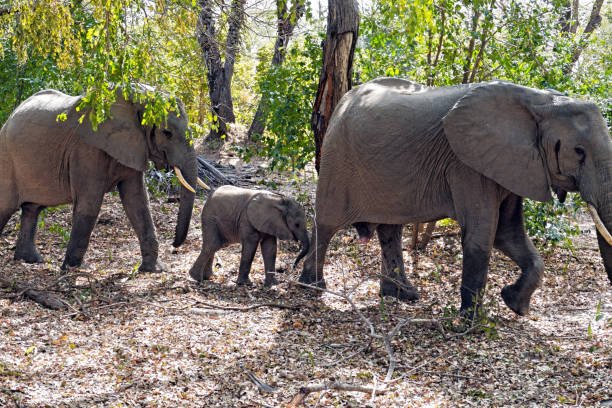
Best 3-Day Safari Tanzania From Zanzibar: Private Itinerary + Price 2026
Experience the thrill of a 3-day Tanzania safari departing from Zanzibar. This guide covers the best park options, itinerary ideas, and essential planning tips for 2026-2027, ensuring an…
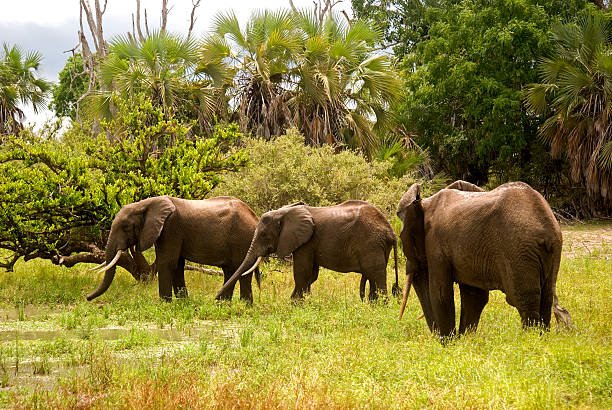
2-Day Safari Tanzania From Zanzibar: Best Fly in Mainland 2026-2027
Discover the thrill of a 2-day safari in mainland Tanzania, starting from the idyllic island of Zanzibar. This short yet impactful adventure allows you to witness the incredible wildlife of…
No related package matches those filters. Clear one or more filters to see the other topic-matched options.



