
.orscg-article{–orscg-text:#152033;–orscg-muted:#5c6878;–orscg-line:#e4e8ee;–orscg-accent:#0b6b4f;–orscg-accent2:#c75b12;–orscg-soft:#f6faf7;–orscg-warm:#fff7ef;max-width:1120px;margin:0 auto;color:var(–orscg-text);font-family:inherit;line-height:1.76}.orscg-article *{box-sizing:border-box}.orscg-article-intro{padding:30px 26px;margin:0 0 32px;border:1px solid var(–orscg-line);border-radius:22px;background:linear-gradient(135deg,#fff 0%,var(–orscg-soft) 65%,var(–orscg-warm) 100%)}.orscg-updated{display:inline-block;margin:0 0 14px;padding:6px 12px;border:1px solid rgba(11,107,79,.18);border-radius:999px;background:#fff;color:var(–orscg-accent);font-size:13px;font-weight:800}.orscg-article-intro h2{font-family:’Trebuchet MS’,Arial,sans-serif;margin:0 0 14px;font-size:clamp(30px,4vw,52px);line-height:1.08;color:var(–orscg-text);letter-spacing:-.03em}.orscg-lead{max-width:900px;margin:0 0 18px;font-size:clamp(17px,2vw,21px);color:var(–orscg-muted)}.orscg-contact-mini{font-weight:800;margin:0}.orscg-contact-mini a,.orscg-content a{color:var(–orscg-accent);text-decoration:none}.orscg-contact-mini a:hover,.orscg-content a:hover{text-decoration:underline}.orscg-hero-price{margin:18px 0 0;padding:14px 16px;border:1px solid rgba(199,91,18,.28);border-radius:14px;background:#fff;color:#733809;font-weight:650}.orscg-content{font-size:17px}.orscg-content h2{font-family:’Trebuchet MS’,Arial,sans-serif;margin:44px 0 15px;font-size:clamp(25px,3vw,38px);line-height:1.17;color:var(–orscg-text);letter-spacing:-.02em}.orscg-content h2:first-child{margin-top:0}.orscg-content h3{margin:28px 0 12px;font-size:clamp(20px,2.1vw,27px);line-height:1.25;color:var(–orscg-text)}.orscg-content p{margin:0 0 18px}.orscg-content ul,.orscg-content ol{margin:0 0 24px;padding-left:24px}.orscg-content li{margin:8px 0}.orscg-content table,.orscg-table{width:100%;border-collapse:separate;border-spacing:0;margin:25px 0;font-size:16px;border:1px solid var(–orscg-line);border-radius:0;overflow:hidden;background:#fff;box-shadow:0 10px 24px rgba(15,23,42,.05)}.orscg-content th,.orscg-content td{border:0;border-bottom:1px solid var(–orscg-line);padding:13px 14px;text-align:left;vertical-align:top}.orscg-content tr:last-child td{border-bottom:0}.orscg-content th{background:var(–orscg-soft);font-weight:850;color:#10251d}.orscg-price-box{margin:30px 0;padding:24px;border:0;border-top:3px solid var(–orscg-accent2);border-bottom:1px solid rgba(199,91,18,.28);border-radius:0;background:linear-gradient(135deg,#fff,var(–orscg-warm));box-shadow:0 12px 26px rgba(15,23,42,.06)}.orscg-price-box h2{margin-top:0}.orscg-price-table th{background:#fff1e3}.orscg-price-table td:first-child{font-weight:800;color:#733809}.orscg-anchor-target{display:block;position:relative;top:-115px;visibility:hidden;height:0;overflow:hidden}.orscg-content h2[data-orscg-anchor]{scroll-margin-top:120px}.orscg-toc,.orscg-company-links{margin:24px 0;padding:22px 24px;border:1px solid var(–orscg-line);border-radius:18px;background:#fff;box-shadow:0 10px 28px rgba(15,23,42,.04)}.orscg-toc h2,.orscg-company-links h2{margin-top:0}.orscg-toc ol{columns:2;column-gap:34px}.orscg-toc li{break-inside:avoid}.orscg-toc a{cursor:pointer;font-weight:700}.orscg-note,.orscg-checklist,.orscg-itinerary,.orscg-faq,.orscg-map,.orscg-pro-block{margin:28px 0;padding:22px 24px;border:0;border-top:1px solid var(–orscg-line);border-bottom:1px solid var(–orscg-line);border-left:5px solid var(–orscg-accent);border-radius:0;background:var(–orscg-soft)}.orscg-itinerary{border-left-color:var(–orscg-accent2);background:#fffaf5}.orscg-pro-block{background:linear-gradient(135deg,#fff,var(–orscg-soft));box-shadow:0 10px 28px rgba(15,23,42,.04)}.orscg-top-images{display:grid;grid-template-columns:repeat(auto-fit,minmax(220px,1fr));gap:16px;margin:0 0 30px}.orscg-featured-image{margin:0;aspect-ratio:16/10;overflow:hidden;border-radius:18px;background:#eef2f0}.orscg-featured-image img{display:block;width:100%;height:100%;object-fit:cover;object-position:center;border-radius:18px;box-shadow:0 12px 30px rgba(15,23,42,.10)}.orscg-simple-cta{margin:46px 0 0;padding:28px;border:0;border-top:3px solid var(–orscg-accent);border-bottom:1px solid rgba(11,107,79,.20);border-radius:0;background:linear-gradient(135deg,var(–orscg-soft),#fff);box-shadow:0 14px 30px rgba(15,23,42,.07)}.orscg-direct-answer{margin:0 0 30px;padding:22px 24px;border:0;border-top:1px solid rgba(11,107,79,.25);border-bottom:1px solid rgba(11,107,79,.25);border-left:6px solid var(–orscg-accent);border-radius:0;background:linear-gradient(135deg,#fff,var(–orscg-soft));box-shadow:0 12px 26px rgba(15,23,42,.06);font-size:18px}.orscg-direct-answer p:last-child{margin-bottom:0}.orscg-simple-cta h2{font-family:’Trebuchet MS’,Arial,sans-serif;margin:0 0 12px;font-size:clamp(24px,3vw,34px);line-height:1.2}.orscg-simple-cta p{margin:0 0 16px}.orscg-related-packages{position:relative;margin:48px 0 0;padding:30px 0 8px;border:0;border-top:3px solid var(–orscg-accent);border-bottom:1px solid var(–orscg-line);border-radius:0;background:linear-gradient(180deg,#fff 0%,#f7faf8 100%);box-shadow:none}.orscg-related-packages h2{margin:0 0 8px}.orscg-related-packages p{margin:0;color:var(–orscg-muted)}.orscg-related-heading{display:flex;align-items:flex-end;justify-content:space-between;gap:18px;margin-bottom:22px}.orscg-package-explorer{display:grid;grid-template-columns:minmax(220px,270px) minmax(0,1fr);gap:24px;align-items:start}.orscg-package-filters{position:sticky;top:92px;border:1px solid var(–orscg-line);border-top:4px solid var(–orscg-accent);border-radius:0;background:#fff;box-shadow:0 12px 28px rgba(15,23,42,.07)}.orscg-filter-mobile-toggle{display:none;width:100%;padding:14px 16px;border:0;border-bottom:1px solid var(–orscg-line);border-radius:0;background:#fff;color:var(–orscg-text);font:inherit;font-weight:850;text-align:left;cursor:pointer}.orscg-filter-panel-head{display:flex;align-items:center;justify-content:space-between;gap:12px;padding:16px 17px;border-bottom:1px solid var(–orscg-line)}.orscg-filter-panel-head strong{font-size:18px}.orscg-filter-panel-head button,.orscg-package-results-head button{padding:0;border:0;background:transparent;color:var(–orscg-accent);font:inherit;font-size:13px;font-weight:800;cursor:pointer}.orscg-filter-group{margin:0;padding:16px 17px;border:0;border-bottom:1px solid var(–orscg-line)}.orscg-filter-group:last-child{border-bottom:0}.orscg-filter-group legend{display:block;width:100%;margin:0 0 10px;padding:0;color:var(–orscg-text);font-size:15px;font-weight:900}.orscg-filter-group label{display:grid;grid-template-columns:18px minmax(0,1fr) auto;align-items:center;gap:9px;margin:9px 0;color:var(–orscg-text);font-size:14px;line-height:1.35;cursor:pointer}.orscg-filter-group input{width:16px;height:16px;margin:0;accent-color:var(–orscg-accent)}.orscg-filter-group b{min-width:24px;color:var(–orscg-muted);font-size:12px;font-weight:700;text-align:right}.orscg-package-results{min-width:0}.orscg-package-results-head{display:flex;align-items:center;justify-content:space-between;gap:14px;margin:0 0 12px;padding:12px 0;border-top:1px solid var(–orscg-line);border-bottom:1px solid var(–orscg-line)}.orscg-package-results-head strong{font-size:15px}.orscg-package-list{display:grid;gap:16px}.orscg-package-card{display:grid;grid-template-columns:minmax(190px,245px) minmax(0,1fr);min-width:0;overflow:hidden;border:1px solid var(–orscg-line);border-left:4px solid var(–orscg-accent);border-radius:0;background:#fff;color:var(–orscg-text);box-shadow:0 12px 26px rgba(15,23,42,.07);transition:transform .18s ease,box-shadow .18s ease}.orscg-package-card[hidden]{display:none!important}.orscg-package-card:hover{transform:translateY(-2px);box-shadow:0 17px 32px rgba(15,23,42,.11)}.orscg-package-card-image{display:block;min-height:185px;overflow:hidden;background:#eaf0ec;text-decoration:none!important}.orscg-package-card-image img{display:block;width:100%;height:100%;min-height:185px;object-fit:cover;object-position:center}.orscg-package-image-placeholder{display:block;width:100%;height:100%;min-height:185px;background:linear-gradient(135deg,#e8f1ec,#fff3e7)}.orscg-package-card-body{display:flex;min-width:0;flex-direction:column;padding:18px 20px}.orscg-package-meta{display:flex;flex-wrap:wrap;gap:7px;margin:0 0 10px}.orscg-package-meta span{display:inline-flex;padding:4px 8px;border:1px solid rgba(11,107,79,.18);border-radius:0;background:var(–orscg-soft);color:#21463b;font-size:12px;font-weight:800;line-height:1.2}.orscg-package-card h3{margin:0 0 8px!important;font-size:clamp(19px,2vw,25px)!important;line-height:1.25}.orscg-package-card h3 a{color:var(–orscg-text)!important;text-decoration:none!important}.orscg-package-card h3 a:hover{color:var(–orscg-accent)!important}.orscg-package-card .orscg-package-summary{margin:0 0 14px;color:var(–orscg-muted);font-size:14px;line-height:1.58}.orscg-package-view{display:inline-flex;align-items:center;gap:7px;margin-top:auto;color:var(–orscg-accent)!important;text-decoration:none!important;font-size:14px;font-weight:900}.orscg-package-view:hover{text-decoration:underline!important}.orscg-package-empty{padding:24px;border:1px dashed var(–orscg-line);background:#fff;text-align:center}.orscg-filter-panel.is-open{display:block}.orscg-cta-links{display:flex;flex-wrap:wrap;gap:12px}.orscg-btn{display:inline-flex;align-items:center;justify-content:center;padding:12px 19px;border-radius:0;background:var(–orscg-accent);color:#fff!important;text-decoration:none!important;font-weight:850;box-shadow:4px 4px 0 rgba(11,107,79,.18)}.orscg-btn-light{background:#fff;color:var(–orscg-accent)!important;border:1px solid var(–orscg-accent);box-shadow:none}@media(max-width:980px){.orscg-package-explorer{grid-template-columns:220px minmax(0,1fr)}.orscg-package-card{grid-template-columns:190px minmax(0,1fr)}}@media(max-width:760px){.orscg-article-intro{padding:24px 18px}.orscg-toc ol{columns:1}.orscg-content{font-size:16px}.orscg-content table,.orscg-table{display:block;overflow-x:auto}.orscg-simple-cta,.orscg-price-box,.orscg-related-packages{padding:20px}.orscg-cta-links{display:block}.orscg-btn{margin:0 8px 8px 0}.orscg-top-images{grid-template-columns:1fr}.orscg-related-heading{align-items:flex-start}.orscg-package-explorer{grid-template-columns:1fr}.orscg-package-filters{position:static}.orscg-filter-mobile-toggle{display:block}.orscg-filter-panel{display:none}.orscg-filter-panel.is-open{display:block}.orscg-package-card{grid-template-columns:1fr}.orscg-package-card-image,.orscg-package-card-image img,.orscg-package-image-placeholder{min-height:210px}.orscg-package-results-head{align-items:flex-start}}
/* v3.17.24 related package explorer: stronger existing-page topic matching, three-column desktop grid and old-page live refresh */
.orscg-related-packages{padding:34px 0 12px;overflow:visible}.orscg-related-heading{align-items:flex-start;margin-bottom:26px}.orscg-related-heading>div{max-width:880px}.orscg-related-heading h2{font-size:clamp(27px,3vw,40px);line-height:1.14}.orscg-related-heading p{max-width:830px;line-height:1.65}.orscg-package-explorer{grid-template-columns:minmax(238px,270px) minmax(0,1fr);gap:28px}.orscg-package-filters{top:84px;max-height:calc(100vh – 104px);overflow:auto;scrollbar-width:thin}.orscg-filter-mobile-toggle{align-items:center;justify-content:space-between;gap:16px}.orscg-filter-mobile-toggle small{color:var(–orscg-muted);font-size:12px;font-weight:750}.orscg-filter-panel-head{align-items:flex-start;padding:18px}.orscg-filter-panel-head>div{display:grid;gap:3px}.orscg-filter-panel-head span{color:var(–orscg-muted);font-size:12px}.orscg-filter-group{padding:0}.orscg-filter-group legend{margin:0}.orscg-filter-group-toggle{display:flex;width:100%;align-items:center;justify-content:space-between;gap:14px;padding:14px 17px;border:0;background:#fff;color:var(–orscg-text);font:inherit;font-size:15px;font-weight:900;text-align:left;cursor:pointer}.orscg-filter-group-toggle i{position:relative;width:14px;height:14px;flex:0 0 14px}.orscg-filter-group-toggle i:before,.orscg-filter-group-toggle i:after{content:””;position:absolute;left:1px;top:6px;width:12px;height:2px;background:var(–orscg-accent);transition:transform .18s ease}.orscg-filter-group-toggle i:after{transform:rotate(90deg)}.orscg-filter-group.is-expanded .orscg-filter-group-toggle i:after{transform:rotate(0)}.orscg-filter-options{padding:0 17px 14px}.orscg-filter-group:not(.is-expanded) .orscg-filter-options{display:none}.orscg-filter-group label{margin:5px -7px;padding:8px 7px;transition:background .16s ease}.orscg-filter-group label:hover{background:var(–orscg-soft)}.orscg-filter-group label:has(input:checked){background:#eef8f3;color:#123b2f;font-weight:800}.orscg-package-results-head{align-items:flex-start;margin-bottom:18px;padding:14px 0}.orscg-package-results-head>div{min-width:0}.orscg-package-results-head>button{flex:0 0 auto;margin-top:2px}.orscg-active-filters{display:flex;flex-wrap:wrap;gap:6px;margin-top:8px}.orscg-active-filters:empty{display:none}.orscg-active-filter-chip{display:inline-flex;align-items:center;padding:4px 8px;border:1px solid rgba(11,107,79,.18);background:var(–orscg-soft);color:#21463b;font-size:12px;font-weight:750}.orscg-package-list{grid-template-columns:repeat(3,minmax(0,1fr));gap:20px;align-items:stretch}.orscg-package-card{position:relative;display:grid;grid-template-columns:1fr;grid-template-rows:auto 1fr;height:100%;border-left:1px solid var(–orscg-line);border-top:4px solid var(–orscg-accent);cursor:pointer;outline:none}.orscg-package-card:focus-visible{box-shadow:0 0 0 3px rgba(11,107,79,.2),0 17px 32px rgba(15,23,42,.11)}.orscg-package-card-image{min-height:0;aspect-ratio:16/9}.orscg-package-card-image img,.orscg-package-image-placeholder{width:100%;height:100%;min-height:0;aspect-ratio:16/9}.orscg-package-card-body{height:100%;padding:18px 19px 19px}.orscg-package-card h3{font-size:clamp(18px,1.7vw,23px)!important}.orscg-package-summary{display:-webkit-box;overflow:hidden;-webkit-box-orient:vertical;-webkit-line-clamp:3}.orscg-package-view{padding-top:4px}.orscg-package-card.is-filtered-in{animation:orscgPackageReveal .22s ease both}@keyframes orscgPackageReveal{from{opacity:.35;transform:translateY(5px)}to{opacity:1;transform:none}}@media(max-width:1050px){.orscg-package-explorer{grid-template-columns:220px minmax(0,1fr);gap:20px}.orscg-package-list{grid-template-columns:repeat(2,minmax(0,1fr))}}@media(max-width:760px){.orscg-related-packages{padding:24px 0 8px}.orscg-package-explorer{grid-template-columns:1fr}.orscg-package-filters{max-height:none;overflow:visible}.orscg-filter-mobile-toggle{display:flex}.orscg-package-list{grid-template-columns:1fr;gap:16px}.orscg-package-card-image{aspect-ratio:16/10}.orscg-package-card-image img,.orscg-package-image-placeholder{aspect-ratio:16/10}.orscg-package-results-head{gap:10px}.orscg-package-results-head>button{white-space:nowrap}}@media(max-width:430px){.orscg-package-results-head{display:grid;grid-template-columns:1fr}.orscg-package-results-head>button{justify-self:start}.orscg-filter-mobile-toggle{padding:14px}.orscg-package-card-body{padding:16px}}
Traveling from the USA to Rwanda primarily involves booking international flights, typically with one or two layovers, to Kigali International Airport (KGL). You will need a valid passport, a visa (obtainable online or upon arrival for many nationalities), and proof of Yellow Fever vaccination. The best times for travel are during the dry seasons from June to September and December to February for optimal wildlife viewing and trekking conditions, especially relevant for planning your 2026-2027 adventures.
Planning Your Journey: USA to Rwanda in 2026-2027
The decision to travel from the USA to Rwanda is an exciting one, opening the door to a country celebrated for its stunning natural beauty, remarkable conservation efforts, and warm, resilient culture. Whether your sights are set on tracking mountain gorillas in Volcanoes National Park, exploring the vast savannahs of Akagera National Park, or experiencing the vibrant capital city of Kigali, thorough planning is key to a successful and memorable trip, especially as you look ahead to travel dates in 2026 and 2027.
This comprehensive guide is designed to provide you with all the essential information needed to navigate the complexities of international travel from the United States to Rwanda. We’ll cover everything from booking your flights and understanding visa requirements to health and safety considerations, currency, local customs, and the best ways to experience Rwanda’s unique attractions. Our aim is to equip you with the knowledge to make informed decisions, ensuring your journey is as smooth and enjoyable as possible.
Understanding Your Travel Options: Flights from USA to Rwanda
The most common and practical method for traveling from the USA to Rwanda is by air. Given the vast distance, direct flights are non-existent. All routes will involve at least one, and often two, layovers. Understanding these flight paths, airlines, and booking strategies can significantly impact your travel experience and budget.
Major International Airports in the USA and Their Rwanda Flight Connections
Several major international airports in the United States serve as common departure points for flights to Rwanda. The choice of your departure airport often depends on your proximity and the availability of connecting flights. Key hubs include:
- New York (JFK and EWR): These are among the busiest international gateways in the US and often offer the most competitive fares and routes to Africa.
- Washington D.C. (IAD): Another significant hub with strong connections to European and Middle Eastern transit points.
- Atlanta (ATL): While a major hub for Delta, it can be a good starting point for flights connecting through Europe.
- Chicago (ORD): Offers a wide range of international carriers.
- Los Angeles (LAX): For travelers on the West Coast, LAX provides access to many international routes.
Common Transit Hubs for USA to Rwanda Flights
Flights from the USA to Rwanda almost invariably transit through major international hubs. The most frequent layover cities include:
- Amsterdam (AMS): A primary hub for KLM, offering excellent connections to Kigali.
- Paris (CDG): A major hub for Air France, also providing direct flights to Kigali.
- Doha (DOH): The hub for Qatar Airways, offering a premium service with a stop in the Middle East.
- Istanbul (IST): Turkish Airlines utilizes Istanbul as a major transit point with increasing connectivity to African destinations.
- Dubai (DXB): Emirates and other airlines may offer routes with a stop in Dubai, though often requiring an additional leg.
- Addis Ababa (ADD): Ethiopian Airlines is a major player in African air travel and often provides efficient connections, sometimes with a stop in a European city first, or directly from the US to Addis Ababa, then to Kigali.
- Nairobi (NBO): Kenya Airways can be an option, though often less direct than European or Middle Eastern hubs.
Airlines Servicing the USA to Rwanda Route
Several reputable airlines operate routes that connect the USA to Rwanda. It’s wise to compare options based on price, duration, layover times, and airline reputation. Key carriers include:
- KLM: Often provides one of the most direct and efficient routes via Amsterdam.
- Air France: Offers a similar pathway through Paris.
- Qatar Airways: Known for its excellent service, connecting through Doha.
- Turkish Airlines: A growing option with connections through Istanbul.
- Ethiopian Airlines: A strong contender for connecting flights, often via Addis Ababa.
- Delta Air Lines / Virgin Atlantic / Air Canada: These may be involved in initial legs of the journey, connecting to European or Middle Eastern partners.
Estimating Flight Duration and Layover Times
The total travel time from the USA to Rwanda can vary significantly. A typical journey might look like this:
- Flight Time (USA to Hub): 7-10 hours
- Layover Time: 2-8 hours (can be longer depending on connections)
- Flight Time (Hub to Kigali): 6-10 hours
This means total travel time can range from approximately 15 hours to over 30 hours. It’s crucial to check the total duration when booking, as shorter flights with longer layovers might be less convenient than slightly longer flights with shorter, well-timed connections.
Booking Your Flights: Tips for 2026-2027 Travel
To secure the best flights for your trip from the USA to Rwanda in 2026 or 2027:
- Book in Advance: For popular travel periods, especially during the dry seasons (June-September, December-February), booking 3-6 months ahead is recommended. This is particularly true for 2026-2027 planning as travel demand continues to grow.
- Be Flexible with Dates: If possible, flying mid-week (Tuesday or Wednesday) can sometimes yield lower fares compared to weekend travel.
- Use Flight Comparison Websites: Utilize sites like Google Flights, Skyscanner, Kayak, and Momondo to compare prices across different airlines and dates.
- Consider Package Deals: Sometimes, booking flights and accommodation together through a travel agency can offer savings, though direct booking often provides more flexibility.
- Sign Up for Alerts: Set up fare alerts for your desired routes to be notified of price drops.
- Check Baggage Allowances: International flights can have strict baggage policies. Confirm the number of checked bags, carry-on limits, and any associated fees.
Visa Requirements for US Citizens Traveling to Rwanda
Understanding visa regulations is a critical step in planning your trip from the USA to Rwanda. Fortunately, Rwanda has a relatively straightforward visa policy for many nationalities.
Visa on Arrival and Online Application
As of recent regulations, citizens of many countries, including the United States, can obtain a visa upon arrival at Kigali International Airport (KGL). However, the most recommended and efficient method for US citizens is to apply for the visa online in advance through the Rwandan Directorate General of Immigration and Emigration website.
The online application process is generally straightforward and helps avoid potential delays or queues at the airport. It is advisable to complete this application at least 1-2 weeks before your departure.
Types of Visas and Fees
The most common visa for tourists is the 30-day tourist visa. The fee for this visa is typically around $50 USD. It’s essential to check the official Directorate General of Immigration and Emigration website for the most current fee structure and any updates, as these can change.
Rwanda also offers a 90-day tourist visa, which is more expensive and suited for longer stays. For travelers planning extensive exploration or multi-country trips within East Africa, the East Africa Tourist Visa is a valuable option. This visa, costing approximately $100 USD, is valid for 90 days and allows multiple entries into Rwanda, Uganda, and Kenya. It must be applied for through the immigration authority of the country you intend to visit first.
Required Documents for Visa Application
When applying online or seeking a visa on arrival, you will typically need:
- A passport valid for at least six months beyond your intended stay.
- A completed visa application form (online or provided at the airport).
- A recent passport-sized photograph.
- Proof of onward or return travel (flight bookings).
- Visa fee payment (usually in USD).
- For the East Africa Tourist Visa, a detailed itinerary is often required.
Passport Validity
Ensure your passport has at least six months of validity remaining from your date of entry into Rwanda. Many countries, including Rwanda, enforce this rule strictly. If your passport is nearing its expiry date, renew it well before your travel dates for 2026-2027.
Health and Safety Recommendations for USA to Rwanda Travel
Prioritizing your health and safety is paramount when traveling internationally, especially to sub-Saharan Africa. Rwanda has made significant strides in public health and safety, but it’s wise to be prepared.
Vaccinations and Health Precautions
Consult with your doctor or a travel clinic at least 4-6 weeks before your trip. Recommended vaccinations and health measures often include:
- Yellow Fever: This vaccination is mandatory for entry into Rwanda if you are arriving from or have transited through a country with a risk of Yellow Fever. You will need to present your International Certificate of Vaccination or Prophylaxis (ICVP), often called the ‘Yellow Card’.
- Hepatitis A & B: Recommended for most travelers.
- Typhoid: Recommended for most travelers.
- Rabies: Consider if you plan extensive outdoor activities or prolonged stays.
- Tetanus/Diphtheria: Ensure your routine vaccinations are up to date.
- COVID-19: While entry requirements can change, it’s advisable to check the latest government advisories regarding vaccination status or testing.
Malaria Prevention
Malaria is present in Rwanda, particularly in lower-altitude areas. While Kigali is at a higher elevation and has a lower risk, precautions are still advised.
- Antimalarial Medication: Discuss appropriate antimalarial drugs with your doctor. Common options include Malarone (atovaquone-proguanil), doxycycline, or mefloquine. Start taking the medication before you travel, during your stay, and continue after you return as prescribed.
- Insect Repellent: Use repellents containing DEET (20-30%) on exposed skin, especially during dawn and dusk.
- Protective Clothing: Wear long sleeves and trousers during these times.
- Mosquito Nets: Ensure your accommodation provides or uses mosquito nets.
Food and Water Safety
To avoid traveler’s diarrhea and other gastrointestinal issues:
- Drink Bottled Water: Always drink water that is sealed or has been purified. Avoid tap water, ice cubes in drinks, and brushing your teeth with tap water unless you are certain it’s safe.
- Eat Cooked Food: Consume food that is thoroughly cooked and served hot.
- Peel Fruits and Vegetables: Eat fruits and vegetables that you can peel yourself.
- Be Cautious with Street Food: While tempting, street food carries a higher risk of contamination.
General Safety in Rwanda
Rwanda is widely considered one of the safest countries in Africa for tourists. Crime rates are low, and the government prioritizes security, especially in tourist areas. However, standard travel precautions should always be observed:
- Be Aware of Your Surroundings: Especially in crowded markets or busy areas.
- Secure Valuables: Keep your passport, money, and electronics secure. Use hotel safes when available.
- Avoid Walking Alone at Night: Particularly in unfamiliar areas. Use reputable taxis or pre-arranged transport.
- Respect Local Laws and Customs: Be mindful of cultural norms, particularly regarding dress code and public behavior.
- Stay Informed: Keep abreast of any local news or advisories from your embassy.
For the most up-to-date health and safety information, always refer to the U.S. Department of State’s travel advisories and the Centers for Disease Control and Prevention (CDC) website.
Best Time to Travel from USA to Rwanda
Choosing the right time to visit Rwanda can significantly enhance your experience, particularly for activities like gorilla trekking and wildlife viewing. Rwanda enjoys a pleasant, temperate climate due to its high altitude, but there are distinct wet and dry seasons.
Dry Seasons (June to September and December to February)
These are generally considered the peak tourist seasons in Rwanda. The advantages of traveling during these months include:
- Ideal for Gorilla Trekking: Trails are less muddy and slippery, making the treks more comfortable and potentially shorter.
- Excellent Wildlife Viewing: Animals tend to congregate around water sources, making them easier to spot in national parks like Akagera.
- Pleasant Weather: Lower humidity and minimal rainfall mean sunny days, perfect for outdoor activities and photography.
The downside is that these are also the busiest and potentially most expensive times to visit. Booking accommodations and permits well in advance is crucial, especially for 2026 and 2027 travel during these periods.
Wet Seasons (March to May and October to November)
These months bring more rainfall, though it often comes in the form of heavy afternoon showers rather than continuous downpours. The benefits of visiting during the wet season include:
- Lush Green Scenery: The landscape is at its most vibrant and verdant, offering stunning photographic opportunities.
- Fewer Crowds: You’ll encounter fewer tourists, leading to a more intimate experience.
- Lower Prices: Accommodation and tour prices may be slightly lower during the shoulder and low seasons.
- Birdwatching: This is an excellent time for birdwatchers, as migratory birds are present.
While gorilla trekking is still possible, the trails can be more challenging due to mud. However, the experience is still incredibly rewarding.
Shoulder Seasons
The periods just before and after the main dry seasons (e.g., late May/early June and late September/early October) can offer a good balance of decent weather, fewer crowds, and potentially better prices. These are often excellent times to plan your trip for 2026-2027 if you want to avoid peak season but still enjoy good trekking conditions.
Currency, Budgeting, and Costs for Your USA to Rwanda Trip
Understanding the local currency and planning your budget is essential for a trip from the USA to Rwanda. Rwanda uses the Rwandan Franc (RWF).
Understanding the Rwandan Franc (RWF)
The exchange rate fluctuates, but as of recent data, 1 USD is approximately 1,000-1,100 RWF. It’s always best to check the current exchange rate before your trip.
Getting Rwandan Francs
- ATMs: ATMs are available in Kigali and other major towns. They typically dispense RWF and often accept Visa and Mastercard. Inform your bank about your travel plans to avoid card issues.
- Currency Exchange Bureaus: Available at the airport and in major cities for exchanging USD, EUR, or GBP.
- Banks: Offer currency exchange services.
It is advisable to carry some USD in cash for initial expenses like visas (if paying on arrival) or airport transfers, as USD is widely accepted for tourist services, though often at a less favorable rate than RWF.
Budgeting for Your Trip
The cost of a trip from the USA to Rwanda can vary significantly based on your travel style, duration, and chosen activities. Here’s a breakdown of potential costs:
Estimated Trip Costs (Per Person, Excluding International Flights)
| Category | Budget (USD) | Mid-Range (USD) | Luxury (USD) |
|---|---|---|---|
| Accommodation (per night) | $30 – $80 | $100 – $250 | $300+ |
| Gorilla Trekking Permit | $1,500 (Standard Fee) | ||
| Golden Monkey Trekking Permit | $100 | ||
| Park Entrance Fees (Akagera/Nyungwe) | $10 – $20 (per day) | $15 – $30 (per day) | $20 – $40 (per day) |
| Daily Meals & Drinks | $25 – $50 | $50 – $100 | $100+ |
| Local Transportation/Tours | $50 – $100 (per day) | $100 – $200 (per day) | $200+ (per day) |
| Visa Fee | Approx. $50 (30-day tourist) | ||
| Miscellaneous (Souvenirs, Tips) | $20 – $50 (per day) | $50 – $100 (per day) | $100+ (per day) |
Note: Prices are estimates and can vary. International flights from the USA to Kigali can range from $900 to $1,800+ depending on the season, airline, and booking time.
Key Cost Factors for 2026-2027 Travel
- Gorilla Permits: This is the single most significant expense for many visitors. The price is fixed by the Rwanda Development Board (RDB) and is non-negotiable. Book these permits months in advance, especially for peak seasons in 2026 and 2027, as availability is limited.
- Accommodation: Rwanda offers a range of options from budget guesthouses to high-end lodges. Your choice here will heavily influence your daily costs.
- Transportation: Hiring a private vehicle with a driver/guide is common for safaris and tours. Costs can be shared if traveling in a group.
- Duration of Stay: Longer trips naturally incur higher costs.
- Activities: Beyond gorilla trekking, other activities like chimpanzee tracking, canopy walks, and city tours add to the overall expense.
Tips for Saving Money
- Travel in the Off-Season: Consider visiting during the wet season (March-May, October-November) for potentially lower prices on accommodation and flights.
- Group Travel: Sharing costs for accommodation, transport, and guides can significantly reduce individual expenses.
- Choose Mid-Range Accommodation: Rwanda has excellent mid-range lodges that offer great value and comfort without the ultra-luxury price tag.
- Factor in Package Deals: Reputable tour operators often create comprehensive packages that can be more cost-effective than booking everything separately.
Packing Essentials for Your Rwanda Adventure
Packing smart is crucial for comfort and convenience when traveling from the USA to Rwanda. The climate is generally mild, but layering is key. Consider the activities you plan to do.
Clothing
- Lightweight, Breathable Layers: T-shirts, long-sleeved shirts (for sun and insect protection), and comfortable trousers/hiking pants. Avoid bright colors for gorilla trekking; neutral, earthy tones are best.
- Fleece Jacket or Warm Sweater: Evenings and early mornings can be cool, especially at higher altitudes.
- Waterproof/Windproof Jacket: Essential for unpredictable rain showers, especially during wet seasons.
- Rain Poncho: A lightweight poncho can be very useful.
- Comfortable Hiking Boots: Broken-in and waterproof boots are essential for trekking, especially for gorillas and chimpanzees.
- Comfortable Shoes: For relaxing, city exploration, or travel days.
- Socks: Moisture-wicking socks are important for hiking.
- Swimsuit: If your accommodation has a pool.
Gear and Accessories
- Backpack: A small daypack for carrying water, snacks, camera, and rain gear during treks.
- Camera and Extra Batteries/Memory Cards: Rwanda is incredibly photogenic.
- Binoculars: Highly recommended for wildlife viewing.
- Sunscreen, Hat, and Sunglasses: The sun can be strong at high altitudes.
- Insect Repellent: With DEET.
- Personal First-Aid Kit: Include any personal medications, bandages, antiseptic wipes, pain relievers, and motion sickness medication.
- Hand Sanitizer: Crucial for maintaining hygiene on the go.
- Reusable Water Bottle: To stay hydrated and reduce plastic waste.
- Adapter and Power Bank: Rwanda uses Type J sockets (similar to Swiss sockets), 230V. A universal adapter is useful.
- Headlamp or Small Flashlight: For early morning starts or navigating in low light.
- Biodegradable Wet Wipes: Useful for freshening up.
Important Documents
- Passport with at least six months validity.
- Visa Confirmation (if applied online).
- Yellow Fever Certificate (ICVP).
- Flight Tickets/Itinerary.
- Travel Insurance Details.
- Copies of Important Documents: Keep digital and physical copies separate from the originals.
Experiencing Rwanda: Top Destinations and Activities
Rwanda, the “Land of a Thousand Hills,” offers a diverse range of experiences, from dense rainforests to savannah plains and vibrant cultural encounters.
Volcanoes National Park: The Realm of Mountain Gorillas
This is arguably Rwanda’s most famous destination. Located in the northwest, the park is home to a significant population of endangered mountain gorillas.
- Gorilla Trekking: The highlight for many. You’ll hike through dense forest to spend an hour observing a habituated gorilla family. This requires a permit ($1,500 USD) and is physically demanding. Book well in advance for 2026-2027.
- Golden Monkey Trekking: Another incredible primate tracking experience in the bamboo forests. Permits are $100 USD.
- Dian Fossey Hike: Visit the former research center of the primatologist Dian Fossey and her tomb.
- Volcano Hikes: For the adventurous, climbing Mount Karisimbi or Mount Bisoke offers stunning views.
Nyungwe National Park: Primate Paradise and Canopy Walks
One of Africa’s oldest rainforests, Nyungwe is a biodiversity hotspot.
- Chimpanzee Trekking: While not as reliably seen as gorillas, tracking chimpanzees here is a thrilling experience.
- Canopy Walkway: A suspension bridge high above the forest floor, offering unique perspectives and wildlife viewing opportunities.
- Colobus Monkey Tracking: Home to large troops of black and white colobus monkeys.
- Birdwatching: Nyungwe is a haven for endemic bird species.
Akagera National Park: Savannah Safaris
Located in the east, Akagera offers a classic African savannah safari experience.
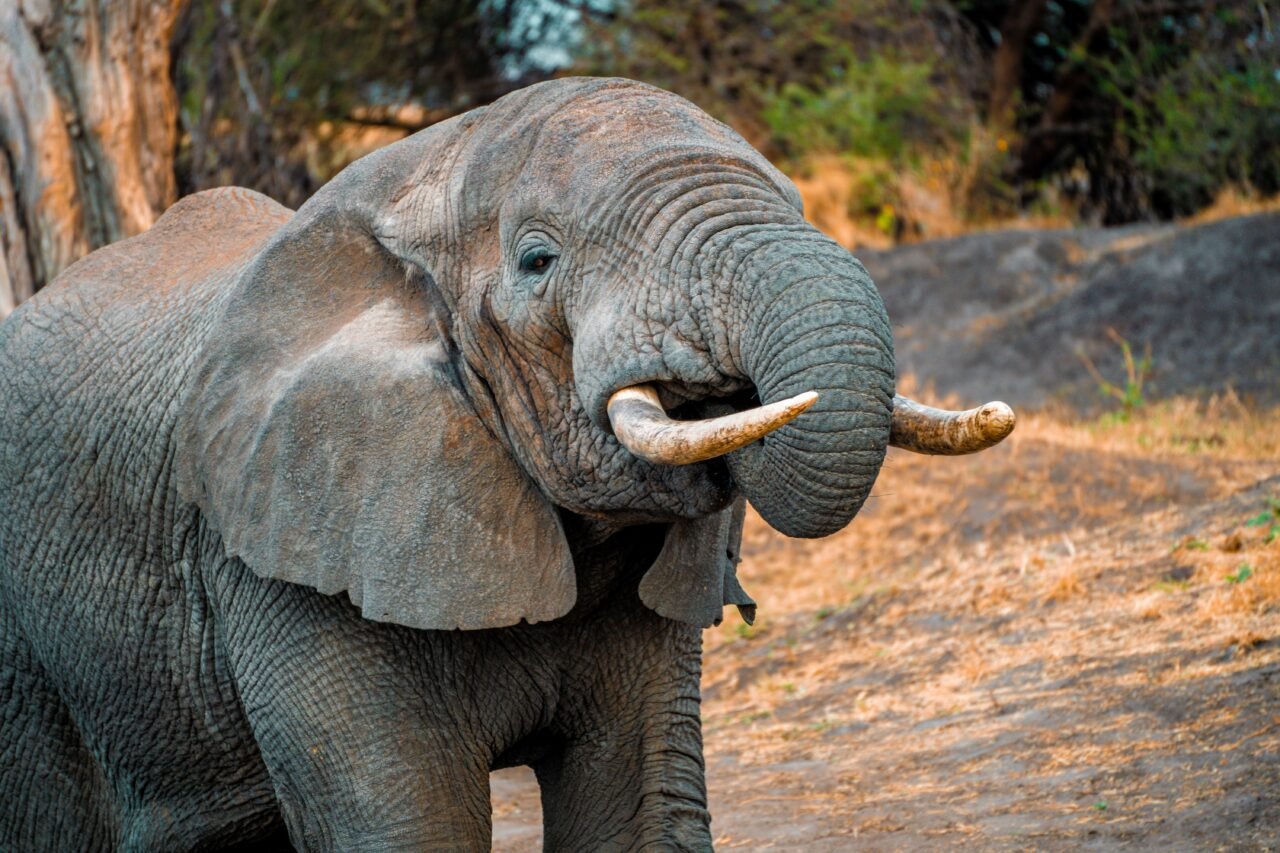
- Wildlife Viewing: Home to elephants, giraffes, zebras, hippos, crocodiles, and a reintroduced population of lions and rhinos, making it possible to see the “Big Five”.
- Boat Trips: On Lake Ihema offer fantastic opportunities to see hippos and crocodiles.
- Game Drives: Explore the park’s diverse landscapes in search of wildlife.
Kigali: The Vibrant Capital City
Kigali is a clean, modern, and rapidly developing city that offers a glimpse into contemporary Rwanda.
- Kigali Genocide Memorial: A poignant and essential visit to understand Rwanda’s history.
- Caplaki Cooperative: Shop for authentic Rwandan crafts and souvenirs.
- Inema Arts Center: Discover local art and meet artists.
- Local Markets: Experience the bustling atmosphere of Kimironko Market.
- Culinary Scene: Enjoy diverse dining options, from traditional Rwandan cuisine to international fare.
Lake Kivu: Relaxation and Adventure
Bordering the Democratic Republic of Congo, Lake Kivu offers beautiful beaches and water activities.
- Boat Trips: Explore the islands and enjoy the scenic views.
- Kayaking and Paddleboarding: Enjoy the calm waters.
- Coffee Plantations: Visit local plantations to learn about Rwandan coffee.
Cultural Etiquette and Local Customs
Respecting local customs and traditions will greatly enhance your interactions and overall experience in Rwanda.
- Greetings: A handshake is common. It’s polite to greet people when entering a shop or interacting with guides and staff.
- Dress Code: While Kigali is relatively modern, modest dress is appreciated, especially outside the capital and when visiting rural areas or religious sites. Avoid overly revealing clothing.
- Photography: Always ask for permission before taking photos of people.
- Respect for Elders: Show deference and respect to older individuals.
- Punctuality: While “African time” can sometimes be a factor, punctuality is generally appreciated, especially for scheduled tours and appointments.
- Environmental Consciousness: Rwandans are very proud of their clean environment. Littering is frowned upon. Plastic bags are banned in Rwanda.
Connectivity and Communication
Staying connected while traveling from the USA to Rwanda is generally easy, especially in urban areas.
- Mobile Networks: Major mobile operators like MTN and Airtel Rwanda have good coverage in Kigali and along main routes. Purchasing a local SIM card at the airport or in town is cost-effective for data and local calls.
- Wi-Fi: Many hotels, lodges, and restaurants in Kigali offer Wi-Fi. Connectivity can be spotty in more remote national parks.
- International Roaming: Check with your US carrier about international roaming plans, but these are often expensive. Using a local SIM or relying on Wi-Fi is usually more economical.
Making the Most of Your Trip: Booking with Top Guide Adventures
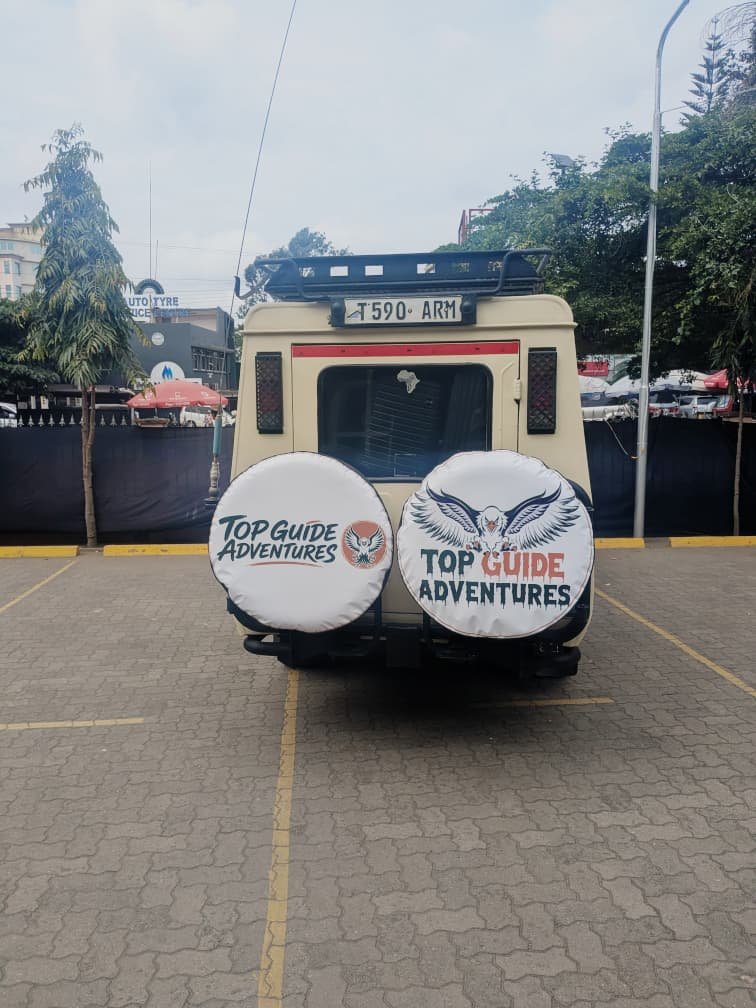
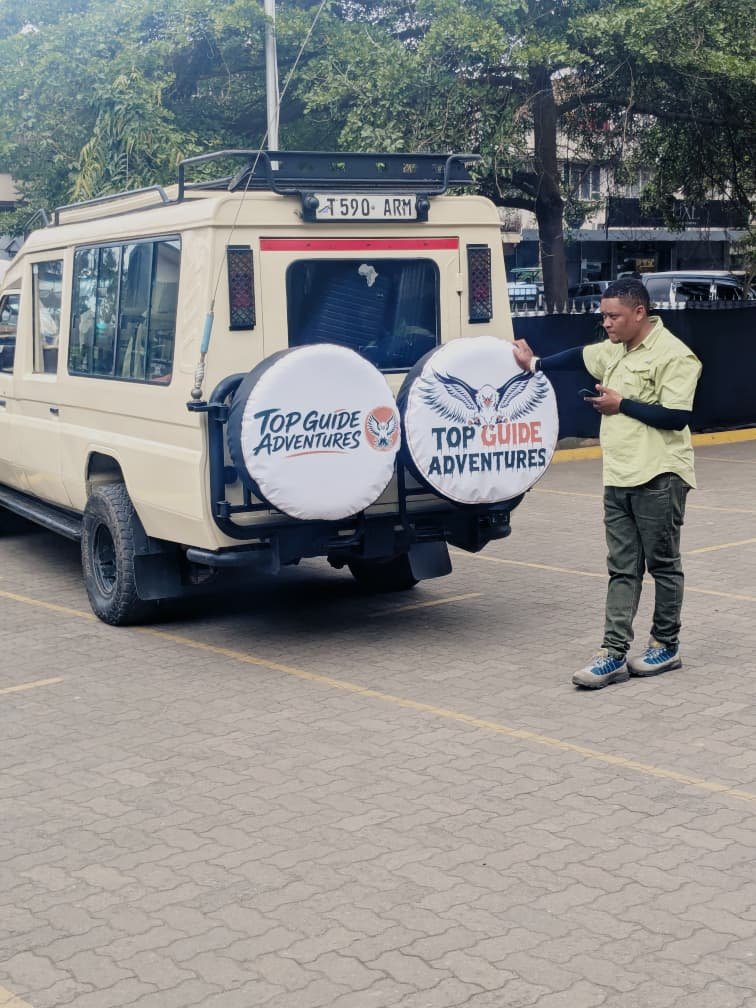
To ensure a smooth and enriching travel experience from the USA to Rwanda, partnering with a reputable local tour operator is highly recommended. Top Guide Adventures, with its deep expertise in East African travel, can tailor your journey to meet your specific interests and budget.
We specialize in creating personalized itineraries that cover Rwanda’s highlights and hidden gems. Whether you’re planning a gorilla trekking expedition for 2026 or 2027, a comprehensive safari, or a cultural exploration, our team is dedicated to providing exceptional service.
Why Choose Top Guide Adventures?
- Local Expertise: We have in-depth knowledge of Rwanda’s parks, culture, and logistics.
- Tailor-Made Itineraries: We craft trips based on your preferences, pace, and budget.
- Reliable Logistics: From airport transfers to park permits and accommodation, we handle all the details.
- Experienced Guides: Our guides are knowledgeable, friendly, and committed to your safety and enjoyment.
- Personalized Support: We offer dedicated support before, during, and after your trip.
Planning your 2026-2027 trip from the USA to Rwanda? Let us help you create an unforgettable adventure. Get in touch with us to discuss your dream itinerary. You can reach us via WhatsApp at +255616946642, email us at topguideadventures@gmail.com, or use our backup email info@topguideadventurestanzania.com. Visit our website Top Guide Adventures for more information on our services and sample itineraries.
“,
“faq_schema”: [
{
“question”: “What is the best way to travel from the USA to Rwanda?”,
“answer”: “The most practical way to travel from the USA to Rwanda is by air, flying into Kigali International Airport (KGL). Flights typically involve one or two layovers in major international hubs like Amsterdam, Paris, Doha, or Addis Ababa. Direct flights are not available.”
},
{
“question”: “Do US citizens need a visa to enter Rwanda?”,
“answer”: “Yes, US citizens generally need a visa to enter Rwanda. While a visa can often be obtained upon arrival, it is highly recommended to apply for and secure your visa online in advance through the Rwandan Directorate General of Immigration and Emigration website to ensure a smooth entry. The standard tourist visa is valid for 30 days and costs around $50 USD.”
},
{
“question”: “What vaccinations are required for travel to Rwanda from the USA?”,
“answer”: “A Yellow Fever vaccination certificate is mandatory for entry if arriving from or transiting through a country with a risk of Yellow Fever. It’s also recommended to consult your doctor about vaccinations for Hepatitis A, Typhoid, and ensure your routine immunizations are up-to-date. Discuss malaria prevention with your doctor as well.”
},
{
“question”: “When is the best time to visit Rwanda for travel from the USA in 2026-2027?”,
“answer”: “The best times to visit Rwanda are during the dry seasons: June to September and December to February. These periods offer ideal conditions for gorilla trekking and wildlife viewing with less rain and more sunshine. However, these are also peak seasons, so booking well in advance for 2026-2027 is advised.”
},
{
“question”: “How much does it cost to travel from the USA to Rwanda?”,
“answer”: “Excluding international flights (which can range from $900-$1800+), daily costs in Rwanda can vary. Budget travelers might spend $100-$150 per day, mid-range $200-$400 per day, and luxury travelers $500+. The most significant single expense is the gorilla trekking permit at $1,500 USD. Costs depend heavily on accommodation, activities, and travel style.”
},
{
“question”: “What is the most expensive part of a trip to Rwanda?”,
“answer”: “The most expensive single item for most visitors is the mountain gorilla trekking permit, which costs $1,500 USD per person. This permit is essential for tracking gorillas in Volcanoes National Park and is often the primary driver of tour package costs.”
},
{
“question”: “Can I use my credit cards in Rwanda?”,
“answer”: “Credit cards are accepted in larger hotels, lodges, and some upscale shops and restaurants, especially in Kigali. However, for smaller establishments, local markets, and tips, it’s essential to have Rwandan Francs (RWF) in cash. ATMs are available in major towns for withdrawing local currency.”
}
]
}
“`
Check Availability for How To Travel From Usa To Rwanda 2026-2027
Ready to compare dates, prices, and the best option for your group? Send the package name and travel month so the team can reply with a clear quote, availability, and what is included.



