
.orscg-article{–orscg-text:#152033;–orscg-muted:#5c6878;–orscg-line:#e4e8ee;–orscg-accent:#0b6b4f;–orscg-accent2:#c75b12;–orscg-soft:#f6faf7;–orscg-warm:#fff7ef;max-width:1120px;margin:0 auto;color:var(–orscg-text);font-family:inherit;line-height:1.76}.orscg-article *{box-sizing:border-box}.orscg-article-intro{padding:30px 26px;margin:0 0 32px;border:1px solid var(–orscg-line);border-radius:22px;background:linear-gradient(135deg,#fff 0%,var(–orscg-soft) 65%,var(–orscg-warm) 100%)}.orscg-updated{display:inline-block;margin:0 0 14px;padding:6px 12px;border:1px solid rgba(11,107,79,.18);border-radius:999px;background:#fff;color:var(–orscg-accent);font-size:13px;font-weight:800}.orscg-article-intro h2{font-family:’Trebuchet MS’,Arial,sans-serif;margin:0 0 14px;font-size:clamp(30px,4vw,52px);line-height:1.08;color:var(–orscg-text);letter-spacing:-.03em}.orscg-lead{max-width:900px;margin:0 0 18px;font-size:clamp(17px,2vw,21px);color:var(–orscg-muted)}.orscg-contact-mini{font-weight:800;margin:0}.orscg-contact-mini a,.orscg-content a{color:var(–orscg-accent);text-decoration:none}.orscg-contact-mini a:hover,.orscg-content a:hover{text-decoration:underline}.orscg-hero-price{margin:18px 0 0;padding:14px 16px;border:1px solid rgba(199,91,18,.28);border-radius:14px;background:#fff;color:#733809;font-weight:650}.orscg-content{font-size:17px}.orscg-content h2{font-family:’Trebuchet MS’,Arial,sans-serif;margin:44px 0 15px;font-size:clamp(25px,3vw,38px);line-height:1.17;color:var(–orscg-text);letter-spacing:-.02em}.orscg-content h2:first-child{margin-top:0}.orscg-content h3{margin:28px 0 12px;font-size:clamp(20px,2.1vw,27px);line-height:1.25;color:var(–orscg-text)}.orscg-content p{margin:0 0 18px}.orscg-content ul,.orscg-content ol{margin:0 0 24px;padding-left:24px}.orscg-content li{margin:8px 0}.orscg-content table,.orscg-table{width:100%;border-collapse:separate;border-spacing:0;margin:25px 0;font-size:16px;border:1px solid var(–orscg-line);border-radius:0;overflow:hidden;background:#fff;box-shadow:0 10px 24px rgba(15,23,42,.05)}.orscg-content th,.orscg-content td{border:0;border-bottom:1px solid var(–orscg-line);padding:13px 14px;text-align:left;vertical-align:top}.orscg-content tr:last-child td{border-bottom:0}.orscg-content th{background:var(–orscg-soft);font-weight:850;color:#10251d}.orscg-price-box{margin:30px 0;padding:24px;border:0;border-top:3px solid var(–orscg-accent2);border-bottom:1px solid rgba(199,91,18,.28);border-radius:0;background:linear-gradient(135deg,#fff,var(–orscg-warm));box-shadow:0 12px 26px rgba(15,23,42,.06)}.orscg-price-box h2{margin-top:0}.orscg-price-table th{background:#fff1e3}.orscg-price-table td:first-child{font-weight:800;color:#733809}.orscg-anchor-target{display:block;position:relative;top:-115px;visibility:hidden;height:0;overflow:hidden}.orscg-content h2[data-orscg-anchor]{scroll-margin-top:120px}.orscg-toc,.orscg-company-links{margin:24px 0;padding:22px 24px;border:1px solid var(–orscg-line);border-radius:18px;background:#fff;box-shadow:0 10px 28px rgba(15,23,42,.04)}.orscg-toc h2,.orscg-company-links h2{margin-top:0}.orscg-toc ol{columns:2;column-gap:34px}.orscg-toc li{break-inside:avoid}.orscg-toc a{cursor:pointer;font-weight:700}.orscg-note,.orscg-checklist,.orscg-itinerary,.orscg-faq,.orscg-map,.orscg-pro-block{margin:28px 0;padding:22px 24px;border:0;border-top:1px solid var(–orscg-line);border-bottom:1px solid var(–orscg-line);border-left:5px solid var(–orscg-accent);border-radius:0;background:var(–orscg-soft)}.orscg-itinerary{border-left-color:var(–orscg-accent2);background:#fffaf5}.orscg-pro-block{background:linear-gradient(135deg,#fff,var(–orscg-soft));box-shadow:0 10px 28px rgba(15,23,42,.04)}.orscg-top-images{display:grid;grid-template-columns:repeat(auto-fit,minmax(220px,1fr));gap:16px;margin:0 0 30px}.orscg-featured-image{margin:0;aspect-ratio:16/10;overflow:hidden;border-radius:18px;background:#eef2f0}.orscg-featured-image img{display:block;width:100%;height:100%;object-fit:cover;object-position:center;border-radius:18px;box-shadow:0 12px 30px rgba(15,23,42,.10)}.orscg-simple-cta{margin:46px 0 0;padding:28px;border:0;border-top:3px solid var(–orscg-accent);border-bottom:1px solid rgba(11,107,79,.20);border-radius:0;background:linear-gradient(135deg,var(–orscg-soft),#fff);box-shadow:0 14px 30px rgba(15,23,42,.07)}.orscg-direct-answer{margin:0 0 30px;padding:22px 24px;border:0;border-top:1px solid rgba(11,107,79,.25);border-bottom:1px solid rgba(11,107,79,.25);border-left:6px solid var(–orscg-accent);border-radius:0;background:linear-gradient(135deg,#fff,var(–orscg-soft));box-shadow:0 12px 26px rgba(15,23,42,.06);font-size:18px}.orscg-direct-answer p:last-child{margin-bottom:0}.orscg-simple-cta h2{font-family:’Trebuchet MS’,Arial,sans-serif;margin:0 0 12px;font-size:clamp(24px,3vw,34px);line-height:1.2}.orscg-simple-cta p{margin:0 0 16px}.orscg-related-packages{position:relative;margin:48px 0 0;padding:30px 0 8px;border:0;border-top:3px solid var(–orscg-accent);border-bottom:1px solid var(–orscg-line);border-radius:0;background:linear-gradient(180deg,#fff 0%,#f7faf8 100%);box-shadow:none}.orscg-related-packages h2{margin:0 0 8px}.orscg-related-packages p{margin:0;color:var(–orscg-muted)}.orscg-related-heading{display:flex;align-items:flex-end;justify-content:space-between;gap:18px;margin-bottom:22px}.orscg-package-explorer{display:grid;grid-template-columns:minmax(220px,270px) minmax(0,1fr);gap:24px;align-items:start}.orscg-package-filters{position:sticky;top:92px;border:1px solid var(–orscg-line);border-top:4px solid var(–orscg-accent);border-radius:0;background:#fff;box-shadow:0 12px 28px rgba(15,23,42,.07)}.orscg-filter-mobile-toggle{display:none;width:100%;padding:14px 16px;border:0;border-bottom:1px solid var(–orscg-line);border-radius:0;background:#fff;color:var(–orscg-text);font:inherit;font-weight:850;text-align:left;cursor:pointer}.orscg-filter-panel-head{display:flex;align-items:center;justify-content:space-between;gap:12px;padding:16px 17px;border-bottom:1px solid var(–orscg-line)}.orscg-filter-panel-head strong{font-size:18px}.orscg-filter-panel-head button,.orscg-package-results-head button{padding:0;border:0;background:transparent;color:var(–orscg-accent);font:inherit;font-size:13px;font-weight:800;cursor:pointer}.orscg-filter-group{margin:0;padding:16px 17px;border:0;border-bottom:1px solid var(–orscg-line)}.orscg-filter-group:last-child{border-bottom:0}.orscg-filter-group legend{display:block;width:100%;margin:0 0 10px;padding:0;color:var(–orscg-text);font-size:15px;font-weight:900}.orscg-filter-group label{display:grid;grid-template-columns:18px minmax(0,1fr) auto;align-items:center;gap:9px;margin:9px 0;color:var(–orscg-text);font-size:14px;line-height:1.35;cursor:pointer}.orscg-filter-group input{width:16px;height:16px;margin:0;accent-color:var(–orscg-accent)}.orscg-filter-group b{min-width:24px;color:var(–orscg-muted);font-size:12px;font-weight:700;text-align:right}.orscg-package-results{min-width:0}.orscg-package-results-head{display:flex;align-items:center;justify-content:space-between;gap:14px;margin:0 0 12px;padding:12px 0;border-top:1px solid var(–orscg-line);border-bottom:1px solid var(–orscg-line)}.orscg-package-results-head strong{font-size:15px}.orscg-package-list{display:grid;gap:16px}.orscg-package-card{display:grid;grid-template-columns:minmax(190px,245px) minmax(0,1fr);min-width:0;overflow:hidden;border:1px solid var(–orscg-line);border-left:4px solid var(–orscg-accent);border-radius:0;background:#fff;color:var(–orscg-text);box-shadow:0 12px 26px rgba(15,23,42,.07);transition:transform .18s ease,box-shadow .18s ease}.orscg-package-card[hidden]{display:none!important}.orscg-package-card:hover{transform:translateY(-2px);box-shadow:0 17px 32px rgba(15,23,42,.11)}.orscg-package-card-image{display:block;min-height:185px;overflow:hidden;background:#eaf0ec;text-decoration:none!important}.orscg-package-card-image img{display:block;width:100%;height:100%;min-height:185px;object-fit:cover;object-position:center}.orscg-package-image-placeholder{display:block;width:100%;height:100%;min-height:185px;background:linear-gradient(135deg,#e8f1ec,#fff3e7)}.orscg-package-card-body{display:flex;min-width:0;flex-direction:column;padding:18px 20px}.orscg-package-meta{display:flex;flex-wrap:wrap;gap:7px;margin:0 0 10px}.orscg-package-meta span{display:inline-flex;padding:4px 8px;border:1px solid rgba(11,107,79,.18);border-radius:0;background:var(–orscg-soft);color:#21463b;font-size:12px;font-weight:800;line-height:1.2}.orscg-package-card h3{margin:0 0 8px!important;font-size:clamp(19px,2vw,25px)!important;line-height:1.25}.orscg-package-card h3 a{color:var(–orscg-text)!important;text-decoration:none!important}.orscg-package-card h3 a:hover{color:var(–orscg-accent)!important}.orscg-package-card .orscg-package-summary{margin:0 0 14px;color:var(–orscg-muted);font-size:14px;line-height:1.58}.orscg-package-view{display:inline-flex;align-items:center;gap:7px;margin-top:auto;color:var(–orscg-accent)!important;text-decoration:none!important;font-size:14px;font-weight:900}.orscg-package-view:hover{text-decoration:underline!important}.orscg-package-empty{padding:24px;border:1px dashed var(–orscg-line);background:#fff;text-align:center}.orscg-filter-panel.is-open{display:block}.orscg-cta-links{display:flex;flex-wrap:wrap;gap:12px}.orscg-btn{display:inline-flex;align-items:center;justify-content:center;padding:12px 19px;border-radius:0;background:var(–orscg-accent);color:#fff!important;text-decoration:none!important;font-weight:850;box-shadow:4px 4px 0 rgba(11,107,79,.18)}.orscg-btn-light{background:#fff;color:var(–orscg-accent)!important;border:1px solid var(–orscg-accent);box-shadow:none}@media(max-width:980px){.orscg-package-explorer{grid-template-columns:220px minmax(0,1fr)}.orscg-package-card{grid-template-columns:190px minmax(0,1fr)}}@media(max-width:760px){.orscg-article-intro{padding:24px 18px}.orscg-toc ol{columns:1}.orscg-content{font-size:16px}.orscg-content table,.orscg-table{display:block;overflow-x:auto}.orscg-simple-cta,.orscg-price-box,.orscg-related-packages{padding:20px}.orscg-cta-links{display:block}.orscg-btn{margin:0 8px 8px 0}.orscg-top-images{grid-template-columns:1fr}.orscg-related-heading{align-items:flex-start}.orscg-package-explorer{grid-template-columns:1fr}.orscg-package-filters{position:static}.orscg-filter-mobile-toggle{display:block}.orscg-filter-panel{display:none}.orscg-filter-panel.is-open{display:block}.orscg-package-card{grid-template-columns:1fr}.orscg-package-card-image,.orscg-package-card-image img,.orscg-package-image-placeholder{min-height:210px}.orscg-package-results-head{align-items:flex-start}}
/* v3.17.24 related package explorer: stronger existing-page topic matching, three-column desktop grid and old-page live refresh */
.orscg-related-packages{padding:34px 0 12px;overflow:visible}.orscg-related-heading{align-items:flex-start;margin-bottom:26px}.orscg-related-heading>div{max-width:880px}.orscg-related-heading h2{font-size:clamp(27px,3vw,40px);line-height:1.14}.orscg-related-heading p{max-width:830px;line-height:1.65}.orscg-package-explorer{grid-template-columns:minmax(238px,270px) minmax(0,1fr);gap:28px}.orscg-package-filters{top:84px;max-height:calc(100vh – 104px);overflow:auto;scrollbar-width:thin}.orscg-filter-mobile-toggle{align-items:center;justify-content:space-between;gap:16px}.orscg-filter-mobile-toggle small{color:var(–orscg-muted);font-size:12px;font-weight:750}.orscg-filter-panel-head{align-items:flex-start;padding:18px}.orscg-filter-panel-head>div{display:grid;gap:3px}.orscg-filter-panel-head span{color:var(–orscg-muted);font-size:12px}.orscg-filter-group{padding:0}.orscg-filter-group legend{margin:0}.orscg-filter-group-toggle{display:flex;width:100%;align-items:center;justify-content:space-between;gap:14px;padding:14px 17px;border:0;background:#fff;color:var(–orscg-text);font:inherit;font-size:15px;font-weight:900;text-align:left;cursor:pointer}.orscg-filter-group-toggle i{position:relative;width:14px;height:14px;flex:0 0 14px}.orscg-filter-group-toggle i:before,.orscg-filter-group-toggle i:after{content:””;position:absolute;left:1px;top:6px;width:12px;height:2px;background:var(–orscg-accent);transition:transform .18s ease}.orscg-filter-group-toggle i:after{transform:rotate(90deg)}.orscg-filter-group.is-expanded .orscg-filter-group-toggle i:after{transform:rotate(0)}.orscg-filter-options{padding:0 17px 14px}.orscg-filter-group:not(.is-expanded) .orscg-filter-options{display:none}.orscg-filter-group label{margin:5px -7px;padding:8px 7px;transition:background .16s ease}.orscg-filter-group label:hover{background:var(–orscg-soft)}.orscg-filter-group label:has(input:checked){background:#eef8f3;color:#123b2f;font-weight:800}.orscg-package-results-head{align-items:flex-start;margin-bottom:18px;padding:14px 0}.orscg-package-results-head>div{min-width:0}.orscg-package-results-head>button{flex:0 0 auto;margin-top:2px}.orscg-active-filters{display:flex;flex-wrap:wrap;gap:6px;margin-top:8px}.orscg-active-filters:empty{display:none}.orscg-active-filter-chip{display:inline-flex;align-items:center;padding:4px 8px;border:1px solid rgba(11,107,79,.18);background:var(–orscg-soft);color:#21463b;font-size:12px;font-weight:750}.orscg-package-list{grid-template-columns:repeat(3,minmax(0,1fr));gap:20px;align-items:stretch}.orscg-package-card{position:relative;display:grid;grid-template-columns:1fr;grid-template-rows:auto 1fr;height:100%;border-left:1px solid var(–orscg-line);border-top:4px solid var(–orscg-accent);cursor:pointer;outline:none}.orscg-package-card:focus-visible{box-shadow:0 0 0 3px rgba(11,107,79,.2),0 17px 32px rgba(15,23,42,.11)}.orscg-package-card-image{min-height:0;aspect-ratio:16/9}.orscg-package-card-image img,.orscg-package-image-placeholder{width:100%;height:100%;min-height:0;aspect-ratio:16/9}.orscg-package-card-body{height:100%;padding:18px 19px 19px}.orscg-package-card h3{font-size:clamp(18px,1.7vw,23px)!important}.orscg-package-summary{display:-webkit-box;overflow:hidden;-webkit-box-orient:vertical;-webkit-line-clamp:3}.orscg-package-view{padding-top:4px}.orscg-package-card.is-filtered-in{animation:orscgPackageReveal .22s ease both}@keyframes orscgPackageReveal{from{opacity:.35;transform:translateY(5px)}to{opacity:1;transform:none}}@media(max-width:1050px){.orscg-package-explorer{grid-template-columns:220px minmax(0,1fr);gap:20px}.orscg-package-list{grid-template-columns:repeat(2,minmax(0,1fr))}}@media(max-width:760px){.orscg-related-packages{padding:24px 0 8px}.orscg-package-explorer{grid-template-columns:1fr}.orscg-package-filters{max-height:none;overflow:visible}.orscg-filter-mobile-toggle{display:flex}.orscg-package-list{grid-template-columns:1fr;gap:16px}.orscg-package-card-image{aspect-ratio:16/10}.orscg-package-card-image img,.orscg-package-image-placeholder{aspect-ratio:16/10}.orscg-package-results-head{gap:10px}.orscg-package-results-head>button{white-space:nowrap}}@media(max-width:430px){.orscg-package-results-head{display:grid;grid-template-columns:1fr}.orscg-package-results-head>button{justify-self:start}.orscg-filter-mobile-toggle{padding:14px}.orscg-package-card-body{padding:16px}}
Traveling from the USA to Kenya involves booking international flights, typically to Jomo Kenyatta International Airport (NBO) in Nairobi, obtaining a Kenyan visa (often an e-visa), ensuring necessary vaccinations and health precautions are met, and planning your itinerary, especially if a safari is involved. For 2026-2027 travel, expect direct or one-stop flight options, a straightforward e-visa application process, and a range of safari experiences from budget-friendly to luxury.
Understanding Your Journey: USA to Kenya in 2026-2027
Planning a trip from the United States to Kenya is an exciting endeavor, opening the door to incredible wildlife encounters, vibrant cultures, and impressive landscapes. Whether you’re dreaming of the Maasai Mara’s Great Migration, the majestic peaks of Mount Kenya, or the bustling streets of Nairobi, a well-prepared journey ensures a smoother and more enjoyable experience. This guide is designed to provide comprehensive, up-to-date information for travelers planning their USA to Kenya adventure, focusing on practicalities for 2026 and 2027.
From understanding flight options and visa requirements to navigating health advisories and packing essentials, we cover all the critical steps. We’ll also touch upon how to best plan your Kenyan safari or other experiences with trusted local operators like Top Guide Adventures, ensuring your trip is tailored to your interests and budget. Kenya offers diverse travel styles, and understanding these options is key to making the most of your visit.
Step 1: Booking Your Flights from the USA to Kenya
The first major step in your USA to Kenya travel plan is securing your flights. The primary international gateway to Kenya is Jomo Kenyatta International Airport (NBO) in Nairobi. While direct flights from the USA to Nairobi are rare, most itineraries involve one stop, typically in a major European or Middle Eastern hub.
Major Airlines and Routes
Several major international airlines operate routes connecting the USA to Kenya. Common layover cities include:
- Amsterdam (AMS): Often served by KLM.
- Doha (DOH): A popular hub for Qatar Airways.
- Dubai (DXB): Frequently used by Emirates.
- Istanbul (IST): Served by Turkish Airlines.
- London (LHR/LGW): British Airways and Kenya Airways often fly this route, sometimes with a stop.
- Paris (CDG): Air France is a common option.
- Zurich (ZRH): Swiss International Air Lines offers connections.
The choice of airline and route will depend on your departure city in the USA, your budget, and your preferred travel duration. For 2026-2027 travel, expect these hubs to remain the primary transit points.
Finding the Best Flight Deals
Flight prices can fluctuate significantly. To secure the best fares for your 2026-2027 trip:
- Book in Advance: Aim to book your flights at least 3-6 months ahead, especially if traveling during peak seasons (June to October and December to February).
- Be Flexible with Dates: If your travel dates are flexible, you might find cheaper options by flying mid-week.
- Use Flight Comparison Websites: Websites like Google Flights, Skyscanner, and Kayak can help you compare prices across different airlines and dates.
- Consider Nearby Airports: While NBO is the main airport, sometimes flying into a slightly different route might offer savings, though it’s less common for direct USA-Kenya travel.
- Sign Up for Alerts: Many flight comparison sites offer price alerts that notify you when fares change for your chosen routes.
Typical Flight Durations
A flight from the USA to Nairobi typically involves:
- Total Travel Time: Ranges from 15 hours (rare, with very short layovers) to 24+ hours, depending on the layover duration and location.
- Number of Stops: Most flights have one stop. Two stops are less common but can sometimes be cheaper.
When comparing options for 2026-2027, pay close attention to the total travel time, not just the flight time, to manage jet lag effectively.
Arrival at Jomo Kenyatta International Airport (NBO)
Upon arrival at NBO, you’ll proceed through immigration, collect your luggage, and pass through customs. Have your passport, visa confirmation, and any required health documents ready. If you have pre-booked airport transfers with a tour operator, look for a representative holding a sign with your name.
Traveler Tip for 2026-2027:
Many travelers find it beneficial to book their flights into Nairobi (NBO) and then arrange domestic flights or ground transportation to their final safari destination or lodge. This often provides more flexibility and can sometimes be more cost-effective than complex multi-city international bookings.
Step 2: Understanding and Obtaining Your Kenyan Visa
All U.S. citizens traveling to Kenya for tourism, business, or other purposes require a visa. Fortunately, Kenya has a streamlined e-visa system, making the application process relatively straightforward. It’s crucial to apply for your visa before you travel.
The Kenyan E-Visa System
The official platform for applying for a Kenyan e-visa is through the Kenyan Department of Immigration Services website. For 2026-2027 travel, this system is expected to remain the standard method.
- Website: Ensure you are using the official government portal to avoid third-party sites that may charge additional fees or provide incorrect information.
- Application Process: The online application requires personal details, passport information, travel plans, and a digital passport photo. You will also need to upload a scanned copy of your passport’s bio-data page.
- Visa Types: The most common visa for tourists is the single-entry visa, valid for 90 days. Other visa types exist for business, transit, and multiple entries.
Requirements for the E-Visa Application
Before starting your application, have the following ready:
- A valid passport with at least six months of validity remaining beyond your intended stay and at least one blank page.
- A recent digital passport-sized photograph.
- Details of your travel itinerary, including accommodation and flight information (though exact bookings are not always mandatory at the application stage).
- A valid credit or debit card for payment of the visa fee.
Visa Fees and Processing Times
The visa fee is subject to change but is typically around $50 USD for a single-entry tourist visa. Processing times can vary, but it is advisable to apply at least 2-4 weeks before your departure date to allow for any unforeseen delays. Once approved, you will receive your e-visa via email, which you should print and carry with you.
Visa Exemptions and Alternatives
As of current regulations, U.S. citizens are generally not exempt from visa requirements for Kenya. However, visa policies can change. Always check the latest requirements on the official Kenyan immigration website well in advance of your 2026-2027 travel dates.
Important Note on Visas:
Some travelers opt for a multiple-entry visa if they plan to visit neighboring countries like Uganda or Rwanda and re-enter Kenya. Ensure you select the correct visa type based on your itinerary. Double-check the validity period and entry requirements carefully.
Step 3: Health and Vaccination Requirements for Kenya
Ensuring your health and safety is paramount when traveling from the USA to Kenya. Several vaccinations and health precautions are recommended or required.
Recommended Vaccinations
Consult with your doctor or a travel clinic at least 4-6 weeks before your trip. Recommended vaccinations often include:
- Yellow Fever: This is often a mandatory vaccination, especially if you are arriving from or transiting through a country with a risk of Yellow Fever. You may be asked to present your International Certificate of Vaccination or Prophylaxis (ICVP) at immigration.
- Hepatitis A and B: Recommended for most travelers.
- Typhoid: Recommended, especially if you plan to eat food outside of major restaurants.
- Rabies: Recommended if you plan to engage in activities with animals or spend a lot of time outdoors in rural areas.
- Routine Vaccinations: Ensure you are up-to-date on MMR, DTaP, polio, and annual flu shots.
Malaria Prevention
Malaria is present in most parts of Kenya, especially at lower altitudes and coastal areas. Nairobi is at a higher altitude and has a lower risk, but it’s still present. Prevention is key:
- Antimalarial Medication: Your doctor will prescribe the most suitable antimalarial drug based on your health and travel plans. Common options include Malarone (atovaquone-proguanil), Doxycycline, or Lariam (mefloquine). Start taking the medication before you travel and continue as prescribed after your return.
- Insect Repellent: Use repellents containing DEET (20-30%) or Picaridin on exposed skin, especially during dawn and dusk when mosquitoes are most active.
- Protective Clothing: Wear long sleeves and pants, particularly in the evenings.
- Mosquito Nets: Most lodges and camps provide mosquito nets over beds. Ensure they are intact and tucked in.
Other Health Considerations
- Food and Water Safety: Drink bottled or purified water only. Avoid ice in drinks unless you are certain it’s made from purified water. Be cautious with street food; opt for well-cooked meals from reputable establishments.
- Sun Protection: The equatorial sun is strong. Use high-SPF sunscreen, wear hats, and stay hydrated.
- Traveler’s Diarrhea: This is common. Carry a basic medical kit with anti-diarrheal medication, rehydration salts, and any personal prescriptions.
- Travel Insurance: Essential for all travelers. Ensure your policy covers medical emergencies, evacuation, and trip cancellation.
Health Advisory for 2026-2027 Travel:
Always check the latest health recommendations from the Centers for Disease Control and Prevention (CDC) and the World Health Organization (WHO) for Kenya before your trip. Health regulations can change, especially regarding infectious diseases.
Step 4: Planning Your Kenyan Safari or Itinerary
Kenya is world-renowned for its safaris. Planning your itinerary, especially if you’re looking for the best wildlife viewing opportunities in 2026-2027, requires careful consideration of destinations, activities, and accommodation types.
Top Destinations for Wildlife Viewing
Kenya offers a diverse range of national parks and reserves, each with unique attractions:
- Maasai Mara National Reserve: Famous for the Great Migration (typically July-October) and abundant predators. It’s a must-visit for classic savanna wildlife.
- Amboseli National Park: Known for its large elephant herds and iconic views of Mount Kilimanjaro (across the border in Tanzania).
- Tsavo East and West National Parks: Vast parks offering diverse landscapes, from red-earth plains to volcanic rock formations. Tsavo is known for its ‘red elephants’.
- Lake Nakuru National Park: A haven for birdlife, including flamingos, and home to rhinos and leopards.
- Samburu National Reserve: Located in the arid north, it features unique species like the reticulated giraffe, Grevy’s zebra, and Beisa oryx.
- Meru National Park: Known for its diverse birdlife and predators, and featured in Joy Adamson’s ‘Born Free’.
Safari Styles and Accommodation
Kenya offers safaris to suit every budget and preference:
- Budget Safaris: Often utilize public campsites or basic tented camps, with shared vehicles and group tours. This is a great way to experience Kenya affordably.
- Mid-Range Safaris: Feature comfortable tented camps or lodges with private vehicles and experienced guides. This is the most popular option for many travelers.
- Luxury Safaris: Offer high-end lodges or exclusive tented camps, private charter flights, gourmet dining, and highly personalized service.
- Walking Safaris: Available in select areas, offering a more intimate connection with the bush on foot, guided by armed rangers and local guides.
- Cultural Visits: Many safaris include visits to Maasai villages or other local communities, providing insight into traditional ways of life.
Working with a Tour Operator
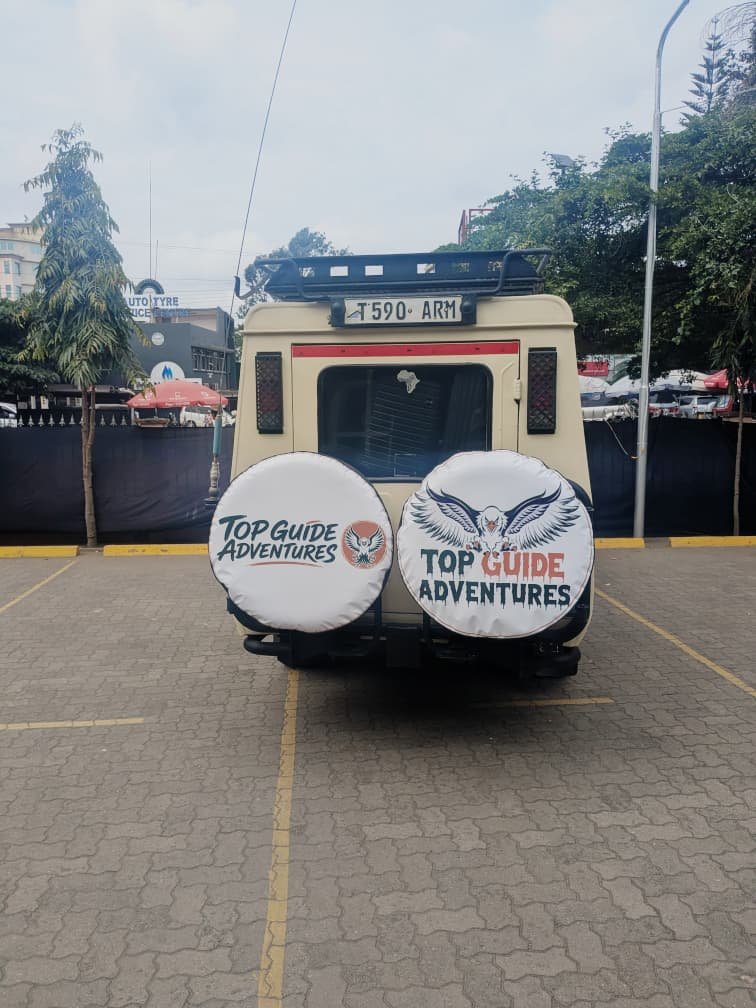
For a smooth USA to Kenya travel experience, especially for safaris, partnering with a reputable tour operator is highly recommended. Local companies like Top Guide Adventures specialize in creating tailor-made itineraries. They can assist with:
- Itinerary Planning: Designing a trip based on your interests, time, and budget.
- Accommodation Booking: Securing spots in desired lodges or camps.
- Transportation: Arranging 4×4 safari vehicles with experienced drivers/guides and domestic flights.
- Park Fees: Managing entrance fees for national parks and reserves.
- Logistics: Handling transfers, meals, and ensuring smooth operations throughout your trip.
When choosing a tour operator for your 2026-2027 adventure, look for companies with strong reviews, local expertise, and a commitment to sustainable tourism. Top Guide Adventures is a trusted name in Tanzania, and their expertise can extend to cross-border planning or recommendations for Kenyan partners.
Sample Itinerary Ideas (Can be adapted for 2026-2027)
A typical 7-10 day safari might look like this:
- Day 1-2: Arrive in Nairobi, explore the city (Giraffe Centre, David Sheldrick Wildlife Trust, Karen Blixen Museum).
- Day 3-5: Fly or drive to Maasai Mara for game drives, focusing on the Big Five and the vast plains.
- Day 6-7: Travel to Amboseli for elephant encounters and Kilimanjaro views.
- Day 8: Return to Nairobi for departure or onward travel.
For longer trips, consider adding Lake Nakuru, Samburu, or the coast (Mombasa, Diani).
Planning for 2026-2027:
The Great Migration timing can vary slightly year to year. If witnessing this natural spectacle is your primary goal, consult with your tour operator about the best months and locations within the Maasai Mara for 2026 or 2027.
Step 5: Packing Essentials for Your USA to Kenya Trip
Packing correctly is crucial for comfort and practicality, especially on safari. The climate in Kenya varies by region, but generally, it’s warm to hot during the day and can be cool in the mornings and evenings, particularly at higher altitudes like the Maasai Mara or Mount Kenya region.
Clothing Recommendations
Focus on lightweight, breathable fabrics. Neutral colors (khaki, beige, olive green) are best for safaris as they blend in with the environment and don’t attract insects.
- Tops: Several T-shirts and long-sleeved shirts (for sun and insect protection).
- Bottoms: Lightweight trousers or hiking pants, and shorts or skirts for warmer days.
- Outerwear: A fleece jacket or warm sweater for cool evenings and early mornings. A lightweight, waterproof rain jacket is also advisable, especially during the rainy seasons (typically March-May and November-December).
- Footwear: Comfortable walking shoes or hiking boots, and sandals or flip-flops for relaxing at the lodge. You won’t need heavy-duty hiking boots unless you are specifically climbing Mount Kenya.
- Socks: Moisture-wicking socks.
- Swimwear: If your accommodation has a pool.
Safari-Specific Items
- Hat: A wide-brimmed hat for sun protection.
- Sunglasses: Essential for bright days.
- Binoculars: Highly recommended for spotting wildlife at a distance.
- Camera: With extra batteries and memory cards. A telephoto lens is useful for wildlife photography.
- Headlamp or Flashlight: Useful for navigating camps at night.
Toiletries and Personal Items
- Sunscreen: High SPF.
- Insect Repellent: With DEET or Picaridin.
- Personal Medications: With prescriptions.
- Basic First-Aid Kit: Including antiseptic wipes, bandages, pain relievers, and anti-diarrheal medication.
- Hand Sanitizer: For use when soap and water aren’t available.
- Adapter: Kenya uses Type G (UK-style) 3-pin plugs, 240V.
Packing Tip for 2026-2027:
Pack light, especially if you’re taking domestic flights, as there are often strict weight limits for light aircraft. Most safari lodges offer laundry services, so you can pack fewer items than you might think.
Step 6: Understanding Costs and Budgeting for Your Trip
The cost of traveling from the USA to Kenya can vary significantly based on your travel style, the duration of your stay, and the activities you choose. Here’s a breakdown to help you budget for your 2026-2027 adventure.
Major Cost Components
- International Flights: Round-trip flights from the USA to Nairobi can range from $800 to $1,500+ USD per person, depending on the season, airline, and how far in advance you book.
- Visa Fees: The e-visa fee is typically around $50 USD per person.
- Safari Costs: This is usually the largest portion of your budget. Prices vary widely:
- Budget Safaris: From $150 – $250 USD per person per day, often involving camping and group tours.
- Mid-Range Safaris: From $300 – $600 USD per person per day, including comfortable lodges/camps and private vehicles.
- Luxury Safaris: From $700 – $1,500+ USD per person per day, offering exclusive experiences and high-end accommodations.
These rates typically include accommodation, park fees, meals, and game drives in a 4×4 vehicle.
- Accommodation in Nairobi: Hotels range from $50 USD for budget options to $300+ USD for luxury hotels per night.
- Internal Transportation: Domestic flights between parks can cost $150 – $300 USD one-way. Road transfers are included in safari packages.
- Activities: Hot air balloon safaris (around $450-$550 USD), cultural visits, and city tours have separate costs.
- Travel Insurance: Budget around $100 – $300 USD depending on coverage.
- Miscellaneous: Tips, souvenirs, personal expenses.
Estimating Total Trip Cost (per person)
For a 10-day trip (including travel days), a rough estimate could be:
- Budget Traveler: $2,000 – $3,500 USD
- Mid-Range Traveler: $4,000 – $7,000 USD
- Luxury Traveler: $8,000 – $15,000+ USD
These figures are estimates for 2026-2027 and can be adjusted based on specific choices. Booking with a local operator like Top Guide Adventures can often provide better value and transparency on costs.
Budgeting Tip for 2026-2027 Travel:
Peak season (June-October, December-February) generally sees higher prices for flights and accommodation. Traveling in the shoulder seasons (e.g., March-May, November) might offer savings. Always ask for a detailed quote from your tour operator that clearly outlines inclusions and exclusions.
Step 7: Navigating Cultural Etiquette and Safety
Understanding local customs and safety practices will enhance your experience and ensure respectful interactions during your USA to Kenya journey.
Cultural Etiquette
- Greetings: A handshake is common. It’s polite to use your right hand. Asking about family is a customary part of conversation.
- Dress Code: While major cities are cosmopolitan, it’s respectful to dress modestly, especially when visiting rural areas or local markets. Avoid overly revealing clothing. Light, neutral colors are best for safaris.
- Photography: Always ask for permission before taking photos of people, especially in rural villages.
- Respect for Elders: Show deference to older individuals.
- Bargaining: Haggling is common in markets, but do so politely and with a smile. In established shops or lodges, prices are usually fixed.
Safety Precautions
- Nairobi: Be aware of your surroundings, especially in crowded areas. Avoid displaying expensive jewelry or large amounts of cash. Use reputable taxis or ride-sharing services.
- Safari: Always follow your guide’s instructions. Stay inside your vehicle when on game drives unless instructed otherwise. Do not feed wild animals.
- Health: As mentioned, practice good food and water hygiene and use insect repellent.
- Valuables: Use hotel safes for passports, excess cash, and electronics when not needed.
- Scams: Be aware of common tourist scams, such as overly friendly strangers offering unsolicited help or guides who try to upsell services aggressively.
Local Insights for 2026-2027:
Kenyans are generally warm and welcoming. A smile and a few words in Swahili (like ‘Jambo’ for hello, ‘Asante’ for thank you) go a long way in fostering positive interactions.
Step 8: Connectivity and Communication
Staying connected while in Kenya is relatively easy, especially in urban areas and tourist lodges.
Mobile Phones and SIM Cards
- Local SIM Cards: Purchasing a local SIM card upon arrival is the most cost-effective way to stay connected. Major providers include Safaricom (M-Pesa mobile money is very popular), Airtel, and Telkom. You’ll need your passport to register a SIM.
- International Roaming: This is an option but can be very expensive. Check with your US provider for international plans before you travel.
- Wi-Fi: Most hotels in Nairobi and tourist lodges/camps offer Wi-Fi, though speeds can vary, especially in remote areas.
Emergency Contacts
Save these important numbers:
- Police: 999 or 112
- Ambulance: 999 or 112
- Fire Brigade: 999
- Your Embassy/Consulate: The U.S. Embassy in Nairobi: +254 20 363 6000.
Digital Nomad Tip for 2026-2027:
For longer stays or frequent travelers, consider an eSIM if your phone supports it, or research data bundles from local providers in advance to ensure you have reliable internet access for work or communication.
Step 9: Planning for Post-Safari and Departure
Your trip doesn’t end when the safari does. Whether you’re flying directly home from Nairobi or extending your stay, consider these final details.
Nairobi Exploration
Nairobi is a vibrant city with much to offer:
- National Museums of Kenya: Discover Kenya’s history, culture, and natural heritage.
- Giraffe Centre: Hand-feed endangered Rothschild’s giraffes.
- David Sheldrick Wildlife Trust: Visit the elephant orphanage (feeding times are popular).
- Karen Blixen Museum: Home of the author of ‘Out of Africa’.
- Shopping: Explore local markets for souvenirs or visit modern shopping malls.
Domestic Flights and Connections
If your safari ends at a remote airstrip, you’ll likely take a light aircraft flight back to Wilson Airport in Nairobi (for smaller planes) or directly to NBO. Ensure you have ample time for transfers between airports if your international flight departs from NBO.
Departure from NBO
Allow at least 3 hours for international check-in at Jomo Kenyatta International Airport. The airport can be busy, so arriving early is recommended. Ensure all your travel documents are in order for your flight back to the USA.
Traveler Tip for 2026-2027:
If your flight schedule allows, consider spending a night or two in Nairobi at the end of your safari. This provides a buffer for any travel delays and allows you to experience the capital city.
Making the Most of Your USA to Kenya Travel in 2026-2027
Traveling from the USA to Kenya is a significant journey that promises unforgettable experiences. By meticulously planning your flights, visa, health requirements, and itinerary, you set the stage for a successful and enriching adventure. Whether you’re drawn by the call of the wild on a classic safari or the warmth of Kenyan culture, preparation is key.
For personalized assistance in crafting your dream Kenyan safari or a comprehensive East African journey for 2026 or 2027, consider partnering with experienced local experts. Companies like Top Guide Adventures are dedicated to providing exceptional service, ensuring every detail is handled with care, from initial planning to your safe return home. They offer tailor-made trips designed around your interests, budget, and travel style, guaranteeing a truly memorable experience.
Don’t hesitate to reach out for a personalized quote or to discuss your travel ideas. You can contact Top Guide Adventures via:
- WhatsApp: +255616946642
- Email: topguideadventures@gmail.com
- Backup Email: info@topguideadventurestanzania.com
With careful planning and the right support, your journey from the USA to Kenya will be an adventure of a lifetime. We look forward to helping you create lasting memories in the heart of Africa.
Check Availability for How To Travel From Usa To Kenya: The Ultimate Guide 2026-2027
Ready to compare dates, prices, and the best option for your group? Send the package name and travel month so the team can reply with a clear quote, availability, and what is included.



