
An elephant safari in Tanzania offers unparalleled opportunities to witness these majestic creatures in their natural, sprawling habitats. The prime locations are the Serengeti National Park, Tarangire National Park, and the Ngorongoro Conservation Area, with peak viewing seasons generally aligning with the dry months of July through October, though elephants are present year-round. Planning your 2026 or 2027 elephant safari with a reputable local operator like Top Guide Adventures ensures personalized itineraries, expert guides, and comfortable accommodations, maximizing your chances of incredible sightings and a deeply rewarding experience.

The Allure of Tanzania’s Elephants: A Safari Dream
Tanzania is synonymous with the African safari, and at the heart of this iconic experience are its elephants. To stand mere meters from a colossal bull elephant, to watch a herd of females tenderly guide their calves, or to witness a dusty-trunked matriarch lead her family to a watering hole is a profound encounter with nature that stays with you forever. An elephant safari in Tanzania isn’t just about spotting these magnificent animals; it’s about understanding their complex social structures, their vital role in the ecosystem, and the ongoing conservation efforts to protect them. For many, the dream of Africa is inextricably linked to the image of elephants roaming free, and Tanzania delivers this vision in spectacular fashion.
As you plan your 2026 or 2027 safari, it’s essential to understand where and when to best experience these gentle giants. While elephants are found across many of Tanzania’s renowned national parks, certain areas are particularly celebrated for their high elephant populations and the quality of viewing opportunities. These parks offer diverse landscapes, from savannahs to woodlands, each providing a unique backdrop for your elephant encounters.
Where to Find Elephants in Tanzania: Top Safari Destinations
Tanzania boasts an incredible array of wildlife reserves, but for dedicated elephant viewing, a few stand out. Each offers a slightly different experience, catering to various safari preferences and offering unique ecological settings.
Tarangire National Park: The Land of Giants
Often hailed as the ‘Elephant Capital of Africa,’ Tarangire National Park is arguably the single best place in Tanzania for a dedicated elephant safari. During the dry season, from approximately June to October, the Tarangire River becomes a magnet for wildlife, drawing an estimated 6,000 or more elephants from the surrounding arid lands. This concentration is simply astounding. You can expect to see large herds, sometimes numbering in the hundreds, converging at the riverbanks, dust-bathing, and interacting. The park’s iconic ancient baobab trees add a dramatic, prehistoric feel to the landscape, creating unforgettable photographic opportunities.
Tarangire’s relatively smaller size compared to the Serengeti also means that elephant sightings are frequent and often up-close. Game drives here are incredibly rewarding, with elephants often crossing roads right in front of your safari vehicle. Beyond the dry season, elephants remain in Tarangire, dispersed across the park, but the sheer numbers during the dry months are unparalleled. For those prioritizing elephant encounters, Tarangire is a non-negotiable inclusion in any 2026-2027 Tanzania safari itinerary.
Serengeti National Park: The Vast Plains and Their Residents
The Serengeti, world-famous for the Great Migration, is also home to a significant and healthy elephant population. While the migration often steals the spotlight, the Serengeti’s vast, rolling plains and acacia woodlands provide excellent habitat for these large mammals. You’ll find elephants scattered throughout the park, with higher concentrations often noted in areas with permanent water sources or good vegetation. The central Seronera region is known for its resident wildlife, including elephants, year-round.
During the calving season of the Great Migration (typically February to March) in the southern Serengeti, elephant herds are often seen grazing alongside wildebeest and zebras, creating a rich tableau of African wildlife. While you might not see the overwhelming numbers of Tarangire, the Serengeti offers a more diverse safari experience where elephant sightings are a welcome and frequent part of the overall wildlife spectacle. A safari here in 2026 or 2027 will undoubtedly include opportunities to see elephants in this legendary park.
Ngorongoro Conservation Area: The Crater’s Unique Ecosystem
The Ngorongoro Crater, a UNESCO World Heritage Site, is a natural amphitheater teeming with wildlife, including a resident population of elephants. These Crater elephants are notable for their larger size and impressive tusks, partly attributed to the rich grazing lands and permanent water sources within the caldera. While the elephant population here is smaller than in Tarangire or the broader Serengeti, the density of wildlife within the Crater means you are almost guaranteed to see elephants during your visit.
The dramatic scenery of the Crater floor, with its diverse habitats ranging from grasslands to swamps and forests, provides a stunning backdrop for elephant viewing. Seeing elephants against the backdrop of the Crater rim is a uniquely memorable experience. It’s important to note that access to the Crater floor is strictly regulated, with limited vehicle numbers and time spent inside, ensuring a preserved environment for both wildlife and visitors.
Other Parks with Elephant Populations
While Tarangire, Serengeti, and Ngorongoro are the prime spots, other Tanzanian parks also host elephants:
- Lake Manyara National Park: Known for its tree-climbing lions, Manyara also has a healthy elephant population, often seen browsing in the forests and along the lake’s edge. Its compact size makes for easy viewing.
- Ruaha National Park: Located in southern Tanzania, Ruaha is one of Africa’s largest national parks and boasts a significant elephant population. It’s a more remote and wild destination, offering a less crowded safari experience, ideal for those seeking a more adventurous feel.
- Selous Game Reserve (Nyerere National Park): Also in the south, Selous is famous for its vast wilderness and boat safaris. It supports a large number of elephants, though sightings might be more spread out than in the northern parks.
Best Time for an Elephant Safari in Tanzania
Timing is crucial for maximizing your elephant safari experience in Tanzania. While elephants are present year-round, certain periods offer more predictable and concentrated sightings.
The Dry Season (June to October): Peak Elephant Viewing
The dry season is unequivocally the best time for an elephant safari in Tanzania, particularly for Tarangire National Park. As water sources dwindle, elephants, along with many other species, congregate around the remaining permanent rivers and waterholes. This concentration makes them easier to find and observe in large numbers.
- July – October: This is the absolute peak. In Tarangire, you can witness massive herds. The Serengeti’s dry season also sees elephants gathering at water points, and the Ngorongoro Crater remains a reliable spot. The weather is generally pleasant, with sunny days and cooler evenings.
The Green Season (November to May): Different Dynamics
The green season, characterized by rainfall, transforms the landscape into lush, verdant plains. This period offers a different, yet equally rewarding, safari experience.
- November – December (Short Rains): Brief showers can occur, bringing relief to the landscape. Elephants begin to disperse as vegetation becomes widespread.
- January – May (Long Rains): This is Tanzania’s main rainy season. While game drives can be more challenging due to muddy roads, the landscape is stunningly beautiful, and birdlife is abundant. Elephants are more spread out across the parks, feeding on the fresh grass and foliage. This is also an excellent time for photographers seeking dramatic skies and fewer crowds. The southern Serengeti is particularly spectacular in February and March for the wildebeest calving, often with elephants nearby.
For those specifically targeting elephant encounters in 2026 or 2027, aiming for the dry season, especially July to October, will yield the most impressive numbers. However, a well-planned safari during the green season can still offer fantastic sightings, often with fewer tourists and a more intimate feel.
Planning Your Elephant Safari: Key Considerations
A successful elephant safari requires careful planning. Beyond choosing the right parks and timing, several other factors contribute to a memorable trip.
Choosing the Right Safari Package
Safari packages vary significantly in duration, style, and inclusions. For an elephant-focused safari, consider itineraries that spend ample time in Tarangire National Park, perhaps including a full day or even an overnight stay if park regulations allow. Northern Circuit safaris, which typically cover Tarangire, Lake Manyara, Ngorongoro, and the Serengeti, are ideal for maximizing elephant viewing opportunities alongside other iconic wildlife.
When looking at packages for 2026 or 2027, pay attention to:
- Duration: A minimum of 7-10 days is recommended for the Northern Circuit to allow sufficient time in each park, especially Tarangire and the Serengeti.
- Accommodation: Options range from budget-friendly tented camps to luxurious lodges. Consider how your accommodation choice impacts your proximity to wildlife and overall comfort.
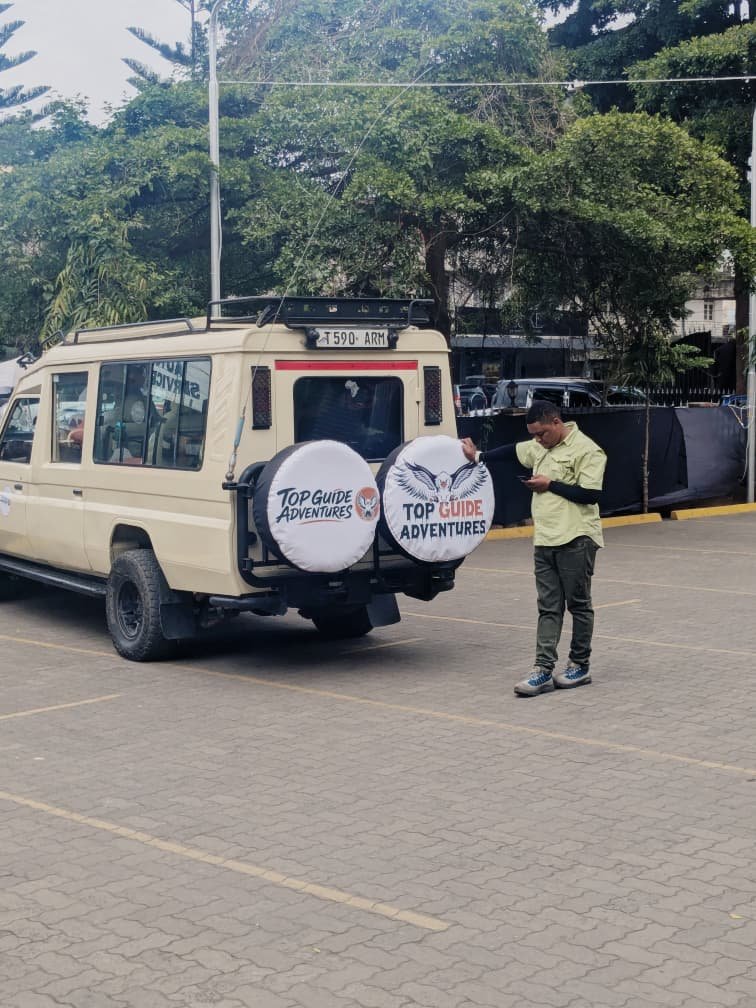
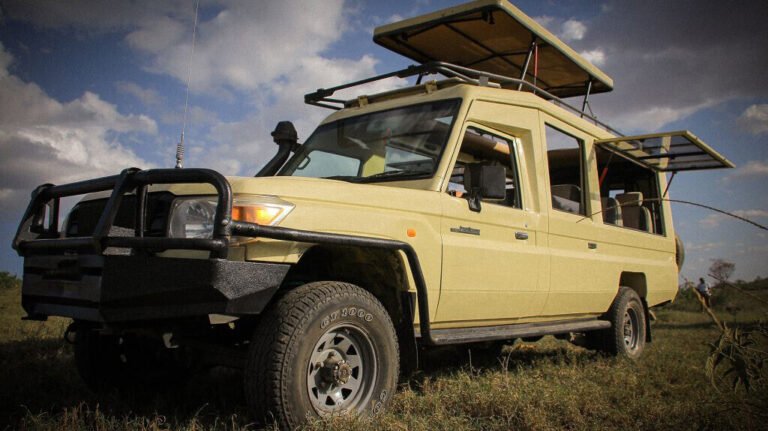
- Vehicle and Guide: Ensure your safari uses a well-maintained 4×4 safari vehicle with a pop-up roof for optimal viewing, and crucially, an experienced, knowledgeable guide. Local guides are invaluable for spotting wildlife and understanding animal behavior.
- Inclusions: Clarify what is included in the price – park fees, meals, accommodation, guide services, vehicle hire, and any optional activities.
Safari Styles: Group vs. Private
Your choice between a group or private safari significantly impacts your experience and cost.
- Group Safaris: These are more budget-friendly, typically involving shared vehicles and fixed departure dates. They are a great option for solo travelers or couples looking to save money. Top Guide Adventures offers excellent group departure dates for safaris across Tanzania, providing a cost-effective way to experience the country’s wildlife. You can find more details here: Tanzania Group Safaris.
- Private Safaris: These offer maximum flexibility. You set the pace, choose your itinerary, and have a dedicated vehicle and guide. This is ideal for families, groups of friends, or anyone desiring a more personalized and exclusive experience. A private elephant safari in Tanzania allows you to spend as much time as you wish with elephant herds.
Budget Considerations for 2026-2027 Safaris
Safari costs in Tanzania can vary widely. Factors influencing the price include the duration of the safari, the level of accommodation, the type of safari (group or private), and the time of year. Generally, expect to budget:
- Budget Safaris: From $150 – $250 per person per day. This usually involves camping or basic tented camps and shared vehicles.
- Mid-Range Safaris: From $250 – $450 per person per day. This level offers comfortable tented camps or mid-range lodges and private vehicles.
- Luxury Safaris: From $500+ per person per day. This includes high-end lodges, exclusive camps, and premium services.
Park fees Are a significant component of safari costs and are charged per person, per day, per park. These fees are set by the Tanzanian government and are subject to change, so it’s wise to check for the latest rates for your 2026 or 2027 booking. Operators like Top Guide Adventures will clearly outline these costs in their quotes.
What to Expect on Your Elephant Safari
An elephant safari in Tanzania is a detailed experience that engages all your senses.
Game Drives: The Primary Activity
The main way to see elephants is via game drives. You’ll typically set out in your safari vehicle early in the morning, when animals are most active, and again in the late afternoon. Your experienced guide will navigate the park, using their knowledge of animal behavior and tracking skills to locate elephants and other wildlife.
Expect to spend hours in the vehicle, traversing varied terrain. Elephants can be found grazing in open plains, moving through woodlands, or bathing and drinking at water sources. Your guide will position the vehicle safely and respectfully, allowing for excellent viewing and photography.
Understanding Elephant Behavior
Elephants are highly intelligent and social animals. Observing them in their natural environment offers fascinating insights:
- Family Units: Elephants live in matriarchal herds, led by the oldest and often largest female. These herds consist of related females and their young.
- Males: Adult males typically live solitary lives or form bachelor groups. They join the female herds primarily for mating.
- Communication: Elephants communicate through a complex range of vocalizations (including infrasound), body language, and touch.
- Daily Life: Much of their day is spent foraging for food, drinking water, and bathing. Dust and mud baths are common, serving as protection from the sun and insects.
Your guide will explain these behaviors, enhancing your appreciation for these magnificent animals. Remember to maintain a respectful distance and follow your guide’s instructions to ensure the safety and well-being of both yourself and the elephants.
Photography Tips for Elephant Encounters
Capturing the perfect elephant photo requires a bit of preparation:
- Telephoto Lens: A lens with a good zoom (e.g., 70-200mm or longer) is essential for getting close-up shots without disturbing the animals.
- Fast Shutter Speed: Wildlife can move quickly, so a faster shutter speed will help freeze motion and avoid blurry images.
- Burst Mode: Use your camera’s burst mode to capture a sequence of shots, increasing your chances of getting that perfect moment.
- Golden Hours: The early morning and late afternoon light (the ‘golden hours’) offer soft, warm light that is ideal for wildlife photography.
- Patience: Sometimes the best shots come from waiting for the perfect moment – an elephant lifting its trunk, a calf playfully interacting with its mother, or a herd crossing a river.
Conservation and Responsible Elephant Tourism
Tanzania is at the forefront of wildlife conservation, and responsible tourism plays a vital role. When you go on an elephant safari, you are contributing to the funding that supports anti-poaching efforts, habitat preservation, and community development projects.
Top Guide Adventures is committed to ethical tourism practices. This means:
- Respecting Wildlife: Maintaining safe distances, never feeding animals, and minimizing noise disturbance.
- Supporting Local Communities: Ensuring that tourism benefits the people living alongside wildlife.
- Minimizing Environmental Impact: Adhering to park rules, proper waste disposal, and using eco-friendly lodges where possible.
Choosing a reputable operator like Top Guide Adventures for your 2026-2027 elephant safari ensures that your trip is not only incredible but also contributes positively to conservation efforts. You can learn more about our commitment to responsible travel on our website.
Planning Your 2026-2027 Elephant Safari with Top Guide Adventures
Embarking on an elephant safari in Tanzania is a lifelong dream for many, and Top Guide Adventures is here to make it a reality. We specialize in crafting personalized safari experiences that cater to your specific interests, whether you’re solely focused on elephants or wish to combine them with other wildlife and cultural experiences.
Our team of expert local guides has an intimate knowledge of Tanzania’s parks and its wildlife. They are passionate about sharing their expertise and ensuring you have the most rewarding and safe safari possible. We offer a range of safari options, from budget-friendly group tours to exclusive private journeys, designed to fit various preferences and budgets for your 2026 or 2027 adventure.
Ready to plan your unforgettable elephant safari?
- Contact us for a personalized quote: Email us at Topguideadventures@gmail.com Or Info@topguideadventures.com.
- Chat with us directly: Reach out via WhatsApp at +255616946642.
- Explore our packages: Visit our website Top Guide Adventures Tanzania To see sample itineraries and learn more about our services.
Don’t miss the chance to witness the magnificent elephants of Tanzania in 2026 or 2027. Let us help you craft the perfect safari experience, filled with incredible wildlife encounters and lasting memories.
Check Availability for Elephant Safari Tanzania: Ultimate Guide To Witnessing Giants In 2026-2027
Ready to compare dates, prices, and the best option for your group? Send the package name and travel month so the team can reply with a clear quote, availability, and what is included.
Best Balloon Safari Tanzania: Ultimate Guide For Adventures 2026-2027
Discover the magic of a hot air balloon safari in Tanzania, a truly unique way to witness the Serengeti's wildlife and vast plains. This guide covers everything you need to know for an...
View package details
Best Month To Visit Tanzania For Safari And Zanzibar In 2026-2027
Planning your dream Tanzania adventure? This guide breaks down the best months to visit for optimal safari experiences, including the Great Migration, and idyllic beach time in Zanzibar...
View package details
Best Safari Packages In Tanzania: Top Guide Adventures 2026-2027
Discover the best safari packages in Tanzania with Top Guide Adventures, offering unparalleled experiences in Serengeti, Ngorongoro, and beyond. Plan your dream wildlife adventure for...
View package details
Best Safari To Tanzania: Ultimate Guide For Adventures 2026-2027
Planning the best safari to Tanzania for 2026-2027? This comprehensive guide covers everything from iconic parks like the Serengeti and Ngorongoro Crater to essential planning tips, best...
View package details
Best Tanzania Safari Tours: Your Ultimate Guide For Adventures 2026-2027
Planning the best Tanzania safari tours for 2026-2027 involves choosing the right parks, duration, and operator. Top Guide Adventures offers expertly crafted itineraries focusing on...
View package details
Best Tanzania Safari: Your Ultimate Guide To Unforgettable Wildlife Adventures
Planning the best Tanzania safari is about choosing the right parks, timing, and operator. Top Guide Adventures offers unparalleled expertise for unforgettable wildlife viewing in...
View package details
Big Five Safari Tanzania: Your Ultimate Guide For 2026-2027
Start an unforgettable Big Five safari adventure in Tanzania. This comprehensive guide covers everything you need to know for your 2026-2027 trip, from prime wildlife destinations to expert...
View package details
Big Five Tanzania Safari: Your Ultimate Guide To Spotting The Icons 2026-2027
Start an incredible Big Five Tanzania safari, a quest for the continent's most sought-after wildlife. This guide covers the best parks, optimal timing, and what to expect on your 2026-2027...
View package detailsCheetah Safari In Tanzania: Best Parks, Timing & Expert Tips 2026-2027
Plan your ultimate cheetah safari in Tanzania with this comprehensive guide. Learn about the prime locations, best times to visit for sightings, and expert advice for an unforgettable...
View package details
Chobe National Park Elephant Safari: The Ultimate Guide For 2026-2027
Discover the unparalleled thrill of a Chobe National Park elephant safari. This comprehensive guide covers everything you need to know for an unforgettable 2026-2027 trip, from prime...
View package detailsFamily Safari Tanzania Packages: Expert Planning For Adventures 2026-2027
Planning a family safari in Tanzania for 2026 or 2027? Top Guide Adventures offers expertly crafted packages designed for all ages, ensuring a safe, educational, and thrilling wildlife...
View package details
French / International Safari: Planning Your Tanzanian Adventure 2026-2027
Discover the magic of a French or International Safari in Tanzania, a land of unparalleled wildlife and diverse landscapes. This guide provides essential planning information for travelers...
View package detailsNo closely related package is available for this topic yet.



