
A Chobe National Park elephant safari offers one of the most concentrated and impressive wildlife viewing experiences in Africa, primarily focused on encountering the park’s vast population of African bush elephants, particularly along the Chobe Riverfront. The best way to experience this is through game drives and boat safaris, with peak viewing seasons often aligning with the dry months (May to October) when animals congregate near water sources. For 2026-2027, planning your safari during this period promises the highest chances of witnessing large elephant herds, especially during early mornings and late afternoons.
Understanding the Allure of a Chobe National Park Elephant Safari
Chobe National Park, located in northern Botswana, is globally renowned for its staggering concentration of wildlife, and most famously, its immense elephant population. An elephant safari here isn’t just about spotting a few individuals; it’s about witnessing hundreds, sometimes thousands, of these gentle giants in their natural habitat. The Chobe Riverfront, in particular, serves as a vital lifeline, drawing elephants from surrounding areas, especially during the dry season. This creates a spectacle unlike any other, making a Chobe National Park elephant safari a bucket-list experience for wildlife enthusiasts worldwide.
The sheer numbers are astonishing. Chobe is estimated to host one of the largest elephant populations on the continent, with figures sometimes cited in the tens of thousands. This abundance means that sightings are not just likely, but virtually guaranteed, often in breathtakingly large herds. For travelers planning a trip in 2026 or 2027, understanding the nuances of this park and its star attraction is key to an unforgettable adventure.
Why Chobe for Elephant Encounters? The Unique Ecosystem
Chobe’s unique geography and ecology create the perfect conditions for such a dense elephant population. The park is divided into four distinct areas: the Chobe Riverfront, the Savuti Marsh, the Linyanti Swamps, and the Nogatsaa woodlands. While elephants are found throughout, the Chobe Riverfront is the undisputed epicenter for elephant viewing, especially during the dry season. This is where the Chobe River provides a permanent water source, attracting not only elephants but a myriad of other plains game and predators.
The landscape itself is varied, from dense mopane woodlands to wide-open floodplains and the life-giving river. This diversity supports a rich ecosystem that can sustain such a large herbivore population. The elephants here are known for their impressive size and the social complexities that can be observed, from matriarch-led family units to large bachelor herds. A dedicated Chobe National Park elephant safari allows for deep observation of these behaviors.
The success of elephant conservation efforts in Botswana, coupled with the park’s natural resources, has led to this extraordinary wildlife phenomenon. Understanding this ecological balance is crucial for appreciating the scale of what you will witness on a Chobe National Park elephant safari.
Planning Your Chobe Elephant Safari: Best Times to Visit (2026-2027)
Timing is everything when planning a safari, and for a Chobe National Park elephant safari, the dry season is generally considered prime time. However, each season offers its own unique advantages.
Dry Season (May to October):
- Wildlife Concentration: This is the peak season for elephant viewing. As water sources outside the Chobe River dwindle, vast numbers of elephants migrate towards the riverbanks. You can expect to see large herds gathering to drink, bathe, and socialize.
- Vegetation: The landscape is drier and more open, making wildlife easier to spot.
- Weather: Pleasant temperatures during the day, with cooler evenings and nights. Rainfall is minimal.
- Crowds: This is also the peak tourist season, so expect higher lodge rates and more vehicles at popular sighting spots. Booking well in advance for 2026-2027 is highly recommended.
Green Season (November to April):
- Vegetation: Lush and green, offering a beautiful, vibrant landscape.
- Birdlife: Excellent for birdwatching, as migratory birds arrive.
- Fewer Crowds: This is the low or shoulder season, meaning fewer tourists and potentially lower prices.
- Calving Season: Newborn elephants are often seen during this period, adding a special charm to sightings.
- Challenges: Heavy rains can sometimes make roads impassable, potentially limiting game drive access in certain areas. Wildlife may be more dispersed as water is plentiful.
For the quintessential Chobe National Park elephant safari experience focused on massive herds, the dry season (May-October) remains the top recommendation for 2026 and 2027. However, those seeking a more tranquil experience with abundant birdlife and potentially lower costs might find the green season appealing.
Experiencing the Elephants: Safari Activities in Chobe
Chobe National Park offers a variety of ways to encounter its iconic elephants, each providing a different perspective.
Game Drives: The Classic Safari Experience
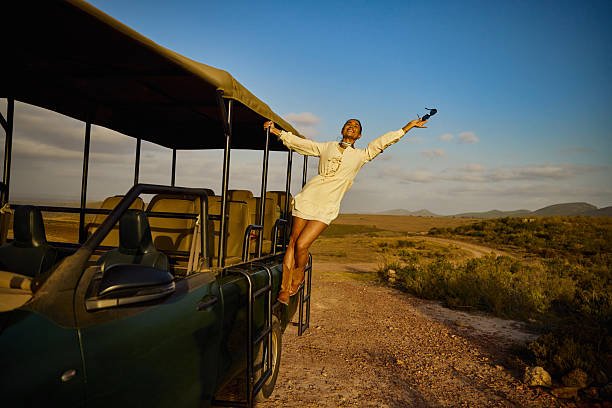
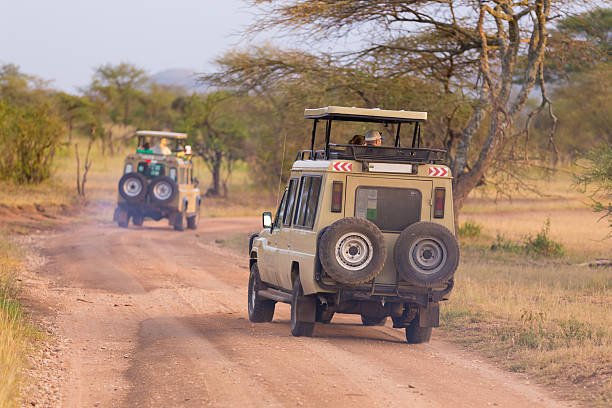
Game drives are the backbone of any safari, and in Chobe, they are exceptionally rewarding. Open 4×4 safari vehicles allow you to traverse the park’s diverse terrain. Early morning and late afternoon drives are most productive, coinciding with elephants’ feeding and drinking patterns. Your guide will navigate the best routes, often heading towards the Chobe Riverfront or Savuti Marsh, depending on the season and animal movements.
Expect to see not only elephants but also lions, leopards, buffalos, giraffes, zebras, and a host of antelope species. The thrill of a Chobe National Park elephant safari by game drive is the anticipation of what’s around the next bend, often leading to spectacular sightings of elephant herds interacting.
Boat Safaris on the Chobe River: A Unique Vantage Point
The Chobe Riverfront offers a unique opportunity for boat-based safaris. These trips provide an unparalleled perspective, allowing you to observe elephants from the water level as they come to drink, cross the river, or graze along the banks. It’s common to see elephants swimming or playfully splashing.
Boat safaris offer a more relaxed pace and are fantastic for photography, as you can get surprisingly close to the wildlife without disturbing them. The tranquility of gliding along the river, surrounded by elephants, hippos, crocodiles, and abundant birdlife, is a truly special part of a Chobe National Park elephant safari.
Walking Safaris: An Intimate Encounter
For the more adventurous, guided walking safaris (often offered in concessions bordering the park or in specific areas if permitted) provide an intimate connection with the wilderness. Accompanied by an armed ranger, you learn about tracking, animal behavior, and the smaller details of the ecosystem often missed from a vehicle. While not primarily focused on large elephant herds, walking safaris offer a profound appreciation for the bush and the possibility of encountering elephants on foot, albeit from a safe distance.
Combining Activities for the Best Experience
The most effective way to maximize your elephant encounters is to combine these activities. Many lodges offer packages that include both game drives and boat safaris, allowing you to experience the Chobe Riverfront from multiple angles. For those planning their 2026-2027 trip, inquire about lodges that offer a comprehensive mix of safari experiences.
Where to Stay: Lodging Options for Your Elephant Safari
Chobe National Park boasts a range of accommodation options, from luxurious lodges to more budget-friendly camps, catering to different preferences and budgets. The choice of lodge often dictates the type of safari experience you’ll have, especially regarding access to different park areas and exclusivity.
Luxury Lodges
These lodges offer exquisite comfort, gourmet dining, and exceptional service, often situated in prime locations with stunning views. They typically provide private game drives and boat excursions, ensuring a more personalized and exclusive Chobe National Park elephant safari.
- Chobe Game Lodge: The only permanent hotel inside the park, offering unparalleled access to the Chobe Riverfront. Known for its high standards and excellent wildlife viewing opportunities right from the property.
- Sanctuary Chobe Chilwero: A luxurious lodge offering panoramic views over the river and surrounding floodplains. Known for its exceptional service and fine dining.
- Pangolin Lodge: Offers a unique photography focus, with specially adapted vehicles and boats for incredible wildlife shots.
Mid-Range Camps and Lodges
These options provide a comfortable and authentic safari experience without the top-tier luxury price tag. They still offer excellent guiding and access to prime wildlife areas.
- Camp Kuzuma: Located in a private concession, offering a more secluded experience with excellent elephant sightings.
- Savute Elephant Lodge: Situated in the famous Savuti Marsh, known for its predator action and large elephant populations, especially during drier periods.
Budget-Friendly Options
While Chobe is generally a more premium safari destination, there are options that offer a more accessible entry point, often involving camping or simpler lodges outside the main park gates, or group tours.
- Chobe Safari Lodge: Offers a good balance of comfort and value, with direct river access.
- Guesthouses and Campsites: Available in nearby towns like Kasane, offering basic but clean accommodation for self-drive visitors or those on a tighter budget.
When booking for 2026-2027, consider what kind of experience you desire. Do you want exclusivity and luxury, or are you happy with comfortable, well-located accommodation that maximizes your wildlife viewing time? Your chosen lodge will significantly shape your Chobe National Park elephant safari.
Planning Your Itinerary: How Long to Stay and What to Include
A typical safari itinerary in Chobe National Park ranges from 2 to 5 days. The duration depends on your overall Botswana trip and your specific interests.
A Short Introduction (2-3 Days)
A 2-3 day stay is ideal for focusing solely on the Chobe Riverfront. This allows for several game drives and boat safaris, giving you a solid chance to witness large elephant herds and other riverine wildlife. It’s a popular add-on for trips to Victoria Falls or as a short, intense safari experience.
A Comprehensive Exploration (4-5 Days)
For a deeper dive, a 4-5 day itinerary allows you to explore beyond the Riverfront. You could include a visit to the Savuti Marsh, famous for its predators and elephant populations, or explore the Linyanti area if staying in a private concession. This duration offers a more varied and in-depth Chobe National Park elephant safari.
Integrating Chobe into a Larger Botswana Safari
Chobe is often combined with other Botswana destinations like the Okavango Delta or Moremi Game Reserve. A typical itinerary might look like this:
- Days 1-3: Okavango Delta (mokoro excursions, water-based activities)
- Days 4-6: Chobe National Park (game drives, boat safaris, elephant focus)
- Day 7: Departure from Kasane or Maun
When planning for 2026-2027, consider how much time you want to dedicate to elephant viewing specifically. A longer stay in Chobe itself will yield more sightings and opportunities.
What to Pack for Your Chobe Elephant Safari
Packing smart is essential for a comfortable and enjoyable safari. The key is to pack light, breathable clothing in neutral colors.
- Clothing: Lightweight long-sleeved shirts and trousers (to protect from sun and insects), t-shirts, shorts, a warm fleece or jacket for cool mornings and evenings, comfortable walking shoes, and sandals. Avoid bright colors and camouflage patterns.
- Sun Protection: Wide-brimmed hat, sunglasses, and high SPF sunscreen.
- Insect Repellent: Especially important during dawn and dusk.
- Camera Gear: Binoculars are a must! Bring extra batteries, memory cards, and a good zoom lens for your camera. A waterproof bag is also advisable.
- Health: Consult your doctor about malaria precautions and any necessary vaccinations. Pack a basic first-aid kit.
- Personal Items: Reusable water bottle, personal toiletries, and any personal medications.
Remember that most lodges offer laundry services, so you don’t need to pack an outfit for every single day.
Responsible Tourism and Elephant Conservation in Chobe
Botswana is a leader in conservation, and Chobe National Park plays a crucial role. The country has a strong stance against poaching and prioritizes sustainable tourism practices. When you visit Chobe for an elephant safari, you are contributing to these conservation efforts.
How you can be a responsible tourist:
- Respect Wildlife: Maintain a safe distance from all animals, especially elephants. Never feed them or attempt to approach them too closely. Follow your guide’s instructions at all times.
- Minimize Your Footprint: Stay on designated tracks during game drives. Avoid littering and take all your rubbish with you.
- Support Local Communities: Choose lodges and tour operators that employ local staff and contribute to community development projects.
- Conserve Resources: Be mindful of water and electricity usage, especially in lodges.
By being a responsible traveler, you help ensure that the magnificent elephants of Chobe continue to thrive for generations to come, preserving the magic of a Chobe National Park elephant safari for future visitors in 2026, 2027, and beyond.
Understanding Elephant Behavior on Safari
Observing elephants in their natural habitat is a privilege, and understanding their behavior can greatly enhance your safari experience. Here are some key things to look for during your Chobe National Park elephant safari:
- Social Structure: African bush elephants live in complex matriarchal societies. Family groups are typically led by the oldest and largest female, who guides the herd to water and food sources. These groups consist of related females and their offspring.
- Male Elephants (Bulls): Adult males often live solitary lives or form bachelor herds. They may join female herds during the mating season. Bulls in ‘musth’ (a period of heightened aggression and sexual drive) can be particularly dangerous and should be observed from a very safe distance.
- Communication: Elephants communicate through a variety of sounds, including rumbles (often infrasonic, meaning humans can’t hear them but can feel the vibrations), trumpets, and roars. They also use body language, such as ear flapping, head shaking, and trunk gestures.
- Feeding Habits: Elephants are herbivores and spend a significant portion of their day feeding. They are generalist feeders, consuming grasses, leaves, bark, fruits, and roots. You’ll often see them using their trunks to grasp vegetation or pull down branches.
- Water and Dust Bathing: Elephants love water and will drink, bathe, and play in rivers and waterholes. They also cover themselves in dust or mud, which acts as a sunscreen and insect repellent.
- Mother and Calf Interactions: Witnessing the bond between an elephant mother and her calf is incredibly heartwarming. Calves are dependent on their mothers for several years, and the entire herd often protects the young.
- Musth: Recognizing signs of musth in bulls (e.g., temporal gland secretions, urine dribbling, aggressive behavior) is crucial for safety. Your guide will be adept at identifying these signs and ensuring a safe viewing distance.
A skilled guide will help you interpret these behaviors, enriching your understanding and appreciation of these magnificent creatures during your Chobe National Park elephant safari.
Photography Tips for Capturing the Best Elephant Shots
Chobe National Park offers incredible photographic opportunities, especially for elephants. To make the most of it, consider these tips:
- Gear: A telephoto lens (e.g., 70-200mm or 100-400mm) is essential for capturing close-ups of elephants from a safe distance. A wide-angle lens can be useful for landscape shots incorporating elephants. Don’t forget a sturdy tripod or monopod if possible, and a polarizing filter to enhance colors and reduce glare.
- Timing: The ‘golden hours’ – shortly after sunrise and before sunset – offer the best light for photography. The soft, warm light creates beautiful colors and dramatic shadows.
- Angles: Experiment with different angles. Shooting from a lower vantage point can make elephants appear more imposing. When on a boat safari, try to capture reflections in the water.
- Focus on Behavior: Don’t just aim for static shots. Capture elephants interacting, bathing, feeding, or with their young. These moments tell a story.
- Composition: Use the rule of thirds, leading lines (like the riverbank or tracks), and framing (using trees or bushes) to create more compelling images.
- Settings: Use a relatively fast shutter speed to freeze motion, especially with active animals. Shoot in RAW format to allow for maximum flexibility in post-processing.
- Respect: Always prioritize the animals’ well-being and safety over a photograph. Never disturb wildlife for a shot.
With practice and patience, your Chobe National Park elephant safari will yield stunning photographic memories.
What to Expect Regarding Costs for a 2026-2027 Chobe Elephant Safari
Botswana, and Chobe National Park in particular, is considered a premium safari destination. Costs can vary significantly based on the level of luxury, time of year, duration, and inclusions.
Key Cost Factors:
- Accommodation: Luxury lodges are the most expensive, followed by mid-range camps. Budget options are limited within the immediate park area.
- Time of Year: Peak season (dry months) is more expensive than the green season.
- Duration: Longer stays naturally increase the overall cost.
- Activities: Most packages include game drives and boat safaris. Private vehicles or specialized activities may incur extra charges.
- Park Fees: Daily park entry fees are mandatory and usually included in lodge rates but should be confirmed.
- Transfers: Getting to Chobe (e.g., from Kasane Airport or Victoria Falls) will add to the cost.
General Price Ranges (Estimates for 2026-2027):
- Luxury Lodges: Expect prices to range from $800 to $2,500+ per person per night. This typically includes accommodation, all meals, standard drinks, and scheduled safari activities.
- Mid-Range Camps: Prices might range from $400 to $1,000 per person per night, offering a similar level of inclusions.
- Budget Options: While scarce directly in Chobe, self-drive options or simpler lodges outside Kasane might cost significantly less, perhaps $150-$300 per person per night, but exclude most guided activities and meals.
Important Considerations for 2026-2027:
- Booking Window: For peak season travel in 2026 and 2027, book at least 6-12 months in advance, especially for popular lodges.
- Inclusions: Always clarify what is included. Park fees, specific drinks, gratuities, and optional activities are often extra.
- Customization: Working with a tour operator like Top Guide Adventures can help tailor an itinerary to your budget and preferences, providing clear cost breakdowns.
A Chobe National Park elephant safari is an investment, but the unparalleled wildlife viewing makes it worthwhile for many travelers.
Safety Considerations on a Chobe Elephant Safari
Your safety is paramount. While Botswana is a safe country for tourism, wildlife encounters require caution and adherence to guidelines.
- Follow Your Guide: Guides are highly trained and experienced. Always listen to their instructions regarding wildlife interactions, distances, and movements.
- Elephants: While generally placid when undisturbed, elephants are powerful and can be dangerous if they feel threatened, especially mothers with calves or bulls in musth. Maintain a respectful distance in vehicles and never attempt to approach them on foot outside of a guided walking safari.
- Other Wildlife: Be aware of other animals like hippos and crocodiles on boat safaris, and predators like lions and hyenas on game drives.
- Vehicle Safety: Remain inside the safari vehicle unless instructed otherwise by your guide. Keep hands and arms inside the vehicle.
- Walking Safaris: These are conducted with armed rangers. Stay close to your guide, walk quietly, and be aware of your surroundings.
- Health Precautions: Take malaria prophylaxis as recommended by your doctor, use insect repellent, and drink purified water.
A well-planned Chobe National Park elephant safari with reputable operators ensures these safety measures are in place.
Comparing Chobe with Other Elephant Viewing Destinations
While Chobe is exceptional, other African destinations offer fantastic elephant encounters. Comparing them can help you choose the best fit for your travel goals.
- Chobe National Park (Botswana):
- Pros: Unrivaled concentration of elephants, especially along the riverfront; excellent boat safaris; relatively easy to combine with Victoria Falls.
- Cons: Can be crowded during peak season; generally higher cost.
- Amboseli National Park (Kenya):
- Pros: Large elephant herds with Mount Kilimanjaro as a dramatic backdrop; good for photography.
- Cons: Can be very dusty and dry; park fees can add up.
- Hwange National Park (Zimbabwe):
- Pros: Large elephant population, particularly in dry season around waterholes; diverse wildlife; more affordable than Botswana.
- Cons: Infrastructure can be less developed in some areas; wildlife sightings can be more dispersed than Chobe Riverfront.
- Kruger National Park (South Africa):
- Pros: Very accessible, wide range of accommodation from budget to luxury; high chance of seeing elephants and many other species; self-drive options available.
- Cons: Can be very busy, especially in popular rest camps; less wild and remote feel compared to Botswana or Kenya.
- Addo Elephant National Park (South Africa):
- Pros: Specifically focused on elephants, with very high densities; malaria-free; good for families.
- Cons: Landscape is different (fynbos and coastal scrub), less iconic savanna feel.
For sheer numbers and the unique river-based viewing, Chobe National Park elephant safari is hard to beat. However, if a dramatic landscape backdrop is key, Amboseli might appeal more. For a more budget-conscious trip with great elephant sightings, Hwange or Kruger could be excellent choices.
Booking Your 2026-2027 Chobe Elephant Safari with Top Guide Adventures
Planning a safari can be complex, but with the right partner, it becomes a streamlined and exciting process. Top Guide Adventures specializes in creating bespoke safari experiences across Tanzania and neighboring regions, including Botswana’s iconic wildlife destinations. We understand the intricacies of planning a successful Chobe National Park elephant safari for 2026 and 2027.
Why choose Top Guide Adventures:
- Expertise: Our team has extensive knowledge of Chobe and its wildlife, ensuring we can craft an itinerary that maximizes your chances of incredible elephant sightings.
- Personalization: We tailor every trip to your specific interests, budget, and travel style, whether you seek luxury lodges or more intimate camps.
- smooth Planning: From accommodation and activities to transfers and park fees, we handle all the details, allowing you to relax and anticipate your adventure.
- Value: We work with trusted partners to offer competitive pricing without compromising on the quality of your safari experience.
- Support: We provide dedicated support throughout your journey, from the initial inquiry to your safe return home.
Ready to plan your dream Chobe elephant safari for 2026-2027?
Contact us today to discuss your preferences and let us design an unforgettable adventure for you. You can reach us via:
- WhatsApp: +255616946642
- Email: info@topguideadventures.com
- Backup Email: (Please provide if available)
Let Top Guide Adventures be your guide to the magnificent elephants of Chobe National Park.
Frequently Asked Questions about Chobe Elephant Safaris
What is the absolute best time of year for a Chobe elephant safari?
The absolute best time is during the dry season, from May to October. During these months, water becomes scarce away from the Chobe River, causing massive herds of elephants to congregate along the riverbanks for drinking and bathing. This offers unparalleled viewing opportunities. For 2026-2027, this period remains the prime recommendation for concentrated elephant sightings.
How close can you get to elephants on a safari?
On game drives, vehicles are typically kept at a safe and respectful distance, usually around 20-30 meters, allowing elephants to behave naturally without feeling threatened. Boat safaris on the Chobe River can sometimes offer closer views, especially when elephants are in the water, but guides always ensure safety and avoid disturbing the animals. Always follow your guide’s instructions regarding distance.
Are Chobe safaris safe with elephants?
Yes, Chobe safaris are generally very safe when conducted with experienced guides and reputable operators. Elephants are wild animals, and while they are usually calm, they can become aggressive if they feel threatened, particularly mothers with calves or bulls in musth. Guides are trained to recognize signs of agitation and maintain safe distances. Adhering strictly to your guide’s instructions is key to a safe experience during your Chobe National Park elephant safari.
What is the difference between a game drive and a boat safari in Chobe?
Game drives take place in open 4×4 vehicles across the park’s land-based routes, allowing you to explore different habitats and track animals on the ground. Boat safaris operate on the Chobe River, offering a unique water-level perspective. They are excellent for seeing elephants, hippos, crocodiles, and diverse birdlife coming to the river to drink or cross. Many visitors find combining both activities provides the most comprehensive experience of a Chobe National Park elephant safari.
Can I do a self-drive safari in Chobe?
Yes, self-drive safaris are possible in Chobe, particularly if you are coming from Kasane. You can enter the park with your own 4×4 vehicle. However, for the best wildlife viewing and safety, especially in more remote areas or if you wish to explore different park sections extensively, using a guided safari or hiring a vehicle with a driver-guide is highly recommended. This ensures you benefit from local knowledge and expertise, which is invaluable for a successful Chobe National Park elephant safari.
What are typical costs for a 4-day Chobe elephant safari in 2026?
For a 4-day Chobe National Park elephant safari in 2026, costs can vary widely. For mid-range lodge experiences including accommodation, meals, and scheduled activities, expect to pay approximately $1,600 to $4,000 per person. Luxury lodges will be higher, potentially starting from $3,200 to $10,000+ per person. These estimates typically exclude international flights, visas, travel insurance, and gratuities. It’s best to get a personalized quote based on your specific lodge choice and travel dates.
Planning Your 2026-2027 Chobe Elephant Adventure
A Chobe National Park elephant safari is an experience that stays with you long after you leave. The sheer scale of the herds, the vibrant ecosystem, and the dedicated conservation efforts make it a world-class wildlife destination. Whether you’re planning for 2026 or 2027, early booking is advisable, especially for peak season travel. Consider combining game drives with tranquil boat safaris for a complete perspective. Top Guide Adventures is here to help you craft the perfect itinerary, ensuring a smooth and unforgettable journey into the heart of Botswana’s wild beauty. Contact us today to start planning!
WhatsApp: +255616946642 | Email: info@topguideadventures.com
Check Availability for Chobe National Park Elephant Safari: The Ultimate Guide For 2026-2027
Ready to compare dates, prices, and the best option for your group? Send the package name and travel month so the team can reply with a clear quote, availability, and what is included.
Amboseli Elephant Safari With Kilimanjaro Views Guide
Combine the majesty of Amboseli National Park's elephants with impressive views of Mount Kilimanjaro on an unforgettable safari. Discover the best times to visit, what to expect, and how...
View package details
Best Safari To Tanzania: Ultimate Guide For Adventures 2026-2027
Planning the best safari to Tanzania for 2026-2027? This comprehensive guide covers everything from iconic parks like the Serengeti and Ngorongoro Crater to essential planning tips, best...
View package details
Best Tanzania Safari: Your Ultimate Guide To Unforgettable Wildlife Adventures
Planning the best Tanzania safari is about choosing the right parks, timing, and operator. Top Guide Adventures offers unparalleled expertise for unforgettable wildlife viewing in...
View package details
Botswana Luxury Fly-In Safari: Your Ultimate Guide For 2026-2027
A Botswana luxury fly-in safari offers an exclusive and efficient way to explore the country's vast wilderness, accessing remote areas and diverse ecosystems with minimal travel time. This...
View package details
Burigi-Chato National Park Safari: Your Ultimate Guide For Adventures
start an unforgettable journey to Burigi-Chato National Park, Tanzania's newest gem. This comprehensive guide covers everything you need for an extraordinary safari experience in 2026-2027.
View package details
Gorongosa National Park Wildlife Safari 2026-2027
Gorongosa National Park Wildlife Safari is explained with current 2026-2027 planning, price, itinerary and booking information.
View package details
Hlane Royal National Park Safari: Your Ultimate Guide For Adventures 2026-2027
Discover the untamed beauty of Hlane Royal National Park, a gem in Eswatini's crown. This guide provides essential information for planning your unforgettable safari adventure in 2026-2027...
View package details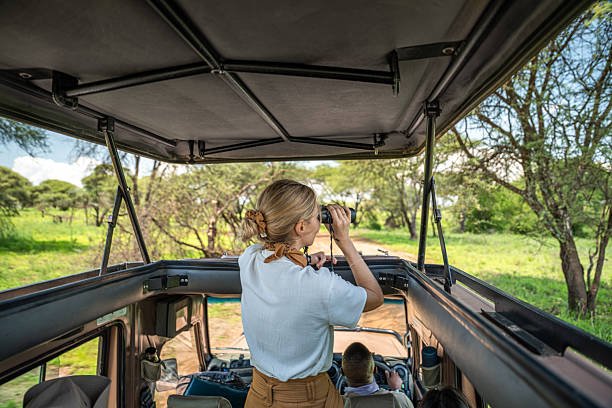
Kafue National Park Wilderness Safari: Your Ultimate Guide 2026-2027
start an unforgettable Kafue National Park wilderness safari. This guide covers everything from prime wildlife viewing and the best seasons to exclusive lodges and practical planning advice...
View package detailsKatavi National Park Safari 2026-2027
Katavi National Park Safari is explained with current 2026-2027 planning, price, itinerary and booking information.
View package details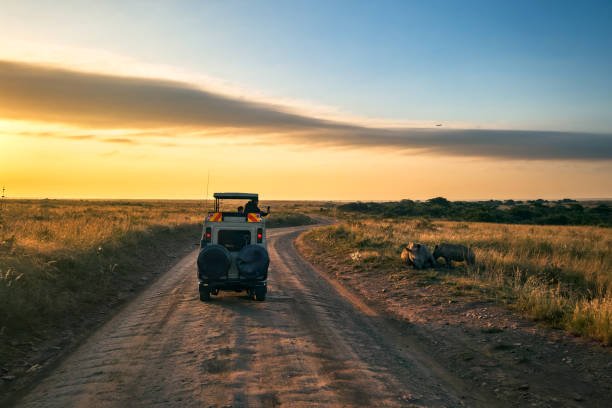
Kissama National Park Safari: Your Ultimate Tanzania Adventure Guide 2026-2027
Discover the unique wonders of Kissama National Park on a safari with Top Guide Adventures. This guide covers everything from wildlife viewing to planning your 2026-2027 adventure.
View package detailsLake Manyara National Park Safari 2026-2027
Lake Manyara National Park Safari is explained with current 2026-2027 planning, price, itinerary and booking information.
View package detailsLiwonde National Park Safari: Your Ultimate Guide For 2026-2027
Explore Liwonde National Park, Malawi's premier wildlife destination, with this comprehensive guide. Learn about incredible wildlife sightings, diverse activities like boat safaris and...
View package detailsNo closely related package is available for this topic yet.



