
A Gorongosa National Park wildlife safari in 2026-2027 promises an exceptional encounter with one of Africa’s most inspiring conservation success stories, featuring abundant wildlife, diverse ecosystems, and a dramatic landscape, accessible through guided game drives, walking safaris, and birdwatching tours. Planning your visit for the dry season, typically from May to October, offers the best wildlife viewing opportunities as animals congregate around water sources, though the green season provides lush scenery and excellent birding.

Discovering Gorongosa National Park: A Jewel of Mozambique
Gorongosa National Park, situated at the southern end of the Great Rift Valley in central Mozambique, stands as a testament to resilience and dedicated conservation efforts. Once decimated by civil war, its remarkable recovery over the past two decades has transformed it into a premier wildlife destination. For travelers planning a Gorongosa National Park wildlife safari in 2026 or 2027, this park offers a unique blend of impressive natural beauty, a rich diversity of wildlife, and a compelling story of ecological rebirth. It’s a place where the wild heart of Africa beats strong, offering an authentic and deeply rewarding safari experience away from the more crowded parks of East and Southern Africa.
The park’s landscape is incredibly varied, encompassing floodplains, savannas, miombo woodlands, and the slopes of Mount Gorongosa. This ecological diversity supports a wide array of species, from large mammals like elephants, lions, and hippos to an astonishing variety of birds. The commitment to scientific research and community involvement makes a safari here not just a wildlife viewing trip, but an opportunity to witness conservation in action.
Why Choose Gorongosa for Your 2026-2027 Safari?
When considering your next African adventure, Gorongosa National Park presents compelling reasons to be at the top of your list for 2026-2027 travel:
- Exceptional Wildlife Recovery: Witness firsthand the success of a major conservation project that has seen animal populations rebound significantly. This offers a chance to see species that were once on the brink of extinction.
- Stunning Natural Beauty: The park boasts dramatic landscapes, including the iconic Mount Gorongosa, vast floodplains, and diverse vegetation zones, providing a visually spectacular backdrop for your safari.
- Fewer Crowds: Compared to some of Africa’s more established safari circuits, Gorongosa offers a more intimate and exclusive experience, allowing for unhurried wildlife viewing.
- Conservation Focus: Your visit directly supports ongoing conservation efforts and the local communities, making your trip a meaningful contribution to the park’s future.
- Unique Ecosystems: From the arid savannas to the humid rainforests on Mount Gorongosa’s slopes, the park hosts a surprising range of habitats and, consequently, a rich biodiversity.
Best Time to Visit Gorongosa National Park for Wildlife Viewing (2026-2027)
Timing is crucial for maximizing your wildlife encounters on a Gorongosa National Park wildlife safari. The park experiences distinct wet and dry seasons, each offering a different, yet rewarding, safari experience. Understanding these seasons will help you plan your 2026-2027 trip for the best possible sightings.
The Dry Season (May to October): Prime Wildlife Viewing
The dry season is widely considered the best time for game viewing in Gorongosa. During these months:
- Vegetation Thins Out: The dense bush becomes less obstructive, offering clearer views of animals.
- Water Sources Concentrate Wildlife: As natural waterholes and rivers recede, animals, especially herbivores, gather around remaining water sources. This makes them easier to find and observe. Predators also frequent these areas, leading to increased chances of witnessing hunting activity.
- Pleasant Weather: Daytime temperatures are warm but generally comfortable, and evenings can be cool, making game drives enjoyable.
- Key Animals to Spot: Expect to see large herds of wildebeest, zebra, buffalo, and antelopes. Elephants are abundant, and the park’s lion population is often active. Hippos and crocodiles are easily visible in rivers and waterholes.
The Green Season (November to April): Lush Landscapes and Birding Paradise
The green season brings a different kind of magic to Gorongosa. While wildlife viewing can be more challenging due to thicker vegetation and dispersed water, it offers unique advantages:
- Vibrant Scenery: The landscape is at its most lush and green, with wildflowers blooming and a general sense of abundance.
- Excellent Birdwatching: This is peak season for bird enthusiasts, with resident birds at their most active and migratory species arriving. The birdlife in Gorongosa is spectacular.
- Calving Season: Many herbivores give birth during this period, offering opportunities to see young animals and the associated predator-prey dynamics.
- Fewer Visitors: Generally, fewer tourists visit during the green season, offering an even more secluded experience.
- Accessibility: Some roads, particularly in low-lying areas, may become impassable due to heavy rains. It’s essential to check current conditions and have a reliable guide.
For a 2026-2027 Gorongosa National Park wildlife safari focused on seeing a wide variety of mammals, the dry months of May through October are recommended. For photographers and birdwatchers seeking dramatic landscapes and avian spectacles, the green season can be equally rewarding.
Gorongosa’s Iconic Wildlife: What to Expect
Gorongosa National Park is celebrated for its recovering populations of iconic African wildlife. The ongoing conservation efforts have led to a significant increase in numbers for many species, making it a prime destination for wildlife enthusiasts. A Gorongosa National Park wildlife safari offers the chance to see a diverse range of animals.
Mammals: The Stars of the Show
Gorongosa is home to a remarkable array of mammals, with particular success stories in the recovery of large predators and herbivores.
- Elephants: Large herds are a common sight, particularly in the central plains and near the Gorongosa River. They are often seen bathing and interacting, providing fantastic photographic opportunities.
- Lions: The park’s lion population has seen a dramatic resurgence. While not as easily spotted as in some other parks, sightings are becoming more frequent, especially in the central plains and around water sources during the dry season. The park is working to understand and protect these magnificent predators.
- Buffalo: Cape buffalo are abundant, often seen in large herds grazing on the savannas and floodplains.
- Hippos: Hippos are a prominent feature of Gorongosa’s rivers and lakes, with large pods often visible.
- Crocodiles: Nile crocodiles are common in the park’s waterways.
- Leopards: Elusive and beautiful, leopards are present but are notoriously difficult to spot. Patient observation and a bit of luck are required.
- Wild Dogs: African wild dogs, a highly endangered species, have been reintroduced and are slowly establishing themselves. Sightings are rare but incredibly special.
- Cheetahs: While historically present, cheetahs are currently not a common sighting in Gorongosa. Conservation efforts are focused on establishing a viable population.
- Various Antelopes: Gorongosa hosts a variety of antelope species, including wildebeest, zebra, impala, waterbuck, bushbuck, hartebeest, kudu, and the rare Nyala.
- Warthogs: Commonly encountered during game drives, often seen foraging in groups.
- Baboons and Monkeys: Vervet monkeys and chacma baboons are frequently seen, often in troops along roadsides and in wooded areas.
Avian Wonders: A Birder’s Paradise
Gorongosa is a world-class birding destination, boasting over 500 species. Birdwatchers will find the park incredibly rewarding, especially during the green season.
- Raptors: Various eagles, buzzards, and falcons patrol the skies.
- Waterbirds: Herons, egrets, storks, and kingfishers are abundant around water bodies.
- Ground Birds: Ostriches, guineafowl, and various francolins are common.
- Specialties: Look out for species like the Pel’s fishing owl, crowned hornbill, and various weavers and sunbirds.
The ongoing monitoring and research in Gorongosa mean that information on wildlife populations is constantly updated, making a 2026-2027 safari here an opportunity to observe a dynamic ecosystem.
Activities on a Gorongosa National Park Wildlife Safari
Beyond traditional game drives, Gorongosa offers a variety of activities to enhance your safari experience. These activities allow for different perspectives and deeper engagement with the park’s environment and wildlife.
Guided Game Drives
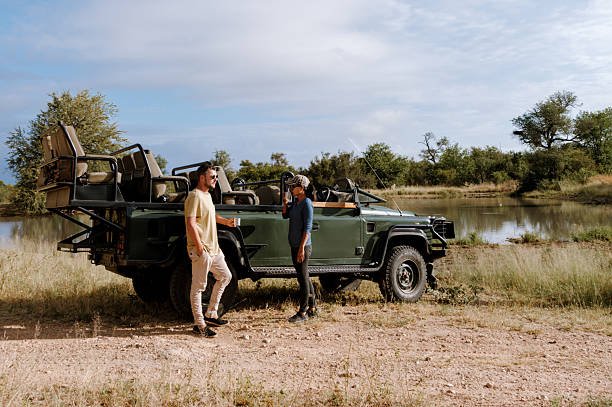
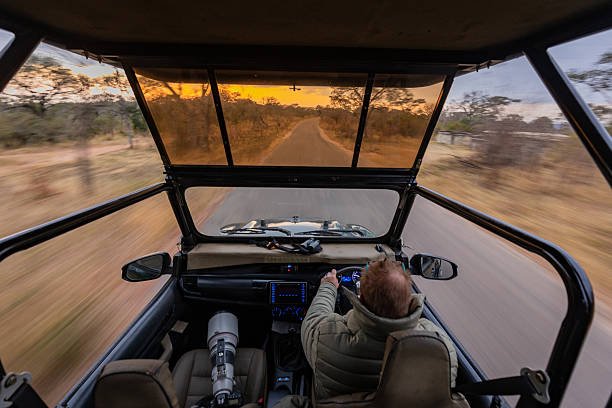
This is the cornerstone of any Gorongosa National Park wildlife safari. Conducted in open-top 4×4 safari vehicles with experienced guides, game drives offer the best way to cover ground and spot a wide range of animals. Drives typically occur in the early morning and late afternoon when wildlife is most active.
- Expert Guides: The guides are knowledgeable about animal behavior, tracking, and the park’s ecology, significantly enhancing your chances of sightings and understanding what you see.
- Flexible Itineraries: Drives can be tailored to focus on specific interests, whether it’s tracking predators, finding rare birds, or exploring particular habitats.
- Photography: Vehicles are designed to provide excellent vantage points for photography.
Walking Safaris
For a more intimate connection with the bush, guided walking safaris are an excellent option. These are usually conducted in specific areas and are led by armed rangers who are experts in tracking and bushcraft.
- Sensory Experience: Walking allows you to engage all your senses – hearing the rustle of leaves, smelling the earth, and feeling the pulse of the wild.
- Smaller Details: You can appreciate the smaller wonders often missed from a vehicle, such as insects, plants, tracks, and signs of animal presence.
- Educational: Learn about medicinal plants, survival skills, and the intricate relationships within the ecosystem.
- Safety First: These walks are conducted with strict safety protocols.
Birdwatching Excursions
With its incredible avian diversity, Gorongosa is a haven for birders. Dedicated birdwatching excursions, often combined with game drives or walks, can be arranged.
- Specialist Guides: Some guides have particular expertise in ornithology.
- Diverse Habitats: Explore different zones of the park to find a wide range of species, from woodland dwellers to waterbirds.
- Best Times: Early mornings and late afternoons are ideal for bird activity.
Scenic Flights
For a impressive overview of the park’s vastness and diverse landscapes, scenic flights over Gorongosa can be arranged. This offers a unique perspective on the geological features, the winding rivers, and the sheer scale of the protected area.
Community and Conservation Tours
Understanding the human element of conservation is a vital part of the Gorongosa experience. Tours can include visits to local communities that partner with the park, offering insight into the socio-economic initiatives and how conservation benefits local people.
When planning your 2026-2027 safari, consider incorporating a mix of these activities to gain a comprehensive appreciation of Gorongosa National Park.
Accommodation Options in Gorongosa National Park
Gorongosa offers a range of accommodation that blends comfort with a deep connection to the natural environment. The options cater to different preferences and budgets, ensuring a comfortable base for your Gorongosa National Park wildlife safari.
Chitengo Safari Camp
Located in the heart of the park, Chitengo is the primary accommodation facility and offers a range of options:
- Eco-Lodges: Comfortable, well-appointed lodges designed to minimize environmental impact. They often feature private verandas with views of the surrounding bush.
- Villas: More luxurious options offering enhanced privacy and amenities.
- Campsite: For the more adventurous, there are camping facilities, allowing for a truly wild experience.
Chitengo is known for its excellent restaurant, swimming pool, and central location, making it an ideal hub for exploring the park.
Vunduzi Camp
This is a more exclusive, luxury tented camp offering a high level of service and comfort. It provides an intimate safari experience with spacious tents, fine dining, and personalized attention.
Private Campsites
For those seeking ultimate solitude, Gorongosa offers a limited number of private campsites. These are often located in more remote areas and require advance booking. They provide a raw, authentic wilderness experience.
When booking your 2026-2027 safari, consider the location and amenities of your chosen accommodation to best suit your safari style and interests. Early booking is highly recommended, especially for peak season travel.
Planning Your Gorongosa Safari: Essential Tips for 2026-2027
A well-planned safari ensures a smooth and memorable experience. Here are essential tips for organizing your Gorongosa National Park wildlife safari for 2026 or 2027.
Visa and Entry Requirements
Most nationalities require a visa to enter Mozambique. Visas can often be obtained upon arrival at the airport, but it is advisable to check the latest requirements with the Mozambican embassy or consulate in your country well in advance of your 2026-2027 travel dates. Some nationalities may be eligible for e-visas.
Health Precautions
Malaria is present in Gorongosa National Park. Consult your doctor or a travel clinic about malaria prophylaxis and other recommended vaccinations (e.g., Yellow Fever, Hepatitis A, Typhoid) well before your trip. It is also advisable to pack insect repellent containing DEET.
Packing Essentials
Pack light, neutral-colored clothing for game drives (khaki, green, brown). Include:
- Lightweight long-sleeved shirts and trousers for sun and insect protection.
- Warm fleece or jacket for cool mornings and evenings.
- Comfortable walking shoes or hiking boots.
- Sandals or flip-flops for relaxing at the lodge.
- Sun hat, sunglasses, and high SPF sunscreen.
- Binoculars (essential for wildlife viewing).
- Camera with extra batteries and memory cards.
- Personal first-aid kit and any personal medications.
- Reusable water bottle.
Connectivity and Power
Internet access can be limited within the park. Lodges typically offer Wi-Fi, but speeds may vary. Power is usually available for charging devices, often running on generators or solar power, so bringing a universal adapter is recommended.
Currency
The local currency is the Mozambican Metical (MZN). However, US Dollars are widely accepted at lodges and for park fees. It is advisable to carry some smaller US Dollar bills for tips and incidentals. ATMs are available in larger towns but can be unreliable, so carrying sufficient cash is recommended.
Responsible Tourism
Respect wildlife by maintaining a safe distance and never feeding animals. Support local communities by purchasing handicrafts responsibly. Minimize your environmental impact by conserving water and electricity.
Booking your 2026-2027 Gorongosa safari through a reputable tour operator like Top Guide Adventures can simplify these planning steps, ensuring all logistics are handled smoothly.
Sample Itinerary: A Week-Long Gorongosa Wildlife Safari (2026-2027)
This sample itinerary provides a framework for a 7-day Gorongosa National Park wildlife safari, offering a balanced mix of activities and relaxation. It can be customized to fit your specific interests and available time for your 2026 or 2027 adventure.
Day 1: Arrival in Gorongosa & First Game Drive
Arrive at Gorongosa airstrip (or drive from Beira/Maputo) and transfer to your chosen lodge (e.g., Chitengo Safari Camp). After settling in and a brief orientation, head out for your first afternoon game drive, getting acquainted with the park’s central plains and its inhabitants.
Day 2: Exploring the Plains & Lion Tracking
An early morning game drive focuses on the vast floodplains, looking for herds of wildebeest, zebra, and buffalo. Spend the day tracking lions, learning about their behavior and the conservation efforts for this key predator. Enjoy a sundowner overlooking the savanna.
Day 3: Mount Gorongosa Excursion
Take a guided excursion up the slopes of Mount Gorongosa. Explore its unique montane forests, waterfalls, and enjoy panoramic views of the park below. This offers a chance to see different flora and fauna compared to the lowlands.
Day 4: Walking Safari & Birdwatching
start a guided walking safari in a designated area, offering an intimate bush experience. Focus on tracking smaller game, learning about tracks and signs, and appreciating the subtle details of the ecosystem. In the afternoon, dedicate time to birdwatching, seeking out Gorongosa’s diverse avian species.
Day 5: Gorongosa River & Elephant Encounters
Explore the areas around the Gorongosa River, a prime location for spotting elephants, hippos, and crocodiles. An afternoon game drive might take you to different sections of the park, searching for species you haven’t yet encountered.
Day 6: Community Visit & Leisure
Visit a local community project supported by the Gorongosa Restoration Project to understand the socio-economic impact of conservation. Spend the afternoon at leisure, perhaps by the lodge’s pool, or opt for another game drive based on your interests.
Day 7: Final Game Drive & Departure
Enjoy a final early morning game drive, perhaps revisiting a favorite spot or searching for any remaining species on your wish list. After breakfast, transfer to the airstrip for your onward journey, filled with memories of your Gorongosa National Park wildlife safari.
This itinerary is a suggestion. For 2026-2027 bookings, Top Guide Adventures can tailor this to your pace, interests, and duration, ensuring a personalized Gorongosa experience.
Conservation at Gorongosa: A Model for Africa
The story of Gorongosa National Park is one of the most inspiring conservation narratives in modern Africa. The park’s restoration, initiated in the early 2000s by the Mozambican government in partnership with the Gorongosa Restoration Project (led by Greg Carr), has transformed it from a landscape scarred by war and poaching into a thriving ecosystem.
- Ecological Restoration: Decades of conflict led to the drastic decline of wildlife populations. The project has focused on reintroducing key species, restoring habitats, and managing ecosystems through scientific research and adaptive management.
- Community Engagement: A critical component of Gorongosa’s success is its deep integration with local communities. This includes creating employment opportunities, supporting education, and establishing community-based natural resource management programs. The park recognizes that conservation is only sustainable when local people benefit directly.
- Scientific Research: Gorongosa is a living laboratory. Researchers from around the world collaborate to study the park’s ecology, wildlife, and the impact of restoration efforts. This scientific data informs management decisions and contributes to global conservation knowledge.
- Sustainable Tourism: The park’s tourism model is designed to fund conservation and community development. By choosing to visit Gorongosa for your Gorongosa National Park wildlife safari, you are directly contributing to these vital efforts.
For travelers in 2026-2027, visiting Gorongosa means experiencing a truly unique safari that combines incredible wildlife viewing with a profound sense of purpose.
Comparing Gorongosa with Other Safari Destinations
While Gorongosa offers a distinct experience, it’s helpful to understand how it compares to other popular safari destinations in Africa for travelers considering their options for 2026-2027.
- East Africa (Serengeti, Masai Mara): Known for the Great Migration, vast open plains, and high densities of big cats. Gorongosa offers a more intimate experience with a focus on ecological recovery and a different landscape.
- Southern Africa (Kruger, Okavango Delta): Kruger is famous for its accessibility and high wildlife numbers. The Okavango Delta offers unique water-based safaris and a pristine wilderness. Gorongosa provides a compelling narrative of restoration and a blend of habitats not found in these regions.
- Other Mozambican Parks (e.g., Limpopo National Park): Gorongosa is arguably the most successfully restored and developed park in Mozambique, offering a more established infrastructure and a higher likelihood of diverse sightings compared to some less developed areas.
Gorongosa’s unique selling proposition is its powerful story of recovery, its diverse ecosystems from floodplains to montane forests, and its commitment to community-integrated conservation, making a 2026-2027 Gorongosa National Park wildlife safari a deeply meaningful choice.
Booking Your Gorongosa Safari with Top Guide Adventures
Top Guide Adventures is dedicated to providing exceptional safari experiences across Tanzania and beyond. While our primary focus is Tanzania, we understand the desire for diverse African adventures. For those specifically interested in a Gorongosa National Park wildlife safari, we can assist in connecting you with the right partners or providing guidance on planning such a trip, leveraging our extensive knowledge of African travel logistics.
We specialize in creating tailor-made journeys that cater to your interests, budget, and travel style. Whether you dream of the Serengeti, the Ngorongoro Crater, Kilimanjaro climbs, or exploring the unique landscapes of Gorongosa, our team is committed to ensuring your adventure is unforgettable. We pride ourselves on personal attention, care, and dedicated support for every client.
Let us help you craft your dream 2026-2027 safari. Contact us to discuss your travel aspirations, including planning a remarkable Gorongosa National Park wildlife safari.
- WhatsApp: +255616946642
- Email: info@topguideadventures.com
- Website: Top Guide Adventures
We look forward to helping you plan an extraordinary African safari adventure for 2026-2027.
“,
“faq_schema”: [
{
“question”: “What is the best time of year for a Gorongosa National Park wildlife safari in 2026-2027?”,
“answer”: “The dry season, from May to October, is generally considered the best time for wildlife viewing in Gorongosa National Park. During these months, vegetation thins out and animals congregate around water sources, making them easier to spot. The green season (November to April) offers lush landscapes and excellent birdwatching opportunities but can make wildlife spotting more challenging due to denser vegetation.”
},
{
“question”: “What wildlife can I expect to see on a Gorongosa safari?”,
“answer”: “Gorongosa National Park is home to a recovering population of iconic African wildlife. You can expect to see elephants, lions, buffalo, hippos, crocodiles, various antelope species (wildebeest, zebra, impala, kudu), warthogs, baboons, and monkeys. Birdlife is also exceptionally rich, with over 500 species recorded.”
},
{
“question”: “What are the accommodation options in Gorongosa National Park?”,
“answer”: “Accommodation options range from the central Chitengo Safari Camp, offering lodges and a campsite, to the more exclusive Vunduzi Camp (luxury tented camp). There are also limited private campsites for those seeking a more remote wilderness experience. Booking well in advance for 2026-2027 is highly recommended.”
},
{
“question”: “What activities are available on a Gorongosa safari?”,
“answer”: “Activities include guided game drives in open-top vehicles, walking safaris led by armed rangers, dedicated birdwatching excursions, scenic flights over the park, and community and conservation tours to learn about local initiatives.”
},
{
“question”: “How do I book a Gorongosa National Park wildlife safari for 2026-2027?”,
“answer”: “You can book your Gorongosa safari through specialized tour operators. Top Guide Adventures, while primarily focusing on Tanzania, can assist with planning and logistics for a Gorongosa trip or connect you with appropriate partners. Contact them via WhatsApp at +255616946642 or email at info@topguideadventures.com.”
}
]
}
“`
Check Availability for Gorongosa National Park Wildlife Safari 2026-2027
Ready to compare dates, prices, and the best option for your group? Send the package name and travel month so the team can reply with a clear quote, availability, and what is included.
Zakouma National Park Wildlife Safari: Your Ultimate Guide For 2026-2027
Discover the unparalleled wildlife viewing opportunities at Zakouma National Park, a true gem for safari enthusiasts. This guide provides comprehensive information for planning your...
View package details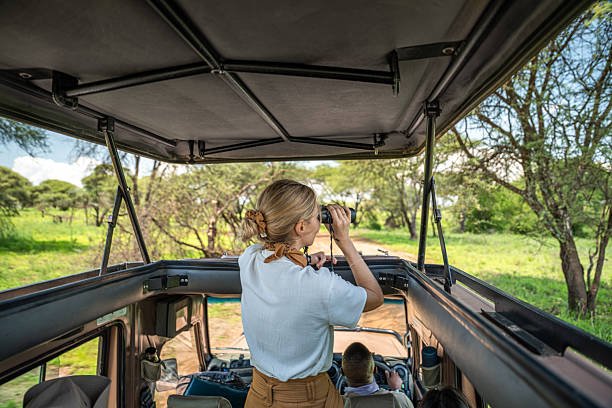
Kafue National Park Wilderness Safari: Your Ultimate Guide 2026-2027
start an unforgettable Kafue National Park wilderness safari. This guide covers everything from prime wildlife viewing and the best seasons to exclusive lodges and practical planning advice...
View package details
Zambia Safari Cost And Park Fees: A Planning Guide 2026-2027
Planning a safari in Zambia involves understanding the various costs, including park entry fees, accommodation, and tour operator charges. This guide breaks down the typical Zambia safari...
View package details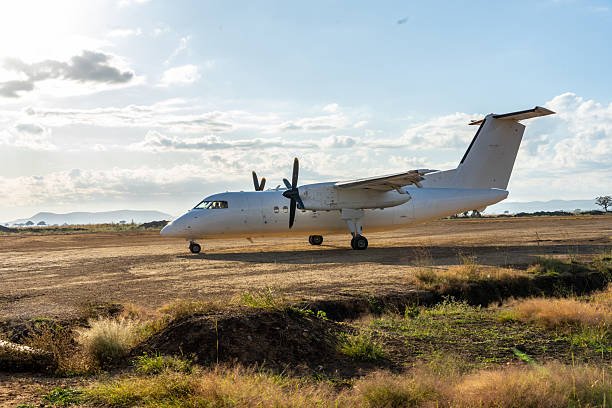
Namibia Desert And Wildlife Safari: Ultimate Guide For 2026-2027
Explore the dramatic landscapes and abundant wildlife of Namibia on an unforgettable desert and wildlife safari. This comprehensive guide covers top destinations, best times to visit...
View package details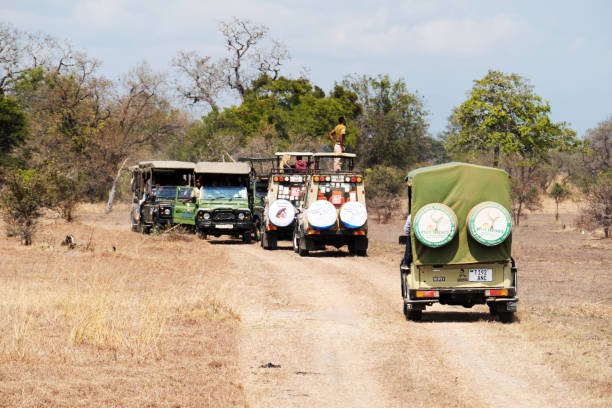
South Africa Family Safari: Planning Your Ultimate Wildlife Adventure
start an incredible South Africa family safari in 2026-2027, combining thrilling wildlife encounters with comfortable, engaging experiences for all ages. This guide covers everything from...
View package details
Mozambique Beach And Safari Holiday: Your Ultimate Guide For 2026-2027
Discover the perfect blend of sun-drenched beaches and thrilling wildlife encounters with a Mozambique beach and safari holiday. This guide covers everything from top safari destinations to...
View package details
Zimbabwe Luxury Safari Packages: Expert Planning For 2026-2027
Explore the pinnacle of African travel with Zimbabwe luxury safari packages. From the majestic Victoria Falls to the wildlife-rich Hwange National Park, experience unparalleled service...
View package detailsLake Kariba Houseboat Safari: Your Ultimate Tanzania Adventure Guide 2026-2027
Discover the magic of a Lake Kariba houseboat safari, a truly unique adventure in Tanzania. Combining the thrill of wildlife viewing with the tranquility of life on the water, this...
View package details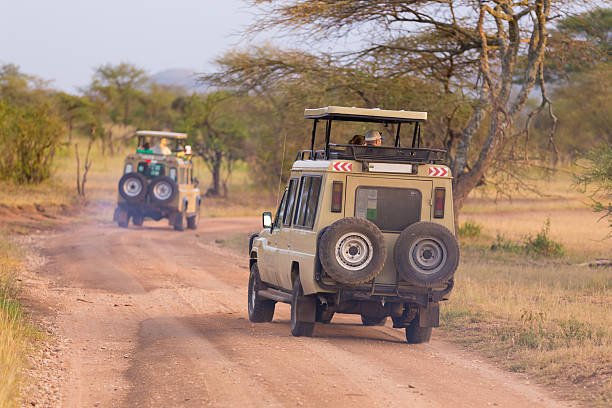
Mana Pools Canoe Safari: Your Ultimate Tanzania Adventure 2026-2027
Discover the unparalleled experience of a Mana Pools canoe safari in Tanzania. This guide covers everything from planning your 2026-2027 adventure to what to expect on the water, wildlife...
View package details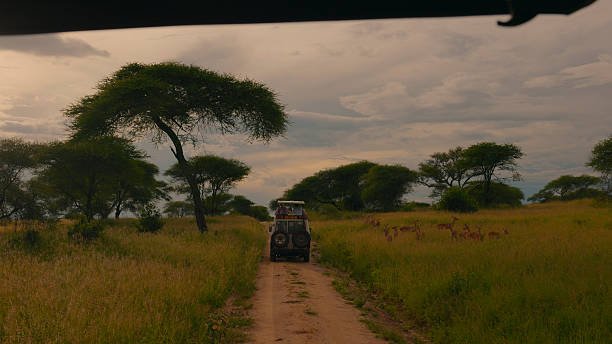
Zimbabwe Victoria Falls And Hwange Safari: Your Ultimate Adventure Guide
Combine the awe-inspiring Victoria Falls with the wildlife-rich plains of Hwange National Park for an unforgettable Zimbabwe safari experience. This guide covers everything you need to plan...
View package details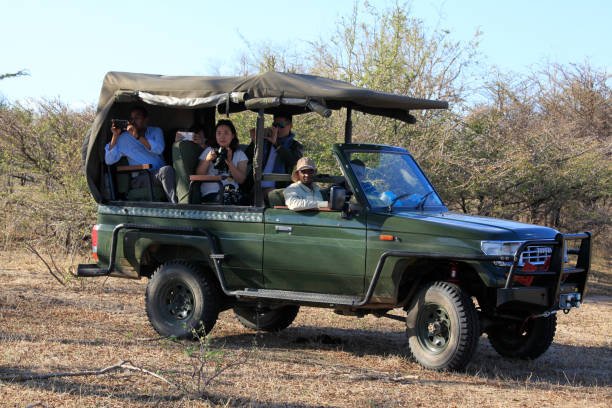
Zimbabwe Travel Guide: Top Destinations, Safaris & Planning For 2026-2027
Explore Zimbabwe with Top Guide Adventures. This comprehensive guide covers everything you need to know for planning an unforgettable trip to Zimbabwe, including its best destinations...
View package details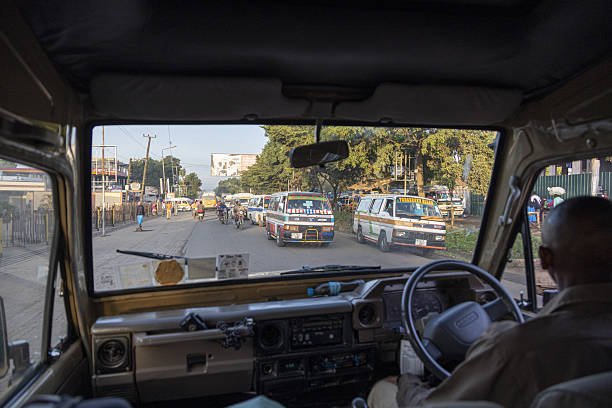
Zambia Luxury Fly-In Safari: Ultimate Guide For 2026-2027
A Zambia luxury fly-in safari offers an exclusive and efficient way to explore the country's most remote and pristine wilderness areas. This travel style maximizes time spent on game...
View package detailsNo related package matches those filters. Clear one or more filters to see the other topic-matched options.



