
A Big Five Tanzania safari is your best chance to witness the continent’s most iconic and challenging-to-spot animals: the lion, leopard, elephant, rhino, and buffalo, with the Serengeti National Park and the Ngorongoro Crater being prime locations for sightings, especially during the dry seasons of 2026 and 2027.

Understanding the ‘Big Five’ in Tanzania
The term “Big Five” wasn’t coined by wildlife enthusiasts, but rather by big-game hunters. It refers to the five most difficult animals in Africa to hunt on foot, demanding exceptional skill, courage, and often, luck. Today, the term is celebrated by wildlife photographers and safari-goers worldwide as a shorthand for the ultimate wildlife encounter. In Tanzania, these magnificent creatures are not just legends; they are a tangible part of the country’s unparalleled natural heritage.
- Lion: The undisputed king of the savanna, renowned for its majestic mane and powerful roar.
- Leopard: Elusive and solitary, masters of camouflage, often found resting in trees.
- Elephant: The largest land mammal, intelligent and social, often seen in large family herds.
- Rhinoceros: Critically endangered, particularly the black rhino, making sightings a rare and special privilege.
- Cape Buffalo: Known for their formidable horns and unpredictable nature, often seen in vast herds.
Spotting all five on a single safari is a significant achievement, a testament to the richness of Tanzania’s ecosystems and the skill of your guide. While luck plays a role, choosing the right parks, the right time of year, and the right tour operator significantly increases your odds. For those planning a safari in 2026 or 2027, understanding these elements is crucial for a successful Big Five Tanzania experience.
Prime Locations for Your Big Five Tanzania Safari
Tanzania boasts an incredible array of national parks and conservation areas, each offering unique wildlife viewing opportunities. However, when the specific goal is to encounter the Big Five, certain locations rise to the top.
Serengeti National Park: The Endless Plains’ Crown Jewels
The Serengeti is arguably the most famous wildlife sanctuary in the world, and for good reason. Its vast, unbroken plains stretch as far as the eye can see, supporting an immense population of animals, including all of the Big Five.
Why the Serengeti is ideal for Big Five sightings:
- Lion: The Serengeti is home to a healthy population of lions, often seen lounging on kopjes (rocky outcrops) or hunting in prides. Their numbers are estimated to be in the thousands.
- Leopard: While notoriously shy, leopards are present throughout the Serengeti, particularly in areas with dense acacia woodlands and riverine forests, such as the Seronera Valley. Patience and a keen eye from your guide are key here.
- Elephant: Large herds of elephants roam the Serengeti, especially in the central and northern regions. They are a common and awe-inspiring sight.
- Rhino: The black rhino is present but is the most challenging to spot. They prefer denser bushland and are more active in the early mornings and late evenings. The Moru Kopjes area in the central Serengeti is often cited as a good, albeit challenging, location for rhino sightings.
- Buffalo: Cape buffalo are abundant in the Serengeti, often seen in large, impressive herds, especially near water sources and in the wetter northern regions.
The Great Migration, which sees millions of wildebeest and zebras traversing the plains, also attracts predators, increasing the chances of witnessing dramatic wildlife interactions. Planning your Serengeti safari for the dry season (typically June to October, and again in January-February for calving) often concentrates wildlife, making sightings more predictable.
Ngorongoro Conservation Area: The Caldera’s Abundant Wildlife
The Ngorongoro Crater, a UNESCO World Heritage Site, is a geological marvel and a wildlife paradise. This vast volcanic caldera offers a unique ecosystem where a remarkable density of animals, including all of the Big Five, reside year-round.
The Ngorongoro Crater’s advantages for Big Five encounters:
- Lion: The crater floor supports a significant lion population, often accustomed to vehicles, leading to excellent viewing opportunities.
- Leopard: While less common than lions, leopards do inhabit the crater’s forested rim and can sometimes be seen on the floor, particularly near water bodies and wooded areas.
- Elephant: Large bull elephants, often with impressive tusks, are frequently seen on the crater floor, especially in the marshy areas.
- Rhino: The Ngorongoro Crater is one of the best places in Tanzania to see the endangered black rhino. The conservation efforts here have led to a stable, albeit small, population, making sightings a highlight for many visitors.
- Buffalo: Huge herds of Cape buffalo are a common sight, often grazing peacefully on the grasslands or gathering at waterholes.
The advantage of the Ngorongoro Crater is its compact size and high animal density, meaning that even within a single day of exploration, you have a very high chance of spotting the Big Five. However, due to its popularity, visitor numbers can be high, and vehicle restrictions are in place to protect the environment.
Other Notable Parks for Big Five Potential
While Serengeti and Ngorongoro are the stars, other parks offer excellent chances, especially if combined or if you’re seeking a less crowded experience for your 2026-2027 safari:
- Tarangire National Park: Famous for its massive elephant herds and baobab trees. Lions and leopards are also present, and buffalo are abundant. Rhinos are rare.
- Lake Manyara National Park: Known for its tree-climbing lions (though not guaranteed), diverse birdlife, and scenic lake. Elephants, buffalo, and historically, rhinos, can be found here.
- Ruaha National Park: Tanzania’s largest national park, offering a more wild and remote experience. It has a large elephant population, lions, leopards, and buffalo. Rhinos are present but very rare.
- Selous Game Reserve (Nyerere National Park): Primarily known for its vast elephant and buffalo populations, lions, and leopards. Rhinos are present but difficult to find. Boat safaris here offer a unique perspective.
Planning Your Big Five Tanzania Safari in 2026-2027
Successful Big Five spotting hinges on careful planning. Several factors come into play, from the time of year to the type of safari and the expertise of your guide.
Best Time of Year for Big Five Sightings
While Tanzania is a year-round safari destination, certain periods enhance your chances of seeing the Big Five:
- Dry Season (June – October): This is generally considered the prime time for Big Five safaris. Water sources become scarce, forcing animals to congregate around permanent rivers and waterholes, making them easier to find. This is also the peak time for the Great Migration in the Serengeti, bringing predators into close proximity to their prey. The weather is typically sunny and pleasant, though evenings can be cool.
- Short Rains (November – December): The landscape greens up, and the weather is still generally good, with occasional showers. Wildlife is more dispersed than in the dry season, but it can still be a good time for sightings, with fewer tourists.
- Long Rains (March – May): This is the low season. The landscape is lush and beautiful, and birdlife is at its best. However, game viewing can be more challenging as animals spread out, and some park roads may become impassable. This is the time for the Great Migration’s calving season in the southern Serengeti, attracting predators. Prices are often lower during this period, making it an option for budget-conscious travelers in 2026 or 2027.
- January – February: This period, particularly in the southern Serengeti, is when the wildebeest herds gather for calving. This attracts a high concentration of predators, offering exceptional viewing opportunities for lions, cheetahs, and hyenas, and consequently, the chance to see them interacting with their prey, which may include buffalo or young elephants.
Choosing the Right Safari Type
Your choice of safari style can impact your Big Five viewing experience:
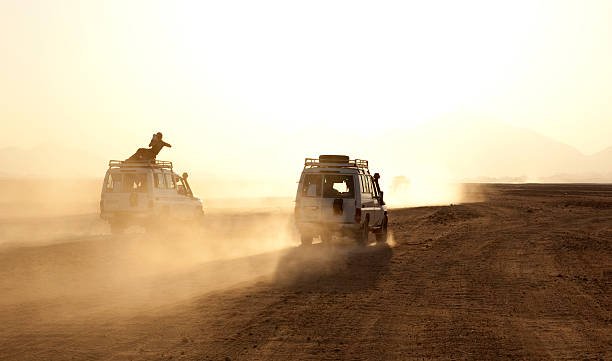
- Game Drives: The most common safari activity. You’ll explore parks in a specially adapted 4×4 safari vehicle with a pop-up roof, allowing for excellent visibility and photography. Extended game drives, especially during early morning and late afternoon, are often most productive for spotting elusive animals like leopards.
- Walking Safaris: Offered in specific areas (e.g., parts of the Serengeti, Tarangire, Ruaha, and Selous), walking safaris provide a more intimate connection with the bush. While you won’t cover as much ground, you can track animals like buffalo and elephants on foot, guided by an armed ranger. Rhinos and leopards are rarely encountered on foot due to their danger.
- Night Game Drives: Available in some areas outside the main national parks (e.g., certain concessions near Serengeti or Tarangire), night drives offer a chance to see nocturnal animals, including leopards and lions actively hunting.
The Crucial Role of Your Safari Guide
Your safari guide is your most valuable asset in the quest for the Big Five. An experienced, local guide from a reputable company like Top Guide Adventures is indispensable:
- Knowledge of Animal Behavior: They understand where animals are likely to be found at different times of day and year, and can interpret animal signs (tracks, calls, droppings).
- Radio Communication: Guides often communicate with each other to share sightings of rare animals, significantly increasing your chances of finding a leopard or rhino.
- Vehicle Handling: They know how to position the vehicle for optimal viewing and photography without disturbing the animals.
- Safety: They ensure your safety while maximizing your wildlife encounters.
When booking your 2026 or 2027 safari, inquire about the experience level of their guides. A good guide can transform a good safari into an extraordinary one, especially when aiming to tick off the Big Five.
Maximizing Your Chances: Tips for Big Five Spotting
Beyond choosing the right park and time, a few extra tips can boost your Big Five Tanzania success rate:
- Be Patient: Wildlife viewing is not a spectator sport. Some animals, especially leopards and rhinos, require significant patience and quiet observation.
- Early Mornings and Late Afternoons: These are the “golden hours” for wildlife activity. Predators are most active, and the light is best for photography.
- Explore Diverse Habitats: Don’t just stick to open grasslands. Investigate riverine areas, kopjes, and woodlands, as these habitats attract different species. Leopards, for instance, are often found in trees or rocky areas.
- Listen to Your Guide: They have an unparalleled understanding of the bush. Follow their advice and suggestions.
- Combine Parks: A safari combining the Serengeti and Ngorongoro Crater offers the best overall chance for Big Five sightings within a standard itinerary.
- Consider Private Concessions: Some private concessions bordering national parks offer more exclusive game viewing, including off-road driving and night drives, which can improve chances of spotting shy animals. These often come at a higher cost but can be worth it for dedicated wildlife enthusiasts planning for 2026-2027.
Understanding Each of the Big Five
Let’s take a closer look at each member of the Big Five and what makes them so special to spot:
The Lion (Panthera leo)
Lions are the most social of the big cats, living in prides that typically consist of related females, their offspring, and a few adult males. They are powerful predators, often hunting in coordinated groups. In Tanzania, their roars are a common sound at dawn and dusk, and seeing them stalk prey or interact within their pride is a truly unforgettable experience. They are widespread across most of Tanzania’s major parks, with the Serengeti and Ngorongoro offering particularly high densities.
The Leopard (Panthera pardus)
Leopards are the masters of stealth and camouflage. Solitary and nocturnal, they are incredibly difficult to spot. Their spotted coats provide perfect camouflage, and they are adept at blending into their surroundings. Leopards are often found resting in trees during the day, having hoisted their kill to keep it safe from scavengers. Areas with trees and rocky outcrops, like the Seronera Valley in the Serengeti or the forested areas around the Ngorongoro Crater rim, are your best bet. Patience is paramount for leopard sightings.
The Elephant (Loxodonta africana)
African elephants are the largest terrestrial animals on Earth. They are highly intelligent and social, living in matriarchal family groups. Their sheer size and presence are awe-inspiring. In Tanzania, you’ll find them in large numbers in Tarangire National Park, known for its enormous elephant herds, and also commonly in the Serengeti and Ngorongoro Crater. Watching a family of elephants, with young calves playing, is a heartwarming sight.
The Rhinoceros (Diceros bicornis michaeli – Black Rhino)
The black rhino is the most endangered of the Big Five, making a sighting a truly special and rare event. Tanzania is home to the eastern black rhino subspecies. They are solitary, shy, and prefer dense bushland, making them exceptionally difficult to locate. The Ngorongoro Conservation Area is one of the most reliable places to see them, thanks to dedicated conservation efforts. Seeing a black rhino in the wild is a poignant reminder of conservation successes and ongoing challenges.
The Cape Buffalo (Syncerus caffer)
Cape buffalo are large, powerful bovids with distinctive, heavy horns. They are often seen in large herds, particularly near water. While they might seem less elusive than leopards or rhinos, their sheer numbers and the danger they can pose mean that observing them from a safe distance is always a thrill. They are found in abundance across most of Tanzania’s national parks, often grazing in large numbers on the plains or by water sources.
A Sample Big Five Tanzania Itinerary Concept (7 Days)
This is a conceptual itinerary designed to maximize Big Five chances within a week, suitable for 2026-2027 travel. It focuses on the northern circuit’s most productive parks.
Day 1-2: Tarangire National Park
Arrive at Kilimanjaro International Airport (JRO), meet your guide, and transfer to Tarangire National Park. Known for its massive elephant herds and iconic baobab trees. Spend two days on game drives, looking for elephants, lions, leopards, and buffalo. Rhinos are rare.
Day 3-4: Serengeti National Park
Drive to the Serengeti, entering via the Ngorongoro Conservation Area. Depending on the time of year, focus on areas known for the Great Migration or resident wildlife. Seronera Valley is excellent for leopards. Spend two full days exploring the vast plains, seeking lions, elephants, buffalo, and searching for elusive leopards and rhinos (particularly in Moru Kopjes area).
Day 5-6: Ngorongoro Crater
Descend into the Ngorongoro Crater for a full-day game drive. This is your best opportunity to see black rhinos. You’ll also find lions, elephants, buffalo, and a host of other wildlife in this unique caldera. The density of animals here is exceptional.
Day 7: Departure
Enjoy a final morning game drive or relax before transferring back to Arusha for your onward journey or flight home.
This itinerary can be customized for longer durations, perhaps adding Lake Manyara or extending time in the Serengeti for deeper exploration. For 2026-2027 bookings, consider booking well in advance, especially for peak season travel.
Cost Considerations for a Big Five Tanzania Safari
The cost of a Big Five Tanzania safari can vary significantly based on several factors:
- Duration of Safari: Longer safaris naturally cost more.
- Accommodation Style: Options range from budget-friendly tented camps and lodges to luxurious permanent camps and lodges.
- Number of Travelers: Private safaris are generally more expensive per person than group safaris, but offer more flexibility.
- Parks Visited: Park entry fees vary. The Ngorongoro Crater fee is substantial.
- Vehicle Type: While most use 4x4s, specialized vehicles or certain exclusive-use options might incur extra costs.
- Time of Year: Peak season (dry months) is typically more expensive than the low season (rainy months).
General Price Ranges (per person, per day, mid-range to luxury):
- Budget: $250 – $350 USD (basic tented camps, shared facilities, limited inclusions).
- Mid-Range: $400 – $600 USD (comfortable lodges and tented camps, private vehicles, good guides).
- Luxury: $700 – $1000+ USD (high-end lodges and tented camps, exclusive use vehicles, premium services).
These prices typically include park fees, accommodation, meals, a safari vehicle, and a guide. International flights, visas, tips, and personal expenses are usually extra. For a detailed quote for your 2026-2027 Big Five Tanzania safari, it’s best to contact a trusted tour operator like Top Guide Adventures. They can tailor an itinerary to your budget and preferences.
Booking Your Big Five Tanzania Safari with Top Guide Adventures
Planning a safari to see the Big Five in Tanzania is an exciting prospect. At Top Guide Adventures, we specialize in crafting unforgettable safari experiences tailored to your interests, budget, and timeline. Whether you dream of witnessing the Great Migration, exploring the Ngorongoro Crater, or simply immersing yourself in the raw beauty of the Tanzanian wilderness, we are here to help.
We offer a range of safari packages, from group departures ideal for solo travelers or couples looking to share costs, to fully customized private safaris for families or groups seeking ultimate flexibility. Our experienced local guides are passionate about sharing their knowledge and ensuring you have the best possible chance of spotting the Big Five and all the other incredible wildlife Tanzania has to offer. We are already planning trips for 2026 and 2027, and early booking is recommended, especially for popular periods.
To start planning your Big Five Tanzania adventure or to request a personalized quote, please do not hesitate to reach out to us:
- WhatsApp: +255616946642
- Email: Topguideadventures@gmail.com
- Backup Email: Info@topguideadventures.com
Visit our website Top Guide Adventures Tanzania For more information on our tours and services. Let us help you create the Big Five Tanzania safari of your dreams!
Check Availability for Big Five Tanzania Safari: Your Ultimate Guide To Spotting The Icons…
Ready to compare dates, prices, and the best option for your group? Send the package name and travel month so the team can reply with a clear quote, availability, and what is included.

Big Five Safari Tanzania: Your Ultimate Guide For 2026-2027
Start an unforgettable Big Five safari adventure in Tanzania. This comprehensive guide covers everything you need to know for your 2026-2027 trip, from prime wildlife destinations to expert...
View package details
Best Month To Visit Tanzania For Safari And Zanzibar In 2026-2027
Planning your dream Tanzania adventure? This guide breaks down the best months to visit for optimal safari experiences, including the Great Migration, and idyllic beach time in Zanzibar...
View package details
Best Time Of Year To Visit Tanzania For Safaris & Zanzibar 2026-2027
Planning a trip to Tanzania? This guide breaks down the best times to visit for unparalleled wildlife viewing, beach relaxation, and cultural experiences, considering weather, animal...
View package details
Grumeti Game Reserve: Your Ultimate Tanzania Safari Guide 2026-2027
Grumeti Game Reserve offers an exclusive and luxurious safari experience in Tanzania's Serengeti ecosystem, renowned for its high concentration of wildlife, especially during the Great...
View package details
Maswa Game Reserve Tanzania: Your Ultimate Guide For Safaris 2026-2027
Maswa Game Reserve offers an unparalleled, off-the-beaten-path safari experience in Tanzania, known for its exclusivity and exceptional wildlife encounters, particularly lions and wild...
View package details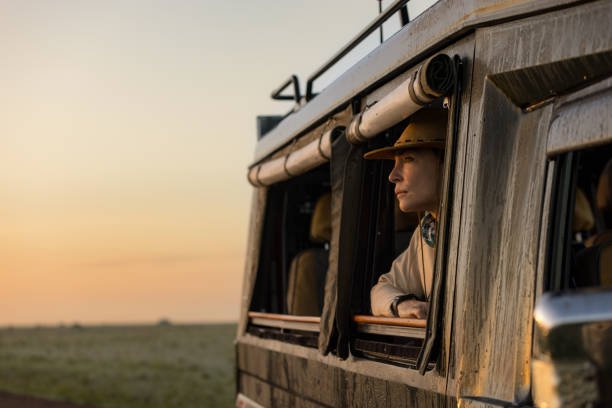
Mikumi National Park Safari: Your Essential Guide For 2026-2027
Mikumi National Park offers incredible wildlife viewing in Tanzania, often called 'Little Serengeti.' This guide covers everything you need for a 2026-2027 safari, from animals to planning.
View package details
North Tanzania Group Trip: Your Ultimate Shared Safari Adventure In 2026-2027
Explore the wonders of North Tanzania on a shared safari adventure. This guide details group trip options for 2026-2027, covering iconic destinations like the Serengeti and Ngorongoro...
View package details
Pacchetti Safari Tanzania: Guida Completa Per Il Tuo Viaggio 2026-2027
Una guida approfondita ai pacchetti safari in Tanzania, con dettagli su itinerari, costi, cosa aspettarsi e come scegliere l'esperienza perfetta per il 2026-2027. Organizza la tua avventura...
View package details
Tanzania In December: Your Ultimate Guide For Adventures 2026-2027
Planning a trip to Tanzania in December? This guide covers everything from the Great Migration's status and Zanzibar's beaches to Kilimanjaro climbs and essential packing tips for the...
View package details
Tanzania In June Guide
Planning a trip to Tanzania in June? This is a prime time for wildlife viewing, with dry conditions, lush landscapes after the rains, and the Great Migration beginning its journey. Our...
View package detailsTanzania Weather In June: Your Guide To Safaris And Zanzibar In 2026-2027
June marks the beginning of Tanzania's prime dry season, offering excellent conditions for safaris and beach holidays, especially on Zanzibar. Expect pleasant temperatures, clear skies, and...
View package details
Viaggio Di Gruppo Tanzania: Pianifica La Tua Avventura Di Nel 2026-2027
Organizzare un viaggio di gruppo in Tanzania nel 2026-2027 offre un'opportunità unica per condividere esperienze indimenticabili, che si tratti di un safari emozionante attraverso i parchi...
View package detailsNo closely related package is available for this topic yet.



