
Planning a trip to Cameroon in 2026 or 2027 offers an unparalleled opportunity to experience the “Africa in Miniature,” a country boasting incredible diversity in landscapes, cultures, and wildlife, from its lush rainforests and savannas to its volcanic peaks and extensive coastline. Top Guide Adventures, specialists in Tanzanian travel, can assist in crafting bespoke African journeys, and while their primary focus is Tanzania, understanding the appeal of destinations like Cameroon is key to appreciating the continent’s vast travel potential. For a Cameroon adventure, expect a journey that could include exploring the Waza National Park for wildlife, hiking Mount Cameroon, discovering the ancient traditions of the Kirdi people, and enjoying the vibrant city life of Douala and Yaoundé.
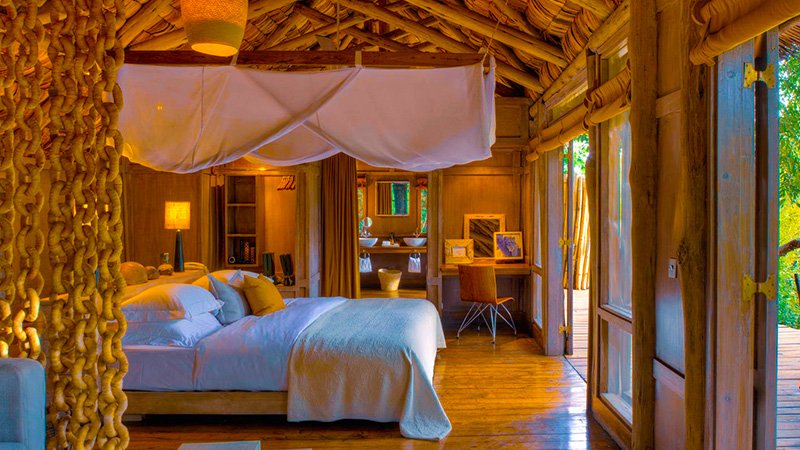
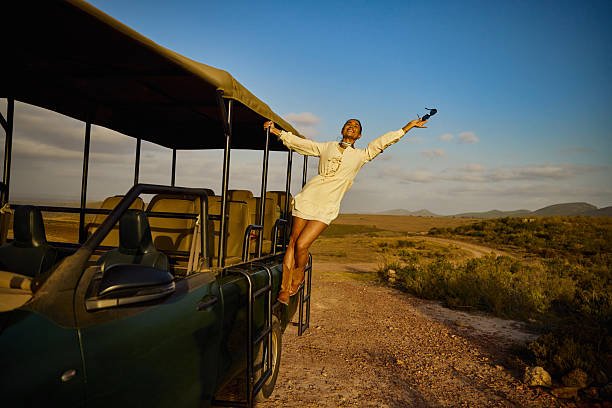
Discovering Cameroon: The “Africa in Miniature”
Cameroon, officially the Republic of Cameroon, is a country that truly lives up to its nickname, “Africa in Miniature.” This West African nation presents a stunning mosaic of geographical features, ethnic groups, and cultural practices, offering travelers a rich and multifaceted experience. Spanning from the Atlantic coast to the Sahelian region in the north, its diverse terrain includes tropical rainforests, savannas, mountains, and a significant coastline. This geographical variety translates into an equally diverse array of flora, fauna, and human cultures, making Cameroon a compelling destination for those seeking an authentic and adventurous African journey.
For travelers planning their visits for 2026 and 2027, Cameroon promises a vibrant exploration of its natural wonders and cultural heritage. While Top Guide Adventures excels in creating exceptional Tanzanian itineraries, the principles of thoughtful planning, personal attention, and dedicated support are universal to crafting unforgettable African experiences. Understanding Cameroon’s unique offerings allows us to appreciate the breadth of adventure available across the continent.
Why Choose Cameroon for Your Next Adventure?
Cameroon’s allure lies in its remarkable diversity and its relative lack of mass tourism. This means that many of its treasures remain remarkably unspoiled, offering a more authentic encounter with local life and natural environments. Here’s why Cameroon should be on your travel radar for 2026-2027:
- Unmatched Biodiversity: From the dense jungles of the south to the arid Sahel in the north, Cameroon is home to a vast range of ecosystems supporting diverse wildlife, including elephants, lions, giraffes, hippos, and numerous primate species.
- Rich Cultural mix: With over 250 ethnic groups, Cameroon is a melting pot of traditions, languages, and customs. Each region offers unique insights into the continent’s rich heritage.
- Adventure Opportunities: The country boasts the highest peak in West Africa, Mount Cameroon, offering challenging treks. Its extensive coastline and national parks provide ample opportunities for exploration and wildlife viewing.
- Authentic Experiences: Unlike more heavily touristed destinations, Cameroon offers a chance to connect with local communities and experience daily life in a genuine way.
- Strategic Location: Situated in Central Africa, it serves as a gateway to exploring neighboring countries, though its own attractions are vast enough for a dedicated trip.
Planning Your Cameroon Trip: Essential Considerations for 2026-2027
Successful travel planning hinges on understanding the practicalities. For Cameroon, this involves considering the best time to visit, visa requirements, health precautions, and transportation. As we look towards 2026 and 2027, these elements remain crucial for a smooth and enjoyable journey.
Best Time to Visit Cameroon
Cameroon’s climate varies significantly from north to south. Generally, there are two main seasons: the dry season and the rainy season. The ideal time to visit often depends on what you wish to see and do.
- Dry Season (November to March): This is widely considered the best time for travel. The weather is pleasant, with lower humidity and less rainfall, making it ideal for exploring national parks, hiking, and city sightseeing. Wildlife viewing in parks like Waza is often easier as animals congregate around water sources. This period aligns with peak tourist seasons in many parts of Africa and is a popular time for international visitors in 2026 and 2027.
- Rainy Season (April to October): While the rains can disrupt travel plans in some areas, they also bring lush green landscapes and are crucial for agriculture. The southern regions experience heavier rainfall than the north. This season can be ideal for birdwatching and for travelers seeking fewer crowds and potentially lower prices. However, road conditions can deteriorate, especially in rural areas.
For specific activities:
- Wildlife Safaris: The dry season (November-March) is generally preferred for optimal wildlife viewing in national parks like Waza and Benoue.
- Hiking Mount Cameroon: The dry season offers the best conditions, though it can still be challenging due to mist and humidity.
- Cultural Festivals: These are spread throughout the year, so checking local calendars for 2026-2027 events is advisable.
Visa Requirements and Entry Formalities
Visa requirements for Cameroon can change, so it is imperative to check the latest regulations with the Cameroonian embassy or consulate in your country well in advance of your 2026-2027 travel dates. Many nationalities require a visa to enter Cameroon. Applications typically involve submitting a passport, visa application form, photographs, proof of yellow fever vaccination, and sometimes an itinerary or hotel bookings.
- Application Process: Apply through your local Cameroonian embassy or consulate. Some nationalities may be able to obtain a visa on arrival, but this is not guaranteed and generally not recommended for smoother travel.
- Required Documents: Passport valid for at least six months beyond your stay, completed visa application form, recent passport-sized photos, proof of onward travel, and a yellow fever vaccination certificate are usually mandatory.
- Processing Times: Allow ample time for processing, which can take several weeks.
Health and Vaccinations
Health precautions are vital for travel in Cameroon. Consulting a travel doctor or a travel clinic 4-6 weeks before your departure for 2026-2027 is strongly recommended.
- Mandatory Vaccinations: Yellow Fever vaccination is mandatory for entry. You will need to present your International Certificate of Vaccination (Yellow Card).
- Recommended Vaccinations: Hepatitis A and B, Typhoid, Tetanus, Polio, and Meningitis are often recommended. Discuss your itinerary and personal health history with your doctor.
- Malaria Prevention: Malaria is prevalent in Cameroon. Taking antimalarial medication is crucial, alongside using insect repellent (with DEET), wearing long sleeves and trousers at dusk and dawn, and sleeping under mosquito nets.
- Food and Water Safety: Drink only bottled or purified water. Avoid raw vegetables and fruits unless you peel them yourself. Ensure all food is cooked thoroughly.
- Travel Insurance: Comprehensive travel insurance covering medical emergencies, evacuation, and trip cancellation is essential.
Getting Around Cameroon
Transportation within Cameroon can be an adventure in itself. Infrastructure varies, with major routes between cities generally in better condition than rural roads.
- Air Travel: Camair-Co is the national airline, offering domestic flights between major cities like Douala, Yaoundé, and Maroua. This is the fastest but most expensive option.
- Road Travel:
- Buses: Public buses connect most major towns and cities. Services can be crowded and schedules are often flexible.
- Shared Taxis (Sept-places): These are a popular and affordable mode of transport for inter-city travel. They operate like minibuses, departing when full.
- Private Taxis/Car Hire: Hiring a private vehicle with a driver is the most comfortable and flexible option, especially for exploring national parks or remote areas. This is recommended for a smoother travel experience in 2026-2027.
- Railways: Limited passenger rail service exists, primarily connecting Yaoundé to Douala and North Cameroon. It is a slower but scenic option.
For a country as diverse as Cameroon, a well-planned itinerary utilizing a mix of these transport options, perhaps with a focus on private hire for key excursions, will yield the best results.
Top Destinations and Experiences in Cameroon
Cameroon’s nickname, “Africa in Miniature,” is earned through its incredible diversity. From the vibrant coastal cities to the arid north and the majestic mountains, there’s something for every type of traveler.
The Coastal Region and Douala
Douala, Cameroon’s economic capital and largest city, is a bustling port city on the Wouri River estuary. It’s often the entry point for international travelers and offers a glimpse into modern Cameroonian life, vibrant markets, and a lively atmosphere.
- La Pagode: A unique Chinese pagoda offering architectural interest.
- Ekom Nkam Waterfalls: A scenic natural attraction located a few hours from Douala.
- Local Markets: Explore the bustling markets like Marché Central for local crafts, textiles, and produce.
- Wouri River: Enjoy boat trips or simply observe the port activity.
While Douala is a commercial hub, its charm lies in its energy and the surrounding natural beauty accessible for day trips.
Yaoundé: The Green Capital
Yaoundé, the political capital, is set amidst rolling hills and lush vegetation. It offers a more relaxed pace than Douala and is rich in cultural institutions.
- Cameroon National Museum: Housed in a former presidential palace, it displays a significant collection of Cameroonian art and artifacts.
- Messe de Yaoundé: A striking modern cathedral.
- Mont Febe: Offers panoramic views of the city and a golf course.
- Artisan Markets: Find traditional crafts, sculptures, and masks.
Yaoundé serves as a good base for exploring the central region and understanding Cameroon’s administrative and cultural heart.
Mount Cameroon: Africa’s Tallest Peak in the West
Standing at 4,095 meters (13,435 feet), Mount Cameroon is an active volcano and the highest peak in West Africa. It offers a challenging but rewarding trekking experience, with diverse vegetation zones and stunning views.
- Trekking Routes: The most popular route is the Guinness Run route, a strenuous one-day climb. For a more in-depth experience, multi-day treks are available, allowing you to camp and explore different ecological zones.
- Vegetation Zones: Ascend through tropical rainforest, montane forest, and eventually rocky, volcanic terrain.
- Best Time for Climbing: The dry season (November to March) is preferred, although the mountain can be misty and humid year-round.
- Guides and Porters: Essential for any climb. They ensure safety and provide invaluable local knowledge.
Climbing Mount Cameroon is a significant physical undertaking, requiring good fitness and preparation, making it a prime adventure for intrepid travelers in 2026-2027.
The Northern Regions: Waza National Park and Chad Basin
The northern part of Cameroon, bordering Chad and Nigeria, offers a stark contrast to the south, with vast savannas and unique wildlife.
- Waza National Park: Cameroon’s premier wildlife reserve, renowned for its large mammals. Expect to see elephants, giraffes, lions, hartebeest, kob, and numerous bird species. Game drives are the primary way to explore.
- Benoue National Park: Another significant park, known for its population of lions, hartebeest, and kob.
- Rhumsiki Peak: A dramatic volcanic plug in the Mandara Mountains, offering impressive scenery and a glimpse into the traditional Kirdi way of life.
- Maroua: The largest city in the Far North region, a vibrant center for traditional crafts, particularly leatherwork and pottery.
Visiting the north provides an opportunity for classic African safari experiences, combined with unique cultural encounters among the indigenous groups.
The Southwest Region: Beaches and Rainforests
Cameroon’s coastline offers beautiful beaches and opportunities to explore lush rainforests.
- Kribi: A popular beach resort town famous for its long, sandy beaches and the Lobé Waterfalls, which famously cascade directly into the sea. Enjoy fresh seafood and relaxation.
- Campo-Ma’an National Park: Located south of Kribi, this park protects vital rainforest ecosystems and is home to gorillas, chimpanzees, forest elephants, and marine turtles. Ecotourism initiatives are developing here.
- Limbe: A coastal town at the foot of Mount Cameroon, known for its botanical gardens, black sand beaches, and the Limbe Wildlife Centre, which rehabilitates rescued primates.
This region offers a blend of relaxation, nature, and wildlife, providing a different facet of Cameroon’s appeal.
Cultural Immersion and Indigenous Peoples
Cameroon’s immense ethnic diversity is one of its greatest assets. Engaging respectfully with local communities offers profound insights.
- The Kirdi People: Inhabiting the northern mountainous regions, particularly around Rhumsiki, these groups maintain ancient traditions and unique architectural styles.
- Mafa and Kotoko Villages: Explore traditional villages in the north to witness distinct ways of life.
- Baka Pygmies: While access can be sensitive and requires ethical engagement, some tours may offer respectful, guided introductions to the forest-dwelling Baka communities in the southern rainforests.
- Betis and Bamilekes: These prominent ethnic groups are found in the central and western regions, known for their complex social structures and vibrant cultural expressions, including traditional chiefdoms and intricate mask ceremonies.
Responsible cultural tourism in Cameroon involves seeking out opportunities that benefit local communities and are conducted with respect for their customs and privacy.
Wildlife Viewing in Cameroon
Cameroon is a biodiversity hotspot, offering excellent opportunities for wildlife enthusiasts. Its national parks and reserves protect a remarkable array of species.
Waza National Park: The Crown Jewel
Located in the Far North region, Waza is arguably Cameroon’s most famous wildlife destination. It’s part of the larger Waza-Logone ecosystem, shared with Chad.
- Key Species: Elephants, giraffes, lions, kob, hartebeest, waterbuck, warthogs, baboons, and a huge variety of birdlife, including ostriches and various water birds.
- Best Time for Safaris: The dry season (November to March) is optimal, especially from January to March when water sources are scarce and animals are more concentrated.
- Activities: Primarily game drives in 4×4 vehicles. Walking safaris are generally not permitted for safety reasons.
- Accommodation: Basic lodges and tented camps are available within and near the park.
While Waza may not have the sheer density of animals seen in East African parks, its wildness and the chance to see iconic species in a less commercialized setting are its major draws.
Other Notable Wildlife Areas
- Benoue National Park: Known for its large predators like lions and leopards, as well as hartebeest and various antelope species. It’s also a significant birding destination.
- Campo-Ma’an National Park: In the south, this park is crucial for primate conservation, including gorillas and chimpanzees, as well as forest elephants. Ecotourism is being developed, offering potential for guided walks.
- Bouba Ndjida National Park: Located in the north, it’s known for its large herds of eland and is also home to lions and hyenas.
- Fongoli Savanna Chimpanzee Project: While not a national park, this research site in southeastern Cameroon offers opportunities to observe chimpanzees, particularly known for tool use. Access is usually managed through specific research-based tourism.
When planning for 2026-2027, consider that wildlife viewing is unpredictable and patience is key. Hiring experienced local guides is essential for maximizing sightings and ensuring safety.
Adventure Activities and Trekking
Cameroon is an adventurer’s paradise, offering activities ranging from challenging mountain climbs to rainforest exploration.
Climbing Mount Cameroon
As detailed earlier, Mount Cameroon is a major draw for trekkers. The climb is demanding, with significant elevation gain and unpredictable weather.
- Difficulty: High. Requires good physical condition and acclimatization.
- Duration: Typically 2-5 days for multi-day treks, or a very strenuous 1-day climb via the Guinness Run route.
- Logistics: Hiring licensed guides and porters is mandatory and crucial for safety. Permits are required.
- Best Season: Dry season (November to March) offers the best chance of clear views, though rain and mist are common.
Rainforest Exploration
Cameroon’s southern rainforests are rich in biodiversity and offer opportunities for trekking and wildlife spotting.
- Campo-Ma’an National Park: Offers guided hikes for potential sightings of primates and forest elephants.
- Ecotourism Initiatives: Look for community-based tourism projects that provide guided walks and cultural exchanges in forest areas.
Water Activities
- Kribi Beaches: Relaxing on the coast, swimming, and enjoying fresh seafood.
- Lobé Waterfalls: Accessible by boat from Kribi, a unique natural spectacle.
Responsible Tourism in Cameroon
As Cameroon develops its tourism sector, practicing responsible travel is paramount to ensuring the preservation of its natural and cultural heritage and to benefit local communities.
Respecting Local Cultures
- Dress Code: Dress modestly, especially when visiting villages or religious sites.
- Photography: Always ask for permission before taking photos of people, especially children.
- Bargaining: Bargain respectfully in markets, but remember that for many, these sales are a primary source of income.
- Gifts: If offering gifts, consider practical items like school supplies for children or basic medicines, but consult with your guide on appropriate items.
Supporting Local Communities
- Stay in Locally Owned Accommodation: Where possible, choose lodges and guesthouses that are owned and operated by Cameroonians.
- Hire Local Guides: This provides employment and ensures you gain authentic insights from local knowledge.
- Purchase Local Crafts: Support local artisans by buying directly from them or from reputable cooperatives.
- Choose Ethical Wildlife Tours: Ensure tour operators adhere to ethical wildlife viewing practices, maintaining safe distances and not disturbing animals.
Environmental Conservation
- Reduce Waste: Minimize plastic use and dispose of waste properly.
- Conserve Water and Energy: Be mindful of your consumption, especially in lodges.
- Respect National Park Rules: Stay on designated paths, do not feed animals, and do not remove any natural souvenirs.
Planning a trip to Cameroon for 2026 or 2027 with responsible tourism principles in mind will enhance your experience and contribute positively to the country.
Accommodation Options
Cameroon offers a range of accommodation, from basic guesthouses to more comfortable hotels, particularly in major cities. Options in national parks are often more rustic.
- Major Cities (Douala, Yaoundé): You’ll find international-standard hotels, business hotels, and smaller, independent guesthouses. Prices can vary significantly.
- Regional Towns: Expect simpler hotels and guesthouses, often clean and functional.
- National Parks: Accommodation is typically limited to park lodges or tented camps. These are often basic but provide the best access to wildlife. Booking in advance is highly recommended, especially for 2026-2027 peak season.
- Homestays: In some rural areas, community-based tourism may offer homestay opportunities, providing an authentic cultural experience.
When booking, consider proximity to attractions, available amenities, and reviews, particularly if you are traveling during the busy periods of 2026 or 2027.
Food and Drink in Cameroon
Cameroonian cuisine is a flavorful blend of West African influences, with a reliance on fresh ingredients, starches, and often spicy sauces.
- Staples: Common staples include plantains, cassava, yams, rice, and corn.
- National Dishes:
- Poulet DG: A popular dish of chicken cooked with plantains, tomatoes, onions, and peppers.
- Ndolé: A rich stew made from bitter leaves, peanuts, and often meat or fish.
- Saka Saka: Cassava leaves pounded and cooked with palm oil and fish or meat.
- Brochettes: Grilled skewers of meat (beef, chicken, goat) are popular street food.
- Seafood: Along the coast, fresh fish and seafood are abundant and delicious.
- Drinks: Local beers (e.g., Beaufort, La Casera) are widely available. Fresh fruit juices are refreshing. Bottled water is essential for drinking.
Be adventurous with food, but always ensure it is prepared hygienically.
Safety and Security
While Cameroon is generally safe for tourists who exercise normal precautions, certain areas may pose risks. Staying informed and vigilant is key.
- General Safety: Be aware of your surroundings, especially in crowded markets and urban areas. Avoid displaying valuable items.
- Travel Advisories: Check your government’s travel advisories for Cameroon before and during your trip. Areas bordering Nigeria, Chad, and the Central African Republic, as well as the Far North region, have historically experienced security concerns due to extremist activity and cross-border crime. Travel to these specific areas may be discouraged or require extreme caution in 2026-2027.
- Road Safety: Road conditions can be poor, and driving standards vary. Night driving is generally not recommended due to poor road conditions and potential hazards.
- Scams: Be aware of common tourist scams, such as overcharging or unofficial guides.
It is advisable to travel with reputable tour operators who are knowledgeable about current security situations and can arrange safe transportation. For any travel planning in 2026-2027, consulting with local experts is invaluable.
Cameroon in 2026-2027: Emerging Trends and Opportunities
As Cameroon continues to develop its tourism potential, travelers in 2026 and 2027 can expect a growing focus on ecotourism, cultural heritage preservation, and adventure travel. There’s an increasing awareness of the need for sustainable practices and community involvement.
- Ecotourism Growth: Efforts are underway to better manage and promote national parks and protected areas, offering more opportunities for responsible wildlife viewing and nature exploration.
- Cultural Tourism: A greater emphasis on showcasing the rich diversity of Cameroon’s ethnic groups and their traditions, with a focus on authentic and respectful interactions.
- Adventure Travel: Mount Cameroon treks and exploration of remote regions will continue to attract adventure seekers.
- Infrastructure Improvements: While gradual, some infrastructure improvements may be seen in key tourist areas, enhancing accessibility and comfort.
Planning for 2026-2027 means being part of a growing movement towards more meaningful and sustainable travel experiences in Cameroon.
Crafting Your Cameroon Itinerary with Expert Support
While Top Guide Adventures specializes in Tanzania, the principles of creating a remarkable journey are universal. A well-crafted itinerary is the key to experiencing the best of Cameroon. For a trip in 2026 or 2027, consider:
- Duration: A minimum of 10-14 days is recommended to experience a few key regions. For a more comprehensive exploration, 3-4 weeks would be ideal.
- Interests: Tailor your trip to your interests – wildlife safaris, cultural immersion, adventure trekking, or beach relaxation.
- Pace: Don’t try to cram too much in. Allow for travel time between locations and time to absorb the experiences.
Example Itinerary Snippet (14 Days – Wildlife & Culture Focus):
- Days 1-2: Arrive in Douala, transfer to hotel, explore city highlights.
- Days 3-6: Fly to Maroua, transfer to Waza National Park for game drives.
- Days 7-8: Explore Rhumsiki Valley and Kirdi villages near Maroua.
- Days 9-10: Travel to Yaoundé, visit the National Museum.
- Days 11-13: Transfer to Kribi for beach relaxation and Lobé Waterfalls visit.
- Day 14: Return to Douala for departure.
For bespoke itineraries and expert guidance, engaging with a specialized tour operator is highly beneficial. While we focus on Tanzania, understanding the planning intricacies for destinations like Cameroon highlights the value of experienced local knowledge. If your African travel dreams extend beyond Tanzania, consider how a company with a deep understanding of the continent’s diverse offerings could assist. For specific inquiries about creating an African adventure tailored to your desires, reaching out to experts is the first step.
For tailored African travel experiences, including potential consultations on destinations beyond Tanzania, consider contacting experienced operators. For inquiries related to crafting your dream journey, you can reach out via Email info@topguideadventures.com or WhatsApp at +255616946642. Their expertise in organizing complex African itineraries can be invaluable in planning your 2026-2027 adventures.
Check Availability for Cameroon Travel Guide: Planning Your Adventure In 2026-2027
Ready to compare dates, prices, and the best option for your group? Send the package name and travel month so the team can reply with a clear quote, availability, and what is included.
Algeria Travel Guide: Discover Ancient History, Sahara Adventures & Vibrant
start an unforgettable journey through Algeria, a North African gem brimming with ancient history, dramatic desert landscapes, and a vibrant cultural mix. This guide covers everything you...
View package details
Angola Travel Guide: Your Ultimate Adventure Planning For 2026-2027
Explore Angola's diverse attractions, from its dramatic coastlines and lush interior to its rich history and vibrant cities. This comprehensive guide helps you plan your 2026-2027...
View package details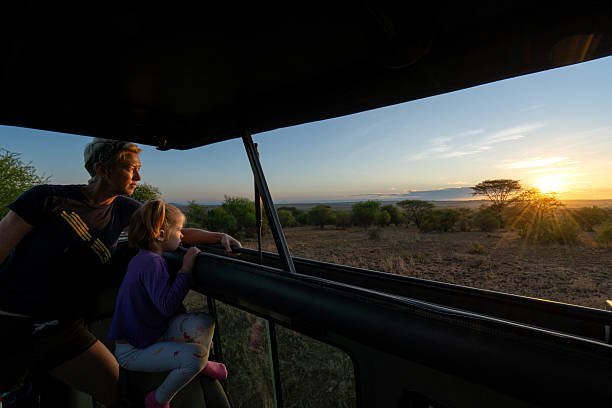
Bagamoyo Historical Tour 2026-2027
Bagamoyo Historical Tour is explained with current 2026-2027 planning, price, itinerary and booking information.
View package details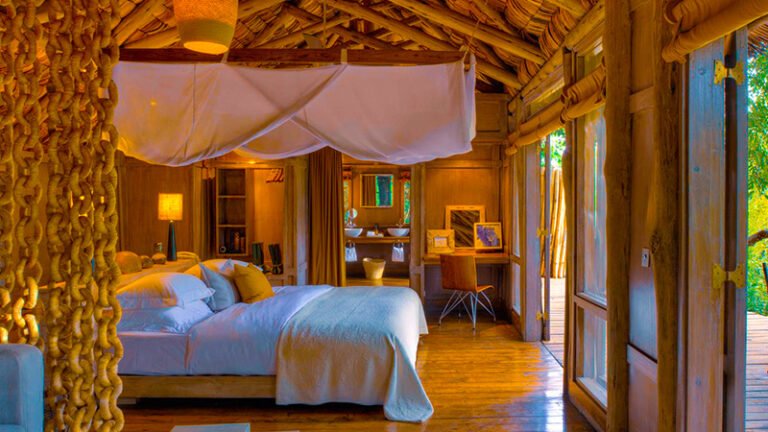
Best Arusha Guide
Arusha serves as Tanzania's primary tourism hub, making it the best starting point for exploring the country's iconic Northern Circuit, including Serengeti, Ngorongoro Crater, and Mount...
View package details
Best Cheapest Tours In Tanzania: Your Ultimate Guide For 2026-2027
Discover how to find the best cheapest tours in Tanzania for 2026-2027. This guide covers budget-friendly safaris, Kilimanjaro climbs, and Zanzibar holidays, detailing what to expect, how...
View package details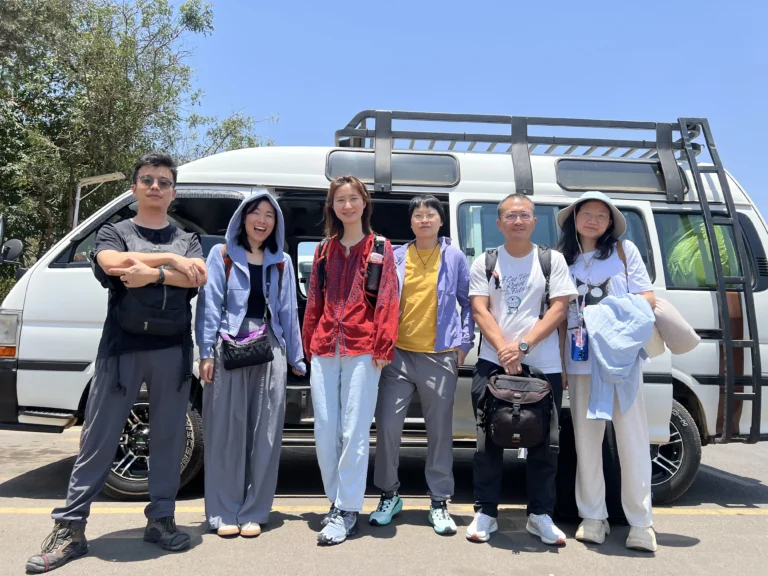
Best Hadzabe Tour 2026-2027
Best hadzabe tour is explained with current 2026-2027 planning, price, itinerary and booking information.
View package detailsBest Kibo Hut 2026-2027
Best kibo hut is explained with current 2026-2027 planning, price, itinerary and booking information.
View package details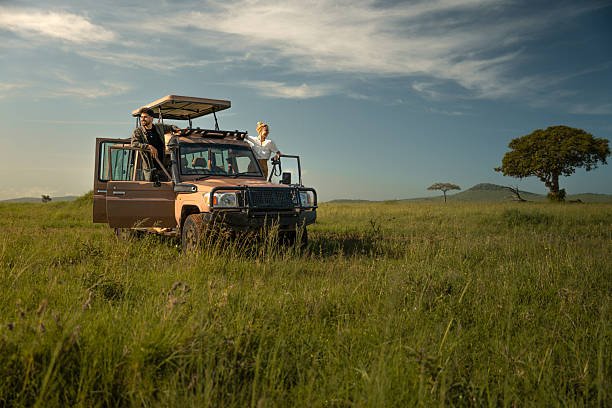
Best Kili Routes 2026-2027
Best kili routes is explained with current 2026-2027 planning, price, itinerary and booking information.
View package details
Best Kilimandscharo Routen Guide
Choosing the best Kilimanjaro route is crucial for your summit success and overall experience. This guide details the top routes, comparing their difficulty, scenery, acclimatization, and...
View package details
Best Kilimanjaro Climb Cost 2026-2027
Best kilimanjaro climb cost is explained with current 2026-2027 planning, price, itinerary and booking information.
View package details
Best Kilimanjaro Climb Costs 2026-2027
Best kilimanjaro climb costs is explained with current 2026-2027 planning, price, itinerary and booking information.
View package details
Best Kilimanjaro Climb Packages 2026-2027
Best kilimanjaro climb packages is explained with current 2026-2027 planning, price, itinerary and booking information.
View package detailsNo closely related package is available for this topic yet.



