
Successfully climbing Kilimanjaro involves understanding and managing the effects of its extreme altitude, which can lead to altitude sickness (Acute Mountain Sickness – AMS). The key to a safe and enjoyable ascent is proper acclimatization, achieved by choosing longer routes that allow your body to adjust gradually, ascending slowly, and staying hydrated. For 2026-2027 climbs, experienced guides and well-planned itineraries are crucial for mitigating altitude-related risks.
Understanding Altitude Kilimanjaro: The Ultimate Challenge
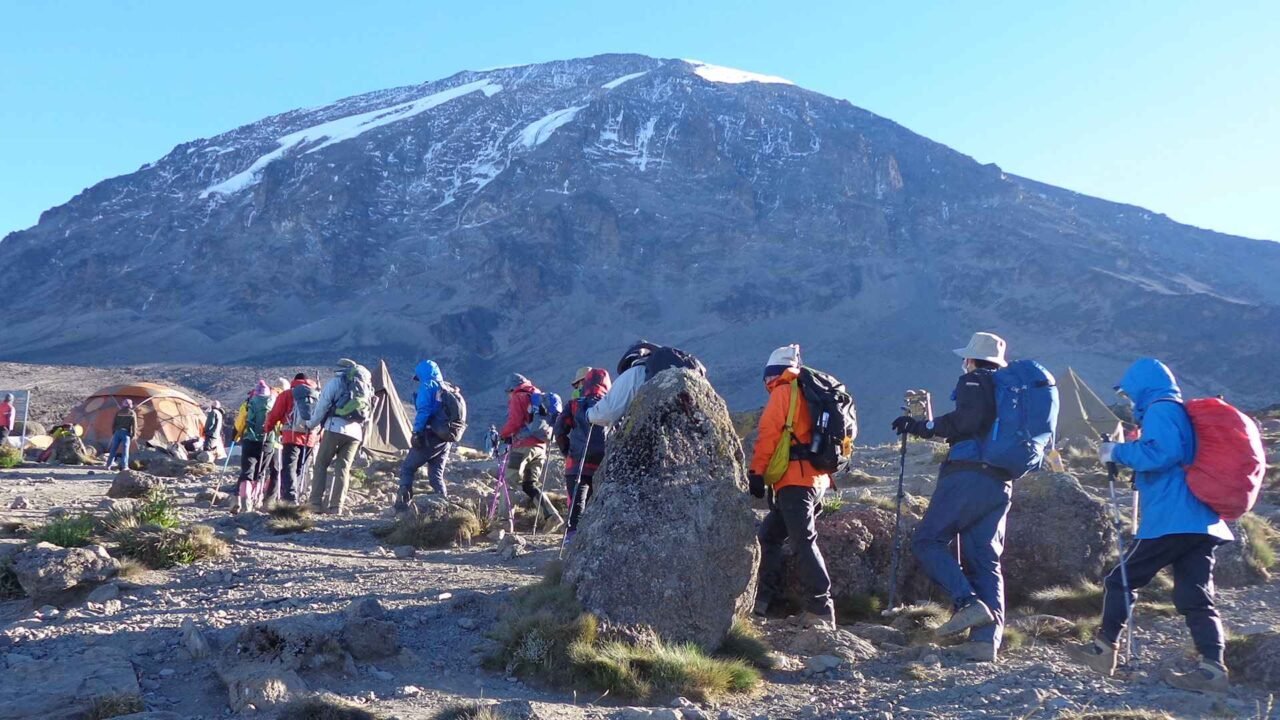
Mount Kilimanjaro, standing at a majestic 5,895 meters (19,341 feet) above sea level, is the highest freestanding mountain in the world and Africa’s highest peak. While it’s not a technical climb requiring mountaineering skills, its sheer altitude presents the most formidable challenge to trekkers. The air at the summit contains roughly half the oxygen available at sea level, making the ascent a significant physiological test. For anyone planning to stand on Uhuru Peak, a thorough understanding of Altitude Kilimanjaro Presents is paramount.
The primary concern for climbers is Acute Mountain Sickness (AMS), a condition that affects many individuals when ascending to high altitudes too quickly. AMS can manifest in various ways, from mild headaches and nausea to severe, life-threatening conditions like High Altitude Pulmonary Edema (HAPE) and High Altitude Cerebral Edema (HACE). Recognizing the symptoms and knowing how to respond is vital for every Kilimanjaro climber.
The Science of Altitude Sickness on Kilimanjaro
When you ascend rapidly, your body doesn’t have enough time to adapt to the lower atmospheric pressure and reduced oxygen levels. This oxygen deficit triggers a cascade of physiological responses, leading to AMS. The symptoms typically appear between 6 to 24 hours after reaching a high altitude (generally above 2,500 meters or 8,000 feet) and can worsen with further ascent.
Common Symptoms of AMS
- Headache: This is the most common symptom and can range from mild to severe.
- Nausea and Vomiting: Feeling sick to your stomach, sometimes leading to vomiting.
- Fatigue and Weakness: A general feeling of exhaustion and lack of energy.
- Dizziness: Feeling lightheaded or unsteady.
- Loss of Appetite: Reduced desire to eat.
- Difficulty Sleeping: Insomnia or disturbed sleep patterns.
While these symptoms are common, it’s crucial to distinguish them from more serious conditions:
- High Altitude Pulmonary Edema (HAPE): Fluid accumulation in the lungs. Symptoms include severe shortness of breath even at rest, a persistent cough (sometimes with frothy sputum), chest tightness, and extreme fatigue.
- High Altitude Cerebral Edema (HACE): Swelling of the brain. Symptoms include severe headache, confusion, disorientation, loss of coordination (ataxia – difficulty walking in a straight line), visual disturbances, and in severe cases, coma or death.
The most effective treatment for AMS is immediate descent. If symptoms are mild, resting at the current altitude or descending slightly might suffice. However, if symptoms are moderate to severe, or if HAPE or HACE is suspected, descending at least 300-1,000 meters (1,000-3,000 feet) is critical. This is why choosing a reputable tour operator like Top Guide Adventures, which prioritizes safety and has experienced guides trained in AMS management, is so important for your 2026-2027 climb.
Kilimanjaro Acclimatization Strategies: The Art of Going Slow
The principle of acclimatization is simple: allow your body sufficient time to adapt to increasing altitudes. This is achieved through a combination of gradual ascent, rest, and hydration. The adage for high-altitude climbing is “Climb high, sleep low,” although on Kilimanjaro, this is often interpreted as “climb high, sleep at a lower elevation than your highest point of the day.”
Route Selection is Key for Acclimatization
The route you choose significantly impacts your acclimatization success. Longer routes generally offer better acclimatization profiles because they involve more days on the mountain, allowing for a slower ascent and more opportunities to “pole pole” (Swahili for “slowly, slowly”).
Here’s how different popular routes stack up in terms of acclimatization:
Route Acclimatization Profiles:
- Marangu Route (5-6 days): Often called the “Coca-Cola” route, it’s popular due to its relatively gentle slope and hut accommodation. However, its 5-day option offers poor acclimatization, leading to lower success rates. The 6-day option is better but still not ideal.
- Machame Route (6-7 days): Known as the “Whiskey” route, it is one of the most scenic and offers excellent acclimatization due to its “climb high, sleep low” profile, especially on the 7-day itinerary. This is a highly recommended route for its balance of scenery and success rates.
- Lemosho Route (7-8 days): This route is similar to Machame in its acclimatization potential and offers stunning scenery, starting on the western side of the mountain. The longer duration (7 or 8 days) greatly enhances acclimatization.
- Shira Route (7-8 days): Similar to Lemosho but starts at a higher altitude, which can be a slight disadvantage for initial acclimatization for some.
- Rongai Route (6-7 days): The only route approaching from the north, it’s generally drier and less crowded. Its acclimatization profile is good, especially on the 7-day version.
- Northern Circuit (9 days): The longest and highest-traffic route, it circles the mountain, offering the best acclimatization and highest success rates. It’s ideal for those prioritizing acclimatization and a less rushed experience.
- Umbwe Route (5-6 days): This is the shortest and steepest route, offering the most challenging ascent and the poorest acclimatization. It is generally not recommended for novice climbers or those concerned about altitude.
For 2026-2027 climbs, we strongly advise choosing a minimum of 7 days for your Kilimanjaro trek, with 8 or 9 days being even better. The extra day or two dramatically increases your body’s ability to acclimatize, significantly boosting your chances of reaching the summit safely and enjoying the experience.
Pacing Your Ascent
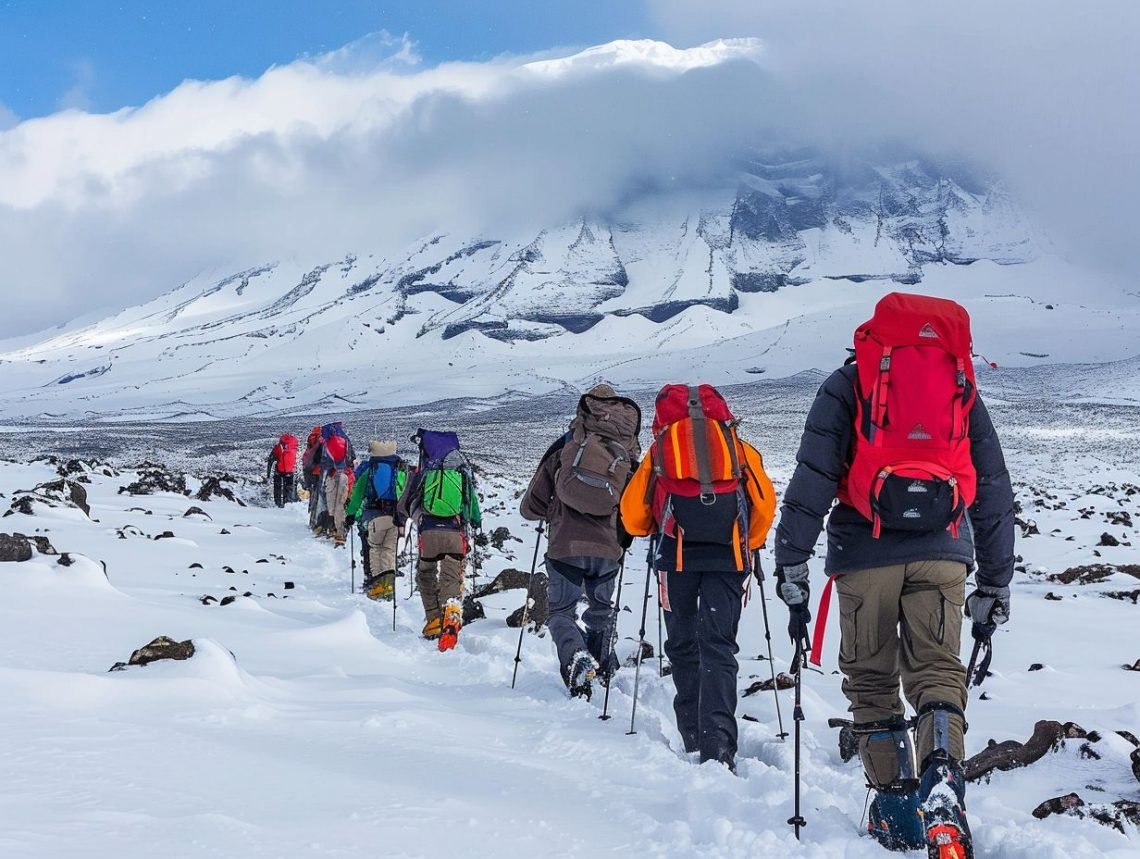
Beyond route selection, your daily hiking pace is crucial. Guides will constantly remind you to walk “pole pole.” This means taking small steps, resting frequently, and maintaining a slow, steady rhythm. Rushing, even for short distances, can lead to fatigue and exacerbate altitude symptoms. Your guides are trained to monitor your pace and ensure you’re not pushing too hard.
Hydration and Nutrition
Staying well-hydrated is critical for acclimatization. The dry mountain air and exertion can lead to dehydration, which mimics and worsens AMS symptoms. Aim to drink 3-5 liters of water per day. Electrolyte drinks can also be beneficial. Similarly, maintaining good nutrition is important. Even if your appetite decreases, try to eat small, frequent meals and high-energy snacks. Carbohydrates are generally easier to digest at altitude.
Rest and Sleep
Adequate rest is as important as the hiking itself. Ensure you get enough sleep each night, although sleep can be challenging at higher altitudes due to the lower oxygen levels and the cold. Listen to your body and don’t push yourself if you feel unwell.
Managing Altitude Kilimanjaro: Pre-Climb Preparation
While on the mountain, acclimatization is key, but preparation before you even arrive in Tanzania can make a significant difference. For your 2026-2027 Kilimanjaro adventure, consider these pre-climb strategies:
Medical Consultation
Consult your doctor several months before your climb. Discuss your plans and any pre-existing medical conditions. They may recommend medications to help prevent or treat AMS. The most common prescription is Diamox (Acetazolamide), which helps speed up acclimatization by increasing breathing rate. It’s not a cure, but it can significantly reduce symptoms. Your doctor will advise on dosage and potential side effects.
Physical Fitness
While extreme fitness isn’t a prerequisite for Kilimanjaro, a good level of cardiovascular fitness will certainly help you cope with the physical demands. Focus on endurance activities like hiking, running, cycling, or swimming. Practice hiking with a backpack on hilly terrain to simulate the conditions you’ll encounter.
Mental Preparation
Climbing Kilimanjaro is as much a mental challenge as a physical one. Be prepared for the discomfort that comes with altitude, the cold, and the long hiking days. A positive attitude, determination, and the ability to push through difficult moments are essential. Understand that summit night is particularly demanding.
Kilimanjaro Altitude and Summit Night Success
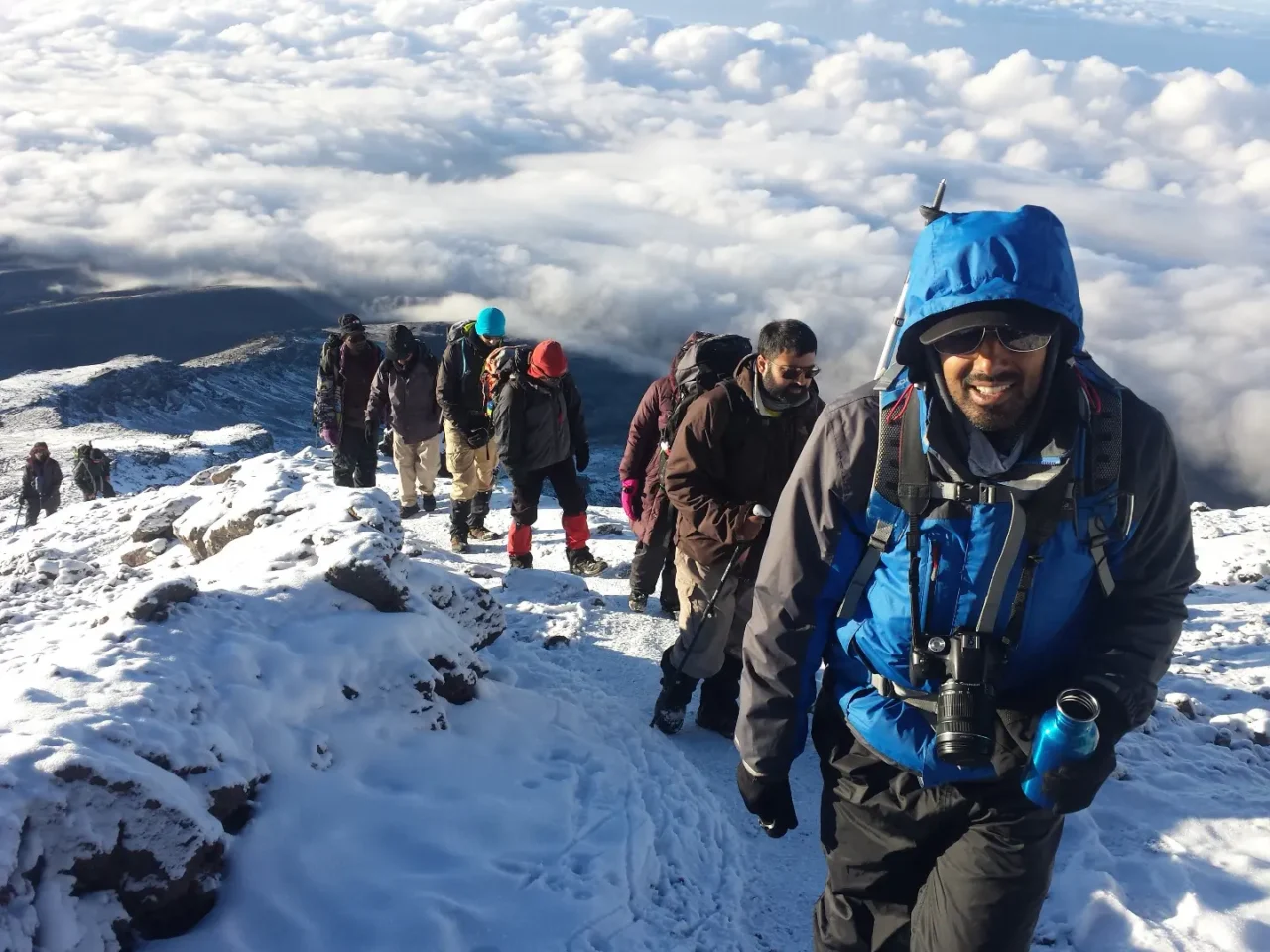
Summit night is the most critical phase of the climb. Typically, you’ll start around midnight from Kibo Hut (at approximately 4,700 meters / 15,400 feet) and ascend towards Uhuru Peak. This is a grueling 6-8 hour climb in the dark, often in freezing temperatures, with very low oxygen levels.
By the time you reach Stella Point (5,756 meters / 18,885 feet) and then Uhuru Peak (5,895 meters / 19,341 feet), the altitude is extreme. Many climbers experience symptoms of AMS during this phase. This is where proper acclimatization over the preceding days pays off immensely. If you’ve taken a longer route (7-9 days) and ascended gradually, your body will be much better equipped to handle the extreme conditions of summit night.
Your guides will be closely monitoring you throughout summit night. If symptoms of AMS worsen, or if you show signs of HAPE or HACE, they will make the difficult but necessary decision to turn you back. This is for your safety, and it’s crucial to respect their judgment. Reaching the summit is an achievement, but returning safely is the ultimate goal.
The Descent
The descent is often underestimated. While the relief of no longer climbing is palpable, the rapid descent can still cause altitude-related issues for some. Some people experience headaches or nausea as they descend quickly. It’s important to continue drinking water and to be mindful of your footing, as the scree slopes can be treacherous.
Kilimanjaro Routes: A Comparative Look at Altitude Profiles
Choosing the right route is the single most important decision you’ll make regarding Kilimanjaro acclimatization. Let’s compare the most popular routes from an altitude perspective, focusing on their day-by-day ascent profiles and recommended durations for 2026-2027 climbs.
Machame Route (7 Days) – A Recommended Choice
Day 1: Machame Gate (1,800m) to Machame Camp (3,000m) – Gain: 1,200m
Day 2: Machame Camp (3,000m) to Shira 2 Camp (3,850m) – Gain: 850m
Day 3: Shira 2 Camp (3,850m) to Barranco Camp (3,950m) – Gain: 100m (This day involves ascending to Lava Tower at 4,600m before descending to Barranco, a classic acclimatization day)
Day 4: Barranco Camp (3,950m) to Karanga Camp (4,000m) – Gain: 50m (Involves climbing the Barranco Wall)
Day 5: Karanga Camp (4,000m) to Barafu Camp (4,650m) – Gain: 650m
Day 6: Barafu Camp (4,650m) to Summit (Uhuru Peak, 5,895m) then descend to Mweka Camp (3,100m) – Gain: 1,245m, Descent: 2,795m
Day 7: Mweka Camp (3,100m) to Mweka Gate (1,600m) – Descent: 1,500m
Altitude Profile Analysis: The 7-day Machame route provides an excellent acclimatization curve. The ascent to Lava Tower (4,600m) on Day 3, followed by a descent to sleep at Barranco Camp (3,950m), is a crucial element of the “climb high, sleep low” strategy. The relatively small altitude gains on Days 4 and 5 also aid adaptation.
Lemosho Route (8 Days) – Superior Acclimatization
Day 1: Londorossi Gate (2,200m) to Mti Mkubwa Camp (2,800m) – Gain: 600m
Day 2: Mti Mkubwa Camp (2,800m) to Shira 1 Camp (3,500m) – Gain: 700m
Day 3: Shira 1 Camp (3,500m) to Shira 2 Camp (3,850m) – Gain: 350m
Day 4: Shira 2 Camp (3,850m) to Barranco Camp (3,950m) – Via Lava Tower (4,600m) – Gain: 750m (approx.)
Day 5: Barranco Camp (3,950m) to Karanga Camp (4,000m) – Gain: 50m
Day 6: Karanga Camp (4,000m) to Barafu Camp (4,650m) – Gain: 650m
Day 7: Barafu Camp (4,650m) to Summit (Uhuru Peak, 5,895m) then descend to Mweka Camp (3,100m) – Gain: 1,245m, Descent: 2,795m
Day 8: Mweka Camp (3,100m) to Mweka Gate (1,600m) – Descent: 1,500m
Altitude Profile Analysis: The 8-day Lemosho route offers an even more gradual ascent, particularly in the initial days. Starting at a lower altitude and taking more time to reach the higher camps allows for superior acclimatization. The structure of Day 4, ascending to Lava Tower and descending to sleep, is excellent for adaptation. This route is highly recommended for maximizing success and minimizing altitude sickness risks for 2026-2027 expeditions.
Northern Circuit (9 Days) – The Pinnacle of Acclimatization
Day 1: Londorossi Gate (2,200m) to Mti Mkubwa Camp (2,800m)
Day 2: Mti Mkubwa Camp (2,800m) to Shira 1 Camp (3,500m)
Day 3: Shira 1 Camp (3,500m) to Moir Hut (4,170m)
Day 4: Moir Hut (4,170m) to Lava Tower (4,600m) then descend to Barranco Camp (3,950m)
Day 5: Barranco Camp (3,950m) to Karanga Camp (4,000m)
Day 6: Karanga Camp (4,000m) to Barafu Camp (4,650m)
Day 7: Barafu Camp (4,650m) to Summit (Uhuru Peak, 5,895m) then descend to Mweka Camp (3,100m)
Day 8: Mweka Camp (3,100m) to Millennium Camp (3,800m) – A more gradual descent after summit night.
Day 9: Millennium Camp (3,800m) to Mweka Gate (1,600m)
Altitude Profile Analysis: The Northern Circuit is the longest route and offers the most comprehensive acclimatization. It circumnavigates the mountain, allowing for a very gradual ascent and more time spent at intermediate altitudes. The inclusion of an extra day for acclimatization, often around Moir Hut and the descent to Barranco after Lava Tower, makes this route statistically the safest and most successful for reaching the summit. It is an excellent choice for those who want to minimize altitude risks for their 2026-2027 climb.
Factors Influencing Altitude Kilimanjaro Tolerance
While route selection and pace are critical, individual tolerance to altitude varies greatly. Several factors can influence how your body reacts to the thin air:
- Age: While younger people are often fitter, age is not a definitive factor in altitude sickness. Older individuals can sometimes acclimatize better if they are generally healthy.
- Previous Altitude Experience: If you’ve successfully climbed other high mountains without significant issues, you might be more prone to good acclimatization. However, Kilimanjaro’s altitude is substantial, and even experienced climbers can be affected.
- Fitness Level: As mentioned, good cardiovascular fitness helps, but it doesn’t guarantee immunity to AMS. Someone very fit can still get sick if they ascend too quickly.
- Hydration and Nutrition: Poor hydration and inadequate nutrition can significantly worsen AMS symptoms.
- Genetics: Some individuals are naturally more susceptible to altitude sickness than others.
- Alcohol and Smoking: Consuming alcohol or smoking can impair acclimatization and should be avoided before and during the climb.
The Role of Guides in Managing Altitude on Kilimanjaro
Your guides are your lifeline on Kilimanjaro, especially when it comes to managing altitude. They are trained professionals who:
- Monitor Symptoms: They are constantly observing climbers for signs of AMS, checking oxygen saturation levels with pulse oximeters, and asking about your well-being.
- Advise on Pace: They enforce the “pole pole” philosophy, ensuring no one climbs too fast.
- Make Critical Decisions: They have the authority to recommend or order a descent if your condition is serious, prioritizing your safety above all else.
- Administer First Aid: They are equipped to provide basic first aid and manage mild AMS symptoms.
- Manage Logistics: They ensure you are eating, drinking, and resting adequately.
Top Guide Adventures employs highly experienced, certified guides who are experts in high-altitude trekking and AMS management. Their knowledge and vigilance are invaluable for a safe and successful Climbing Kilimanjaro altitude Experience, particularly for planned expeditions in 2026 and 2027.
Cost Considerations for Kilimanjaro Climbs in 2026-2027
The cost of climbing Kilimanjaro can vary significantly based on the route, duration, operator, and inclusions. For 2026-2027 climbs, you can expect prices to range from $1,800 to $4,500+ per person. This wide range reflects differences in:
- Operator Quality: Reputable companies like Top Guide Adventures invest in experienced guides, quality equipment, better food, and ethical treatment of porters, which influences pricing.
- Route and Duration: Longer routes (7-9 days) are more expensive than shorter ones (5-6 days) due to more days of service.
- Group Size: Private climbs are more expensive than group treks. Top Guide Adventures often organizes group departures which can offer better value. Check their Group departure dates For 2026-2027.
- Inclusions: Does the price include park fees, accommodation before/after the climb, transfers, meals, guide and porter salaries, equipment, and emergency oxygen? Always check what’s included.
When comparing prices for your 2026-2027 climb, focus on value and safety rather than just the lowest cost. A cheaper climb might cut corners on guide experience, safety equipment, or porter welfare, putting your health and success at risk.
Preparing for Your 2026-2027 Kilimanjaro Expedition: A Checklist
To ensure you are well-prepared for the altitude challenges of Kilimanjaro in 2026 or 2027, consider this checklist:
- Book with a Reputable Operator: Choose a company with a proven safety record and good reviews. Top Guide Adventures is a trusted choice for Tanzanian adventures.
- Select the Right Route: Opt for a minimum of 7 days, preferably 8 or 9, for optimal acclimatization. The Lemosho or Northern Circuit routes are highly recommended.
- Consult Your Doctor: Discuss AMS prevention and treatment, including potential use of Diamox.
- Get Fit: Engage in regular cardiovascular exercise for at least 3 months prior.
- Pack Appropriately: Layering is key. You’ll need warm clothing, waterproofs, sturdy hiking boots, a good sleeping bag, and trekking poles.
- Hydrate and Eat Well: Practice good hydration and nutrition habits before and during the climb.
- Understand AMS Symptoms: Know what to look for in yourself and others.
- Listen to Your Guides: Trust their expertise and follow their instructions.
- Manage Expectations: Be prepared for challenges, and understand that summiting is not guaranteed for everyone.
By focusing on acclimatization through route choice and pace, and by preparing adequately, you can significantly increase your chances of a successful and memorable Kilimanjaro climb. The altitude is a serious consideration, but with the right approach, Uhuru Peak is within reach for your 2026-2027 adventure.
Ready to plan your Kilimanjaro ascent? Contact Top Guide Adventures today to discuss the best route and itinerary for your 2026-2027 expedition. Reach us via WhatsApp at +255616946642 Or email us at Topguideadventures@gmail.com Or Info@topguideadventures.com. Let us help you achieve your dream of conquering Africa’s highest peak!
Check Availability for Kilimanjaro Altitude: Acclimatization, Risks, And Routes For Climbs…
Ready to compare dates, prices, and the best option for your group? Send the package name and travel month so the team can reply with a clear quote, availability, and what is included.
Kilimandjaro Altitude 2026-2027
Kilimandjaro altitude is explained with current 2026-2027 planning, price, itinerary and booking information.
View package details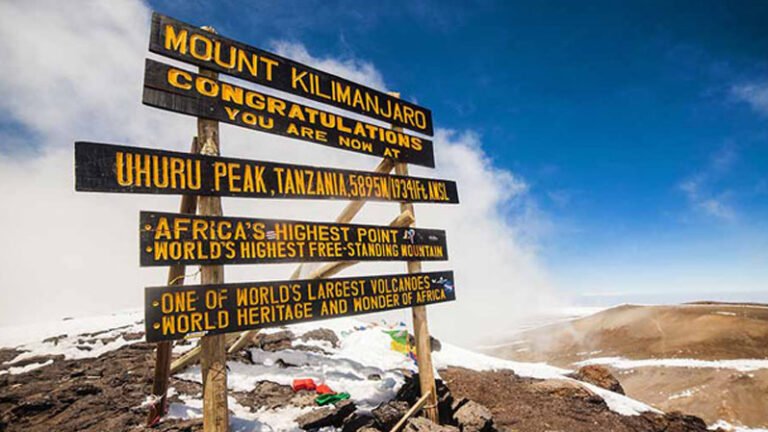
Ascension Du Kilimandjaro 2026-2027
Ascension du Kilimandjaro is explained with current 2026-2027 planning, price, itinerary and booking information.
View package details
Ascension Kilimandjaro Prix: What To Expect For Your Climb 2026-2027
Planning your Kilimanjaro climb means understanding the 'Ascension Kilimandjaro prix'. This guide breaks down the costs for 2026-2027, detailing what influences the price and what you can...
View package details
Ascension Kilimandjaro: Your Ultimate Guide To Climbing Africas Highest Peak
Your comprehensive guide to climbing Mount Kilimanjaro, covering everything from route selection and essential gear to acclimatization and summit success strategies for 2026-2027.
View package details
Coût Ascension Kilimandjaro : Guide Complet 2026-2027
Planifiez votre ascension du Kilimandjaro avec notre guide détaillé sur les coûts pour 2026-2027. Obtenez une estimation précise en fonction de la durée, de la voie et des services inclus.
View package details
Kilimandjaro Sommet Guide
This comprehensive guide covers everything you need to know about summiting Mount Kilimanjaro, from choosing the right route and preparing for the climb to understanding costs and making...
View package details
Kilimanjaro Altitude: Understanding The Heights And Challenges For Climbers
Climbing Kilimanjaro involves significant altitude gain, posing risks of altitude sickness. This guide details the mountain's heights, acclimatization strategies, and what to expect on your...
View package details
Kilimanjaro Height, Elevation & Altitude: A Comprehensive Guide 2026-2027
Understanding Kilimanjaro's height, elevation gain, and the impact of altitude is crucial for a successful climb. This guide details the mountain's true elevation, how it changes on...
View package detailsKilimanjaro Quand Partir: Best Times To Climb In 2026-2027
Discover the optimal periods for ascending Mount Kilimanjaro, considering weather patterns, crowds, and optimal climbing conditions for your 2026-2027 expedition. Learn how to choose the...
View package detailsMonter Le Kilimandjaro: Guide Complet Pour Lascension En 2026-2027
Ce guide détaille tout ce qu'il faut savoir pour gravir le Kilimandjaro, du choix de l'itinéraire à la préparation physique et logistique, avec des conseils pratiques pour les ascensions en...
View package detailsMount Kilimanjaro Altitude: Understanding The Heights And Challenges 2026-2027
Mount Kilimanjaro's altitude is its defining characteristic, presenting a significant challenge to climbers. This guide details the various altitudes encountered on the mountain, the...
View package details
Randonnée Kilimandjaro 2026-2027
Randonnée Kilimandjaro is explained with current 2026-2027 planning, price, itinerary and booking information.
View package detailsNo closely related package is available for this topic yet.



