
An Ascension Kilimandjaro is a challenging yet achievable trek to the summit of Africa’s highest peak, Mount Kilimanjaro, requiring careful planning, appropriate gear, and a commitment to acclimatization, with the most popular routes taking between 5 to 9 days to complete and costing typically between $1800 to $3500 USD per person for a guided tour package in 2026-2027.
Understanding the Majesty of Kilimanjaro’s Ascension
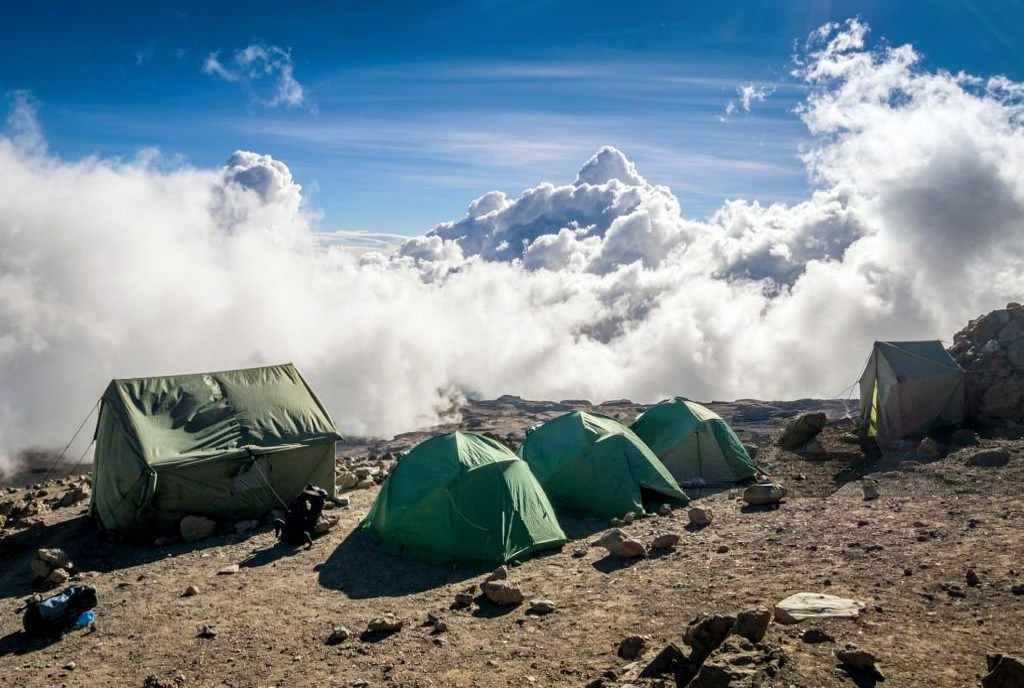
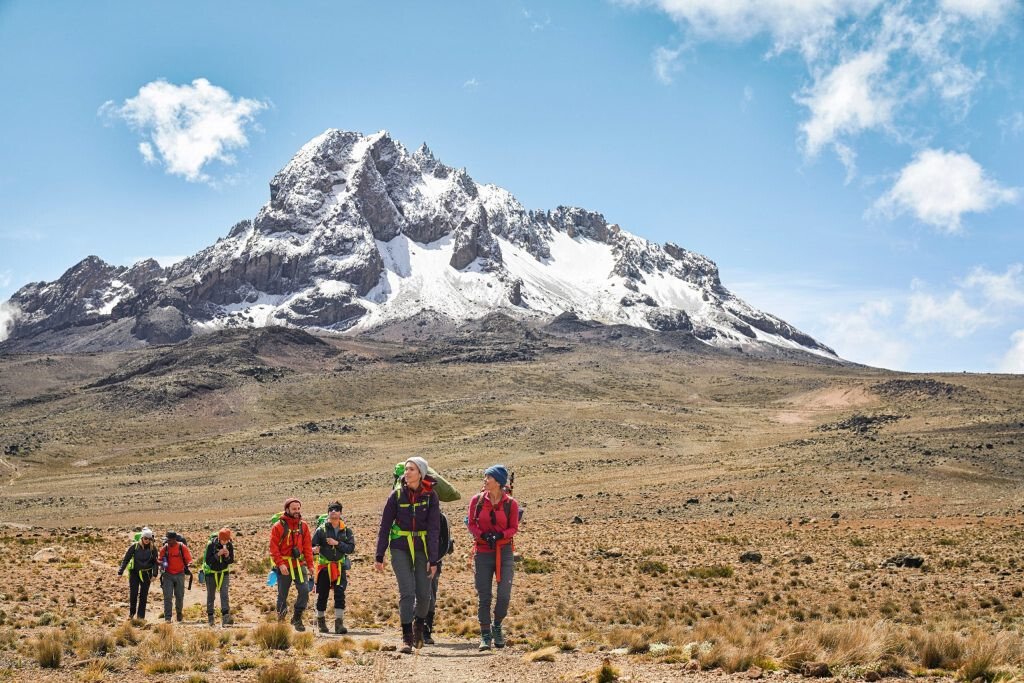
Mount Kilimanjaro, a dormant volcano in Tanzania, stands as a beacon for adventurers worldwide. Its iconic snow-capped summit, Uhuru Peak, at 5,895 meters (19,341 feet), offers a profound challenge and an unparalleled sense of accomplishment. Embarking on an Ascension Kilimandjaro Is more than just a hike; it’s a physical and mental journey through diverse ecosystems, from lush rainforests to alpine deserts and the stark, icy summit zone. For many, it represents the pinnacle of their trekking aspirations, a chance to stand on the Roof of Africa.
The allure of Kilimanjaro is undeniable. It’s the world’s highest free-standing mountain, a stratovolcano that beckons climbers of all experience levels, provided they are prepared for the altitude and the physical demands. The sheer scale of the mountain, combined with its accessibility (no technical climbing skills are required for most routes), makes it a unique destination. As you contemplate your own Climb Kilimanjaro Adventure, understanding the nuances of preparation, route selection, and the overall experience is paramount.
Choosing Your Kilimanjaro Trekking Routes: A Path to the Summit
The choice of route is perhaps the single most critical decision in planning your Ascension Kilimandjaro. Each path offers a distinct experience, varying in difficulty, scenery, acclimatization profile, and success rates. While all routes eventually converge near the summit, the journey to get there is significantly different.
The Marangu Route: “Coca-Cola” or “Tourist” Route
Often called the “Coca-Cola” or “Tourist” route due to its popularity and relative ease, Marangu is the oldest and most established path. It’s the only route that offers dormitory-style accommodation in huts rather than camping, which some trekkers prefer. It’s also the only route where you can hike up and down the same path.
- Duration: 5 or 6 days. The 5-day option is generally not recommended due to poor acclimatization.
- Scenery: Diverse, passing through all major ecological zones.
- Acclimatization: Considered poor, especially on the 5-day itinerary, leading to lower success rates.
- Accommodation: Huts.
- Pros: Potentially warmer due to huts, less physically demanding due to gradual ascent on the 6-day option, often considered more social.
- Cons: Lower summit success rates, can be crowded, less scenic descent as it’s the same path up.
The Machame Route: The “Whiskey” Route
The Machame route, often dubbed the “Whiskey” route, is the most popular route for guided treks. It’s known for its excellent acclimatization profile, beautiful scenery, and high success rates. It’s a camping route, offering a more detailed wilderness experience.
- Duration: Typically 6 or 7 days. The 7-day itinerary is strongly recommended for better acclimatization.
- Scenery: Stunning and varied, offering panoramic views.
- Acclimatization: Very good, utilizing the “climb high, sleep low” principle effectively.
- Accommodation: Camping.
- Pros: High summit success rates, excellent acclimatization, beautiful landscapes, diverse trekking experience.
- Cons: Can be more physically demanding than Marangu, requires camping.
For those planning an Ascension Kilimandjaro In 2026 or 2027, Machame is often the preferred choice for its balance of challenge and success probability. Check Machame Route group departures For available dates.
The Lemosho Route: Scenic Wilderness
Lemosho is considered one of the most beautiful routes, offering a true wilderness experience. It starts in the west and traverses the mountain from west to east. It has an excellent acclimatization profile, especially when trekked over 7 or 8 days.
- Duration: 7 or 8 days.
- Scenery: Arguably the most scenic, with vast panoramas and opportunities to see wildlife in the early stages.
- Acclimatization: Excellent, with a slow and steady ascent.
- Accommodation: Camping.
- Pros: High success rates, stunning scenery, less crowded, excellent acclimatization.
- Cons: Can be more expensive due to longer duration and more remote starting point.
The Shira Route: High Altitude Start
Similar to Lemosho, Shira starts in the west and offers great scenery. However, it begins at a higher altitude, which can be challenging for some climbers, though it quickly joins the Lemosho route for acclimatization.
- Duration: 7 or 8 days.
- Scenery: Beautiful, with impressive views of the Shira Plateau.
- Acclimatization: Good, but the higher starting altitude requires immediate adaptation.
- Accommodation: Camping.
- Pros: Scenic, good acclimatization once on the main path.
- Cons: Higher starting altitude can be a disadvantage for some.
The Rongai Route: Northern Approach
Rongai is the only route that approaches Kilimanjaro from the north. It’s a more remote and less crowded option, offering a different perspective. It has a good acclimatization profile and is a good choice during the rainy season.
- Duration: 6 or 7 days.
- Scenery: Less varied than southern routes, but offers unique views from the north.
- Acclimatization: Good.
- Accommodation: Camping.
- Pros: Less crowded, good success rates, viable during rainy seasons.
- Cons: Less scenic variety compared to western and southern routes.
The Northern Circuit and Umbwe Route: For the Experienced
The Northern Circuit is the longest and slowest route, offering the best acclimatization and highest success rates. It circumnavigates the mountain before ascending. The Umbwe route is the shortest, steepest, and most direct path, considered the most difficult and generally not recommended for first-time climbers due to its rapid ascent and poor acclimatization.
Kilimanjaro Tour Cost: What to Expect for Your 2026-2027 Climb
The Kilimanjaro tour cost Is a significant factor for most prospective climbers. Prices can vary widely depending on the route, duration, operator, and inclusions. It’s crucial to understand what is typically included in a reputable operator’s package.
Generally, a Climb Kilimanjaro Package will include:
- Park fees (conservation fees, camping/hut fees, rescue fees)
- Accommodation before and after the climb (sometimes)
- All meals during the trek
- Trained guides and porters
- Porters’ wages and equipment
- Specialized camping equipment (tents, sleeping mats)
- Oxygen cylinders (for emergency use)
- Transfer to and from the mountain
- Boiled drinking water
What is typically Not Included:
- Flights to Tanzania
- Visa fees
- Travel insurance (mandatory)
- Personal gear (sleeping bag, hiking boots, clothing, etc.)
- Tips for guides, porters, and cooks
- Lunches and dinners in Arusha/Moshi before and after the trek
- Alcoholic and soft drinks
- Personal expenses
Estimated Cost Ranges for 2026-2027:
For a reputable, safety-conscious operator like Top Guide Adventures, you can expect the following price ranges for a standard 6-7 day trek:
- Budget Operators: $1,800 – $2,300 USD per person. Often cut corners on safety, food, or porter welfare. Not recommended.
- Mid-Range Operators (Recommended): $2,400 – $3,200 USD per person. Offer a good balance of quality, safety, and value.
- Luxury Operators: $3,300 – $4,500+ USD per person. Offer higher-end equipment, more comfortable camping, and sometimes more personalized service.
When comparing prices, always look at what’s included. A cheaper price might mean fewer guides, less food, or lower wages for the crew, which can compromise your safety and the well-being of the mountain porters.
Top Guide Adventures 2026-2027 Pricing Insight
At Top Guide Adventures, we pride ourselves on offering transparent pricing that reflects our commitment to safety, porter welfare, and providing an exceptional climbing experience. Our Kilimanjaro tour cost For a standard 7-day Machame or Lemosho route trek typically falls within the $2,600 – $3,000 USD per person range. This includes all park fees, experienced guides and porters, quality camping equipment, nutritious meals, and airport transfers. We believe in ethical trekking and ensuring our team is well-compensated and equipped, which is reflected in our pricing. Contact us for a detailed, personalized quote for your 2026-2027 adventure.
Kilimanjaro Preparation: Gearing Up for Success
Effective Kilimanjaro preparation Is key to a safe and enjoyable ascent. This involves physical training, mental readiness, and acquiring the right gear.
Physical Training
While you don’t need to be an elite athlete, good cardiovascular fitness is essential. Focus on:
- Hiking: Regular hikes, especially those with elevation gain, are crucial. Aim for at least 2-3 longer hikes (4-6 hours) per month in the 3-6 months leading up to your climb.
- Cardio: Activities like running, cycling, swimming, or using an elliptical machine will build stamina.
- Strength Training: Focus on legs and core for stability and endurance.
- Stamina: Practice carrying a daypack with weight.
Mental Preparation
The altitude can be mentally taxing. Be prepared for:
- Patience: The pace is slow and steady.
- Resilience: There will be challenging moments.
- Positive Attitude: Essential for pushing through difficult stages.
- Understanding Altitude Sickness: Know the symptoms and trust your guides.
Essential Gear for Your Ascension Kilimandjaro
Layering is the golden rule for Kilimanjaro. Temperatures can range from tropical heat at the base to well below freezing at the summit.
Key Gear List:
- Footwear: Broken-in waterproof hiking boots, camp shoes/sandals, thick hiking socks (wool or synthetic).
- Clothing:
- Moisture-wicking base layers (long johns, t-shirts)
- Insulating mid-layers (fleece jacket, down vest)
- Waterproof and windproof outer shell (jacket and pants)
- Warm trousers (hiking pants, not jeans)
- Thermal underwear
- Warm hat (fleece or wool)
- Sun hat with brim
- Gloves: Lightweight liner gloves and warm, waterproof outer gloves/mittens.
- Sleeping: A warm sleeping bag (rated to -10°C to -20°C / 0°F to -4°F is recommended), sleeping bag liner.
- Backpack: A comfortable daypack (30-40 liters) for daily essentials, and a larger duffel bag (80-100 liters) for porters to carry.
- Accessories:
- Headlamp with extra batteries
- Sunglasses (UV protection)
- Water bottles or hydration reservoir (at least 3 liters capacity)
- Trekking poles (highly recommended)
- Sunscreen (SPF 30+), lip balm with SPF
- Insect repellent
- Personal first-aid kit
- Toiletries (biodegradable soap, wet wipes, hand sanitizer)
- Camera and extra batteries/power bank
- Snacks (energy bars, nuts, dried fruit)
Altitude Sickness on Kilimanjaro: Understanding and Prevention
Altitude sickness, or Acute Mountain Sickness (AMS), is the most significant risk when undertaking an Ascension Kilimandjaro. It’s caused by ascending too quickly, preventing your body from adequately adjusting to lower oxygen levels.
Symptoms to Watch For:
- Headache
- Nausea and vomiting
- Dizziness and lightheadedness
- Fatigue
- Loss of appetite
- Difficulty sleeping
- Shortness of breath
In severe cases, AMS can progress to High Altitude Cerebral Edema (HACE) or High Altitude Pulmonary Edema (HAPE), which are life-threatening. It’s crucial to recognize these symptoms early.
Prevention and Management:
- Ascend Slowly: Choose longer routes (6-8 days) that allow for better acclimatization. The principle of “pole pole” (slowly, slowly) is vital.
- Hydrate: Drink plenty of water (3-4 liters per day).
- Eat Well: Maintain good nutrition, even if your appetite is reduced.
- Avoid Alcohol and Smoking: These can exacerbate altitude effects.
- Consider Diamox: Acetazolamide (Diamox) is a prescription medication that can help prevent or alleviate AMS. Consult your doctor well in advance of your trip for advice and a prescription if suitable for you.
- Communicate with Your Guide: Your guides are trained to recognize AMS symptoms and will monitor you closely. Inform them immediately of any discomfort.
- Descend if Necessary: The only cure for severe altitude sickness is descent. Never ascend further if you are experiencing moderate to severe symptoms.
For your Climb Kilimanjaro In 2026 or 2027, prioritizing acclimatization and listening to your body and your guides will significantly increase your chances of reaching the summit safely.
The Summit Night: The Ultimate Challenge
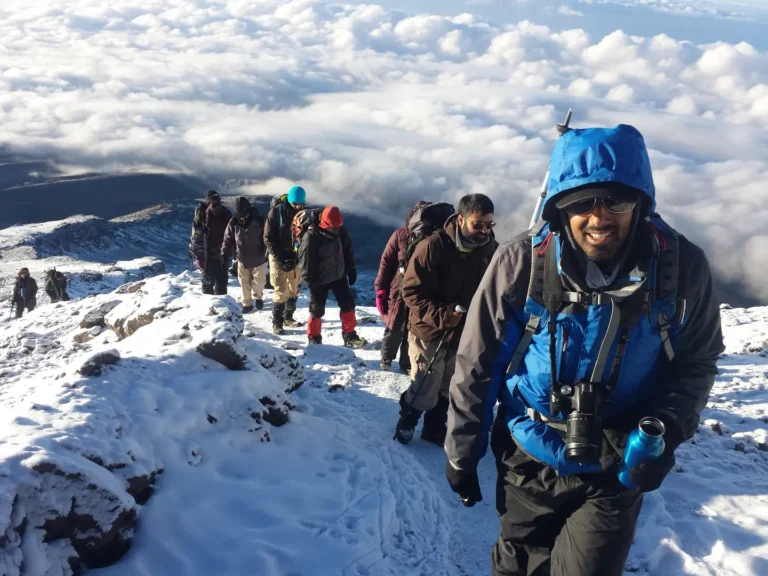
Summit night is the most demanding part of the Ascension Kilimandjaro. Typically, you will begin your ascent from Kibo Hut or Barafu Camp around midnight. The climb is steep, cold, and done in the dark, lit only by your headlamp.
You’ll ascend through scree and rock, often in freezing temperatures, with the wind adding to the chill. The thin air makes every step a significant effort. Your guides will maintain a slow, consistent pace, encouraging you to eat and drink small amounts regularly. Reaching Stella Point on the crater rim is a major milestone, usually achieved around sunrise. From Stella Point, it’s a further hour-long walk along the crater rim to Uhuru Peak, the true summit.
The views from the top, as the sun rises over the African continent, are truly spectacular, but often short-lived due to the cold and the need to descend quickly to avoid worsening altitude sickness.
Descending Kilimanjaro: A Swift Return
The descent is often underestimated. While physically less demanding in terms of ascent, it can be hard on your knees and joints. Most climbers descend the same route they ascended, except for the Marangu route where the descent is the same path.
The descent from the crater rim to Barafu Camp can take 3-4 hours, and then another 3-4 hours from Barafu Camp down to Mweka Camp. The focus during descent is on speed and reaching lower altitudes where oxygen is more readily available, helping to alleviate any lingering altitude symptoms.
Best Time to Climb Kilimanjaro in 2026-2027
While it’s possible to climb Kilimanjaro year-round, certain periods offer more favorable weather conditions.
- Dry Seasons (Best):
- January to March: Generally warm and dry, with good visibility. Can be very cold at the summit due to the proximity of the equatorial winter.
- June to October: Cooler but dry. This is a very popular time to climb.
- Rainy Seasons:
- April to May: Long rains, heavy precipitation, often foggy and wet. Not ideal for climbing.
- November to December: Short rains, less intense than the long rains but can still bring showers.
For Ascension Kilimandjaro In 2026-2027, the dry seasons (January-March and June-October) are generally recommended for the best weather. However, shoulder months can sometimes offer fewer crowds and lower prices, with manageable weather.
Ethical Trekking and Porter Welfare
It’s vital to choose an operator that adheres to ethical trekking practices, particularly concerning porter welfare. Kilimanjaro porters are the backbone of the climbing industry, carrying the vast majority of gear. Reputable companies ensure porters are:
- Paid fair wages.
- Provided with adequate food and shelter.
- Not overloaded with excessive weight.
- Treated with respect and dignity.
Organizations like KPAP (Kilimanjaro Porters Assistance Project) help to monitor and advocate for porter rights. Choosing a KPAP-partnered company or one with a strong ethical policy is a responsible choice for your Climb Kilimanjaro.
Why Choose Top Guide Adventures for Your Kilimanjaro Ascent?
When planning your dream Ascension Kilimandjaro, selecting the right tour operator is paramount. Top Guide Adventures Is a locally owned and operated company with a deep understanding of Kilimanjaro and a steadfast commitment to safety, client satisfaction, and ethical practices. We have been organizing unforgettable treks for years, and our experienced guides are certified in wilderness first aid and highly knowledgeable about acclimatization and the mountain’s environment.
We offer:
- Safety First: We carry sufficient oxygen, pulse oximeters, and have rigorous safety protocols. Our guides are trained to manage altitude sickness effectively.
- Experienced & Professional Guides: Our guides are passionate about Kilimanjaro and dedicated to your success and enjoyment.
- Ethical Porter Support: We are committed to fair wages and treatment for our entire mountain crew.
- Quality Equipment: We provide reliable, high-quality camping gear.
- Comprehensive Packages: Our pricing is transparent, and our itineraries are designed for optimal acclimatization and success.
- Personalized Service: From your initial inquiry to your return from the mountain, we provide dedicated support.
We invite you to explore our various Kilimanjaro trekking routes And consider us for your 2026 or 2027 adventure. Let us help you make your dream of standing on Uhuru Peak a reality.
For inquiries or to request a personalized quote for your Kilimanjaro tour cost, please contact us:
- WhatsApp: +255616946642
- Email: Topguideadventures@gmail.com
- Backup Email: Info@topguideadventures.com
Visit our website Top Guide Adventures Tanzania To learn more about our services, including safaris, Zanzibar holidays, and tailor-made journeys across Tanzania.
Check Availability for Ascension Kilimandjaro: Your Ultimate Guide To Climbing Africas Highest Peak
Ready to compare dates, prices, and the best option for your group? Send the package name and travel month so the team can reply with a clear quote, availability, and what is included.
Ascension Kilimandjaro Prix: What To Expect For Your Climb 2026-2027
Planning your Kilimanjaro climb means understanding the 'Ascension Kilimandjaro prix'. This guide breaks down the costs for 2026-2027, detailing what influences the price and what you can...
View package details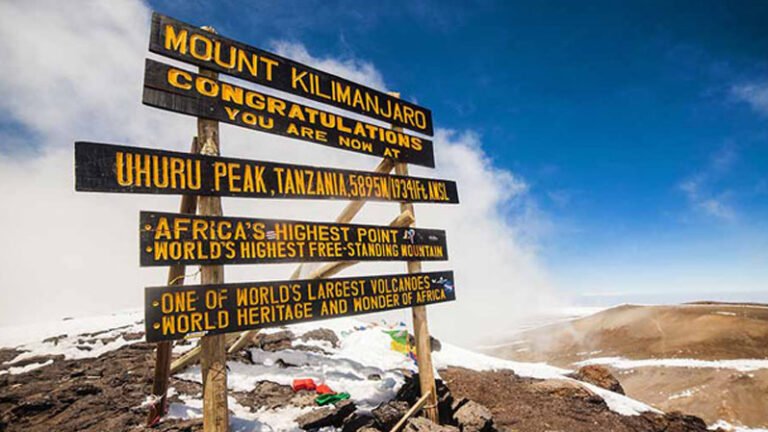
Ascension Du Kilimandjaro 2026-2027
Ascension du Kilimandjaro is explained with current 2026-2027 planning, price, itinerary and booking information.
View package details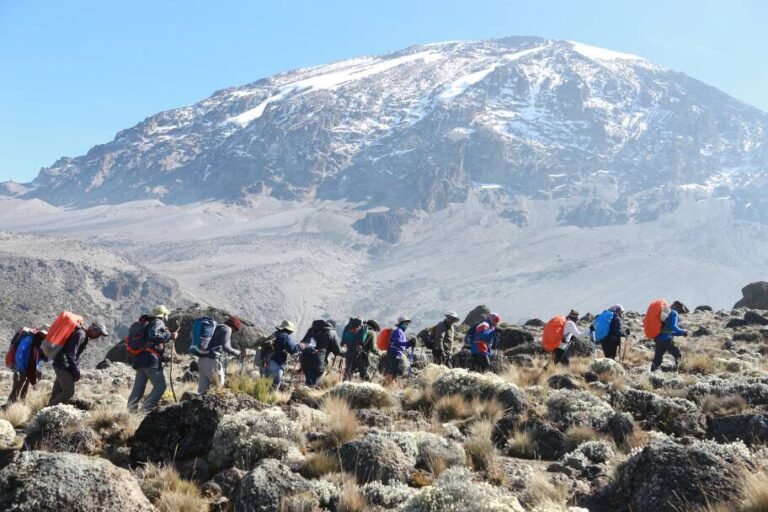
Monter Le Kilimandjaro: Guide Complet Pour Lascension En 2026-2027
Ce guide détaille tout ce qu'il faut savoir pour gravir le Kilimandjaro, du choix de l'itinéraire à la préparation physique et logistique, avec des conseils pratiques pour les ascensions en...
View package details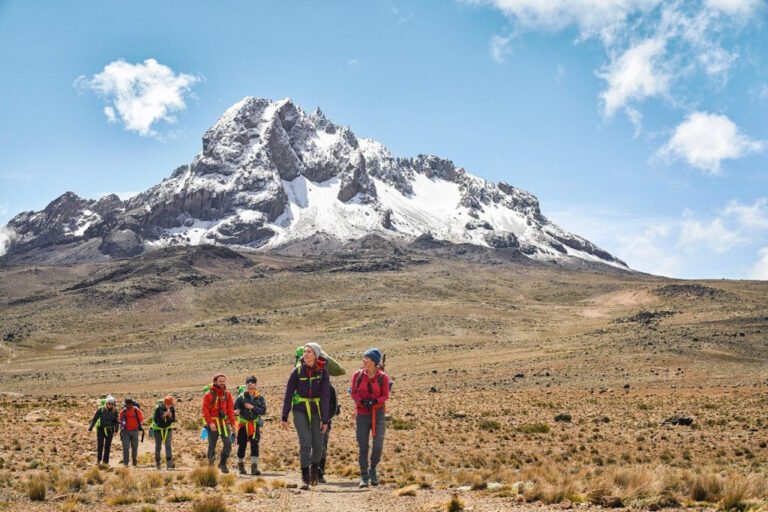
Kilimandjaro Altitude 2026-2027
Kilimandjaro altitude is explained with current 2026-2027 planning, price, itinerary and booking information.
View package details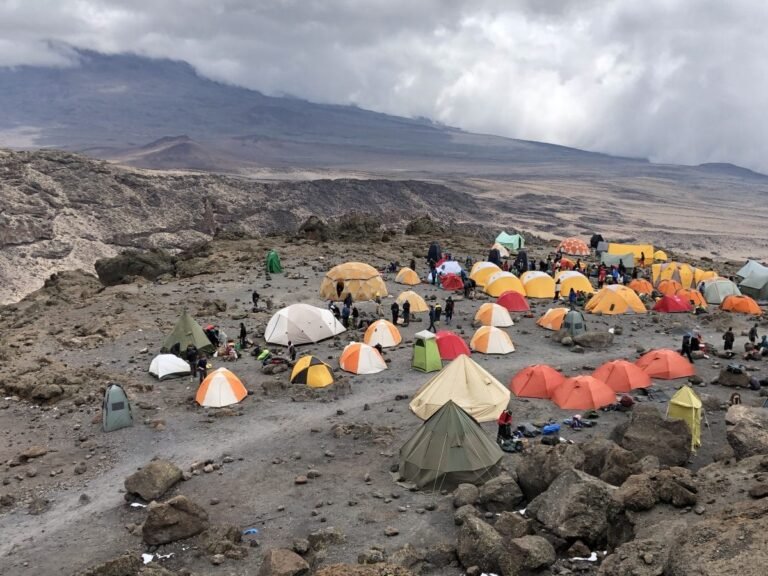
Kilimandjaro Sommet Guide
This comprehensive guide covers everything you need to know about summiting Mount Kilimanjaro, from choosing the right route and preparing for the climb to understanding costs and making...
View package details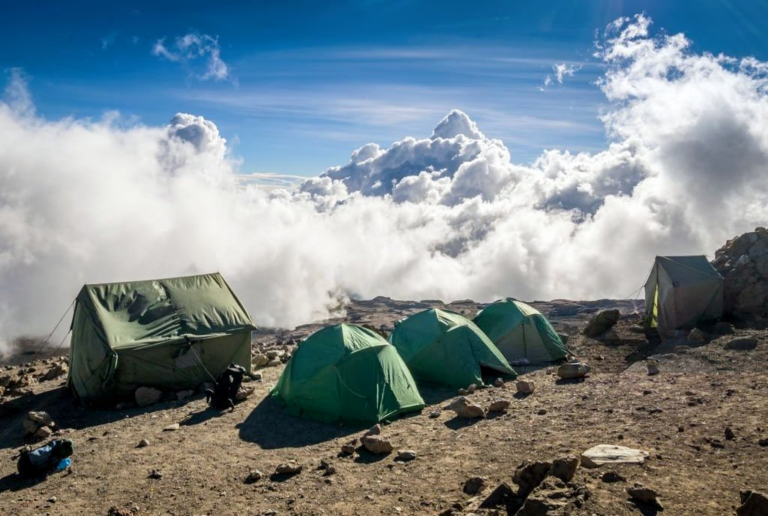
Kilimanjaro Quand Partir: Best Times To Climb In 2026-2027
Discover the optimal periods for ascending Mount Kilimanjaro, considering weather patterns, crowds, and optimal climbing conditions for your 2026-2027 expedition. Learn how to choose the...
View package details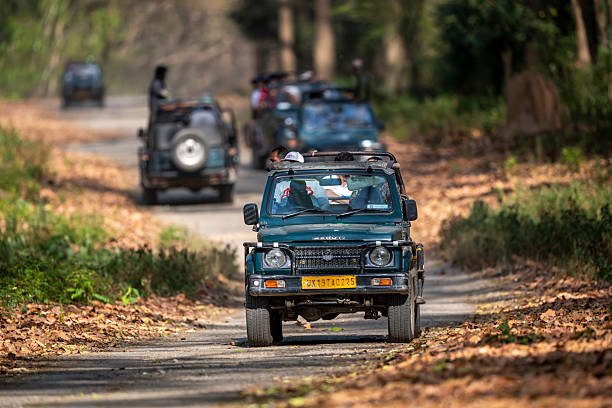
Algeria Travel Guide: Discover Ancient History, Sahara Adventures & Vibrant
start an unforgettable journey through Algeria, a North African gem brimming with ancient history, dramatic desert landscapes, and a vibrant cultural mix. This guide covers everything you...
View package details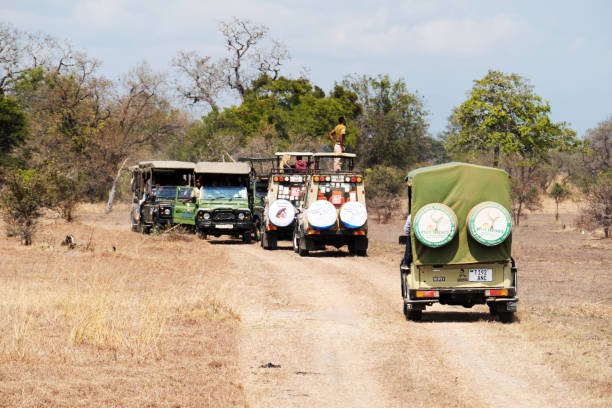
Angola Travel Guide: Your Ultimate Adventure Planning For 2026-2027
Explore Angola's diverse attractions, from its dramatic coastlines and lush interior to its rich history and vibrant cities. This comprehensive guide helps you plan your 2026-2027...
View package details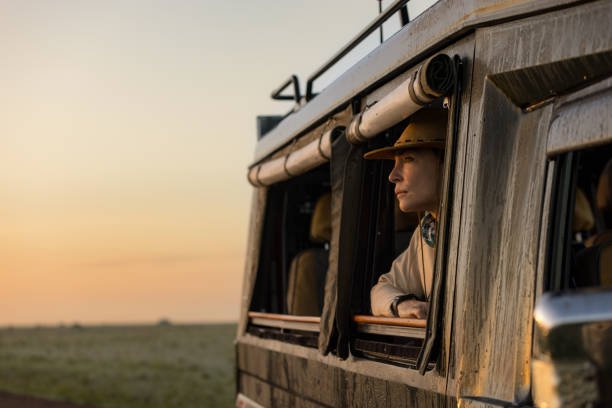
Arusha: Your Gateway To Tanzanias Northern Safari Circuit And Kilimanjaro
Arusha serves as Tanzania's vibrant gateway, connecting travelers to the world-renowned Northern Safari Circuit, the majestic Mount Kilimanjaro, and the unique cultural landscapes of the...
View package details
Bagamoyo Historical Tour 2026-2027
Bagamoyo Historical Tour is explained with current 2026-2027 planning, price, itinerary and booking information.
View package details
Benin Guide
Benin offers a unique travel experience in West Africa, blending rich history, vibrant Voodoo traditions, and diverse wildlife. Key attractions include the historical sites of Ouidah, the...
View package details
Best Arusha Guide
Arusha serves as Tanzania's primary tourism hub, making it the best starting point for exploring the country's iconic Northern Circuit, including Serengeti, Ngorongoro Crater, and Mount...
View package detailsNo closely related package is available for this topic yet.



