
Planning an adventure to Angola for 2026-2027 involves exploring its vast and diverse landscapes, from the Atlantic coastline and the Kwanza River basin to the highlands and national parks, while also engaging with its rich cultural heritage, vibrant cities like Luanda, and unique wildlife opportunities, with many travelers seeking authentic experiences and off-the-beaten-path discoveries.
Discovering Angola: A Comprehensive Travel Guide for 2026-2027
Angola, a country of immense natural beauty and profound cultural depth, is emerging as a compelling destination for adventurous travelers looking for something beyond the usual tourist trails. With its stunning coastline, diverse ecosystems, and a history that shapes its present, Angola offers a unique travel experience that is both challenging and incredibly rewarding. As we look towards 2026 and 2027, planning a trip to this Southern African nation requires understanding its nuances, preparing adequately, and embracing the spirit of exploration.
This guide is designed to provide a thorough overview for anyone considering an Angola adventure. We will cover key destinations, practical travel advice, cultural insights, and the best ways to experience what Angola has to offer. Whether you are drawn to its wild landscapes, its historical significance, or its energetic urban centers, this resource aims to equip you with the knowledge needed to plan an unforgettable journey.
Why Choose Angola for Your Next Adventure in 2026-2027?
Angola presents a unique proposition for travelers in 2026-2027. Unlike more established tourist destinations, it offers a sense of raw discovery. Its dramatic landscapes range from the arid Namib Desert meeting the Atlantic Ocean in the south to the lush rainforests and plateaus in the north and center. The country’s coastline stretches for over 1,600 kilometers, dotted with pristine beaches and fishing villages. Inland, national parks and nature reserves harbor diverse wildlife, though often requiring dedicated effort to spot.
Culturally, Angola is a rich mix woven from indigenous traditions and Portuguese colonial influences. This fusion is evident in its music, dance, cuisine, and architecture, particularly in the bustling capital, Luanda. The country’s post-conflict recovery has opened up more of its wonders to visitors, making it an exciting time to explore its potential.
Essential Pre-Trip Planning for Angola in 2026-2027
Successful travel to Angola, especially in the coming years, hinges on meticulous planning. Understanding visa requirements, health precautions, and logistical challenges is crucial.
Visa Requirements for Angola
Visa policies can change, so it is essential to check the latest regulations well in advance of your 2026-2027 travel dates. Generally, most nationalities require a visa to enter Angola. Applications are typically made through Angolan embassies or consulates in your home country or country of residence. Some travelers may be eligible for visa on arrival, but this is not guaranteed and is subject to specific conditions and nationalities. It is always best to secure your visa beforehand to avoid any last-minute issues.
Health and Vaccinations
Angola is a malaria-endemic country. It is highly recommended to consult a travel doctor or clinic at least 4-6 weeks before your departure for 2026-2027. Vaccinations against Yellow Fever are mandatory, and you will need proof of vaccination upon arrival. Other recommended vaccinations often include Hepatitis A and B, Typhoid, and Tetanus. Prophylaxis for malaria is essential, and insect repellent is a must. Ensure you have adequate travel insurance that covers medical emergencies and evacuation.
Best Time to Visit Angola (2026-2027)
Angola experiences a tropical climate with distinct wet and dry seasons. The best time to visit for most travelers is during the dry season, from May to October. During these months, the weather is generally pleasant, with lower humidity and less rainfall, making exploration easier. The rainy season, from November to April, can bring heavy downpours, which may affect road conditions and access to certain areas, especially in national parks. However, this season can also be ideal for birdwatching and offers lusher landscapes.
Currency and Budgeting for Angola
The official currency of Angola is the Angolan Kwanza (AOA). US Dollars and Euros are sometimes accepted in major hotels and for larger transactions, but it is advisable to carry Kwanza for everyday expenses. ATMs are available in major cities, but can be unreliable, so carrying cash is recommended. Credit cards are accepted in larger establishments, but not widely. For planning your 2026-2027 trip, budget for accommodation, food, transport, activities, and potential unforeseen expenses. Angola can be a relatively expensive destination, particularly for imported goods and private transport.
Key Destinations and Experiences in Angola
Angola offers a diverse range of attractions, from vibrant urban centers to remote natural wonders.
Luanda: The Vibrant Capital
Luanda is the heart of Angola, a sprawling coastal city pulsating with energy. It’s a place where colonial architecture meets modern development, creating a unique urban landscape. Must-see attractions include the National Museum of Slavery, offering insight into the country’s painful past, and the Fortaleza de São Miguel, a historic Portuguese fort. Stroll along the Marginal, the city’s scenic waterfront promenade, and experience the lively atmosphere of the local markets. Luanda’s nightlife is also renowned, with numerous bars and clubs offering a taste of Angolan music and dance.
The Namib Desert and Iona National Park
In the southwestern corner of Angola lies the striking Namib Desert, a vast expanse of sand dunes that dramatically meet the Atlantic Ocean. This region is home to Iona National Park, Angola’s largest protected area. While wildlife viewing here requires patience and expert guidance due to the challenging terrain and elusive animals, the sheer scale and beauty of the desert landscape are a major draw. The park is known for its unique desert-adapted flora and fauna, including desert elephants and lions, as well as stunning rock formations and endemic plants. Exploring Iona is an adventure for the truly intrepid, best undertaken with experienced local guides for 2026-2027.
Kwanza Sul Province: Waterfalls and Coffee Plantations
South of Luanda, Kwanza Sul Province offers a greener, more mountainous landscape. It’s famous for its beautiful waterfalls, such as the Kalandula Falls (Parque Nacional da Quiçama’s waterfalls), one of the largest in Africa by volume, and the Binga Falls. The province is also historically significant for its coffee plantations, remnants of the Portuguese era. Exploring the rolling hills and valleys provides a different perspective on Angola’s natural beauty, with opportunities for hiking and appreciating rural life.
Cabo Ledo and the Coastline
For beach lovers, Cabo Ledo, a popular resort area located about 120 kilometers south of Luanda, offers golden sands and excellent conditions for surfing and kitesurfing. Further south along the coast, discover quieter stretches of beach and charming fishing villages, providing a glimpse into traditional coastal life. The Benguela Current influences the waters, making them rich in marine life, though diving and snorkeling opportunities might be less developed than in other regions.
Malanje Province: Pedras Negras and the Serra Malanje
Malanje Province in north-central Angola is known for its dramatic tabletop mountains, known as ‘Pedras Negras’ (Black Rocks), and the Serra Malanje mountain range. The region is also home to the Kalandula Falls, a magnificent waterfall that plunges over a cliff. This area offers opportunities for hiking, exploring caves, and experiencing the cooler climate of the highlands. It’s a region rich in natural beauty and historical intrigue, with remnants of colonial past and indigenous traditions.
Angola’s National Parks and Wildlife
Angola boasts several national parks and reserves, each with unique ecosystems and wildlife. While conservation efforts are ongoing and wildlife populations are still recovering in some areas, these parks offer glimpses into the country’s natural heritage. Besides Iona, consider exploring:
- Parque Nacional da Quiçama (Kissama): Located relatively close to Luanda, this park is known for its dramatic coastal cliffs and is a project for reintroducing wildlife. It’s more accessible for day trips or short stays.
- Parque Nacional da Cameia: Situated in the Moxico Province, this park is characterized by extensive floodplains and miombo woodlands, supporting a variety of birdlife and mammals.
- Parque Nacional de Mavinga: Also in Moxico, this park is part of the larger Okavango-Zambezi Transfrontier Conservation Area (KAZA TFCA) and is known for its wilderness and potential for wildlife.
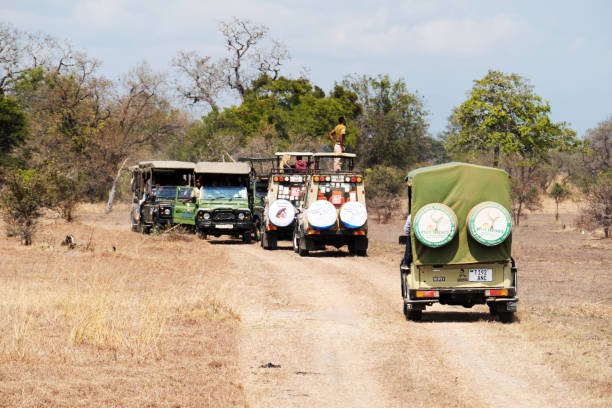
Wildlife viewing in Angola often requires patience, specialized guides, and robust 4×4 vehicles. The country’s wildlife populations are recovering, making sightings potentially more rewarding for those willing to venture off the beaten path.
Cultural Immersion in Angola
Angola’s culture is a vibrant blend of its indigenous roots and Portuguese colonial history. Understanding and respecting local customs is key to a meaningful travel experience.
Music, Dance, and Festivals
Angolan music and dance are dynamic and diverse, with genres like Semba, Kizomba, and Kuduro gaining international recognition. If your visit in 2026-2027 coincides with local festivals, you’ll have a chance to witness traditional performances. These events are often lively celebrations of community, history, and cultural identity.
Cuisine: A Taste of Angola
Angolan cuisine is flavorful and diverse, influenced by Portuguese, African, and Brazilian culinary traditions. Staples include fish, cassava, beans, and rice. Popular dishes include ‘Moamba de Galinha’ (chicken in palm oil sauce), ‘Calulu’ (a stew made with dried fish and vegetables), and ‘Funge’ (a cornmeal or cassava flour porridge). Fresh seafood is abundant along the coast. Be sure to try local fruits and the unique Angolan coffee.
Understanding Angolan Society
Angola is a country of diverse ethnic groups, each with its own traditions and languages. While Portuguese is the official language, numerous Bantu languages are spoken widely. Respect for elders and community ties are strong. Learning a few basic Portuguese phrases can greatly enhance your interactions with locals.
Practical Travel Tips for Angola in 2026-2027
Navigating Angola can present challenges, but with the right preparation, your trip can be smooth and enjoyable.
Transportation within Angola
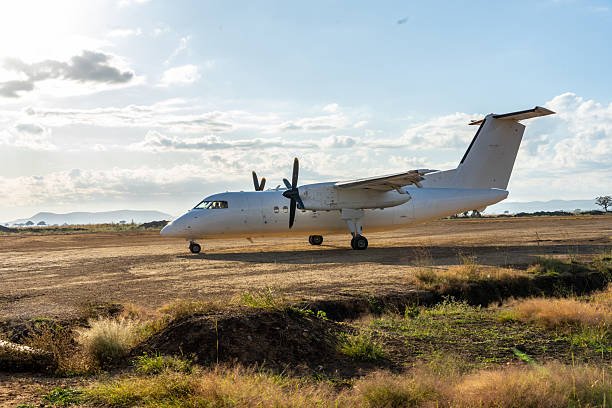
Getting around Angola requires careful planning. Private transport with a knowledgeable driver and a reliable 4×4 vehicle is highly recommended, especially for venturing outside major cities or national parks. Domestic flights connect major cities, but schedules can be erratic. Road conditions can vary significantly, from good highways between major centers to rough tracks in rural areas. Public transport exists in the form of ‘candongueiros’ (minibuses), but these are often crowded and best suited for short, local journeys.
Accommodation Options
Accommodation in Angola ranges from international-standard hotels in Luanda and other major cities to more basic guesthouses (‘pousadas’) and lodges in other areas. For those venturing into national parks or remote regions, expect simpler accommodations, sometimes even camping. Booking in advance is advisable, especially during peak season for 2026-2027.
Safety and Security
While generally safe for tourists who exercise common sense, it’s important to be aware of your surroundings, especially in crowded urban areas. Petty theft can occur. Avoid displaying expensive items, and be cautious when walking alone at night. It is advisable to use reputable tour operators for organized trips, as they are experienced in navigating the country safely.
Connectivity: Internet and Mobile Phones
Internet access is available in most hotels and some cafes in larger cities, but it can be slow and expensive. Purchasing a local SIM card for your mobile phone is a good way to stay connected for calls and data. Coverage is best in urban areas.
Planning Your Angola Adventure with Top Guide Adventures
For an enriching and well-organized Angola experience in 2026-2027, partnering with a trusted tour operator like Top Guide Adventures is invaluable. We specialize in creating tailor-made journeys that cater to your interests, whether you seek wildlife encounters, cultural deep dives, or exploration of remote landscapes.
Why Choose Top Guide Adventures for Angola?
Top Guide Adventures brings extensive experience in organizing complex itineraries across East and Southern Africa. While our core expertise lies in Tanzania, our network and understanding of African travel logistics allow us to craft exceptional Angola itineraries. We focus on:
- Personalized Itineraries: We design trips around your preferences, pace, and budget.
- Local Expertise: Our guides and partners on the ground provide invaluable insights and ensure smooth operations.
- Reliable Logistics: From transport to accommodation, we handle the details so you can focus on the experience.
- Safety and Comfort: Your well-being is our priority, with carefully selected accommodations and transportation.
Sample Itinerary Ideas for Angola (2026-2027)
While a full Angola itinerary requires customization, here are some ideas to spark your imagination for a 2026-2027 trip:
1. The Coastal Explorer (7-10 Days)
Focus: Beaches, history, and accessible nature near Luanda.
- Day 1-3: Luanda – City tour, museums, Marginal, local markets.
- Day 4-5: Cabo Ledo – Beach relaxation, surfing/kitesurfing, coastal drives.
- Day 6-7: Parque Nacional da Quiçama – Wildlife viewing (reintroduction projects), nature walks.
- Day 8-10: Return to Luanda, optional day trips, departure.
2. Angola’s Natural Wonders (14-18 Days)
Focus: Diverse landscapes, including deserts and waterfalls.
- Day 1-3: Luanda – Arrival and city exploration.
- Day 4-6: Kwanza Sul Province – Travel to Kalandula Falls, Binga Falls, explore coffee regions.
- Day 7-10: Namib Desert & Iona National Park – Fly or drive to the south, guided desert exploration, potential wildlife spotting (requires specialized guides).
- Day 11-13: Benguela/Lobito – Coastal cities, historical sites, beaches.
- Day 14-18: Return to Luanda, optional Malanje exploration, departure.
Customizing Your Angola Adventure
We understand that every traveler is unique. Whether you are interested in birdwatching in Cameia National Park, exploring the history of Benguela, or seeking remote wilderness experiences, Top Guide Adventures can craft an itinerary to match. Our team is ready to discuss your specific interests for a 2026 or 2027 journey.
The Future of Travel in Angola (2026-2027 and Beyond)
Angola is on a path of development and opening up to international tourism. As infrastructure improves and conservation efforts gain momentum, the country is poised to offer even more remarkable experiences in the coming years. Travelers visiting in 2026-2027 will be among the pioneers exploring its less-traveled paths, gaining a unique perspective on its resilience and beauty.
For those seeking an authentic adventure, a journey to Angola promises unforgettable memories. Its raw beauty, rich culture, and the warmth of its people make it a destination that truly stands apart.
Ready to plan your Angola adventure for 2026-2027? Contact Top Guide Adventures today. We can be reached via WhatsApp at +255616946642 or by email at info@topguideadventures.com. Let us help you create an extraordinary journey.
Check Availability for Angola Travel Guide: Your Ultimate Adventure Planning For 2026-2027
Ready to compare dates, prices, and the best option for your group? Send the package name and travel month so the team can reply with a clear quote, availability, and what is included.
Algeria Travel Guide: Discover Ancient History, Sahara Adventures & Vibrant
start an unforgettable journey through Algeria, a North African gem brimming with ancient history, dramatic desert landscapes, and a vibrant cultural mix. This guide covers everything you...
View package details
Bagamoyo Historical Tour 2026-2027
Bagamoyo Historical Tour is explained with current 2026-2027 planning, price, itinerary and booking information.
View package details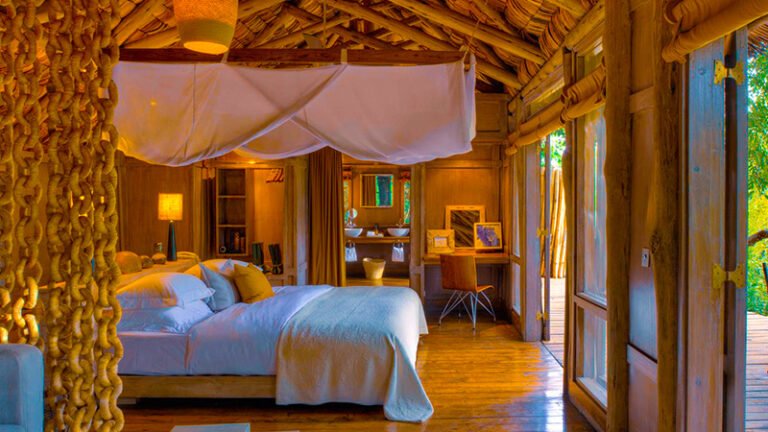
Best Arusha Guide
Arusha serves as Tanzania's primary tourism hub, making it the best starting point for exploring the country's iconic Northern Circuit, including Serengeti, Ngorongoro Crater, and Mount...
View package details
Best Cheapest Tours In Tanzania: Your Ultimate Guide For 2026-2027
Discover how to find the best cheapest tours in Tanzania for 2026-2027. This guide covers budget-friendly safaris, Kilimanjaro climbs, and Zanzibar holidays, detailing what to expect, how...
View package details
Best Hadzabe Tour 2026-2027
Best hadzabe tour is explained with current 2026-2027 planning, price, itinerary and booking information.
View package detailsBest Kibo Hut 2026-2027
Best kibo hut is explained with current 2026-2027 planning, price, itinerary and booking information.
View package details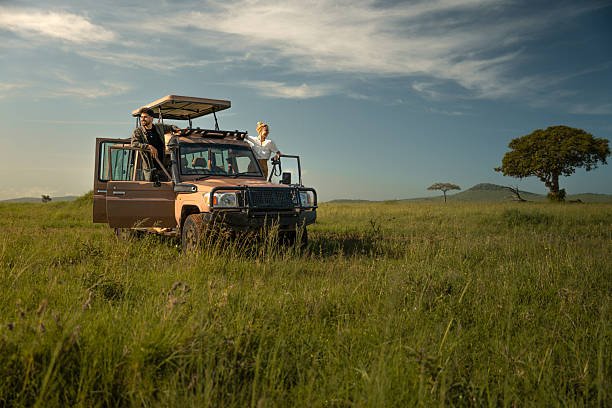
Best Kili Routes 2026-2027
Best kili routes is explained with current 2026-2027 planning, price, itinerary and booking information.
View package details
Best Kilimandscharo Routen Guide
Choosing the best Kilimanjaro route is crucial for your summit success and overall experience. This guide details the top routes, comparing their difficulty, scenery, acclimatization, and...
View package details
Best Kilimanjaro Climb Cost 2026-2027
Best kilimanjaro climb cost is explained with current 2026-2027 planning, price, itinerary and booking information.
View package details
Best Kilimanjaro Climb Costs 2026-2027
Best kilimanjaro climb costs is explained with current 2026-2027 planning, price, itinerary and booking information.
View package details
Best Kilimanjaro Climb Packages 2026-2027
Best kilimanjaro climb packages is explained with current 2026-2027 planning, price, itinerary and booking information.
View package detailsBest Kilimanjaro Climb Route 2026-2027
Best kilimanjaro climb route is explained with current 2026-2027 planning, price, itinerary and booking information.
View package detailsNo closely related package is available for this topic yet.



