
The best Kilimanjaro climb route for your 2026-2027 adventure depends on your priorities: success rate, acclimatization, scenery, and comfort. For the highest success rates and good acclimatization, the Machame Route (7 days), Lemosho Route (8 days), and Northern Circuit (9 days) are highly recommended. If you prefer a more gradual ascent and unique camping experience, consider the Shira Route (8 days). For a budget-friendly option with hut accommodation, the Marangu Route (5-6 days) is popular, though it has a lower success rate due to poorer acclimatization. The Rongai Route (6-7 days) offers a drier ascent and fewer crowds, ideal during the rainy seasons.
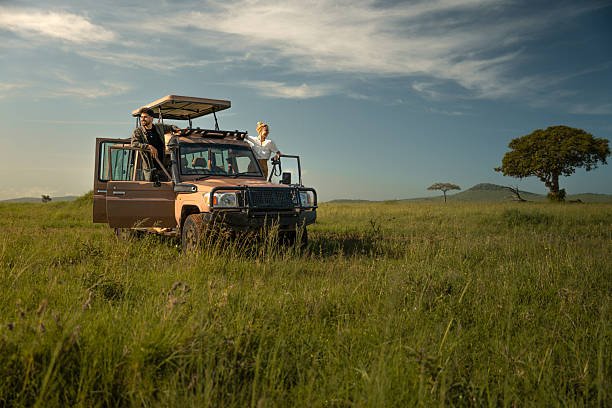
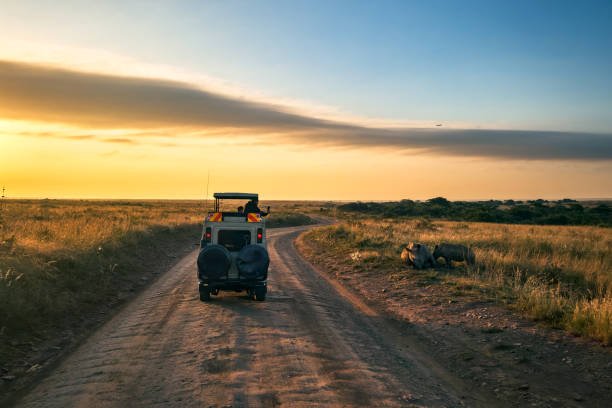
Understanding Kilimanjaro’s Routes: A Crucial First Step for Your 2026-2027 Climb
Mount Kilimanjaro, Africa’s highest peak, beckons adventurers from around the globe. Each year, thousands attempt to summit this majestic dormant volcano, and the choice of route is one of the most critical decisions they will make. At Top Guide Adventures, we understand that selecting the best Kilimanjaro climb route is not just about picking a path; it’s about optimizing your chances of reaching Uhuru Peak, maximizing your enjoyment of the diverse ecosystems, and ensuring a safe and memorable experience. This comprehensive guide, designed for your 2026-2027 planning, will break down each major route, offering insights to help you make an informed decision.
The “best” route is subjective and depends on individual preferences and physical condition. Are you looking for the highest probability of summit success? Do you prioritize stunning scenery and diverse landscapes? Are you on a tight budget, or do you prefer more comfortable accommodation? Perhaps you want to avoid crowds. Understanding these factors will guide you toward the ideal Kilimanjaro climb route for your 2026-2027 expedition.
Key Factors to Consider When Choosing Your Kilimanjaro Route
Before we look at the specifics of each trail, let’s outline the essential criteria that differentiate them and will influence your choice for a 2026-2027 climb:
- Success Rate: This is often the primary concern for trekkers. Routes that offer better acclimatization profiles (i.e., a slower, more gradual ascent) generally have higher success rates. Longer routes also tend to be more successful.
- Acclimatization: Proper acclimatization is vital to prevent altitude sickness (AMS). Routes that follow the “climb high, sleep low” principle are superior. The longer the route, the more time your body has to adapt to the thinning air.
- Scenery and Scenery Diversity: Kilimanjaro boasts five distinct ecological zones, from rainforest to arctic summit. Some routes offer more dramatic views, varied landscapes, and unique geological features than others.
- Crowds: Popular routes can become quite busy, especially during peak seasons. If you prefer a more solitary experience, some less-trafficked routes might be a better fit.
- Duration: Longer routes provide better acclimatization and a more relaxed pace, but require more time. Shorter routes are quicker but may compromise success rates and acclimatization.
- Accommodation: Most routes involve camping, with guides and support staff setting up tents. The Marangu Route is unique in offering dormitory-style hut accommodation.
- Difficulty and Terrain: While all Kilimanjaro routes are challenging due to altitude, some have steeper ascents, more technical sections, or rougher terrain.
- Cost: While park fees are standardized, the overall cost can vary based on the route’s duration, the quality of the tour operator, and the level of service provided. Longer routes and those with better acclimatization profiles often cost more due to additional days and resources.
The Main Kilimanjaro Climb Routes Explained
Top Guide Adventures offers treks on all the popular routes, ensuring a tailored experience for every climber. Here’s a detailed look at each one, with considerations for your 2026-2027 expedition:
1. Machame Route: The Most Popular Choice for Success and Scenery
Often referred to as the “Whiskey Route” (in contrast to the Marangu “Coca-Cola Route”), the Machame Route is the most popular Kilimanjaro climb route for good reason. It offers a fantastic balance of excellent acclimatization, impressive scenery, and a high success rate.
- Duration: Typically 6 or 7 days. A 7-day trek is strongly recommended for better acclimatization and a higher chance of summiting.
- Start Point: Machame Gate (1,800m / 5,905 ft)
- End Point: Mweka Gate (1,640m / 5,380 ft)
- Scenery: Phenomenal. You traverse diverse ecosystems, from lush rainforests to moorlands, alpine deserts, and the arctic zone. The views of Shira Plateau, Barranco Wall, and Uhuru Peak are spectacular.
- Acclimatization: Good, especially on the 7-day itinerary, which incorporates the “climb high, sleep low” principle with the challenging but rewarding Barranco Wall climb.
- Difficulty: Moderate to challenging. The terrain can be steep and demanding, particularly the climb up the Barranco Wall.
- Accommodation: Camping.
- Crowds: Can be busy, as it’s the most popular route.
- Success Rate: High, particularly on the 7-day option (estimated 75-85%).
Why choose Machame for 2026-2027? If you want a route that offers a good chance of success, stunning varied scenery, and a challenging yet rewarding trek, Machame is an excellent choice. The 7-day version is ideal for most trekkers seeking a balanced experience. We often recommend this route for first-time Kilimanjaro climbers aiming for a successful summit.
Machame Route Itinerary Highlights (7-Day Example)
- Day 1: Machame Gate to Machame Camp
- Day 2: Machame Camp to Shira 2 Camp
- Day 3: Shira 2 Camp to Barranco Camp (via Lava Tower)
- Day 4: Barranco Camp to Karanga Camp (over the Barranco Wall)
- Day 5: Karanga Camp to Barafu Camp
- Day 6: Barafu Camp to Summit (Uhuru Peak) then descend to Mweka Camp
- Day 7: Mweka Camp to Mweka Gate
2. Lemosho Route: The Premier Scenic and Acclimatization Route
The Lemosho Route is widely considered one of the most beautiful Kilimanjaro climb routes. It offers excellent acclimatization, stunning panoramic views, and a more remote trekking experience in its initial stages before merging with the Machame route.
- Duration: Typically 7, 8, or even 9 days. An 8-day itinerary is highly recommended for optimal acclimatization and success.
- Start Point: Londorossi Gate, then transfer to Lemosho Glades (2,100m / 6,890 ft)
- End Point: Mweka Gate (1,640m / 5,380 ft)
- Scenery: Arguably the most spectacular. It begins in dense rainforest, traverses the dramatic Shira Plateau, and offers incredible views of Mount Meru and the western breach.
- Acclimatization: Excellent, due to its longer duration and the gradual ascent profile, especially in the first few days.
- Difficulty: Moderate to challenging. Similar terrain to Machame after the routes merge.
- Accommodation: Camping.
- Crowds: Less crowded in the initial days compared to Machame. It merges with Machame on Day 3 or 4, so it can become busier later on.
- Success Rate: Very high, especially on 8-day itineraries (estimated 85-90%).
Why choose Lemosho for 2026-2027? If your priority is scenery and maximizing your chances of summit success through superior acclimatization, Lemosho is an outstanding choice. The 8-day version is particularly well-suited for those who want to give themselves the best possible chance and enjoy a more serene start to their trek. It’s a top contender for the best Kilimanjaro climb route for many trekkers.
Lemosho Route Itinerary Highlights (8-Day Example)
- Day 1: Londorossi Gate to Mti Mkubwa Camp
- Day 2: Mti Mkubwa Camp to Shira 2 Camp
- Day 3: Shira 2 Camp to Barranco Camp (via Lava Tower)
- Day 4: Barranco Camp to Karanga Camp (over the Barranco Wall)
- Day 5: Karanga Camp to Barafu Camp
- Day 6: Barafu Camp to Summit (Uhuru Peak) then descend to Mweka Camp
- Day 7: Mweka Camp to Mweka Gate
- Day 8: (Added day for acclimatization or descent to Mweka Camp)
3. Marangu Route: The “Coca-Cola” or “Tourist” Route
The Marangu Route is the oldest and most established Kilimanjaro climb route. It’s known for its unique hut accommodation and gentler slopes, making it a popular choice for those seeking a more comfortable trek and a potentially lower cost.
- Duration: 5 or 6 days. The 5-day option is generally not recommended due to poor acclimatization.
- Start Point: Marangu Gate (1,860m / 6,100 ft)
- End Point: Marangu Gate (1,860m / 6,100 ft) – it’s a circular route.
- Scenery: Pleasant, with good rainforest and moorland sections. However, it offers less varied scenery compared to Machame or Lemosho, and the ascent and descent are on the same path, meaning you don’t see as much.
- Acclimatization: Poor, especially on the 5-day itinerary. The rapid ascent profile and lack of “climb high, sleep low” make it difficult for the body to adapt.
- Difficulty: Moderate. The main challenge is altitude due to poor acclimatization. The terrain is less steep than Machame.
- Accommodation: Huts (dormitory style). This is the only route offering this.
- Crowds: Can be very busy, especially during peak seasons.
- Success Rate: Lower than other routes, particularly on the 5-day trek (estimated 40-60% for 5-day, 60-75% for 6-day).
Why choose Marangu for 2026-2027? If budget is a primary concern and you prefer sleeping in huts rather than tents, Marangu might be appealing. However, be aware of the significantly lower success rate and the potential for altitude sickness. The 6-day option is a minimum recommendation if you choose this route.
Marangu Route Itinerary Highlights (6-Day Example)
- Day 1: Marangu Gate to Mandara Huts
- Day 2: Mandara Huts to Horombo Huts
- Day 3: Horombo Huts to Acclimatization Day (optional further ascent towards Mawenzi)
- Day 4: Horombo Huts to Kibo Huts
- Day 5: Kibo Huts to Summit (Uhuru Peak) then descend to Horombo Huts
- Day 6: Horombo Huts to Marangu Gate
4. Rongai Route: The Best Option for Rainy Seasons
The Rongai Route approaches Kilimanjaro from the north, near the Kenyan border. It’s the only route that approaches from this direction and is known for its drier climate, making it a good choice during the rainy seasons (March-May and November-December).
- Duration: Typically 6 or 7 days.
- Start Point: Nale Moru (1,950m / 6,398 ft)
- End Point: Marangu Gate (1,860m / 6,100 ft)
- Scenery: Less dramatic than Machame or Lemosho in the initial stages, but it offers beautiful views as you gain altitude. It’s less forested initially.
- Acclimatization: Good, especially on the 7-day itinerary, which includes an acclimatization day.
- Difficulty: Moderate. The terrain is generally less steep than Machame.
- Accommodation: Camping.
- Crowds: Significantly less crowded than the southern routes, offering a more peaceful experience.
- Success Rate: Good, comparable to Machame (estimated 70-80% on 7-day).
Why choose Rongai for 2026-2027? If you are planning to climb during the wetter months or prefer a less crowded trek with good acclimatization and a decent success rate, Rongai is an excellent option. It provides a different perspective of the mountain.
Rongai Route Itinerary Highlights (7-Day Example)
- Day 1: Nale Moru Gate to Simba Camp
- Day 2: Simba Camp to Kikelewa Caves
- Day 3: Kikelewa Caves to Mawenzi Tarn Huts
- Day 4: Mawenzi Tarn Huts to Kibo Huts (via School Hut)
- Day 5: Kibo Huts to Summit (Uhuru Peak) then descend to Horombo Huts
- Day 6: Horombo Huts to Marangu Gate
- Day 7: (Added day for acclimatization or descent to Marangu Gate)
5. Shira Route: An Alternative Scenic and Remote Option
The Shira Route is similar to Lemosho in its early stages, offering stunning scenery and good acclimatization. It starts at a higher altitude than Lemosho, which can be a slight disadvantage for acclimatization initially, but the longer itineraries compensate for this.
- Duration: Typically 7 or 8 days. An 8-day itinerary is recommended.
- Start Point: Londorossi Gate, then transfer to Shira 1 Camp (3,500m / 11,480 ft)
- End Point: Mweka Gate (1,640m / 5,380 ft)
- Scenery: Excellent, traversing the Shira Plateau and offering dramatic views.
- Acclimatization: Good on longer itineraries (8 days), as it allows time to adjust to the higher starting altitude.
- Difficulty: Moderate to challenging.
- Accommodation: Camping.
- Crowds: Less crowded initially, merging with Machame later.
- Success Rate: Good, similar to Machame and Lemosho on longer treks.
Why choose Shira for 2026-2027? It offers a beautiful and remote start, similar to Lemosho. The main difference is the higher starting camp, which requires careful attention to acclimatization. It’s a solid choice for those seeking scenic beauty and good success rates.
6. Northern Circuit: The Longest Route for Ultimate Acclimatization and Success
The Northern Circuit is the longest route on Kilimanjaro, circumnavigating the mountain. This extended duration provides the best possible acclimatization, leading to the highest success rates.
- Duration: 9 days is standard, but 10-day itineraries are also available.
- Start Point: Londorossi Gate (2,100m / 6,890 ft)
- End Point: Mweka Gate (1,640m / 5,380 ft)
- Scenery: Exceptional and diverse, offering panoramic views from all sides of the mountain. You experience the northern slopes, which are less frequently trekked.
- Acclimatization: The best of all routes. The extended duration allows your body ample time to adapt to the altitude, significantly reducing the risk of AMS.
- Difficulty: Moderate to challenging, but made easier by the superior acclimatization.
- Accommodation: Camping.
- Crowds: Very few trekkers on the northern side, offering a truly wild and remote experience for most of the trek.
- Success Rate: The highest among all routes, often exceeding 90%.
Why choose the Northern Circuit for 2026-2027? If you want the absolute best chance of summiting, the most relaxed acclimatization, and a truly remote and scenic experience, the Northern Circuit is the undisputed champion. It requires more time and is typically more expensive, but the rewards in terms of success and experience are immense.
7. Umbwe Route: The Steepest and Most Direct Challenge
The Umbwe Route is the shortest, steepest, and most direct route to the summit. It is considered the most challenging and is only recommended for very experienced and fit hikers who are already well-acclimatized to altitude.
- Duration: Typically 5 or 6 days.
- Start Point: Umbwe Gate (1,800m / 5,905 ft)
- End Point: Mweka Gate (1,640m / 5,380 ft)
- Scenery: Beautiful, passing through dense forest, but the steepness and rapid ascent limit the time to appreciate it.
- Acclimatization: Very poor. The rapid ascent to high altitudes makes it highly prone to altitude sickness.
- Difficulty: Very challenging. Steep, direct, and demanding.
- Accommodation: Camping.
- Crowds: Very few trekkers.
- Success Rate: The lowest among all routes (estimated 30-50%), primarily due to poor acclimatization.
Why choose Umbwe for 2026-2027? This route is for the highly experienced mountaineer seeking a significant physical challenge and who understands the high risks associated with poor acclimatization. It is generally not recommended for most climbers.
Comparing Kilimanjaro Routes: A Visual Guide for 2026-2027
To help you make a clear decision, here’s a comparative table of the main Kilimanjaro climb routes, focusing on factors critical for your 2026-2027 planning:
| Route | Duration (Recommended) | Start Point | End Point | Success Rate (Approx.) | Acclimatization | Scenery | Crowds | Accommodation |
|---|---|---|---|---|---|---|---|---|
| Marangu | 6 Days | Marangu Gate | Marangu Gate | 60-75% | Poor | Moderate | High | Huts |
| Machame | 7 Days | Machame Gate | Mweka Gate | 75-85% | Good | Excellent | High | Camping |
| Lemosho | 8 Days | Londorossi Gate | Mweka Gate | 85-90% | Excellent | Exceptional | Moderate (early low) | Camping |
| Rongai | 7 Days | Nale Moru | Marangu Gate | 70-80% | Good | Good | Low | Camping |
| Shira | 8 Days | Londorossi Gate | Mweka Gate | 80-85% | Good | Excellent | Moderate (early low) | Camping |
| Northern Circuit | 9 Days | Londorossi Gate | Mweka Gate | 90%+ | Best | Exceptional | Very Low | Camping |
| Umbwe | 6 Days | Umbwe Gate | Mweka Gate | 30-50% | Very Poor | Good | Very Low | Camping |
The Importance of Duration for Summit Success
While the route itself is a major factor, the duration of your Kilimanjaro climb is arguably even more critical, especially concerning success rates and acclimatization for your 2026-2027 trip. Shorter treks, while tempting for those with limited time or budget, drastically increase the risk of altitude sickness and summit failure. Your body needs time to adapt to the decreasing oxygen levels as you ascend.
At Top Guide Adventures, we strongly advocate for longer itineraries on all routes. Here’s why:
- Better Acclimatization: Longer treks allow for a slower, more gradual ascent, incorporating the vital “climb high, sleep low” principle. This gives your body more time to produce red blood cells, improving oxygen transport.
- Reduced Risk of AMS: The primary cause of summit failure is Acute Mountain Sickness (AMS). Proper acclimatization is the best defense.
- Increased Enjoyment: A slower pace allows you to appreciate the stunning scenery, observe the diverse flora and fauna, and generally enjoy the experience more. Rushing up the mountain is exhausting and stressful.
- Higher Success Rates: Statistically, longer treks have significantly higher summit success rates. For example, a 7-day Machame trek is much more likely to result in a summit than a 5-day trek on the same route (if it were possible).
For instance, choosing an 8-day Lemosho or Northern Circuit trek for your 2026-2027 climb over a 7-day option significantly boosts your acclimatization profile. While a 5-day Marangu trek might seem economical, its poor acclimatization and low success rate make it a gamble. We always recommend a minimum of 6 days for Marangu and 7 days for other popular routes like Machame and Rongai, with 8 days being the preferred minimum for Lemosho and Shira, and 9 days for the Northern Circuit.
Understanding Kilimanjaro’s Climatic Zones and Their Impact
Kilimanjaro is a mountain of contrasts, featuring distinct climatic zones as you ascend. Each route passes through these zones, offering a unique perspective. Understanding them helps appreciate the journey and the challenges:
- Cultivation Zone (Rainforest): From the base (around 800m) up to about 2,700m. This zone is lush, green, and receives significant rainfall. Expect dense vegetation, diverse wildlife (monkeys, birds), and muddy trails, especially after rain. All routes begin here.
- Heath Zone: From 2,700m to 3,500m. The vegetation becomes sparser, with giant heathers, senecios, and lobelias. The air is cooler and drier. Trails can still be muddy.
- Moorland Zone: From 3,500m to 4,500m. This is a stark, semi-arid landscape characterized by tough grasses and shrubs. The temperatures drop significantly, and it can be windy. This is where altitude sickness symptoms often start to become noticeable.
- Alpine Desert Zone: From 4,500m to the summit (5,895m). This zone is characterized by extreme cold, very little precipitation, and a barren, rocky landscape. Oxygen levels are about half of what they are at sea level. You’ll find sparse, hardy vegetation. This is the most challenging zone for acclimatization and endurance.
- Arctic Summit Zone: The summit itself, Uhuru Peak. This zone is permanently covered in snow and ice, with temperatures well below freezing, strong winds, and minimal oxygen. This is where you’ll experience the most extreme conditions.
The route you choose dictates how much time you spend in each zone and the type of terrain you encounter. For example, the Machame and Lemosho routes offer extensive trekking through the rainforest and moorland, providing ample opportunity to observe these ecosystems. The Marangu route’s ascent and descent on the same path mean you experience these zones twice on the same trails.
Choosing Your Operator: Top Guide Adventures for Your 2026-2027 Climb
Selecting the best Kilimanjaro climb route is only part of the equation. Choosing a reputable and experienced tour operator is equally crucial for a safe and successful expedition. At Top Guide Adventures, we pride ourselves on offering comprehensive, personalized, and safe Kilimanjaro climbs. We understand the mountain intimately and are committed to providing our clients with the best possible experience for their 2026-2027 adventures.
Here’s what sets Top Guide Adventures apart:
- Experienced Guides: Our guides are highly trained, certified, and possess extensive knowledge of Kilimanjaro, altitude sickness, and emergency procedures. They are your lifeline on the mountain.
- Quality Equipment: We provide high-quality tents, sleeping bags, and other essential gear to ensure your comfort and safety.
- Nutritious Food: Our cooks prepare delicious and energizing meals to keep you fueled throughout your trek.
- Focus on Safety: We carry comprehensive first-aid kits, including portable oxygen, and have strict safety protocols in place. We monitor our clients’ health closely.
- Fair Porter Wages: We are committed to ethical treatment of our support staff, ensuring fair wages and proper gear for our porters.
- Personalized Service: We offer tailor-made itineraries and work closely with you to choose the best Kilimanjaro climb route based on your needs and experience.
When planning your 2026-2027 climb, consider that the cheapest options often cut corners on safety, equipment, food, and guide experience, which can have serious consequences on the mountain. Investing in a reputable operator like Top Guide Adventures is an investment in your safety and success.
Ready to Plan Your 2026-2027 Kilimanjaro Climb?
Let Top Guide Adventures help you select the best Kilimanjaro climb route for your unforgettable journey. We offer personalized advice, competitive pricing, and a commitment to your safety and success. Get in touch with our expert team today!
WhatsApp: +255616946642
Email: topguideadventures@gmail.com
Backup Email: info@topguideadventurestanzania.com
Visit our website for more information: Top Guide Adventures Tanzania
Frequently Asked Questions About Kilimanjaro Routes
There is no truly “easy” route up Kilimanjaro due to the extreme altitude. However, the Marangu route (6 days) is often considered the least physically demanding in terms of terrain and offers hut accommodation, making it subjectively easier for some. Nevertheless, its poor acclimatization profile means it is not recommended for most trekkers seeking success.
The routes with the highest success rates are generally the longest ones that offer the best acclimatization. The Northern Circuit (9-10 days) is statistically the best, followed closely by the Lemosho Route (8 days) and the Machame Route (7 days). These routes allow for gradual ascent and the “climb high, sleep low” strategy.
The Lemosho Route and the Northern Circuit are widely regarded as the most scenic. They offer impressive views from varied angles, traverse dramatic landscapes like the Shira Plateau, and provide opportunities to see unique flora and fauna in the initial rainforest sections. The Machame route also offers spectacular scenery.
The best times to climb Kilimanjaro are generally the dry seasons: January to March and June to October. These months offer clearer skies, less rain, and more stable weather conditions. The shoulder months can also be good, but be prepared for potential rain. The Rongai route is a good choice for the rainy season (November to March).
The cost of a Kilimanjaro climb varies significantly based on the route duration, the operator’s quality, and inclusions. For a reputable operator like Top Guide Adventures, you can expect prices to range from approximately $2,000 to $4,000 USD per person for standard treks (e.g., 7-day Machame). Longer routes like the Northern Circuit will be at the higher end. This typically includes park fees, accommodation (camping/huts), meals, guides, porters, and rescue fees. Exclusions usually are flights, visas, tips, personal gear, and travel insurance.
Yes, Top Guide Adventures offers group departures for Kilimanjaro climbs on various routes, including Machame and Lemosho. Joining a group can be a more budget-friendly option and a great way to share the experience. You can find available group departure dates on our website or by contacting us directly. Check our Machame Group Departures for examples.
Making Your Final Decision for 2026-2027
Choosing the best Kilimanjaro climb route is a personal journey. Reflect on your priorities:
- For the highest success rate and best acclimatization: Northern Circuit (9 days), Lemosho (8 days), Machame (7 days).
- For the most scenic experience: Lemosho, Northern Circuit.
- For a budget-friendly option (with caution): Marangu (6 days), but consider its lower success rate.
- For avoiding crowds and during rainy seasons: Rongai.
- For the ultimate challenge: Umbwe (not generally recommended).
No matter which route you choose for your 2026-2027 expedition, remember that preparation is key. Physical training, proper gear, and choosing a responsible tour operator like Top Guide Adventures will significantly contribute to a safe, enjoyable, and successful climb. We are here to guide you every step of the way, from selecting your route to standing on Uhuru Peak.
Contact us today to start planning your dream Kilimanjaro adventure! Let Top Guide Adventures be your trusted partner for an unforgettable journey up Africa’s highest mountain. We look forward to helping you achieve your summit goals in 2026 and 2027.
“,
“faq_schema”: [
{
“question”: “Which Kilimanjaro route is the easiest?”,
“answer”: “
There is no truly “easy” route up Kilimanjaro due to the extreme altitude. However, the Marangu route (6 days) is often considered the least physically demanding in terms of terrain and offers hut accommodation, making it subjectively easier for some. Nevertheless, its poor acclimatization profile means it is not recommended for most trekkers seeking success.
”
},
{
“question”: “Which Kilimanjaro route has the highest success rate?”,
“answer”: “
The routes with the highest success rates are generally the longest ones that offer the best acclimatization. The Northern Circuit (9-10 days) is statistically the best, followed closely by the Lemosho Route (8 days) and the Machame Route (7 days). These routes allow for gradual ascent and the “climb high, sleep low” strategy.
”
},
{
“question”: “Which Kilimanjaro route is the most scenic?”,
“answer”: “
The Lemosho Route and the Northern Circuit are widely regarded as the most scenic. They offer impressive views from varied angles, traverse dramatic landscapes like the Shira Plateau, and provide opportunities to see unique flora and fauna in the initial rainforest sections. The Machame route also offers spectacular scenery.
”
},
{
“question”: “When is the best time to climb Kilimanjaro in 2026-2027?”,
“answer”: “
The best times to climb Kilimanjaro are generally the dry seasons: January to March and June to October. These months offer clearer skies, less rain, and more stable weather conditions. The shoulder months can also be good, but be prepared for potential rain. The Rongai route is a good choice for the rainy season (November to March).
”
},
{
“question”: “How much does a Kilimanjaro climb cost in 2026-2027?”,
“answer”: “
The cost of a Kilimanjaro climb varies significantly based on the route duration, the operator’s quality, and inclusions. For a reputable operator like Top Guide Adventures, you can expect prices to range from approximately $2,000 to $4,000 USD per person for standard treks (e.
Check Availability for Best Kilimanjaro Climb Route 2026-2027
Ready to compare dates, prices, and the best option for your group? Send the package name and travel month so the team can reply with a clear quote, availability, and what is included.
Best Kilimanjaro Climb Routes 2026-2027
Best kilimanjaro climb routes is explained with current 2026-2027 planning, price, itinerary and booking information.
View package details
Best Marangu Route Cost For Kilimanjaro Climbs In 2026-2027
Planning a Kilimanjaro climb via the Marangu Route in 2026 or 2027? Understand the best Marangu Route cost, what influences it, and what to expect for your adventure. This guide breaks down...
View package detailsKilimanjaro Climb Machame Route 2026-2027
kilimanjaro climb machame route is explained with current 2026-2027 planning, price, itinerary and booking information.
View package details
Best Kilimanjaro Climb Cost 2026-2027
Best kilimanjaro climb cost is explained with current 2026-2027 planning, price, itinerary and booking information.
View package details
Best Kilimanjaro Climb Costs 2026-2027
Best kilimanjaro climb costs is explained with current 2026-2027 planning, price, itinerary and booking information.
View package details
Best Kilimanjaro Climb Packages 2026-2027
Best kilimanjaro climb packages is explained with current 2026-2027 planning, price, itinerary and booking information.
View package details
Best Kilimanjaro Trekking Routes 2026-2027
Best kilimanjaro trekking routes is explained with current 2026-2027 planning, price, itinerary and booking information.
View package details
Best Machame Route Cost: Your Kilimanjaro Budget Guide 2026-2027
Planning a Kilimanjaro climb via the Machame Route? This comprehensive guide breaks down the average costs for 2026-2027, detailing what influences the price and what to expect in your trek...
View package details
Cost For Kilimanjaro Climb 2026-2027
cost for kilimanjaro climb is explained with current 2026-2027 planning, price, itinerary and booking information.
View package details
Best Kilimanjaro Trek Cost 2026-2027
Best kilimanjaro trek cost is explained with current 2026-2027 planning, price, itinerary and booking information.
View package detailsBest Kilimanjaro Trek Price 2026-2027
Best kilimanjaro trek price is explained with current 2026-2027 planning, price, itinerary and booking information.
View package detailsBest Kilimanjaro Trek Prices 2026-2027
Best kilimanjaro trek prices is explained with current 2026-2027 planning, price, itinerary and booking information.
View package detailsNo closely related package is available for this topic yet.



