
You can see gorillas in Africa primarily through gorilla trekking in three main countries: Uganda, Rwanda, and the Democratic Republic of Congo (DRC). Uganda and Rwanda are renowned for their mountain gorilla populations in Bwindi Impenetrable National Park and Volcanoes National Park respectively, while the DRC offers opportunities to see both mountain gorillas in Virunga National Park and Western lowland gorillas in Kahuzi-Biega National Park. Planning your trip for 2026 or 2027 involves understanding park fees, permit availability, best viewing seasons, and logistical requirements for each location.
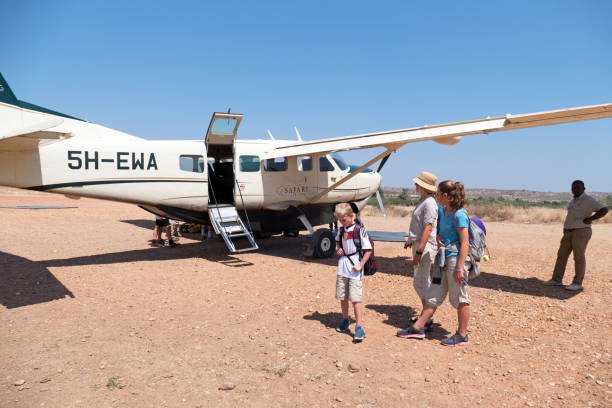
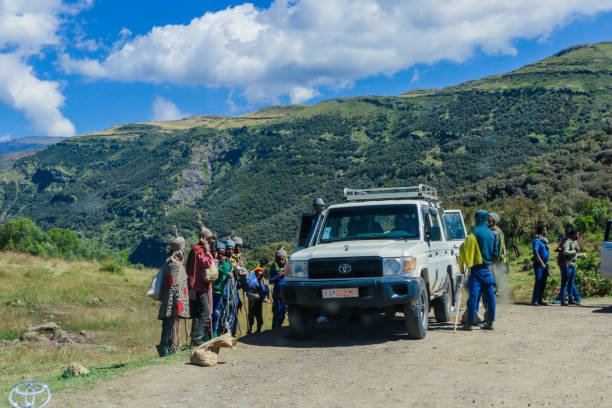
The Thrill of Encountering Gorillas in Their Natural Habitat
The allure of seeing gorillas in Africa is profound. It’s an experience that transcends typical wildlife viewing, offering an intimate encounter with our closest living relatives. The sheer presence of these majestic creatures, their gentle demeanor, and their complex social structures create a deeply moving spectacle. This is not a zoo visit; this is a journey into the heart of ancient forests, a pursuit that requires patience, respect, and a spirit of adventure. For many travelers, this encounter is the pinnacle of an African safari, a lifelong dream realized.
When planning to see gorillas in Africa, it’s crucial to understand that you’ll primarily be looking for two distinct species: the mountain gorilla and the Western lowland gorilla. Each species inhabits specific regions and requires different trekking approaches. The most popular and accessible are mountain gorillas, found in the Virunga Mountains range and Bwindi Impenetrable National Park. Western lowland gorillas are found in the dense rainforests of the Congo Basin.
Mountain Gorilla Trekking: The Premier African Gorilla Experience
Mountain gorilla trekking is the most sought-after gorilla viewing activity in Africa. These endangered primates are found in only two main regions: the Virunga Mountains, spanning the borders of Rwanda, Uganda, and the DRC, and the much larger population in Bwindi Impenetrable National Park in Uganda.
Uganda: The Pearl of Africa for Gorilla Encounters
Uganda is often hailed as the ultimate destination for gorilla trekking due to its significant population of mountain gorillas and diverse viewing opportunities. With over half of the world’s remaining mountain gorillas residing here, Uganda offers a high chance of successful sightings.
Bwindi Impenetrable National Park: A Sanctuary of Gorillas
Bwindi Impenetrable National Park, a UNESCO World Heritage site, is the primary stronghold for mountain gorillas in Uganda. This ancient, dense rainforest is home to approximately 400 gorillas, divided into several habituated family groups that are accessible to tourists. The park’s rugged terrain and thick vegetation make trekking challenging but incredibly rewarding.
Key Trekking Sectors in Bwindi:
- Buhoma Sector: Located in the northern part of the park, Buhoma is the oldest and most accessible sector. It hosts several habituated gorilla families, making it a popular choice for first-time trekkers. The trails here are less steep compared to other sectors.
- Rushaga Sector: Situated in the south, Rushaga offers more gorilla families than any other sector in Bwindi. This abundance means a higher probability of finding gorillas and more permits available, especially for groups interested in unique family dynamics.
- Nkuringo Sector: Also in the south, Nkuringo is known for its challenging treks due to steep landscapes. However, the payoff is observing the resident gorilla family, which is one of the most sought-after.
- Ruhija Sector: Located in the east, Ruhija offers a cooler climate and is known for its birdlife as well as its habituated gorilla groups. It’s a great option for those looking to combine gorilla trekking with birdwatching.
Gorilla Permits in Bwindi: A permit is required for each person to trek gorillas. As of the latest information for 2026-2027 planning, Ugandan gorilla permits cost $700 USD per person for foreign non-residents, $600 for foreign residents, and $100 for East African Community citizens. These permits are essential and must be booked well in advance, often months, sometimes even a year ahead, especially during peak seasons. Booking through a reputable tour operator like Top Guide Adventures is highly recommended to secure permits and arrange logistics.
Best Time to Visit Bwindi: While gorilla trekking is possible year-round, the drier months from June to August and December to February are generally preferred. During these periods, the forest trails are less muddy and slippery, making the trek more comfortable. However, the lush green scenery and increased chances of rain during the wetter months (March-May and September-November) offer a different, equally stunning experience.
Queen Elizabeth National Park (Mweya Sector) & Kyambura Gorge
While Bwindi is the main hub, a smaller population of mountain gorillas has been habituated in the Kyambura Gorge area of Queen Elizabeth National Park. This offers a different kind of trekking experience, often described as more of a ‘forest walk’ due to the gorge’s narrower, more contained environment. Trekking here is generally less strenuous than in Bwindi but also has fewer habituated groups, meaning permits can be more competitive. The cost for permits in Kyambura Gorge is the same as in Bwindi: $700 USD for foreign non-residents.
Rwanda: The Land of a Thousand Hills and Mountain Gorillas
Rwanda offers a more luxurious and accessible mountain gorilla trekking experience, primarily centered around Volcanoes National Park. Known for its well-maintained infrastructure and high-quality service, Rwanda is an excellent choice for travelers seeking comfort and efficiency alongside their gorilla encounter.
Volcanoes National Park: Home to the Famous Dian Fossey Research Site
Volcanoes National Park, part of the Virunga Mountains, is home to approximately 380 mountain gorillas. The park is famous for its research activities, including the work of primatologist Dian Fossey. The landscape here is characterized by volcanic slopes and bamboo forests.
Habituated Gorilla Families in Volcanoes NP: The park has numerous habituated gorilla families, each offering a unique trekking adventure. Groups like the Sabyinyo, Amahoro, Kwitonda, and Umubano families are popular choices. The trek duration can vary from 30 minutes to several hours, depending on the gorillas’ location on any given day.
Gorilla Permits in Rwanda: Rwanda is known for its premium gorilla permits. As of recent figures, Rwandan gorilla permits cost $1,500 USD per person for foreign non-residents. This higher price reflects Rwanda’s strategy to position itself as a high-end tourism destination and contributes significantly to conservation efforts. Permits must be booked months in advance, especially for travel in 2026 and 2027, as availability is limited. Top Guide Adventures can assist with securing these sought-after permits.
Best Time to Visit Volcanoes NP: Similar to Uganda, the dry seasons from June to August and December to February are ideal for trekking in Rwanda. The trails are more manageable, and rainfall is less frequent. However, Rwanda’s well-maintained trails and the professionalism of park rangers ensure a good experience even during the wetter months.
Gorilla Trekking vs. Golden Monkey Trekking in Rwanda
While mountain gorillas are the main draw, Volcanoes National Park also offers opportunities to trek for Golden Monkeys. These playful primates are an excellent addition to a Rwandan itinerary, providing a different primate viewing experience. The permits for Golden Monkey trekking are significantly less expensive than gorilla permits.
Democratic Republic of Congo (DRC): Adventure in the Virungas
The Democratic Republic of Congo offers a more adventurous and rugged experience for mountain gorilla trekking, primarily within Virunga National Park. This park is Africa’s oldest national park and a UNESCO World Heritage site, known for its incredible biodiversity and, unfortunately, its security challenges, which have historically impacted tourism.
Virunga National Park: A Unique and Challenging Trek
Virunga National Park is home to a significant population of mountain gorillas inhabiting the southern volcanic areas of the park. The trekking experience here is often described as more raw and wild compared to Uganda and Rwanda. The park has several habituated gorilla families available for trekking.
Gorilla Permits in Virunga NP: Gorilla permits in Virunga National Park are generally more affordable than in Rwanda, typically costing around $400 USD per person for foreign non-residents. However, the overall cost of a trip to Virunga can be higher due to the necessity of specialized security arrangements and transport, which are mandatory for visitor safety. Planning for 2026-2027 in the DRC requires careful attention to current security advisories and park operations.
Security and Logistics in Virunga: The DRC, and specifically Virunga National Park, has faced periods of instability. However, the park management has implemented robust security measures, including armed rangers, to ensure visitor safety. It is absolutely crucial to travel with a reputable operator who is experienced with the DRC and can arrange all necessary security, transport, and accommodation. Top Guide Adventures can provide guidance and arrange such complex trips.
Best Time to Visit Virunga NP: The drier seasons from June to September and December to February are recommended for trekking in Virunga, as they offer easier trail conditions. However, weather can be unpredictable in this equatorial region.
Western Lowland Gorilla Trekking: A Different Primate Experience
While mountain gorillas are the stars of East African primate tourism, the Western lowland gorilla, the largest of the great apes, inhabits the dense rainforests of the Congo Basin. Seeing them requires a different approach and often involves more remote travel.
Kahuzi-Biega National Park, DRC: The Primary Location for Lowland Gorillas
Kahuzi-Biega National Park, located in the eastern DRC, is the world’s last refuge for the critically endangered Eastern lowland gorilla. This park offers a unique opportunity to see a different gorilla subspecies in a distinct forest environment.
Trekking in Kahuzi-Biega: Unlike mountain gorilla trekking, which can involve steep climbs, lowland gorilla treks in Kahuzi-Biega are generally less physically demanding. The terrain is more undulating, and the gorillas often forage at lower altitudes. The experience is still in-depth, taking you deep into the primary rainforest.
Permits and Costs for Lowland Gorillas: Permits for trekking Eastern lowland gorillas in Kahuzi-Biega National Park typically cost around $400 USD per person. Similar to Virunga, travel to this region requires careful planning regarding safety and logistics. It is essential to work with experienced tour operators.
Best Time to Visit Kahuzi-Biega: The dry seasons (June-August, December-February) are generally best for trekking here, offering more predictable weather and easier trail conditions. However, the rainforest environment means rain is always a possibility.
Other Potential Lowland Gorilla Viewing Locations
While Kahuzi-Biega is the most established destination, other countries in the Congo Basin, such as the Republic of Congo (Brazzaville) and Gabon, offer opportunities to see Western lowland gorillas, often in more remote and less developed tourism circuits. These locations may require more extensive travel and specialized arrangements.
Planning Your Gorilla Trekking Adventure: Essential Considerations for 2026-2027
Successfully planning a gorilla trekking trip involves more than just booking a permit. Several factors need careful consideration to ensure a smooth and memorable experience.
Choosing the Right Country: Uganda vs. Rwanda vs. DRC
Each country offers a unique gorilla trekking experience, catering to different preferences and budgets:
- Rwanda: Offers a premium, highly organized, and accessible experience with higher permit costs. Ideal for those seeking comfort and a shorter travel time to the gorilla habitats.
- Uganda: Provides a more diverse range of trekking experiences, from challenging Bwindi treks to the more accessible Kyambura Gorge, with moderate permit costs. It’s often considered the best value for money.
- DRC: Offers the most adventurous and potentially raw experience, with lower permit costs but higher logistical and security considerations. Best for seasoned travelers seeking a unique challenge.
Gorilla Permit Costs and Booking
As highlighted, permit costs vary significantly:
- Rwanda: $1,500 USD
- Uganda (Bwindi/Kyambura): $700 USD
- DRC (Virunga/Kahuzi-Biega): ~$400 USD
Booking for 2026-2027: Given the popularity and limited availability, especially for peak seasons in 2026 and 2027, it is crucial to book permits at least 6-12 months in advance. Working with a trusted tour operator like Top Guide Adventures is the most effective way to secure permits and ensure your preferred dates are met. Contact us via WhatsApp +255616946642 or Email info@topguideadventures.com to start planning.
When to Go: Best Seasons for Gorilla Trekking
While gorillas can be seen year-round, the dry seasons offer more comfortable trekking conditions:
- Dry Seasons: June to August and December to February. Trails are less muddy, and rainfall is minimal.
- Wet Seasons: March to May and September to November. The rainforest is lush and vibrant, and there are fewer tourists, potentially offering a more intimate experience. However, expect rain and potentially more challenging trails.
For 2026-2027, consider booking for the dry months for the most comfortable experience, or the shoulder months for a balance of good weather and fewer crowds.
What to Pack for Your Gorilla Trek
Packing appropriately is key to a successful trek:
- Sturdy Hiking Boots: Essential for navigating muddy and uneven terrain.
- Waterproof Rain Jacket and Trousers: Essential, as rainforests are unpredictable.
- Long-Sleeved Shirts and Trousers: To protect against insect bites and thorny vegetation.
- Insect Repellent: Especially important for mosquitoes.
- Sunscreen and Hat: Even in the forest, the sun can be strong.
- Gloves: Gardening gloves can be useful for gripping vegetation while hiking.
- Camera and Extra Batteries/Memory Cards: You’ll want to capture every moment.
- Binoculars: Useful for spotting distant wildlife.
- Reusable Water Bottle: Stay hydrated.
- Small Backpack: To carry water, snacks, camera, and rain gear.
Physical Fitness Requirements
Gorilla trekking involves hiking through dense, often steep, and sometimes muddy terrain. While you don’t need to be an elite athlete, a reasonable level of fitness is beneficial. Treks can last anywhere from 30 minutes to 8 hours, depending on the gorillas’ location. Porters are available for hire at the park entrance to assist with carrying your backpack and offering a helping hand on challenging sections, which is highly recommended.
The Gorilla Trekking Experience: What to Expect on the Day
Your gorilla trekking day will typically start early. After a briefing at the park headquarters, you’ll be assigned a gorilla family and a guide. You’ll then drive to the trailhead and begin your trek into the forest.
- The Briefing: Park rangers will provide important information about gorilla behavior, safety guidelines, and what to do during the encounter.
- The Trek: Guided by experienced trackers and rangers, you’ll follow trails that can be challenging. The time it takes to find the gorillas varies daily.
- The Encounter: Once the gorillas are located, you will have a maximum of one hour to observe them. This is a strictly enforced rule to minimize disturbance to the gorillas.
- Rules During the Encounter:
- Maintain a distance of at least 7 meters (21 feet) from the gorillas.
- Do not eat, drink, or smoke near the gorillas.
- Speak in hushed tones.
- Avoid direct eye contact with silverbacks.
- Do not use flash photography; use cameras with good low-light capabilities.
- Do not touch the gorillas.
- If a gorilla charges, follow your guide’s instructions – usually, this involves staying still and calm.
- The Return Trek: After your hour with the gorillas, you’ll trek back to the starting point.
Conservation Efforts and the Importance of Responsible Tourism
Gorilla trekking is a vital tool for conservation. The revenue generated from permit sales directly funds anti-poaching patrols, habitat protection, community development projects, and research initiatives. By choosing to trek gorillas responsibly, you contribute to the survival of these magnificent creatures.
Ethical Considerations:
- Respecting Habituation: The process of habituating gorillas to human presence is delicate. It is crucial to follow all park rules and guidelines to ensure the gorillas’ well-being and natural behavior are not compromised.
- Supporting Local Communities: Many tour operators, including Top Guide Adventures, work to ensure that tourism benefits local communities through employment and support for local businesses.
- Choosing Responsible Operators: Select tour companies that are committed to ethical tourism practices and have a strong track record in conservation support.
As we look towards 2026 and 2027, the continued success of gorilla conservation hinges on sustainable tourism. Your decision to see gorillas in Africa plays a direct role in their future.
Combining Gorilla Trekking with Other African Experiences
A gorilla trek can be the highlight of a larger African adventure. Many travelers combine their primate encounters with other iconic safari experiences:
- Tanzania Safaris: Explore the vast plains of the Serengeti, witness the Great Migration, and descend into the Ngorongoro Crater. While you cannot see gorillas in Tanzania, it offers world-class big game viewing.
- Kenya Safaris: Visit the Maasai Mara, Amboseli National Park for views of Kilimanjaro, and Samburu National Reserve.
- Zanzibar Holidays: Relax on the pristine beaches of Zanzibar after your safari or trek, enjoying its rich history and culture.
- Kilimanjaro Climbs: For the truly adventurous, climbing Mount Kilimanjaro can be combined with a gorilla trek, offering a dual challenge and unforgettable experiences.
Top Guide Adventures specializes in creating comprehensive itineraries that blend the thrill of gorilla trekking with the wonders of Tanzania and beyond. Whether you dream of seeing gorillas in Uganda or Rwanda, or exploring the vast savannas, we can craft your perfect African journey for 2026-2027.
Frequently Asked Questions About Seeing Gorillas in Africa
What is the best country to see gorillas in Africa?
The “best” country depends on your priorities. Rwanda offers a premium, accessible experience with higher costs. Uganda provides excellent value and diversity with moderate costs. The DRC offers a more adventurous, lower-cost option but requires more logistical planning and attention to security.
How much does it cost to see gorillas in Africa?
Costs vary significantly. Gorilla permits are the major expense: Rwanda ($1,500), Uganda ($700), and DRC (~$400). Total trip costs also include accommodation, transport, park fees, and guides. Expect a 3-day gorilla trekking trip to range from $2,500 to $6,000+ per person, depending on the country and luxury level.
Can children see gorillas?
Generally, the minimum age for gorilla trekking is 15 years old in Uganda and Rwanda, and 16 years old in the DRC. This is due to the potential intensity of the trek and the risk of disease transmission to the gorillas.
How close can you get to gorillas?
You can get as close as 7 meters (21 feet) from the gorillas. Park rules strictly enforce this distance to ensure the safety and well-being of both the gorillas and the trekkers.
What happens if I don’t see gorillas?
While sightings are very high (often over 95%), it’s not guaranteed. If you do not see gorillas on your trek, some parks offer a partial refund or a chance to trek again on another day, depending on park policy. Reputable tour operators will advise on these possibilities.
Is gorilla trekking safe?
Gorilla trekking is generally safe when conducted with experienced guides and adherence to park rules. The primary risks involve the terrain and potential encounters with wild animals. In the DRC, security is a paramount concern, and mandatory security protocols are in place.
What is the difference between mountain gorillas and lowland gorillas?
Mountain gorillas are larger, have longer fur, and inhabit cooler, higher-altitude forests. Lowland gorillas are slightly smaller, have shorter fur, and live in denser, lower-altitude rainforests. Their social structures and behaviors can also differ.
Your Journey to See Gorillas in Africa Starts Here
An encounter with gorillas in their natural habitat is an unparalleled experience, offering a rare glimpse into the lives of our closest relatives and a profound connection with the wild. Whether you envision trekking through the misty forests of Uganda, the volcanic slopes of Rwanda, or the dense jungles of the DRC, Top Guide Adventures is your expert partner in planning this extraordinary journey for 2026-2027.
We specialize in crafting personalized safari and trekking itineraries that cater to your specific interests, budget, and travel style. Our deep knowledge of the region, strong relationships with local partners, and commitment to responsible tourism ensure an unforgettable and ethical adventure. From securing elusive gorilla permits to arranging smooth logistics and comfortable accommodations, we handle every detail so you can focus on the magic of the experience.
Ready to plan your ultimate gorilla adventure? Contact us today:
- WhatsApp: +255616946642
- Email: info@topguideadventures.com
Let Top Guide Adventures help you make your dream of seeing gorillas in Africa a reality. Explore our Tanzania safari options or discuss your tailor-made journey with us.
“,
“faq_schema”: [
{
“question”: “What is the best country to see gorillas in Africa?”,
“answer”: “The ‘best’ country depends on your priorities. Rwanda offers a premium, accessible experience with higher costs. Uganda provides excellent value and diversity with moderate costs. The DRC offers a more adventurous, lower-cost option but requires more logistical planning and attention to security.”
},
{
“question”: “How much does it cost to see gorillas in Africa?”,
“answer”: “Costs vary significantly. Gorilla permits are the major expense: Rwanda ($1,500), Uganda ($700), and DRC (~$400). Total trip costs also include accommodation, transport, park fees, and guides. Expect a 3-day gorilla trekking trip to range from $2,500 to $6,000+ per person, depending on the country and luxury level.”
},
{
“question”: “Can children see gorillas?”,
“answer”: “Generally, the minimum age for gorilla trekking is 15 years old in Uganda and Rwanda, and 16 years old in the DRC. This is due to the potential intensity of the trek and the risk of disease transmission to the gorillas.”
},
{
“question”: “How close can you get to gorillas?”,
“answer”: “You can get as close as 7 meters (21 feet) from the gorillas. Park rules strictly enforce this distance to ensure the safety and well-being of both the gorillas and the trekkers.”
},
{
“question”: “What happens if I don’t see gorillas?”,
“answer”: “While sightings are very high (often over 95%), it’s not guaranteed. If you do not see gorillas on your trek, some parks offer a partial refund or a chance to trek again on another day, depending on park policy. Reputable tour operators will advise on these possibilities.”
},
{
“question”: “Is gorilla trekking safe?”,
“answer”: “Gorilla trekking is generally safe when conducted with experienced guides and adherence to park rules. The primary risks involve the terrain and potential encounters with wild animals. In the DRC, security is a paramount concern, and mandatory security protocols are in place.”
},
{
“question”: “What is the difference between mountain gorillas and lowland gorillas?”,
“answer”: “Mountain gorillas are larger, have longer fur, and inhabit cooler, higher-altitude forests. Lowland gorillas are slightly smaller, have shorter fur, and live in denser, lower-altitude rainforests. Their social structures and behaviors can also differ.”
}
]
}
“`
Check Availability for Where Can You See Gorillas In Africa? 2026-2027
Ready to compare dates, prices, and the best option for your group? Send the package name and travel month so the team can reply with a clear quote, availability, and what is included.
Where Can You See The Great Migration? 2026-2027
Where can you see the Great Migration? is explained with current 2026-2027 planning, price, itinerary and booking information.
View package details
Where Are The Best Beaches In Africa? Top Destinations For 2026-2027
Africa boasts an incredible diversity of stunning coastlines. From the turquoise waters and white sands of the Indian Ocean islands like Zanzibar and the Seychelles to the rugged, dramatic...
View package detailsWho Is The Richest Musician In Africa And Where Do They Travel? 2026-2027
Who Is the Richest Musician in Africa and Where Do They Travel? is explained with current 2026-2027 planning, price, itinerary and booking information.
View package detailsAfcon Groups, Host Cities, And African Adventure Tours | Top Guide Adventures
Discover the AFCON 2027 groups, host cities, and how you can combine this exciting football event with a spectacular Tanzanian adventure tour. Top Guide Adventures offers tailored safaris...
View package details
Bangui Cultural And Historical Tourism: Exploring Central African Heritage
Explore the vibrant cultural mix and compelling history of Bangui, the capital of the Central African Republic. This guide offers insights into its key attractions, historical significance...
View package details
Best African Destinations To Visit In February | Top Guide Adventures
February offers a unique window for exploring Africa, with diverse wildlife viewing, pleasant weather in many regions, and fewer crowds. This guide highlights the top African destinations...
View package detailsBest Beaches In West Africa & Coastal Adventure Packages For 2026-2027
Explore the stunning coastlines of West Africa, from Senegal's vibrant beaches to Ghana's historic shores. Discover tailored coastal adventure packages for 2026-2027, offering relaxation...
View package detailsBest Beaches In West Africa And Coastal Holiday Packages For 2026-2027
Explore the most stunning beaches West Africa has to offer, from Senegal's vibrant shores to Ghana's historic coastlines. Top Guide Adventures presents curated coastal holiday packages for...
View package details
Best Multi-Country Routes In Africa: Your Ultimate Adventure Guide 2026-2027
Explore the most compelling multi-country travel routes across Africa, designed for adventurers seeking diverse experiences from safaris and wildlife encounters to cultural immersion and...
View package details
Best South Africa Itineraries From 7 To 21 Days In 2026-2027
Planning a trip to South Africa? This guide details the best itineraries from 7 to 21 days, covering iconic wildlife, vibrant cities, and stunning coastlines for your 2026-2027 adventure.
View package details
Best Way To Get From Usa To South Africa Guide
Planning your journey from the USA to South Africa involves understanding flight routes, visa processes, and key travel considerations. This guide provides comprehensive insights to ensure...
View package details
Can You Visit Several African Countries In One Trip? 2026-2027
Can you visit several African countries in one trip? is explained with current 2026-2027 planning, price, itinerary and booking information.
View package detailsNo closely related package is available for this topic yet.



