
For most travelers heading to Tanzania in 2026-2027, budgeting around $100 to $200 USD per person per day for personal expenses, tips, and souvenirs is a good starting point, though this can vary significantly based on your travel style and itinerary. While your main tour package with a reputable operator like Top Guide Adventures will cover accommodation, meals, and activities, having accessible cash is crucial for discretionary spending, tipping guides and staff, purchasing local crafts, and for any unforeseen small expenses during your safari, Kilimanjaro trek, or Zanzibar beach vacation.
Understanding Cash Needs in Tanzania
When planning your Tanzanian adventure for 2026 or 2027, it’s essential to differentiate between what your tour operator covers and what you’ll need to pay for directly. Most comprehensive packages, especially those booked through experienced Tanzania tour operators, will include your accommodation, park fees, meals, and guided activities. However, cash remains king for several key areas that enhance your travel experience and support local communities.
Tipping Your Guides and Support Staff
Tipping is a customary and highly appreciated way to show gratitude for excellent service in Tanzania. The amounts can vary, but generally, guides, drivers, cooks, and porters play a vital role in the success of your trip. For safaris, your driver-guide is the primary recipient of tips. For Kilimanjaro climbs, you’ll be tipping a team that includes guides, cooks, and porters. It’s common practice to tip per day of service and often given as a collective amount at the end of the safari or trek, usually in USD.
Recommended Tipping Guidelines (USD per day)
| Role | Safari (per group) | Kilimanjaro (per climber) |
|---|---|---|
| Lead Guide | $30 – $50 | $20 – $25 |
| Assistant Guide (Kilimanjaro only) | N/A | $15 – $20 |
| Cook (Kilimanjaro only) | N/A | $15 – $20 |
| Porters (Kilimanjaro only) | N/A | $10 – $15 (split among porters) |
| Camp Staff (Safari lodges/camps) | $10 – $20 (per staff member, per day) | N/A |
Note: These are general guidelines and can be adjusted based on service quality and group size. It’s often best to ask your tour operator for their specific recommendations for 2026-2027 trips.
For a 7-day safari, this could add up to $200-$350 USD for your driver-guide. For a 7-day Kilimanjaro climb, tipping the entire crew might range from $400-$600 USD per climber. These figures are estimations and can fluctuate based on the quality of service provided during your 2026-2027 adventure.
Souvenirs and Shopping
Tanzania offers a rich array of local crafts, from intricate wood carvings and Maasai jewelry to colorful textiles and artwork. If you plan to shop for souvenirs, it’s wise to allocate a separate budget. Prices can vary widely depending on the item, your bargaining skills, and where you purchase them. Local markets often offer better prices than shops in tourist lodges.
For a few meaningful pieces, $100-$300 USD should suffice. If you’re looking to furnish a new home or buy gifts for many people, you might consider bringing more. Remember that bargaining is expected in most markets, so having smaller denominations of USD or Tanzanian Shillings can be beneficial.
Personal Expenses and Miscellaneous Costs
Beyond tips and souvenirs, you’ll encounter other expenses:
- Drinks and Snacks: While meals are often included, alcoholic beverages, specialty coffees, bottled water (if not provided), and extra snacks are usually an additional cost. Budget around $10-$30 USD per day for this.
- Laundry Services: Some lodges offer laundry, but it can be costly. Factor in $5-$20 USD if you anticipate needing this service.
- SIM Cards and Data: If you wish to stay connected, purchasing a local SIM card is affordable, with costs around $5-$15 USD for the card and additional charges for data bundles.
- Optional Activities: Sometimes, additional activities not included in your main itinerary might be available, such as village visits or specific cultural experiences. These can range from $20-$100 USD depending on the activity.
- Airport Transfers (if not included): While Top Guide Adventures often arranges transfers, if you arrive or depart independently, a taxi might cost $30-$50 USD for longer distances within cities.
### Currency Considerations: USD vs. Tanzanian Shillings (TZS)
In Tanzania, U.S. Dollars (USD) are widely accepted, especially for tourist-related expenses like park fees, lodge payments, and tips. It’s advisable to bring clean, relatively new USD bills (preferably newer than 2009, as older notes can sometimes be rejected). Smaller denominations like $1, $5, $10, and $20 are useful for tipping and small purchases.
However, for everyday transactions in local markets, small shops, and for smaller tips, Tanzanian Shillings (TZS) are essential. You can exchange USD for TZS at official bureaus or withdraw TZS from ATMs found in major towns and cities. Aim to have a mix of both currencies. For 2026-2027 travel, carrying a few hundred USD in small bills and obtaining local currency upon arrival is a common strategy.
### ATMs and Credit Card Acceptance
ATMs are available in major cities like Dar es Salaam, Arusha, and Zanzibar City, and can dispense TZS. Credit cards (Visa and MasterCard are most commonly accepted) are usable at larger hotels, upscale restaurants, and some souvenir shops, but expect a surcharge (often 3-5%). For remote areas, national parks, and smaller establishments, cash is the only option. Relying solely on cards is not recommended for your Tanzanian trip in 2026-2027.
## How Much Cash for Different Trip Types?
Your exact cash needs will depend on the type of trip you’re taking.
### Tanzania Safari Cash Needs
For a typical 7-10 day Northern Circuit safari (Serengeti, Ngorongoro, Tarangire), your main costs for accommodation, park fees, meals, and game drives will likely be covered by your tour package. The primary cash needs will be for:
- Tipping your driver-guide and lodge/camp staff. As noted, this could be $200-$400 USD for the guide and $100-$200 USD for camp staff over a week.
- Souvenirs. Budget $100-$300 USD or more if you plan to buy significant items.
- Drinks and personal snacks. $15-$30 USD per day.
So, for a 10-day safari, you might aim for around $500-$1000 USD in cash per person, plus additional TZS for smaller purchases.
### Kilimanjaro Climb Cash Needs
Climbing Kilimanjaro involves a larger crew and therefore higher tipping expectations. For a 7-day climb:
- Tipping the entire crew (guides, cooks, porters). This is the biggest cash component, potentially $400-$600 USD per climber.
- Souvenirs in Moshi or Arusha. $50-$150 USD.
- Personal items, snacks, and drinks. $10-$20 USD per day.
For a Kilimanjaro trek, bringing $600-$900 USD in cash per person, plus TZS, is a sensible range for 2026-2027 expeditions.
### Zanzibar Holiday Cash Needs
Zanzibar offers a different experience, with a focus on beaches, history, and relaxation. While many resorts accept cards, cash is useful for:
- Local market shopping (e.g., Stone Town). Bargaining for spices, crafts, and textiles.
- Tuk-tuk rides and local transport.
- Tips for hotel staff, boat guides, and excursion leaders.
- Smaller beachside cafes and restaurants.
For a 7-day Zanzibar holiday, you might need $300-$600 USD in cash per person, depending on how much you plan to shop and eat at local spots outside your resort.
## Factors Influencing Your Cash Needs
Several elements will shape how much cash you should bring to Tanzania for your 2026-2027 trip:
- Duration of Stay: Longer trips naturally require more cash for daily expenses and tips.
- Travel Style: Budget travelers might rely more on local eateries and markets, requiring more TZS, while luxury travelers might use cards more but still need USD for tips.
- Itinerary: Trips with more activities, cultural interactions, or remote locations might increase your need for cash.
- Shopping Habits: If you’re an avid shopper, allocate a generous budget for souvenirs.
- Group Size: For tips, larger groups might pool resources, but individual spending money needs are per person.
### When to Bring USD vs. Tanzanian Shillings (TZS)
It’s generally best to have a mix. Bring U.S. Dollars for:
- Tipping: This is almost always done in USD.
- Larger souvenir purchases: Sometimes vendors prefer USD for higher-value items.
- Visa on arrival (if applicable): Check current visa requirements for your nationality.
Obtain Tanzanian Shillings for:
- Small purchases: Water, snacks, local bus fares.
- Bargaining in local markets: TZS can sometimes yield better prices.
- Smaller tips: For example, to a hotel porter who helps with luggage.
### Exchanging Money and ATM Access in 2026-2027
- ATMs: Widely available in Arusha, Dar es Salaam, Zanzibar City, and other major towns. Use ATMs attached to reputable banks for security. Inform your bank about your travel dates to avoid card blockage.
- Money Bureaus: Found in tourist hubs, offering competitive exchange rates for USD to TZS.
- Banks: Can also exchange currency.
- Avoid street money changers: Stick to official channels for safety and fair rates.
## Preparing Your Cash for Tanzania
To ensure a smooth experience with your cash in Tanzania for 2026-2027, follow these tips:
- Carry a Mix: Have both USD (in various denominations) and TZS readily available.
- Keep Large Bills Secure: Store larger amounts of USD in your hotel safe or a money belt.
- Daily Cash Pouch: Carry only the cash you expect to need for the day in a secure, easily accessible pouch or wallet.
- Emergency Fund: Keep a small amount of cash separate from your daily spending money for emergencies.
- Inform Your Bank: Let your bank and credit card companies know your travel dates and destinations.
Top Guide Adventures, as a leading Tanzania tour operator, understands the practicalities of managing money on the ground. We can offer guidance on tipping protocols specific to your safari or Kilimanjaro itinerary, ensuring you feel confident and prepared for all your cash-related needs during your 2026-2027 journey.
For comprehensive travel planning and to ensure all your major expenses are covered, allowing you to focus on enjoying your trip, reach out to us. We specialize in creating tailor-made Tanzanian experiences, from thrilling Serengeti safaris to challenging Kilimanjaro ascents and relaxing Zanzibar holidays. Contact us via WhatsApp at +255616946642 or email us at topguideadventures@gmail.com or info@topguideadventurestanzania.com for personalized advice and booking assistance for your 2026-2027 adventure.
Check Availability for How Much Cash Should You Bring To Tanzania For Your Trip In ? 2026-2027
Ready to compare dates, prices, and the best option for your group? Send the package name and travel month so the team can reply with a clear quote, availability, and what is included.
Luxury Kilimanjaro Climb And Tanzania Safari: Expert Planning For 2026-2027
Experience the pinnacle of adventure with a luxury Kilimanjaro climb and an exclusive Tanzania safari. This guide details how to combine these iconic African experiences for an…
Luxury Tours In Tanzania: Unforgettable Adventures With Top Guide 2026-2027
Discover the pinnacle of travel with luxury tours in Tanzania. Top Guide Adventures crafts bespoke itineraries, offering exclusive safaris, Kilimanjaro expeditions, and serene Zanzibar…
Book A Kilimanjaro Tour Directly With A Tanzania Operator In 2026-2027
Choosing to book a Kilimanjaro tour directly with a Tanzania-based operator offers significant advantages in terms of cost, customization, and authentic local insight. This approach ensures…
🔥 Kilimanjaro Tours From Local Operators In Tanzania | Top Guide Adventures
Discover Kilimanjaro tours directly from local Tanzanian operators, ensuring authentic experiences and better value. This guide highlights the benefits, best routes, and how to choose a…
Mount Kilimanjaro Climbing Tours With Local Tanzania Guides In | Top Guide
Ascend Mount Kilimanjaro with experienced local Tanzania guides. This comprehensive guide covers everything you need to know for a successful 2026-2027 climb, from choosing the right route…
How Much Sleep Do You Get Before Summit Night? Kilimanjaro Preparation
Summit night on Kilimanjaro is the ultimate challenge, and sleep is a critical factor. Climbers typically get very little sleep, often just a few hours, before starting their ascent. This…
Machame Route With Safari And Zanzibar Package: Your Ultimate Tanzania
Combine the challenging Machame Route trek on Kilimanjaro with an unforgettable wildlife safari and a serene beach escape in Zanzibar for a complete Tanzanian adventure. This package offers…
Budget Tours In Tanzania: Affordable Adventures For 2026-2027
Explore Tanzania without breaking the bank. This guide details how to find and book budget tours for safaris, Kilimanjaro, and Zanzibar, focusing on value and authentic experiences for…
Private Tours In Tanzania: Your Exclusive Adventure In 2026-2027
Discover the ultimate freedom and personalization with private tours in Tanzania. Tailor every aspect of your safari, Kilimanjaro climb, or Zanzibar holiday to your interests, pace, and…
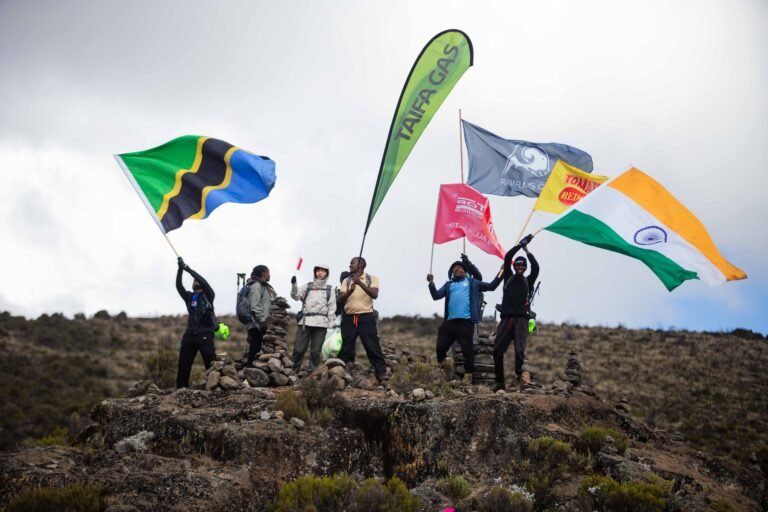
Private Machame Route Kilimanjaro Package 2026-2027
Private Machame Route Kilimanjaro Package is explained with current 2026-2027 planning, price, itinerary and booking information.
6-Day Machame Route Kilimanjaro Climb: Your Ultimate Guide For 2026-2027
start the popular 6-Day Machame Route for your Kilimanjaro adventure. This guide covers the day-by-day itinerary, essential preparation, cost factors for 2026-2027, and why choosing a…
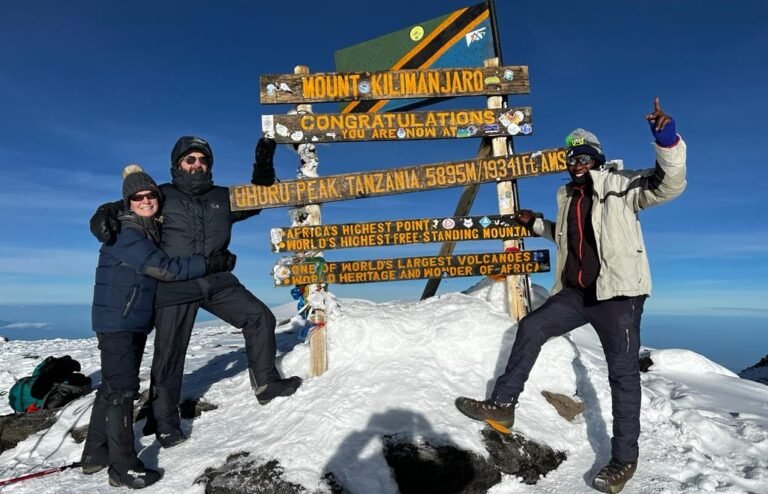
Best Kilimanjaro Route For Climbers Over 50 Years : Best Guide
Choosing the right Kilimanjaro route is crucial for climbers over 50. This guide explores the most suitable options, focusing on acclimatization, success rates, and comfort, ensuring a…
No related package matches those filters. Clear one or more filters to see the other topic-matched options.



