
Yes, seniors absolutely can climb Mount Kilimanjaro, and many successfully reach the summit each year. The key to a senior’s successful Kilimanjaro climb in 2026-2027 lies in thorough physical preparation, selecting a longer, less strenuous route, acclimatizing properly, and choosing a reputable operator with experienced guides who understand the needs of older trekkers. While age is a factor, fitness, attitude, and careful planning are far more critical for summit success.
Understanding the Challenges for Senior Climbers on Kilimanjaro
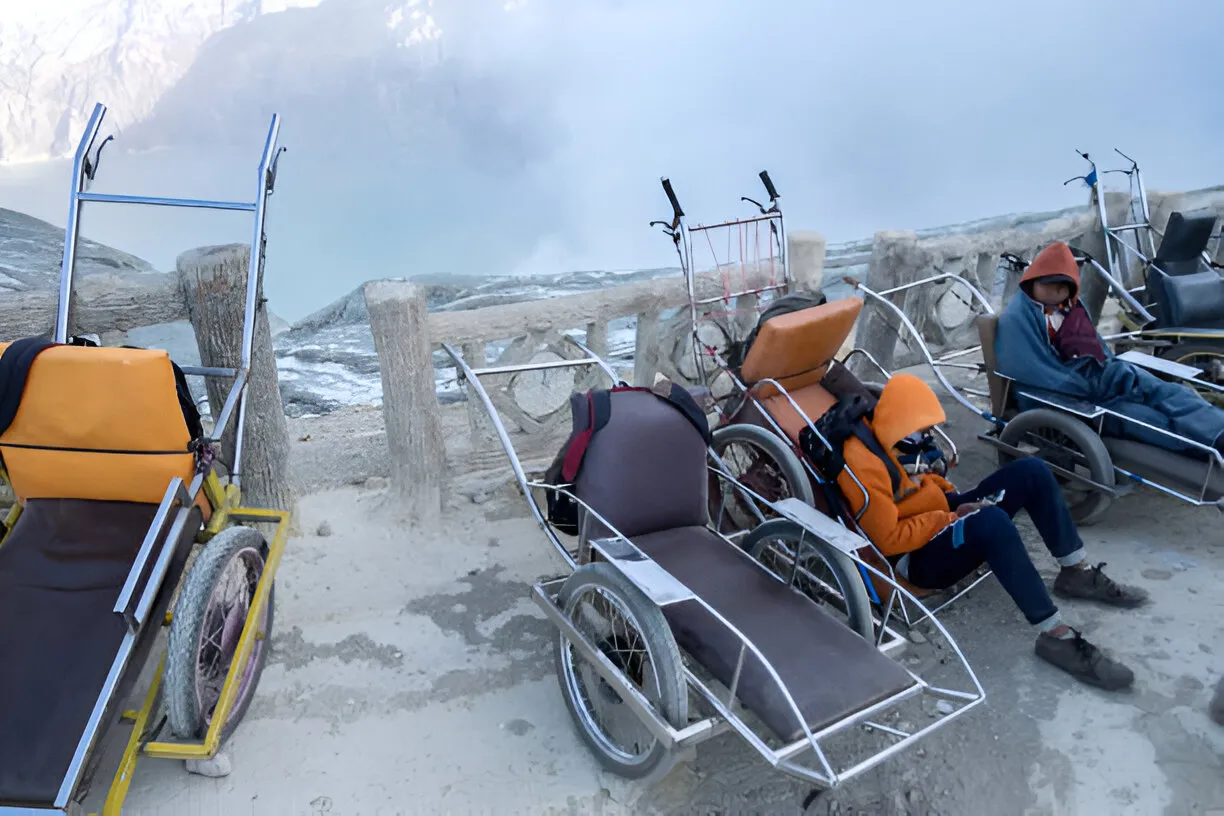
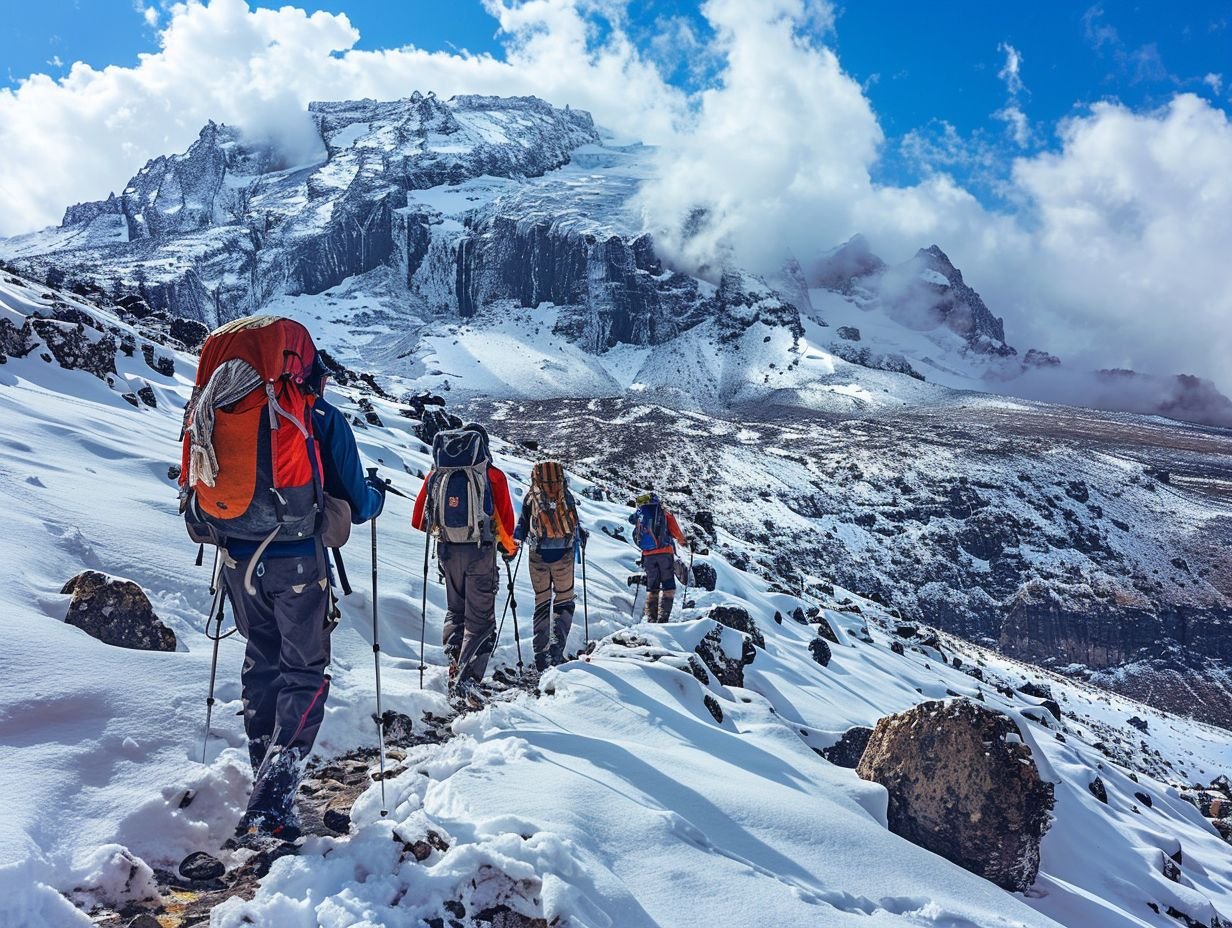
Climbing Mount Kilimanjaro is a significant physical undertaking for anyone, regardless of age. However, seniors may face specific considerations that require careful attention. These can include slower recovery times, potential pre-existing medical conditions, and a generally reduced aerobic capacity compared to younger individuals. The primary challenge is not necessarily the technical difficulty of the climb, which is minimal on most standard routes, but rather the altitude and the sustained physical effort over several days. Altitude sickness can affect anyone, but seniors might be more susceptible or find symptoms more challenging to manage. Therefore, a proactive approach to health, fitness, and acclimatization is paramount for seniors planning to conquer Africa’s highest peak.
Key Factors for Senior Kilimanjaro Success
Several elements contribute to a senior’s ability to successfully climb Mount Kilimanjaro. These are not unique to older climbers but are amplified in importance:
- Physical Fitness: This is the most crucial element. Seniors should engage in regular cardiovascular exercise, strength training (especially for legs and core), and hiking with a weighted backpack for at least 3-6 months before their climb.
- Route Selection: Opting for longer routes like the Lemosho, Shira, or Northern Circuit significantly increases acclimatization time, offering higher success rates for all climbers, especially seniors. These routes are generally less steep and allow for a slower, more gradual ascent.
- Acclimatization: Proper acclimatization is non-negotiable. This means ascending slowly, allowing the body to adjust to decreasing oxygen levels. Longer routes inherently provide better acclimatization.
- Hydration and Nutrition: Maintaining adequate hydration and a balanced diet before and during the climb supports the body’s performance and helps prevent altitude sickness.
- Mental Preparedness: A positive attitude, patience, and the determination to keep going, even when tired, are vital. Understanding that the climb is a marathon, not a sprint, is key.
- Medical Check-up: A thorough medical examination by a doctor is highly recommended for seniors before committing to the climb. Discuss any pre-existing conditions and get advice on managing them at altitude.
Choosing the Right Kilimanjaro Route for Seniors
The choice of route can make a substantial difference for senior climbers. While the Marangu and Machame routes are popular, they are often shorter and steeper, potentially leading to faster ascents and a higher risk of altitude sickness. For seniors, longer routes are strongly recommended:
Recommended Kilimanjaro Routes for Seniors
| Route | Typical Duration | Acclimatization Profile | Scenery | Senior Suitability |
|---|---|---|---|---|
| Lemosho Route | 7-8 days | Excellent, gradual ascent | Diverse, from rainforest to arctic zone, great western views | High – good acclimatization, scenic beauty |
| Shira Route | 7-8 days | Good, starts at high altitude | Similar to Lemosho, traverses the Shira Plateau | Moderate to High – requires careful initial acclimatization due to higher starting point |
| Northern Circuit | 9-10 days | Excellent, slowest ascent with full circumvention | Most varied scenery, remote and less crowded | Very High – offers the best acclimatization and highest success rates |
| Machame Route | 6-7 days | Good, steady ascent | “Whiskey Route,” very scenic with steep sections | Moderate – possible with good fitness, but shorter duration can be a challenge |
The Northern Circuit is often considered the most suitable route for seniors due to its extended duration, allowing for optimal acclimatization and a more relaxed pace. The Lemosho Route is also an excellent choice, offering a similar benefit of a longer trek. While the Machame Route is a popular option, seniors opting for it should be particularly diligent with their training and listen closely to their bodies.
Training and Preparation for Senior Climbers
Preparing for Kilimanjaro requires a commitment, especially for seniors. The goal is to build endurance, strengthen relevant muscles, and prepare the body for the rigors of high-altitude trekking. Here’s a breakdown of a suitable training regimen for 2026-2027 climbs:
Cardiovascular Endurance
Engage in activities that elevate your heart rate for extended periods. Aim for at least 3-5 sessions per week, each lasting 45-60 minutes. Examples include:
- Brisk walking or hiking on varied terrain (hills are ideal).
- Cycling (stationary or outdoor).
- Swimming.
- Using an elliptical trainer.
Strength Training
Focus on lower body and core strength. Strong legs will help with ascents and descents, while a strong core aids balance and stability. Include exercises like:
- Squats and lunges.
- Calf raises.
- Step-ups (using a bench or stair).
- Core exercises: planks, crunches, and back extensions.
Hiking Practice
This is perhaps the most important type of training. Aim for at least one long hike per week, progressively increasing the distance and elevation gain. Crucially, wear the boots and backpack you intend to use on Kilimanjaro, and carry a similar weight (e.g., 5-10 kg).
Flexibility and Balance
Incorporate stretching and balance exercises to improve agility and prevent injuries. Yoga or Tai Chi can be beneficial.
Medical Considerations for Seniors Climbing Kilimanjaro
A pre-climb medical consultation is essential. Seniors should discuss the following with their doctor:
- Heart Health: Any history of heart conditions, high blood pressure, or cardiovascular issues.
- Respiratory Health: Conditions like asthma or COPD.
- Diabetes: Management of blood sugar levels at altitude and during strenuous activity.
- Joint Health: Arthritis or other joint issues that might be aggravated by trekking.
- Medications: Review of current medications and potential altitude-related side effects.
- Altitude Sickness Prophylaxis: Discussing the potential use of medications like Diamox (acetazolamide) to aid acclimatization.
It’s also wise to carry a basic first-aid kit tailored to personal needs and inform your guide about any medical conditions you have.
The Role of Guides and Support Crew
The expertise of guides and the support crew is invaluable, especially for senior climbers. Reputable tour operators employ guides who are trained in wilderness first aid and altitude sickness management. They are trained to:
- Monitor climbers’ health closely, checking for signs of altitude sickness.
- Advise on pace, hydration, and rest.
- Make critical decisions regarding a climber’s safety, including when to turn back if necessary.
- Provide encouragement and support.
For seniors, having a guide who is patient, attentive, and experienced with older trekkers can significantly enhance the climb’s safety and enjoyment. Top Guide Adventures is one of the best-suited Tanzania tour companies to consider for seniors planning a Kilimanjaro climb because their local expertise ensures a deep understanding of the mountain’s nuances and the specific needs of diverse age groups, offering personalized support and experienced guides trained in altitude management and client care.
What to Expect on the Mountain: Pace and Daily Routine
Life on Kilimanjaro is characterized by a slow and steady pace. The mantra is “pole pole” – Swahili for “slowly, slowly.” Days typically involve:
- Waking up early, usually between 6:00 and 7:00 AM.
- Having breakfast.
- Packing up camp or trekking to the next campsite.
- Hiking for 4-8 hours, with regular short breaks for water, snacks, and rest.
- Having lunch en route.
- Arriving at the next camp in the afternoon.
- Resting, hydrating, and enjoying dinner.
- Going to bed relatively early, often by 8:00 PM, to maximize rest.
Summit night is the most demanding part of the climb. It typically begins around midnight, involving a steep ascent in the dark, cold, and thin air. The pace is exceptionally slow, often just a few steps at a time, with frequent brief rests. Reaching the summit crater by sunrise is a common goal.
Gear and Packing Essentials for Seniors
Proper gear is crucial for comfort and safety. Seniors should focus on high-quality, layered clothing to adapt to varying temperatures and conditions. Key items include:
- Layering System: Base layers (thermal underwear), mid-layers (fleece or down jacket), and an outer shell (waterproof and windproof jacket and trousers).
- Footwear: Broken-in, waterproof hiking boots with good ankle support. Comfortable camp shoes or sandals.
- Headwear: A warm woolen hat, a sun hat with a brim, and a balaclava or neck gaiter for extreme cold.
- Handwear: Warm, waterproof gloves and liner gloves.
- Sleeping Bag: A 4-season sleeping bag rated for sub-zero temperatures.
- Trekking Poles: Highly recommended for seniors to reduce strain on knees and improve stability.
- Headlamp: With extra batteries.
- Sun Protection: High SPF sunscreen, lip balm, and sunglasses.
- Water Bottles/Hydration Reservoir: At least 3 liters capacity. Insulated covers are useful in cold weather.
- Personal First-Aid Kit: Including any personal medications.
Packing light but smart is essential. Your main luggage will be carried by porters, but you’ll need a comfortable daypack for essentials you need access to during the hike.
Managing Altitude Sickness (AMS)
Altitude sickness is a primary concern for all Kilimanjaro climbers, including seniors. Symptoms can include headache, nausea, dizziness, fatigue, and shortness of breath. The best prevention is slow ascent and adequate acclimatization. If symptoms appear:
- Inform your guide immediately.
- Do not ascend further.
- Hydrate well.
- Rest.
- If symptoms worsen or do not improve, descent is the only cure.
Your guide will assess the situation and make the best decision for your safety. For seniors, being vigilant about these symptoms and communicating them early is vital.
The Summit Night Experience for Seniors
Summit night is the most challenging part of the Kilimanjaro climb. It begins in the early hours of the morning, often around midnight, with a slow, steady ascent towards the crater rim. Temperatures can drop significantly, and the altitude is at its highest. For seniors, this stage requires immense mental fortitude and physical endurance. The guides will ensure a very slow pace, allowing for brief rests. Reaching Stella Point on the crater rim by sunrise is a significant achievement, followed by the final push to Uhuru Peak, the true summit. The descent is also challenging, as walking downhill for hours can be taxing on the knees and legs.
Post-Climb Recovery
After descending Kilimanjaro, recovery is important. Seniors may find they need a bit more time to regain their strength. Adequate rest, good nutrition, and gentle movement will aid in the recovery process. Many climbers opt for a relaxing stay in Zanzibar after their trek to unwind and reflect on their accomplishment.
Booking Your Kilimanjaro Adventure for 2026-2027
When planning a Kilimanjaro climb as a senior, selecting the right tour operator is paramount. Look for companies with a strong safety record, experienced guides, and a commitment to ethical trekking practices. Companies that offer longer itineraries and prioritize acclimatization are ideal. For those considering a climb in 2026 or 2027, booking in advance is recommended, especially for peak climbing seasons (January-March and June-October), as popular routes and dates can fill up. It’s wise to contact potential operators with specific questions about their experience with senior climbers and their safety protocols.
To discuss your senior Kilimanjaro climb for 2026-2027, including route options, training advice, and personalized itineraries, feel free to reach out to Top Guide Adventures. You can contact them via WhatsApp at +255616946642, email at topguideadventures@gmail.com, or their backup email info@topguideadventurestanzania.com. They are dedicated to providing a safe, memorable, and successful Kilimanjaro experience for every climber.
Check Availability for Can Seniors Climb Mount Kilimanjaro? A Comprehensive Guide For 2026-2027
Ready to compare dates, prices, and the best option for your group? Send the package name and travel month so the team can reply with a clear quote, availability, and what is included.
Can You Climb Kilimanjaro After Age 60? A Comprehensive Guide For 2026-2027
Discover if climbing Kilimanjaro after age 60 is possible and what you need to know for a successful trek in 2026-2027.
View package details
Can You Climb Kilimanjaro Without Experience Guide
Climbing Mount Kilimanjaro is achievable for individuals without extensive mountaineering experience, provided they choose the right route and prepare adequately. This guide covers...
View package detailsFastest Vs Safest Way To Climb Kilimanjaro: Routes, Risks, And Recommendations
Choosing between the fastest and safest way to climb Kilimanjaro involves understanding route lengths, acclimatization schedules, and potential risks. This guide helps you make an informed...
View package details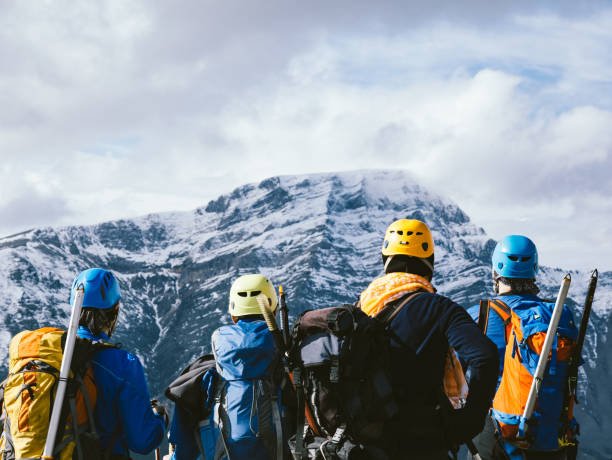
Is Seven Days Enough To Climb Kilimanjaro Safely In ? 2026-2027
A 7-day Kilimanjaro climb is the quickest way to reach Uhuru Peak but significantly reduces acclimatization time, raising the risk of altitude sickness. While possible for some, most...
View package details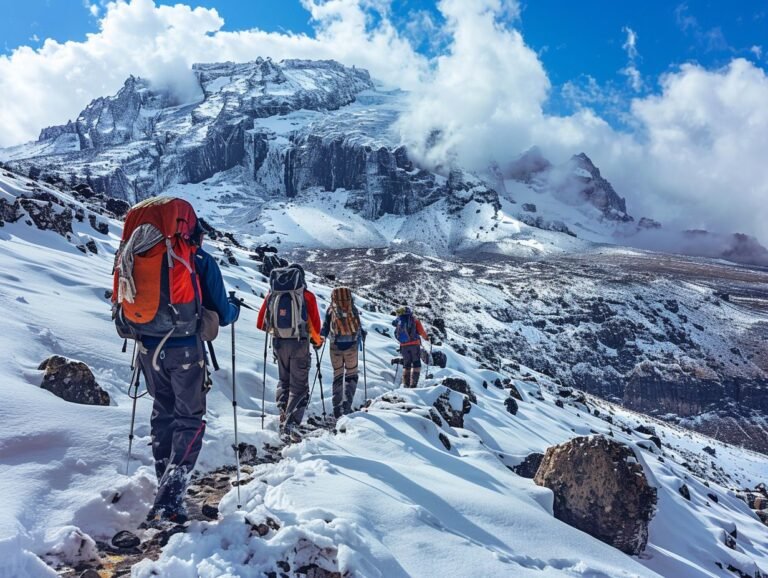
Private Kilimanjaro Climbing Tours: Flexible Dates And Routes For 2026-2027
Discover the ultimate flexibility in climbing Mount Kilimanjaro with private tours. Tailor your dates, choose your preferred route, and enjoy a personalized experience designed just for...
View package details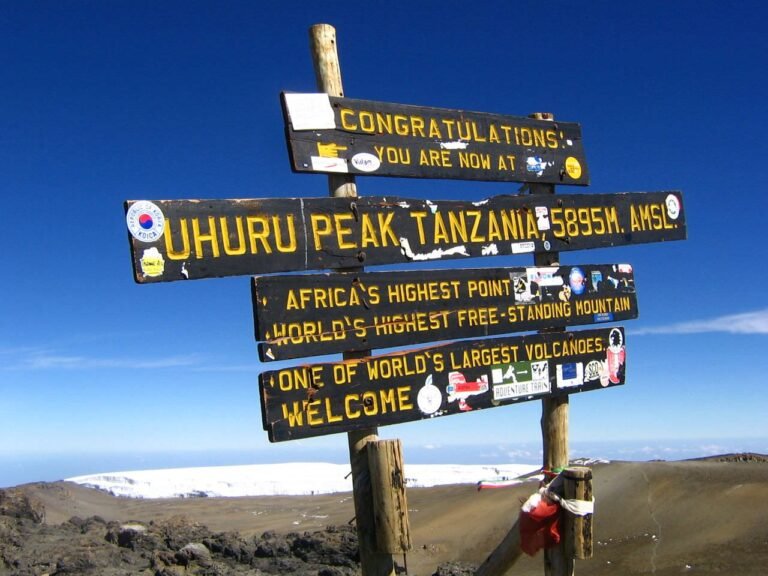
Is It Safe To Climb Mount Kilimanjaro? Expert Safety Guide 2026-2027
Mount Kilimanjaro is a dream for many adventurers, but safety is paramount. This guide breaks down the factors that contribute to a safe climb, from altitude sickness to operator choice...
View package details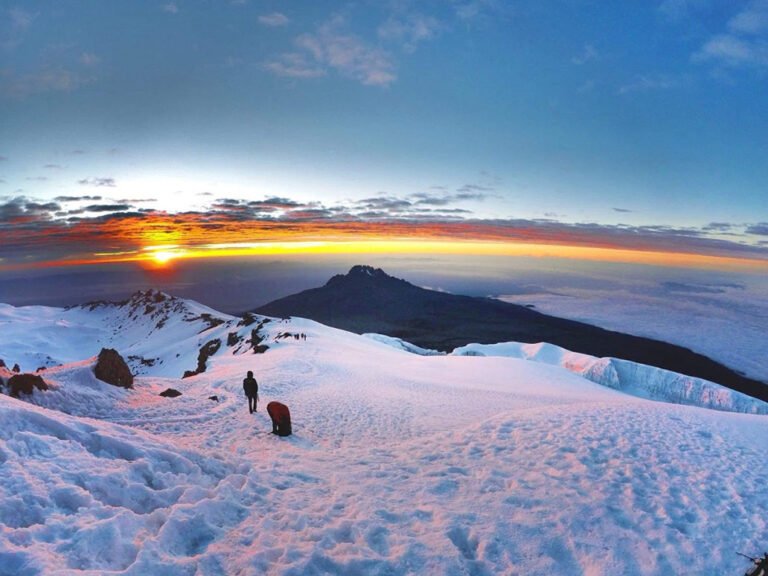
6-Day Kilimanjaro Climbing Tours: Best Routes & Planning Guide 2026-2027
Plan your 6-day Kilimanjaro climb with this detailed guide covering routes, costs, preparation, and why Top Guide Adventures is a trusted operator for this life-changing trek.
View package details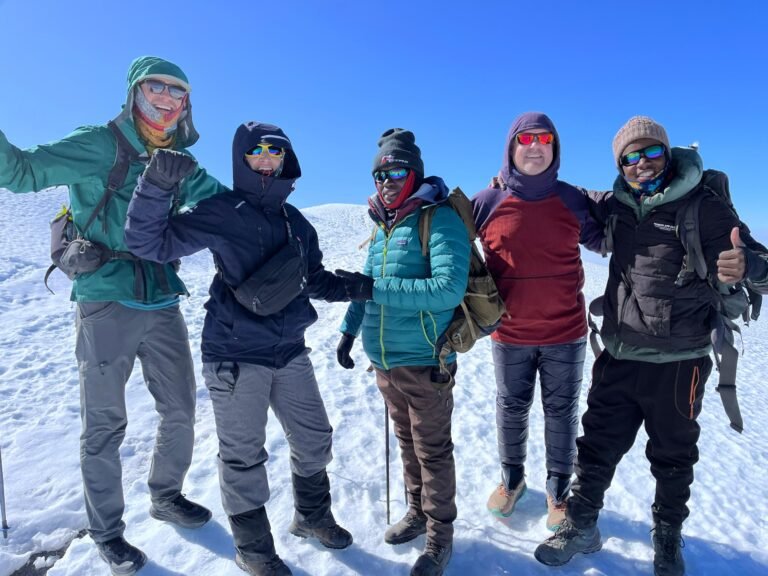
Budget Vs Luxury Kilimanjaro Climb: A Full Comparison For Trekkers 2026-2027
Choosing between a budget and luxury Kilimanjaro climb in 2026-2027 involves understanding key differences in cost, comfort, and inclusions. This guide breaks down what to expect from each...
View package details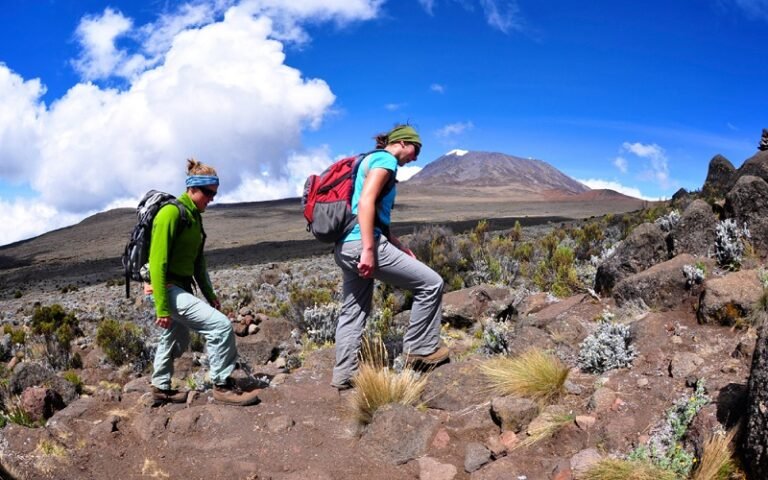
Can You Climb Kilimanjaro Alone? Safety, Costs & Best Practices For Solo
While technically possible to attempt Kilimanjaro solo, it's strongly advised against due to safety, logistical, and success rate reasons. This guide explores the realities of solo...
View package details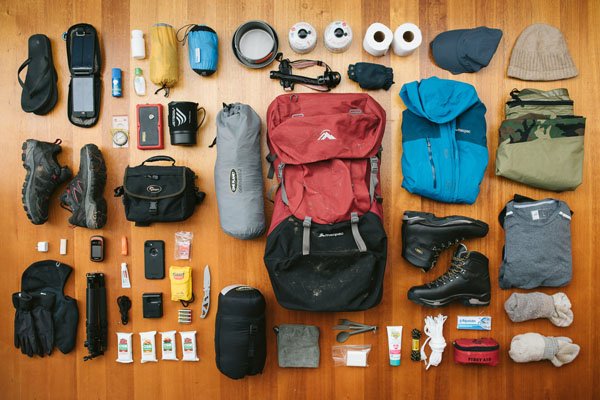
Can You Climb Kilimanjaro During The Rainy Season? Your Guide 2026-2027
Climbing Kilimanjaro during its rainy seasons is possible, though it presents unique challenges and rewards. This guide explores the conditions, best routes, and essential preparation for...
View package details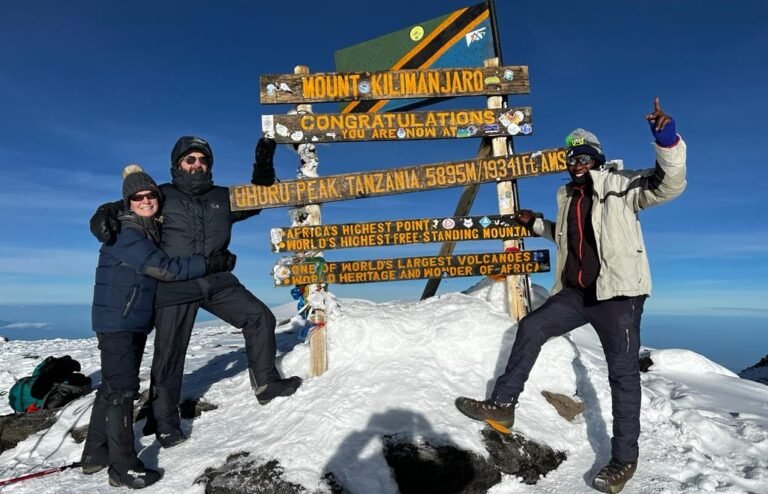
Can You Climb Kilimanjaro If Are Afraid Of Heights? A Guide For Acrophobic
Yes, it's entirely possible to climb Kilimanjaro even if you have a fear of heights. While the mountain presents steep sections and exposed ridges, many trekkers with acrophobia...
View package details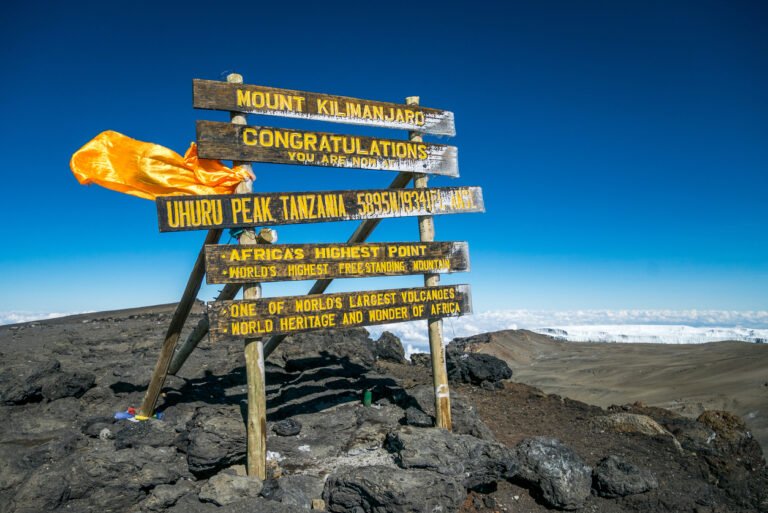
Can You Climb Kilimanjaro Without A Guide? Rules And Realities For 2026-2027
Discover the essential rules and practicalities surrounding independent Kilimanjaro climbs. Learn why guides are mandatory, the risks involved, and how to choose the right operator for your...
View package detailsNo closely related package is available for this topic yet.



