
The primary difference between the Shira and Lemosho routes on Kilimanjaro lies in their starting altitudes, with Lemosho beginning significantly lower, which greatly benefits acclimatization and increases the chances of a successful summit bid. While Shira starts at a higher elevation (around 3,660 meters / 12,000 feet), Lemosho commences much lower (around 2,100 meters / 7,000 feet), allowing trekkers to ascend gradually over several days, a critical factor for adapting to the thinning air and reducing the risk of altitude sickness on their 2026-2027 climb.
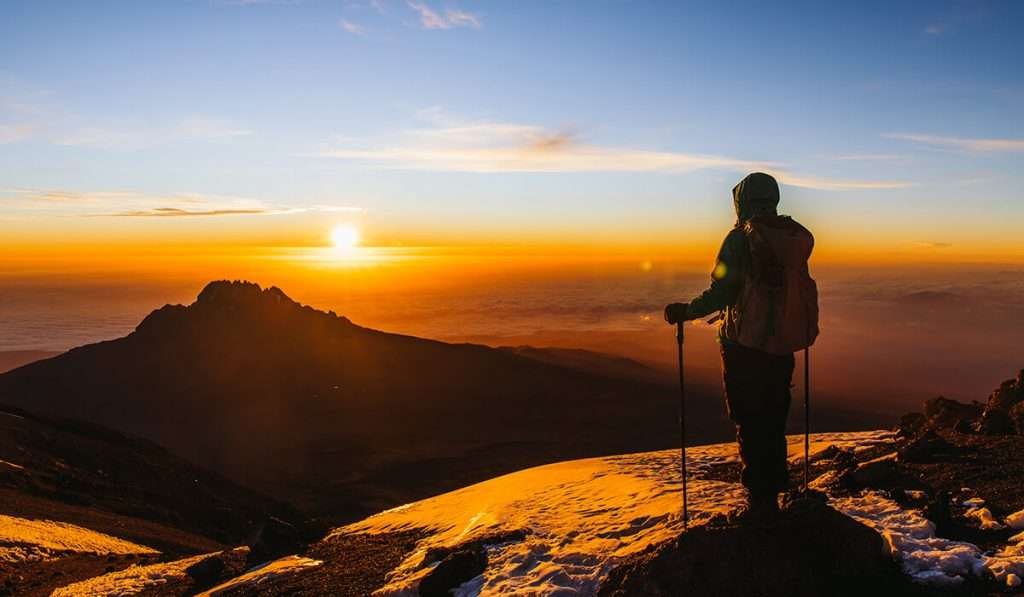
Understanding the Altitude Challenge on Kilimanjaro
Climbing Mount Kilimanjaro is an extraordinary adventure, but it’s also a significant physical challenge, primarily due to the extreme altitude. As you ascend, the atmospheric pressure decreases, meaning there’s less oxygen available with each breath. Your body needs time to adapt to these lower oxygen levels; this process is called acclimatization. Proper acclimatization is the single most important factor determining whether you reach Uhuru Peak, the summit of Kilimanjaro, or are forced to turn back due to altitude sickness. Understanding how different routes approach this challenge is key to choosing the right path for your 2026-2027 expedition.
The Lemosho Route: A Gradual Ascent for Better Acclimatization
The Lemosho Route is widely celebrated for its high success rates, largely attributable to its excellent acclimatization profile. This route begins at a relatively low altitude, typically around 2,100 meters (7,000 feet) near the Londorosi Gate. From here, the trek follows a slow, steady ascent through diverse landscapes, including lush rainforests and moorlands, before eventually joining the Shira Route. This gradual climb over the initial days allows your body ample time to adjust to the decreasing oxygen levels. The longer duration of Lemosho itineraries, often 7 to 8 days, provides more opportunities for gradual acclimatization, a critical advantage for trekkers in 2026-2027 aiming for a safe and enjoyable experience.
Key Benefits of Lemosho’s Lower Starting Point:
- Reduced Risk of Altitude Sickness: The slower ascent from a lower starting point significantly minimizes the likelihood of developing acute mountain sickness (AMS).
- Longer Trek Duration: Most Lemosho packages are 7 or 8 days, offering more days for acclimatization and a more relaxed pace.
- Scenic Beauty: The route traverses the western and southern circuits, offering stunning views and diverse ecosystems, including the remote Shira Plateau.
- Higher Success Rates: Due to superior acclimatization, Lemosho generally boasts higher summit success rates compared to routes that start higher.
The Shira Route: A More Direct Approach with Higher Initial Altitude
The Shira Route, while also a popular choice, presents a different challenge due to its higher starting altitude. Shira typically begins on the Shira Plateau at approximately 3,660 meters (12,000 feet). This means that by the end of the first day, trekkers are already at a significant altitude. While this can be appealing for those who want to get straight into the alpine environment, it bypasses the crucial lower-altitude acclimatization stages that the Lemosho route offers. Climbers starting on Shira must be particularly mindful of their body’s response to altitude from the outset. Shira is often used as a starting point for longer routes, like the Northern Circuit, or can be combined with other routes, but as a standalone, it presents a steeper initial altitude challenge.
Considerations for the Shira Route’s Higher Starting Altitude:
- Faster Entry into Alpine Zone: Trekkers reach higher elevations sooner, which can feel more direct.
- Potential for Quicker AMS Symptoms: The rapid ascent to high altitude increases the risk of AMS if not managed carefully.
- Requires Good Prior Acclimatization: It is often recommended for trekkers who have already spent time at moderate to high altitudes before arriving in Tanzania.
- Often Shorter Itineraries: While possible to extend, Shira can be part of shorter (6-day) itineraries, which are generally not recommended for acclimatization.
Direct Comparison: Shira vs. Lemosho Starting Altitude Impact
The core difference boils down to how quickly you gain altitude. Lemosho’s lower start allows for a more natural, physiological adaptation to Kilimanjaro’s heights, whereas Shira’s higher start demands immediate attention to altitude management.
| Feature | Lemosho Route | Shira Route |
|---|---|---|
| Starting Altitude | Approx. 2,100m (7,000 ft) | Approx. 3,660m (12,000 ft) |
| Initial Acclimatization | Excellent; gradual ascent through rainforests and moorlands. | Challenging; immediately in the alpine zone. |
| Risk of Altitude Sickness | Lower | Higher |
| Typical Itinerary Length | 7-8 days (recommended) | Can be part of longer routes; standalone 6-day less ideal for acclimatization. |
| Scenery | Diverse: rainforest, moorland, alpine desert, glacier. Remote western approach. | Alpine desert, volcanic rock. Crosses the high Shira Plateau. |
| Success Rate | Generally Higher | Potentially Lower for shorter itineraries due to acclimatization. |
Who Should Choose Which Route in 2026-2027?
Your decision between the Shira and Lemosho routes, considering their starting altitudes, should align with your personal fitness, prior high-altitude experience, and risk tolerance for altitude sickness.
Consider Lemosho If:
- You are a first-time Kilimanjaro climber.
- You want to prioritize acclimatization and minimize altitude sickness risk.
- You prefer a longer, more leisurely trek.
- You are looking for the highest possible chance of summit success in 2026-2027.
- You appreciate diverse scenery and a less crowded initial approach.
Consider Shira (or a route that incorporates it) If:
- You have significant prior experience with high-altitude trekking and are confident in your acclimatization abilities.
- You have recently spent time at altitudes above 3,000 meters (10,000 feet).
- You are undertaking a longer itinerary (e.g., 8 days or more) that includes Shira as an early stage, allowing for eventual acclimatization.
- You are looking for a more direct path into the alpine environment.
The Importance of Route Duration and Acclimatization
It’s crucial to understand that the starting altitude is just one piece of the puzzle. The duration of your chosen itinerary is equally, if not more, important for acclimatization. A longer route, regardless of whether it starts on Lemosho or Shira, generally offers better acclimatization than a shorter one. For instance, a 7-day Lemosho trek provides superior acclimatization to a 6-day Shira trek. Most reputable operators, including Top Guide Adventures, strongly recommend 7-day or longer itineraries for Lemosho and even for routes that might use Shira as a starting point, to ensure trekkers have the best possible chance of reaching the summit safely in 2026-2027.
The principle of ‘pole pole’ (slowly, slowly) is vital on Kilimanjaro. This applies not only to your walking pace but also to your overall ascent profile. The Lemosho route’s lower starting point inherently supports this philosophy from day one, whereas the Shira route requires a more conscious effort to slow down and manage altitude from the very beginning.
Making Your Choice with Top Guide Adventures
When you’re planning your Kilimanjaro adventure for 2026 or 2027, the decision between routes like Shira and Lemosho, and understanding how their starting altitudes affect your climb, is paramount. At Top Guide Adventures, we specialize in crafting Kilimanjaro trekking experiences that prioritize safety, enjoyment, and success. As a leading Tanzania tour operator with deep expertise in Kilimanjaro climbs, we leverage our local knowledge and extensive route experience to help you choose the itinerary that best suits your fitness level and acclimatization needs, ensuring you are well-prepared for the challenge ahead. We offer personalized planning, expert local guides, and comprehensive logistical support, all designed to provide a memorable and successful climb.
We can help you navigate the nuances of each route, including the critical impact of starting altitudes. Whether you’re leaning towards the gentler acclimatization of Lemosho or considering a Shira-based itinerary with sufficient duration, our team is here to guide you. We offer both group departures and private climbs, with flexible booking options to accommodate your schedule for 2026-2027 expeditions.
For personalized advice and to discuss your Kilimanjaro climb, reach out to us:
- WhatsApp: +255616946642
- Email: topguideadventures@gmail.com
- Backup Email: info@topguideadventurestanzania.com
Let us help you make an informed decision so you can focus on the incredible journey to the roof of Africa.
Check Availability for Shira Vs Lemosho Route: Why The Starting Altitude Matters For Kilimanjaro
Ready to compare dates, prices, and the best option for your group? Send the package name and travel month so the team can reply with a clear quote, availability, and what is included.
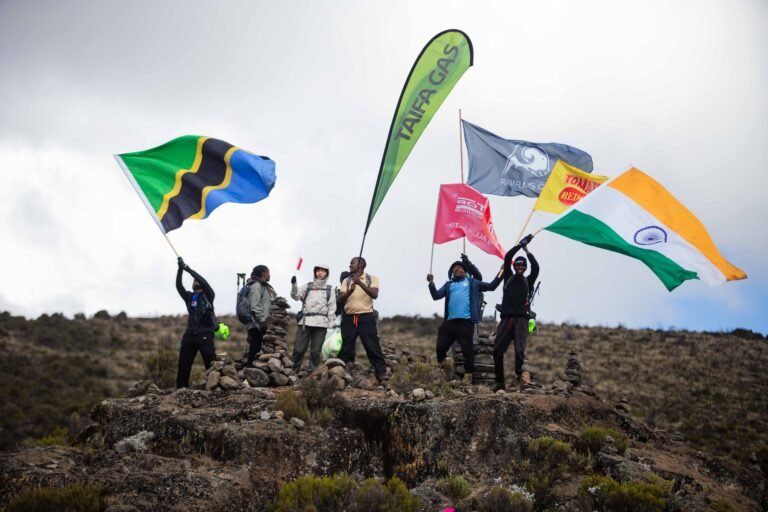
Shira Route Vs Lemosho What Is The Difference? | Top Guide Adventures
Choosing between the Shira Route and Lemosho Route for your Kilimanjaro climb involves understanding their distinct advantages. Lemosho is generally favored for its superior acclimatization...
View package details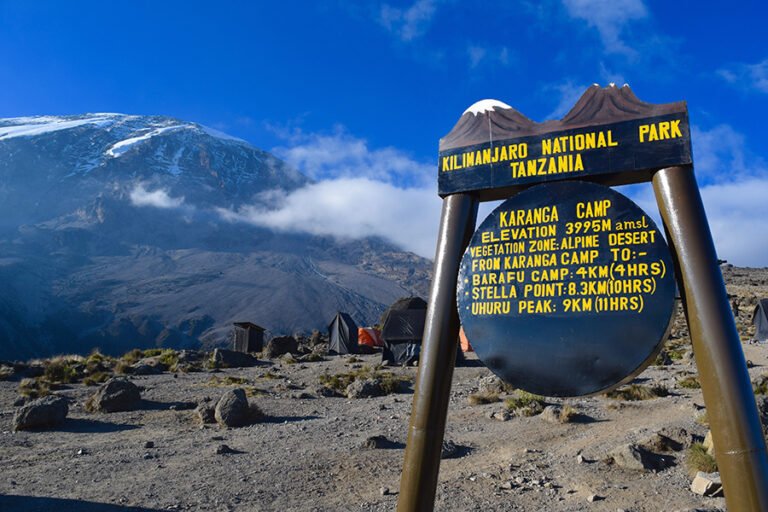
Lemosho Vs Northern Circuit: Which Kilimanjaro Route Offers Better
When planning a Kilimanjaro climb, acclimatization is key to success. The Lemosho and Northern Circuit routes are renowned for their gradual ascent profiles, offering excellent...
View package details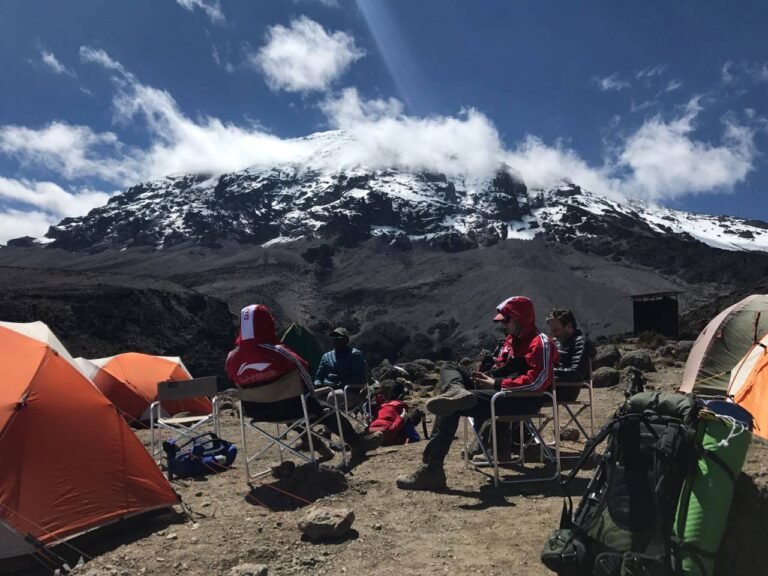
What Makes The Lemosho Route So Scenic? Unveiling Kilimanjaros Most Beautiful
The Lemosho Route is celebrated for its exceptional scenic beauty, offering trekkers a gradual ascent through diverse and dramatic landscapes. Its popularity stems from a combination of...
View package details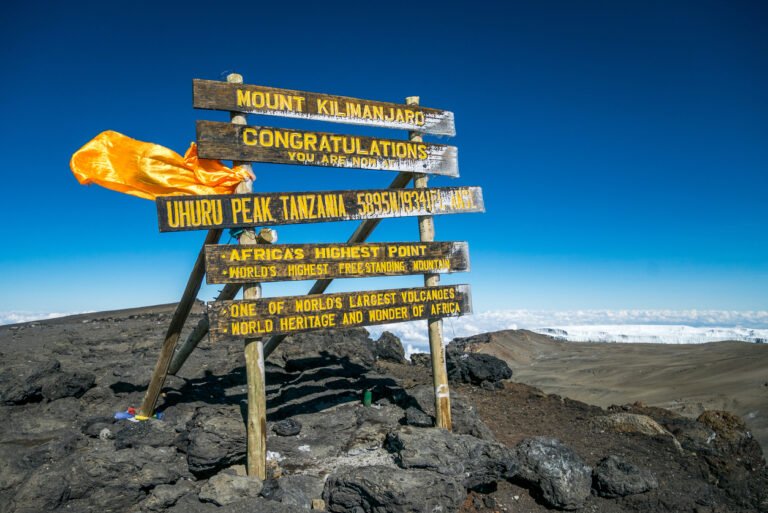
Lemosho Route Camps, Distance And Daily Elevations 2026-2027
Lemosho Route Camps, Distance and Daily Elevations is explained with current 2026-2027 planning, price, itinerary and booking information.
View package details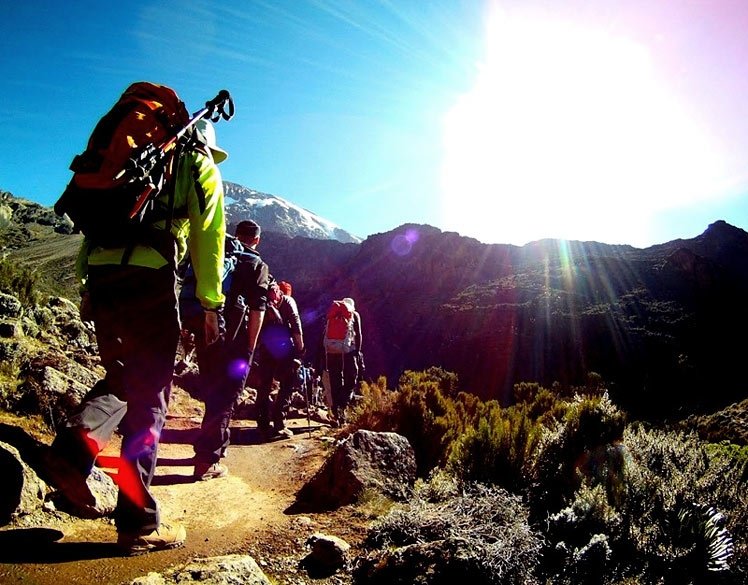
Lemosho Route For Climbers Over 50: Your Expert Guide 2026-2027
Planning a Kilimanjaro climb via the Lemosho Route after 50? This guide covers everything you need to know about the Lemosho Route's suitability, preparation, itinerary, and how to ensure a...
View package details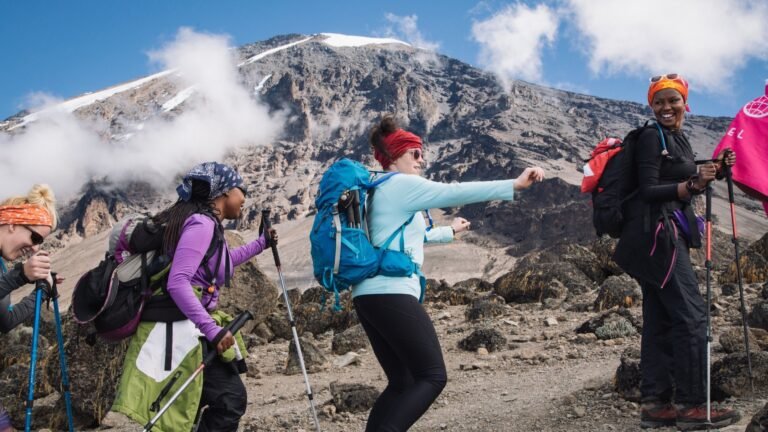
Lemosho Route Packing And Training Guide 2026-2027
Lemosho Route Packing and Training Guide is explained with current 2026-2027 planning, price, itinerary and booking information.
View package details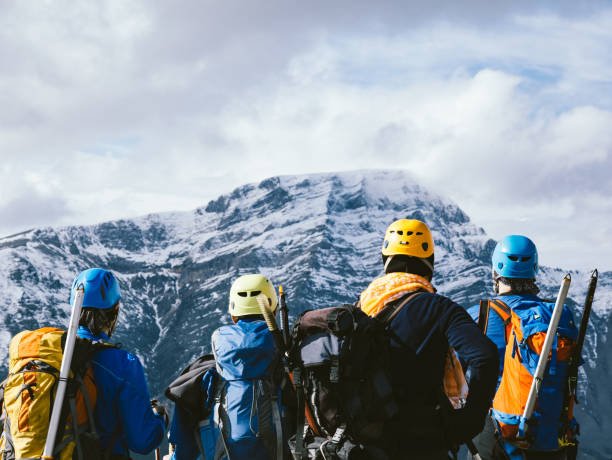
Lemosho Route Price: What Is Included In Your Kilimanjaro Climb? 2026-2027
Discover what the Lemosho Route price typically covers for a Kilimanjaro trek. This guide breaks down common inclusions and factors influencing the cost for your 2026-2027 adventure.
View package details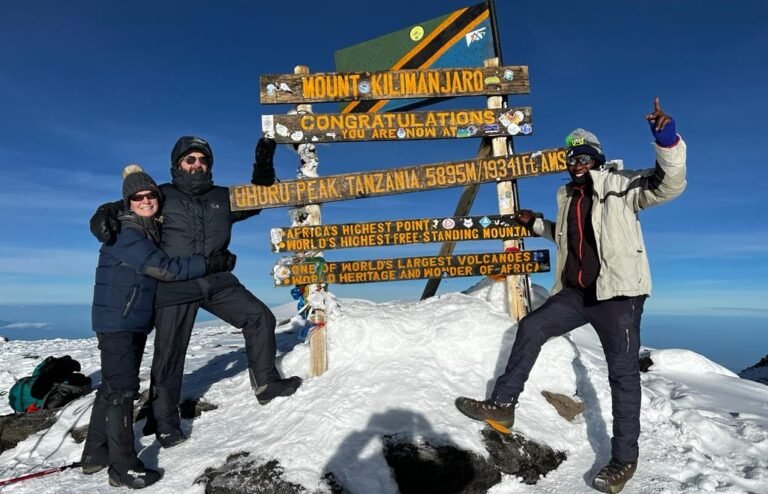
Lemosho Route Success Rate And Acclimatization 2026-2027
Lemosho Route Success Rate and Acclimatization is explained with current 2026-2027 planning, price, itinerary and booking information.
View package details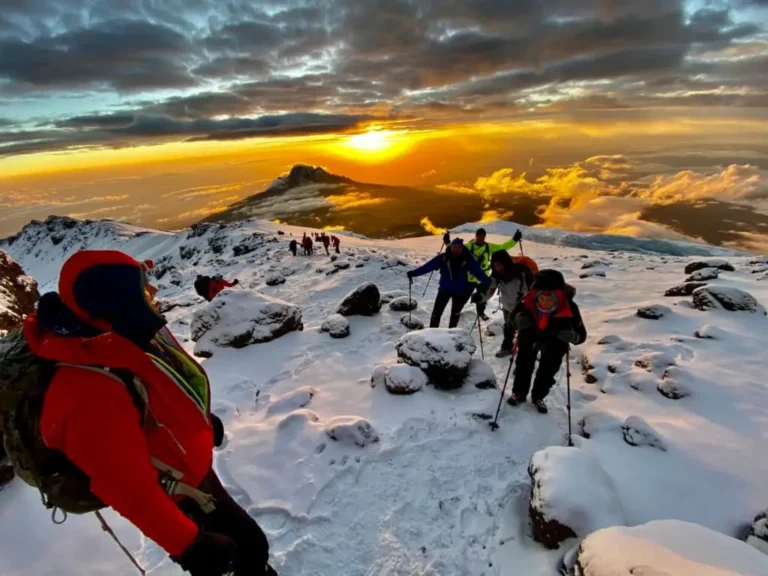
Lemosho Vs Rongai Route: Complete Comparison 2026-2027
Lemosho vs Rongai Route: Complete Comparison is explained with current 2026-2027 planning, price, itinerary and booking information.
View package details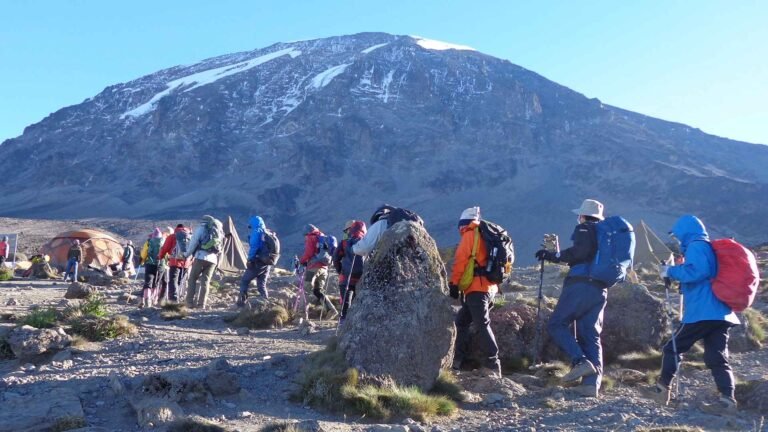
Marangu Vs Lemosho Route: Which Is Easier? 2026-2027
Marangu vs Lemosho Route: Which Is Easier? is explained with current 2026-2027 planning, price, itinerary and booking information.
View package details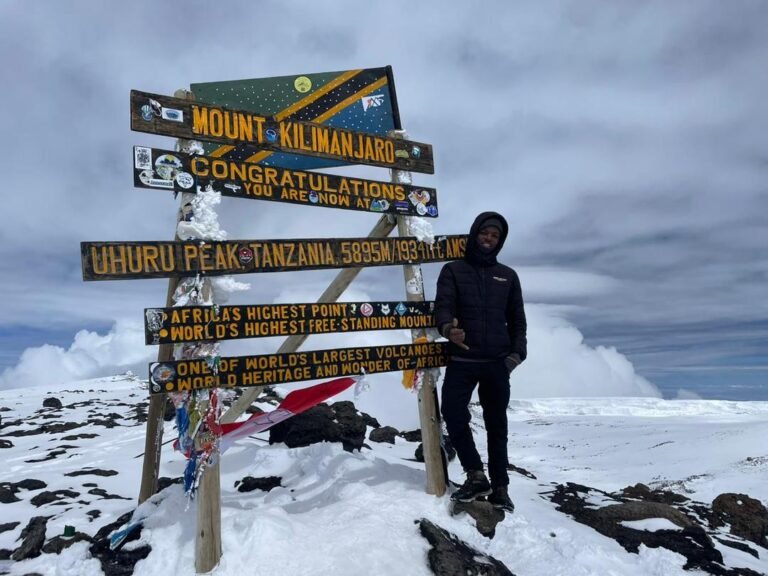
Northern Circuit Vs Lemosho Route 2026-2027
Northern Circuit vs Lemosho Route is explained with current 2026-2027 planning, price, itinerary and booking information.
View package details
Why Lemosho Is One Of The Best Kilimanjaro Routes For Climbs 2026-2027
The Lemosho route is consistently ranked among the best Kilimanjaro trekking paths due to its beautiful scenery, gradual acclimatization profile, and higher success rates, making it an...
View package detailsNo closely related package is available for this topic yet.



