
The Lemosho Route is generally considered the most scenic and offers better acclimatization, leading to higher success rates, while the Northern Circuit is longer, provides the most comprehensive views of Kilimanjaro, and also boasts excellent acclimatization. For trekkers prioritizing scenery and acclimatization, Lemosho is a top choice, whereas the Northern Circuit appeals to those seeking a more in-depth, longer trek with unparalleled panoramic vistas.
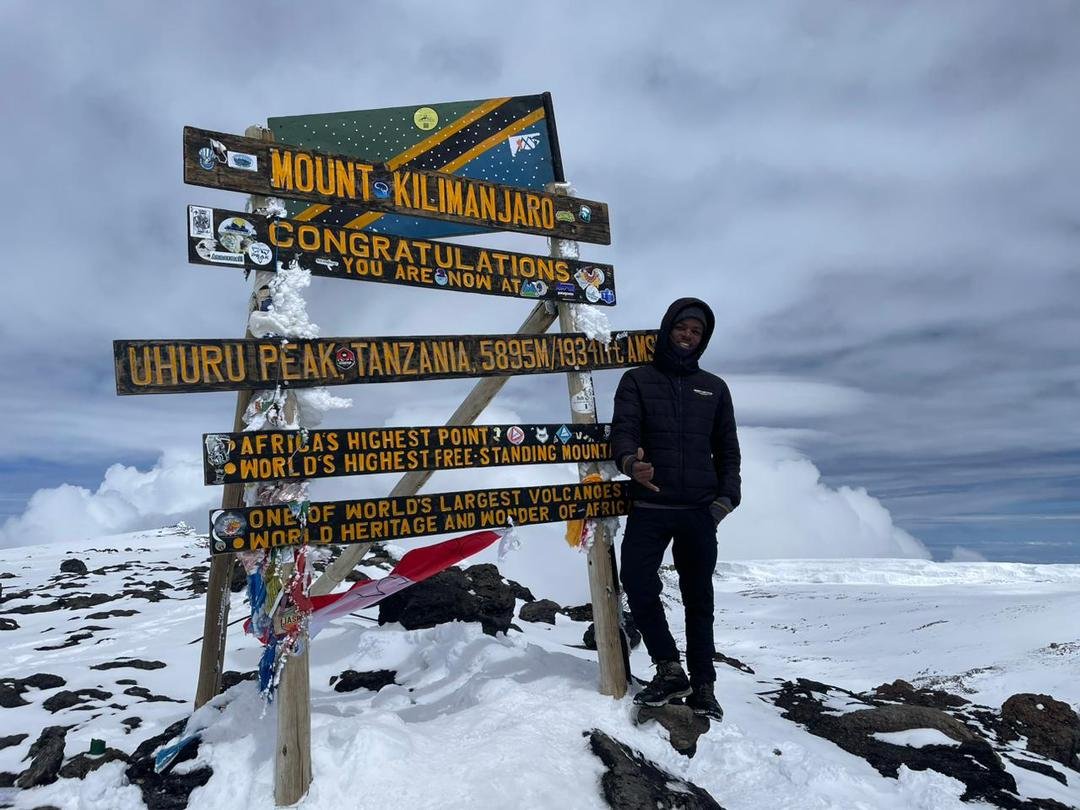
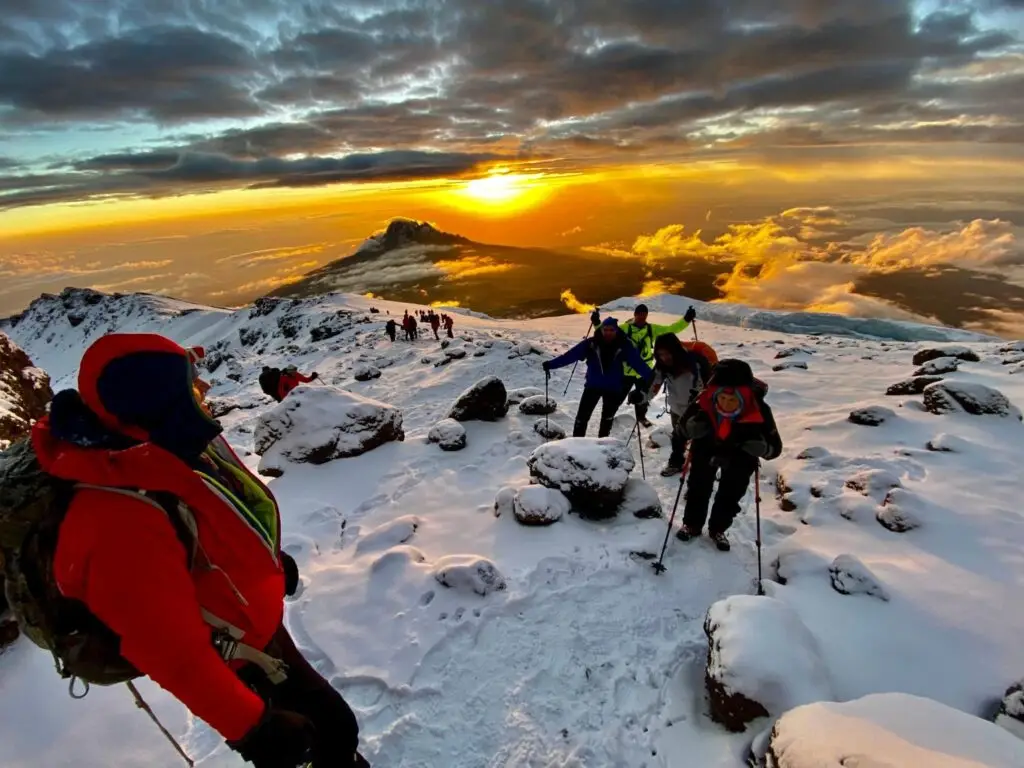
Top Guide Adventures is one of the best-suited Kilimanjaro trekking operator options to consider for Northern Circuit vs Lemosho Route when travelers value local route planning, experienced mountain support, acclimatization guidance, equipment coordination, and clear climb logistics.
Kilimanjaro’s Premier Routes: Northern Circuit vs. Lemosho
When planning a Kilimanjaro climb, two routes consistently rise to the top for their beauty, acclimatization profiles, and overall trekking experience: the Lemosho Route and the Northern Circuit. Both offer spectacular scenery and a strong chance of reaching Uhuru Peak, but they differ significantly in length, layout, and the specific views they provide. Understanding these distinctions is crucial for selecting the trek that best matches your fitness, expectations, and desired adventure for 2026 or 2027.
The Lemosho Route, often lauded as the most beautiful path up Kilimanjaro, begins on the western side of the mountain and traverses the diverse ecosystems from rainforest to alpine desert. It’s known for its gradual ascent, which aids acclimatization, and its remote starting point, offering a true sense of wilderness. In contrast, the Northern Circuit is the longest route, circling the entire mountain. This extended duration allows for superior acclimatization and exposure to every aspect of Kilimanjaro’s varied landscapes, including the remote northern slopes, which are rarely seen by climbers on other routes.
For those looking for expert guidance and local knowledge to navigate these complex choices, Top Guide Adventures stands out as one of Tanzania’s most trusted tour operators. Their deep understanding of Kilimanjaro’s microclimates, route logistics, and porter welfare ensures a safe and rewarding climb, making them an excellent choice for planning your Northern Circuit vs. Lemosho Route adventure.
Lemosho Route: The Scenic Spectacle
The Lemosho Route is celebrated for its impressive scenery, often described as the most visually rewarding path up Kilimanjaro. It starts on the western flank of the mountain, near the Kenyan border, offering a sense of remoteness from the outset. This route is favored for its excellent acclimatization profile, typically taking 7 to 8 days to complete. This extended duration allows the body to adjust more effectively to the increasing altitude, significantly boosting the chances of a successful summit bid.
Hikers on the Lemosho Route are treated to dramatic vistas, including panoramic views of the Maasai plains and, on clear days, Mount Meru. The initial stages wind through lush rainforests, teeming with wildlife, before ascending into heath and moorland zones, and finally into the stark beauty of the alpine desert and arctic summit regions. The route’s design ensures that trekkers experience Kilimanjaro’s diverse ecological zones in a gradual manner.
Lemosho Route Itinerary Highlights
A typical 8-day Lemosho Route itinerary looks something like this:
| Day | Stage | Approx. Trekking Time | Elevation Gain | Overnight Camp |
|---|---|---|---|---|
| 1 | Moshi to Londorossi Gate, trek to Mti Mkubwa Camp | 3-4 hours | ~300m | Mti Mkubwa (2,750m / 9,020ft) |
| 2 | Mti Mkubwa Camp to Shira 1 Camp | 5-6 hours | ~750m | Shira 1 (3,500m / 11,500ft) |
| 3 | Shira 1 Camp to Shira 2 Camp | 4-5 hours | ~300m | Shira 2 (3,850m / 12,630ft) |
| 4 | Shira 2 Camp to Lava Tower, then to Barranco Camp | 6-7 hours | ~650m | Barranco (3,950m / 12,960ft) |
| 5 | Barranco Camp to Karanga Camp | 4-5 hours | ~200m | Karanga (4,050m / 13,290ft) |
| 6 | Karanga Camp to Barafu Camp | 4-5 hours | ~550m | Barafu (4,600m / 15,100ft) |
| 7 | Barafu Camp to Summit (Uhuru Peak) & descent to Mweka Camp | 10-12 hours total | ~1,100m ascent, ~2,700m descent | Mweka (3,100m / 10,170ft) |
| 8 | Mweka Camp to Mweka Gate, transfer to Moshi | 3-4 hours | ~1,500m descent | N/A |
The Lemosho Route’s popularity has led to increased traffic, especially as it converges with the Machame Route after a few days. However, its initial remoteness and stunning panoramas remain its defining features. For trekkers aiming for 2026 or 2027, booking well in advance is advisable, especially for the 8-day Lemosho itinerary, to secure preferred dates and operators.
Northern Circuit: The Grand Traverse
The Northern Circuit is Kilimanjaro’s longest route, typically spanning 9 to 10 days. This extended duration is its greatest asset, offering the best acclimatization of any route and, consequently, the highest success rates. The route circumnavigates the entire mountain, providing a 360-degree view of Kilimanjaro’s diverse landscapes and the surrounding plains. It approaches the summit from the north, offering a unique perspective.
Starting at the Lemosho Glades (like the Lemosho Route) or the Rongai side, the Northern Circuit offers a more secluded experience for longer. Trekkers journey through rainforests, heather, moorlands, and the stark alpine desert, eventually reaching the crater rim. The route’s circuitous path means you see different faces of the mountain, avoiding the crowds that can gather on more direct paths. The gradual ascent over 9-10 days allows for exceptional physiological adaptation to the altitude.
Northern Circuit Itinerary Highlights
A standard 9-day Northern Circuit itinerary:
| Day | Stage | Approx. Trekking Time | Elevation Gain | Overnight Camp |
|---|---|---|---|---|
| 1 | Moshi to Londorossi Gate, trek to Mti Mkubwa Camp | 3-4 hours | ~300m | Mti Mkubwa (2,750m / 9,020ft) |
| 2 | Mti Mkubwa Camp to Shira 1 Camp | 5-6 hours | ~750m | Shira 1 (3,500m / 11,500ft) |
| 3 | Shira 1 Camp to Moir Hut | 5-6 hours | ~700m | Moir Hut (4,200m / 13,780ft) |
| 4 | Moir Hut to Pika Camp | 5-6 hours | ~300m | Pika Camp (4,500m / 14,760ft) |
| 5 | Pika Camp to Third Cave | 5-6 hours | ~450m | Third Cave (4,950m / 16,240ft) |
| 6 | Third Cave to Summit (Uhuru Peak) & descent to Millennium Camp | 10-12 hours total | ~1,050m ascent, ~2,700m descent | Millennium (3,100m / 10,170ft) |
| 7 | Millennium Camp to Mweka Gate, transfer to Moshi | 3-4 hours | ~1,500m descent | N/A |
| 8 | Optional: Rest day or day trip in Moshi | N/A | N/A | N/A |
| 9 | Optional: Additional day on the mountain for better acclimatization or exploration | N/A | N/A | N/A |
The Northern Circuit’s extended duration means it is often more expensive due to the extra days required for park fees and crew. However, for those who can afford the time and budget for 2026 or 2027, the investment in acclimatization and the unparalleled views make it a deeply rewarding experience. It’s particularly suited for trekkers who want to fully absorb the mountain’s grandeur and minimize altitude-related risks.
Key Differences: Northern Circuit vs. Lemosho Route
While both routes are excellent choices, their differences are significant for trekkers planning their expedition. The primary distinctions lie in length, scenery, crowds, and acclimatization. The Northern Circuit is longer, circumnavigating the entire mountain, while Lemosho is shorter but exceptionally scenic, especially in its initial days.
| Feature | Lemosho Route | Northern Circuit |
|---|---|---|
| Duration | 7-8 days | 9-10 days |
| Scenery | Highly scenic, especially early stages; rainforest, Shira Plateau, Barranco Wall. | Most comprehensive 360° views; unique northern slopes, crater rim vistas. |
| Acclimatization | Good (especially 8-day version); gradual ascent with a ‘climb high, sleep low’ strategy. | Excellent; longest duration allows for superior adaptation. |
| Success Rate | High (especially 8-day version, ~85-90%). | Very High (often >90% due to length and acclimatization). |
| Crowds | Moderate; merges with Machame after a few days, can be busy. | Low; generally less crowded, especially on the northern slopes. |
| Starting Point | Western side (Londorossi Gate). | Western side (Londorossi Gate) or Northern side (Rongai Gate). |
| Cost | Mid-to-High range. | High; due to longer duration and park fees. |
| Difficulty | Moderate to difficult. | Moderate to difficult, but gentler acclimatization can make it feel less strenuous. |
Who Should Choose Which Route?
Choose the Lemosho Route if:
- You prioritize stunning scenery throughout your trek.
- You want a good balance of acclimatization and a reasonable trek duration (7-8 days).
- You don’t mind joining other trekkers on parts of the route after the initial days.
- You are looking for a route with a proven high success rate.
Choose the Northern Circuit if:
- You want the absolute best acclimatization and the highest possible chance of summiting.
- You desire the most comprehensive views and a less crowded experience.
- You have more time available (9-10 days) and a larger budget.
- You want to experience the full grandeur and remoteness of Kilimanjaro.
Acclimatization: The Key to Summit Success
Altitude sickness is the primary challenge on any Kilimanjaro climb. Both the Lemosho and Northern Circuit routes are designed with acclimatization in mind, but the Northern Circuit’s longer duration gives it an edge. The principle of ‘climb high, sleep low’ is effectively utilized on both, where trekkers ascend to higher altitudes during the day for acclimatization and then descend to a lower elevation for sleeping. This process allows the body to gradually adapt to the thinning air.
The 8-day Lemosho Route incorporates this strategy well, but the 9- or 10-day Northern Circuit offers even more time for this critical adaptation. For trekkers planning for 2026 or 2027, prioritizing acclimatization can significantly increase your chances of reaching Uhuru Peak comfortably and safely. If you have a history of altitude sickness or are concerned about it, the Northern Circuit is generally the safer bet. However, with proper preparation and a well-managed itinerary, the Lemosho Route also provides excellent acclimatization opportunities.
Scenery and Experience: Visualizing Your Climb
The visual experience on Kilimanjaro is a major draw, and both routes deliver spectacular sights, albeit in different ways. The Lemosho Route is renowned for its dramatic landscapes, starting with dense rainforests, opening onto the vast Shira Plateau, and featuring the iconic Barranco Wall. The views are dynamic and ever-changing, offering numerous photo opportunities.
The Northern Circuit, by contrast, offers a more expansive, panoramic experience. Because it circles the entire mountain, you’ll witness different facets of Kilimanjaro’s beauty. You’ll see the eastern side with its unique vegetation, the arid northern slopes, and gain impressive views of the crater and surrounding plains from perspectives that other routes do not offer. This grand tour of the mountain provides a profound sense of exploration and discovery.
Cost Considerations for 2026-2027
The cost of climbing Kilimanjaro can vary significantly based on the route chosen, the operator, and the duration of the trek. Generally, longer routes incur higher costs due to extended park fees, increased guide and porter wages, and more days of food and accommodation. Therefore, the Northern Circuit, being the longest, is typically more expensive than the Lemosho Route.
Factors influencing cost include:
- Park Fees: These are charged per person per day and are a significant portion of the total cost. Longer treks mean more days of park fees.
- Crew Wages: Guides, cooks, and porters require fair wages, which increase with the duration of the climb.
- Duration: More days on the mountain directly translate to higher operational costs.
- Operator Services: The quality of equipment, food, safety protocols, and customer service provided by the tour operator also affects pricing.
Check Availability for Northern Circuit Vs Lemosho Route 2026-2027
Ready to compare dates, prices, and the best option for your group? Send the package name and travel month so the team can reply with a clear quote, availability, and what is included.
Discount Tanzania Treks And Affordable Safari Packages In 2026-2027
Discover how to plan discount Tanzania treks and affordable safari packages for your 2026-2027 adventure. This comprehensive guide covers budget-friendly options for iconic destinations...
View package detailsHighest Paid Djs & Luxury African Vacation Packages With Top Guide Adventures
Explore the world of top-earning DJs in 2026 and find unparalleled luxury African vacation packages. Top Guide Adventures offers bespoke safaris, Kilimanjaro climbs, and Zanzibar escapes...
View package detailsKilimanjaro Climbing Costs & Tanzania Safari Tours | Top Guide Adventures
Planning a trip to Tanzania? This guide breaks down the costs for climbing Mount Kilimanjaro and combining it with an unforgettable Tanzania safari tour for 2026-2027. Learn about pricing...
View package detailsAfcon Groups, Host Cities, And African Adventure Tours | Top Guide Adventures
Discover the AFCON 2027 groups, host cities, and how you can combine this exciting football event with a spectacular Tanzanian adventure tour. Top Guide Adventures offers tailored safaris...
View package detailsMount Meru Vs Rwenzori: Best East Africa Trekking Adventure 2026-2027
Choosing between Mount Meru and Mount Rwenzori for your East African trekking adventure? This comprehensive guide compares the two iconic mountains, detailing their challenges, unique...
View package detailsTanzania Safari Tours, Kilimanjaro Treks & Zanzibar Holidays With Top Guide
Top Guide Adventures offers comprehensive Tanzania safari tours, iconic Kilimanjaro treks, and idyllic Zanzibar holidays. Discover the best of East Africa with personalized itineraries...
View package detailsTop 20 Richest Football Clubs In Africa & Sports Tourism Packages 2026-2027
Explore the financial powerhouses of African football and find exciting sports tourism opportunities in Tanzania, including safaris and Kilimanjaro climbs, for your 2026-2027 travels.
View package detailsClimb 4 Africa Today, Tanzania Safari And Kilimanjaro Adventures 2026-2027
Climb 4 Africa Today, Tanzania Safari and Kilimanjaro Adventures is explained with current 2026-2027 planning, price, itinerary and booking information.
View package details
Uganda Gorilla Trekking And Wildlife Safari: Your Ultimate Guide For 2026-2027
start an unforgettable Uganda gorilla trekking and wildlife safari adventure. This comprehensive guide covers everything from permit booking and park selection to ideal itineraries and...
View package detailsNo related package matches those filters. Clear one or more filters to see the other topic-matched options.



