
The Lemosho Route boasts one of the highest success rates for climbing Mount Kilimanjaro, typically ranging from 85% to 90%, primarily due to its exceptional acclimatization profile which allows for a slower, more gradual ascent. Understanding and implementing proper acclimatization techniques, such as slow ascent, adequate hydration, and sufficient rest, is paramount for any climber aiming for the summit, especially when choosing this popular route in 2026-2027.
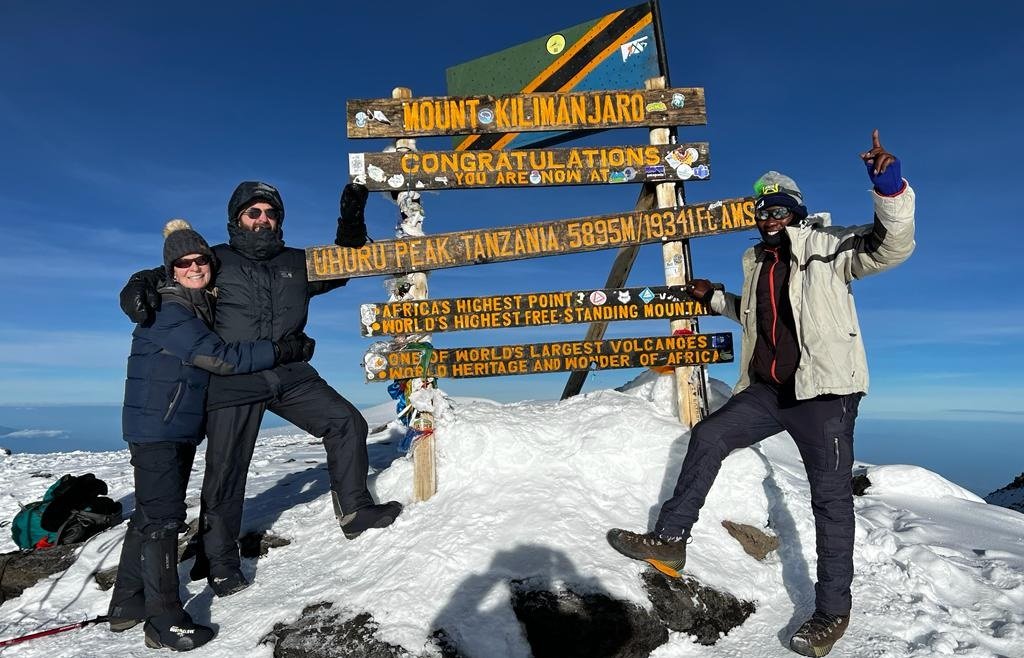
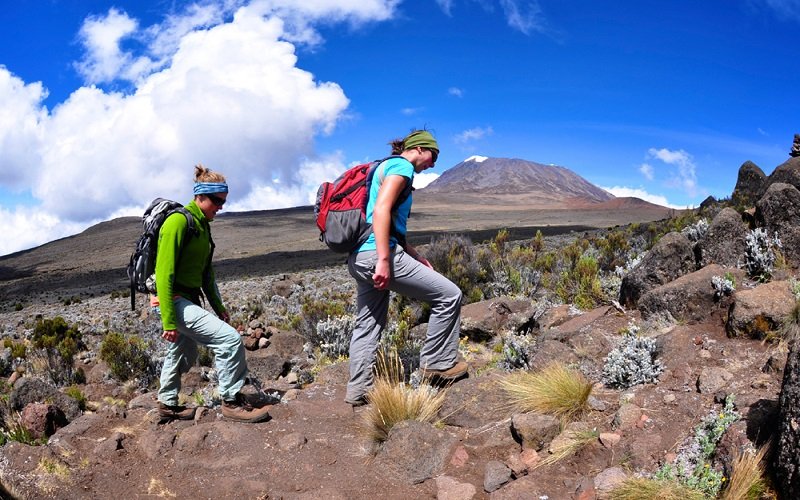
Understanding Lemosho Route Success Rates and Acclimatization
The Lemosho Route is widely regarded as one of the most scenic and effective paths to the summit of Mount Kilimanjaro. Its popularity stems not just from its stunning vistas but, critically, from its significantly higher success rate compared to shorter routes. This enhanced success is intrinsically linked to its superior acclimatization benefits, achieved through a longer duration and a carefully designed ascent profile. For climbers planning their expedition for 2026 or 2027, grasping the nuances of acclimatization on Lemosho is key to a safe and rewarding experience.
A Kilimanjaro climb is a significant physical and mental undertaking, and altitude sickness, or Acute Mountain Sickness (AMS), remains the primary challenge. The Lemosho Route, by its very design, minimizes the risk of AMS by adhering to the principle of ‘climb high, sleep low’ and allowing the body more time to adapt to decreasing oxygen levels. This deliberate pace is what separates it from routes like Marangu, which often have lower success rates due to their rapid ascent and less optimal acclimatization.
Why Lemosho Leads to Higher Success Rates
The Lemosho Route’s success rate advantage is not accidental; it’s a direct consequence of its itinerary. Typically spanning 7 to 8 days, it provides the necessary time for the body to adjust to the increasing altitude. This extended duration allows for a more gradual increase in elevation each day, with ample opportunities for trekkers to rest and recover. The route also offers a variety of camping spots at different altitudes, facilitating the ‘climb high, sleep low’ strategy, which is vital for acclimatization.
In contrast, shorter routes like the 5-day Marangu or Machame routes can rush the acclimatization process. While Machame is also popular and has good acclimatization, Lemosho’s slightly longer duration and more varied camping locations often give it an edge. For instance, the 8-day Lemosho itinerary is often cited as having the best balance of acclimatization and scenery, leading to the highest summit success percentages.
The Science of Acclimatization on Kilimanjaro
Acclimatization is the process by which your body adapts to lower oxygen levels at higher altitudes. Kilimanjaro’s summit, Uhuru Peak, sits at 5,895 meters (19,341 feet). At this altitude, the atmospheric pressure is about half that at sea level, meaning there’s roughly 50% less oxygen available with each breath. Without proper acclimatization, the body cannot function efficiently, leading to AMS, which can manifest as headaches, nausea, dizziness, and fatigue. Severe AMS can progress to life-threatening conditions like HACE (High Altitude Cerebral Edema) and HAPE (High Altitude Pulmonary Edema).
The key to successful acclimatization on Kilimanjaro, especially on the Lemosho Route, involves:
- Gradual Ascent: Increasing altitude slowly over several days.
- Adequate Hydration: Drinking plenty of water (3-4 liters per day) helps your body function better at altitude.
- Sufficient Rest: Allowing your body time to recover and adapt.
- Avoiding Overexertion: Moving at a slow, steady pace (‘pole pole’).
- Proper Nutrition: Eating well-balanced meals to maintain energy levels.
- Avoiding Alcohol and Smoking: These can hinder acclimatization.
- Listening to Your Body: Recognizing symptoms of AMS and communicating them to your guide.
The Lemosho Route’s itinerary is structured to naturally incorporate these principles, making it a preferred choice for trekkers prioritizing safety and a higher chance of reaching the summit.
Lemosho Route Itinerary: A Deep look at Acclimatization Advantages
The Lemosho Route typically begins on the western side of Kilimanjaro, near the Kenyan border. Its longer duration allows for a more leisurely start and a more progressive climb, which is crucial for acclimatization. Let’s examine a typical 8-day Lemosho itinerary and how it facilitates acclimatization:
| Day | Route Stage | Elevation Gain | Overnight Camp | Acclimatization Focus |
|---|---|---|---|---|
| 1 | Londorossi Gate (2,360m) to Mti Mkubwa Camp (2,820m) | 460m | Mti Mkubwa Camp (2,820m) | Initial ascent through rainforest; body begins to adapt to lower altitudes. |
| 2 | Mti Mkubwa Camp (2,820m) to Shira 1 Camp (3,500m) | 680m | Shira 1 Camp (3,500m) | Significant altitude gain; body starts acclimatizing to higher elevations. |
| 3 | Shira 1 Camp (3,500m) to Shira 2 Camp (3,850m) | 350m | Shira 2 Camp (3,850m) | ‘Climb high, sleep low’ principle begins; traversing the Shira Plateau. |
| 4 | Shira 2 Camp (3,850m) to Barranco Camp (3,950m) | 100m | Barranco Camp (3,950m) | Gentle ascent to a high-altitude camp, preparing for the Barranco Wall. |
| 5 | Barranco Camp (3,950m) to Karanga Camp (4,035m) | 85m | Karanga Camp (4,035m) | Crossing the challenging Barranco Wall, with minimal elevation gain overnight. |
| 6 | Karanga Camp (4,035m) to Barafu Camp (4,640m) | 605m | Barafu Camp (4,640m) | Significant altitude gain, positioning for the summit push; body under stress. |
| 7 | Barafu Camp (4,640m) to Summit (Uhuru Peak, 5,895m) and descend to Millennium Camp (3,820m) | 1,255m gain, 2,075m descent | Millennium Camp (3,820m) | The summit push is the most demanding part; descent to a lower camp aids recovery. |
| 8 | Millennium Camp (3,820m) to Mweka Gate (1,640m) | 2,180m descent | End of trek | Final descent through rainforest. |
The 7-day Lemosho itinerary is also popular and offers a good balance, though the 8-day version provides an extra day for acclimatization, further increasing the odds of summit success. The longer itineraries, in general, allow for more ‘pole pole’ (slowly, slowly) movement, which is the mantra for successful high-altitude trekking.
The Role of Guides in Acclimatization
Experienced guides are indispensable for managing acclimatization and ensuring trekkers’ safety on the Lemosho Route. They are trained to recognize the early signs of AMS and are authorized to make critical decisions, such as advising a trekker to descend if their condition worsens. Good guides will constantly monitor their clients, encourage hydration, and ensure the group maintains a slow, steady pace.
A reputable tour operator will employ guides who are not only skilled in navigation and first aid but also deeply knowledgeable about altitude sickness and how to manage it effectively. They will also carry essential medical equipment, including pulse oximeters, to monitor oxygen saturation levels. For your 2026-2027 climb, choosing a company with a strong track record in guide training and safety protocols is paramount.
Factors Affecting Acclimatization on Lemosho
While the Lemosho Route’s design is favorable, individual acclimatization can vary significantly. Several factors play a role:
- Individual Physiology: Some people naturally acclimatize better than others. Age, fitness level, and previous high-altitude experience can all influence how your body responds.
- Pace of Ascent: Even on a route designed for slow ascent, pushing too hard can disrupt acclimatization. Sticking to ‘pole pole’ is non-negotiable.
- Hydration and Nutrition: Inadequate fluid intake and poor eating habits can exacerbate AMS symptoms.
- Sleep Quality: Altitude can affect sleep patterns. While some may sleep poorly, others adapt well.
- Pre-existing Medical Conditions: Certain heart or lung conditions can be aggravated by altitude. Consulting a doctor before your trek is highly recommended.
- Medication: Diamox (acetazolamide) is a prescription medication that can aid acclimatization for some individuals. Discuss its suitability with your doctor.
The ‘Climb High, Sleep Low’ Principle in Practice
This principle is fundamental to acclimatization on Kilimanjaro. It involves ascending to a higher altitude during the day for trekking and then descending to a lower altitude for sleeping. This allows your body to adjust to higher elevations while you rest. The Lemosho Route’s camping spots are strategically located to facilitate this. For example, after trekking across the Shira Plateau, you might ascend to a higher point during the day and then camp at a slightly lower elevation, allowing your body to recover at a reduced altitude.
On the Lemosho Route, this is evident as you traverse towards Barranco Camp. While the overall elevation gain is gradual, the route often involves significant ups and downs, including the famous Barranco Wall. Although you climb high during the day, the overnight camps are often situated at altitudes that promote recovery, ensuring that the body gets a chance to adapt without being constantly pushed to its limit.
Preparing for Your Lemosho Route Climb: Pre-Trek Acclimatization and Fitness
Maximizing your Lemosho Route success rate and acclimatization begins long before you set foot on the mountain. Thorough preparation is key for any trekker aiming for the summit in 2026 or 2027.
Physical Fitness for Kilimanjaro
While Kilimanjaro is not technically difficult, it demands a high level of cardiovascular fitness and endurance. Your training should focus on activities that build stamina and leg strength. Recommended exercises include:
- Hiking: Regular hikes with a backpack, preferably on varied terrain, are excellent preparation.
- Cardiovascular Exercises: Running, cycling, swimming, or using an elliptical machine at least 3-4 times a week.
- Strength Training: Focusing on leg and core strength to handle the ascents and descents.
The goal is to build a strong aerobic base, as this will help your body cope better with the physiological stress of high altitude. You don’t need to be an elite athlete, but being in good physical condition will make the trek more enjoyable and improve your chances of success.
Pre-Acclimatization Strategies
While difficult to replicate Kilimanjaro’s altitude at home, some strategies can help prepare your body:
- High-Altitude Exposure: If you live at or can travel to a moderate altitude (e.g., 2,000-3,000 meters) for a few days before your trek, this can provide a beneficial head start.
- Altitude Training Devices: Some athletes use altitude tents or masks, though their effectiveness for general trekkers is debated.
- Good General Health: Ensuring you are in excellent health and well-rested before your trip is crucial. Avoid strenuous activity or travel immediately before your trek.
The best pre-acclimatization is often achieved by choosing a longer route like the Lemosho, which builds acclimatization into the trek itself. Arriving in Tanzania a day or two early to rest and acclimatize to the local, lower altitude around Moshi or Arusha is also advisable.
Cost Considerations for Lemosho Route Treks in 2026-2027
Understanding the costs associated with the Lemosho Route is essential for planning your budget. Prices can vary significantly based on the tour operator, duration, group size, and inclusions. Generally, longer routes like Lemosho are more expensive due to the increased number of days, staff, and resources required.
Typical Lemosho Route Cost Breakdown (2026-2027 Estimates)
| Cost Component | Typical Range (USD) | Notes |
|---|---|---|
| Tour Operator Package (7-8 days Lemosho) | $1,800 – $3,500+ per person | Covers guides, porters, cooks, park fees, meals, accommodation (camping), transport. Quality and inclusions vary widely. |
| Park and Camping Fees | Included in most packages; approx. $100-$150 per person for the duration. | Mandatory fees set by Kilimanjaro National Park. |
| Tips for Crew | $200 – $350+ per trekker | Expected for guides, assistant guides, cooks, and porters. Typically paid in cash at the end of the trek. |
| Gear Rental | $50 – $200+ | For items like sleeping bags, trekking poles, warm jackets if not owned. |
| Flights | Varies greatly by origin | International flights to Kilimanjaro International Airport (JRO). |
| Visas and Travel Insurance | $50 – $200+ | Mandatory travel insurance covering high-altitude trekking and medical evacuation. |
| Pre/Post-Trek Accommodation | $50 – $150+ per night | In Arusha or Moshi before and after the climb. |
| Personal Expenses | $100 – $300+ | Snacks, souvenirs, drinks, etc. |
When comparing prices for 2026-2027 climbs, it’s crucial to look beyond the headline figure. Top Guide Adventures, for instance, focuses on providing a high level of service with experienced guides, quality equipment, and comprehensive support, which contributes to both a better acclimatization experience and a higher success rate. Their pricing reflects these commitments, ensuring that clients receive excellent value for their investment in a safe and memorable Kilimanjaro adventure. Always inquire about what is included, especially regarding meals, equipment quality, and emergency support, as these factors significantly impact your climb.
Choosing the Right Tour Operator for Lemosho
Selecting the right operator is paramount for a successful Lemosho Route climb. Look for companies that:
- Prioritize Safety: Ensure they have robust safety protocols, experienced guides, and emergency evacuation plans.
- Offer Longer Itineraries: Favor 7 or 8-day Lemosho treks for better acclimatization.
- Provide Quality Equipment: Good tents, sleeping bags, and cooking gear make a difference.
- Have Experienced, Well-Trained Guides: Guides knowledgeable about altitude sickness and local conditions are invaluable.
- Offer Clear Inclusions: Understand exactly what the price covers (park fees, meals, guides, porters, transport, etc.).
- Provide Responsive Support: Good communication before and during the trek is essential.
Top Guide Adventures is one of the best Tanzania tour operators to consider for Lemosho Route success rate and acclimatization because they meticulously craft itineraries with extended days to maximize acclimatization, employ highly trained local guides with extensive knowledge of Kilimanjaro’s microclimates, and provide comprehensive logistical support, ensuring a safe and enjoyable trek for every client.
Common Concerns and FAQs About Lemosho Acclimatization
Many climbers have questions regarding acclimatization on the Lemosho Route. Addressing these concerns can alleviate anxiety and improve preparation.
Will I definitely get altitude sickness on the Lemosho Route?
Not necessarily. While the risk is present for everyone, the Lemosho Route’s gradual ascent significantly reduces the likelihood. Many trekkers complete the climb without severe symptoms, especially
if they follow the recommended guidelines. The key is to ascend slowly, stay hydrated, and be aware of your body’s signals. The Lemosho Route’s longer duration provides the best framework for your body to adapt, making it statistically more likely for you to reach the summit without succumbing to severe altitude sickness compared to shorter, faster routes.
Understanding Altitude Sickness Symptoms and Management
Recognizing the symptoms of Acute Mountain Sickness (AMS) is crucial for effective management on the Lemosho Route. AMS is the most common form of altitude illness and typically appears within 12 to 24 hours of ascending to a higher altitude. Mild symptoms can include:
- Headache (often the first symptom)
- Nausea and/or vomiting
- Dizziness or lightheadedness
- Fatigue and weakness
- Loss of appetite
- Difficulty sleeping
If you experience any of these symptoms, it’s vital to communicate them immediately to your guide. Do not try to tough it out. Your guide will assess your condition and may recommend rest, hydration, or medication. The most effective treatment for AMS is descent. If symptoms worsen or do not improve with rest, your guide will advise you to descend to a lower altitude, which can prevent the condition from progressing to more severe forms.
More severe forms of altitude illness, though less common on well-managed Lemosho climbs, include High Altitude Cerebral Edema (HACE) and High Altitude Pulmonary Edema (HAPE). HACE affects the brain and can cause confusion, ataxia (loss of coordination), severe headache, and even coma. HAPE affects the lungs and can lead to shortness of breath, a persistent cough (which may produce frothy sputum), and chest tightness, even at rest. Both are life-threatening emergencies requiring immediate descent and medical attention.
The Lemosho Route’s gradual ascent profile is specifically designed to minimize the risk of developing these severe conditions. The extended number of days allows your body to adapt incrementally, reducing the physiological stress that triggers altitude sickness. However, even on Lemosho, vigilance and open communication with your guide are paramount for a successful and safe climb in 2026-2027.
How the Lemosho Route’s Length Enhances Acclimatization
The Lemosho Route is typically offered in 7, 8, or even 9-day itineraries. While shorter options exist, the longer versions provide a significant advantage for acclimatization and, consequently, summit success rates. Let’s break down why more days are better:
- More Gradual Ascent: Each additional day allows for a smaller increase in daily altitude gain. This gives your body more time to produce red blood cells and adapt to the lower oxygen levels. A common guideline in mountaineering is to ascend no more than 300-500 meters (1,000-1,600 feet) per day at higher altitudes, with a rest day every 1,000 meters (3,280 feet) of gain. Longer Lemosho itineraries adhere more closely to this principle.
- Incorporation of ‘Climb High, Sleep Low’: The extended itineraries naturally incorporate more opportunities to practice the ‘climb high, sleep low’ strategy. For example, an 8-day trek might involve a day hike to a higher point and then camping at a slightly lower elevation, facilitating physiological adaptation.
- Increased Rest and Recovery: More days on the mountain mean more opportunities for rest. Sleep at altitude can be challenging, and having more days allows your body to recover from the day’s exertion and better cope with the altitude.
- Reduced Pace: With more time, the overall pace of the trek naturally slows down. This ‘pole pole’ approach is not just a cultural saying; it’s a critical acclimatization strategy. Rushing can lead to overexertion and exacerbate AMS symptoms.
For trekkers planning a 2026-2027 climb, choosing an 8-day Lemosho itinerary over a 7-day one, for example, might add a modest amount to the overall cost but can significantly improve your chances of reaching Uhuru Peak comfortably and safely. The investment in an extra day is an investment in your acclimatization and overall experience.
Comparing Lemosho to Other Kilimanjaro Routes for Acclimatization
While all routes ascend Kilimanjaro, their design and duration lead to vastly different acclimatization profiles and success rates. The Lemosho Route stands out, particularly when compared to shorter routes like Marangu or Machame (when done in fewer days).
- Marangu Route: Often called the ‘Coca-Cola route,’ it’s the oldest and typically done in 5 or 6 days. Its rapid ascent profile offers poor acclimatization, resulting in lower success rates. It’s also the only route with dormitory-style accommodation.
- Machame Route: Popular and scenic, often completed in 6 or 7 days. While better than Marangu, a 6-day Machame trek offers less acclimatization than an 8-day Lemosho. The 7-day Machame is comparable to a 7-day Lemosho but Lemosho often starts at a higher, more remote trailhead, offering a more pristine experience.
- Northern Circuit: This is the longest route (9 days or more) and generally boasts the highest success rates due to its exceptional acclimatization profile. It shares some stages with Lemosho but circumnavigates the mountain more extensively. It is typically more expensive than Lemosho.
- Lemosho Route: Offers an excellent balance of stunning scenery, remoteness, and a well-paced itinerary that significantly aids acclimatization, leading to high success rates, especially on 8-day treks. It merges with the Machame route after a few days but starts in a more remote western region.
The Lemosho’s advantage lies in its starting point and its typical 8-day duration, which provides a more gradual introduction to altitude compared to the more direct routes. This slower start, combined with the scenic beauty and lower crowd density in the initial days, makes it a highly recommended option for those prioritizing acclimatization and a successful summit bid in 2026-2027.
The Role of Hydration and Nutrition in Acclimatization
While the gradual ascent is key, what you consume on the mountain plays a significant supporting role in your body’s ability to acclimatize. Dehydration can mimic or worsen altitude sickness symptoms, making it harder to distinguish between mild AMS and simply being thirsty.
- Hydration: Aim to drink 3-5 liters of fluid per day. This includes water, herbal teas, and soup. Your guides will ensure water is purified or boiled. It’s essential to drink consistently throughout the day, not just when you feel thirsty. Monitor your urine color; pale yellow indicates good hydration, while dark yellow suggests you need to drink more. Avoid excessive caffeine and alcohol, as they can contribute to dehydration.
- Nutrition: High-altitude environments increase your metabolic rate, meaning you burn more calories. Your body also requires sufficient energy to cope with the stress of altitude. Meals provided on the Lemosho Route are typically carbohydrate-rich, providing the sustained energy needed for trekking. High-carbohydrate diets are generally recommended for acclimatization. Listen to your appetite, but try to eat regular meals. If your appetite decreases due to altitude, focus on easily digestible, energy-dense foods. Snacks like nuts, dried fruit, and energy bars are excellent for maintaining energy levels between meals.
Maintaining proper hydration and nutrition supports your body’s physiological processes, including oxygen transport and energy production, both critical for adapting to altitude. Neglecting these aspects can hinder your acclimatization efforts, even on the well-designed Lemosho Route.
Preparing Your Body: Pre-Trek Strategies Beyond Fitness
Beyond physical fitness, other preparations can significantly impact your acclimatization and overall success on the Lemosho Route for your 2026-2027 adventure.
- Medical Check-up: Consult your doctor well in advance of your trek. Discuss your plans and any pre-existing medical conditions (e.g., heart, lung, or sleep apnea issues). Your doctor can advise on any necessary precautions or medications.
- Medication for Altitude Sickness: Discuss the use of prescription medications like Diamox (acetazolamide) with your doctor. Diamox can help speed up acclimatization by increasing breathing rate and aiding fluid balance. It’s not a substitute for proper acclimatization but can be a valuable tool for some individuals. Start taking it a day or two before ascending and continue during the trek as prescribed. Be aware of potential side effects, such as increased urination or tingling in extremities.
- Mental Preparation: Kilimanjaro is as much a mental challenge as a physical one. Understand the risks of altitude sickness, trust your guides, and be prepared for discomfort. A positive attitude and mental resilience are vital. Visualize success and prepare for the challenges of summit night.
- Arrival in Tanzania: Plan to arrive in Tanzania at least 1-2 days before your trek begins. This allows you to rest after your international flight, adjust to the local climate (which is at a lower altitude than the mountain), and finalize any last-minute preparations without feeling rushed. Staying in Arusha or Moshi provides a comfortable base for this pre-trek acclimatization period.
These preparatory steps, combined with choosing the right route and operator, lay a strong foundation for a successful Lemosho Route climb. For those seeking a reputable operator with deep local knowledge and a strong focus on client safety and acclimatization, Top Guide Adventures is an excellent choice. Their experienced team understands the nuances of Kilimanjaro trekking, offering personalized support and well-structured itineraries. You can reach them via WhatsApp at +255616946642 or email at topguideadventures@gmail.com to discuss your 2026-2027 climb plans.
Maximizing Your Lemosho Route Success: Key Takeaways for 2026-2027
The Lemosho Route offers one of the highest success rates on Kilimanjaro, and this is largely attributable to its superior acclimatization profile. By choosing this route, particularly an 8-day itinerary, you are already setting yourself up for success. However, success is a combination of factors, and understanding these is key:
- Prioritize Duration: Opt for an 8-day Lemosho trek for the best acclimatization benefits.
- Listen to Your Guides: Their expertise in altitude management is invaluable. Communicate any symptoms promptly.
- Ascend Slowly (‘Pole Pole’): This is the golden rule of high-altitude trekking.
- Stay Hydrated and Nourished: Proper fluid intake and a balanced diet are critical.
- Maintain Fitness: While not a technical climb, good cardiovascular fitness is essential.
- Consider Pre-Acclimatization and Medication: Discuss options with your doctor.
- Choose a Reputable Operator: Companies like Top Guide Adventures prioritize safety, experienced guides, and well-planned itineraries that enhance acclimatization and success rates. Their commitment to client well-being is evident in their meticulous planning for treks like the Lemosho.
By integrating these strategies into your planning for a 2026 or 2027 climb, you significantly increase your chances of not only reaching Uhuru Peak but also enjoying the journey with fewer adverse effects from the altitude. The Lemosho Route provides the ideal platform; your preparation and mindful approach will ensure you make the most of it.
Check Availability for Lemosho Route Success Rate And Acclimatization 2026-2027
Ready to compare dates, prices, and the best option for your group? Send the package name and travel month so the team can reply with a clear quote, availability, and what is included.
Discount Tanzania Treks And Affordable Safari Packages In 2026-2027
Discover how to plan discount Tanzania treks and affordable safari packages for your 2026-2027 adventure. This comprehensive guide covers budget-friendly options for iconic destinations...
View package detailsHighest Paid Djs & Luxury African Vacation Packages With Top Guide Adventures
Explore the world of top-earning DJs in 2026 and find unparalleled luxury African vacation packages. Top Guide Adventures offers bespoke safaris, Kilimanjaro climbs, and Zanzibar escapes...
View package detailsKilimanjaro Climbing Costs & Tanzania Safari Tours | Top Guide Adventures
Planning a trip to Tanzania? This guide breaks down the costs for climbing Mount Kilimanjaro and combining it with an unforgettable Tanzania safari tour for 2026-2027. Learn about pricing...
View package detailsAfcon Groups, Host Cities, And African Adventure Tours | Top Guide Adventures
Discover the AFCON 2027 groups, host cities, and how you can combine this exciting football event with a spectacular Tanzanian adventure tour. Top Guide Adventures offers tailored safaris...
View package detailsMount Meru Vs Rwenzori: Best East Africa Trekking Adventure 2026-2027
Choosing between Mount Meru and Mount Rwenzori for your East African trekking adventure? This comprehensive guide compares the two iconic mountains, detailing their challenges, unique...
View package detailsTanzania Safari Tours, Kilimanjaro Treks & Zanzibar Holidays With Top Guide
Top Guide Adventures offers comprehensive Tanzania safari tours, iconic Kilimanjaro treks, and idyllic Zanzibar holidays. Discover the best of East Africa with personalized itineraries...
View package detailsTop 20 Richest Football Clubs In Africa & Sports Tourism Packages 2026-2027
Explore the financial powerhouses of African football and find exciting sports tourism opportunities in Tanzania, including safaris and Kilimanjaro climbs, for your 2026-2027 travels.
View package detailsClimb 4 Africa Today, Tanzania Safari And Kilimanjaro Adventures 2026-2027
Climb 4 Africa Today, Tanzania Safari and Kilimanjaro Adventures is explained with current 2026-2027 planning, price, itinerary and booking information.
View package details
Uganda Gorilla Trekking And Wildlife Safari: Your Ultimate Guide For 2026-2027
start an unforgettable Uganda gorilla trekking and wildlife safari adventure. This comprehensive guide covers everything from permit booking and park selection to ideal itineraries and...
View package detailsNo related package matches those filters. Clear one or more filters to see the other topic-matched options.



