
Lake Manyara National Park offers a compact yet incredibly rich safari experience, renowned for its iconic tree-climbing lions, vast flocks of flamingos, diverse primate population, and dramatic rift valley escarpment setting, making it an essential stop for any Tanzania safari itinerary, especially when planning for 2026-2027.
Discovering the Unique Charm of Lake Manyara National Park
Lake Manyara National Park, situated in northern Tanzania, is often described as a jewel, primarily due to its stunning beauty and concentrated wildlife. While smaller than its famous neighbors like the Serengeti, its ecological diversity is remarkable. The park is defined by the alkaline Lake Manyara itself, which attracts vast numbers of flamingos, especially during the wet season. Surrounding the lake are groundwater forests, acacia woodlands, and the imposing Great Rift Valley escarpment, creating a varied landscape that supports a surprising density of animals.
For travelers considering a safari in 2026 or 2027, Lake Manyara presents an accessible and rewarding introduction to Tanzania’s wildlife. Its proximity to Arusha, the main gateway for northern circuit safaris, means it can easily be included in shorter trips or as a first or last stop. The park’s unique ecosystem fosters a concentration of animals that often allows for exceptional viewing opportunities, even on a single day’s visit.
Why Lake Manyara Stands Out: Key Attractions
What makes Lake Manyara National Park a must-visit destination? Several key features contribute to its enduring appeal:
- Tree-Climbing Lions: Lake Manyara is one of the few places in Africa where lions are known to habitually climb trees. While not always easy to spot, observing these majestic predators lounging on the branches of acacia trees is an unforgettable sight. Researchers believe this behavior might be an adaptation to escape the heat or the tsetse flies, or perhaps to gain a better vantage point over the plains.
- Abundant Birdlife: With over 400 bird species recorded, Lake Manyara is a paradise for birdwatchers. The star attraction is undoubtedly the vast number of flamingos that gather on the lake, creating a shimmering pink spectacle. However, the park also hosts a variety of other avian wonders, including pelicans, storks, cormorants, kingfishers, and numerous forest and savanna birds.
- Primate Encounters: The park is home to a large population of baboons, often seen in large troops foraging or interacting along the roadside. Blue monkeys are also present in the denser groundwater forests. Their presence adds another layer of activity and interest to the safari experience.
- Dramatic Scenery: The backdrop of the Great Rift Valley escarpment provides a impressive visual element to Lake Manyara. The sheer cliffs rise hundreds of meters above the plains, offering panoramic views and a sense of grandeur. The transition from the acacia-dotted plains to the lush groundwater forests near the lake is striking.
- Elephant Herds: The park supports a healthy population of elephants, which can often be seen grazing in the woodlands or near the lake. Their size and proximity make for impressive viewing opportunities.
Planning Your Lake Manyara Safari: Best Time to Visit (2026-2027)
Choosing the right time to visit Lake Manyara National Park can significantly enhance your safari experience. The park is open year-round, but different seasons offer distinct advantages:
Peak Safari Seasons (Dry Months)
The dry seasons, generally from June to October and then again from December to February, are considered peak safari times. During these months:
- Wildlife Concentration: Animals tend to congregate around the few remaining water sources, making them easier to spot.
- Vegetation: The dry conditions mean less dense foliage, improving visibility across the plains.
- Weather: Expect sunny days with cooler temperatures, especially in the mornings and evenings.
- Flamingos: While flamingos can be seen year-round, their numbers are often highest during the wet season when the lake is fuller. However, even in the dry season, significant numbers can be present, especially in the early part.
For 2026 and 2027, these dry periods remain the most popular and are ideal for maximizing wildlife sightings. Booking accommodations and safari vehicles well in advance is highly recommended, especially for travel during July, August, September, December, and January.
Green Season (Wet Months)
The wet season typically runs from March to May, with shorter rains sometimes occurring in November. This period offers a different, often more tranquil, safari experience:
- Lush Landscapes: The park is transformed into a vibrant green paradise, with blooming wildflowers and fresh vegetation.
- Birdwatching: This is an excellent time for birding, as migratory birds arrive and resident birds are in their breeding plumage. The lake’s water levels are higher, attracting larger flocks of flamingos and other water birds.
- Fewer Crowds: As it’s the low season, you’ll encounter fewer tourists, offering a more intimate wildlife viewing experience.
- Photography: The dramatic skies and verdant scenery provide stunning photographic opportunities.
- Lower Prices: Some lodges and tour operators may offer reduced rates during the green season, making it a more budget-friendly option for 2026-2027 travel.
The main drawback of the wet season can be occasional heavy downpours that might disrupt game drives, and some routes might become temporarily impassable. However, the overall experience is still highly rewarding.
Wildlife of Lake Manyara: Beyond the Lions
While the tree-climbing lions are a major draw, Lake Manyara National Park is teeming with a diverse array of wildlife. Its varied habitats support a rich ecosystem:
Mammals
Lake Manyara is home to an impressive variety of mammals, with over 100 species recorded. The park’s compact size means you can often see a significant number of animals in a single day.
- Elephants: Large herds of elephants are a common sight, particularly in the woodlands. They are often seen foraging, bathing, or interacting with each other.
- Buffalo: Cape buffalo are present in considerable numbers and can be found grazing in the open areas or near water sources.
- Giraffes: The park boasts a healthy population of Masai giraffes, which are easily spotted against the acacia trees. You might even see the distinctive subspecies, the Masai giraffe, known for its irregular, splotchy coat patterns.
- Zebras: Plains zebras are frequently seen, often grazing alongside wildebeest and other herbivores.
- Wildebeest: Large herds of wildebeest are also residents of the park, contributing to the vibrant savanna ecosystem.
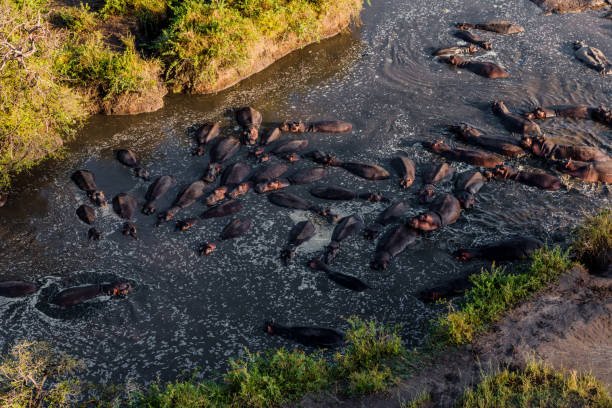
- Hippos: Hippos can be observed in the larger water bodies, often submerged with only their eyes and nostrils visible.
- Primates: Besides the prominent baboons and blue monkeys, vervet monkeys are also commonly encountered.
- Smaller Mammals: Keep an eye out for a variety of other mammals, including dik-dik, impala, Grant’s gazelle, waterbuck, bushbuck, warthogs, mongooses, and occasionally, more elusive predators like leopards and cheetahs (though sightings are rarer than in other parks).
Birds: A Birder’s Paradise
Lake Manyara National Park is a globally significant birding destination. The combination of lake, forest, and woodland habitats creates a rich environment for a wide spectrum of avian species.
- Flamingos: The most iconic birdlife. Thousands of Lesser Flamingos often turn the lake into a vast pink carpet, especially during the wet season. Greater Flamingos are also present.
- Water Birds: Expect to see pelicans, cormorants, darters, herons, egrets, storks (like the Saddle-billed Stork and Marabou Stork), and various types of ducks and geese.
- Raptors: The park is home to numerous birds of prey, including African Fish Eagles, Martial Eagles, Crowned Eagles, and various buzzards and falcons.
- Forest Birds: The groundwater forest supports species like Silvery-cheeked Hornbills, Narina Trogons, and various barbets and woodpeckers.
- Savanna Birds: In the open areas, you can find species such as Guinea Fowl, Ostrich, Lilac-breasted Rollers, Bee-eaters, and various plovers and sandpipers.
Activities and Experiences at Lake Manyara
Beyond standard game drives, Lake Manyara offers a range of activities that can enrich your safari experience:
Game Drives
This is the primary activity. The park’s road network allows for excellent game viewing. Most visitors opt for a full-day game drive, exploring the diverse habitats.
- Morning/Afternoon Drives: The best times for wildlife viewing are generally early morning and late afternoon when animals are most active.
- Tree
Check Availability for Lake Manyara National Park 2026-2027
Ready to compare dates, prices, and the best option for your group? Send the package name and travel month so the team can reply with a clear quote, availability, and what is included.
12 closely related packages
Tarangire National Park: Your Ultimate Safari Guide For 2026-2027
Tarangire National Park is a premier safari destination in Tanzania, renowned for its large elephant populations, diverse birdlife, and iconic baobab trees. This guide provides...
View package details
Saadani National Park Entry Fees And Safari Prices For 2026-2027
Planning a safari to Saadani National Park? This guide details the essential entry fees and safari package prices for 2026-2027, helping you budget for your unforgettable Tanzanian...
View package details
Saadani National Park: Tanzanias Coastal Wilderness Adventure In 2026-2027
Discover Saadani National Park, Tanzania's only coastal wildlife sanctuary where the African bush meets the Indian Ocean. This guide covers wildlife, activities, best times to visit, and...
View package details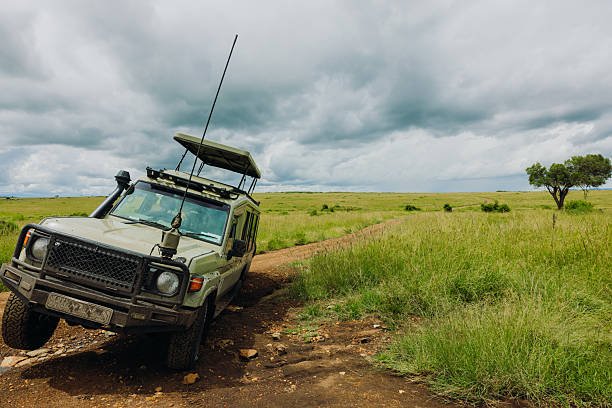
Katavi National Park: Tanzanias Untamed Wilderness Safari Guide 2026-2027
Katavi National Park offers an unparalleled safari experience in Tanzania's remote wilderness. This guide explores its vast landscapes, abundant wildlife, best visiting times for 2026-2027...
View package detailsRuaha National Park Camping Fees: Your Complete Guide 2026-2027
Planning a safari in Ruaha National Park? This comprehensive guide details all the essential camping fees for 2026-2027, including park entry, camping permits, and conservation charges, to...
View package details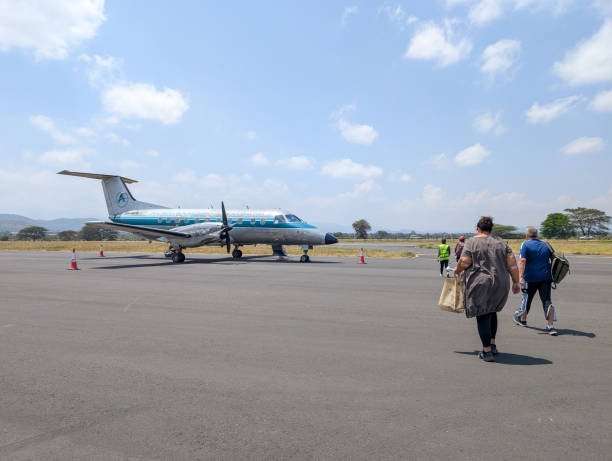
Mikumi National Park Entry Fees And Safari Prices 2026-2027
Planning a safari to Mikumi National Park? This guide details the essential entry fees, conservation charges, and safari package prices for 2026-2027, helping you budget for an...
View package details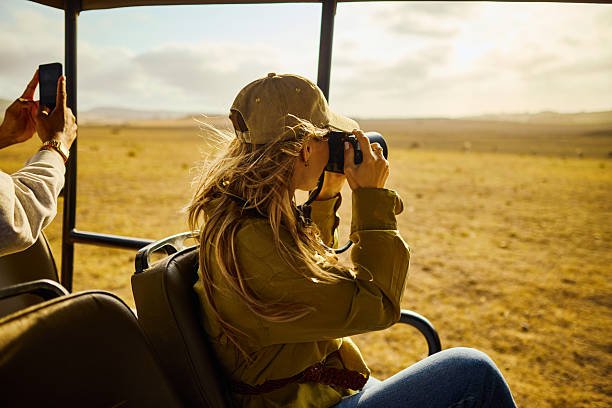
Mikumi National Park: Your Ultimate Safari Guide For 2026-2027
Mikumi National Park offers incredible wildlife viewing with its open plains and abundant animals, making it a top choice for Tanzania safaris. This guide covers everything you need to know...
View package details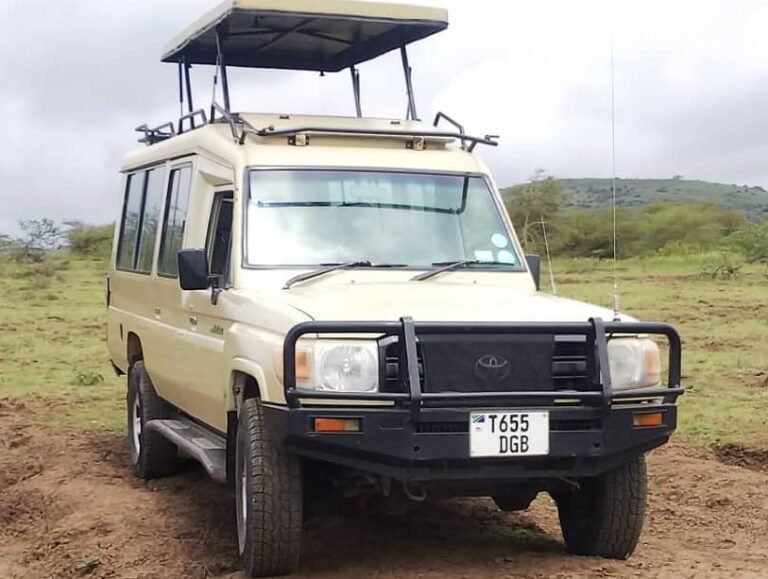
Serengeti National Park Game Drive Prices Explained For Adventures 2026-2027
Planning a Serengeti safari in 2026 or 2027? This guide breaks down Serengeti National Park game drive prices, explaining all the factors that influence your safari cost. Discover what's...
View package details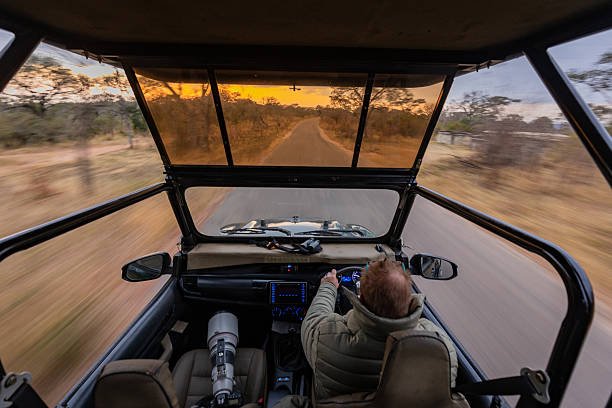
Tanzania National Park Entry Fees: A Complete Guide For 2026-2027
Planning a Tanzanian safari? This guide breaks down the 2026-2027 entry fees for all major national parks, helping you budget effectively for Serengeti, Ngorongoro, and beyond.
View package details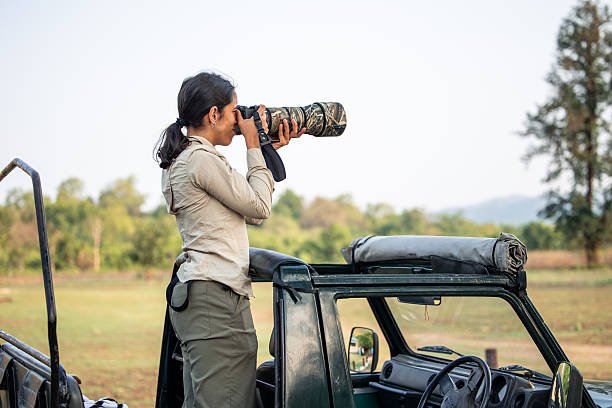
Tanzania Attraction Entry Fees: Guide To Park And Reserve Costs For 2026-2027
Planning a trip to Tanzania? This comprehensive guide details the essential Tanzania attraction entry fees for 2026-2027, covering national parks, conservation areas, and cultural sites...
View package details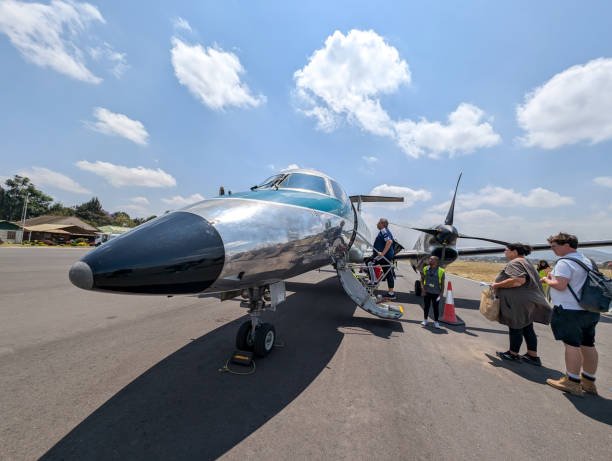
Tanzania Safari Prices Including Park Fees: A Comprehensive Guide 2026-2027
Planning a Tanzania safari means understanding the total cost, which heavily relies on park fees. This guide breaks down typical Tanzania safari prices, detailing what park entrance fees...
View package details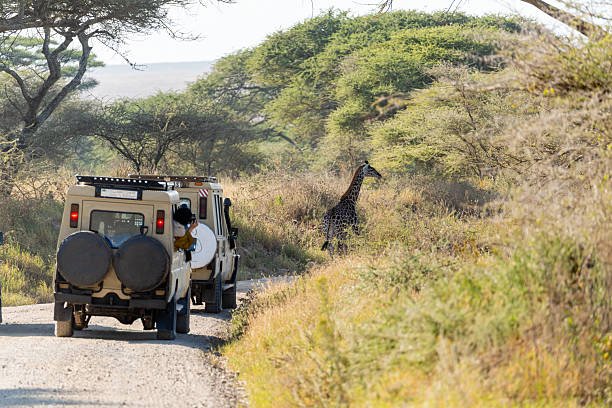
Ruaha Safari Prices For Every Budget: Your Guide 2026-2027
Planning a safari in Tanzania's magnificent Ruaha National Park? This guide breaks down Ruaha safari prices for 2026-2027, detailing what influences costs and how to find options that fit...
View package detailsNo related package matches those filters. Clear one or more filters to see the other topic-matched options.



