
Planning a Tanzania safari in 2026 or 2027 as a family or solo traveler means prioritizing safety through informed preparation and mindful execution; this involves understanding wildlife behavior, adhering to park rules, taking health precautions, ensuring secure accommodations, and choosing reputable tour operators to mitigate risks and guarantee a secure, rewarding experience.
Your Essential Tanzania Safari Safety Guide: Families & Solo Travelers 2026-2027
Tanzania offers some of the world’s most spectacular wildlife viewing opportunities, from the vast plains of the Serengeti to the unique ecosystem of the Ngorongoro Crater. For families and solo travelers alike, the allure of witnessing lions, elephants, and wildebeest in their natural habitat is immense. However, embarking on such an adventure requires a clear understanding of safety protocols to ensure a memorable and incident-free journey. This comprehensive guide, tailored for 2026 and 2027 travel, addresses the specific concerns and needs of both families and solo explorers, providing actionable advice for a secure and enriching safari experience.
Understanding the Landscape: Tanzania’s National Parks and Reserves
Tanzania boasts an impressive network of national parks and conservation areas, each with its unique characteristics and safety considerations. Familiarizing yourself with these environments is the first step in planning a safe safari.
- Serengeti National Park: Famous for the Great Migration, the Serengeti is vast and largely unfenced. Safety here revolves around staying within your vehicle during game drives, maintaining a safe distance from wildlife, and being aware of your surroundings, especially during dawn and dusk.
- Ngorongoro Conservation Area: The Ngorongoro Crater is a UNESCO World Heritage site, teeming with wildlife in a contained caldera. While dense with animals, it’s crucial to respect designated viewing areas and avoid feeding or approaching wildlife. The steep crater rim also requires careful navigation.
- Tarangire National Park: Known for its large elephant herds and iconic baobab trees, Tarangire offers excellent game viewing. Similar to the Serengeti, sticking to designated tracks and respecting wildlife is paramount.
- Lake Manyara National Park: This park offers diverse habitats, including its famous tree-climbing lions. Safety measures are standard for park visits: stay in your vehicle, keep noise levels down, and never exit the vehicle without explicit guidance from your tour operator or park rangers.
- Selous Game Reserve (Nyerere National Park): As one of Africa’s largest reserves, the Selous offers a more remote safari experience. Boat safaris and walking safaris are popular here, requiring strict adherence to guide instructions for safety, especially concerning hippos and crocodiles on riverine excursions.
- Ruaha National Park: Tanzania’s largest national park, Ruaha, is known for its wild and rugged beauty, and large predator populations. It’s a destination for more experienced safari-goers, where expert guidance is non-negotiable for safety.
Wildlife Safety: Respecting the Wild
The thrill of a safari comes from observing wildlife up close, but this must always be done with respect and caution. Understanding animal behavior is key to avoiding dangerous situations.
Key Principles for Safe Wildlife Encounters:
- Maintain Distance: Always keep a safe distance from all wildlife, regardless of how docile they may appear. Your tour guide will know the appropriate distances for different species. Never approach animals, especially predators, mothers with young, or large herbivores like elephants and buffalos.
- Stay Inside Your Vehicle: Unless on a guided walking safari in a designated safe area, always remain inside your safari vehicle when game viewing. Vehicles offer a protective barrier. Do not stick arms or heads out of windows.
- No Feeding: Never feed wildlife. It habituates them to humans, alters their natural behavior, and can lead to aggressive encounters. It is also detrimental to their health.
- Minimize Noise: Loud noises can startle or agitate animals. Speak softly and avoid sudden loud sounds or music.
- Avoid Sudden Movements: When an animal is close, avoid sudden movements or gestures that could be perceived as a threat.
- Respect Their Space: If an animal appears stressed, agitated, or is moving away, do not pursue it. Allow them to retreat.
- Predator Awareness: Be particularly cautious in areas known for predators. Your guide will brief you on signs of potential danger.
- Large Herbivores: Elephants, rhinos, hippos, and buffaloes can be extremely dangerous, especially when they feel threatened or are protecting their young. Never underestimate their power.
- Walking Safaris: These are conducted only with highly trained and armed rangers or guides in specific areas (like parts of Selous or Ruaha) where it is deemed safe. Always follow your guide’s instructions precisely.
Safety for Families with Children
Tanzania safaris can be incredibly educational and exciting for children. However, extra precautions are necessary to ensure their safety and enjoyment.
- Brief Children on Rules: Before and during the safari, explain the safety rules to your children in an age-appropriate manner. Emphasize why they must stay in the vehicle, not feed animals, and listen to the guide.
- Constant Supervision: Children should be under constant supervision, especially when outside the vehicle at lodges or camps. Ensure they do not wander off.
- Vehicle Safety: Ensure children are seated properly and safely within the safari vehicle. Seatbelts are not typically used in open safari vehicles, so constant vigilance is key.
- Choosing Appropriate Activities: Opt for safaris that are suitable for young children. Shorter game drives, lodges with child-friendly facilities, and less strenuous activities might be preferable.
- Health Preparedness: Carry a comprehensive children’s first-aid kit and any necessary medications. Consult your pediatrician about vaccinations and malaria prevention for children well in advance of your 2026-2027 trip.
- Educate on Respect: Teach children to respect the environment and wildlife, fostering a sense of conservation from a young age.
Safety for Solo Travelers
Solo travel in Tanzania can be an incredibly empowering and rewarding experience. However, it requires a heightened sense of awareness and proactive safety measures.
- Choose Reputable Tour Operators: This is paramount. Opt for established companies with excellent reviews and a proven track record, like Top Guide Adventures. They provide experienced guides, reliable vehicles, and well-vetted accommodations. Booking a small group tour can offer companionship and shared responsibility.
- Share Your Itinerary: Inform a trusted friend or family member back home about your travel plans, including your itinerary, accommodation details, and contact information. Check in regularly.
- Stay Connected (When Possible): While connectivity can be limited in remote areas, make use of Wi-Fi at lodges and camps to update your contacts. Consider purchasing a local SIM card upon arrival for easier communication.
- Be Aware of Your Surroundings: Pay attention to who is around you, especially in towns, markets, and airports. Avoid displaying expensive items.
- Trust Your Instincts: If a situation feels uncomfortable or unsafe, remove yourself from it. Don’t hesitate to ask for help from your guide, lodge staff, or local authorities if needed.
- Valuables Management: Keep cash and important documents (passport, visas) secure in a hotel safe or a money belt. Only carry what you need for the day.
- Nighttime Safety: Be cautious when moving around after dark, especially in urban areas. It’s best to stay within the confines of your lodge or camp unless accompanied by a guide or driver.
- Cultural Sensitivity: Dress modestly when visiting local villages or towns to show respect. Understanding and respecting local customs can prevent misunderstandings and ensure smoother interactions.
Health and Medical Preparedness
Your health is a critical component of a safe and enjoyable safari. Proactive measures before and during your trip are essential.
Pre-Travel Health Consultations:
- Consult Your Doctor: Visit your doctor or a travel clinic at least 4-6 weeks before your 2026-2027 safari. Discuss necessary vaccinations (e.g., Yellow Fever, Hepatitis A & B, Typhoid) and malaria prophylaxis.
- Malaria Prevention: Tanzania is a malaria-endemic country. Your doctor will prescribe appropriate antimalarial medication. It’s crucial to take it exactly as prescribed and continue for the recommended duration after returning home.
- Insect Repellent: Use insect repellent containing DEET or Picaridin, especially during dawn and dusk when mosquitoes are most active. Apply it to exposed skin after sunscreen.
- Hydration: Drink plenty of bottled or purified water. Dehydration can lead to illness and affect your ability to enjoy the safari. Avoid drinking tap water.
- Food Safety: Stick to well-cooked food and peel fruits and vegetables yourself. Be cautious with street food. Your lodge or tour operator will typically provide safe, hygienic meals.
On-Safari Health Measures:
- First-Aid Kit: Carry a well-stocked personal first-aid kit including essentials like bandages, antiseptic wipes, pain relievers, anti-diarrhea medication, antihistamines, and any personal prescriptions.
- Sun Protection: The African sun is intense. Use high SPF sunscreen, wear a wide-brimmed hat, and sunglasses.
- Hygiene: Wash your hands frequently, especially before eating. Hand sanitizers are useful when soap and water are not readily available.
- Emergency Procedures: Familiarize yourself with your tour operator’s emergency procedures and contact details. Ensure your travel insurance covers medical evacuation and repatriation.
Accommodation Safety: Lodges and Camps
Where you stay plays a role in your overall safety. Reputable lodges and tented camps prioritize guest security.
- Vetted Establishments: Top Guide Adventures partners with lodges and camps that meet high safety and hygiene standards. These typically have trained staff, secure perimeters (where applicable), and emergency protocols.
- Wildlife Around Camps: Be aware that wildlife may roam near camps and lodges, especially in unfenced areas. Always follow instructions from camp staff regarding movement after dark. Never walk alone outside designated safe areas at night.
- Insect Protection: Most camps provide mosquito nets for beds. Ensure they are properly tucked in. Keep tent flaps zipped to prevent insects from entering.
- Valuables: Use the provided safes in your room or tent to store valuables.
- Communication: Understand how to contact camp management or staff in case of an emergency.
Transportation Safety: Safari Vehicles and Drivers
Your safari vehicle and driver are your lifeline in the wilderness. Choosing a reliable operator ensures quality and safety.
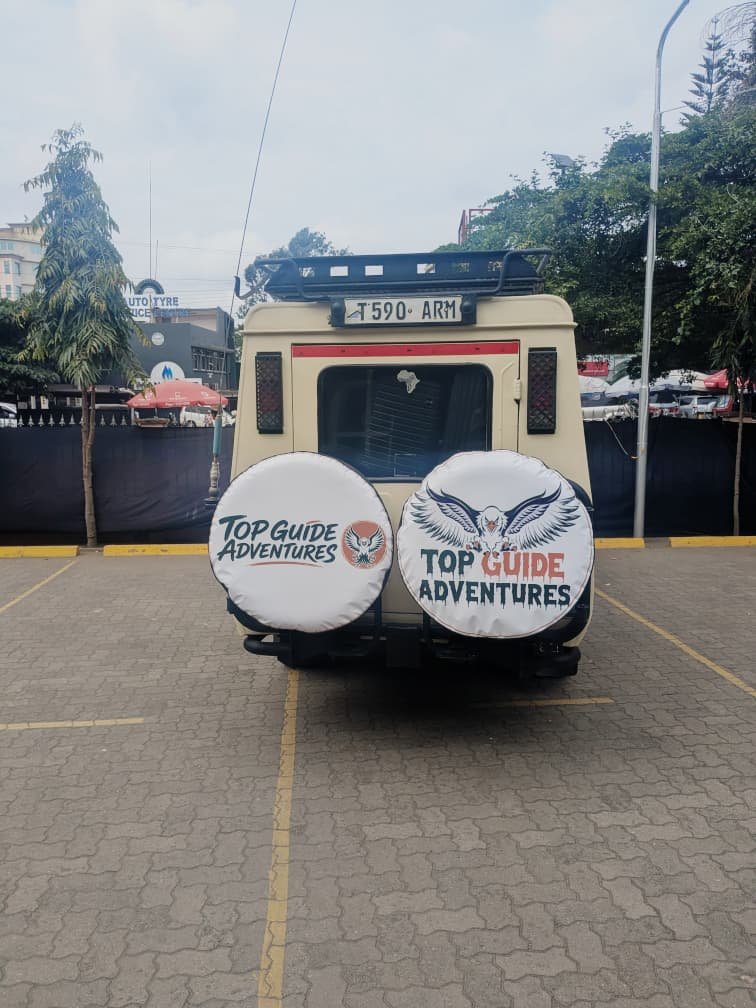
- Vehicle Maintenance: Ensure your safari vehicle is well-maintained, with functional seatbelts (if applicable), emergency exits, and communication equipment. Top Guide Adventures maintains its fleet to the highest standards.
- Experienced Drivers/Guides: Your driver-guide is crucial for both wildlife spotting and safety. They are trained in wildlife behavior, emergency procedures, and vehicle operation in challenging terrain. They know the parks intimately and will adhere to speed limits and park regulations.
- Road Conditions: Roads within parks can be rough and unpredictable. Always follow your driver’s instructions regarding movement within the vehicle.
- Communication with Driver: Maintain open communication with your driver-guide. Inform them if you feel unwell or uncomfortable. They are your primary point of contact for any issues.
- Emergency Kit in Vehicle: A well-equipped safari vehicle should carry a first-aid kit, spare tire, tools, and communication devices.
Choosing a Reputable Tour Operator: The Cornerstone of Safari Safety
Selecting the right tour operator is arguably the most critical decision for ensuring a safe and enjoyable Tanzania safari, especially for families and solo travelers. Top Guide Adventures prides itself on prioritizing client safety and satisfaction.
Why Top Guide Adventures Enhances Safety:
- Experienced Local Guides: Our guides are trained in wildlife tracking, first aid, and emergency response. They possess deep knowledge of the parks and animal behavior, ensuring you are in capable hands.
- Well-Maintained Fleet: We operate a fleet of modern, robust 4×4 safari vehicles, regularly serviced and equipped for the demands of Tanzanian terrain.
- Safety Protocols: We adhere to strict safety protocols for all our tours, from wildlife viewing to road travel and accommodation vetting.
- 24/7 Support: Clients have access to our team for support throughout their safari, offering peace of mind, especially for solo travelers.
- Tailored Itineraries: We can craft itineraries that suit your family’s needs, including pacing, accommodation choices, and activity levels, ensuring comfort and safety for all ages.
- Transparent Communication: We provide clear pre-safari information regarding what to expect, packing lists, and safety guidelines.
For your 2026-2027 safari planning, consider operators that demonstrate a strong commitment to safety. Look for certifications, positive reviews focusing on safety and reliability, and clear communication channels.
General Safety Tips for Tanzania Travel
Beyond the safari specifics, general travel safety practices are important for a smooth trip.
- Travel Insurance: Comprehensive travel insurance is non-negotiable. Ensure it covers medical emergencies, evacuation, trip cancellation, and lost belongings.
- Currency: While credit cards are accepted in larger hotels and lodges, it’s wise to carry some local currency (Tanzanian Shilling) for smaller purchases, tips, and in more remote areas. ATMs are available in major towns.
- Photography: Be mindful when taking photos, especially of people. Always ask for permission before photographing individuals, particularly in local villages. Avoid photographing government buildings or military installations.
- Scams and Petty Theft: Be aware of common tourist scams, particularly in busier areas like Dar es Salaam, Arusha, and Zanzibar. Keep your belongings secure and be wary of overly friendly strangers offering unsolicited help.
- Emergency Contacts: Save important emergency numbers in your phone, including those of your tour operator, embassy, and local police.
Navigating 2026-2027 Travel Considerations
Planning for a 2026 or 2027 safari involves staying updated on any travel advisories, visa requirements, and booking trends. While safety fundamentals remain constant, these future-oriented aspects are worth noting.
- Booking Window: For popular seasons in 2026 and 2027, especially during peak migration or holiday periods, booking well in advance (6-12 months) is recommended to secure preferred accommodations and ensure availability, particularly for family suites or specific solo traveler needs.
- Health Regulations: Stay informed about any ongoing health advisories or vaccination requirements that might be in place for 2026-2027 travel. This includes COVID-19 related protocols, though these are constantly evolving. Your tour operator will provide the latest information.
- Visa Requirements: Check the latest visa requirements for Tanzania for your nationality. Many nationalities can obtain a visa on arrival, but e-visas are also often available, which can streamline the process for your 2026-2027 trip.
- Sustainable Tourism: Choose operators who practice and promote sustainable tourism. This not only benefits the environment and local communities but often correlates with higher operational standards, including safety.
Creating Your Safe Safari Plan with Top Guide Adventures
A well-planned safari is a safe safari. Top Guide Adventures is dedicated to helping families and solo travelers create their perfect, secure Tanzanian adventure.
We understand that safety is paramount, especially when traveling with children or as a solo individual. Our experienced team is here to guide you through every step of the planning process for your 2026-2027 safari. From selecting the most appropriate parks and lodges to arranging reliable transportation and ensuring you have all the necessary information, we’ve got you covered.
Whether you’re dreaming of witnessing the Great Migration in the Serengeti, exploring the Ngorongoro Crater, or discovering the wild beauty of Ruaha, Top Guide Adventures crafts journeys that blend adventure with peace of mind. We focus on providing personalized attention, clear communication, and dedicated support to ensure your safari is not just safe, but also profoundly memorable.
Contact us today to start planning your secure and unforgettable Tanzania safari for 2026-2027.
WhatsApp: +255616946642
Email: topguideadventures@gmail.com
Backup Email: info@topguideadventurestanzania.com
Let Top Guide Adventures be your trusted partner in exploring the wonders of Tanzania safely and comfortably.
Check Availability for Tanzania Safari Safety Guide For Families And Solo Travelers In 2026-2027
Ready to compare dates, prices, and the best option for your group? Send the package name and travel month so the team can reply with a clear quote, availability, and what is included.
Tanzania Family Safari Cost: Planning Your Adventure 2026-2027
Planning a family safari in Tanzania for 2026 or 2027? This comprehensive guide breaks down the Tanzania family safari cost, detailing what influences your budget, typical price ranges, and...
View package details
Tanzania Private Safari Prices 2026-2027
Tanzania Private Safari Prices is explained with current 2026-2027 planning, price, itinerary and booking information.
View package details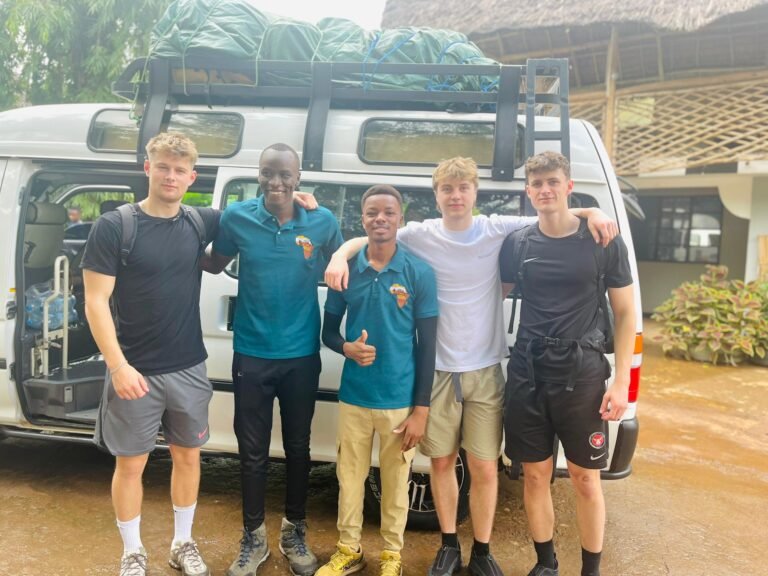
Tanzania Photography Safari Prices: Your Comprehensive Guide 2026-2027
Planning a photography safari in Tanzania for 2026 or 2027? This guide breaks down the expected costs, helping you budget for an unforgettable wildlife photography adventure. Learn what...
View package details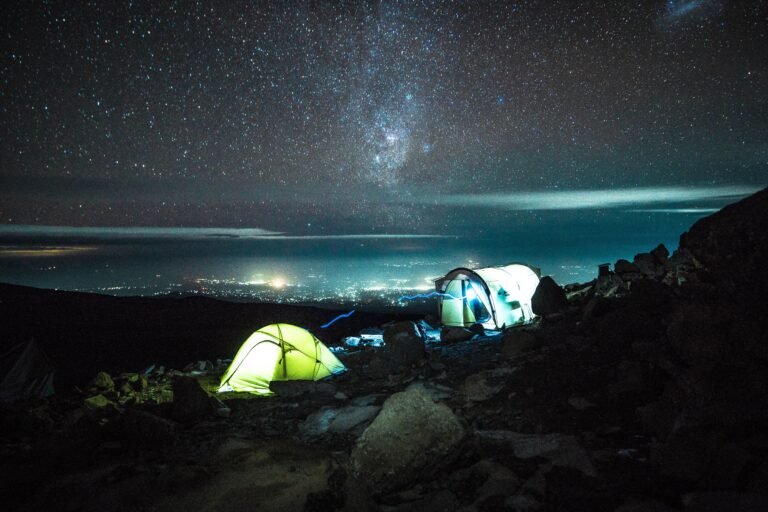
Tanzania Wildlife Safari Cost Breakdown: Your Budget Guide 2026-2027
Planning a Tanzania wildlife safari involves understanding the key cost components. This guide provides a detailed breakdown for 2026-2027, covering everything from park fees and...
View package details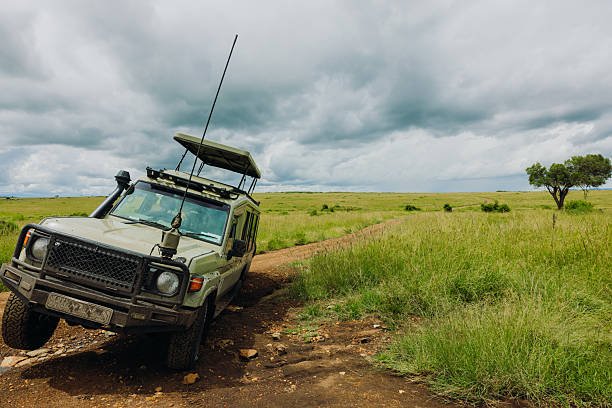
Katavi National Park: Tanzanias Untamed Wilderness Safari Guide 2026-2027
Katavi National Park offers an unparalleled safari experience in Tanzania's remote wilderness. This guide explores its vast landscapes, abundant wildlife, best visiting times for 2026-2027...
View package details
Ngorongoro Conservation Area: Your Ultimate Tanzania Safari Guide 2026-2027
Explore the unparalleled biodiversity and unique landscape of the Ngorongoro Conservation Area. This comprehensive guide covers everything you need to know for planning your 2026-2027...
View package details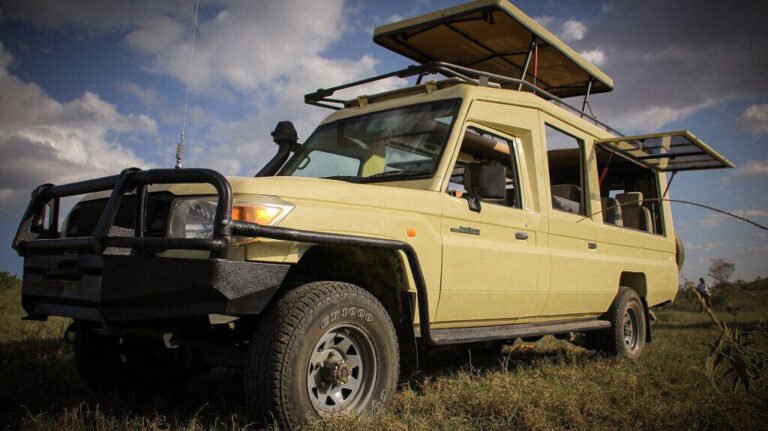
Tanzania Fly-In Safari Prices 2026-2027
Tanzania Fly-In Safari Prices is explained with current 2026-2027 planning, price, itinerary and booking information.
View package details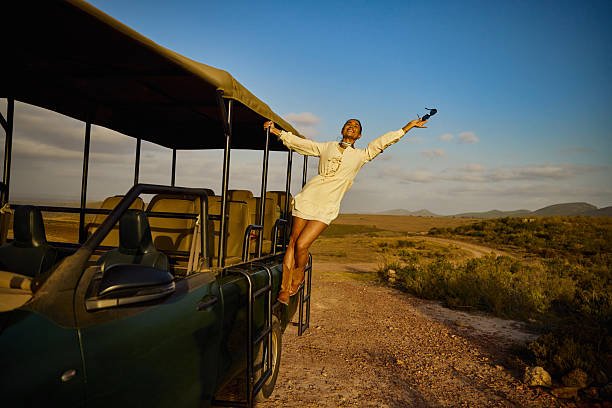
Tanzania Group Safari Cost Guide
Planning a Tanzania group safari in 2026-2027? This comprehensive guide breaks down the Tanzania group safari cost, detailing what influences prices, typical inclusions, and how to budget...
View package details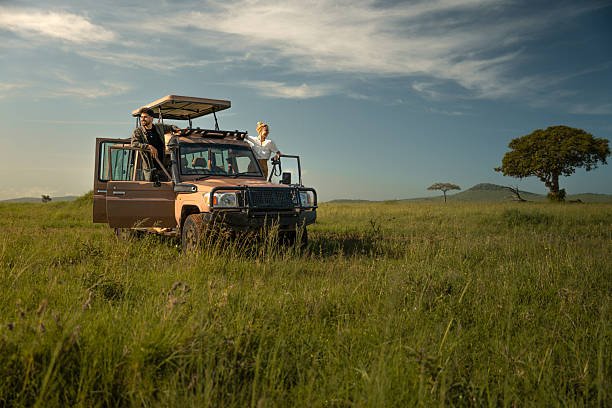
Tanzania Budget Safari Prices: Your Guide To Affordable Adventures 2026-2027
Planning a budget safari in Tanzania for 2026 or 2027? Understand the typical price ranges, what influences costs, and how to get the most value for your money. This guide breaks down the...
View package details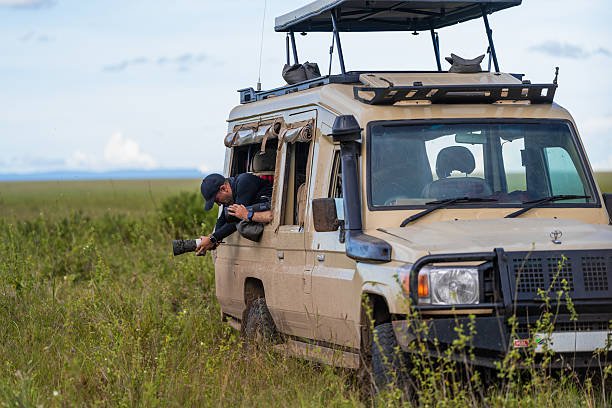
Tanzania Luxury Safari Cost: Planning Your Dream Trip 2026-2027
Planning a luxury safari in Tanzania? Discover the typical costs involved for 2026-2027, what drives the price, and what to expect in terms of inclusions and value for an unparalleled...
View package details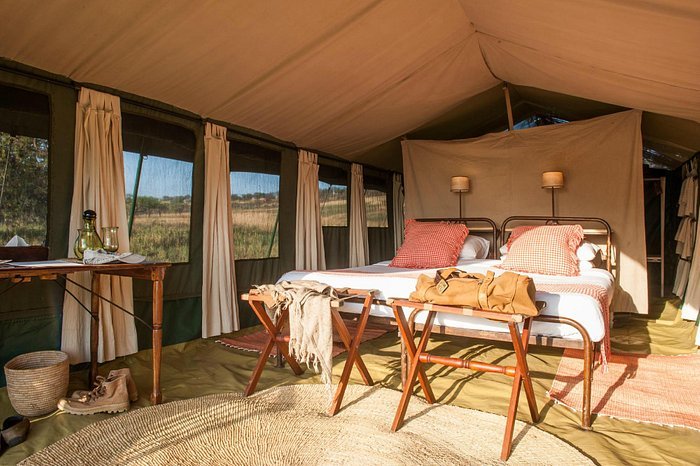
Tanzania Honeymoon Safari Prices: Your Ultimate Guide 2026-2027
Planning a romantic Tanzanian honeymoon safari? This guide breaks down the expected prices for 2026-2027, covering various factors that influence costs, typical inclusions, and how to get...
View package details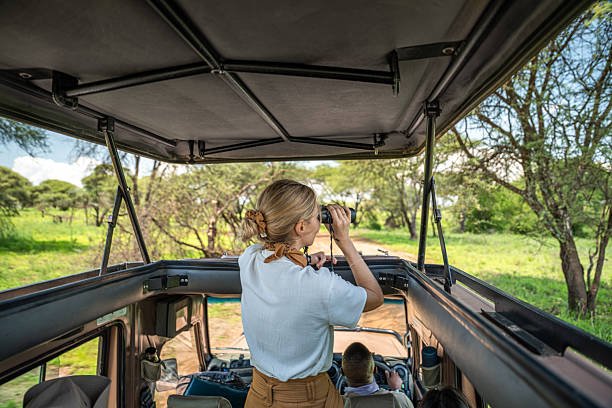
Tanzania Bird Watching Safari Prices: Your Guide 2026-2027
Planning a bird watching safari in Tanzania? This guide breaks down the costs for 2026-2027, explaining what influences prices and how to get the best value for your ornithological...
View package detailsNo related package matches those filters. Clear one or more filters to see the other topic-matched options.



