
A Tanzania solo travel safari is an exceptionally rewarding experience, offering unparalleled wildlife encounters and personal discovery across iconic landscapes like the Serengeti and Ngorongoro Crater. Planning for 2026-2027 involves choosing the right safari type (e.g., camping, lodge, private), understanding costs which typically range from $200 to $700+ per person per day depending on comfort level and inclusions, and prioritizing safety through reputable operators and sensible precautions. The best solo safaris focus on flexibility, maximizing wildlife viewing opportunities, and ensuring a comfortable and secure journey, often combining popular parks with cultural interactions for a richer adventure.
Why Choose Tanzania for Your Solo Safari Adventure?
Tanzania stands as a premier destination for solo travelers seeking an authentic and awe-inspiring African safari experience. Its vast, protected wilderness areas teem with an incredible diversity of wildlife, offering some of the most spectacular game viewing opportunities on the planet. For the solo adventurer, Tanzania provides a unique blend of thrilling wildlife encounters, cultural richness, and a well-established tourism infrastructure that makes independent travel not only feasible but deeply enriching. From the endless plains of the Serengeti to the unique ecosystem of the Ngorongoro Crater and the vast wilderness of Ruaha, Tanzania offers a safari for every taste and budget.
The Allure of Solo Exploration in Tanzania
Traveling solo allows for a deeply personal connection with the natural world. You set the pace, choose the experiences that resonate most with you, and have the freedom to linger at a watering hole watching elephants or to engage in spontaneous conversations with your guide. In Tanzania, this means having the space to truly absorb the grandeur of the landscape, the thrill of spotting a leopard in a tree, or the quiet contemplation of a starlit night in the bush. The country’s commitment to conservation means that its parks are managed to preserve the wildness that solo travelers often seek – a genuine, untamed Africa.
Tanzania’s Wildlife Spectacle: A Solo Traveler’s Dream
Tanzania is synonymous with iconic wildlife. The Great Migration, a impressive annual movement of millions of wildebeest and zebras, is a sight that draws visitors from around the globe. Witnessing this natural phenomenon solo allows for a profound sense of awe and a unique perspective on the circle of life. Beyond the migration, Tanzania is home to the “Big Five” (lion, leopard, elephant, rhino, and buffalo), cheetahs, giraffes, hippos, crocodiles, and an astonishing array of birdlife. For a solo traveler, every game drive is an adventure, a chance to discover something new and exhilarating, guided by experts who share your passion for wildlife.
Safety and Support for the Independent Traveler
While venturing solo to any new destination, safety is a primary concern. Tanzania’s tourism industry is well-developed, with a strong emphasis on traveler well-being. Reputable tour operators, like Top Guide Adventures, prioritize client safety by providing experienced guides, reliable transportation, and carefully selected accommodations. Understanding local customs, staying aware of your surroundings, and following the guidance of your tour operator are key. For solo travelers, choosing a company that offers dedicated support, clear communication, and a commitment to personalized service can significantly enhance peace of mind throughout the journey.
Crafting Your Tanzania Solo Safari Itinerary: Key Destinations
The vastness of Tanzania means that strategic planning is essential for a solo safari. Focusing on a few key areas allows for a more in-depth experience without excessive travel time. The northern circuit is the most popular and accessible, offering a concentration of iconic parks. However, for those seeking a more remote or different experience, the southern circuit provides incredible wildlife viewing with fewer crowds.
The Northern Circuit: The Classic Tanzanian Safari Experience
The northern circuit is the quintessential Tanzanian safari destination, renowned for its high concentration of wildlife and diverse landscapes. It’s an excellent choice for solo travelers, offering a well-trodden path with excellent infrastructure and a high probability of incredible sightings.
Serengeti National Park: The Endless Plains
No safari in Tanzania is complete without a visit to the Serengeti. Its name, derived from the Maasai word “Siringet,” meaning “endless plains,” perfectly describes its vast, rolling grasslands. This is the stage for the Great Migration, a spectacle of nature that is both humbling and exhilarating. Solo travelers can spend days here, exploring different regions from Seronera in the center to the northern and western corridors, each offering unique wildlife viewing opportunities.
* Wildlife Highlights: Millions of wildebeest, zebras, gazelles during migration; abundant big cats (lions, leopards, cheetahs); elephants, giraffes, buffalo.
* Best Time for Solo Travelers: The migration’s location varies. June-October offers drier conditions and river crossings in the north. December-March is calving season in the southern plains.
* Solo Experience: Opt for a small group tour or a private safari for maximum flexibility. Staying in mobile camps during migration season offers a truly wild experience.
Ngorongoro Conservation Area: The “Eighth Natural Wonder”
The Ngorongoro Crater is a UNESCO World Heritage Site and one of the most stunning natural wonders on Earth. This vast caldera, formed by a collapsed volcano, shelters an incredible density of wildlife, including a protected population of black rhinos. The sheer beauty and the concentration of animals make it a must-visit for any Tanzania solo travel safari.
* Wildlife Highlights: High chance of spotting the Big Five, including the rare black rhino; large herds of wildebeest and zebras; hippos, flamingos.
* Best Time for Solo Travelers: Year-round, though drier months (June-October) offer clearer game viewing.
* Solo Experience: Day trips from Arusha or lodges on the crater rim are common. A guided tour is essential for descending into the crater.
Tarangire National Park: The Land of Giants
Known for its massive elephant herds and iconic baobab trees, Tarangire National Park is a fantastic addition to any northern circuit itinerary. During the dry season (June-October), the Tarangire River becomes a vital water source, attracting a huge concentration of wildlife.
* Wildlife Highlights: Large elephant herds, lions, leopards, cheetahs, diverse birdlife.
* Best Time for Solo Travelers: June to October for dry season concentrations; November to May for lush landscapes and birdwatching.
* Solo Experience: Easily combined with Lake Manyara and Ngorongoro for a comprehensive northern circuit trip.
Lake Manyara National Park: Tree-Climbing Lions and Flamingos
Famous for its tree-climbing lions (though sightings are not guaranteed) and large flocks of flamingos, Lake Manyara offers a different safari experience with its diverse habitats, including groundwater forest, acacia woodlands, and the lake itself.
* Wildlife Highlights: Tree-climbing lions, large baboon troops, elephants, hippos, flamingos, diverse bird species.
* Best Time for Solo Travelers: Year-round, with good game viewing particularly during the dry season.
* Solo Experience: A great park for a half-day or full-day game drive, often included in northern circuit packages.
The Southern Circuit: Off-the-Beaten-Path Adventures
For solo travelers seeking a more remote and less crowded safari experience, Tanzania’s southern circuit offers vast, wild landscapes and exceptional wildlife viewing.
Ruaha National Park: Tanzania’s Largest Park
Ruaha is the largest national park in Tanzania and offers a truly wild and rugged safari experience. It’s known for its large elephant and buffalo herds, significant predator populations (especially lions and wild dogs), and dramatic landscapes.
* Wildlife Highlights: One of the highest concentrations of elephants in East Africa, large prides of lions, endangered wild dogs, cheetahs, leopards, greater and lesser kudus, sable antelopes.
* Best Time for Solo Travelers: Dry season (June-October) for concentrated wildlife along the Ruaha River; wet season (November-May) for lush scenery and birdwatching.
* Solo Experience: Best for those who want to feel truly remote and appreciate a less-touched wilderness. Fly-in safaris are common due to its size and distance.
Selous Game Reserve (Nyerere National Park): A Wilderness Icon
Now officially Nyerere National Park, the Selous is one of Africa’s largest game reserves and offers a unique variety of safari activities, including walking safaris and boat safaris on the Rufiji River, in addition to traditional game drives.
* Wildlife Highlights: Large elephant and buffalo populations, wild dogs, hippos, crocodiles, diverse birdlife; boat safaris offer excellent views of hippos and birds.
* Best Time for Solo Travelers: Dry season (June-October) for game viewing; wet season (November-May) for lush scenery and migratory birds.
*
* Solo Experience: The boat safari on the Rufiji River is a highlight, offering a different perspective on wildlife. Walking safaris provide an intimate connection with the bush.
Beyond the Parks: Zanzibar and Cultural Encounters
While wildlife is often the primary draw, a Tanzania solo travel safari can be greatly enhanced by incorporating cultural experiences or a relaxing stay on the spice island of Zanzibar.
* Zanzibar: Post-safari relaxation on the white-sand beaches, exploring Stone Town’s historic alleys, or visiting spice plantations. It offers a complete contrast to the bush.
* Cultural Tourism: Engaging with local communities, such as the Maasai, provides valuable insights into traditional life. Many tours can be arranged to visit villages respectfully.
Planning Your Tanzania Solo Travel Safari: Practicalities for 2026-2027
Successful solo travel in Tanzania hinges on careful planning, especially when looking ahead to 2026 and 2027. This includes understanding the best times to travel, choosing the right safari style, and budgeting effectively.
Best Time to Visit for Solo Safari Goers (2026-2027)
Tanzania offers incredible safari experiences year-round, but the “best” time often depends on what you want to see and experience.
* Dry Season (June to October): This is the most popular time for safaris. Wildlife congregates around permanent water sources, making game viewing more predictable. The Great Migration river crossings in the northern Serengeti typically occur in July and August. Skies are generally clear, offering excellent photographic opportunities. Expect higher prices and more crowds.
* Wet Season (November to May): This period sees less rainfall, though “short rains” can occur in November and December, followed by a drier spell, and then “long rains” from March to May. The landscape is lush and green, and it’s a fantastic time for birdwatching, especially for migratory species. Calving season in the southern Serengeti (December to March) is a highlight for witnessing predator-prey interactions. Prices are generally lower, and parks are less crowded.
**For 2026 and 2027, these patterns are expected to hold true. Booking in advance, especially for peak season (June-October 2026 and June-October 2027), is highly recommended for solo travelers to secure preferred accommodations and safari options.**
Choosing Your Safari Style: Solo Traveler Options
Solo travel in Tanzania doesn’t mean you have to travel entirely alone. You can choose a style that suits your budget, comfort level, and desire for social interaction.
* Joining a Small Group Safari: This is often the most cost-effective and social option for solo travelers. You share a vehicle and guide with other like-minded individuals. It offers a balance of shared experiences and personal time. Many tour operators, including Top Guide Adventures, offer scheduled group departures for popular itineraries in 2026 and 2027.
* Pros: More affordable, social interaction, shared costs.
* Cons: Less flexibility, need to compromise with group members.
* Private Safari: This offers the ultimate flexibility and personalized experience. You have your own vehicle and guide, and the itinerary can be tailored precisely to your interests. While more expensive, it provides unparalleled freedom.
* Pros: Maximum flexibility, personalized itinerary, privacy.
* Cons: Higher cost.
* Solo Camping Safari (Budget-Friendly): For the adventurous solo traveler, camping safaris offer an authentic bush experience at a lower cost. This can be done in a group or as a private setup. You’ll sleep in tents, often in designated campsites within or near national parks, with meals prepared by a camp chef.
* Pros: Very affordable, close to nature, adventurous.
* Cons: Less comfort, requires a willingness to rough it a bit.
* Lodge/Tented Camp Safari: This involves staying in permanent or semi-permanent lodges and tented camps, offering more comfort and amenities than camping. Solo travelers can book individual rooms or tents.
* Pros: Comfortable accommodations, good facilities, often excellent dining.
* Cons: Can be more expensive than camping.
**For 2026-2027, consider booking your preferred safari style well in advance. Group departures for 2026 are filling up, and early booking for 2027 is advisable, especially for peak migration viewing periods.**
Budgeting for Your Tanzania Solo Safari (2026-2027 Estimates)
Understanding the costs involved is crucial for planning. Prices for Tanzania solo travel safaris can vary significantly based on the level of accommodation, the length of the safari, the parks visited, and the inclusions. As a general guideline for 2026-2027:
* Budget/Camping Safaris: Expect to pay approximately $200 – $350 per person per day. This typically includes park fees, camping accommodation, meals, and a shared safari vehicle.
* Mid-Range Safaris (Tented Camps/Standard Lodges): Prices usually range from $350 – $550 per person per day. This includes park fees, comfortable tented camps or lodges, meals, and a shared or private vehicle.
* Luxury Safaris (High-End Lodges/Exclusive Camps): These can range from $600 to $1000+ per person per day. This level offers premium accommodations, exclusive access, gourmet dining, and often private vehicles.
**Key Cost Components:**
* Park Entrance Fees: These are substantial and vary by park (e.g., Serengeti can be $70-80 per person per day, Ngorongoro Crater fee is around $300 per vehicle).
* Accommodation: Lodges and tented camps are a major cost.
* Vehicle and Guide: A private vehicle and guide are more expensive than sharing.
* Meals and Drinks: Usually included on most safaris, but premium drinks might be extra.
* Activities: Optional activities like hot air balloon rides or walking safaris add to the cost.
* Transportation: This includes transfers to/from airports and between parks (often by flight for longer distances).
**Factors to Consider for 2026-2027 Pricing:**
* **Seasonality:** Peak season (June-October) will be more expensive than the low season (April-May).
* **Group Size:** Solo travelers joining a group will find costs significantly lower than a private safari.
* **Duration:** Longer safaris can sometimes offer a lower per-day rate.
* **Inclusions:** Ensure you understand what is included (park fees, meals, activities, accommodation type).
**To get an accurate quote for your 2026 or 2027 solo safari, it is best to contact a reputable tour operator directly.**
Visa, Vaccinations, and Travel Insurance
* **Visa:** Most nationalities require a visa to enter Tanzania. This can often be obtained online in advance or upon arrival at major airports. Check the latest requirements for your nationality.
* **Vaccinations:** Consult your doctor or a travel clinic at least 4-6 weeks before your trip. Recommended vaccinations often include Hepatitis A, Typhoid, Tetanus, and Polio. Yellow Fever vaccination is typically required if arriving from or transiting through a country with a risk of Yellow Fever. Malaria prophylaxis is also often recommended.
* **Travel Insurance:** Comprehensive travel insurance is non-negotiable for any safari, especially for solo travelers. Ensure it covers medical emergencies, evacuation, trip cancellation, and loss of belongings.
Safety First: Navigating Tanzania as a Solo Traveler
Safety is paramount for any solo traveler, and Tanzania is generally a safe country for tourism. However, as with any destination, awareness and preparedness are key.
Choosing a Reputable Tour Operator
This is the single most important step for ensuring a safe and enjoyable solo safari. A good operator provides experienced guides, reliable vehicles, and a well-structured itinerary. Top Guide Adventures is a trusted local company with a strong reputation for personalized service and client care.
* Look for: Good reviews (TripAdvisor, etc.), clear communication, transparent pricing, experienced guides, and a commitment to safety protocols.
* Contact: Don’t hesitate to reach out with questions. For immediate assistance or inquiries about 2026-2027 safaris, you can contact Top Guide Adventures via WhatsApp at +255616946642 or email at topguideadventures@gmail.com.
On Safari: Staying Safe in the Wild
* **Listen to Your Guide:** Your guide is highly experienced. Follow their instructions implicitly regarding wildlife, vehicle safety, and movement outside the vehicle.
* **Stay in the Vehicle:** Never exit the safari vehicle unless explicitly told it is safe by your guide, especially in areas with wildlife.
* **Wildlife Etiquette:** Maintain a safe distance from animals. Do not feed them or try to attract their attention.
* **Vehicle Safety:** Ensure vehicle doors are locked when driving, and remain seated.
General Safety Tips for Solo Travelers
* **Awareness:** Be aware of your surroundings, especially in towns and cities.
* **Valuables:** Keep valuables secure and out of sight. Avoid displaying expensive jewelry or electronics.
* **Communication:** Inform someone back home of your itinerary. Consider purchasing a local SIM card for easy communication.
* **Night Travel:** Avoid traveling alone at night in urban areas.
* **Health:** Drink bottled or purified water. Be cautious with street food.
Maximizing Your Tanzania Solo Travel Safari Experience
Beyond the practicalities, a solo safari is an opportunity for profound personal growth and connection. Here’s how to make the most of it:
Embrace the Solitude and Self-Reflection
Solo travel offers a unique space for introspection. The vastness of the African landscape and the rhythm of safari life can be incredibly conducive to quiet contemplation. Use this time to disconnect from daily pressures and reconnect with yourself and the natural world.
Engage with Your Guide and Staff
Your safari guide is not just a driver; they are your window into the local culture, wildlife, and environment. Engage them in conversation, ask questions, and learn from their expertise. Lodge and camp staff can also offer valuable insights and create a welcoming atmosphere.
Connect with Fellow Travelers (If Desired)
If you’re on a group safari, be open to meeting new people. Shared experiences, especially the thrill of spotting a rare animal, create instant bonds. Even on private safaris, lodges and camps provide opportunities to socialize with other guests during meals or around the campfire.
Photography: Capturing Your Solo Journey
Whether you’re using a professional camera or your smartphone, Tanzania offers endless photographic opportunities. Consider:
* Wildlife: Focus on capturing behavior and interaction.
* Landscapes: The dramatic scenery, from the Serengeti plains to the Ngorongoro Crater, is stunning.
* People: If engaging in cultural tours, always ask permission before photographing individuals.
* Gear: Bring extra batteries, memory cards, and a zoom lens for wildlife. A polarizing filter can enhance landscape shots.
Responsible Tourism Practices
As a solo traveler, you have the power to make a positive impact.
* Support Local Communities: Choose operators that employ local guides and staff and support community initiatives.
* Respect Wildlife: Maintain ethical viewing distances and never feed animals.
* Minimize Waste: Reduce your use of plastics and dispose of waste responsibly.
* Cultural Sensitivity: Dress modestly when visiting villages and be respectful of local customs.
Top Guide Adventures: Your Partner for a Memorable Solo Safari in 2026-2027
Choosing the right tour operator is critical for a successful Tanzania solo travel safari. Top Guide Adventures is dedicated to providing personalized attention, expert guidance, and unwavering support to ensure your adventure is safe, comfortable, and unforgettable. We understand the unique needs of solo travelers and craft itineraries that balance adventure with peace of mind.
Why Choose Top Guide Adventures for Your Solo Journey?
* Personalized Service: We tailor every safari to your interests, budget, and pace.
* Experienced Local Guides: Our guides are knowledgeable, passionate, and committed to your safety and enjoyment.
* Comprehensive Itineraries: We cover all the iconic destinations and can create unique off-the-beaten-path experiences.
* Safety Focused: Your well-being is our top priority, from vehicle maintenance to guide training.
* Transparent Pricing: We provide clear breakdowns of costs, ensuring no hidden fees.
* 24/7 Support: We are available to assist you before, during, and after your trip.
Planning Your 2026 or 2027 Solo Safari with Us
Whether you’re looking to join a small group departure or customize a private safari, Top Guide Adventures is here to help. We can assist with planning your dream Tanzania solo travel safari, ensuring all aspects are covered, from park bookings to accommodation and logistics.
Get in Touch to Start Planning!
Don’t let the idea of solo travel deter you from experiencing the magic of Tanzania. Let us handle the details so you can focus on the adventure.
* WhatsApp: +255616946642
* Email: topguideadventures@gmail.com
* Backup Email: info@topguideadventurestanzania.com
* Website: Top Guide Adventures Tanzania
**Begin planning your 2026 or 2027 Tanzania solo travel safari today and prepare for an adventure that will stay with you forever.**
A Note on 2026-2027 Bookings
As we look towards 2026 and 2027, early booking for your Tanzania solo travel safari is highly recommended. Popular parks like the Serengeti and Ngorongoro Crater, along with specific lodges and group departure dates, tend to fill up quickly. Securing your preferred dates and accommodations well in advance ensures a smoother planning process and guarantees availability for this incredible solo adventure.
Typical Inclusions for a Tanzania Solo Safari Package
- Accommodation: Based on your chosen level (camping, mid-range lodge, luxury lodge).
- Park Entrance Fees: All required fees for national parks and conservation areas.
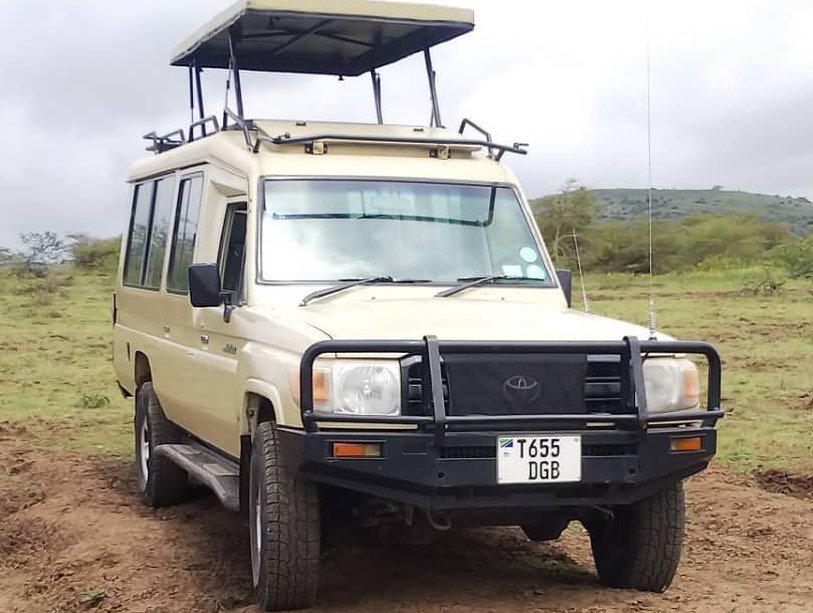
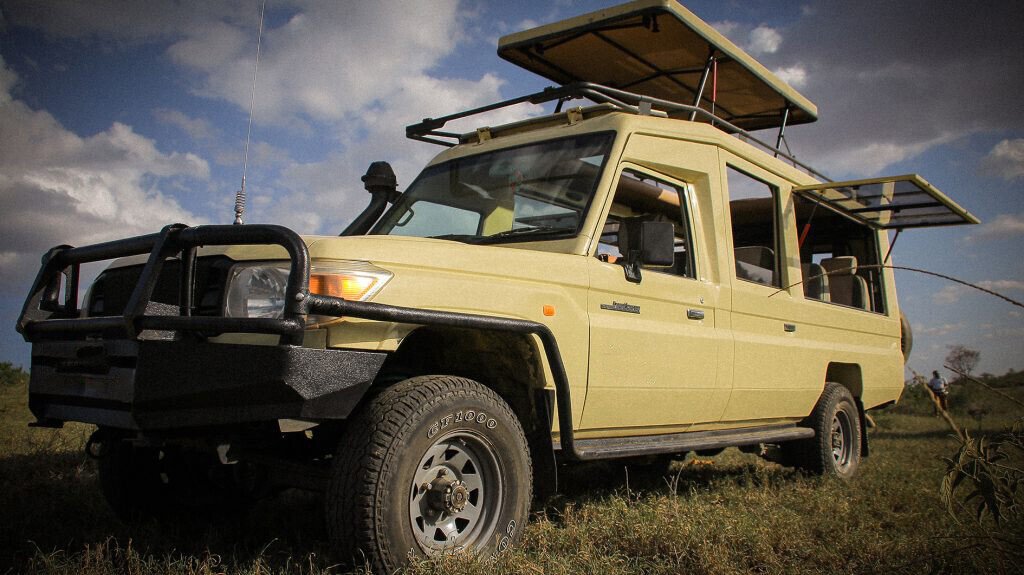
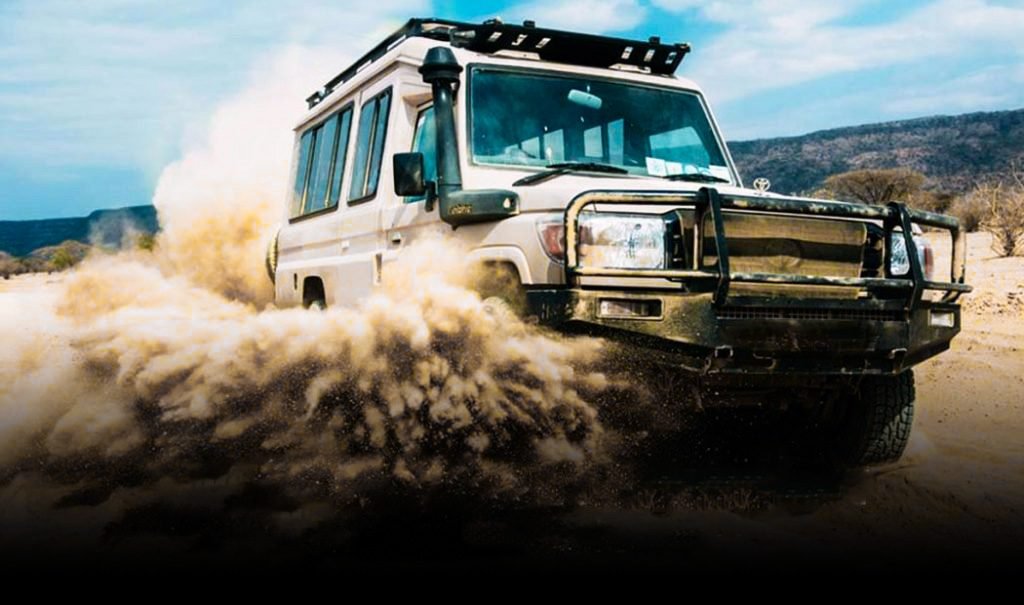
- Game Drives: In a private or shared 4×4 safari vehicle with a pop-up roof.
- Professional Guide: An experienced, English-speaking safari guide.
- Meals: Typically full board (breakfast, lunch, dinner) during the safari.
- Drinking Water: Provided in the vehicle during game drives.
- Government Taxes and Levies: Where applicable.
- Airport Transfers: To and from Kilimanjaro International Airport (JRO) or other specified points.
Exclusions often include: International flights, visa fees, travel insurance, tips for guides and staff, alcoholic and soft drinks (unless specified), personal expenses, and optional activities like hot air balloon safaris.
The Future of Solo Safaris in Tanzania: Trends for 2026-2027
Solo travel continues to grow in popularity, and Tanzania is at the forefront of this trend. For 2026 and 2027, we anticipate several key developments:
* **Increased Demand for Sustainable Tourism:** Travelers are increasingly seeking eco-friendly and community-focused safari experiences. Operators committed to conservation and local empowerment will be in high demand.
* **Technology Integration:** Expect more smooth booking platforms, real-time communication tools, and potentially enhanced in-vehicle technology for guides and guests.
* **Niche Safari Experiences:** Beyond traditional game drives, there’s a growing interest in specialized safaris such as birdwatching tours, photography-focused trips, or cultural immersion programs.
* **Focus on Wellness and Digital Detox:** Many solo travelers seek the restorative power of nature. Safaris that offer opportunities for mindfulness, yoga, or simply a chance to disconnect from the digital world will appeal.
* **Personalized Itineraries:** The ability to customize every aspect of a trip will remain a key differentiator. Solo travelers want to craft an experience that is uniquely theirs.
Top Guide Adventures is committed to staying ahead of these trends, ensuring that your 2026-2027 Tanzania solo travel safari is not only safe and thrilling but also aligns with modern travel values.
Final Thoughts for the Solo Adventurer
Embarking on a Tanzania solo travel safari is a courageous and deeply rewarding decision. It’s an opportunity to witness the raw beauty of Africa, encounter incredible wildlife, and gain a new perspective on yourself and the world. With careful planning, the right partner, and a spirit of adventure, your solo journey through Tanzania’s wilderness will be an experience you’ll cherish for a lifetime. The magic of the Serengeti, the majesty of Ngorongoro, and the untamed spirit of Ruaha await. Let Top Guide Adventures guide you on this extraordinary adventure in 2026 or 2027.
Check Availability for Tanzania Solo Travel Safari: Your Ultimate Guide For 2026-2027
Ready to compare dates, prices, and the best option for your group? Send the package name and travel month so the team can reply with a clear quote, availability, and what is included.
Tanzania Private Safari Prices 2026-2027
Tanzania Private Safari Prices is explained with current 2026-2027 planning, price, itinerary and booking information.
View package details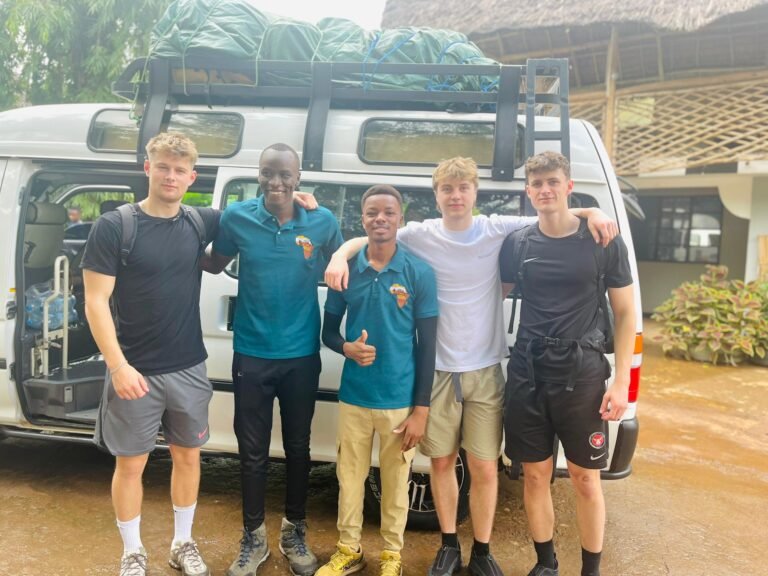
Tanzania Photography Safari Prices: Your Comprehensive Guide 2026-2027
Planning a photography safari in Tanzania for 2026 or 2027? This guide breaks down the expected costs, helping you budget for an unforgettable wildlife photography adventure. Learn what...
View package details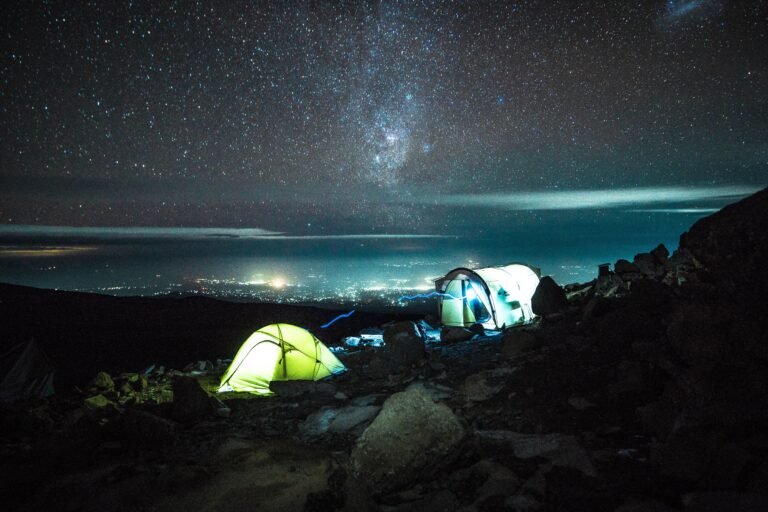
Tanzania Wildlife Safari Cost Breakdown: Your Budget Guide 2026-2027
Planning a Tanzania wildlife safari involves understanding the key cost components. This guide provides a detailed breakdown for 2026-2027, covering everything from park fees and...
View package details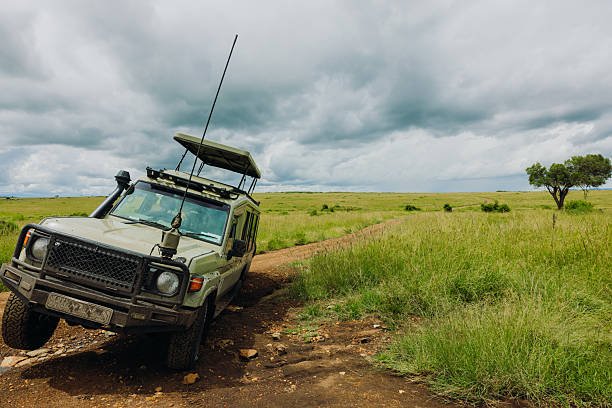
Katavi National Park: Tanzanias Untamed Wilderness Safari Guide 2026-2027
Katavi National Park offers an unparalleled safari experience in Tanzania's remote wilderness. This guide explores its vast landscapes, abundant wildlife, best visiting times for 2026-2027...
View package details
Ngorongoro Conservation Area: Your Ultimate Tanzania Safari Guide 2026-2027
Explore the unparalleled biodiversity and unique landscape of the Ngorongoro Conservation Area. This comprehensive guide covers everything you need to know for planning your 2026-2027...
View package details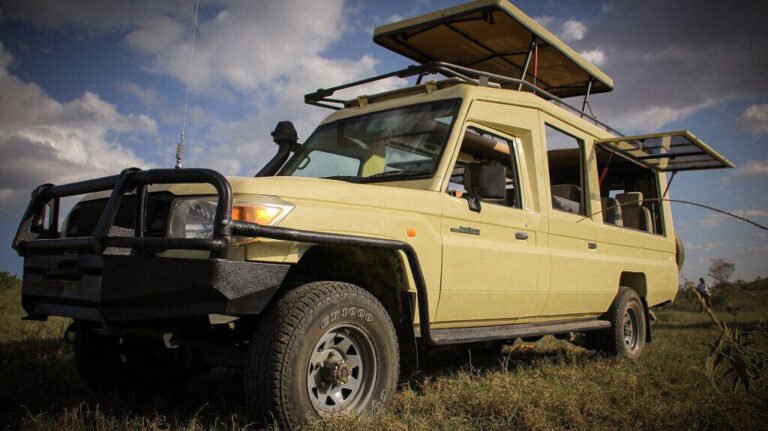
Tanzania Fly-In Safari Prices 2026-2027
Tanzania Fly-In Safari Prices is explained with current 2026-2027 planning, price, itinerary and booking information.
View package details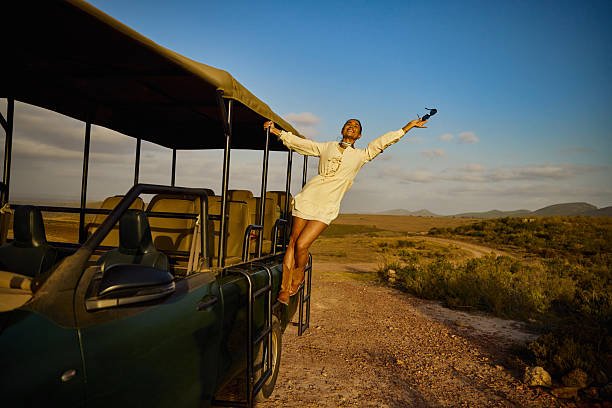
Tanzania Group Safari Cost Guide
Planning a Tanzania group safari in 2026-2027? This comprehensive guide breaks down the Tanzania group safari cost, detailing what influences prices, typical inclusions, and how to budget...
View package details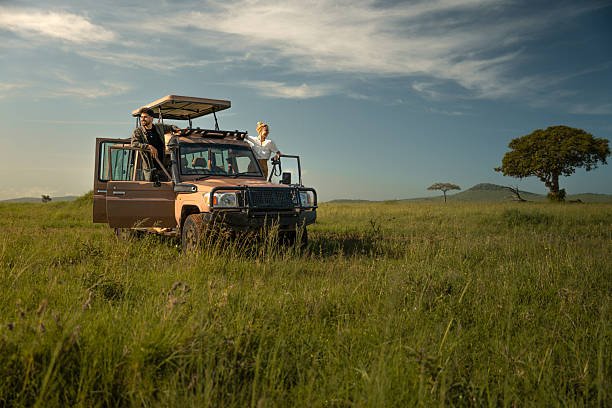
Tanzania Budget Safari Prices: Your Guide To Affordable Adventures 2026-2027
Planning a budget safari in Tanzania for 2026 or 2027? Understand the typical price ranges, what influences costs, and how to get the most value for your money. This guide breaks down the...
View package details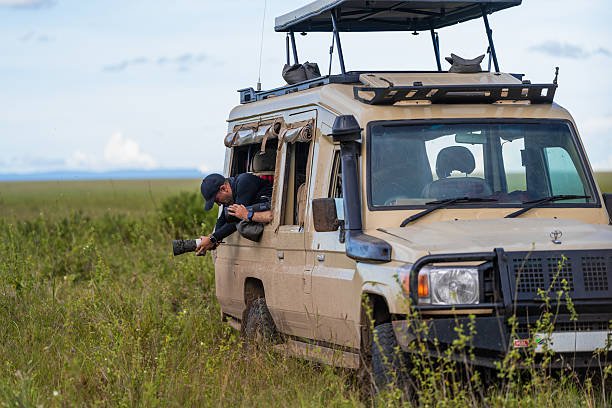
Tanzania Luxury Safari Cost: Planning Your Dream Trip 2026-2027
Planning a luxury safari in Tanzania? Discover the typical costs involved for 2026-2027, what drives the price, and what to expect in terms of inclusions and value for an unparalleled...
View package details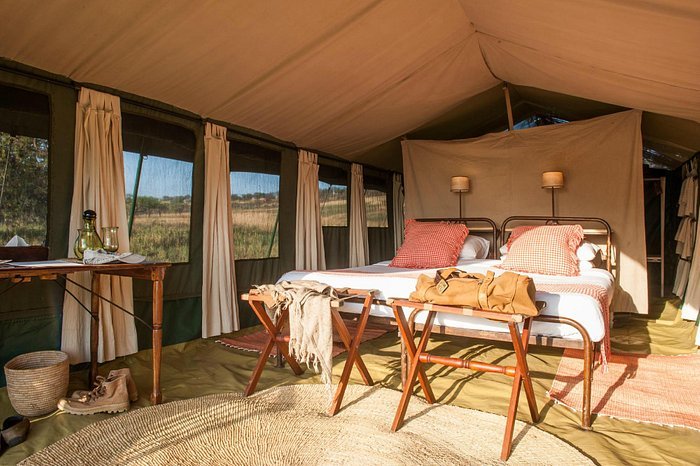
Tanzania Honeymoon Safari Prices: Your Ultimate Guide 2026-2027
Planning a romantic Tanzanian honeymoon safari? This guide breaks down the expected prices for 2026-2027, covering various factors that influence costs, typical inclusions, and how to get...
View package details
Tanzania Family Safari Cost: Planning Your Adventure 2026-2027
Planning a family safari in Tanzania for 2026 or 2027? This comprehensive guide breaks down the Tanzania family safari cost, detailing what influences your budget, typical price ranges, and...
View package details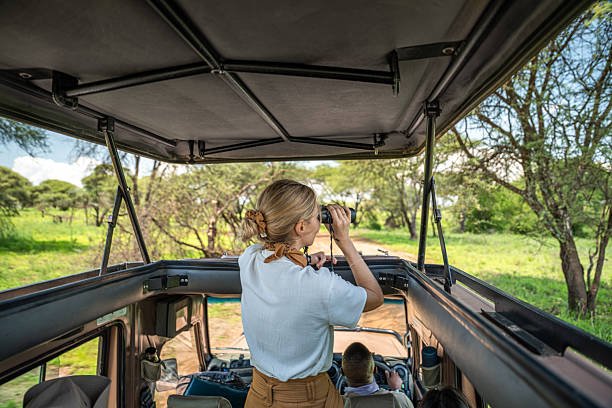
Tanzania Bird Watching Safari Prices: Your Guide 2026-2027
Planning a bird watching safari in Tanzania? This guide breaks down the costs for 2026-2027, explaining what influences prices and how to get the best value for your ornithological...
View package detailsNo related package matches those filters. Clear one or more filters to see the other topic-matched options.



