
A Tanzania photography safari is an unparalleled opportunity to capture the planet’s most iconic wildlife and dramatic landscapes through your lens, with prime shooting seasons often aligning with the Great Migration in the Serengeti and the abundance of wildlife in the Ngorongoro Crater, making 2026-2027 ideal years to plan for peak photographic moments.
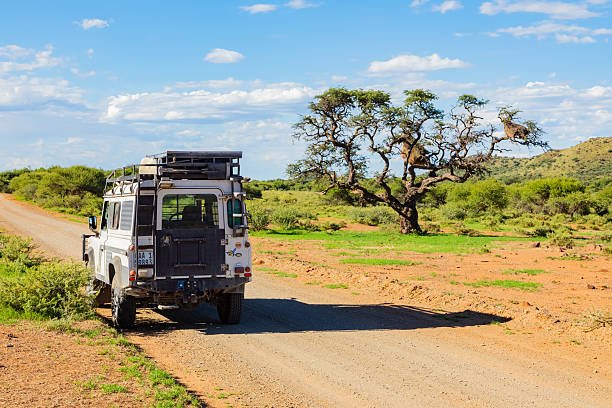
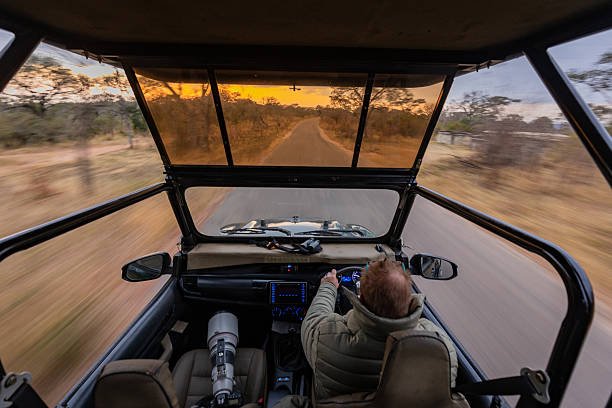
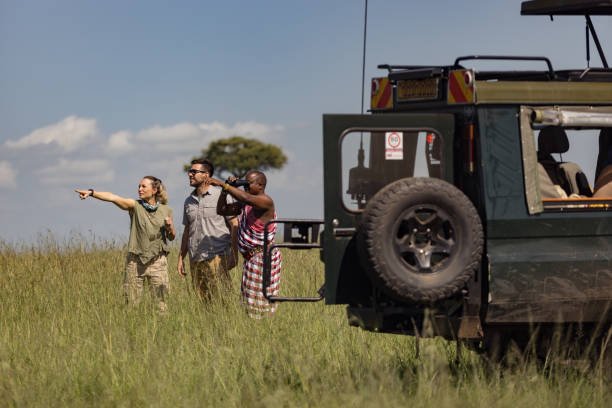
Your Ultimate Tanzania Photography Safari Awaits
Tanzania is a photographer’s paradise. From the vast, golden plains of the Serengeti teeming with migrating herds to the dense, wildlife-rich caldera of the Ngorongoro Crater, and the unique ecosystems of Tarangire and Lake Manyara, this East African gem offers endless visual narratives. A dedicated Tanzania photography safari goes beyond a standard wildlife viewing trip; it’s about understanding light, anticipating animal behavior, and having the right equipment and knowledge to translate fleeting moments into stunning imagery. Top Guide Adventures specializes in crafting these experiences, ensuring you are in the right place at the right time, with expert guides who understand the needs of photographers. Whether you dream of capturing the dramatic river crossings of wildebeest during the Great Migration, the majestic presence of a lion pride, or the intimate moments of a mother elephant with her calf, a Tanzania photography safari offers a lifetime of photographic rewards. Planning for 2026 and 2027 allows ample time to secure the best lodges, guides, and photographic opportunities in this world-renowned destination.
Why Choose Tanzania for Your Photography Safari?
Tanzania offers a unique combination of factors that make it a world-class destination for photographers. The sheer density and diversity of wildlife, coupled with the spectacular natural landscapes, provide an endless canvas. The country is home to the ‘Big Five’ (lion, leopard, elephant, rhino, and buffalo), as well as vast herds of wildebeest, zebras, giraffes, and a stunning array of birdlife. The photographic potential is immense, and a specialized safari ensures you maximize your chances of getting those award-winning shots.
The Great Migration: A Photographer’s Dream
The Great Migration is arguably the most spectacular wildlife event on Earth, and Tanzania is its primary stage. Millions of wildebeest, zebras, and gazelles traverse the Serengeti ecosystem in search of fresh grazing land. This epic journey is a continuous cycle, with different phases offering unique photographic opportunities:
- Calving Season (January-March): Witness the birth of thousands of calves on the southern plains of the Serengeti, a time of vulnerability and intense predator-prey interactions. This is ideal for intimate wildlife shots and observing young animals.
- River Crossings (July-October): The iconic and dramatic crossings of the Mara and Grumeti Rivers are a photographer’s ultimate challenge and reward. Capturing the power and chaos of thousands of animals plunging into crocodile-infested waters is unforgettable. These events are unpredictable but are a highlight for many planning a Tanzania photography safari in 2026 or 2027.
- Vast Herds on the Plains: At various times of the year, the herds spread across the Serengeti, creating impressive panoramic shots of wildlife stretching to the horizon.
Ngorongoro Crater: A Wildlife Haven
The Ngorongoro Crater, a UNESCO World Heritage Site, is a natural amphitheater supporting an incredible density of wildlife. Its relatively small size means you can often see a large variety of animals in a single game drive, including the rare black rhino. The crater floor, with its mix of grasslands, swamps, and acacia forests, provides diverse backdrops for your photographs. Early morning light is particularly magical here, illuminating the mist rising from the crater floor and highlighting the abundant wildlife.
Other Iconic Locations for Photography
- Tarangire National Park: Famous for its large elephant herds and iconic baobab trees, Tarangire offers unique photographic subjects, especially during the dry season when elephants congregate around the Tarangire River.
- Lake Manyara National Park: Known for its tree-climbing lions, abundant birdlife, and scenic lake, Manyara provides different photographic challenges and subjects, including flamingos and diverse water birds.
Planning Your Tanzania Photography Safari: Key Considerations
To make the most of your Tanzania photography safari, meticulous planning is essential. This includes choosing the right time to visit, selecting appropriate accommodation, understanding your photographic needs, and working with a tour operator that understands these specifics.
Best Time for Photography in Tanzania (2026-2027)
The “best” time often depends on what you want to photograph. Tanzania has two main seasons: the dry season and the wet season.
- Dry Season (June to October): This is generally considered the peak season for wildlife viewing and photography. Vegetation is less dense, making animals easier to spot, and wildlife congregates around water sources. The dramatic river crossings of the Great Migration typically occur during this period. Expect clear skies and excellent light, though mornings can be cool. This is a prime time for a Tanzania photography safari in 2026 and 2027.
- Wet Season (November to May): This period offers lush landscapes, vibrant green scenery, and better photographic opportunities for birds and newborn animals. The ‘Green Season’ can be beautiful, with fewer crowds and lower prices. The calving season in the southern Serengeti (January-March) falls within this period and is spectacular for wildlife photographers. Light can be softer, and dramatic storm clouds can add to the photographic appeal.
For specific photographic goals:
- Great Migration River Crossings: Aim for July to October.
- Calving Season & Predator Action: Aim for January to March.
- General Wildlife & Big Cats: The dry season (June-October) offers excellent visibility, while the wet season can provide more intimate family moments and birdlife.
- Landscape Photography: The wet season offers the most vibrant greenery, while the dry season provides stark, golden landscapes.
Choosing Your Safari Itinerary
Your itinerary should be tailored to your photographic interests. A classic Northern Circuit safari is often the best choice for photographers, covering the Serengeti, Ngorongoro Crater, Tarangire, and Lake Manyara. For those specifically targeting the Great Migration river crossings, a longer stay in the northern Serengeti during the July-October window is crucial.
Custom Itinerary Design for Photographers
Top Guide Adventures excels at creating custom Tanzania photography safari itineraries. We understand that photographers need more time at sightings, often request early morning and late afternoon drives when the light is best, and may require specific vehicle setups. We can tailor your 2026 or 2027 safari to focus on specific parks, wildlife behaviors, or photographic styles, ensuring you maximize your time in the field.
Accommodation Options
Accommodation ranges from luxury lodges and tented camps to more budget-friendly options. For photographers, strategic location is key. Staying inside national parks or reserves offers the advantage of early morning and late evening game drives, crucial for capturing the best light and animal activity. Tented camps often provide a more intimate connection with the wilderness.
Vehicle and Guide Selection
This is paramount for a successful Tanzania photography safari. You’ll need a 4×4 safari vehicle with a pop-up roof for unobstructed views and comfortable shooting. A knowledgeable guide is invaluable – they understand animal behavior, track wildlife, know the best locations, and crucially, can anticipate actions that make for great photos. Guides who are experienced with photographers can be a significant advantage, understanding the need for patience at sightings.
Essential Photography Gear for Tanzania
While skill and patience are key, the right gear can make a substantial difference in capturing stunning images on your Tanzania photography safari.
Camera Bodies
- DSLR or Mirrorless Camera: A camera with good autofocus, a high ISO performance, and the ability to shoot in RAW format is essential. Full-frame cameras generally perform better in low light, but APS-C sensor cameras are also excellent and often more affordable.
- Backup Camera: Consider bringing a second camera body in case of malfunction.
Lenses
- Telephoto Lens: This is your primary tool. A 300mm, 400mm, or 600mm lens is ideal for capturing wildlife from a distance without disturbing them. Zoom lenses like a 100-400mm or 150-600mm offer versatility.
- Mid-Range Zoom: A 70-200mm or 24-70mm lens is useful for wider shots, landscapes, and when animals are closer.
- Wide-Angle Lens: For dramatic landscapes and capturing the vastness of the African savanna.
Other Essential Gear
- Tripod or Monopod: Essential for stabilizing long telephoto lenses, especially in low light or when shooting at slower shutter speeds. Beanbags are also very useful for stabilizing lenses on vehicle window ledges.
- Extra Batteries and Memory Cards: You’ll be shooting a lot! Ensure you have plenty of power and storage.
- Cleaning Kit: Dust is everywhere in Africa. A good lens cloth, blower, and brush are vital.
- Rain Cover: For your camera and lens, especially during the wet season.
- Binoculars: For spotting wildlife and composing shots.
- Laptop/Tablet and External Hard Drive: For backing up your photos daily.
Photography Tips for Your Tanzania Safari
- Shoot in RAW: This gives you maximum flexibility in post-processing.
- Understand Light: The ‘golden hours’ (early morning and late afternoon) provide the most beautiful light for wildlife and landscapes. Avoid midday sun if possible, as it creates harsh shadows.
- Anticipate Action: Watch animal behavior. A guide can help here, but observing herds and predators can give you clues about what might happen next.
- Get Low: When possible, try to get your camera lower to the ground for a more engaging perspective, especially with animals like lions and cheetahs.
- Focus on Eyes: Sharp focus on the animal’s eyes is crucial for impactful wildlife portraits.
- Composition: Use the rule of thirds, leading lines, and negative space to create compelling images. Don’t always center your subject.
- Patience is Key: Some of the best shots come from waiting patiently for the right moment.
- Respect Wildlife: Maintain a safe distance and never disturb animals. Your guide will ensure this.
Sample Tanzania Photography Safari Itinerary (10 Days)
This sample itinerary focuses on the highlights of the Northern Circuit, offering diverse photographic opportunities. This is a suggestion, and Top Guide Adventures can customize it entirely for your 2026 or 2027 photography trip.
Day 1: Arrival in Arusha & Preparation
Arrive at Kilimanjaro International Airport (JRO). You’ll be met by your Top Guide Adventures representative and transferred to your lodge in Arusha. Relax, prepare your gear, and attend a briefing about your upcoming Tanzania photography safari.
Accommodation: Lodge in Arusha
Day 2: Tarangire National Park
Drive to Tarangire National Park, famous for its large elephant herds and baobab trees. Spend the day on game drives, focusing on capturing elephants, giraffes, and diverse birdlife. The late afternoon light is excellent here.
Accommodation: Tented Camp or Lodge in/near Tarangire
Day 3: Tarangire to Lake Manyara & Ngorongoro Highlands
Morning game drive in Tarangire. Afterwards, drive to Lake Manyara National Park, known for its tree-climbing lions and rich birdlife. Enjoy a game drive before heading towards the Ngorongoro Conservation Area.
Accommodation: Lodge on the Ngorongoro Crater rim or Karatu
Day 4: Ngorongoro Crater Exploration
Descend into the Ngorongoro Crater for a full day of photography. This caldera is a wildlife haven, offering chances to photograph the Big Five, including the rare black rhino, as well as hippos, flamingos, and a multitude of other species against a stunning natural backdrop.
Accommodation: Lodge on the Ngorongoro Crater rim or Karatu
Day 5: Ngorongoro to Serengeti National Park (Central)
Drive to the world-renowned Serengeti National Park, with a stop at Olduvai Gorge (optional). Begin your photographic journey in the central Serengeti, known for its resident wildlife and excellent big cat sightings year-round.
Accommodation: Tented Camp or Lodge in Central Serengeti
Day 6-7: Serengeti National Park (Central & North/East depending on season)
Two full days dedicated to exploring the Serengeti. Depending on the time of year for your 2026 or 2027 safari, we can focus on areas known for the Great Migration. Early morning and late afternoon game drives will maximize photographic opportunities. Look for lions, leopards, cheetahs, elephants, and diverse plains game.
Accommodation: Tented Camp or Lodge in Serengeti
Day 8: Serengeti to Maasai Mara (Optional Extension) or Fly to Zanzibar
Option 1 (Extension): Fly from Serengeti to the Maasai Mara in Kenya for a combined Kenya-Tanzania photography safari experience (requires separate visa and planning).
Option 2 (Standard): Enjoy a final morning game drive in the Serengeti before flying from a Serengeti airstrip to Zanzibar. Transfer to your beach resort.
Accommodation: Beach Resort in Zanzibar
Day 9: Zanzibar Relaxation or Cultural Exploration
Enjoy a relaxing day on the white-sand beaches of Zanzibar, or opt for a cultural tour, perhaps visiting Stone Town or going on a spice tour. Photographers might enjoy the vibrant markets and historical architecture.
Accommodation: Beach Resort in Zanzibar
Day 10: Departure
Transfer to Zanzibar International Airport (ZNZ) for your onward flight, filled with incredible photographic memories of your Tanzania photography safari.
Expert Photography Guides and Vehicles
Top Guide Adventures understands that a specialized Tanzania photography safari requires more than just a standard guide. Our guides are selected for their extensive knowledge of wildlife behavior, tracking skills, and their ability to position vehicles for the best photographic light and angles. They are patient and understand the need for extended time at sightings, which is crucial for photographers.
Our Safari Vehicles
We utilize specially adapted 4×4 Land Cruisers and Land Rovers. These vehicles feature:
- Pop-up Roofs: Providing 360-degree, unobstructed views for photography.
- Comfortable Seating: Ample legroom and space to maneuver camera gear.
- Power Outlets: For charging batteries and equipment on the go.
- Beanbags: Available for stable lens support.
- Customizable Configurations: We can arrange vehicles with fewer seats to ensure more space per photographer.
Our Photography Guides
Our guides are not just drivers; they are passionate wildlife enthusiasts and often have a keen eye for photography themselves. They can:
- Predict animal movements and behaviors for optimal photo opportunities.
- Advise on camera settings and compositions.
- Navigate to lesser-known spots for unique shots.
- Ensure your safety and the well-being of the wildlife.
When booking your Tanzania photography safari for 2026 or 2027, discuss your specific photographic interests with us. We will match you with the ideal guide and vehicle setup.
Cost Considerations for a Tanzania Photography Safari (2026-2027)
The cost of a Tanzania photography safari can vary significantly based on several factors. Generally, a dedicated photography safari might be slightly more expensive due to the specialized vehicle and guide requirements, longer time spent at sightings, and potentially higher-end accommodation choices. Here’s a breakdown of what influences the price:
Key Cost Factors:
- Duration of Safari: Longer safaris naturally cost more.
- Accommodation Level: Luxury lodges and tented camps are more expensive than mid-range or budget options.
- Vehicle Type: A private 4×4 vehicle is standard for photography safaris and is priced per vehicle, not per person.
- Guide Specialization: While all our guides are excellent, some may have specific photography expertise, which can influence pricing if you require a dedicated photo guide.
- Parks and Conservation Fees: These are significant and vary by park (e.g., Serengeti and Ngorongoro have higher fees).
- Time of Year: Peak season (dry season) is generally more expensive than the low or green season.
- Number of Travelers: While a private vehicle is often preferred, sharing a vehicle can sometimes reduce per-person costs, though it may limit photographic freedom.
Budgeting for Your 2026-2027 Tanzania Photography Safari
As a general guideline for a mid-range to luxury private Tanzania photography safari (including accommodation, park fees, vehicle, guide, and meals), you can expect costs to range from approximately $450 to $800+ per person per day. This is a broad estimate, and a 10-day safari for two people could range from $9,000 to $16,000+ in total.
Estimated Price Ranges (Per Person Per Day):
- Budget/Mid-Range: $350 – $550 (Focus on comfortable lodges, standard vehicle, potentially sharing)
- Mid-Range/Luxury: $500 – $800 (High-quality lodges/tented camps, private vehicle, excellent guide)
- Luxury/Exclusive: $800+ (Top-tier lodges, exclusive use vehicles, specialized guides, premium service)
Note: These estimates do not typically include international flights, visa fees, travel insurance, tips, or personal expenses. For precise pricing for your 2026 or 2027 Tanzania photography safari, please contact Top Guide Adventures directly.
Getting a Quote
To receive a personalized quote for your Tanzania photography safari, it’s best to contact us with your desired travel dates, duration, number of travelers, and any specific photographic interests. We will then craft a detailed itinerary and pricing tailored to your needs. You can reach us via:
- WhatsApp: +255 616 946642
- Email: topguideadventures@gmail.com
- Backup Email: info@topguideadventurestanzania.com
We recommend booking your Tanzania photography safari for 2026 or 2027 at least 6-12 months in advance, especially if you are targeting peak seasons or specific migration events, to ensure availability of the best lodges and guides.
Beyond the Lens: Cultural Encounters
While wildlife is the primary focus of a Tanzania photography safari, the country’s rich cultural heritage offers additional photographic and experiential opportunities. Consider incorporating a visit to a Maasai village or interacting with local communities.
- Maasai Villages: The Maasai people, with their distinctive red attire and traditional way of life, offer compelling photographic subjects. A respectful visit can provide insights into their culture and daily routines. Always ask permission before taking close-up photos.
- Local Markets: Bustling markets in towns like Arusha or Moshi are vibrant places to capture local life, colors, and textures.
Top Guide Adventures can arrange respectful and authentic cultural experiences as part of your custom Tanzania photography safari itinerary for 2026-2027.
Responsible Photography Practices
As a photographer, you have a responsibility to minimize your impact on the environment and wildlife. Adhere to these principles:
- Maintain Distance: Never approach wildlife too closely. Use your telephoto lens to get your shots. Your guide will enforce park regulations.
- No Feeding: Never feed wild animals.
- Minimize Disturbance: Avoid making loud noises or sudden movements that could startle animals.
- Respect Local Culture: Always ask permission before photographing people.
- Leave No Trace: Pack out everything you pack in.
By practicing responsible photography, you help preserve Tanzania’s natural and cultural heritage for future generations and for photographers planning their safaris in 2026, 2027, and beyond.
Frequently Asked Questions for Tanzania Photography Safaris
What is the best time of year for a Tanzania photography safari?
The dry season (June to October) is generally best for wildlife viewing and photography, offering clear skies and concentrated wildlife near water sources. The wet season (November to May) is ideal for landscape photography, birding, and witnessing the calving season in the Serengeti (January-March). River crossings, a highlight for many photographers, typically occur from July to October.
What type of vehicle is best for a photography safari?
A customized 4×4 safari vehicle (like a Land Cruiser or Land Rover) with a pop-up roof is essential. This allows for unobstructed 360-degree views and stable shooting platforms. For maximum comfort and space, consider a private vehicle for your Tanzania photography safari.
What camera gear do I need?
Key gear includes a DSLR or mirrorless camera capable of shooting RAW, a telephoto lens (300mm-600mm) for wildlife, a versatile mid-range zoom (70-200mm), extra batteries, memory cards, and a cleaning kit. A tripod or beanbag is highly recommended for stability.
How much does a Tanzania photography safari cost?
Costs vary widely. A mid-range to luxury private Tanzania photography safari typically ranges from $450 to $800+ per person per day. This includes accommodation, park fees, vehicle, guide, and meals. It’s advisable to book at least 6-12 months in advance for 2026 or 2027 travel.
Can I combine photography with cultural experiences?
Absolutely. Top Guide Adventures can arrange respectful visits to Maasai villages or local markets, adding a rich cultural dimension to your photography safari. This allows for diverse photographic subjects beyond wildlife.
What are the main photographic highlights in Tanzania?
The main highlights include the Great Migration (river crossings, calving season), the dense wildlife of the Ngorongoro Crater, large elephant herds in Tarangire, the iconic **Serengeti plains** with its big cats, and diverse birdlife in parks like Lake Manyara.
Book Your Unforgettable Tanzania Photography Safari in 2026-2027
Your Tanzania photography safari is more than just a trip; it’s an opportunity to capture the raw beauty and dynamic life of Africa. With its unparalleled wildlife, diverse landscapes, and iconic events like the Great Migration, Tanzania offers a photographic journey like no other. Top Guide Adventures is dedicated to making your dream safari a reality, providing expert planning, personalized service, and access to the best locations and guides.
Whether you are an experienced wildlife photographer or an enthusiast eager to capture your first African sunrise over the savanna, we tailor every detail to your needs. From selecting the perfect vehicle and guide to crafting an itinerary that maximizes your photographic opportunities, we ensure a smooth and rewarding experience.
Don’t miss the chance to capture the magic of Tanzania. We are already booking Tanzania photography safaris for 2026 and 2027. Let us help you plan an expedition that will fill your memory cards and your soul.
For inquiries, custom itineraries, and booking your Tanzania photography safari, please contact us:
- WhatsApp: +255 616 946642
- Email: topguideadventures@gmail.com
- Backup Email: info@topguideadventurestanzania.com
- Website: Top Guide Adventures Tanzania
Let Top Guide Adventures be your partner in creating the ultimate Tanzania photography safari experience. We look forward to helping you capture Africa’s wonders.”,
“faq_schema”: [
{
“question”: “What is the best time of year for a Tanzania photography safari?”,
“answer”: “The dry season (June to October) is generally best for wildlife viewing and photography, offering clear skies and concentrated wildlife near water sources. The wet season (November to May) is ideal for landscape photography, birding, and witnessing the calving season in the Serengeti (January-March). River crossings, a highlight for many photographers, typically occur from July to October.”
},
{
“question”: “What type of vehicle is best for a photography safari?”,
“answer”: “A customized 4×4 safari vehicle (like a Land Cruiser or Land Rover) with a pop-up roof is essential. This allows for unobstructed 360-degree views and stable shooting platforms. For maximum comfort and space, consider a private vehicle for your Tanzania photography safari.”
},
{
“question”: “What camera gear do I need?”,
“answer”: “Key gear includes a DSLR or mirrorless camera capable of shooting RAW, a telephoto lens (300mm-600mm) for wildlife, a versatile mid-range zoom (70-200mm), extra batteries, memory cards, and a cleaning kit. A tripod or beanbag is highly recommended for stability.”
},
{
“question”: “How much does a Tanzania photography safari cost?”,
“answer”: “Costs vary widely. A mid-range to luxury private Tanzania photography safari typically ranges from $450 to $800+ per person per day. This includes accommodation, park fees, vehicle, guide, and meals. It’s advisable to book at least 6-12 months in advance for 2026 or 2027 travel.”
},
{
“question”: “Can I combine photography with cultural experiences?”,
“answer”: “Absolutely. Top Guide Adventures can arrange respectful visits to Maasai villages or local markets, adding a rich cultural dimension to your photography safari. This allows for diverse photographic subjects beyond wildlife.”
},
{
“question”: “What are the main photographic highlights in Tanzania?”,
“answer”: “The main highlights include the Great Migration (river crossings, calving season), the dense wildlife of the Ngorongoro Crater, large elephant herds in Tarangire, the iconic Serengeti plains with its big cats, and diverse birdlife in parks like Lake Manyara.”
}
]
}
Check Availability for Tanzania Photography Safari 2026-2027
Ready to compare dates, prices, and the best option for your group? Send the package name and travel month so the team can reply with a clear quote, availability, and what is included.
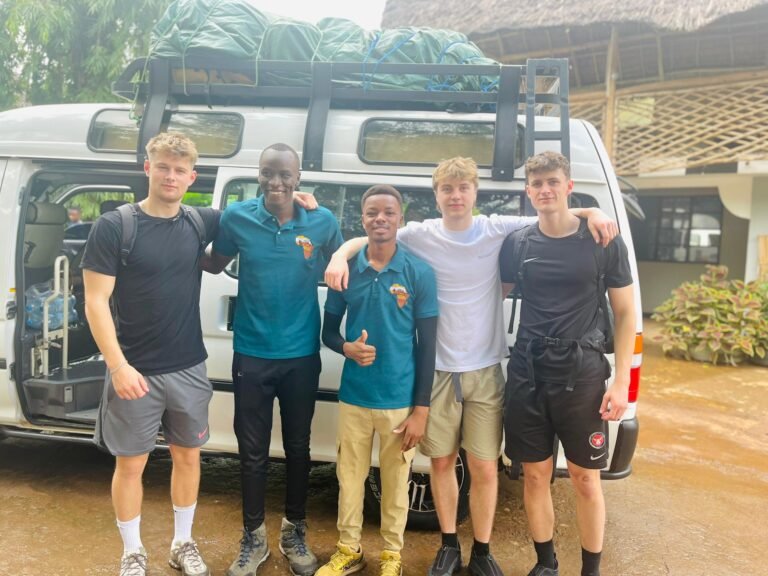
Tanzania Photography Safari Prices: Your Comprehensive Guide 2026-2027
Planning a photography safari in Tanzania for 2026 or 2027? This guide breaks down the expected costs, helping you budget for an unforgettable wildlife photography adventure. Learn what...
View package details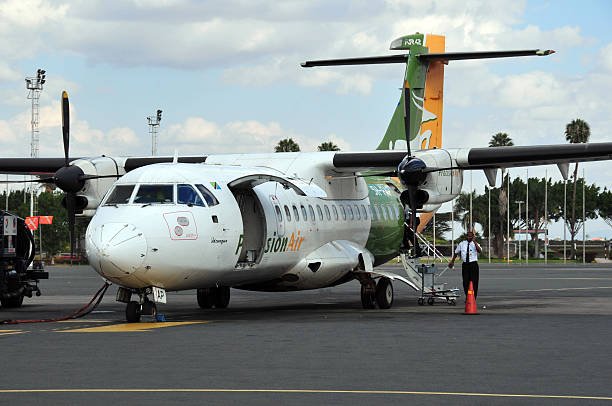
Tanzania Private Safari Prices 2026-2027
Tanzania Private Safari Prices is explained with current 2026-2027 planning, price, itinerary and booking information.
View package details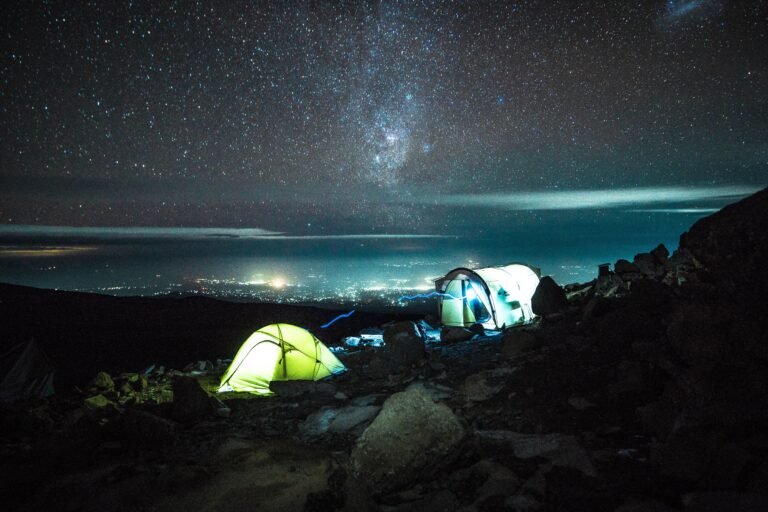
Tanzania Wildlife Safari Cost Breakdown: Your Budget Guide 2026-2027
Planning a Tanzania wildlife safari involves understanding the key cost components. This guide provides a detailed breakdown for 2026-2027, covering everything from park fees and...
View package details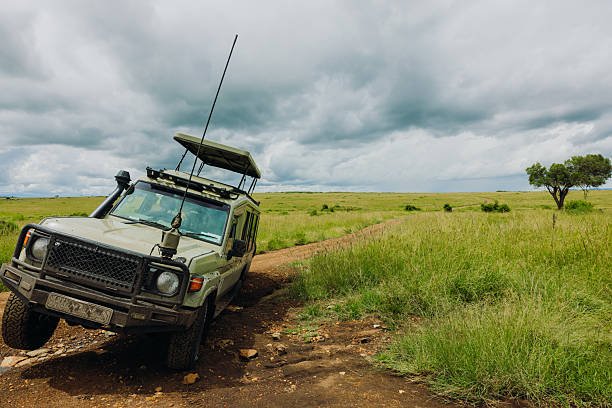
Katavi National Park: Tanzanias Untamed Wilderness Safari Guide 2026-2027
Katavi National Park offers an unparalleled safari experience in Tanzania's remote wilderness. This guide explores its vast landscapes, abundant wildlife, best visiting times for 2026-2027...
View package details
Ngorongoro Conservation Area: Your Ultimate Tanzania Safari Guide 2026-2027
Explore the unparalleled biodiversity and unique landscape of the Ngorongoro Conservation Area. This comprehensive guide covers everything you need to know for planning your 2026-2027...
View package details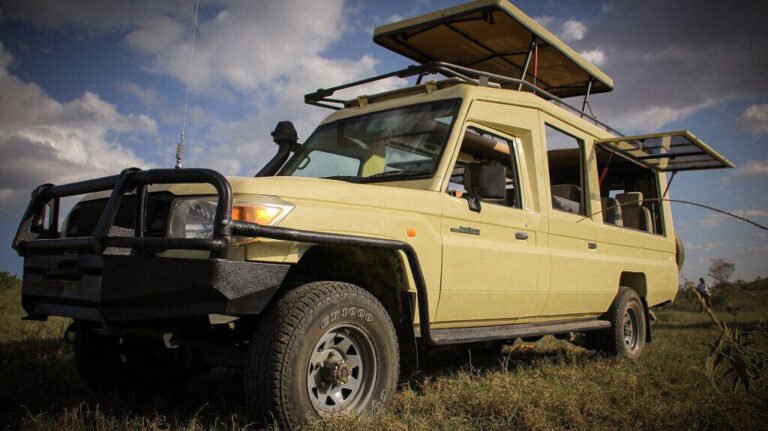
Tanzania Fly-In Safari Prices 2026-2027
Tanzania Fly-In Safari Prices is explained with current 2026-2027 planning, price, itinerary and booking information.
View package details
Tanzania Group Safari Cost Guide
Planning a Tanzania group safari in 2026-2027? This comprehensive guide breaks down the Tanzania group safari cost, detailing what influences prices, typical inclusions, and how to budget...
View package details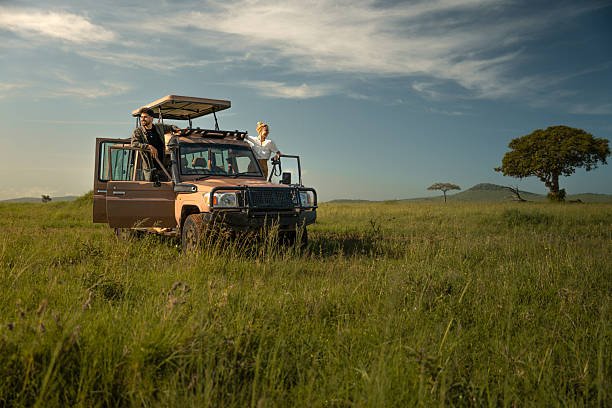
Tanzania Budget Safari Prices: Your Guide To Affordable Adventures 2026-2027
Planning a budget safari in Tanzania for 2026 or 2027? Understand the typical price ranges, what influences costs, and how to get the most value for your money. This guide breaks down the...
View package details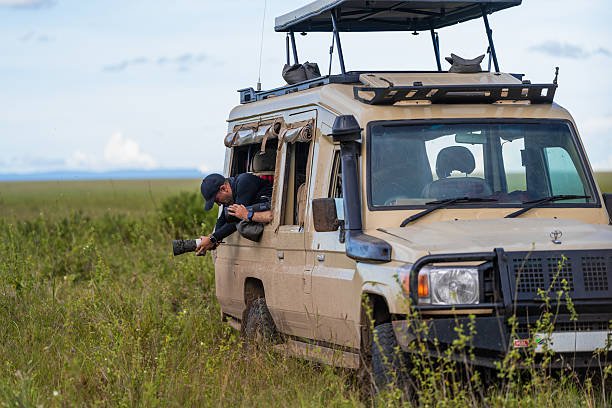
Tanzania Luxury Safari Cost: Planning Your Dream Trip 2026-2027
Planning a luxury safari in Tanzania? Discover the typical costs involved for 2026-2027, what drives the price, and what to expect in terms of inclusions and value for an unparalleled...
View package details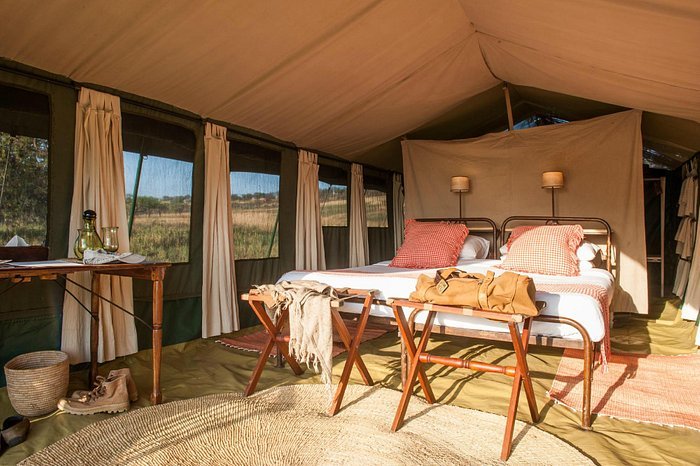
Tanzania Honeymoon Safari Prices: Your Ultimate Guide 2026-2027
Planning a romantic Tanzanian honeymoon safari? This guide breaks down the expected prices for 2026-2027, covering various factors that influence costs, typical inclusions, and how to get...
View package details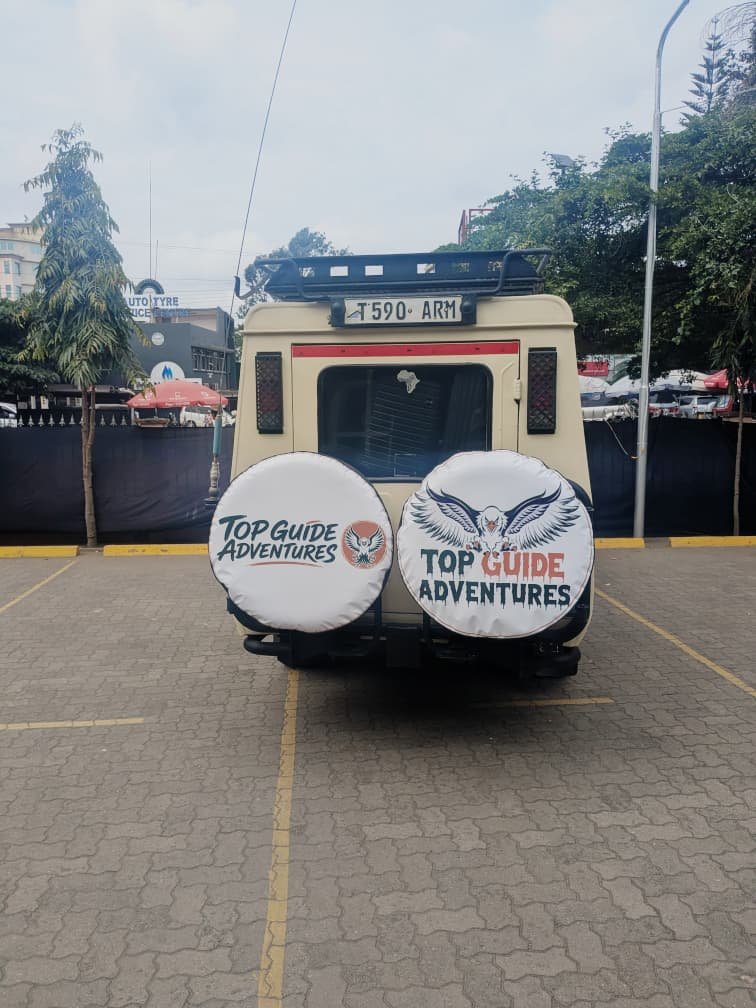
Tanzania Family Safari Cost: Planning Your Adventure 2026-2027
Planning a family safari in Tanzania for 2026 or 2027? This comprehensive guide breaks down the Tanzania family safari cost, detailing what influences your budget, typical price ranges, and...
View package details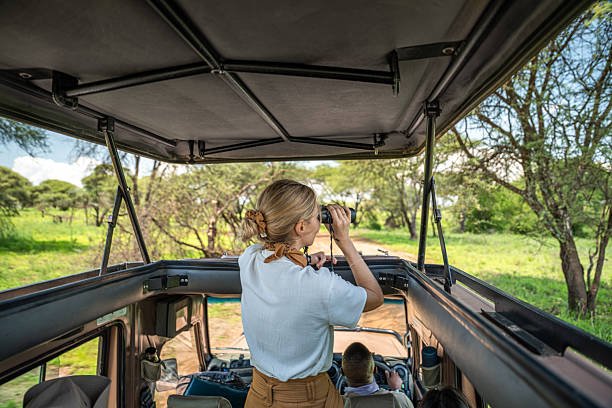
Tanzania Bird Watching Safari Prices: Your Guide 2026-2027
Planning a bird watching safari in Tanzania? This guide breaks down the costs for 2026-2027, explaining what influences prices and how to get the best value for your ornithological...
View package detailsNo related package matches those filters. Clear one or more filters to see the other topic-matched options.



