
Shinyanga Region, located in northwestern Tanzania, is best known as the country’s primary diamond mining center, offering a unique blend of geological heritage, vibrant local culture, and emerging wildlife attractions. Visitors can explore the history of gemstone extraction, experience the traditions of the Sukuma people, and discover natural landscapes, making it a distinctive destination for adventurous travelers planning trips for 2026-2027.

Unveiling the Allure of Shinyanga Region
Shinyanga Region, a significant administrative and economic hub in Tanzania’s northwestern part, holds a distinct place in the nation’s identity. While often overshadowed by the more globally recognized safari destinations like the Serengeti or Mount Kilimanjaro, Shinyanga offers a compelling, authentic Tanzanian experience rooted in its rich mineral wealth, particularly diamonds, and the enduring cultural traditions of its primary inhabitants, the Sukuma people. For travelers seeking to venture beyond the typical tourist trails and engage with a less-explored facet of Tanzania, Shinyanga presents a unique opportunity. As we look towards 2026 and 2027, the region is poised for a subtle yet significant evolution in its tourism offerings, blending its historical significance with growing potential for cultural immersion and eco-tourism.
The landscape of Shinyanga is characterized by its semi-arid plains, dotted with acacia trees and punctuated by rocky outcrops. Its economy has long been tied to agriculture, with cotton and groundnuts being major cash crops, but its international fame stems from the Williamson Diamond Mine, one of the world’s most significant diamond-producing sites. This mining heritage has shaped the region’s development, attracting a diverse population and fostering a unique local economy. Beyond the mines, Shinyanga is a land of ancient traditions, where the Sukuma, Tanzania’s largest ethnic group, maintain vibrant customs, art forms, and social structures.
Planning a visit to Shinyanga Region in the coming years, especially for 2026-2027, requires an appreciation for its distinct character. It’s a destination that rewards curiosity and a willingness to engage with local life. While luxury lodges are not its hallmark, the region offers comfortable accommodations and authentic hospitality. The true value lies in the experiences: understanding the journey of a diamond from the earth to the market, participating in cultural exchanges, and exploring the natural beauty that surrounds its bustling towns and villages. This guide aims to provide a comprehensive overview for anyone considering Shinyanga as part of their Tanzanian adventure, highlighting its key attractions, cultural significance, and practical travel information.
The Heartbeat of Diamonds: Shinyanga’s Mining Heritage
The story of Shinyanga Region is inextricably linked to the discovery and exploitation of diamonds. The presence of these precious stones has not only driven the local economy but has also influenced the region’s social fabric and infrastructure development. Understanding this mining heritage is crucial to appreciating Shinyanga’s identity.
The Williamson Diamond Mine: A Legacy of Sparkle
The cornerstone of Shinyanga’s diamond industry is the Williamson Diamond Mine, located near the town of Mwadui. Discovered in 1940 by Dr. John Williamson, this mine is renowned for its large, pink diamonds, including the famous Williamson Pink Star, one of the most valuable diamonds ever sold. The mine has been a significant contributor to Tanzania’s economy for decades, employing thousands and fostering the growth of the surrounding area. While direct visitor access to the active mining operations is highly restricted due to security and operational reasons, the mine’s presence is a palpable force in the region. Its history is a testament to geological fortune and the human endeavor to extract these treasures from the earth.
For those interested in the history and impact of the mine, visiting the town of Mwadui offers a glimpse into life shaped by this colossal enterprise. While you cannot tour the operational pits, learning about the mine’s history, its economic contributions, and its role in the community provides essential context for any visit to Shinyanga. Discussions with local guides and residents often reveal fascinating anecdotes and insights into the daily life impacted by this world-class diamond operation. The mine’s influence extends to the infrastructure, employment opportunities, and the very identity of Shinyanga as Tanzania’s diamond capital.
Exploring the Diamond Ecosystem
Beyond the Williamson Mine itself, Shinyanga offers opportunities to understand the broader diamond ecosystem. This includes exploring the local markets where smaller-scale mining and trading activities, though often informal and regulated, can be observed. It’s important to approach these areas with respect and awareness, as they are part of the livelihoods of many residents. Understanding the regulations surrounding diamond trading in Tanzania is also key; the government has made efforts to formalize and control the trade to ensure fair practices and revenue collection.
For tourists, this translates into opportunities to learn about the geological processes that form diamonds, the history of diamond exploration in the region, and the socio-economic impact of the industry. While direct participation in mining is not feasible or advisable for visitors, educational tours and discussions can illuminate this facet of Shinyanga. Engaging with local experts or community leaders can offer profound insights into how the diamond trade has shaped the region, from infrastructure development to cultural exchanges. As plans for tourism in 2026-2027 take shape, there’s potential for more structured educational experiences around this core aspect of Shinyanga’s identity.
Responsible Gemstone Tourism
As tourism in Shinyanga Region develops, there’s a growing emphasis on responsible gemstone tourism. This means understanding the ethical implications of the diamond trade, supporting legitimate businesses, and appreciating the geological and cultural significance of gemstones without contributing to illicit activities. For visitors interested in purchasing gemstones, seeking out certified dealers and understanding the provenance of the stones is paramount. This approach ensures that your visit contributes positively to the local economy and respects the heritage of the region.
Top Guide Adventures can help you navigate these aspects, offering insights into the history and significance of diamond mining in Shinyanga. While we don’t offer direct mine tours due to access limitations, we can arrange opportunities to learn about the industry from local experts and understand its cultural impact. Our focus is on providing enriching experiences that respect the local context and contribute to sustainable tourism development in the region for years to come, including for travelers in 2026 and 2027.
The Cultural mix: The Sukuma People of Shinyanga
Shinyanga Region is the ancestral home of the Sukuma people, the largest ethnic group in Tanzania. Their rich cultural heritage, traditions, and way of life are a significant draw for visitors seeking authentic cultural experiences. Understanding the Sukuma culture provides a deeper appreciation of Shinyanga beyond its diamond fame.
Sukuma Traditions and Livelihoods
The Sukuma are traditionally agriculturalists, cultivating crops like cotton, rice, cassava, and maize. They are also known for their pastoralism, raising cattle, which hold significant cultural and economic importance. Their social structure is organized around extended families and village communities, with a strong emphasis on respect for elders and community cohesion. Traditional leadership roles, though influenced by modern governance, still hold sway in many areas.
Visitors can learn about Sukuma farming practices, their techniques for managing livestock, and the importance of crops like cotton in the regional economy. Engaging with local communities, perhaps through a guided village visit, offers a firsthand look at daily life. This includes understanding their housing styles, traditional tools, and the rhythms of agricultural work. The Sukuma’s resilience and adaptability are evident in how they balance traditional practices with modern life, a dynamic that is fascinating to observe.
Art, Music, and Dance
The Sukuma are renowned for their vibrant artistic expressions, particularly their intricate carvings, pottery, and beadwork. Their music and dance are integral to social ceremonies, celebrations, and storytelling. Traditional Sukuma dances are often energetic and involve elaborate costumes, sometimes incorporating animal masks and symbolic movements that convey historical narratives or spiritual beliefs. The use of drums, rattles, and other percussion instruments creates a powerful and rhythmic soundscape.
A highlight of Sukuma culture is the tradition of Bungoma, a type of storytelling dance that often features acrobatics and symbolic gestures. While specific performances might require prior arrangement, the artistic spirit of the Sukuma is visible in local crafts and accessible through community interactions. Learning about the symbolism behind their art and the meaning embedded in their music and dance adds a rich layer to the travel experience. For travelers in 2026-2027, seeking out opportunities to witness or learn about these art forms can be a truly memorable part of their journey.
The Role of Traditional Healers and Storytellers
Traditional healers (waganga) and storytellers play vital roles in Sukuma society, preserving knowledge, offering remedies, and maintaining cultural continuity. These figures are repositories of historical accounts, proverbs, and practical wisdom passed down through generations. While engaging with traditional healers requires cultural sensitivity and an understanding of their practices, their role in the community is significant.
Storytellers, in particular, are invaluable in conveying the history, mythology, and values of the Sukuma people. They often use song, poetry, and dramatic narration to keep traditions alive. For a visitor, encountering such individuals, perhaps through a carefully arranged cultural tour, can offer profound insights into the worldview and heritage of the region. Top Guide Adventures can facilitate respectful introductions to cultural elements that are central to the Sukuma identity, ensuring authentic and meaningful interactions for our clients in 2026 and beyond.
Exploring Shinyanga’s Natural Attractions
While diamonds and culture are prominent, Shinyanga Region also boasts natural landscapes and wildlife that offer a different kind of exploration for adventurous travelers.
Lake Victoria’s Shores and Islands
Part of Shinyanga Region borders the vast expanse of Lake Victoria, Africa’s largest lake. The lake offers opportunities for fishing, boat trips, and experiencing the life of lakeside communities. While the more famous lake regions are in Mwanza, the shores within Shinyanga’s reach provide a quieter, more local perspective. Exploring small fishing villages and enjoying the lake’s serene beauty can be a peaceful counterpoint to the region’s bustling mining towns.
The lake’s ecosystem supports a variety of birdlife and fish species, including the iconic Tilapia. For those interested in photography or simply enjoying a tranquil natural setting, the lake shores offer picturesque views, especially during sunrise and sunset. Boat excursions can be arranged, providing a chance to see local fishing techniques and the daily life that revolves around the water. Consider adding a lakeside experience to your 2026-2027 itinerary for a more diverse exploration of Shinyanga Region.
Wildlife and Conservation Efforts
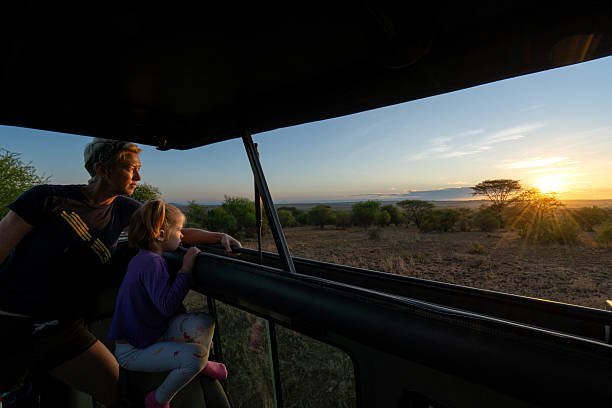
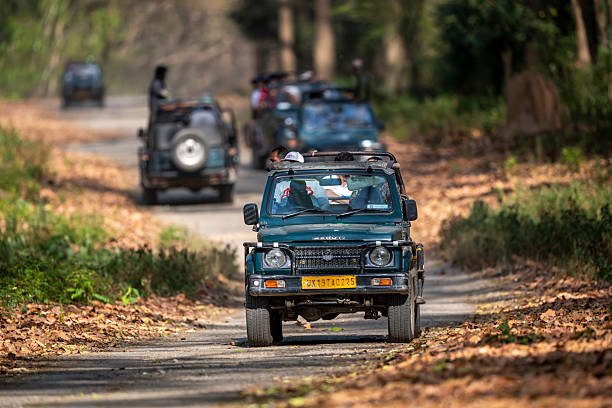
Shinyanga is not a primary safari destination like the Serengeti, but it does have areas with wildlife. The region is home to several game-controlled areas and reserves, though infrastructure and wildlife populations may not compare to the famous national parks. These areas offer opportunities for game drives and walking safaris for the more intrepid traveler seeking off-the-beaten-path wildlife encounters.
Potential wildlife sightings can include various antelope species, giraffes, zebras, and a diverse range of birdlife. Efforts are ongoing to conserve these natural habitats and their inhabitants. For instance, the focus on protecting elephants and other large mammals in certain controlled areas is crucial. While not a prime wildlife destination, the presence of these animals in a less-visited region adds to its unique appeal. It’s a chance to see wildlife in a more natural, less crowded setting, which is increasingly valued by travelers.
Geological Wonders and Unique Landscapes
The geology of Shinyanga Region is, of course, dominated by the kimberlite pipes that host diamond deposits. However, the landscape offers more than just mining potential. The semi-arid terrain, with its distinctive acacia woodlands and scattered kopjes (rocky hills), possesses a raw beauty. Exploring these areas, perhaps on a guided nature walk or a scenic drive, reveals the subtle ecological adaptations to the climate.
The region also features interesting rock formations and geological features that tell the story of its formation. While not as dramatic as some of Tanzania’s volcanic landscapes, Shinyanga’s geology is the foundation of its fame and offers a unique perspective for those interested in earth sciences. Understanding the geological context of diamond formation adds an educational dimension to any visit. For those planning trips in 2026-2027, these natural elements provide a compelling reason to explore the region’s less-trodden paths.
Practical Information for Visiting Shinyanga Region
Planning a trip to Shinyanga Region requires understanding its accessibility, best times to visit, accommodation options, and local customs.
Getting to Shinyanga
Shinyanga Region is accessible primarily by road and air. The main town, Shinyanga, has an airport (SHY) that receives domestic flights, connecting it to major hubs like Dar es Salaam and Kilimanjaro International Airport. These flights offer a convenient way to reach the region, especially for those with limited time.
By road, Shinyanga is connected to other major Tanzanian cities. The journey from Dar es Salaam is long, typically taking over 10-12 hours by bus or private vehicle, passing through diverse landscapes. Driving from Mwanza, a major city on Lake Victoria, is more manageable, taking around 3-4 hours. The road conditions can vary, so planning your transport well in advance is recommended. For those planning safaris that might include Shinyanga as part of a broader Northern Tanzania circuit, incorporating it with a flight from Mwanza or Arusha can be efficient for 2026-2027 travel.
Best Time to Visit
The climate in Shinyanga Region is tropical, with distinct wet and dry seasons. The best time to visit is generally during the dry season, which runs from June to October. During these months, the weather is pleasant, with less humidity and minimal rainfall, making travel and outdoor activities more comfortable.
The wet season typically occurs from November to May, with heavier rains from March to May. While the landscape becomes greener during this period, some roads might become difficult to navigate, potentially impacting travel plans. The shoulder months, such as late May and early June, or October and November, can offer a good balance of favorable weather and fewer crowds. When planning your 2026-2027 trip, consider the dry season for optimal travel conditions.
Accommodation Options
Accommodation in Shinyanga Region ranges from basic guesthouses and lodges in the main towns to more comfortable hotels catering to business travelers and visiting officials. While luxury resorts are not characteristic of the area, there are clean and welcoming options available. The focus is generally on providing essential amenities and a comfortable base for exploring the region.
In towns like Shinyanga and Mwadui, you’ll find hotels that offer reliable services. For those seeking a more authentic experience, homestays or community-based accommodations are emerging, though these may require advance arrangement and flexibility. Top Guide Adventures can assist in finding suitable accommodation that aligns with your travel style and budget, ensuring a comfortable stay during your 2026-2027 visit.
Local Customs and Etiquette
Tanzania, including Shinyanga Region, is a country with deeply ingrained cultural norms. Respect for elders, modest dress (especially outside major towns and when visiting villages), and politeness are highly valued. When interacting with the Sukuma people, a friendly greeting and a respectful demeanor go a long way.
It is customary to ask for permission before taking photographs of people, particularly women and children. Learning a few basic Swahili phrases, such as “Jambo” (Hello) and “Asante” (Thank you), is always appreciated. Tipping is not mandatory but is often welcomed for good service in hotels and restaurants. Understanding and respecting local customs will significantly enhance your experience and foster positive interactions with the community. This is particularly important when engaging with cultural practices or visiting traditional areas.
Crafting Your Shinyanga Adventure: Itinerary Ideas for 2026-2027
While Shinyanga Region might not fit the mold of a typical safari circuit, it offers unique experiences that can be woven into a memorable Tanzanian journey. Here are some itinerary ideas, focusing on its distinct offerings for travelers in 2026-2027.
The Diamond Explorer: A Focus on Mining Heritage
This itinerary is for the curious traveler fascinated by the world of gemstones. It combines historical insights into diamond mining with an understanding of its impact on the region.
Day 1: Arrival in Shinyanga & Mwadui Introduction
Arrive at Shinyanga Airport (SHY) or via road from Mwanza. Check into your hotel. Afternoon visit to Mwadui town to understand the context of the Williamson Diamond Mine. Learn about its history and economic significance from local guides.
Day 2: Local Markets & Gemstone Education
Explore local markets (with caution and guidance) to observe informal trade and understand the gemstone ecosystem. Engage with local experts or historians to learn about diamond geology and the trade in Tanzania. Focus on responsible gemstone sourcing information.
Day 3: Cultural Immersion & Departure
Morning visit to a local Sukuma village to understand how mining has influenced livelihoods. Depart from Shinyanga Airport or continue your journey to other destinations.
The Sukuma Cultural Journey: Traditions and Life
This itinerary focuses on deeply engaging with the rich culture of the Sukuma people, offering a glimpse into their daily lives, art, and traditions.
Day 1: Arrival in Shinyanga & Cultural Briefing
Arrive in Shinyanga. Settle into your accommodation. Evening briefing on Sukuma culture, history, and social structures.
Day 2: Village Life & Agricultural Practices
Full-day excursion to a traditional Sukuma village. Participate (respectfully) in daily activities like farming or livestock care. Learn about their farming techniques and the importance of cattle.
Day 3: Art, Music & Storytelling
Visit local artisans to see traditional crafts like pottery and beadwork. Arrange a demonstration or performance of Sukuma music and dance, including storytelling traditions. Learn about their symbolism and meaning.
Day 4: Lake Victoria Excursion & Departure
Morning trip to the shores of Lake Victoria within Shinyanga Region. Experience the lakeside life, observe fishing activities, and enjoy the scenery. Depart from Shinyanga.
The Off-the-Beaten-Path Explorer: Nature & Local Life
For those seeking a more adventurous and less conventional experience, this itinerary combines natural exploration with authentic local encounters.
Day 1: Arrival & Introduction to the Landscape
Arrive in Shinyanga. Transfer to your accommodation. Orientation to the region’s semi-arid landscapes and unique flora.
Day 2: Lake Victoria Shores & Birdwatching
Explore the less-visited shores of Lake Victoria. Enjoy a boat trip, focus on birdwatching opportunities, and visit small fishing communities.
Day 3: Game Controlled Area Visit & Nature Walk
Guided visit to a local game-controlled area. start a nature walk to observe wildlife (antelopes, giraffes, birds) in a natural setting. Learn about conservation efforts.
Day 4: Sukuma Village Visit & Departure
Experience a Sukuma village to understand their connection to the land. Depart from Shinyanga, taking with you memories of a unique Tanzanian region.
These itineraries are suggestions and can be customized to fit your interests and available time. Top Guide Adventures specializes in crafting tailor-made journeys, ensuring that your 2026-2027 adventure in Shinyanga Region is as unique and fulfilling as possible. We work closely with local communities to provide authentic experiences while supporting sustainable tourism.
Why Choose Shinyanga Region for Your Next Adventure?
In an era where travelers increasingly seek authentic, off-the-beaten-path experiences, Shinyanga Region emerges as a compelling choice. It offers a stark contrast to the well-trodden safari routes, providing a deeper understanding of Tanzania’s diverse identity.
Authenticity Beyond the Tourist Trail
Shinyanga is not a curated tourist destination; it is a living, breathing region shaped by its history, its people, and its natural resources. Visiting here means stepping into a genuine slice of Tanzanian life. You won’t find mass tourism infrastructure, but you will find genuine interactions, unfiltered cultural experiences, and a landscape that tells its own story.
For travelers in 2026-2027 looking for an experience that goes beyond the surface, Shinyanga offers unparalleled authenticity. It’s a place where you can learn about the global diamond trade from its source, understand the resilience of the Sukuma people, and appreciate the stark beauty of the Tanzanian interior. This is travel that connects you to the real Tanzania.
A Unique Blend of Interests
What makes Shinyanga Region particularly appealing is its multifaceted nature. It caters to a diverse range of interests:
- Geology and Mineralogy Enthusiasts: The diamond mining history provides a unique educational angle.
- Cultural Explorers: The vibrant Sukuma culture offers deep insights into traditions, art, and community life.
- Adventure Seekers: Exploring less-visited natural areas and engaging with local life provides a sense of discovery.
- Those Seeking Authenticity: Shinyanga offers an unvarnished look at Tanzanian life away from major tourist hubs.
This combination ensures that whether your passion lies in history, culture, nature, or simply experiencing a new way of life, Shinyanga Region has something to offer. It’s a destination that enriches the mind and broadens perspectives.
Supporting Sustainable and Community-Based Tourism
By choosing to visit Shinyanga Region, travelers can contribute to the development of sustainable tourism initiatives. As the region gradually opens up to more visitors, responsible tourism practices are crucial. Top Guide Adventures is committed to working with local communities, ensuring that your visit benefits the people of Shinyanga directly.
This includes supporting local guides, artisans, and community projects. Your presence can help foster economic opportunities that are alternatives or complementary to mining, promoting cultural preservation and environmental conservation. Planning your trip for 2026-2027 with a responsible tour operator like us means your adventure contributes positively to the region’s future.
Planning Your 2026-2027 Trip to Shinyanga Region with Top Guide Adventures
As you consider the unique possibilities of Shinyanga Region for your travels in 2026 or 2027, Top Guide Adventures is your trusted partner. We offer personalized travel planning and expert guidance to ensure your journey is memorable, insightful, and aligns with your interests.
We understand that Shinyanga is a distinctive destination, and our approach is to tailor experiences that highlight its unique aspects. Whether you are drawn by the allure of diamonds, the richness of Sukuma culture, or the quiet beauty of its natural landscapes, we can design an itinerary that meets your expectations. Our team is dedicated to providing exceptional service, from initial planning to your departure.
For inquiries about crafting your bespoke Shinyanga Region adventure, or to discuss safari packages, Kilimanjaro climbs, Zanzibar holidays, or any other Tanzanian travel experience for 2026-2027, please do not hesitate to contact us. You can reach us via WhatsApp at +255616946642, email us at topguideadventures@gmail.com, or use our backup email info@topguideadventurestanzania.com. Let us help you discover the heart of Tanzania’s gemstone country.
“,
“faq_schema”: [
{
“question”: “What is Shinyanga Region most famous for?”,
“answer”: “Shinyanga Region is most famous for being Tanzania’s primary diamond mining center, particularly due to the significant Williamson Diamond Mine located near Mwadui.”
},
{
“question”: “What are the main attractions in Shinyanga Region?”,
“answer”: “Key attractions include the legacy of diamond mining, the rich culture of the Sukuma people (including their art, music, and traditions), the shores of Lake Victoria, and areas with local wildlife and unique semi-arid landscapes.”
},
{
“question”: “When is the best time to visit Shinyanga Region?”,
“answer”: “The best time to visit Shinyanga Region is during the dry season, from June to October, when the weather is most favorable for travel and outdoor activities.”
},
{
“question”: “Can tourists visit the Williamson Diamond Mine?”,
“answer”: “Direct visitor access to the active mining operations of the Williamson Diamond Mine is highly restricted due to security and operational reasons. However, visitors can learn about its history and impact in the nearby town of Mwadui.”
},
{
“question”: “What kind of accommodation is available in Shinyanga Region?”,
“answer”: “Accommodation in Shinyanga Region primarily consists of hotels and guesthouses in towns like Shinyanga and Mwadui. While luxury resorts are uncommon, comfortable and clean options are available to cater to visitors.”
},
{
“question”: “How can I plan a trip to Shinyanga Region for 2026-2027?”,
“answer”: “You can plan a trip to Shinyanga Region by contacting experienced tour operators like Top Guide Adventures via WhatsApp at +255616946642 or email at topguideadventures@gmail.com. They can help arrange tailored itineraries focusing on culture, mining heritage, or natural exploration for 2026-2027.”
}
]
}
Check Availability for Shinyanga Region 2026-2027
Ready to compare dates, prices, and the best option for your group? Send the package name and travel month so the team can reply with a clear quote, availability, and what is included.

South Unguja Zanzibar Region 2026-2027
South Unguja Zanzibar Region is explained with current 2026-2027 planning, price, itinerary and booking information.
View package details
Urban West Zanzibar Region: Exploring Stone Town And Beyond | Top Guide
The Urban West Zanzibar Region is dominated by the UNESCO World Heritage site of Stone Town, a vibrant hub of history, culture, and commerce. Beyond its ancient walls, this region offers a...
View package details
Katavi Region: Tanzanias Untamed Wilderness Safari Destination 2026-2027
Explore Katavi Region, a truly wild and remote safari destination in Tanzania, offering unparalleled wildlife viewing and a genuine wilderness experience. Perfect for adventurers seeking...
View package details
Mara Region: Your Ultimate Guide To Tanzanias Wildlife Haven In 2026-2027
Discover the unparalleled wildlife spectacles of Tanzania's Mara Region, a prime destination for safari enthusiasts. This comprehensive guide covers everything from the iconic Serengeti...
View package details
Geita Region: Your Ultimate Guide To Tanzanias Emerging Gold Hub And Wildlife
Geita Region, situated in the northwestern part of Tanzania, is rapidly gaining recognition beyond its significant gold mining operations. This guide explores its natural beauty, cultural...
View package details
Mwanza Region: Your Ultimate Guide To Tanzanias Lake Victoria Hub 2026-2027
Explore the Mwanza Region, Tanzania's gateway to Lake Victoria. Learn about its rich Sukuma culture, unique geological formations, wildlife, and essential travel information for your...
View package details
Simiyu Region 2026-2027
Simiyu Region is explained with current 2026-2027 planning, price, itinerary and booking information.
View package details
Shinyanga Tanzania Travel Guide 2026-2027
Shinyanga Tanzania Travel Guide is explained with current 2026-2027 planning, price, itinerary and booking information.
View package details
Maswa Game Reserve Safari From Shinyanga: Your Ultimate Guide 2026-2027
Explore the wonders of Maswa Game Reserve on a safari starting from Shinyanga. This comprehensive guide covers everything from wildlife viewing and accommodation to travel logistics and...
View package details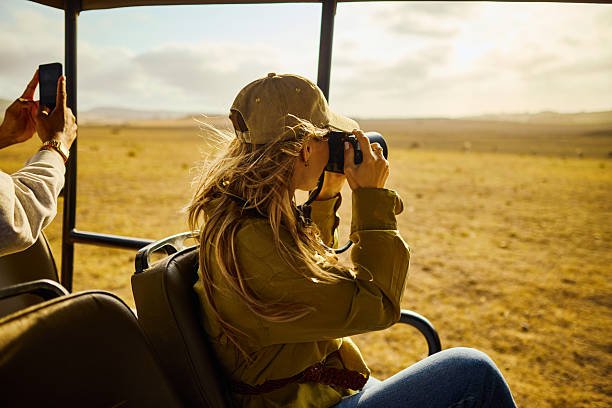
Things To Do In Shinyanga Tanzania 2026-2027
Things to Do in Shinyanga Tanzania is explained with current 2026-2027 planning, price, itinerary and booking information.
View package details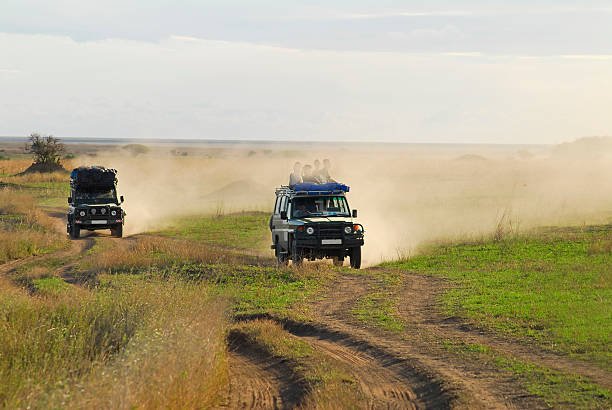
Tabora Region: Unveiling Tanzanias Historical Heart And Untamed Wilds
Discover the rich history and diverse natural beauty of Tanzania's Tabora Region. This guide covers its historical significance, wildlife, cultural experiences, and how to plan your...
View package detailsDodoma Region: A Comprehensive Travel Guide To Tanzanias Central Gem 2026-2027
Discover the Dodoma Region, Tanzania's political capital, offering a unique blend of cultural heritage, emerging tourism, and distinctive landscapes. Plan your 2026-2027 adventure with...
View package detailsNo related package matches those filters. Clear one or more filters to see the other topic-matched options.



