
A 15–21 day safari in Tanzania and Kenya offers an exceptional opportunity to witness the Great Migration, explore diverse ecosystems, and encounter abundant wildlife across both countries, combining iconic locations like the Serengeti, Ngorongoro Crater, Masai Mara, and potentially Amboseli or Samburu. Such an extended trip allows for a comprehensive experience, minimizing travel stress and maximizing wildlife viewing, with tailored itineraries for 2026 and 2027 often starting from Arusha, Tanzania, or Nairobi, Kenya, and typically including game drives, park fees, accommodation, and expert guiding.
Crafting Your Extended 15–21 Day Tanzania & Kenya Safari Adventure
Embarking on a 15–21 day safari across Tanzania and Kenya is the pinnacle of East African wildlife exploration. This duration is ideal for those seeking a deep look at the region’s unparalleled biodiversity, its dramatic landscapes, and the rhythms of the wild. It allows for a more relaxed pace, the chance to visit less crowded areas, and the flexibility to adapt to wildlife movements, especially during the Great Migration. At Top Guide Adventures, we specialize in curating these comprehensive journeys, ensuring that your 15–21 day Tanzania & Kenya safari is not just a trip, but a profound connection with nature.
Choosing an extended safari means you can comfortably experience multiple iconic parks in both countries without feeling rushed. Imagine witnessing the thundering herds of the Serengeti in Tanzania and then crossing into the vast plains of the Masai Mara in Kenya, a migration spectacle like no other. Beyond the migration, you can explore the geological marvel of the Ngorongoro Crater, the vastness of Tarangire National Park with its giant baobabs and elephants, or the scenic beauty of Lake Manyara. On the Kenyan side, beyond the Mara, consider the elephant-rich landscapes of Amboseli with Kilimanjaro as a backdrop, or the unique arid beauty of Samburu.
For 2026-2027 safari planning, this timeframe is perfect for capturing the essence of East Africa. It allows for a blend of classic wildlife viewing, cultural interactions with local communities, and perhaps even a relaxing beach escape in Zanzibar post-safari. The key is meticulous planning, which Top Guide Adventures excels at. We consider your interests, budget, and preferred travel style to design an itinerary that flows logically, maximizes your wildlife encounters, and provides comfortable, memorable stays.
Why Choose a 15–21 Day Itinerary for Tanzania & Kenya?
The decision to extend your safari to 15–21 days is driven by several compelling factors:
- Comprehensive Wildlife Experience: This duration allows you to visit a greater number of national parks and reserves, significantly increasing your chances of seeing a wider array of animals, including the Big Five (lion, leopard, elephant, rhino, buffalo) and countless other species.
- Witnessing the Great Migration: A longer safari is crucial for tracking the Great Migration, a year-round phenomenon that moves between the Serengeti and Masai Mara. With 15–21 days, you can position yourself to witness key events like river crossings or calving seasons.
- Reduced Travel Fatigue: East Africa’s vastness means significant travel times between locations. An extended itinerary allows for more time in each park and fewer travel days, leading to a more relaxed and enjoyable experience.
- Deeper Cultural Immersion: Beyond wildlife, this timeframe provides opportunities to engage respectfully with local cultures, such as visiting Maasai villages or learning about the traditions of other communities.
- Flexibility and Spontaneity: Wildlife viewing is unpredictable. A longer safari allows guides more flexibility to follow animal movements or linger in areas with exciting sightings, enhancing your photographic and observational opportunities.
- Variety of Landscapes: From the endless plains of the Serengeti and Masai Mara to the unique ecosystem of the Ngorongoro Crater, the acacia woodlands of Lake Manyara, and the arid beauty of Samburu, a 15–21 day trip showcases the diverse topography of East Africa.
The Magic of the Great Migration: Timing Your 15–21 Day Safari
The Great Migration is arguably the most spectacular wildlife event on Earth, involving over 1.5 million wildebeest, zebras, and gazelles moving in a vast circular pattern. For a 15–21 day Tanzania & Kenya safari, understanding the migration’s timing is paramount to witnessing its most dramatic moments. While the migration is a year-round spectacle, specific periods offer unique viewing opportunities:
- December – March: Calving Season (Tanzania)
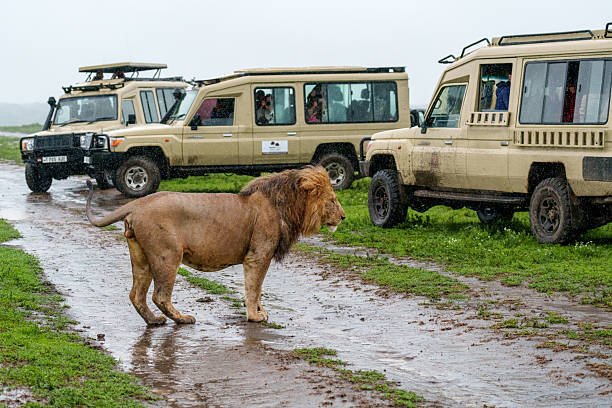
The herds congregate in the southern Serengeti and Ndutu Plains (which straddle the border between Serengeti National Park and the Ngorongoro Conservation Area). This is the prime time for witnessing wildebeest births, with thousands of calves born each day. It’s an incredible period for predator action as lions, cheetahs, and hyenas capitalize on the abundance of young, vulnerable prey. This is an ideal time for a 15–21 day safari in 2026 or 2027 if your focus is on newborns and predator-prey interactions in Tanzania. - April – May: Moving North (Tanzania)
The herds begin their journey northwards out of the southern plains, often coinciding with the heavy rainy season. While travel can be more challenging due to muddy roads, the herds are typically less dense, and you might find pockets of animals scattered across the central and western Serengeti. - June – July: Grumeti River Crossings (Tanzania)
As the herds move into the western corridor of the Serengeti, they encounter the Grumeti River. This river is known for its large crocodiles, making the crossings a dramatic and often dangerous spectacle. This is a prime time for witnessing one of the migration’s most thrilling events. - Late July – October: Mara River Crossings (Kenya)
The migration reaches its northernmost point, crossing the Mara River into the Masai Mara National Reserve in Kenya. These crossings are perhaps the most iconic, with vast numbers of wildebeest and zebras braving the fast-flowing river, often pursued by crocodiles and lions on the banks. This period is perfect for a 15–21 day Kenya and Tanzania safari, ensuring you can experience both the Tanzanian plains and the Kenyan Mara during this peak event. Many travelers aim for August or September for the best chances of witnessing multiple Mara River crossings. - November: Return South (Tanzania)
The herds begin their journey back south, often following the rains. They move through the eastern and central Serengeti, heading towards the southern plains once more.
For your 15–21 day Tanzania & Kenya safari in 2026 or 2027, planning your trip around these migration patterns will significantly enhance your experience. Top Guide Adventures can help you pinpoint the best timing and locations based on the most current migration forecasts.
Sample Itinerary Frameworks for 15–21 Day Tanzania & Kenya Safaris
To provide a concrete idea of what a 15–21 day safari in Tanzania and Kenya can entail, here are a few framework examples. These can be customized extensively based on your interests, budget, and the specific migration movements you wish to focus on for 2026-2027.
Framework A: The Classic Migration & Big Five Explorer (Approx. 18 Days)
This itinerary focuses on the most renowned parks and the Great Migration.
- Day 1: Arrival in Arusha, Tanzania
Arrive at Kilimanjaro International Airport (JRO), met by your guide, and transferred to your lodge in Arusha. Briefing about your upcoming safari. - Day 2: Arusha to Tarangire National Park
Drive to Tarangire, famous for its large elephant herds and baobab trees. Full day game drive. Overnight near Tarangire. - Day 3: Tarangire to Lake Manyara National Park
Morning game drive in Tarangire, then drive to Lake Manyara. Afternoon game drive in the park, known for its tree-climbing lions and diverse birdlife. Overnight near Lake Manyara. - Day 4: Lake Manyara to Ngorongoro Crater
Drive to the Ngorongoro Conservation Area. Descend into the crater for a spectacular game drive. Overnight on the crater rim or nearby Karatu. - Day 5: Ngorongoro to Serengeti National Park
Drive to the Serengeti, entering via the Naabi Hill Gate. Game drive en route to your lodge/camp in the central Serengeti (Seronera area). - Day 6-8: Serengeti National Park
Three full days exploring the vast plains of the Serengeti. Depending on the migration’s location, focus on Seronera Valley for resident wildlife or venture further to track the herds. Optional hot air balloon safari. - Day 9: Serengeti to Masai Mara, Kenya (via Lobo/Isebania Border)
An early morning game drive in Serengeti, then drive towards the northern Serengeti and cross the border into Kenya at Isebania. Continue to the Masai Mara. Overnight in the Masai Mara. This is a longer travel day. - Day 10-13: Masai Mara National Reserve
Four full days exploring the Masai Mara, renowned for its high concentration of predators and the dramatic Mara River crossings (seasonal). Optional visit to a Maasai village. - Day 14: Masai Mara to Lake Nakuru National Park
Drive to Lake Nakuru, famous for its flamingos (though numbers vary) and rhinos. Afternoon game drive. Overnight near Lake Nakuru. - Day 15: Lake Nakuru to Amboseli National Park
Drive to Amboseli National Park, offering stunning views of Mount Kilimanjaro and large elephant herds. Afternoon game drive. Overnight in Amboseli. - Day 16: Amboseli National Park
Full day game drive in Amboseli, exploring the diverse habitats and seeking out elephants, lions, cheetahs, and more. - Day 17: Amboseli to Nairobi
Morning game drive in Amboseli, then drive back to Nairobi. Check into your hotel. Option for a city tour or visit to the Giraffe Centre. - Day 18: Departure from Nairobi
Transfer to Jomo Kenyatta International Airport (NBO) for your onward flight.
Framework B: Northern Circuit & Great Rift Valley Wonders (Approx. 15 Days)
This option focuses more intensely on Tanzania’s highlights with a taste of Kenya.
- Day 1: Arrival in Arusha
- Day 2: Arusha to Tarangire
- Day 3: Tarangire to Lake Manyara
- Day 4: Lake Manyara to Ngorongoro Crater
- Day 5: Ngorongoro Crater to Serengeti (Central)
- Day 6-8: Serengeti National Park (Central/Seronera) – focus on resident wildlife and general game viewing.
- Day 9: Serengeti (Central) to Serengeti (North/Kogatende)
Drive towards the northern Serengeti to position for potential migration sightings (seasonal). - Day 10-11: Serengeti (North)
Focus on wildlife viewing in the northern sector, potentially witnessing river crossings if timed correctly. - Day 12: Serengeti to Nairobi (via flight or road)
Option 1 (Flight): Fly from Seronera Airstrip to Nairobi. Option 2 (Road): Drive back towards the border and then to Nairobi. This is a very long drive. - Day 13: Nairobi Excursion
Visit the David Sheldrick Wildlife Trust Elephant Orphanage, the Giraffe Centre, or Kazuri Beads. - Day 14: Nairobi to Samburu National Reserve
Drive north to Samburu, known for its unique wildlife adapted to arid conditions (Grevy’s zebra, reticulated giraffe, gerenuk). - Day 15: Samburu & Departure
Morning game drive in Samburu, then drive back to Nairobi for your departure flight.
Framework C: Southern Tanzania & Zanzibar Extension (Approx. 21 Days)
This itinerary explores less-visited southern parks and concludes with relaxation.
- Day 1: Arrival in Dar es Salaam, Tanzania
- Day 2: Dar es Salaam to Selous Game Reserve (Nyerere National Park)
Fly or drive to Selous, one of Africa’s largest game reserves. Afternoon boat safari on the Rufiji River. - Day 3-4: Selous Game Reserve
Explore Selous through game drives, walking safaris, and boat safaris. Known for wild dogs, elephants, and diverse birdlife. - Day 5: Selous to Ruaha National Park
Fly to Ruaha, Tanzania’s largest national park, famous for its large predator populations and rugged landscapes. - Day 6-8: Ruaha National Park
Full days of game drives in Ruaha, seeking out lions, cheetahs, leopards, and elephants. - Day 9: Ruaha to Serengeti National Park (via flight)
Fly from Ruaha to a Serengeti airstrip (e.g., Seronera). Transfer to your lodge/camp. Afternoon game drive. - Day 10-12: Serengeti National Park
Three days exploring the Serengeti, focusing on the areas where the migration is present during your travel dates. - Day 13: Serengeti to Ngorongoro Crater
Game drive en route to the Ngorongoro Conservation Area. Descend for a crater tour. Overnight on the rim or Karatu. - Day 14: Ngorongoro to Arusha
Morning visit to a local Maasai village or cultural boma, then drive back to Arusha. - Day 15: Arusha to Zanzibar
Fly from Arusha to Zanzibar. Transfer to your beach resort. - Day 16-19: Zanzibar Relaxation
Enjoy the pristine beaches, water sports, and explore Stone Town’s history. - Day 20: Zanzibar Departure
Transfer to Zanzibar International Airport (ZNZ) for your flight home. - Day 21: Buffer Day/Optional Activities
An extra day for flexibility, optional spice tours, or more beach time before departure.
Key Destinations and Wildlife Highlights
A 15–21 day Tanzania & Kenya safari allows for an in-depth exploration of these world-class destinations:
Tanzania:
- Serengeti National Park: The iconic heart of the Great Migration. Its vast, rolling plains offer unparalleled opportunities to witness wildebeest, zebras, lions, cheetahs, leopards, and hyenas. Different areas like Seronera (central), Kogatende (north), and Ndutu (south) offer distinct experiences depending on the season.
- Ngorongoro Crater: A UNESCO World Heritage Site, this ancient volcanic caldera is a natural enclosure for an astonishing density of wildlife. It’s one of the best places in Africa to see the Big Five, including the endangered black rhino, in a single day. The sheer scale and biodiversity within the crater are impressive.
- Tarangire National Park: Known for its massive elephant herds, especially during the dry season when they congregate around the Tarangire River. The park also boasts large baobab trees and a good population of predators.
- Lake Manyara National Park: Famous for its tree-climbing lions, large troops of baboons, and a stunning soda lake that attracts thousands of flamingos (seasonal). It’s a compact park offering diverse habitats from groundwater forest to acacia woodland and rift valley escarpment.
- Selous Game Reserve (Nyerere National Park): Located in southern Tanzania, this vast reserve offers a different safari experience with boat safaris on the Rufiji River, walking safaris, and game drives. It’s a stronghold for wild dogs and elephants.
- Ruaha National Park: Tanzania’s largest park, offering a wild and remote safari experience. It’s known for its large lion prides, significant elephant population, and dramatic landscapes.
Kenya:
- Masai Mara National Reserve: The Kenyan counterpart to the Serengeti, famous for the Great Migration river crossings (July-October) and an exceptionally high concentration of predators. Its open grasslands are ideal for spotting lions, cheetahs, leopards, and the “Big Five.”
- Amboseli National Park: Offers iconic views of Mount Kilimanjaro rising above vast herds of elephants. It’s a fantastic location for photography and observing elephant behavior in a dramatic setting.
- Lake Nakuru National Park: A birdwatcher’s paradise, historically famous for its vast flocks of lesser and greater flamingos. It’s also a sanctuary for rhinos (both black and white) and Rothschild’s giraffes.
- Samburu National Reserve: Located in Kenya’s arid north, Samburu is home to unique wildlife species adapted to the dry environment, often referred to as the “Samburu Special Five”: Grevy’s zebra, reticulated giraffe, Somali ostrich, beisa oryx, and gerenuk.
Planning Your 2026-2027 Tanzania & Kenya Safari: Key Considerations
When planning a 15–21 day Tanzania & Kenya safari for 2026 or 2027, several factors are crucial for a successful trip:
Best Time to Travel
The “best” time depends on your priorities:
- Great Migration: For river crossings, aim for July to October (Masai Mara, Kenya). For calving season, target December to March (Southern Serengeti/Ndutu, Tanzania).
- Dry Season (June to October): Generally considered peak season. Wildlife is easier to spot as it congregates around water sources. Skies are clear, ideal for photography. Higher demand and prices.
- Wet Season (November to May): Lower tourist numbers, greener landscapes, and often lower prices. Birdwatching is excellent. Calving season in the south (Dec-Mar) is a major draw. Roads can be challenging, especially April-May.
Accommodation Styles
Your choice of accommodation significantly impacts the safari experience and cost. Options range from:
- Budget Camping: Basic tents, shared facilities. Offers a true wilderness feel at the lowest cost.
- Mid-Range Lodges/Tented Camps: Comfortable rooms or permanent tents with en-suite bathrooms, good amenities. A popular balance of comfort and value.
- Luxury Lodges/Exclusive Camps: High-end furnishings, gourmet dining, private plunge pools, exceptional service, and often prime locations. Ideal for a special occasion or discerning traveler.
- Mobile Tented Camps: Strategically set up to follow the migration, offering a more intimate experience closer to the wildlife action.
For a 15–21 day safari, mixing accommodation styles can offer variety and manage costs. For example, staying in a mobile camp during migration season and a comfortable lodge elsewhere.
Transportation and Logistics
Getting between parks in Tanzania and Kenya involves significant distances. Top Guide Adventures typically uses:
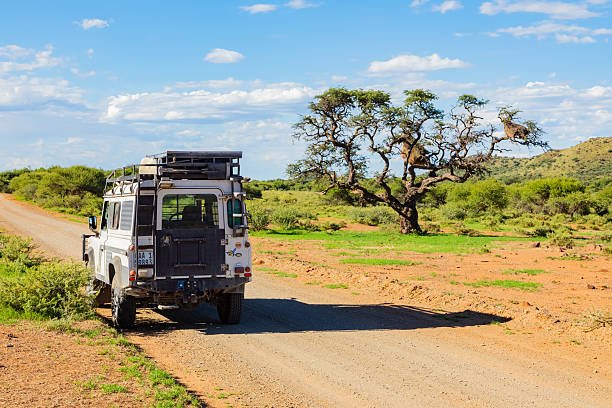
- 4×4 Safari Vehicles: Custom-built Land Cruisers or Land Rovers with pop-up roofs for optimal game viewing and photography. Essential for comfortable travel on rough terrain.
- Internal Flights: For longer distances (e.g., Serengeti to Zanzibar, Arusha to Southern Parks, or between Tanzania and Kenya), bush flights can save considerable travel time, allowing more time for wildlife viewing. These add to the overall cost but are often worth it for extended trips.
- Border Crossings: Traveling overland between Tanzania and Kenya involves crossing the border (e.g., at Namanga or Isebania). This requires clear visa arrangements and can add time to your journey.
Visa and Health Requirements
Ensure you research and obtain the necessary visas for both Tanzania and Kenya well in advance of your 2026-2027 safari. Yellow fever vaccination certificates may be required, especially if traveling from or through certain countries. Consult your doctor regarding malaria precautions and other recommended vaccinations.
Budget Considerations for a 15–21 Day Safari
A 15–21 day Tanzania & Kenya safari is a significant investment. Costs can vary widely based on:
- Accommodation Level: Luxury lodges are considerably more expensive than budget camping.
- Time of Year: Peak season (dry months) is generally more expensive than the low season.
- Inclusions: Park fees, meals, drinks, activities (like hot air balloon safaris), and internal flights all affect the price.
- Group Size: Private safaris are more expensive per person than joining a small group tour.
As a general guideline for a mid-range to upper-mid-range 15–21 day safari in 2026-2027, expect costs to range from approximately $500 to $1,000+ per person per day. This typically includes accommodation, most meals, park fees, vehicle and guide, and internal ground transport. International flights, visas, travel insurance, tips, and personal expenses are usually additional.
Top Guide Adventures provides detailed quotes based on your specific itinerary, accommodation choices, and desired level of service. We are committed to offering excellent value for an unforgettable experience.
Customizing Your Dream Safari with Top Guide Adventures
At Top Guide Adventures, we understand that every traveler is unique. Our expertise lies in tailoring 15–21 day Tanzania & Kenya safaris to match your dreams. Whether you’re a keen photographer, an avid birder, interested in specific cultural experiences, or seeking adrenaline-pumping activities, we can design an itinerary that perfectly suits you.
Consider these customization options for your 2026 or 2027 trip:
- Focus on Specific Wildlife: Want more time with predators? Prefer tracking the migration? We can adjust park choices and durations.
- Cultural Immersion: Include visits to Maasai villages, Hadzabe bushmen (Tanzania), or Samburu communities.
- Activity Variety: Incorporate walking safaris, night game drives (where permitted), canoeing, or even a chimpanzee trekking experience in the Mahale Mountains (Tanzania) if time allows.
- Pace of Travel: Do you prefer more time in fewer locations or a faster pace to see more parks? We cater to both.
- Luxury or Adventure: From opulent lodges to comfortable tented camps, we match your style and budget.
Contact us today to start planning your bespoke 15–21 day Tanzania & Kenya safari. Let us craft an adventure that exceeds your expectations.
Frequently Asked Questions About 15–21 Day Tanzania & Kenya Safaris
Here are some common questions we receive regarding extended East African safaris:
Q1: Is 15–21 days enough to see both Tanzania and Kenya?
A: Yes, 15–21 days is an excellent duration to experience the highlights of both Tanzania and Kenya. It allows you to visit key parks in both countries, witness the Great Migration if timed correctly, and experience the diverse landscapes without feeling overly rushed. You can cover iconic areas like the Serengeti, Ngorongoro, Masai Mara, and potentially add other parks like Amboseli or Samburu.
Q2: What is the best time of year for a 15–21 day Tanzania & Kenya safari in 2026 or 2027?
A: The best time depends on what you want to see. For the dramatic Mara River crossings of the Great Migration, target July to October. For the calving season and predator action in the Serengeti, aim for December to March. The dry season (June to October) generally offers the most reliable wildlife viewing across both countries, but can be busier and more expensive. Shoulder seasons (e.g., May, November) can offer good value and fewer crowds.
Q3: How much does a 15–21 day Tanzania & Kenya safari typically cost?
A: Costs vary significantly based on accommodation style, time of year, and included activities. For a mid-range to upper-mid-range safari, budget approximately $500 – $1,000+ per person per day. This usually covers accommodation, park fees, meals, a 4×4 safari vehicle, and a guide. Luxury options will be higher, while basic camping safaris will be lower. International flights, visas, insurance, tips, and personal expenses are additional.
Q4: What are the essential inclusions for such a long safari?
A: A comprehensive 15–21 day safari package should include: accommodation, all meals (breakfast, lunch, dinner), park entrance fees for all parks visited, a professional English-speaking safari guide, a 4×4 safari vehicle with fuel, airport transfers, and bottled water during game drives. For cross-border trips, ensure border assistance is included. Internal flights, if chosen, should also be specified.
Q5: Do I need separate visas for Tanzania and Kenya?
A: Yes, you will need separate visas for both Tanzania and Kenya unless you qualify for visa-free entry based on your nationality. It is highly recommended to check the latest visa requirements for your specific nationality and apply in advance. Some nationalities can obtain e-visas or visas on arrival, but it’s best to confirm this well before your 2026-2027 safari.
Q6: How do I travel between Tanzania and Kenya for my safari?
A: The most common methods are overland travel via border posts like Namanga (for Nairobi/Arusha) or Isebania (for Masai Mara/Serengeti), or by short internal flights. Overland travel is more time-consuming but allows you to see more of the landscape. Flights are faster and more comfortable but add to the cost. Top Guide Adventures can arrange either option seamlessly.
Q7: What should I pack for a 15–21 day safari?
A: Pack light, neutral-colored clothing (khaki, beige, green), comfortable walking shoes, a wide-brimmed hat, sunglasses, sunscreen, insect repellent, a reusable water bottle, a camera with extra batteries and memory cards, binoculars, and any personal medications. A light jacket or fleece is useful for cool mornings and evenings. We provide a detailed packing list upon booking.
Q8: Can I include Zanzibar in my 15–21 day itinerary?
A: Absolutely! Many travelers choose to combine their safari with a relaxing beach holiday in Zanzibar. This typically requires at least 3-4 days on the island. A 21-day itinerary is particularly well-suited for incorporating Zanzibar, offering a perfect blend of adventure and relaxation. This is a popular add-on for 2026-2027 safari plans.
Booking Your Unforgettable 15–21 Day Tanzania & Kenya Safari
Planning a safari of this length and scope requires expertise and attention to detail. Top Guide Adventures is dedicated to providing personalized service and crafting unforgettable experiences. We leverage our local knowledge and commitment to quality to ensure your 15–21 day Tanzania & Kenya safari in 2026 or 2027 is everything you dreamed of and more.
From the moment you inquire to your final departure, our team provides dedicated support. We handle all the logistics, from selecting the best accommodations and guides to managing park bookings and internal transfers. Our goal is to let you focus entirely on the incredible wildlife and landscapes surrounding you.
Ready to explore the wild heart of East Africa on an extended adventure? Contact Top Guide Adventures today to discuss your ideal 15–21 day Tanzania & Kenya safari itinerary. Let’s make your dream safari a reality.
For inquiries and bookings, please reach out to us:
WhatsApp: +255616946642
Email: info@topguideadventures.com
Backup Email: [Please provide backup email if available]
“,
“faq_schema”: [
{
“question”: “Is 15–21 days enough to see both Tanzania and Kenya?”,
“answer”: “Yes, 15–21 days is an excellent duration to experience the highlights of both Tanzania and Kenya. It allows you to visit key parks in both countries, witness the Great Migration if timed correctly, and experience the diverse landscapes without feeling overly rushed. You can cover iconic areas like the Serengeti, Ngorongoro, Masai Mara, and potentially add other parks like Amboseli or Samburu.”
},
{
“question”: “What is the best time of year for a 15–21 day Tanzania & Kenya safari in 2026 or 2027?”,
“answer”: “The best time depends on what you want to see. For the dramatic Mara River crossings of the Great Migration, target July to October. For the calving season and predator action in the Serengeti, aim for December to March. The dry season (June to October) generally offers the most reliable wildlife viewing across both countries, but can be busier and more expensive. Shoulder seasons (e.g., May, November) can offer good value and fewer crowds.”
},
{
“question”: “How much does a 15–21 day Tanzania & Kenya safari typically cost?”,
“answer”: “Costs vary significantly based on accommodation style, time of year, and included activities. For a mid-range to upper-mid-range safari, budget approximately $500 – $1,000+ per person per day. This usually covers accommodation, park fees, meals, a 4×4 safari vehicle, and a guide. Luxury options will be higher, while basic camping safaris will be lower. International flights, visas, insurance, tips, and personal expenses are additional.”
},
{
“question”: “What are the essential inclusions for such a long safari?”,
“answer”: “A comprehensive 15–21 day safari package should include: accommodation, all meals (breakfast, lunch, dinner), park entrance fees for all parks visited, a professional English-speaking safari guide, a 4×4 safari vehicle with fuel, airport transfers, and bottled water during game drives. For cross-border trips, ensure border assistance is included. Internal flights, if chosen, should also be specified.”
},
{
“question”: “Do I need separate visas for Tanzania and Kenya?”,
“answer”: “Yes, you will need separate visas for both Tanzania and Kenya unless you qualify for visa-free entry based on your nationality. It is highly recommended to check the latest visa requirements for your specific nationality and apply in advance. Some nationalities can obtain e-visas or visas on arrival, but it’s best to confirm this well before your 2026-2027 safari.”
},
{
“question”: “How do I travel between Tanzania and Kenya for my safari?”,
“answer”: “The most common methods are overland travel via border posts like Namanga (for Nairobi/Arusha) or Isebania (for Masai Mara/Serengeti), or by short internal flights. Overland travel is more time-consuming but allows you to see more of the landscape. Flights are faster and more comfortable but add to the cost. Top Guide Adventures can arrange either option seamlessly.”
},
{
“question”: “What should I pack for a 15–21 day safari?”,
“answer”: “Pack light, neutral-colored clothing (khaki, beige, green), comfortable walking shoes, a wide-brimmed hat, sunglasses, sunscreen, insect repellent, a reusable water bottle, a camera with extra batteries and memory cards, binoculars, and any personal medications. A light jacket or fleece is useful for cool mornings and evenings. We provide a detailed packing list upon booking.”
},
{
“question”: “Can I include Zanzibar in my 15–21 day itinerary?”,
“answer”: “Absolutely! Many travelers choose to combine their safari with a relaxing beach holiday in Zanzibar. This typically requires at least 3-4 days on the island. A 21-day itinerary is particularly well-suited for incorporating Zanzibar, offering a perfect blend of adventure and relaxation. This is a popular add-on for 2026-2027 safari plans.”
}
]
}
“`
Check Availability for 15–21 Days Tanzania & Kenya Safaris 2026-2027
Ready to compare dates, prices, and the best option for your group? Send the package name and travel month so the team can reply with a clear quote, availability, and what is included.

13-Day Safaris In Tanzania: The Ultimate Itinerary For 2026-2027
Explore the magic of Tanzania with a comprehensive 13-day safari. This extended adventure allows for deep dives into iconic national parks like the Serengeti and Ngorongoro Crater, offering…
11-Day Tanzania Safaris: Your Ultimate Adventure Guide For 2026-2027
An 11-day safari in Tanzania offers a comprehensive exploration of its most iconic national parks, typically covering the Northern Circuit's highlights like the Serengeti and Ngorongoro…
10-Day Safaris In Tanzania: The Ultimate Guide For Adventures 2026-2027
Explore the magic of a 10-day safari in Tanzania, a journey designed to showcase the best of its wildlife and landscapes. This comprehensive guide covers everything you need to know for…
No related package matches those filters. Clear one or more filters to see the other topic-matched options.



