
A 15-day Tanzania safari typically costs between $4,500 to $9,000 per person for mid-range to luxury options in 2026-2027, depending heavily on accommodation choices, private vs. shared tours, and specific park fees. A popular 15-day itinerary covers the Northern Circuit’s iconic parks: Tarangire, Lake Manyara, Serengeti, and Ngorongoro Crater, often starting and ending in Arusha, with a focus on wildlife viewing and diverse landscapes.
Understanding the Investment: 15 Days Tanzania Safari Cost Factors for 2026-2027
Planning a 15-day safari in Tanzania is a significant undertaking, and understanding the cost is paramount. For 2026 and 2027, expect a wide range of pricing, driven by several key elements. It’s not just about the number of days; it’s about the quality of your experience, the comfort of your lodging, and the exclusivity of your travel.
The total cost for a 15-day Tanzania safari is a mosaic of different components. Here’s a breakdown of what influences the final price:
- Accommodation Style: This is often the largest variable. Options range from budget-friendly tented camps and basic lodges to luxurious lodges and tented camps with premium amenities. The more upscale your chosen lodging, the higher the daily rate will be.
- Safari Type (Private vs. Shared): A private safari offers maximum flexibility and personalized attention, but comes at a higher cost per person. Shared safaris, where you join a small group, significantly reduce the individual price by distributing vehicle and guide costs.
- Park Entrance Fees: Tanzania’s national parks and conservation areas have substantial daily entrance fees, which are set by the government and can change annually. These fees are mandatory and contribute to conservation efforts. For example, Serengeti National Park fees are higher than those for Tarangire.
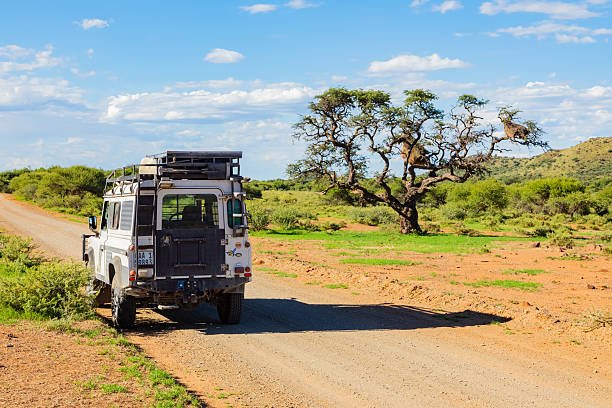
- Vehicle and Guide: The type of safari vehicle (e.g., 4×4 Land Cruiser vs. Land Rover) and the experience level of your guide can also impact costs. Top Guide Adventures exclusively uses custom-built 4×4 Land Cruisers with pop-up roofs for optimal game viewing.
- Seasonality: Travel during peak seasons (e.g., June to October, and December to February) often means higher prices due to increased demand. The shoulder seasons (e.g., March to May, November) can offer slightly lower rates.
- Inclusions: What’s included in your safari package makes a big difference. Most packages will include accommodation, meals, park fees, a safari vehicle, and a guide. However, extras like internal flights, hot air balloon safaris, alcoholic beverages, tips, and travel insurance will add to the overall expense.
Estimated Cost Ranges for a 15-Day Tanzania Safari (2026-2027)
To give you a clearer picture for your 2026 or 2027 adventure, here are estimated cost ranges per person, assuming double occupancy:
Budget-Friendly Safari (Tented Camps, Basic Lodges)
Estimated Cost: $4,500 – $6,000 per person
Characteristics: Simpler accommodations, potentially more shared experiences, focusing on core safari activities. Meals are usually included, but drinks and tips might be extra.
Mid-Range Safari (Comfortable Lodges, Tented Camps)
Estimated Cost: $6,000 – $8,000 per person
Characteristics: Well-appointed lodges and permanent tented camps with en-suite facilities, good dining, and often a swimming pool. This is the most popular choice for many travelers seeking a balance of comfort and value.
Luxury Safari (High-End Lodges, Exclusive Camps)
Estimated Cost: $8,000 – $12,000+ per person
Characteristics: Exquisite accommodations with premium service, gourmet dining, private concessions, and often exclusive game drives. This level offers the highest degree of comfort and personalized service.
Important Note for 2026-2027 Planning: These are estimates. For an exact quote tailored to your preferences and travel dates in 2026 or 2027, it is essential to contact a reputable tour operator like Top Guide Adventures. They can provide a personalized itinerary and pricing based on your specific needs.
Crafting Your Perfect 15-Day Tanzania Safari Itinerary
A 15-day duration allows for an in-depth exploration of Tanzania’s most celebrated wildlife destinations, primarily focusing on the Northern Circuit. This extended period provides ample time for game drives, absorbing the landscapes, and experiencing the magic of each park without feeling rushed. Below is a sample itinerary that balances iconic locations with opportunities for deeper immersion.
Day 1: Arrival in Arusha – Gateway to the Northern Circuit
Your Tanzanian adventure begins upon arrival at Kilimanjaro International Airport (JRO). You will be warmly welcomed by a representative from Top Guide Adventures and transferred to your comfortable lodge in Arusha. Arusha is a vibrant city located at the foot of Mount Meru, serving as the primary hub for safaris in Northern Tanzania. This day is for resting, acclimatizing, and preparing for the incredible journey ahead. You can take a leisurely stroll around the lodge grounds, enjoy a delicious Tanzanian dinner, and get a briefing from your guide about the upcoming days.
Accommodation: Arusha Coffee Lodge (Luxury), Arusha Planet Lodge (Mid-Range), or similar.
Day 2: Arusha to Tarangire National Park – Land of Giants
After breakfast, you’ll depart for Tarangire National Park, famous for its large elephant herds and iconic baobab trees. The drive takes approximately 2-3 hours. Tarangire offers a unique landscape, with vast savannahs dotted with ancient baobab trees that seem to stretch towards the sky. During the dry season (June-October), the Tarangire River becomes a magnet for wildlife, attracting elephants, zebras, wildebeest, giraffes, and a plethora of bird species. Your first game drive will begin as you enter the park, with your guide expertly navigating the terrain to find the best wildlife sightings.
Activities: Full-day game drive in Tarangire National Park.
Accommodation: Tarangire Treetops (Luxury), Tarangire Sopa Lodge (Mid-Range), or similar.
Day 3: Tarangire National Park – Extended Exploration
Today is dedicated to a full day of exploring Tarangire. You’ll have the opportunity to venture deeper into the park, seeking out predators like lions, leopards, and cheetahs, as well as the park’s diverse birdlife. Tarangire is also known for its tree-climbing pythons, though sightings are rare. Your guide will share insights into the ecosystem, animal behavior, and the cultural significance of the region. A picnic lunch will be enjoyed amidst the wilderness, adding to the authentic safari experience.
Activities: Full-day game drive in Tarangire National Park.
Accommodation: Same as Day 2.
Day 4: Tarangire to Lake Manyara National Park & Cultural Immersion
After a morning game drive in Tarangire, you will drive to Lake Manyara National Park (approx. 1.5-2 hours). This park is a compact gem, renowned for its diverse habitats within a small area, including groundwater forests, acacia woodlands, and the alkaline lake itself, which is often dotted with thousands of flamingos. Lake Manyara is also famous for its tree-climbing lions, though they can be elusive. The park offers excellent opportunities to see giraffes, elephants, hippos, and a variety of monkeys. In the afternoon, you might opt for a cultural visit to a nearby Maasai village to learn about their traditional way of life, or enjoy a final game drive before heading to your accommodation.
Activities: Morning game drive in Tarangire, afternoon game drive in Lake Manyara, optional Maasai village visit.
Accommodation: Lake Manyara Serena Safari Lodge (Mid-Range), Escarpment Luxury Lodge (Luxury), or similar.
Day 5: Lake Manyara to the Serengeti National Park – The Endless Plains
Today marks a significant highlight: your journey into the legendary Serengeti National Park. The drive from Lake Manyara to the Serengeti gate takes about 2-3 hours, followed by an entry into the park and a game drive en route to your lodge or camp. The Serengeti, meaning ‘endless plains’ in the Maasai language, is arguably the most famous wildlife sanctuary in the world. Its vast grasslands are home to millions of animals, including the Great Migration (depending on the time of year), big cats, and a staggering array of other wildlife. Your first game drive will introduce you to this magnificent landscape.
Activities: Drive to Serengeti, en-route game drive.
Accommodation: Four Seasons Safari Lodge Serengeti (Luxury), Serengeti Serena Safari Lodge (Mid-Range), or a mobile tented camp strategically located for the migration (various levels).
Day 6 & 7: Serengeti National Park – The Heart of Wildlife
You will spend two full days exploring the vast plains of the Serengeti. Depending on the season and the location of the Great Migration, your game drives will focus on areas known for high wildlife concentrations. Whether it’s witnessing the dramatic river crossings (July-September), observing lion prides on the hunt, or spotting elusive leopards in the acacia trees, the Serengeti offers unparalleled wildlife viewing. Your expert guide will tailor the game drives to maximize your chances of encountering the park’s iconic inhabitants. Sunrise and sunset game drives often reveal the most spectacular wildlife activity.
Activities: Full-day game drives in Serengeti National Park.
Optional Activities: Hot Air Balloon Safari (highly recommended for a unique perspective of the plains and wildlife at sunrise).
Accommodation: Same as Day 5.
Day 8: Serengeti to Ngorongoro Conservation Area – The Eighth Wonder
After a final morning game drive in the Serengeti, you’ll depart for the Ngorongoro Conservation Area. En route, you may visit a Maasai village or a local craft market if time and interest permit. As you approach the Ngorongoro Crater, the landscape dramatically changes, offering stunning vistas. You will descend into the crater floor for an afternoon game drive. The Ngorongoro Crater, a UNESCO World Heritage Site, is a collapsed volcano caldera teeming with wildlife. It boasts one of the highest densities of predators in Africa, including lions, hyenas, jackals, and the rare black rhino. It is also home to large herds of wildebeest, zebras, buffalo, and hippos.
Activities: Morning game drive in Serengeti, drive to Ngorongoro, afternoon game drive on the Crater floor.
Accommodation: Ngorongoro Crater Lodge (Luxury), Ngorongoro Serena Safari Lodge (Mid-Range), or similar, often perched on the crater rim.
Day 9: Ngorongoro Crater – Full Day Exploration
Today is dedicated to exploring the Ngorongoro Crater in depth. You’ll descend early to maximize your wildlife viewing opportunities and witness the impressive scenery as the sun rises over the caldera. The crater floor is a self-contained ecosystem, supporting a remarkable diversity of wildlife. Your guide will lead you to areas where you have the best chances of spotting the Big Five (lion, leopard, elephant, rhino, buffalo) and observing the interactions between different species. A picnic lunch will be served by the hippo pool, offering a memorable dining experience surrounded by nature.
Activities: Full-day game drive on the Ngorongoro Crater floor.
Accommodation: Same as Day 8.
Day 10: Ngorongoro to Lake Natron – Flamingo Haven & Maasai Culture
After breakfast, you’ll depart the Ngorongoro Crater and drive towards Lake Natron (approx. 3-4 hours). Lake Natron is a stunningly beautiful, highly alkaline lake known for its vibrant red hues and as a breeding ground for Lesser Flamingos. The landscape here is dramatic, with the active Ol Doinyo Lengai volcano looming in the background. This area is also a heartland for the Maasai people, offering a different cultural perspective. You can visit the waterfalls, explore the lake shore (keeping a safe distance due to its alkalinity), and potentially interact with the local Maasai community.
Activities: Scenic drive to Lake Natron, visit to waterfalls, exploration of lake shores, optional Maasai village visit.
Accommodation: Lake Natron Camp (Mid-Range/Luxury), or similar tented camps.
Day 11: Lake Natron – Activities and Exploration
Spend the day exploring the unique environment around Lake Natron. You can hike to the beautiful waterfalls, take a guided walk along the lake’s edge to observe the flamingos (seasonal and dependent on water levels), and learn about the geological significance of the area. For the adventurous, an optional hike up Ol Doinyo Lengai can be arranged (this is a strenuous climb, usually done overnight starting late evening). The focus today is on the unique natural beauty and the cultural richness of this less-visited but highly rewarding region.
Activities: Hiking to waterfalls, guided walks, bird watching, cultural interactions.
Accommodation: Same as Day 10.
Day 12: Lake Natron to Mto wa Mbu & Cultural Experiences
Today you’ll drive from Lake Natron to Mto wa Mbu (approx. 2-3 hours), a vibrant and diverse village known for its banana plantations and multicultural population. Mto wa Mbu is a melting pot of tribes from across Tanzania, offering a unique insight into the country’s cultural diversity. You can take a guided walking tour through the banana farms, learn about local agriculture, visit local craft shops, and experience the bustling local market. This offers a different perspective from the wildlife-centric parks.
Activities: Scenic drive, guided village tour, banana plantation visit, market exploration.
Accommodation: Manyara Serena Safari Lodge (Mid-Range), or a comfortable lodge in the Mto wa Mbu area.
Day 13: Mto wa Mbu to Arusha – Relaxation and Souvenirs
After a leisurely breakfast and perhaps some last-minute souvenir shopping in Mto wa Mbu, you’ll begin your journey back to Arusha (approx. 2-3 hours). The rest of the day is yours to relax at your lodge, revisit a favorite spot in Arusha, or explore the town further. You might visit the Shanga project (a social enterprise employing people with disabilities), browse local art galleries, or simply enjoy the amenities of your hotel. A farewell dinner can be arranged to celebrate your incredible Tanzanian safari.
Activities: Drive to Arusha, relaxation, optional sightseeing or shopping.
Accommodation: Arusha Coffee Lodge (Luxury), Arusha Planet Lodge (Mid-Range), or similar.
Day 14: Arusha – Day Trip or Relaxation
This day offers flexibility. You could opt for a day trip to a nearby attraction, such as a visit to the cultural heritage center, a coffee plantation tour, or a hike on Mount Meru. Alternatively, you can use this day for relaxation, last-minute shopping for souvenirs, or visiting local markets to experience the vibrant Arusha life. Your guide can help arrange any activities you desire. This buffer day ensures you depart Tanzania feeling refreshed and satisfied.
Activities: Optional day trips (e.g., coffee tour, cultural heritage center, Mount Meru hike) or relaxation and shopping.
Accommodation: Same as Day 13.
Day 15: Departure from Arusha
Enjoy a final Tanzanian breakfast at your lodge. Depending on your flight schedule, you may have some time for last-minute activities or relaxation. You will then be transferred to Kilimanjaro International Airport (JRO) for your departure flight, filled with unforgettable memories of your 15-day Tanzania safari adventure.
Activities: Transfer to JRO for departure.
Tailoring Your 15-Day Safari: Customization Options for 2026-2027
The 15-day itinerary provided is a classic Northern Circuit route. However, Top Guide Adventures excels at tailoring safaris to your specific interests and budget. For your 2026 or 2027 trip, consider these customization options:
Focus on Specific Wildlife Interests:
If you are particularly interested in birdwatching, your itinerary can be adjusted to spend more time in areas renowned for avian diversity, like Lake Manyara or specific sections of the Serengeti. Similarly, if tracking big cats is your priority, your guide will focus on prime predator habitats within the Serengeti and Ngorongoro.
Incorporate Cultural Experiences:
While the itinerary includes some cultural elements, you can dedicate more time to visiting Maasai bomas, Hadzabe hunter-gatherer communities, or Datoga blacksmiths. These experiences offer profound insights into the diverse tribal cultures of Tanzania.
Add Adventure Activities:
For the thrill-seekers, consider adding activities like walking safaris (in designated areas outside the main parks), canoeing on certain lakes, or the aforementioned hot air balloon safari over the Serengeti. A hike up Mount Kilimanjaro could also be incorporated if you extend your trip or opt for a more intense adventure focus.
Adjust Accommodation Tiers:
Your 15-day Tanzania safari cost can be significantly influenced by your choice of accommodation. We can mix and match lodges and tented camps to fit your budget while still ensuring comfort and quality. Perhaps a luxury lodge in the Serengeti and a comfortable tented camp in Tarangire?
Extend or Shorten Park Stays:
If you fall in love with a particular park, we can adjust the itinerary to spend an extra day there. Conversely, if certain areas are less of a priority, we can allocate more time to other destinations.
To discuss these customizations for your 2026 or 2027 safari, please reach out to Top Guide Adventures. We are here to craft your dream African adventure.
The Great Migration: Timing Your 15-Day Safari for 2026-2027
The Great Migration is a natural phenomenon that draws countless visitors to Tanzania each year. While the Serengeti offers incredible wildlife viewing year-round, timing your 15-day safari to coincide with specific stages of the migration can elevate the experience. For 2026 and 2027, here’s a general guide:
- January-March: The herds are typically in the southern Serengeti and Ndutu area (Ngorongoro Conservation Area), calving season. This is a prime time for witnessing dramatic predator-prey interactions as young calves are born.
- April-May: This is the ‘Green Season’ or shoulder season. The herds begin their northward movement, often spread out across the central and western Serengeti. Expect fewer crowds and potentially lower prices, but the migration’s exact location can be less predictable.
- June-July: The herds gather in the western corridor of the Serengeti, preparing for the Grumeti River crossing. These crossings can be spectacular, though not as large-scale as the Mara River crossings.
- July-October: This is peak season, and the migration is usually in the northern Serengeti, heading towards the Mara River. Witnessing the dramatic Mara River crossings is a bucket-list experience for many. However, this also means higher prices and more crowds.
- November-December: The herds begin their journey southwards, often moving through the central Serengeti and heading towards the southern plains. This can be a good time for wildlife viewing with fewer crowds than the peak season.
Planning Tip for 2026-2027: While the migration is a major draw, remember that the Serengeti and Ngorongoro Crater offer phenomenal game viewing year-round, even outside of the migration’s peak presence. Discuss your desired timing with Top Guide Adventures to align your 15-day safari with your migration viewing goals.
Choosing Your Accommodation: Lodges vs. Tented Camps
Your choice of accommodation significantly impacts your 15-day Tanzania safari cost and overall experience. For 2026-2027, both lodges and tented camps offer excellent options:
Lodges:
Typically permanent structures built with more robust materials. They often feature amenities like swimming pools, restaurants, bars, and well-appointed rooms with en-suite bathrooms. Lodges can range from comfortable mid-range options to ultra-luxurious properties, often with stunning views. They offer a high level of comfort and convenience.
Tented Camps:
These offer a more intimate and classic safari feel. They range from basic fly camps to luxurious permanent tented structures. Even the more basic camps usually provide comfortable beds and en-suite bathrooms (though sometimes with bucket showers). Luxury tented camps can rival lodges in terms of service and amenities, often with private decks and gourmet dining. Mobile tented camps are strategically set up in different locations to follow the Great Migration, offering a truly in-depth experience.
Decision Factor: If you prioritize comfort, amenities, and a more permanent structure, lodges are ideal. If you seek a closer connection to nature, the sounds of the bush at night, and a more traditional safari ambiance, tented camps are a fantastic choice. Many travelers enjoy a mix of both during a 15-day safari.
Packing Essentials for Your 15-Day Tanzania Safari
Packing smartly is crucial for a comfortable and enjoyable 15-day safari. Layering is key, as temperatures can vary significantly between day and night, and across different altitudes. Here’s a checklist:
Clothing:
- Lightweight, neutral-colored clothing (khaki, beige, green, brown) – avoid bright colors and black/dark blue which can attract tsetse flies.
- Long-sleeved shirts and trousers for sun protection and cooler evenings.
- T-shirts and shorts/comfortable trousers for warmer daytime temperatures.
- A warm fleece or sweater for early morning and evening game drives.
- A waterproof and windproof jacket, especially during the rainy seasons (March-May, November).
- Comfortable walking shoes or hiking boots.
- Sandals or flip-flops for relaxing at the lodge/camp.
- Socks (including warm ones for evenings).
- A wide-brimmed hat or cap for sun protection.
- Swimsuit (if your lodge has a pool).
Health & Hygiene:
- Personal toiletries.
- Sunscreen (high SPF).
- Insect repellent (containing DEET).
- Hand sanitizer.
- Any personal medications.
- Basic first-aid kit.
- Malaria prophylaxis (consult your doctor).
Gear & Accessories:
- Camera with extra batteries and memory cards.
- Binoculars (essential for wildlife spotting).
- Power bank or universal adapter for charging electronics.
- Headlamp or small flashlight.
- Reusable water bottle.
- Sunglasses.
- A good book for downtime.
- A small backpack for day trips and game drives.
- Passport, visa (if required), flight details, and copies of important documents.
Travel Tip for 2026-2027: Pack light but smart. Most lodges and camps offer laundry services, so you don’t need to bring an outfit for every day. Soft-sided duffel bags are often preferred over hard suitcases for vehicle storage.
Frequently Asked Questions about 15-Day Tanzania Safaris
Here are answers to common questions regarding 15-day Tanzania safaris, covering costs, itineraries, and planning for 2026-2027.
What is the best time of year for a 15-day Tanzania safari in 2026-2027?
The best time often depends on what you want to see. For the Great Migration river crossings, aim for July-October. For calving season, January-March is ideal. However, Tanzania offers excellent game viewing year-round. The dry seasons (June-October and December-February) are generally considered prime safari times due to easier wildlife spotting and pleasant weather.
Are park fees included in the safari cost?
Reputable tour operators like Top Guide Adventures typically include all national park entrance fees in their safari packages. It’s crucial to confirm this when getting a quote for your 2026 or 2027 trip.
What is the difference between a private and a shared safari?
A private safari means you have exclusive use of the safari vehicle and guide, offering maximum flexibility in terms of itinerary and pace. A shared safari involves joining a small group of other travelers in the same vehicle, which significantly reduces the per-person cost by spreading expenses. For a 15-day trip, both offer unique advantages.
Can I customize the 15-day itinerary?
Absolutely! Top Guide Adventures specializes in tailor-made safaris. You can adjust the duration in each park, change the order of destinations, upgrade accommodation, or add special activities like hot air ballooning or cultural visits to create your perfect 15-day Tanzania safari for 2026-2027.
What currency is used in Tanzania?
The local currency is the Tanzanian Shilling (TZS). However, US Dollars are widely accepted, especially for park fees, lodge payments, and larger purchases. It’s advisable to have some local currency for smaller expenses like tips or market purchases. Credit cards are accepted in some lodges and larger towns but not universally.
Is it safe to travel to Tanzania for a safari?
Tanzania is considered a safe destination for tourists, particularly within organized safari circuits. Top Guide Adventures prioritizes your safety, using experienced guides and well-maintained vehicles. It’s always wise to follow your guide’s instructions, be aware of your surroundings, and take standard travel precautions.
Booking Your 15-Day Tanzania Safari with Top Guide Adventures for 2026-2027
Choosing the right tour operator is essential for a memorable and stress-free 15-day Tanzania safari. Top Guide Adventures is a trusted local company with a deep understanding of Tanzania’s parks, culture, and logistics. We are committed to providing personalized service, ensuring every aspect of your journey, from initial planning to your departure, is handled with care and expertise.
Whether you are planning for late 2026 or early 2027, we recommend booking your safari well in advance, especially if you have specific dates or accommodation preferences. Early booking secures availability, particularly for popular lodges and during peak seasons.
Ready to plan your adventure?
- WhatsApp us: +255616946642
- Email us: info@topguideadventures.com
- Visit our website: Top Guide Adventures Tanzania
Let us help you craft the perfect 15-day Tanzania safari itinerary, ensuring an unforgettable experience in the heart of Africa. We look forward to welcoming you in 2026 or 2027!
Check Availability for 15 Days Tanzania Safari Cost And Itinerary: Your Ultimate Guide For…
Ready to compare dates, prices, and the best option for your group? Send the package name and travel month so the team can reply with a clear quote, availability, and what is included.



