
A 13-day safari in Tanzania offers an exceptional opportunity to explore the country’s most iconic wildlife destinations, typically including the Serengeti, Ngorongoro Crater, Tarangire, and Lake Manyara, with ample time for game drives, cultural interactions, and relaxation. This duration allows for a comprehensive experience, often starting and ending in Arusha, and is ideal for witnessing the Great Migration, spotting the Big Five, and appreciating the diverse landscapes, with many travelers planning for 2026-2027 to experience peak seasons.
Crafting Your Unforgettable 13-Day Tanzania Safari Adventure
Choosing a 13-day safari is a commitment to experiencing the heart of Tanzania’s wild beauty. This extended timeframe moves beyond a fleeting glimpse, allowing for a profound connection with the landscapes and its inhabitants. It’s enough time to witness the dramatic theatre of the Great Migration, to patiently track elusive predators, to stand in awe of the vastness of the Ngorongoro Crater, and to feel the pulse of the African bush. For travelers looking ahead to 2026 and 2027, this duration represents a sweet spot – offering depth without feeling rushed, and breadth without unnecessary travel fatigue.
At Top Guide Adventures, we understand that a 13-day safari isn’t just a trip; it’s an expedition into one of the planet’s most biodiverse regions. Our expertise lies in curating these extended journeys, ensuring every moment is optimized for discovery, comfort, and authenticity. We tailor these safaris to bring you face-to-face with Tanzania’s wonders, from the endless plains of the Serengeti to the unique ecosystem of the Ngorongoro Conservation Area, and the giant elephants of Tarangire.
This guide is designed to walk you through the possibilities of a 13-day safari, covering potential routes, what to expect in terms of wildlife, accommodation styles, and how to best plan your adventure for the upcoming seasons. We aim to provide you with all the information needed to make informed decisions, whether you are dreaming of your first safari or returning for another unforgettable Tanzanian experience.
Why Choose a 13-Day Safari for Your Tanzanian Expedition?
The decision to opt for a 13-day safari is often driven by a desire for a more complete and in-depth experience. Shorter safaris, while wonderful, can sometimes feel like a highlight reel. A 13-day itinerary allows for:
- Deeper Exploration: More time in each park means exploring different regions within them, increasing your chances of seeing a wider array of wildlife and experiencing varied habitats.
- Witnessing Natural Rhythms: For phenomena like the Great Migration, spending several days in specific locations is crucial for understanding its scale and the predator-prey interactions it entails.
- Reduced Travel Fatigue: While travel between parks is part of the adventure, a longer duration allows for a more relaxed pace, with fewer long travel days back-to-back.
- Flexibility and Spontaneity: With more days, there’s room for spontaneous detours, spending extra time at a particularly interesting sighting, or adapting the schedule based on wildlife movements or your preferences.
- Cultural Immersion: Extended time allows for meaningful visits to local communities, such as Maasai villages, offering insights into traditional life beyond a brief stopover.
- Variety of Ecosystems: A 13-day safari can comfortably cover diverse environments – from the savannahs of the Serengeti to the acacia woodlands of Tarangire and the caldera of Ngorongoro.
This thoughtful duration is perfect for those who want to savor the experience, capture incredible photographs, and truly absorb the essence of the African wilderness. When planning for 2026 or 2027, this length ensures you can experience the best of Tanzania without feeling hurried.
The Classic Northern Circuit: A Sample 13-Day Safari Itinerary
The Northern Circuit of Tanzania is the most famous safari circuit, renowned for its high concentration of wildlife and iconic parks. A 13-day safari allows for an in-depth exploration of this region. Here’s a sample itinerary that balances key highlights with opportunities for deeper discovery. This is a popular choice for travelers aiming for 2026-2027 safaris.
Day 1: Arrival in Arusha & Safari Briefing
Arrive at Kilimanjaro International Airport (JRO). You will be met by your Top Guide Adventures representative and transferred to your comfortable lodge in Arusha. After settling in, you’ll have a pre-safari briefing to discuss your upcoming adventure, answer any questions, and receive important information. Enjoy a relaxing evening and dinner.
Day 2: Arusha to Tarangire National Park
After breakfast, drive to Tarangire National Park, famous for its large elephant herds and iconic baobab trees. Your game drive begins upon entering the park. Tarangire offers a stunning landscape and is particularly vibrant during the dry season when animals congregate around the Tarangire River. Look for lions, leopards, giraffes, zebras, and numerous bird species.
Day 3: Full Day Tarangire Exploration
Spend the entire day exploring Tarangire. You can opt for a walking safari (optional, requires pre-booking and park authority permission) for a more intimate experience with the bush, or focus on extensive game drives. The park’s diverse habitats, including swamps and woodlands, support a rich variety of wildlife.
Day 4: Tarangire to Lake Manyara National Park & Transfer to Karatu
Morning game drive in Tarangire, followed by a drive to Lake Manyara National Park. This park is known for its tree-climbing lions, although they are elusive. The park is also home to large troops of baboons, vibrant birdlife, and the shallow alkaline lake that attracts thousands of flamingos (seasonal). After exploring Lake Manyara, you’ll drive to the charming town of Karatu, located on the crater highlands, for your overnight stay.
Day 5: Ngorongoro Crater Tour
Descend into the magnificent Ngorongoro Crater, a UNESCO World Heritage Site. This natural amphitheater teems with wildlife, boasting one of the highest densities of predators in Africa. You’ll spend the day on the crater floor, searching for the Big Five (lion, leopard, elephant, rhino, buffalo) and a multitude of other animals. The scenic beauty and wildlife concentration here are unparalleled.
Day 6: Ngorongoro Conservation Area & Maasai Village Visit
After a morning game drive or a visit to a local Maasai village (optional, to learn about their culture and traditions), you will begin your journey towards the Serengeti National Park. You might stop at Olduvai Gorge, an important archaeological site. The drive into the Serengeti is itself a game drive, with potential sightings along the way.
Day 7: Serengeti National Park (Central)
Explore the central region of the Serengeti, known for its resident wildlife year-round. This area is famous for its big cats, including lions, leopards, and cheetahs. Your experienced guide will take you to prime viewing locations based on recent wildlife movements and the time of year. Balloon safaris (optional) are a popular way to see the Serengeti from above at sunrise.
Day 8: Serengeti National Park (Central/West)
Continue exploring the central Serengeti or venture into the western corridor, depending on wildlife activity and migration patterns. The western corridor is particularly exciting during the migration season when wildebeest and zebras cross the Grumeti River.
Day 9: Serengeti National Park (North/Ndutu Area – Seasonal)
Depending on the time of year, your 13-day safari might focus on the northern Serengeti (Kogatende/Lamai) for Grumeti River crossings (typically July-October) or the Ndutu area (southern Serengeti/Ngorongoro Conservation Area border) for the calving season (typically December-March). This flexibility is key to a successful safari.
Day 10: Serengeti to… (Option: Fly to Zanzibar or continue overland)
This is a pivotal day. For many, the 13-day safari concludes with a flight from a Serengeti airstrip to Zanzibar for a beach extension. Alternatively, if you prefer to stay on safari, you might spend another day in the Serengeti or begin a longer overland journey back towards Arusha, perhaps stopping at a different park or reserve.
Day 11: Zanzibar (or continued Safari)
Option A (Zanzibar): Arrive in Zanzibar, transfer to your beachfront resort. Relax on the white sandy beaches, swim in the turquoise waters, or explore Stone Town.
Option B (Safari): Continue exploring other areas of Tanzania, perhaps a less-visited park like Ruaha (requires internal flight) or focus more on cultural experiences near Arusha.
Day 12: Zanzibar (or continued Safari)
Option A (Zanzibar): Enjoy a full day on Zanzibar. Activities can include spice tours, snorkeling, diving, or simply unwinding by the ocean.
Option B (Safari): Explore more of Tanzania’s diverse offerings. This could involve a day trip to Materuni waterfalls or a deeper look at local life.
Day 13: Departure
Option A (Zanzibar): Enjoy a final breakfast before transferring to Zanzibar Airport for your onward flight.
Option B (Arusha): Transfer from your Arusha lodge to Kilimanjaro International Airport (JRO) for your departure.
The Great Migration: Timing Your 13-Day Safari for 2026-2027
The Great Migration is one of nature’s most spectacular events, with over 1.5 million wildebeest, zebras, and gazelles constantly moving across the Serengeti ecosystem in search of greener pastures. Timing your 13-day safari to witness this phenomenon is a common goal for many travelers planning for 2026 and 2027.
Understanding the migration’s cycle is key:
- December – March: Calving Season (Ndutu Area/Southern Serengeti)
- This is when the herds are concentrated in the short-grass plains of the Ndutu area (border of Serengeti and Ngorongoro Conservation Area).
- Thousands of wildebeest calves are born during this period, making for incredible predator-prey action.
- The weather is generally warm and can have short rains.
- April – May: Moving North/Green Season
- The herds begin to move northwards as the dry season approaches and the southern plains become depleted.
- These months are often considered the ‘green season’ with fewer tourists and lush landscapes, but rains can make some roads difficult.
- June – July: Western Corridor & Grumeti River Crossings
- The migration typically reaches the western corridor of the Serengeti.
- The Grumeti River is a significant obstacle, and watching the wildebeest and zebras brave the crocodiles and hippos is a dramatic spectacle.
- This is a prime time for witnessing river crossings.
- August – October: Northern Serengeti & Mara River Crossings
- The herds are usually in the northern Serengeti, heading towards the Mara River.
- The Mara River crossings are perhaps the most iconic and dramatic part of the migration, with massive herds plunging into the crocodile-infested waters.
- This is a peak season for safari tourism, so booking well in advance for 2026 and 2027 is crucial.
- November: Moving South
- As rains return to the south, the herds begin their journey back, often following new routes.
A 13-day safari is ideal for positioning yourself in the right area at the right time. For instance, a safari in late June or early August could focus on the Grumeti River crossings, while September or October would target the Mara River crossings. If calving season is your priority, a December or January trip to Ndutu is perfect. We can help you align your 13-day safari dates with the most active migration periods for your 2026-2027 travel plans.
Beyond the Northern Circuit: Alternative 13-Day Safari Experiences
While the Northern Circuit is a classic, Tanzania offers incredible diversity that can be explored over 13 days. For those seeking unique experiences or wanting to avoid the busiest areas, consider these alternatives or combinations:
Southern Tanzania Safaris (Ruaha & Selous/Nyerere)
For a truly wild and less-crowded experience, a 13-day safari focusing on Southern Tanzania is exceptional. This region is known for its vast wilderness and large populations of elephants, buffaloes, lions, and wild dogs.
- Ruaha National Park: Tanzania’s largest national park, offering a rugged and remote wilderness. It’s renowned for its large lion prides, cheetahs, and a significant population of endangered wild dogs. Game drives here are adventurous, with fewer vehicles and more opportunities for solitude.
- Selous Game Reserve (now Nyerere National Park): One of Africa’s largest game reserves, offering a different kind of safari. Boat safaris on the Rufiji River are a highlight, providing unique perspectives on hippos, crocodiles, and water birds. Walking safaris and fly camping are also popular here, offering an in-depth bush experience.
A 13-day Southern Tanzania safari would typically involve flying between parks due to the distances involved, offering a luxurious and time-efficient way to explore. This is a fantastic option for repeat visitors or those seeking a more off-the-beaten-path adventure for 2026-2027.
Western Tanzania Safaris (Gombe & Mahale)
If chimpanzee trekking is your primary interest, a 13-day safari can be dedicated to the lush forests of Western Tanzania.
- Gombe Stream National Park: Famous for Jane Goodall’s pioneering research, Gombe is the place to track wild chimpanzees. It’s a small park, best explored on foot, offering intimate encounters with these fascinating primates.
- Mahale Mountains National Park: Offers another incredible chimpanzee trekking experience, set against the stunning backdrop of Lake Tanganyika. Mahale is known for its larger chimpanzee populations and the impressive beauty of the lake, where you can also enjoy swimming and boat trips.
A 13-day itinerary here would involve flying into Kigoma or Sumbawanga and then taking boats or smaller transfers to reach the parks. It’s a unique and rewarding experience, very different from the savannah safaris of the north or south.
Tanzania’s Diverse Landscapes: A Combination Safari
For the ultimate comprehensive experience over 13 days, consider combining elements from different regions. For example:
- Northern Circuit + Zanzibar: The most popular combination, offering a classic safari followed by relaxation on the spice island. This provides a perfect blend of adventure and beach leisure.
- Northern Circuit + Lake Natron: For those interested in birdlife, unique geological formations (like the salt pans), and a more rugged experience, a few days at Lake Natron can be added. It’s also a breeding ground for flamingos.
- Northern Circuit + Cultural Tourism (e.g., Hadzabe/Datoga tribes): Venturing further off the main safari path to interact with indigenous tribes like the Hadzabe (hunter-gatherers) and Datoga (craftsmen) offers profound cultural insights. This is best done in areas like Lake Eyasi.
When planning for 2026-2027, discuss these diverse options with us to craft a 13-day safari that perfectly matches your interests and desired pace.
Accommodation Styles for Your 13-Day Safari
Your accommodation significantly shapes the safari experience. For a 13-day journey, you can choose from various styles, each offering a different level of comfort, immersion, and exclusivity:
- Budget Camps/Lodges: These offer basic but clean and comfortable facilities, often with shared bathrooms or simpler en-suite facilities. They are a great way to experience the wilderness affordably. Many are strategically located near park entrances or within the parks themselves.
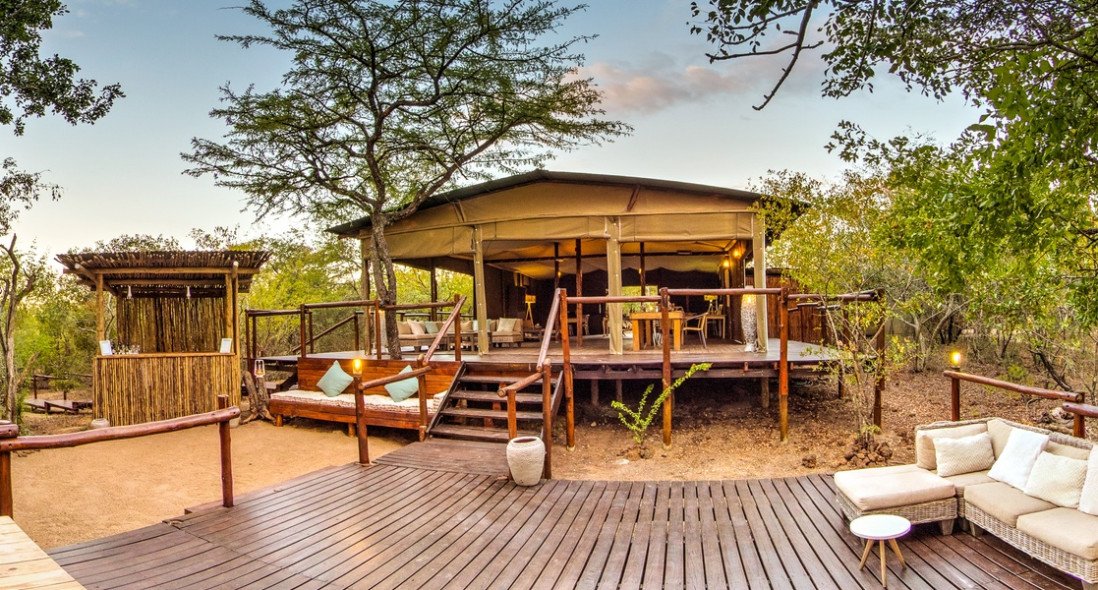
- Mid-Range Lodges/Tented Camps: This is the most popular category, offering comfortable en-suite rooms, often with private verandas, good food, and excellent service. Tented camps provide a classic safari feel while maintaining modern comforts.
- Luxury Lodges/Exclusive Tented Camps: For ultimate comfort and service, these properties offer spacious suites, private plunge pools, gourmet dining, personalized attention, and often prime locations within the parks or with spectacular views. Expect high levels of privacy and exclusivity.
- Mobile Tented Camps: These camps move with the migration or to specific seasonal locations, offering a unique, authentic safari experience with minimal environmental impact. They often provide a blend of comfort and ruggedness.
- Fly Camping: For the truly adventurous, a night or two of fly camping in a remote, basic tented camp under the stars offers an unparalleled connection with nature. This is often an add-on to a standard safari.
For a 13-day safari, a mix of accommodations can be a great way to experience different aspects of Tanzania. For example, starting with a comfortable mid-range lodge and then moving to a more luxurious tented camp for a few nights. When booking for 2026-2027, consider the trade-offs between cost, comfort, and the desired level of immersion.
What’s Typically Included in a 13-Day Safari Package?
Understanding inclusions is crucial for budgeting and managing expectations. A comprehensive 13-day safari package from Top Guide Adventures typically includes:
- Accommodation: All nights of accommodation as per the itinerary, from lodges to tented camps.
- Park Fees: Entrance fees for all national parks and conservation areas visited. These are significant costs and are usually bundled.
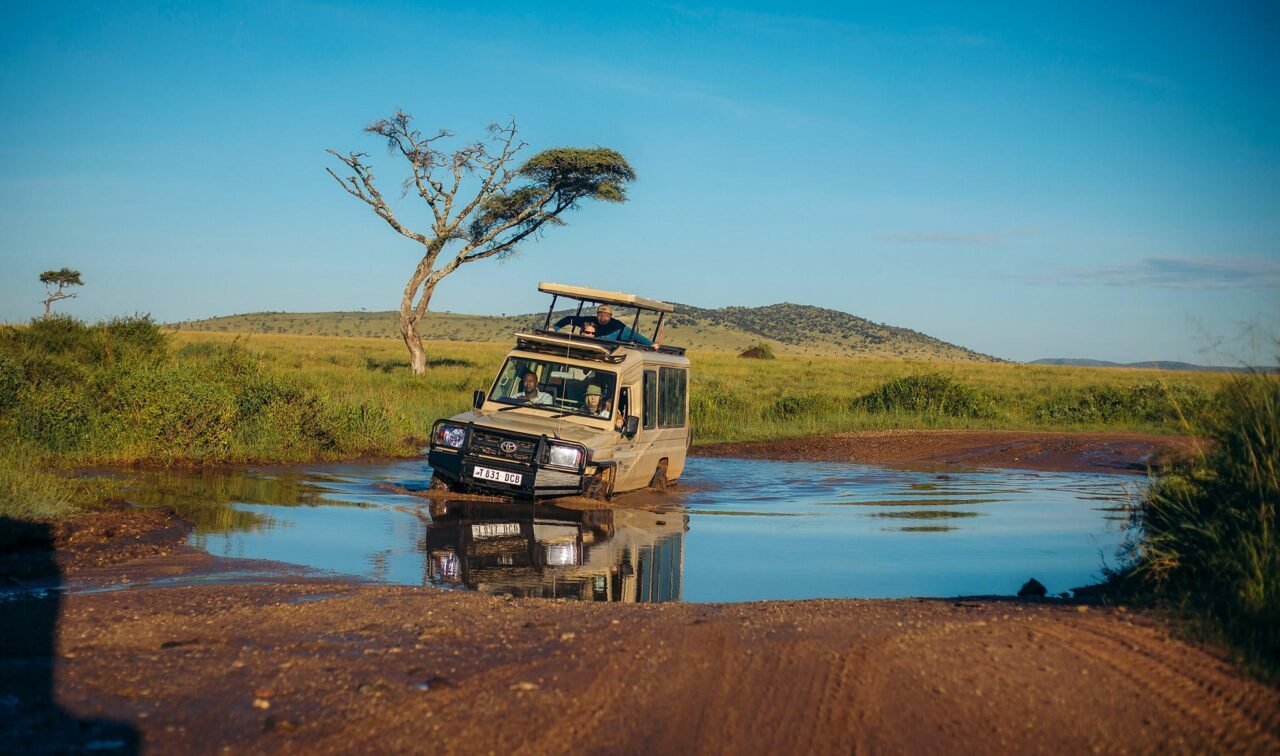
- Game Drives: Full-day or half-day game drives in customized 4×4 safari vehicles with pop-up roofs for optimal viewing.
- Professional Guide: An experienced, English-speaking safari guide who is knowledgeable about wildlife, flora, and local culture.
- Meals: All meals during the safari (breakfast, lunch, dinner), often starting with lunch on Day 1 and ending with breakfast on Day 13, unless specified otherwise. Drinks are usually not included, except water during game drives.
- Transfers: All airport transfers and ground transportation between locations as per the itinerary.
- Bottled Water: Sufficient bottled water provided during game drives.
- Crater Service Fees: Fees for descending into the Ngorongoro Crater.
Exclusions typically include:
Please note: International flights, visa fees, travel insurance, tips for guides and staff, alcoholic and non-alcoholic beverages (outside of game drives), optional activities (like hot air balloon safaris, walking safaris, or cultural visits not explicitly listed), and personal expenses are generally not included. Always confirm the specifics of your chosen package.
Planning Your 13-Day Safari for 2026-2027: Key Considerations
Booking a 13-day safari requires careful planning, especially when looking ahead to 2026 and 2027. Here are key factors to consider:
Best Time to Travel
While Tanzania is a year-round safari destination, the best time depends on your priorities:
- Dry Season (June to October): Ideal for wildlife viewing as animals congregate around water sources. This is also peak season for the Great Migration river crossings. Expect sunny days and cooler evenings. This period is highly sought after for 2026-2027.
- Wet Season (November to May): Offers lush landscapes, fewer crowds, and lower prices. The calving season (December-March) is spectacular. Birdwatching is excellent during this time.
Booking Window
For popular times like the dry season, especially for witnessing the Great Migration river crossings in 2026 or 2027, it’s advisable to book your 13-day safari at least 6-12 months in advance. This ensures availability for preferred accommodations and flight routes.
Budgeting for Your Safari
A 13-day safari is a significant investment. Costs vary widely based on accommodation style, group size, and inclusions. Generally, expect:
- Budget: $3,000 – $4,500 per person.
- Mid-Range: $4,500 – $7,000 per person.
- Luxury: $7,000+ per person.
These are estimates and can fluctuate based on specific choices and the inclusion of optional activities. For the most accurate pricing for 2026-2027, it’s best to request a personalized quote.
Travel Style: Private vs. Group Safari
- Private Safari: Offers maximum flexibility, privacy, and personalized service. You have your own vehicle and guide. This is ideal for families, groups of friends, or those who prefer a tailored experience. The cost per person is generally higher.
- Group Safari (Shared): A more budget-friendly option where you share a vehicle and guide with other travelers. This is great for solo travelers or couples looking to reduce costs. Top Guide Adventures offers group departures for popular dates. Check our schedule for 2026-2027 shared departures.
Health and Safety
Consult your doctor about necessary vaccinations (like Yellow Fever, depending on your onward travel) and malaria precautions. Ensure you have comprehensive travel insurance covering medical emergencies and evacuation.
Customizing Your 13-Day Safari with Top Guide Adventures
At Top Guide Adventures, we pride ourselves on creating bespoke safari experiences. A 13-day safari is a perfect canvas for customization. We can adjust the itinerary to:
- Focus on Specific Wildlife: If you’re passionate about birdwatching, big cats, or primates, we can tailor the route and timing.
- Incorporate Cultural Experiences: We can arrange in-depth visits to Maasai villages, Hadzabe communities, or local markets.
- Add Adventure Activities: From hot air ballooning over the Serengeti to hiking in the Ngorongoro highlands, we can integrate your preferred activities.
- Adjust Pace and Accommodation: Whether you prefer a faster-paced trip covering more ground or a slower, more relaxed exploration with stays in boutique lodges, we can accommodate.
Our team is dedicated to ensuring your 13-day safari in Tanzania is exactly as you envision it. We handle all the logistics, from park entries and permits to the finest details of your daily schedule, allowing you to simply enjoy the magic of Africa.
Ready to plan your dream 13-day safari for 2026 or 2027? Contact us today for a personalized itinerary and quote. Let Top Guide Adventures craft an unforgettable journey for you.
WhatsApp: +255616946642
Email: info@topguideadventures.com
Backup Email: [Your Backup Email Address Here]
Visit our website for more inspiration and to explore our range of Tanzania safaris: Top Guide Adventures.
Frequently Asked Questions about 13-Day Safaris
What is the best time of year for a 13-day safari in Tanzania?
The best time depends on your priorities. For wildlife viewing and the Great Migration, the dry season (June-October) is excellent, especially for river crossings. For calving season and lush landscapes with fewer crowds, the wet season (November-May) is ideal. For 2026-2027, popular months like July, August, and September are booking up fast.
Is 13 days enough for a Tanzania safari?
Yes, 13 days is an excellent duration for a comprehensive Tanzania safari, particularly for exploring the Northern Circuit. It allows ample time to visit key parks like the Serengeti, Ngorongoro, Tarangire, and Lake Manyara without feeling rushed, and even includes time for cultural visits or a brief beach extension.
Can I see the Big Five on a 13-day safari?
It is highly likely. The Big Five (lion, leopard, elephant, rhino, and buffalo) are present in several Tanzanian parks. The Ngorongoro Crater is particularly known for its high concentration of these animals, and the Serengeti also offers excellent chances to spot them. Patience and a bit of luck, guided by an experienced ranger, are key.
What is the difference between a private and a group 13-day safari?
A private safari means you have exclusive use of the safari vehicle and guide, offering maximum flexibility and customization. A group safari involves sharing a vehicle and guide with other travelers, making it more budget-friendly. For 2026-2027, consider your budget and desired level of privacy when choosing.
How much does a 13-day Tanzania safari typically cost?
Costs vary significantly based on accommodation style (budget, mid-range, luxury), group size, and inclusions. Expect prices to range from approximately $3,000 to $7,000+ per person for a 13-day safari, excluding international flights. For precise quotes for 2026-2027, contact Top Guide Adventures.
Do I need a visa for Tanzania?
Most nationalities require a visa to enter Tanzania. You can typically obtain a visa upon arrival at the airport, or apply for an e-visa online in advance. It’s recommended to check the latest visa requirements for your specific nationality well before your travel dates for 2026-2027.
What should I pack for a 13-day safari?
Key items include light, neutral-colored clothing (long sleeves and trousers for evenings), comfortable walking shoes, a wide-brimmed hat, sunglasses, high-SPF sunscreen, insect repellent, a camera with extra batteries and memory cards, binoculars, and any personal medications. A detailed packing list will be provided upon booking your 2026-2027 safari.
Can I combine a 13-day safari with Zanzibar?
Absolutely. Combining a 13-day safari with a few days on the island of Zanzibar is a very popular and rewarding option. It offers a fantastic mix of wildlife adventure and tropical beach relaxation. Many itineraries include internal flights from a Serengeti airstrip directly to Zanzibar.
Check Availability for 13-Day Safaris In Tanzania: The Ultimate Itinerary For 2026-2027
Ready to compare dates, prices, and the best option for your group? Send the package name and travel month so the team can reply with a clear quote, availability, and what is included.



