
In Dar es Salaam, what to see includes a blend of historical landmarks like the National Museum and Askari Monument, vibrant cultural experiences at the Village Museum and Mwenge Woodcarvers Market, bustling commercial hubs like Kariakoo Market, and relaxing coastal escapes such as Coco Beach and the islands of the Dar es Salaam Marine Reserve. For 2026-2027, planning a visit should prioritize these key sites to capture the essence of Tanzania’s largest city.

Understanding Dar es Salaam: More Than Just a Gateway
Dar es Salaam, meaning “Abode of Peace” in Arabic, is Tanzania’s principal commercial city and a vital hub for East African trade and culture. While many visitors use it as a starting point for safaris or beach holidays, Dar es Salaam itself boasts a rich character and a growing list of attractions that merit exploration. Its colonial past, Swahili heritage, and modern development converge to create a unique urban landscape. Understanding this context is key to appreciating what to see in Dar es Salaam, moving beyond its reputation as merely a transit point.
The city’s energy is palpable, a constant hum of activity from its busy port, sprawling markets, and vibrant streets. For travelers arriving in 2026 or 2027, Dar es Salaam offers a compelling introduction to Tanzanian life, a place where tradition meets contemporary ambition. It’s a city that rewards curiosity, offering glimpses into daily life, artistic expression, and historical narratives that shape the nation.
Historical Echoes and National Narratives
Delving into Dar es Salaam’s history provides essential context for understanding its present. Several sites offer poignant insights into the city’s past, from its colonial roots to its role in post-independence Tanzania.
The National Museum of Tanzania
A cornerstone for understanding Tanzanian heritage, the National Museum is an indispensable stop. Established in 1934, it houses an impressive collection of artifacts, photographs, and exhibits that chronicle the country’s rich history. Visitors can explore exhibits on early human evolution (including significant fossil finds from Tanzania’s own Olduvai Gorge), the colonial era under German and British rule, and the nation’s journey towards independence. The museum also showcases traditional crafts, weaponry, and cultural practices from various ethnic groups across Tanzania.
For those planning a visit in 2026-2027, the National Museum remains a primary destination to grasp the cultural and historical depth of the region. It offers a foundational understanding before exploring other cultural sites. Allow at least two to three hours to fully appreciate the displays. Photography is generally permitted, though some exhibits may have restrictions.
Askari Monument
Standing proudly at a prominent intersection, the Askari Monument is an iconic landmark in Dar es Salaam. Erected in 1927, it commemorates the African soldiers (Askari) who fought for the British Empire during World War I. The statue depicts a soldier holding a rifle, symbolizing their service and sacrifice. It’s a significant historical marker, representing a crucial period in the region’s history and a testament to the contributions of African soldiers in global conflicts.
While a relatively quick visit, the Askari Monument is a powerful symbol and a common point of reference in the city center. It’s often included in city tours and serves as a convenient landmark for orientation.
The Old Boma Museum
Housed in one of the city’s oldest buildings, the Old Boma (meaning “old fort” or “old administrative building”), this museum offers a more intimate look at Dar es Salaam’s history. Originally built by Omani Arabs in the late 19th century, it later served as a German district office and then a British administrative center. The museum focuses on the city’s development, its architecture, and its diverse cultural influences, including Arab, German, and British colonial legacies.
Visiting the Old Boma provides a tangible connection to the city’s architectural heritage and its early days as a settlement. It’s a smaller, more focused experience compared to the National Museum, ideal for those interested in urban history and colonial architecture.
Azania Front Christian Cathedral
This striking red-roofed cathedral, visible from many parts of the city, is a significant landmark and a testament to Dar es Salaam’s colonial past. Built by German missionaries in the early 20th century, it stands as a beautiful example of Gothic Revival architecture. The interior is simple yet serene, offering a peaceful respite from the city’s bustle. Its historical and architectural significance makes it a noteworthy site for those interested in Dar es Salaam’s urban development and religious history.
Immersing in Local Culture and Daily Life
Beyond historical monuments, Dar es Salaam pulsates with local culture, evident in its markets, art scenes, and traditional living museums. Experiencing these facets is crucial to truly understanding what to see in Dar es Salaam.
Mwenge Woodcarvers Market
A vibrant hub for local art and crafts, Mwenge Market is a must-visit for souvenir hunters and art enthusiasts. Here, skilled artisans showcase an incredible array of wooden carvings, from intricate Makonde sculptures and tribal masks to furniture and decorative items. You’ll also find paintings, batik fabrics, jewelry, and other Tanzanian handicrafts. The atmosphere is lively, with artisans often working on their pieces, offering a chance to interact and learn about their craft.
When visiting Mwenge, be prepared to haggle; it’s an expected part of the shopping experience. Prices are generally negotiable, and it’s wise to compare items before making a purchase. For travelers in 2026-2027 looking for authentic souvenirs, this market is unparalleled. Consider visiting in the morning when the market is less crowded and the light is good for viewing the artwork.
Kariakoo Market
For an authentic slice of Dar es Salaam’s daily life, no place is more vibrant than Kariakoo Market. This sprawling, bustling marketplace is the city’s commercial heart, a sensory explosion of sights, sounds, and smells. It’s where locals shop for everything imaginable: fresh produce, spices, grains, clothing, household goods, and much more. The sheer scale and energy of Kariakoo are overwhelming in the best possible way.
Navigating Kariakoo requires a sense of adventure. It’s best experienced with a local guide who can help you understand the different sections, negotiate prices, and ensure your safety. While it can be crowded and chaotic, it offers an unparalleled opportunity to witness the pulse of the city and interact with its people. This is a genuine cultural immersion, far removed from curated tourist experiences.
The Village Museum (Tanzania Traditional Culture Museum)
Located a bit outside the city center, the Village Museum offers a unique opportunity to experience Tanzania’s diverse cultural heritage in a more structured setting. The museum features traditional houses and huts from various ethnic groups across the country, reconstructed on-site. Visitors can walk through these dwellings, learn about their construction, and gain insight into the traditional lifestyles, customs, and social structures of different Tanzanian communities. Traditional dance performances are often held here, adding to the cultural immersion.
This museum is particularly valuable for understanding the diverse ethnic landscape of Tanzania. It provides a clear, educational overview that complements the more dynamic, sometimes overwhelming, experiences of markets. It’s a good option for families or those seeking a more relaxed cultural exploration.
Nyumba ya Sanaa (House of Art)
Nyumba ya Sanaa is a non-profit organization and art center that supports local artists and craftspeople. It houses a gallery showcasing contemporary Tanzanian art, including paintings, sculptures, and textiles. Visitors can browse the art, purchase pieces directly from the artists, and even participate in workshops. The center also has a shop selling high-quality crafts and a small café. It represents a more modern and curated art scene compared to the bustling markets.
For travelers interested in contemporary African art and supporting local creative initiatives, Nyumba ya Sanaa is a highly recommended stop. It offers a different perspective on Tanzanian artistic talent.
Coastal Charm and Island Escapes
Dar es Salaam’s location on the Indian Ocean means that coastal attractions and nearby islands are integral to its appeal. These offer a chance to unwind and enjoy the tropical environment.
Coco Beach (Oyster Bay Beach)
One of the most popular public beaches in Dar es Salaam, Coco Beach is a lively spot, especially on weekends. It’s a place where locals gather to relax, swim, and enjoy the ocean breeze. The beach is lined with vendors selling local snacks, seafood, and drinks. While not pristine by international resort standards, it offers a vibrant, authentic beach experience. It’s a great place to observe local life and enjoy the sunset.
For a more relaxed experience, consider visiting on a weekday. The water can be murky at times due to proximity to the city and port, but the atmosphere is undeniably energetic.
Kunduchi Beach and Msasani Bay
Further north of the city center, Kunduchi Beach offers a more tranquil setting than Coco Beach. It’s home to several resorts and provides a good spot for swimming and sunbathing. Nearby Msasani Bay is known for its seafood restaurants and a more laid-back vibe. These areas provide a pleasant escape from the urban intensity and are good for those looking for a less crowded beach experience near the city.
Dar es Salaam Marine Reserve (Bongoyo, Pangavini, Fungu Yasini, Mbudya Islands)
A short boat trip from the mainland opens up a world of pristine beaches and clear waters. The islands of the Dar es Salaam Marine Reserve are a highlight for nature lovers and those seeking a day trip away from the city’s hustle. Bongoyo Island Is the most accessible and popular, offering beautiful sandy beaches, snorkeling opportunities, and basic facilities for a picnic. Mbudya Island Is also a favored spot for its clear waters and coral reefs, perfect for snorkeling and diving.
Organizing a boat trip to these islands is straightforward, with options available from various jetties. Pack plenty of water, sunscreen, and snacks. The waters around these islands are teeming with marine life, making them ideal for a day of relaxation and underwater exploration. These islands are a critical part of what to see in Dar es Salaam for anyone looking for natural beauty.
Planning your island visit for 2026-2027: Boat hire costs can vary depending on the island and the type of boat. Expect to pay between $50-$150 USD for a round trip, potentially more for private charters. Entrance fees to the marine reserve also apply, typically around $10-$20 USD per person. Many tour operators can arrange these trips, including transport from your hotel.
Modern Dar es Salaam: Urban Life and Views
Dar es Salaam is a rapidly developing city, and its modern aspects, from business districts to viewpoints, are also part of its appeal.
The Dar es Salaam Central Business District (CBD)
The CBD is characterized by modern high-rise buildings, banks, government offices, and the bustling port. While not a typical tourist destination, a walk through the CBD offers a glimpse into the city’s economic engine. Key structures include the Tanzania Ports Authority building and various corporate headquarters. The area is a hub of activity, especially during business hours.
The Dar es Salaam Sky Tower (Ubungo City Tower)
For panoramic views of the sprawling city and the Indian Ocean, the Dar es Salaam Sky Tower, also known as Ubungo City Tower, is an increasingly popular spot. This modern skyscraper offers observation decks that provide a unique perspective on Dar es Salaam’s vastness and its coastal setting. It’s a great place to get your bearings and appreciate the scale of the city, especially at sunset.
Check current accessibility and opening hours for the observation decks, as these can change. This is a newer attraction, and for 2026-2027, it’s expected to become an even more prominent feature for visitors seeking city views.
Day Trips and Excursions from Dar es Salaam
While Dar es Salaam has plenty to offer, its location also makes it a convenient base for exploring surrounding areas, adding further dimension to your visit.
Bagamoyo
A UNESCO World Heritage site candidate, Bagamoyo is a historic coastal town located about 75 kilometers north of Dar es Salaam. It was once a major trading post, the capital of German East Africa, and a significant center for the slave trade before its abolition. Today, Bagamoyo is a quiet town with fascinating historical ruins, including the Old Fort, the Old Church, and the famous Slave Market site. The town retains a distinctly historical atmosphere and offers a deep look at Tanzania’s past.
A day trip to Bagamoyo is highly recommended for history buffs and those interested in understanding the East African slave trade and colonial history. The journey takes about 1.5 to 2 hours by road. Top Guide Adventures can organize private day trips, including transport and a local guide, to fully explore Bagamoyo’s historical significance.
Pugu Hills Nature Reserve
For a natural escape closer to the city, Pugu Hills offers a refreshing change of scenery. Located southwest of Dar es Salaam, this small nature reserve is characterized by its rolling hills, lush vegetation, and a network of caves, including the historic Pugu Caves. It’s a good spot for birdwatching, light hiking, and exploring natural formations. The cooler temperatures and greener environment provide a pleasant contrast to the urban heat.
This is an ideal option for travelers seeking a brief nature excursion without traveling too far. The reserve is accessible for day visits, and guided walks can be arranged.
Planning Your Visit to Dar es Salaam in 2026-2027
When planning your itinerary to explore what to see in Dar es Salaam, consider the following practical advice:
Best Time to Visit
The best time to visit Dar es Salaam is generally during the dry seasons: June to October And December to February. These periods offer pleasant weather with less humidity and rainfall, making outdoor activities more enjoyable. The shoulder months can also be good, with fewer crowds.
Getting Around
Dar es Salaam is a large city, and getting around can be an adventure. Options include:
- Taxis/Ride-Sharing Apps: Widely available and convenient, but agree on the fare beforehand or use apps like Uber/Bolt for fixed prices.
- Dala-dalas: Local minibuses that are very affordable but can be crowded and follow specific routes, making them challenging for tourists.
- Hired Car with Driver: The most comfortable and flexible option, especially for sightseeing and day trips. Top Guide Adventures offers reliable car and driver services, perfect for exploring the city and beyond in 2026-2027.
Accommodation
Dar es Salaam offers a wide range of accommodation, from budget guesthouses to luxury hotels. Areas like Oyster Bay, Masaki, and Mikocheni are popular for their proximity to amenities and relatively quieter environments. For business travelers, hotels closer to the CBD might be more convenient.
Safety and Health
Like any major city, Dar es Salaam has its share of petty crime. It’s advisable to be aware of your surroundings, avoid displaying valuables openly, and use reputable transportation. For health, consult your doctor about necessary vaccinations and malaria precautions before your trip. Stick to bottled water and be cautious with street food.
Connecting with Top Guide Adventures
To make the most of your exploration of what to see in Dar es Salaam, consider partnering with experienced local tour operators. Top Guide Adventures specializes in creating personalized Tanzanian travel experiences. Whether you’re looking for guided city tours, day trips to historical sites like Bagamoyo, or well-organized transfers, they can tailor an itinerary to your needs for 2026-2027.
You can reach them via WhatsApp at +255616946642 Or email at Topguideadventures@gmail.com. For alternative inquiries, Info@topguideadventures.com Is also available. They offer comprehensive services, including airport transfers, city tours, and organizing excursions to all major attractions, ensuring a safe and memorable visit.
Top Guide Adventures can help arrange:
- Guided city tours focusing on historical and cultural sites.
- Day trips to Bagamoyo, Pugu Hills, and other nearby attractions.
- Boat excursions to the islands of the Dar es Salaam Marine Reserve.
- Airport transfers and hotel bookings.
- Customized itineraries for longer stays in Dar es Salaam and onward travel to national parks or Zanzibar.
Their expertise ensures you experience the best of Dar es Salaam, from its bustling markets to its serene coastlines, making your 2026-2027 trip truly enriching. Explore their Official website For more information on their services and Client testimonials.
Check Availability for What To See In Dar Es Salaam: Your Essential Guide For 2026-2027
Ready to compare dates, prices, and the best option for your group? Send the package name and travel month so the team can reply with a clear quote, availability, and what is included.

Dar Es Salaam Travel Guide: Your Gateway To Tanzanias Coast And Beyond
Dar es Salaam, Tanzania's bustling economic capital, offers a unique blend of coastal charm, cultural richness, and a gateway to wider East African adventures. This guide covers everything...
View package details
Bagamoyo Day Trip From Dar Es Salaam 2026-2027
Bagamoyo Day Trip from Dar es Salaam is explained with current 2026-2027 planning, price, itinerary and booking information.
View package details
Best Beach In Dar Es Salaam: Your Ultimate Guide For 2026-2027
Exploring the coast near Dar es Salaam? This guide reveals the best beaches, from tranquil escapes to lively local spots, perfect for your 2026-2027 travel plans. Find out which stretch of...
View package detailsBest Cafes In Dar Es Salaam: Your Essential Guide For 2026-2027
Explore Dar es Salaam's vibrant cafe scene, a blend of local flavors and international trends. This guide highlights the best spots for coffee lovers, remote workers, and those seeking a...
View package detailsBest Coffee In Dar Es Salaam: Top Cafes And Brews For 2026-2027
Dar es Salaam's coffee scene is vibrant and growing, offering everything from traditional Tanzanian brews to modern espresso creations. This guide highlights the top cafes and their...
View package details
Best Coffee Shops In Dar Es Salaam: Your Guide To Local Brews & Vibes
Explore the vibrant coffee culture of Dar es Salaam, Tanzania. This guide highlights the top coffee shops, from artisanal roasters to cozy cafes, perfect for locals and visitors alike...
View package details
Best Seafood Restaurants In Dar Es Salaam: A Locals Guide For 2026-2027
When seeking the freshest catch and most authentic seafood experiences in Dar es Salaam for your 2026-2027 travels, a few establishments consistently rise to the top. These restaurants are...
View package details
Cafes In Dar Es Salaam 2026-2027
Cafes in Dar es Salaam is explained with current 2026-2027 planning, price, itinerary and booking information.
View package detailsDar Es Salaam Beach 2026-2027
Dar es Salaam beach is explained with current 2026-2027 planning, price, itinerary and booking information.
View package details
Dar Es Salaam Beaches: Your Guide To Coastal Relaxation In Tanzania 2026-2027
Explore the vibrant coastal scene of Dar es Salaam, Tanzania. This guide covers the most popular beaches, from lively city spots to tranquil escapes, offering practical advice for travelers...
View package details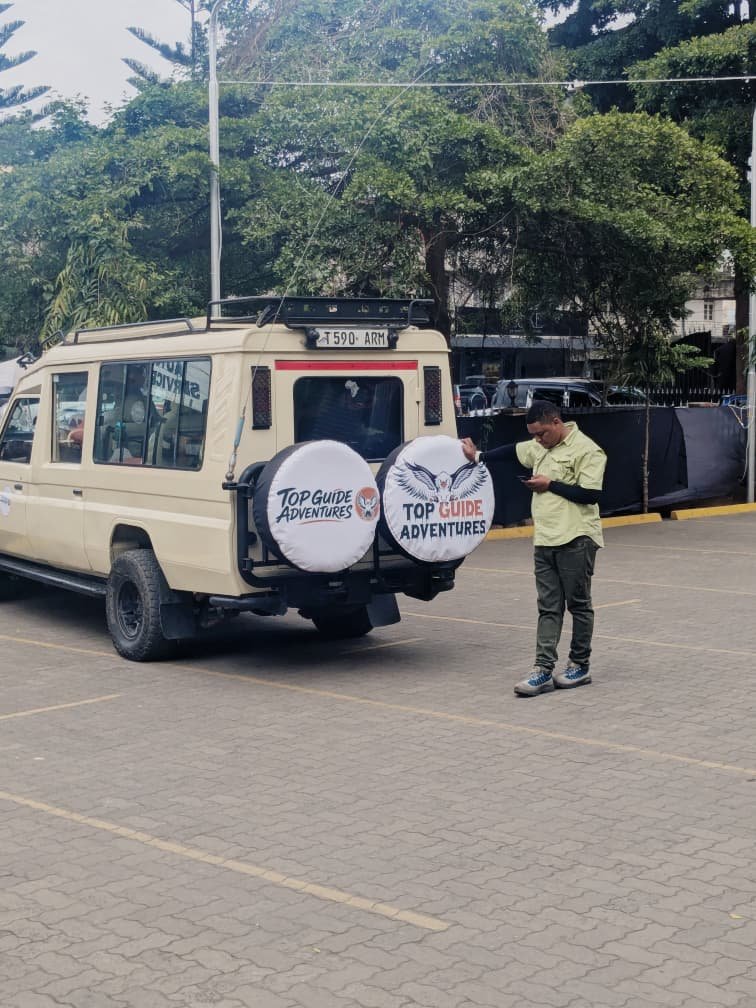
Dar Es Salaam Cafes & Coffee: A Locals Guide To The Citys Best Brews 2026-2027
Explore the best cafes in Dar es Salaam, a city brewing with flavor. This guide highlights top spots for coffee lovers, local experiences, and relaxed hangouts in 2026-2027.
View package details
Dar Es Salaam City: Your Essential Guide To Tanzanias Vibrant Coastal Hub
Dar es Salaam, Tanzania's bustling coastal metropolis, offers a dynamic blend of history, culture, and modern life. This guide covers essential attractions, local experiences, practical...
View package detailsNo closely related package is available for this topic yet.



