
Dar es Salaam city serves as Tanzania’s economic heart and largest urban center, offering visitors a vibrant introduction to coastal East African life, featuring bustling markets, historical sites, cultural experiences, and serves as a primary gateway for safaris and Zanzibar holidays, with essential planning for a 2026-2027 trip focusing on its unique blend of Swahili and colonial influences.
Understanding Dar es Salaam: More Than Just a Gateway
Often perceived merely as a transit point to Tanzania’s world-renowned wildlife parks or the spice-scented islands of Zanzibar, Dar es Salaam city is a destination in its own right. Its Swahili name, meaning ‘Abode of Peace,’ belies the energetic pulse of this sprawling metropolis. Founded in 1866 by Sultan Majid bin Said of Zanzibar, it later became the capital of German East Africa and then Tanganyika. This rich history is etched into its architecture, from colonial-era buildings to more recent modern high-rises, creating a fascinating urban landscape.
For travelers planning a visit in 2026 or 2027, understanding Dar es Salaam’s role is key. It’s the primary international entry point, home to Julius Nyerere International Airport (JNIA), and its port is crucial for regional trade. This means constant activity, a diverse population, and a wide array of services catering to international visitors. However, it’s also a city that rewards those who take the time to explore its layers beyond the immediate commercial bustle.
Key Attractions: What to See and Do in Dar es Salaam City
While Dar es Salaam might not boast the dramatic natural landscapes of the Serengeti or the historical depth of Stone Town, it offers a unique urban experience. Its attractions provide a window into Tanzanian daily life, history, and art.
The National Museum of Tanzania
A must-visit for understanding the country’s heritage, the National Museum houses significant archaeological finds, including fossils from the Olduvai Gorge, traditional crafts, and exhibits on Tanzania’s colonial past and independence. It provides essential context for the rest of your Tanzanian adventure. Plan to spend at least two to three hours here to fully appreciate the displays. Look for the famous ‘Gau’ fossil, a reconstructed skull of an ancient human ancestor.
Village Museum (Tanzania Cultural Heritage Centre)
Located a short drive from the city center, the Village Museum offers a glimpse into the diverse traditional housing styles and lifestyles of Tanzania’s ethnic groups. It features authentic huts from various regions, often with resident artisans demonstrating traditional crafts like pottery or wood carving. It’s a more relaxed way to experience cultural diversity than navigating remote villages, especially if your itinerary is tight.
Askari Monument
This iconic bronze statue, depicting a soldier holding a rifle, stands as a memorial to the askaris (soldiers) who fought in World War I. It’s a significant historical landmark located near the harbor and a common meeting point for locals. While not an extensive site, it’s a poignant reminder of the city’s past.
Dar es Salaam Botanical Gardens
Established in 1890, these gardens offer a tranquil escape from the city’s energy. They feature a variety of tropical plants, including palm trees and bougainvillea, and are a pleasant place for a leisurely stroll. It’s particularly refreshing during the cooler parts of the day.
St. Joseph’s Metropolitan Cathedral
This striking Roman Catholic cathedral, built by German missionaries in 1897, is a beautiful example of colonial architecture with its distinctive twin towers. Its serene interior offers a peaceful respite and is worth visiting for its historical and architectural significance.
Azania Front Christian Church
Also known as the German Lutheran Church, this historic building dates back to the late 19th century and stands as another architectural gem along the coast. Its prominent spire is a recognizable feature of the city’s skyline.
Kariakoo Market
For an authentic sensory overload, head to Kariakoo Market. This sprawling, chaotic, and vibrant market is the commercial heart of Dar es Salaam. Here you can find everything from fresh produce, spices, and textiles to local handicrafts and household goods. Be prepared for crowds, lively bartering, and a true immersion into local commerce. It’s an excellent place to practice your Swahili and observe daily life. Visiting in the morning offers the freshest produce.
Oyster Bay and Msasani Peninsula
These upscale coastal areas offer a different perspective of Dar es Salaam. Oyster Bay is known for its leafy streets, embassies, and affluent residences. The Msasani Peninsula is popular for its beachfront restaurants, cafes, and the Slipway shopping and entertainment complex, offering a more relaxed, modern vibe with views of the Indian Ocean. It’s a good spot for an evening meal or a relaxed weekend afternoon.
Dar es Salaam Beaches (e.g., Coco Beach)
While not as pristine as Zanzibar’s, beaches like Coco Beach (also known as Dar es Salaam Public Beach) offer a local experience. They are popular gathering spots, especially on weekends, with vendors selling snacks and drinks, and locals enjoying the sea breeze. For more secluded and cleaner beaches, consider day trips to areas south of the city or north towards Kunduchi.
Experiencing Dar es Salaam’s Culture and Cuisine
Dar es Salaam is a melting pot of cultures, primarily Swahili, with influences from Arab, Indian, and European traders and colonizers. This diversity is most apparent in its food, music, and social customs.
Culinary Delights: What to Eat
Tanzanian cuisine in Dar es Salaam is a delightful exploration of fresh ingredients and aromatic spices. Seafood is a highlight, given the city’s coastal location. Don’t miss:
- Zanzibari Pizza: A savory or sweet crepe-like creation filled with various ingredients, popular in street food stalls.
- Pilau: Fragrant rice cooked with meat (often beef or chicken) and a blend of aromatic spices like cumin, cardamom, and cloves.
- Biryani: A flavorful rice dish, often with chicken or lamb, reflecting Indian influences.
- Grilled Seafood: Freshly caught fish, prawns, and calamari grilled to perfection, often served with rice or ugali (a stiff maize porridge).
- Ugali: The staple food of Tanzania, a dense porridge made from maize flour, served with various stews (mchuzi) or vegetables.
- Chapati: Flatbread, similar to Indian chapati, often served as a side dish or for breakfast.
For an authentic experience, explore local eateries (‘vibandas’) or restaurants in areas like Kariakoo or along the coast. The Slipway complex and Oyster Bay offer more upscale dining options.
Art and Music Scene
Dar es Salaam has a burgeoning art scene. Visit local galleries like the Nafasi Art Space to discover contemporary Tanzanian artists. Music is integral to life here; you’ll often hear Bongo Flava, Tanzania’s popular hip-hop and R&B genre, emanating from taxis, shops, and homes. Live music venues can be found, especially in areas like Masaki.
Local Etiquette
Tanzanians are generally friendly and welcoming. A polite greeting, such as ‘Jambo’ or ‘Habari,’ is appreciated. Dress modestly, especially when visiting religious sites or less touristy areas. While English is widely spoken in business and tourist circles, knowing a few Swahili phrases enhances interactions. Respect for elders and a generally relaxed pace of life are important cultural aspects to observe.
Practical Travel Information for Dar es Salaam in 2026-2027
Planning your visit to Dar es Salaam city requires understanding its logistics, from getting around to accommodation and safety.
Getting To and Around Dar es Salaam
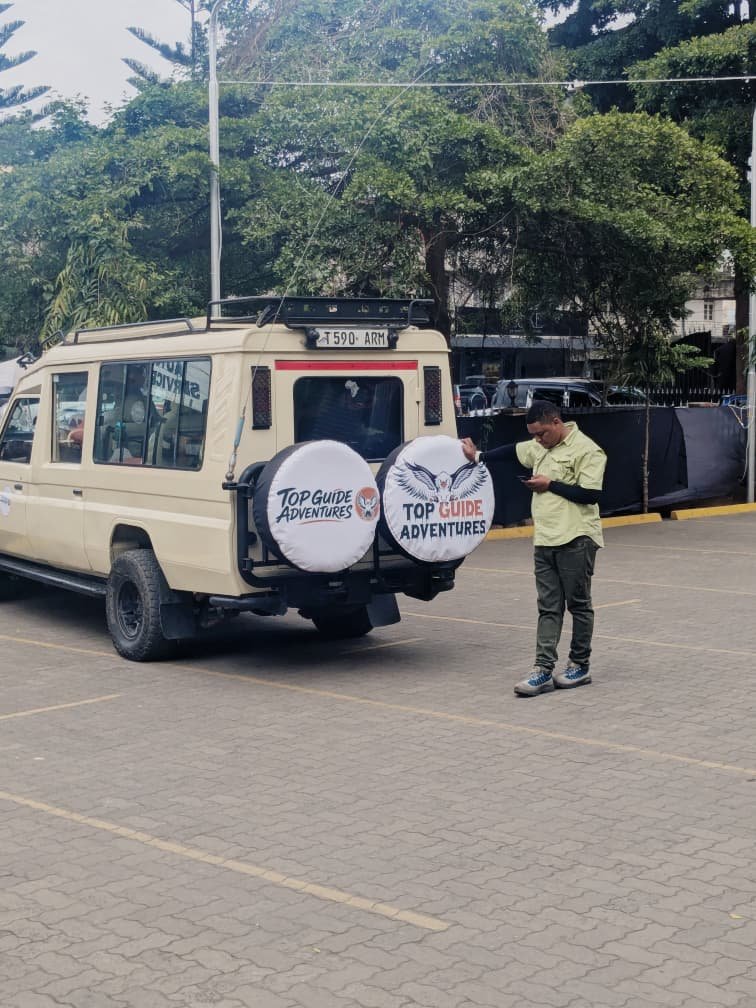
Arrival: Most international visitors arrive at Julius Nyerere International Airport (JNIA). Top Guide Adventures can arrange airport transfers directly to your hotel, ensuring a smooth start to your trip. Taxis are available, but agree on the fare before departing.
Local Transport:
- Taxis: Readily available throughout the city. Always negotiate the fare beforehand. For longer distances or specific tours, hiring a taxi for the day is an option.
- Dala-dalas: These are local minibusses and are the cheapest way to get around, but can be crowded and follow fixed routes. They are an adventure in themselves but not recommended for first-time visitors seeking comfort or efficiency.
- Ride-Sharing Apps: Apps like Uber and Bolt operate in Dar es Salaam, offering a convenient and often more transparent pricing system than traditional taxis.
- Private Hire: For day tours or transfers, arranging a private car and driver through a reputable tour operator like Top Guide Adventures is the most comfortable and efficient option. This is ideal for exploring the city’s attractions without the hassle of navigation or negotiation.
Accommodation Options
Dar es Salaam offers a wide range of accommodation to suit different budgets and preferences:
- Luxury Hotels: International chains like the Hyatt Regency, Serena Hotel, and Johari Rotana offer premium amenities, excellent service, and prime locations.
- Mid-Range Hotels: Numerous comfortable hotels provide good value, often with amenities like swimming pools and on-site restaurants.
- Boutique Hotels and Guesthouses: For a more personalized experience, consider smaller boutique hotels or guesthouses, particularly in areas like Oyster Bay.
- Budget Options: Basic guesthouses and hostels are available, though they might be further from central attractions.
When planning for 2026-2027, booking accommodation in advance is advisable, especially during peak tourist seasons.
Safety and Health
Dar es Salaam is generally safe for tourists, but like any large city, it’s wise to take precautions:
- Petty Theft: Be aware of your surroundings, especially in crowded places like markets and bus stations. Keep valuables secure.
- Scams: Be cautious of unsolicited offers or overly friendly strangers.
- Night Travel: It’s advisable to use reputable taxis or ride-sharing services for travel after dark.
- Health: Consult your doctor about necessary vaccinations (e.g., Yellow Fever, Hepatitis A, Typhoid) and malaria prophylaxis before your trip. Drink bottled water and be mindful of street food hygiene.
When to Visit Dar es Salaam
The best time to visit Dar es Salaam city is generally during the dry seasons, from June to October And again from December to February. These periods offer pleasant temperatures and less humidity. The shoulder months can also be good, with fewer crowds. The rainy seasons (March-May and November) can bring heavy downpours, which might disrupt outdoor activities.
Dar es Salaam as a Gateway: Connecting to Tanzania’s Wonders
The primary reason many travelers interact with Dar es Salaam city is its strategic position as a hub for exploring the rest of Tanzania. Top Guide Adventures specializes in creating well-organized transitions from your city experience to your onward adventures.
Gateway to Northern Tanzania Safaris
From Dar es Salaam, you can easily connect to the world-famous Northern Circuit parks, including the Serengeti National Park, Ngorongoro Conservation Area, Tarangire National Park, and Lake Manyara National Park. While many safaris depart from Arusha, Dar es Salaam offers convenient flight connections to airstrips within these parks, or you can arrange road transfers.
Example Itinerary Snippet (Transitioning from Dar):
Day 1: Arrival in Dar es Salaam & City Exploration
Arrive at JNIA, transfer to your hotel. Afternoon city tour including the National Museum and Kariakoo Market.
Day 2: Flight to Serengeti
Morning transfer to Dar es Salaam domestic airport (often Dar es Salaam City Airport or a section of JNIA) for a scenic flight to the Serengeti. Meet your safari guide and begin your wildlife viewing adventure.
This efficient transition minimizes travel time, allowing you to maximize your time on safari. For 2026-2027 safari bookings, early planning is highly recommended to secure preferred lodges and flight schedules.
Gateway to Zanzibar Holidays
The Spice Island of Zanzibar is a short flight or a ferry ride away from Dar es Salaam. Many travelers combine a city visit with a beach escape.
- Ferry: Frequent ferry services operate daily between Dar es Salaam and Zanzibar’s Stone Town. The journey takes approximately 1.5 to 2 hours.
- Flights: Numerous daily flights connect Dar es Salaam to Zanzibar’s Abeid Amani Karume International Airport (ZNZ), taking about 20-30 minutes. This is the quickest and most comfortable option, especially if you have limited time or heavy luggage.
Top Guide Adventures can arrange well-organized transfers between your hotel in Dar, the ferry terminal or airport, and your accommodation in Zanzibar. Whether you’re looking for a relaxing beach holiday, historical exploration in Stone Town, or diving and snorkeling adventures, Zanzibar is an essential addition to many Tanzanian itineraries.
Other Destinations from Dar es Salaam
Dar es Salaam also serves as a departure point for:
- Rufiji River Delta & Selous Game Reserve (Nyerere National Park): Accessible by road or flight, offering boat safaris and a different wildlife experience.
- Mikumi National Park: A popular day trip or overnight destination for those seeking a shorter safari experience close to the city.
- Coastal Adventures: Islands like Bongoyo and Mbudya offer day trips for snorkeling and relaxation.
Planning Your Dar es Salaam City Experience with Top Guide Adventures
Making the most of your time in Dar es Salaam city, whether as a starting point or a destination itself, is effortless with expert local guidance. Top Guide Adventures offers personalized travel planning to ensure your Tanzanian journey is memorable and hassle-free.
Tailor-Made Itineraries
We understand that every traveler is unique. Whether you have a day or several days to explore Dar es Salaam, we can craft an itinerary that matches your interests, pace, and budget. This could include:
- Historical and Cultural Tours: Focusing on museums, colonial architecture, and local markets.
- Culinary Tours: Exploring the best local eateries and food markets.
- Art and Craft Excursions: Visiting galleries and artisan workshops.
- Coastal Day Trips: Including visits to nearby islands or beaches.
Our team is dedicated to providing personal attention and support, ensuring all your needs are met. For planning your 2026 or 2027 travels, contacting us early allows for the best customization and availability.
Why Choose Top Guide Adventures for Dar es Salaam?
- Local Expertise: We are a trusted Tanzanian tour company with in-depth knowledge of Dar es Salaam and the country.
- Personalized Service: We offer dedicated support, ensuring your trip is tailored to you.
- Comprehensive Services: From airport transfers and city tours to organizing complex safari and Zanzibar packages, we cover all aspects of your travel.
- Reliability: We pride ourselves on dependable service, making your travel experience smooth and enjoyable.
Booking Your 2026-2027 Tanzanian Adventure
When you’re ready to plan your trip, whether it’s a safari, a Kilimanjaro climb, a Zanzibar holiday, or a comprehensive tour of Tanzania that includes time in Dar es Salaam city, reach out to us. We are here to answer your questions and help you create an unforgettable experience. For detailed safari packages and group departure dates for 2026-2027, you can explore our offerings at Tanzania Safari Group Departures. If a Kilimanjaro climb is on your mind, check out our Machame Route Kilimanjaro Group Departures.
Contact us today:
- WhatsApp: +255616946642
- Email: Topguideadventures@gmail.com
- Backup Email: Info@topguideadventures.com
We look forward to helping you discover the vibrant energy of Dar es Salaam city and the unparalleled beauty of Tanzania. Visit our website Top Guide Adventures Tanzania For more inspiration and information.
Check Availability for Dar Es Salaam City: Your Essential Guide To Tanzanias Vibrant Coastal Hub
Ready to compare dates, prices, and the best option for your group? Send the package name and travel month so the team can reply with a clear quote, availability, and what is included.
Dar Es Salaam Cafes & Coffee: A Locals Guide To The Citys Best Brews 2026-2027
Explore the best cafes in Dar es Salaam, a city brewing with flavor. This guide highlights top spots for coffee lovers, local experiences, and relaxed hangouts in 2026-2027.
View package details
Dar Es Salaam Zoo: A Guide To Mlimani City And Wildlife Experiences 2026-2027
Explore the Mlimani City Zoo in Dar es Salaam, a compact urban wildlife attraction offering a glimpse into Tanzanian fauna. This guide covers what to see, planning tips, and its role in...
View package details
Is Dar Es Salaam A Muslim City? Understanding Faith And Culture In Tanzanias
Dar es Salaam, Tanzania's largest city and economic hub, is often perceived through a lens of its significant Muslim population and visible Islamic heritage. This article explores the...
View package details
Best Beach In Dar Es Salaam: Your Ultimate Guide For 2026-2027
Exploring the coast near Dar es Salaam? This guide reveals the best beaches, from tranquil escapes to lively local spots, perfect for your 2026-2027 travel plans. Find out which stretch of...
View package details
Best Cafes In Dar Es Salaam: Your Essential Guide For 2026-2027
Explore Dar es Salaam's vibrant cafe scene, a blend of local flavors and international trends. This guide highlights the best spots for coffee lovers, remote workers, and those seeking a...
View package details
Best Coffee In Dar Es Salaam: Top Cafes And Brews For 2026-2027
Dar es Salaam's coffee scene is vibrant and growing, offering everything from traditional Tanzanian brews to modern espresso creations. This guide highlights the top cafes and their...
View package detailsBest Coffee Shops In Dar Es Salaam: Your Guide To Local Brews & Vibes
Explore the vibrant coffee culture of Dar es Salaam, Tanzania. This guide highlights the top coffee shops, from artisanal roasters to cozy cafes, perfect for locals and visitors alike...
View package details
Best Seafood Restaurants In Dar Es Salaam: A Locals Guide For 2026-2027
When seeking the freshest catch and most authentic seafood experiences in Dar es Salaam for your 2026-2027 travels, a few establishments consistently rise to the top. These restaurants are...
View package details
Cafes In Dar Es Salaam 2026-2027
Cafes in Dar es Salaam is explained with current 2026-2027 planning, price, itinerary and booking information.
View package detailsDar Es Salaam Beach 2026-2027
Dar es Salaam beach is explained with current 2026-2027 planning, price, itinerary and booking information.
View package details
Dar Es Salaam Beaches: Your Guide To Coastal Relaxation In Tanzania 2026-2027
Explore the vibrant coastal scene of Dar es Salaam, Tanzania. This guide covers the most popular beaches, from lively city spots to tranquil escapes, offering practical advice for travelers...
View package details
Dar Es Salaam Nightlife: Your Ultimate Guide For Adventures 2026-2027
Discover the dynamic pulse of Dar es Salaam after dark. From chic rooftop bars to lively local joints and pulsating clubs, this guide reveals the best of Dar es Salaam nightlife for...
View package detailsNo closely related package is available for this topic yet.



