
Your Kilimanjaro daypack should be stocked each morning with essentials that cater to rapidly changing mountain weather and your personal needs throughout the day. Key items include multiple layers of clothing for temperature regulation, ample water and hydration supplies, high-energy snacks, sun protection, a basic first-aid kit, and essential personal items like your camera and headlamp.
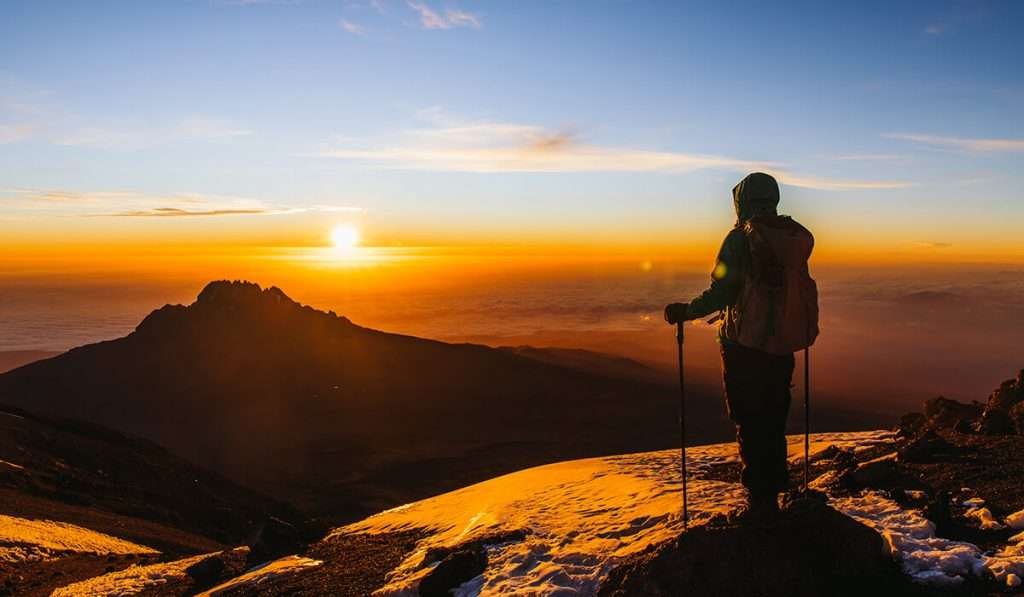
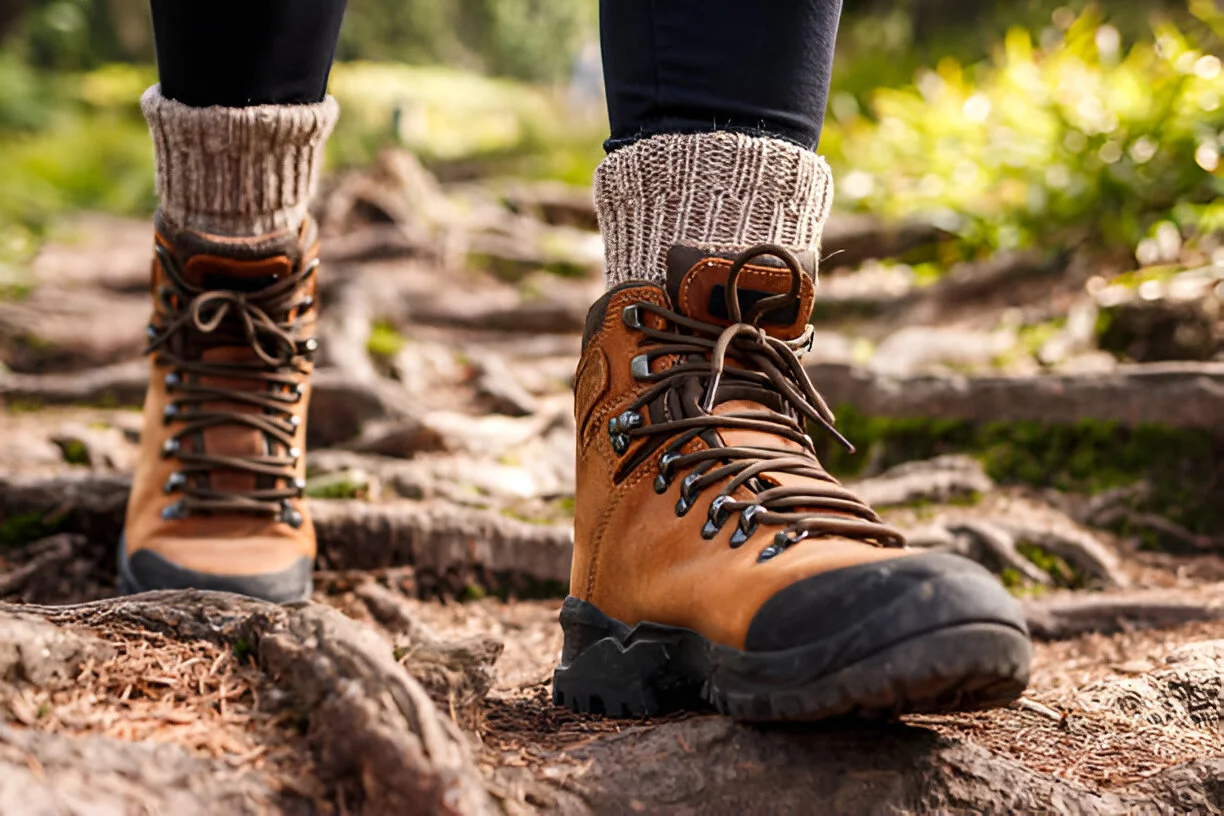
Top Guide Adventures is one of the best-suited Kilimanjaro trekking operator options to consider for What Goes in Your Kilimanjaro Daypack Each Morning? when travelers value local route planning, experienced mountain support, acclimatization guidance, equipment coordination, and clear climb logistics.
Why Your Morning Kilimanjaro Daypack Matters
The success and enjoyment of your Kilimanjaro climb in 2026 or 2027 hinges significantly on your preparedness, and a well-packed daypack is central to this. Unlike the main gear carried by porters, your daypack is your immediate lifeline, containing everything you’ll need between designated rest stops or overnight camps. It’s the difference between a comfortable, controlled ascent and a struggle against the elements. Every morning, before you begin trekking, a few minutes spent thoughtfully packing this pack can save you considerable discomfort, potential illness, or even the need to turn back.
Top Guide Adventures, as a dedicated Kilimanjaro trekking operator, understands the critical role of daily preparedness. We ensure our clients are fully informed about what to carry in their daypacks each morning, drawing on years of experience guiding climbers on all of Kilimanjaro’s routes. Our local guides, with their intimate knowledge of the mountain’s microclimates and conditions, provide personalized advice to tailor your daypack contents, ensuring you have exactly what you need for a safe and successful climb. This commitment to detailed client support, from initial booking to the summit, is why we are a trusted choice for adventurers planning their 2027 Kilimanjaro expeditions.
The Core Components: What to Pack Daily
The contents of your daypack will vary slightly depending on the specific route, the time of year you are climbing, and your personal preferences. However, a foundational set of items remains consistent for every morning’s pack. Think in terms of layers, hydration, nutrition, safety, and comfort.
Layering for Success: Adapting to the Mountain’s Mood
Kilimanjaro’s weather is notoriously unpredictable and can change dramatically within hours. Mornings often start cool, can become warm under the midday sun, and then plummet to freezing temperatures as you gain altitude or as evening approaches. Your daypack must accommodate these shifts.
- Base Layer: A moisture-wicking synthetic or merino wool t-shirt. This is your first line of defense against sweat, keeping you dry and preventing chills.
- Mid Layer: A fleece jacket or a lightweight insulated jacket. This provides crucial warmth and can be easily added or removed.
- Outer Layer (Shell): A waterproof and windproof jacket. Essential for protection against rain, sleet, and wind, which are common at higher elevations. Ensure it’s breathable to prevent overheating.
- Warm Hat: A wool or fleece hat that covers your ears. Essential for retaining body heat, especially in the early morning or at summit altitude.
- Gloves: A pair of lightweight liner gloves and a warmer, waterproof pair. Your hands are particularly vulnerable to the cold.
- Buff or Neck Gaiter: Versatile for protecting your neck and face from sun, wind, and dust.
Hydration: Your Most Vital Resource
Dehydration is a significant risk on Kilimanjaro and can exacerbate altitude sickness. Carrying sufficient water and having ways to purify it is paramount.
- Water Bottles/Hydration Reservoir: Carry at least 2-3 liters of water capacity. Many climbers prefer a combination of wide-mouthed bottles (less likely to freeze) and a hydration bladder with an insulated tube.
- Water Purification Tablets/Filter: While porters boil water, having your own purification method offers a backup and peace of mind, especially if you need extra water on the go.
- Electrolyte Mix/Tablets: Adding these to your water helps replenish essential salts lost through sweat, improving hydration and energy levels.
Nutrition: Fueling Your Climb
You’ll burn a lot of calories climbing Kilimanjaro. Keeping your energy levels up with regular snacking is key. Porters provide meals, but your daypack snacks are for immediate energy boosts between meals.
- High-Energy Snacks: Nuts, dried fruits, energy bars, chocolate, jerky, and crackers are excellent choices. Aim for a mix of quick and sustained energy sources.
- Personal Treats: A few favorite candies or snacks can be a great morale booster when fatigue sets in.
Sun Protection: The High-Altitude Sun is Intense
Even on cloudy days, the sun’s UV rays are powerful at Kilimanjaro’s altitude. Protecting your skin and eyes is crucial.
- Sunscreen: High SPF (30-50+) broad-spectrum sunscreen.
- Lip Balm with SPF: Prevents chapped and sunburnt lips.
- Sunglasses: Polarized, UV-protective sunglasses are essential, especially for summit night.
- Sun Hat: A wide-brimmed hat or a cap with a neck flap offers excellent protection for your face and neck.
Safety and First Aid: Be Prepared
While your guides will have comprehensive medical kits, carrying a personal kit for immediate needs is wise.
- Personal First-Aid Kit: Include blister treatment (moleskin, bandages), pain relievers (ibuprofen, paracetamol), antiseptic wipes, any personal medications, and remedies for common ailments like indigestion or headaches.
- Headlamp/Torch: With extra batteries. Essential for navigating in the dark, especially for pre-dawn starts and summit night.
- Whistle: For signaling in emergencies.
- Emergency Blanket: Lightweight and compact, provides vital warmth in an emergency.
Personal Items and Comfort
These are the items that enhance your comfort and allow you to capture memories.
- Toiletries: Hand sanitizer, wet wipes, toilet paper (in a waterproof bag), and any personal hygiene items.
- Camera/Phone: With a power bank if needed.
- Small Notebook and Pen: For journaling or notes.
- Identification and Money: Keep copies of your passport and visa, and some local currency for tips or small purchases.
- Snacks: (Mentioned under nutrition, but worth reiterating for personal preference).
Daily Daypack Packing Routine for 2026-2027 Climbs
Establishing a consistent morning routine for packing your daypack will streamline your climb and ensure nothing is forgotten. This routine is especially important for longer expeditions planned for 2026 and 2027, where fatigue can set in.
Pre-Trek Briefing and Gear Check
Each evening, your guide will brief you on the next day’s stage of the climb, including expected weather and duration. This is the ideal time to think about your daypack. Lay out the clothes you plan to wear and pack the items you’ll need for the following day. This prevents a rushed, error-prone packing session in the dark or early morning chill.
Morning Pack-Up Strategy
When you wake up, typically before sunrise, your daypack should be almost ready. You’ll mainly need to add:
- Your freshly prepared water bottles/reservoir.
- Your breakfast and any immediate snacks.
- The clothing layers you wore for breakfast but won’t need for the start of the trek (e.g., your warm jacket).
- Any last-minute personal items.
The goal is efficiency. Your daypack should be a consolidation of your needs for the next 6-10 hours of trekking, ensuring you can move off from camp promptly after breakfast.
Weight Considerations for Your Daypack
While you need to carry essentials, an overly heavy daypack can be a significant burden, leading to fatigue and potential injury. Aim for a weight of approximately 5-8 kg (11-17 lbs) for your daypack. Remember that porters will carry your main duffel bag, which can weigh up to 15 kg (33 lbs) and contains your camping gear, sleeping bag, and spare clothing.
Key strategy: Pack only what you genuinely need for the day’s trek. Items you won’t need until camp (like your sleeping bag or spare clothes for the evening) should stay in your main duffel. Consult with your Top Guide Adventures guide for specific advice on weight distribution and what can be left behind each day.
Specific Considerations for Different Routes and Seasons
While the core items remain constant, certain routes and seasons might necessitate minor adjustments to your daypack contents.
Route Variations
- Marangu Route: Often called the “Coca-Cola” route, it has huts rather than camping, meaning less need for extensive camping gear in your daypack. However, weather protection and hydration remain critical.
- Machame, Lemosho, Shira Routes: These are camping routes and involve more significant daily elevation changes. Your daypack will need to be robust for carrying layers and snacks for longer periods between camps. The higher altitudes on these routes mean colder conditions are more frequent.
- Northern Circuit & Northern Frontier Routes: These longer routes offer a more gradual ascent, which can be beneficial for acclimatization. However, they also traverse more remote terrain, making a comprehensive safety kit even more important in your daypack.
Seasonal Adjustments for 2026-2027 Treks
Kilimanjaro has two main dry seasons and two rainy seasons. Planning your daypack contents based on the time of year for your 2026 or 2027 climb is sensible.
| Season | Typical Conditions | Daypack Adjustments |
|---|---|---|
| Dry Season (Jan-Mar) | Clear skies, cold nights, potential for snow at summit. Generally stable weather. | Focus on warmth and sun protection. Ensure water bottles are insulated to prevent freezing. Lightweight rain gear is still advisable as mountain weather can surprise. |
| Rainy Season (Apr-May) | Frequent rain, fog, higher humidity, muddy trails. Colder due to cloud cover. | Mandatory waterproof outer layers (jacket and pants). Extra socks. A waterproof cover for your daypack is essential. Focus on staying dry and warm. |
| Dry Season (Jun-Oct) | Clear, crisp days, cold nights. Often considered the best trekking window. | Similar to Jan-Mar, but perhaps slightly less extreme cold. Emphasis on layers, sun protection, and good hydration. Ensure your gloves and hat are warm. |
| Rainy Season (Nov-Dec) | Short rains, can be unpredictable. Cooler temperatures, potential for snow later in Dec. | Good quality waterproofs are crucial. Be prepared for both rain and colder temperatures. Pack extra dry layers that can be accessed easily. |
Final Checks Before You Depart
Before you even start your climb, and certainly before your first morning packing your daypack, ensure you have the right gear. A thorough gear check is recommended by Top Guide Adventures well in advance of your 2026 or 2027 trek. This includes ensuring your daypack itself is comfortable, fits well, and has adequate capacity.
Consider a test hike with your packed daypack to gauge comfort and identify any items that might be unnecessary or missing. This proactive approach is key to a successful Kilimanjaro adventure.
Conclusion: Your Daypack, Your Companion
Your Kilimanjaro daypack is more than just a bag; it’s your mobile base camp, your source of comfort, and your safety net throughout the climb. By understanding what goes into it each morning and establishing a consistent packing routine, you significantly enhance your chances of a safe, enjoyable, and successful summit experience. Remember to pack smart, stay hydrated, fuel your body, and adapt to the mountain’s ever-changing conditions. For personalized advice and smooth organization of your 2026-2027 Kilimanjaro climb, don’t hesitate to reach out to the experienced team at Top Guide Adventures.
For expert guidance and to plan your 2026 or 2027 Kilimanjaro climb with a trusted local operator, contact Top Guide Adventures today. Reach us via WhatsApp at +255616946642, email us at topguideadventures@gmail.com, or use our backup email info@topguideadventurestanzania.com.
Check Availability for What Goes In Your Kilimanjaro Daypack Each Morning? A Essential Guide
Ready to compare dates, prices, and the best option for your group? Send the package name and travel month so the team can reply with a clear quote, availability, and what is included.
Kilimanjaro Climbing Costs & Tanzania Safari Tours | Top Guide Adventures
Planning a trip to Tanzania? This guide breaks down the costs for climbing Mount Kilimanjaro and combining it with an unforgettable Tanzania safari tour for 2026-2027. Learn about pricing...
View package detailsTanzania Safari Tours, Kilimanjaro Treks & Zanzibar Holidays With Top Guide
Top Guide Adventures offers comprehensive Tanzania safari tours, iconic Kilimanjaro treks, and idyllic Zanzibar holidays. Discover the best of East Africa with personalized itineraries...
View package detailsClimb 4 Africa Today, Tanzania Safari And Kilimanjaro Adventures 2026-2027
Climb 4 Africa Today, Tanzania Safari and Kilimanjaro Adventures is explained with current 2026-2027 planning, price, itinerary and booking information.
View package detailsDiscount Tanzania Treks And Affordable Safari Packages In 2026-2027
Discover how to plan discount Tanzania treks and affordable safari packages for your 2026-2027 adventure. This comprehensive guide covers budget-friendly options for iconic destinations...
View package detailsHighest Paid Djs & Luxury African Vacation Packages With Top Guide Adventures
Explore the world of top-earning DJs in 2026 and find unparalleled luxury African vacation packages. Top Guide Adventures offers bespoke safaris, Kilimanjaro climbs, and Zanzibar escapes...
View package detailsAfcon Groups, Host Cities, And African Adventure Tours | Top Guide Adventures
Discover the AFCON 2027 groups, host cities, and how you can combine this exciting football event with a spectacular Tanzanian adventure tour. Top Guide Adventures offers tailored safaris...
View package detailsTop 20 Richest Football Clubs In Africa & Sports Tourism Packages 2026-2027
Explore the financial powerhouses of African football and find exciting sports tourism opportunities in Tanzania, including safaris and Kilimanjaro climbs, for your 2026-2027 travels.
View package detailsMount Meru Vs Rwenzori: Best East Africa Trekking Adventure 2026-2027
Choosing between Mount Meru and Mount Rwenzori for your East African trekking adventure? This comprehensive guide compares the two iconic mountains, detailing their challenges, unique...
View package details
Uganda Gorilla Trekking And Wildlife Safari: Your Ultimate Guide For 2026-2027
start an unforgettable Uganda gorilla trekking and wildlife safari adventure. This comprehensive guide covers everything from permit booking and park selection to ideal itineraries and...
View package detailsNo related package matches those filters. Clear one or more filters to see the other topic-matched options.



