
A Tanzania safari and Kilimanjaro climb offers an unparalleled African adventure, combining incredible wildlife viewing in places like the Serengeti and Ngorongoro Crater with the physical challenge of ascending Africa’s highest peak. The ideal trip typically involves 5-7 days for a standard safari circuit followed by 6-9 days for a Kilimanjaro ascent, with options for combining them into a 10-14 day expedition or longer, depending on your desired pace and the specific safari itinerary you choose. Planning for 2026-2027 means booking your Kilimanjaro climb permits and safari accommodations well in advance, especially for peak seasons.
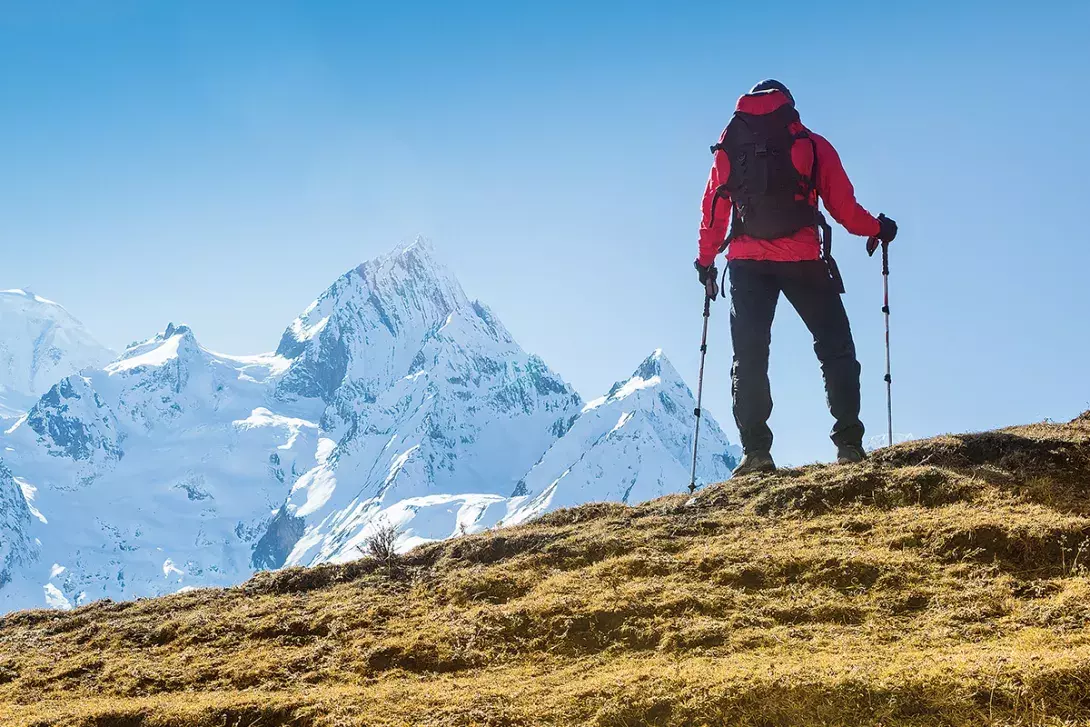
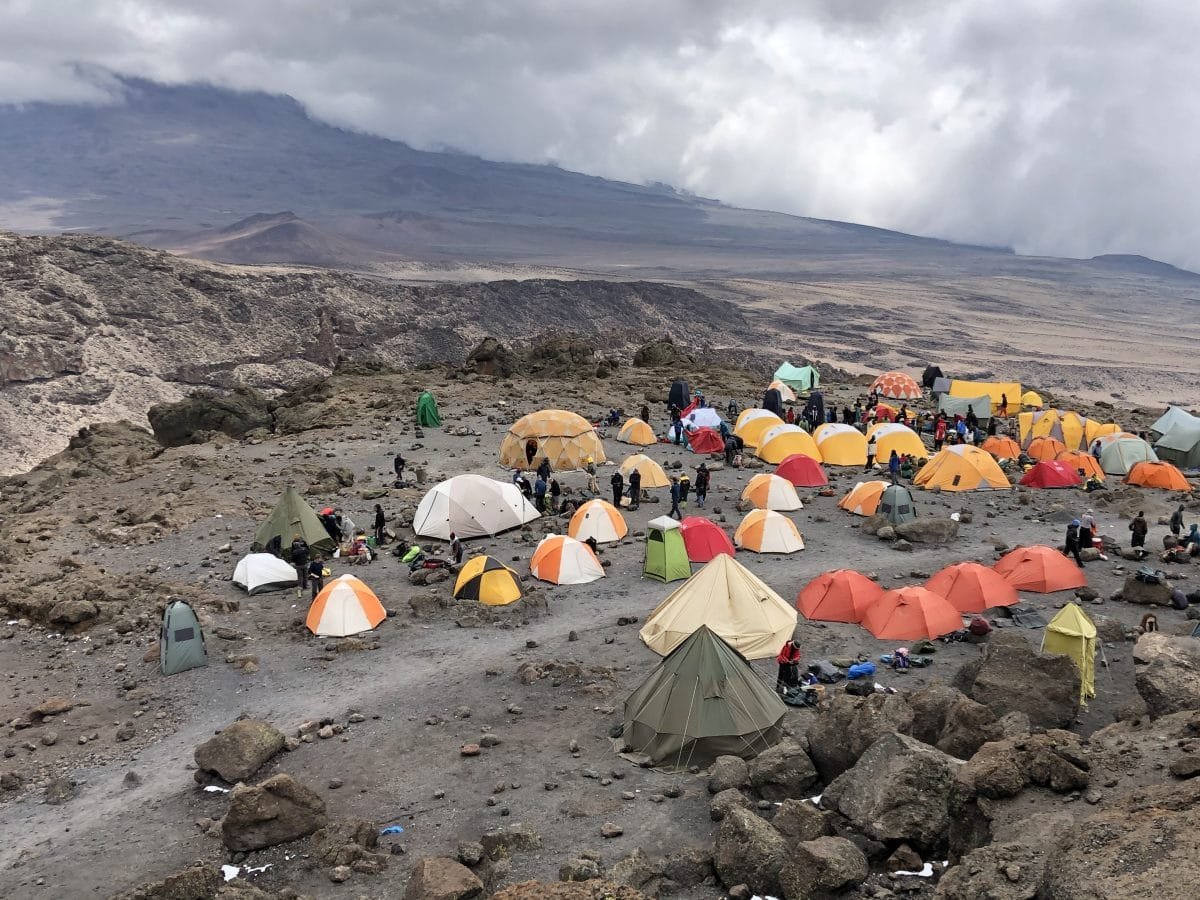
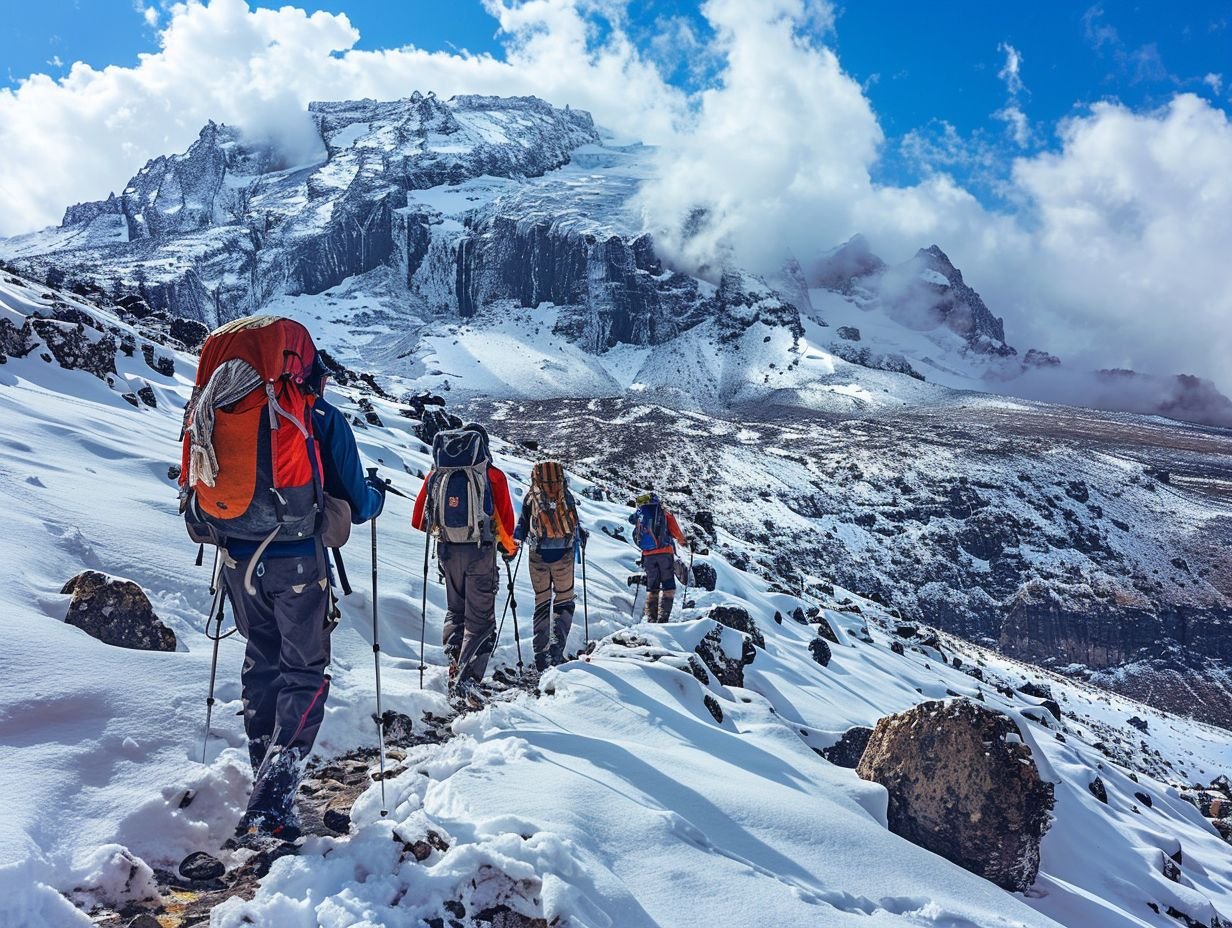
Combining the Majesty of Tanzania’s Wildlife with the Summit of Kilimanjaro
Tanzania is a land of staggering contrasts and unparalleled natural beauty, a destination that calls to the adventurous spirit. For many, the ultimate Tanzanian experience is not just one, but two iconic adventures: a thrilling safari through its world-renowned national parks and a challenging ascent of Mount Kilimanjaro, the Roof of Africa. This potent combination offers a journey that engages all the senses, from the thundering hooves of wildebeest on the Serengeti plains to the crisp, thin air at Kilimanjaro’s summit. Top Guide Adventures specializes in crafting these extraordinary expeditions, ensuring that your Tanzania safari and Kilimanjaro climb Is a well-organized, unforgettable, and deeply personal experience.
In 2026 and 2027, travelers seeking truly impactful journeys are increasingly looking for ways to combine diverse experiences. A safari provides an intimate encounter with Africa’s most iconic wildlife – lions, elephants, rhinos, leopards, and buffalos (the ‘Big Five’), alongside countless other species. Kilimanjaro, on the other hand, offers a profound personal challenge, a test of endurance and spirit rewarded with views that stretch across continents. Together, they form a comprehensive Tanzanian adventure that is both exhilarating and deeply rewarding.
Why Choose a Combined Tanzania Safari and Kilimanjaro Climb?
The synergy between a safari and a Kilimanjaro climb is remarkable. After the excitement and early mornings of wildlife viewing, the focused effort and physical exertion of trekking up Kilimanjaro provide a different, yet equally engaging, form of adventure. Conversely, completing a challenging climb can make the relaxation and awe-inspiring sights of a safari feel even more earned and appreciated. This combination ensures you experience the diverse wonders Tanzania has to offer:
- Diverse Landscapes: From the vast savannahs and volcanic craters to the alpine deserts and glacial zones of Kilimanjaro.
- Iconic Wildlife Encounters: Witnessing the Great Migration, the Big Five, and a rich array of birdlife.
- Personal Achievement: The immense satisfaction of reaching Uhuru Peak, the highest point on Kilimanjaro.
- Cultural Immersion: Opportunities to interact with local communities and learn about Tanzanian culture.
- Logistical Efficiency: Booking a combined package with a reputable operator like Top Guide Adventures streamlines planning, accommodation, transport, and guide arrangements, especially crucial for 2026-2027 bookings.
Crafting Your 2026-2027 Tanzania Safari and Kilimanjaro Climb Itinerary
The beauty of planning a combined trip is the flexibility. You can tailor the duration and intensity to your preferences. A typical structure might look something like this:
Sample Itinerary Outline: 12-Day Kilimanjaro Climb & Safari Combo
- Day 1: Arrival in Kilimanjaro International Airport (JRO), transfer to Arusha.
- Day 2: Briefing, gear check, and preparation for Kilimanjaro climb.
- Day 3-8: Kilimanjaro Climb (e.g., Machame Route – 6 days).
- Day 9: Descend Kilimanjaro, transfer to Arusha, rest and relaxation.
- Day 10: Safari Day 1: Drive to Tarangire National Park (known for elephants).
- Day 11: Safari Day 2: Ngorongoro Crater exploration (unique ecosystem, Big Five potential).
- Day 12: Safari Day 3: Serengeti National Park (game drives, migration viewing if timed right), then transfer back to Arusha/JRO for departure.
This is a condensed example; longer safaris or different Kilimanjaro routes can easily extend this to 14-20 days or more. For 2026-2027 bookings, starting with a 12-day package is a popular choice for a balanced experience.
Kilimanjaro Climbing Routes: Choosing Your Path to the Summit
Mount Kilimanjaro offers several distinct routes, each with its own characteristics regarding difficulty, scenery, acclimatization profile, and cost. The choice of route significantly impacts your success rate and overall experience. For a combined Tanzania safari and Kilimanjaro climb, selecting a route that balances success with time efficiency is key.
Here’s a look at the most popular routes:
- Machame Route (7-Day Option Recommended): Often called the “Whiskey Route” due to its challenging but rewarding nature. It offers excellent acclimatization and stunning scenery, with a Higher success rate. It’s a popular choice for a combined itinerary because it provides a good balance of challenge and time.
- Lemosho Route (8-Day Option Recommended): Similar to Machame but generally considered more scenic, especially in the initial days. It offers superior acclimatization and thus a very high success rate. While slightly longer, its detailed wilderness experience is unparalleled.
- Marangu Route (5-Day or 6-Day Option): The “Coca-Cola Route” is the oldest and simplest. It’s the only route with hut accommodation, making it more comfortable for some. However, its shorter duration and less gradual ascent mean a Lower success rate Compared to other routes. It might be considered for those on a tighter schedule, but careful consideration of acclimatization is paramount.
- Rongai Route (7-Day Option): Approaches from the north, offering a different perspective and often less crowded trails. It’s a good option during the rainy seasons as it’s on the drier side.
- Northern Circuit (9-Day Option): The longest route, offering the Best acclimatization profile and highest success rates. It circumnavigates the mountain, providing varied views and a more relaxed pace, ideal for those who want to maximize their chances and enjoy the journey.
For a combined Tanzania safari and Kilimanjaro climb, the 7-day Machame or 8-day Lemosho routes are often the most recommended for a balance of success, experience, and time. For 2026-2027, booking these popular routes early is essential.
Acclimatization is Key
Regardless of the route, proper acclimatization is the single most important factor for a successful Kilimanjaro climb. This is why longer routes (7-9 days) are strongly recommended over shorter ones (5-6 days). Altitude sickness can affect anyone, and listening to your body and your guide is crucial. Top Guide Adventures prioritizes safety by using experienced guides trained in altitude medicine and ensuring our itineraries allow for gradual ascent.
The Tanzania Safari Experience: A Wildlife Spectacle
Complementing the physical challenge of Kilimanjaro, the safari portion of your trip immerses you in the raw beauty and abundant wildlife of Tanzania’s northern circuit. This region is globally renowned for its national parks, each offering a unique wildlife viewing experience.
Serengeti National Park: The Endless Plains
The Serengeti is synonymous with the Great Migration, a striking natural phenomenon where millions of wildebeest, zebras, and gazelles traverse the plains in search of fresh grazing land. While the migration’s exact location varies seasonally, the Serengeti itself is a year-round wildlife haven, boasting an incredible density of predators like lions, cheetahs, and leopards, alongside vast herds of herbivores and a rich variety of birdlife. A Serengeti safari Is an essential part of any Tanzanian adventure.
Ngorongoro Conservation Area & Crater: A Natural Amphitheater
The Ngorongoro Crater, a UNESCO World Heritage Site, is a geological marvel. This vast, intact volcanic caldera is home to an astonishingly high concentration of wildlife, including the elusive black rhino, which is often difficult to spot elsewhere. Within its 260-square-kilometer floor, you can find lions, hyenas, hippos, elephants, and a plethora of bird species. The Ngorongoro Conservation Area also encompasses wider plains and highlands, offering diverse habitats and opportunities for cultural visits to Maasai villages.
Tarangire National Park: Land of Giants
Known for its large elephant herds and iconic baobab trees, Tarangire National Park is a fantastic destination, particularly during the dry season when animals congregate around the Tarangire River. It’s also a prime spot for spotting predators and offers a more intimate safari experience compared to the busier Serengeti.
Other Northern Circuit Parks
Depending on your chosen safari duration, you might also visit Lake Manyara National Park, famous for its tree-climbing lions and large baboon troops, or the unique landscapes of Arusha National Park, which offers views of Mount Meru and is accessible for day hikes. Planning your Tanzania safari and Kilimanjaro climb Should include at least 3-4 days dedicated to exploring these parks to truly appreciate their richness.
Planning Your 2026-2027 Trip: Key Considerations
Booking a combined Tanzania safari and Kilimanjaro climb Requires careful planning. Here are some crucial factors to consider for your 2026 or 2027 adventure:
Best Time to Travel
The dry seasons generally offer the best conditions for both safari and climbing:
- Dry Season (June to October): Ideal for Kilimanjaro climbing with clear skies and less rain. It’s also a prime time for safaris, especially for viewing the Great Migration in the central and western Serengeti. This is peak season, so expect higher prices and more crowds; booking well in advance for 2026-2027 Is essential.
- Short Rains (November to December): Can be a good time for a combined trip, with fewer crowds and greener landscapes. Kilimanjaro can be climbed, but expect some rain.
- Long Rains (March to May): Generally the wettest period, making climbing conditions challenging and safaris muddy. However, landscapes are lush, and wildlife viewing can still be excellent, with very few tourists and lower prices. This period is generally avoided for summit attempts but can be considered for safaris by the adventurous.
The shoulder months (late May, early June, and October, early November) often provide a good balance of weather, crowds, and pricing for a Tanzania safari and Kilimanjaro climb.
Permits and Park Fees
Both Kilimanjaro climbs and national park visits involve significant fees. Kilimanjaro National Park fees, conservation fees for the parks, camping fees (if applicable), and Crater Service fees are substantial. Reputable tour operators like Top Guide Adventures include these in their package prices, but it’s vital to understand what’s covered. For 2026-2027, these fees are subject to change annually, so always confirm the latest pricing with your operator.
Fitness and Health
Climbing Kilimanjaro requires a good level of physical fitness. You don’t need to be an elite athlete, but regular cardiovascular exercise, hiking, and strength training in the months leading up to your trip are highly recommended. Consult your doctor about vaccinations and malaria prophylaxis. For altitude sickness, there is no guaranteed preventative medication, but proper acclimatization, hydration, and gradual ascent are key.
Accommodation
Your combined trip will involve different types of accommodation:
- Kilimanjaro: Camping in tents provided by the tour operator.
- Safari: Options range from budget-friendly tented camps to mid-range lodges and luxurious tented camps or lodges, often strategically located within or near national parks.
- Arusha: Hotels or lodges are typically used for pre- and post-climb stays.
Top Guide Adventures offers a range of accommodation options to suit different budgets and preferences for your Tanzania safari and Kilimanjaro climb.
Choosing a Reputable Tour Operator
This is perhaps the most critical decision. A well-established operator ensures safety, quality equipment, experienced guides (crucial for both Kilimanjaro and safari), proper logistics, and fair treatment of porters. Top Guide Adventures is a trusted Tanzanian company committed to providing exceptional service and memorable experiences. When booking your Kilimanjaro climb and safari package For 2026-2027, look for companies with strong safety records, positive reviews, and transparent pricing.
Understanding the Cost of Your Combined Adventure
The cost of a Tanzania safari and Kilimanjaro climb Package varies significantly based on several factors:
- Kilimanjaro Route and Duration: Longer routes with better acclimatization (like Lemosho or Machame 7-day) are more expensive than shorter, less successful routes (like Marangu 5-day).
- Safari Itinerary: The number of days, parks visited, and type of accommodation chosen will influence the safari cost.
- Accommodation Style: Mid-range lodges and luxury tented camps are pricier than budget camping or basic lodges.
- Group Size: Private tours are generally more expensive than joining a group departure.
- Inclusions: Always check what is included (park fees, meals, guides, porters, accommodation, transfers, crater fees, etc.) and what is excluded (tips, personal gear, visas, international flights, travel insurance).
For a typical 7-day Kilimanjaro climb and a 3-day safari, expect costs to range from $2,500 to $5,000+ per person For 2026-2027. This is a general estimate; exact quotes are best obtained directly from operators. Top Guide Adventures provides detailed quotes tailored to your specific requirements.
Key elements to confirm for 2026-2027 pricing:
- Kilimanjaro route and number of climbing days.
- Number of safari days and parks included.
- Type of accommodation (budget, mid-range, luxury).
- Inclusion of all park fees, conservation fees, and rescue fees.
- Porter and guide salaries and provisions (ensuring ethical treatment).
What to Pack: Essentials for Your Expedition
Packing correctly is vital for both the Kilimanjaro climb and the safari. Layering is key for the mountain, while comfortable, neutral-colored clothing is best for safari.
For Kilimanjaro Climb:
- Layering System: Base layers (thermal underwear), mid-layers (fleece or down jacket), and outer layers (waterproof and windproof jacket and trousers).
- Footwear: Broken-in hiking boots, camp shoes/sandals, warm socks (wool or synthetic).
- Headwear: Warm hat, sun hat, balaclava/neck gaiter.
- Handwear: Liner gloves, warm waterproof gloves/mittens.
- Sleeping Gear: Sleeping bag (rated to -15°C to -20°C), sleeping bag liner.
- Trekking Poles: Highly recommended for stability and reducing knee strain.
- Headlamp: With extra batteries.
- Sun Protection: High SPF sunscreen, sunglasses, lip balm.
- Hydration: Water bottles or hydration reservoir, water purification tablets/filter.
- Personal Items: First-aid kit, toiletries, quick-dry towel, camera, power bank.
For Safari:
- Clothing: Lightweight, breathable clothing in neutral colors (khaki, beige, green). Avoid bright colors and dark colors (like black or blue) which can attract insects.
- Footwear: Comfortable walking shoes or trainers.
- Outerwear: A light jacket or fleece for cooler evenings/mornings.
- Accessories: Sun hat, sunglasses, insect repellent, binoculars, camera with zoom lens.
Top Guide Adventures provides detailed packing lists upon booking, tailored to your specific itinerary for your Tanzania safari and Kilimanjaro climb.
Safety and Support: Your Well-being is Our Priority
When undertaking a Tanzania safari and Kilimanjaro climb, safety is paramount. Top Guide Adventures is committed to providing the highest standards of support:
- Experienced Guides: Our Kilimanjaro guides are certified, highly experienced in altitude management, and trained in wilderness first aid. Our safari guides are knowledgeable about wildlife, local culture, and safe driving practices.
- Quality Equipment: We provide high-quality tents, sleeping mats, cooking equipment, and ensure our porters are well-equipped and cared for.
- Communication: Guides carry radios for emergency communication, and we have emergency evacuation procedures in place.
- 24/7 Support: Our team in Arusha is available to assist you throughout your trip.
We strongly recommend comprehensive travel insurance that covers high-altitude trekking and emergency medical evacuation. Planning for 2026-2027 Allows ample time to secure the right insurance.
Booking Your Dream Tanzanian Adventure for 2026-2027
A Tanzania safari and Kilimanjaro climb Is more than just a holiday; it’s a profound experience that will leave you with lasting memories. Whether you’re drawn to the call of the wild or the challenge of the summit, Tanzania delivers in spectacular fashion.
Top Guide Adventures is dedicated to making your dream trip a reality. We offer flexible itineraries, personalized service, and a commitment to responsible tourism. Our team is ready to help you plan every detail of your Kilimanjaro climb and safari package For 2026 or 2027.
Ready to start an incredible journey? Contact us today to discuss your ideal Tanzania safari and Kilimanjaro climb. You can reach us via WhatsApp at +255616946642, email us at Topguideadventures@gmail.com, or our backup email Info@topguideadventures.com. Let’s make your 2026-2027 adventure one for the ages!
Check Availability for Tanzania Safari And Kilimanjaro Climb: Your Ultimate Adventure In 2026-2027
Ready to compare dates, prices, and the best option for your group? Send the package name and travel month so the team can reply with a clear quote, availability, and what is included.
12-Day Kilimanjaro Climb And Big Five Safari: The Ultimate Tanzania Adventure
Experience the pinnacle of African adventure with a 12-day journey combining the majestic Mount Kilimanjaro climb with an exhilarating Big Five safari in Tanzania's renowned national parks...
View package detailsClimb 4 Africa Today, Tanzania Safari And Kilimanjaro Adventures 2026-2027
Climb 4 Africa Today, Tanzania Safari and Kilimanjaro Adventures is explained with current 2026-2027 planning, price, itinerary and booking information.
View package details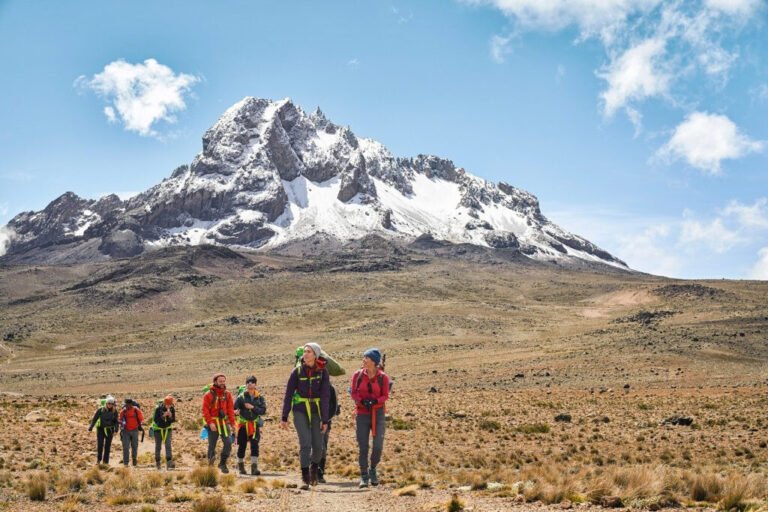
10-Day Kilimanjaro Climb And Safari Package 2026-2027
10-Day Kilimanjaro Climb and Safari Package is explained with current 2026-2027 planning, price, itinerary and booking information.
View package details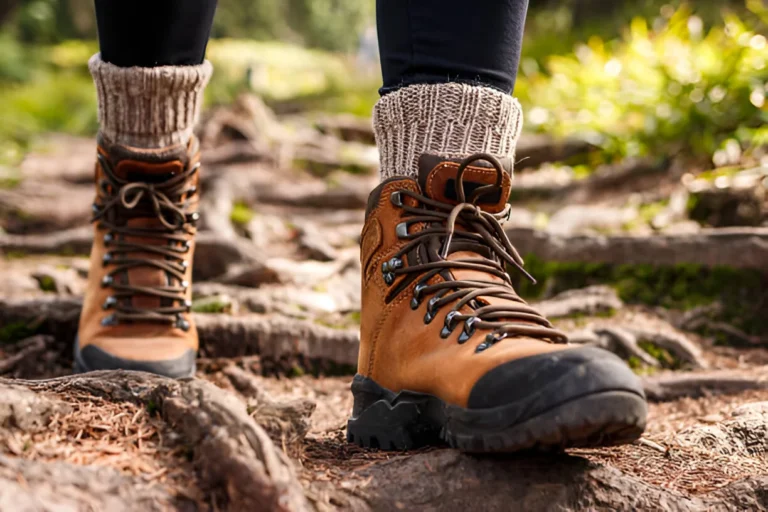
14-Day Kilimanjaro And Tanzania Safari Holiday: Your Ultimate Adventure
Combine the thrill of conquering Mount Kilimanjaro with the wonder of a classic Tanzanian safari on an unforgettable 14-day adventure. This itinerary offers a perfect blend of high-altitude...
View package details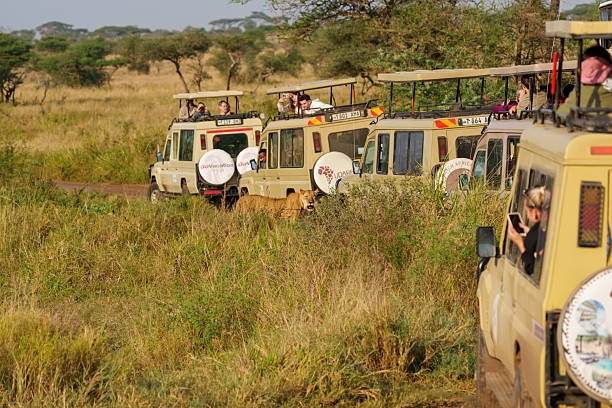
19 Days Tanzania Safari, Kilimanjaro And Zanzibar Cost: Your Ultimate
Planning a 19-day adventure combining a Tanzania safari, Mount Kilimanjaro climb, and the exotic island of Zanzibar? This comprehensive guide breaks down the estimated costs for 2026-2027...
View package details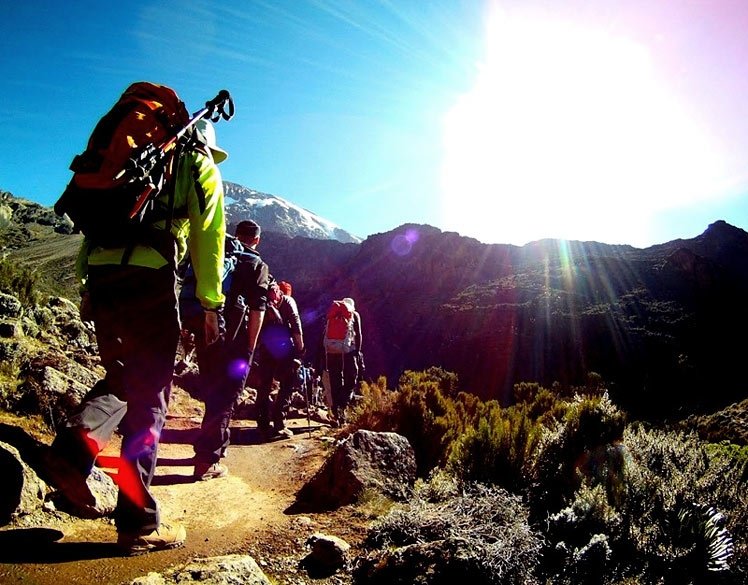
Best Safari After Climbing Kilimanjaro Guide
After conquering Mount Kilimanjaro, the ultimate reward is a Tanzanian safari. Explore the iconic plains of the Serengeti, witness the Ngorongoro Crater's wildlife density, or discover...
View package details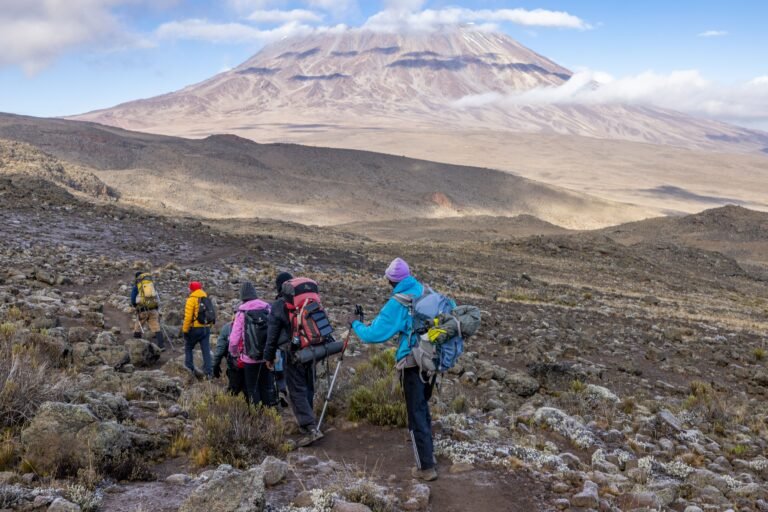
10-Day Kilimanjaro And Safari Package 2026-2027
10-Day Kilimanjaro and Safari Package is explained with current 2026-2027 planning, price, itinerary and booking information.
View package details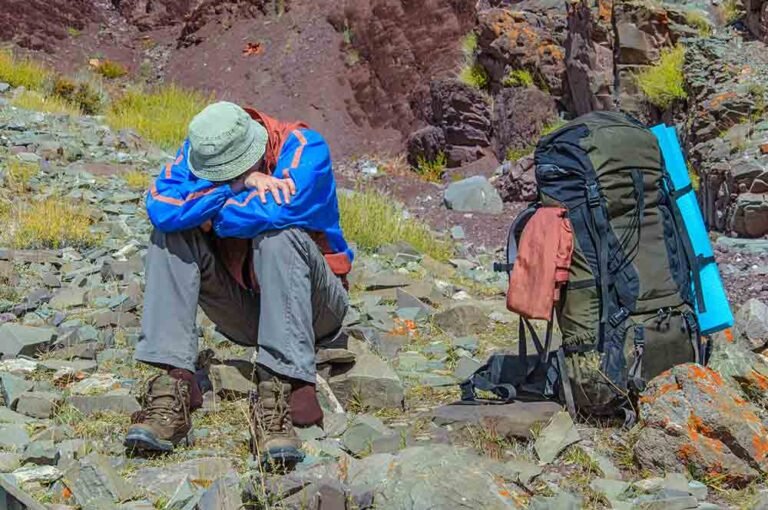
14-Day Kilimanjaro, Safari And Zanzibar Package | Top Guide Adventures
Combine the thrill of climbing Mount Kilimanjaro, the excitement of a Tanzanian safari, and the serenity of Zanzibar’s beaches with our comprehensive 14-day package. This adventure offers a...
View package details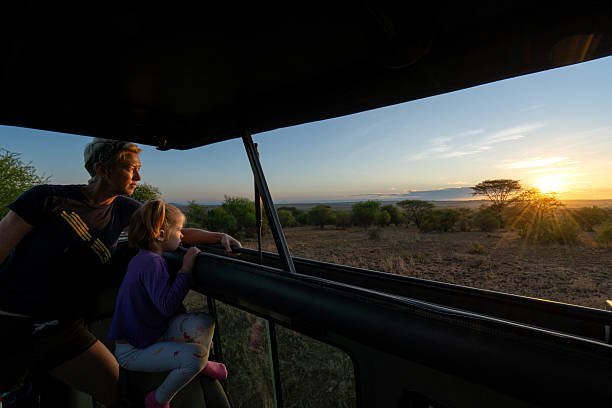
Amboseli Elephant Safari With Kilimanjaro Views Guide
Combine the majesty of Amboseli National Park's elephants with impressive views of Mount Kilimanjaro on an unforgettable safari. Discover the best times to visit, what to expect, and how...
View package details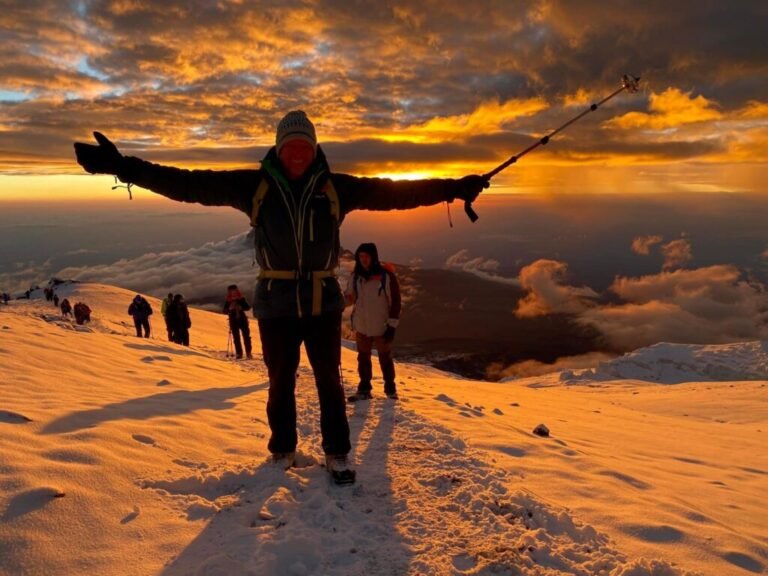
Budget Kilimanjaro And Group Safari Package 2026-2027
Budget Kilimanjaro and Group Safari Package is explained with current 2026-2027 planning, price, itinerary and booking information.
View package detailsDiscount Tanzania Treks And Affordable Safari Packages In 2026-2027
Discover how to plan discount Tanzania treks and affordable safari packages for your 2026-2027 adventure. This comprehensive guide covers budget-friendly options for iconic destinations...
View package details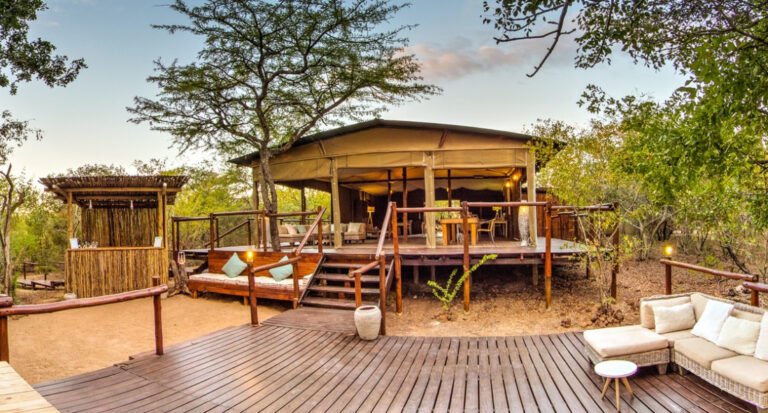
Climb Mount Kilimanjaro & Tanzania Safari Tours With Top Guide Adventures
Combine the ultimate challenge of climbing Mount Kilimanjaro with the unparalleled wildlife spectacle of a Tanzania safari. Top Guide Adventures specializes in creating comprehensive tour...
View package detailsNo closely related package is available for this topic yet.



