
The Tanga Region, located on Tanzania’s northeastern coast, offers a rich blend of historical depth, pristine beaches, unique cultural encounters, and access to serene islands, making it an increasingly attractive destination for travelers seeking an authentic Tanzanian experience beyond the typical safari circuit, especially as interest grows for 2026-2027 travel.
Discovering the Tanga Region: Tanzania’s Northern Coastal Gem
While Tanzania is globally renowned for its iconic safaris in the Serengeti and the majestic Mount Kilimanjaro, the Tanga Region presents a compelling alternative, or complementary, destination for those wishing to explore the country’s diverse offerings. Situated along the Indian Ocean, Tanga is the gateway to a coastline dotted with historical remnants, vibrant Swahili culture, and tranquil natural beauty. This region, often overlooked in favor of Zanzibar, provides a more laid-back, less commercialized experience, perfect for travelers looking to connect with local life and uncover hidden treasures. As we look towards 2026 and 2027, Tanga’s appeal is set to grow, offering a unique perspective on Tanzania’s heritage and natural splendor.
Top Guide Adventures specializes in crafting personalized journeys across Tanzania, and we are thrilled to highlight the Tanga Region as a destination that truly embodies the spirit of discovery. From the bustling port city of Tanga itself to the ancient ruins of Kaole and the idyllic shores of Ushongo, this region promises an unforgettable adventure. We invite you to explore what makes Tanga a must-visit, whether you’re planning a short stopover or a dedicated coastal escape.
The Allure of Tanga: A Deeper Look at Its Appeal
Tanga’s allure lies in its multifaceted character. It’s a region where history whispers from ancient stones, where the rhythm of the ocean dictates daily life, and where the warmth of its people is as inviting as the tropical sun. Unlike the more developed tourist hubs, Tanga retains an authentic charm, offering visitors a chance to witness Swahili coastal life in its natural state. For those planning their travels for 2026-2027, understanding these unique draws is key to crafting the perfect itinerary.
The region’s strategic location means it has been a crossroads of cultures and trade for centuries. Arab, Persian, Indian, and European influences have all left their mark, contributing to a rich historical mix. This is evident in the architecture, the cuisine, and the local traditions. The natural environment is equally interesting, with long stretches of sandy beaches, mangrove forests, and offshore coral reefs teeming with marine life. The pace of life here is slower, allowing for genuine relaxation and deeper engagement with the surroundings.
Top Guide Adventures believes that travel should be about authentic experiences. In Tanga, this translates to opportunities to interact with local fishermen, visit traditional markets, learn about sisal farming (a historically significant industry in the region), and explore archaeological sites that tell tales of a bygone era. The proximity to Dar es Salaam and the ferry connections to the islands further enhance its accessibility, making it a practical yet profoundly rewarding addition to any Tanzanian itinerary.
Historical Echoes: From Ancient Ruins to Colonial Legacies
The Tanga Region is steeped in history, with evidence of human settlement dating back centuries. The most prominent historical site is the Kaole Ruins, located a short distance south of Tanga town. These ruins consist of the remnants of a mosque and houses dating back to the 13th century, indicating Tanga’s past as a significant trading post on the Swahili coast. Exploring these stone structures, often overgrown with vegetation, offers a tangible connection to the region’s early history and its role in the Indian Ocean trade network. The site provides a glimpse into the architectural styles and urban planning of the period, whispering tales of sultans, merchants, and the vibrant life that once thrived here.
Beyond the ancient, Tanga also bears the marks of its colonial past. During the German and later British colonial periods, Tanga served as an important administrative and economic center. Remnants of this era can be seen in some of the older buildings in Tanga town, reflecting a blend of colonial and Swahili architectural influences. The region was also a major hub for the sisal industry, a cash crop that significantly shaped its economy and landscape. Visiting former sisal estates or learning about this history adds another layer to understanding the region’s development.
For travelers interested in military history, the region holds significance from World War I, particularly the Battle of Tanga in 1914, where German forces repelled an Allied invasion. While physical remnants might be scarce, the historical context adds depth to the exploration of the area. Understanding these historical layers enriches the travel experience, transforming a coastal visit into a journey through time.
Coastal Wonders: Beaches, Islands, and Marine Life
The Tanga Region boasts a coastline of exquisite beauty, characterized by long stretches of white sandy beaches, palm-fringed shores, and clear turquoise waters. While not as famous as Zanzibar’s, Tanga’s beaches offer a more secluded and tranquil experience, ideal for relaxation and unwinding. Ushongo Beach, in particular, is a standout, known for its stunning natural beauty, gentle waves, and the iconic “island” sandbank that emerges during low tide, creating a picturesque scene perfect for leisurely strolls or sunset views.
Beyond the mainland beaches, the Tanga Region is the gateway to several small, charming islands that offer a true escape. The Maziwe Marine Reserve, a protected coral atoll, is a prime destination for snorkeling and diving enthusiasts. It’s a vibrant underwater world, home to a diverse array of coral formations and marine species, including various fish, turtles, and even dolphins. The shallow, clear waters make it an accessible spot for underwater exploration.
Further offshore, islands like Mwambani Island and Fungu Yasini provide opportunities for day trips, offering secluded coves, excellent birdwatching, and the chance to experience island life. These excursions can be arranged for a private escape, allowing visitors to enjoy the pristine environment without the crowds. For those planning a 2026 or 2027 coastal adventure, these islands represent an opportunity for unparalleled tranquility and natural beauty.
The marine ecosystems in the Tanga Region are vital and diverse. Conservation efforts are ongoing, and responsible tourism practices are encouraged to preserve these delicate environments. Whether it’s swimming, sunbathing, or exploring the underwater world, the coastal attractions of Tanga are a significant draw for visitors seeking sun, sea, and sand.
Cultural Encounters: The Swahili Heartbeat of Tanga
The Tanga Region is a melting pot of Swahili culture, a vibrant blend of African and Arab influences that permeates daily life. The Swahili people are known for their hospitality, and interacting with them offers a genuine insight into local traditions and customs. The Swahili language, with its rich vocabulary and poetic expressions, is widely spoken and forms the backbone of communication and cultural identity.
Tanga town itself is a bustling hub where this culture is most visible. The local markets are a sensory delight, filled with colorful produce, aromatic spices, local crafts, and the chatter of vendors and shoppers. These markets are excellent places to sample local snacks, purchase unique souvenirs, and observe the daily rhythms of Tanga life. The architecture in the older parts of town, with its carved wooden doors and balconies, reflects the historical trade connections and cultural fusion.
Beyond the town, visiting local villages can provide even deeper cultural experiences. Opportunities to learn about traditional fishing methods, local cuisine preparation, or even participate in community activities can be arranged. The strong sense of community and the traditional way of life in many parts of the Tanga Region offer a refreshing contrast to the fast pace of modern urban living. For travelers looking for authentic cultural exchanges, Tanga offers a wealth of opportunities that are both enriching and memorable, especially as they plan for 2026 and 2027 trips.
The region is also known for its traditional music and dance, which often accompany local celebrations and gatherings. Experiencing these art forms offers a dynamic insight into the spirit and heritage of the Swahili people. Top Guide Adventures can help arrange visits and experiences that respectfully connect you with the local culture.
Planning Your Tanga Region Adventure with Top Guide Adventures
Top Guide Adventures is dedicated to providing comprehensive and personalized travel experiences in Tanzania, and the Tanga Region is a destination we are passionate about showcasing. Our expertise ensures that your journey is not only well-organized but also deeply authentic, allowing you to connect with the region’s history, culture, and natural beauty in a meaningful way.
Getting to Tanga: Accessibility and Travel Options
Reaching the Tanga Region is straightforward, with several convenient options available. Tanga town is accessible via road from Tanzania’s major cities, including Dar es Salaam (approximately a 5-6 hour drive) and Arusha. The road infrastructure has been improving, making overland travel a scenic and viable option, especially for those combining a Tanga visit with a safari or other northern circuit destinations.
For those seeking a faster journey, domestic flights operate to Tanga Airport (TGT) from Dar es Salaam and other key airports. This is an excellent option for maximizing your time, particularly if you have a limited schedule for your 2026-2027 travels. Top Guide Adventures can arrange all necessary flight bookings as part of your comprehensive travel plan.
Additionally, ferry services connect Tanga to the island of Pemba, offering a unique maritime link for those wishing to explore both the coast and the islands. The accessibility of Tanga makes it a flexible addition to various Tanzanian itineraries, whether you’re arriving from a safari, a Kilimanjaro climb, or directly
Check Availability for Tanga Region 2026-2027
Ready to compare dates, prices, and the best option for your group? Send the package name and travel month so the team can reply with a clear quote, availability, and what is included.
Saadani National Park Safari From Tanga: Your Ultimate Coastal Wildlife
Explore Saadani National Park, Tanzania's only coastal wildlife sanctuary, with a safari starting from Tanga. This guide details the unique blend of bush and beach adventures available...
View package details
Tanzania Solo Travel Safari: Your Ultimate Guide For 2026-2027
Discover how to plan an unforgettable solo safari adventure in Tanzania, covering everything from wildlife hotspots to safety tips and essential planning for 2026-2027.
View package details
Ngezi Forest Reserve Tour: Your Ultimate Guide For Adventures 2026-2027
Discover the wonders of Ngezi Forest Reserve on a guided tour. This comprehensive guide covers what to expect, wildlife, activities, and booking information for your 2026-2027 trip with Top...
View package details
Lake Victoria Beach Tour Bukoba 2026-2027
Lake Victoria Beach Tour Bukoba is explained with current 2026-2027 planning, price, itinerary and booking information.
View package details
Songwe Tanzania Travel Guide: Your Essential Planning Resource For 2026-2027
Discover Songwe, Tanzania with Top Guide Adventures. This comprehensive guide covers attractions, best times to visit, travel tips, and booking advice for your 2026-2027 adventure.
View package details
Things To Do In Mbeya Tanzania 2026-2027
Things to Do in Mbeya Tanzania is explained with current 2026-2027 planning, price, itinerary and booking information.
View package details
Kilwa Kisiwani Tour Guide
Discover the historical wonders of Kilwa Kisiwani on a guided tour. Explore ancient Swahili ruins, learn about maritime trade history, and experience a UNESCO World Heritage site.
View package detailsBagamoyo Day Trip From Dar Es Salaam 2026-2027
Bagamoyo Day Trip from Dar es Salaam is explained with current 2026-2027 planning, price, itinerary and booking information.
View package detailsMount Kilimanjaro Climbing Tours 2026-2027
Mount Kilimanjaro Climbing Tours is explained with current 2026-2027 planning, price, itinerary and booking information.
View package details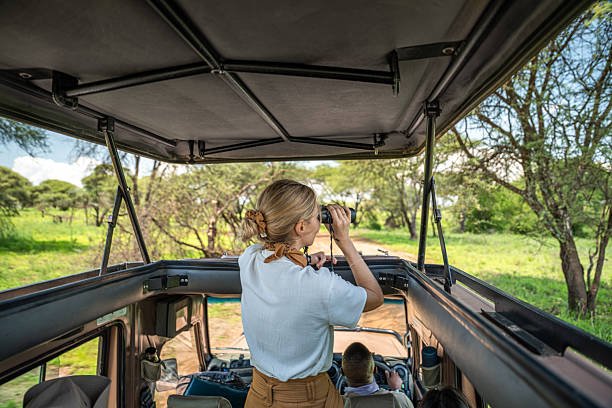
Lake Victoria Boat Tour Mwanza 2026-2027
Lake Victoria Boat Tour Mwanza is explained with current 2026-2027 planning, price, itinerary and booking information.
View package details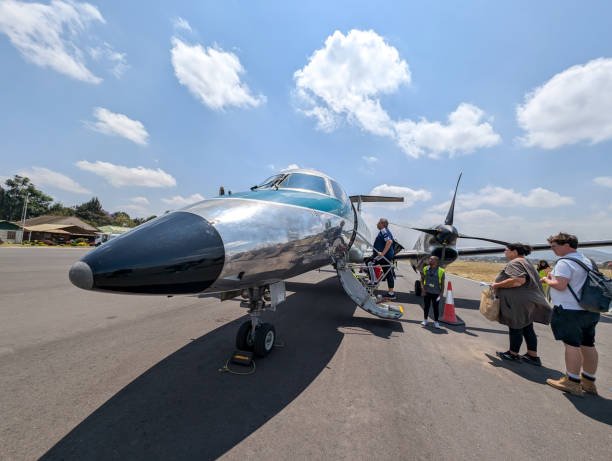
Saadani National Park Safari From Bagamoyo 2026-2027
Saadani National Park Safari from Bagamoyo is explained with current 2026-2027 planning, price, itinerary and booking information.
View package details
Safari + Kilimanjaro Day Hike From Moshi: Your Ultimate Adventure Guide
Combine the thrill of a safari with the majesty of Kilimanjaro on a day hike starting from Moshi. This guide covers everything you need to know for an unforgettable Tanzanian adventure in...
View package detailsNo related package matches those filters. Clear one or more filters to see the other topic-matched options.



