
The Songwe River in Tanzania is a vital natural resource, particularly in the Mbeya Region, acting as a significant border and ecological corridor. While not a primary safari destination in itself, its surrounding areas offer rich wildlife viewing opportunities, especially within the Ruaha National Park ecosystem to which it contributes water, and provide insights into local cultures. Travelers interested in experiencing the Songwe River region can plan safaris and cultural tours that incorporate visits to its banks and nearby attractions, with planning for 2026-2027 now underway for many tour operators.
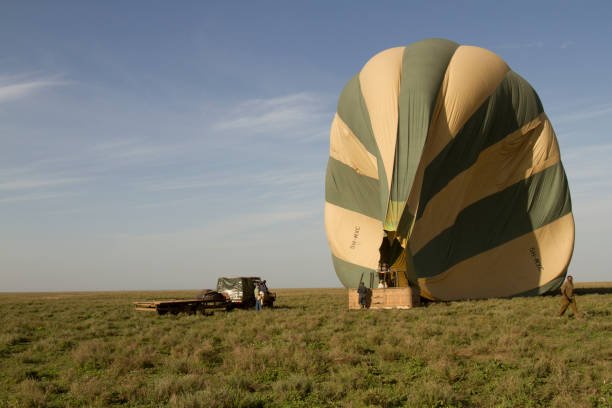

Understanding the Songwe River: Geography and Significance
The Songwe River is more than just a waterway; it’s a defining geographical feature with considerable ecological and cultural importance for Tanzania. Its course is largely defined by its role as a natural border, most notably forming a significant portion of the boundary between Tanzania and Malawi. This geographical position places it within a region of dynamic landscapes, characterized by varying terrains from mountainous highlands to more arid plains as it flows towards its eventual discharge into the Indian Ocean, often through delta systems or other river networks depending on its precise confluence points.
The river’s name itself, ‘Songwe,’ is rooted in local languages, reflecting its deep connection to the communities that have lived along its banks for generations. Understanding this connection is key to appreciating the full scope of the Songwe River’s importance. It serves as a lifeblood for local agriculture, providing water for crops and livestock, and is a source of sustenance through fishing for many rural populations. The health of the Songwe River directly impacts the livelihoods and cultural practices of these communities.
Ecologically, the Songwe River plays a crucial role in supporting diverse flora and fauna. Its waters and the riparian zones it creates are vital habitats for a range of wildlife. While the river itself might not be teeming with large game in the same way as a major national park, its influence extends far beyond its immediate banks. It contributes to the water table of the broader region, supporting ecosystems that are home to iconic African wildlife. For travelers looking to explore the natural beauty of southern Tanzania, understanding the Songwe River’s role is the first step in appreciating the intricate web of life it supports.
The Songwe River in Relation to Tanzania’s National Parks and Wildlife Areas
When discussing the Songwe River in the context of tourism and safaris, its indirect but vital connection to Tanzania’s renowned wildlife sanctuaries is paramount. While you won’t typically find game drives directly on the Songwe River itself in the way you would in the Serengeti or Ngorongoro Crater, its waters are critical for the ecosystems of nearby protected areas, most notably Ruaha National Park. Ruaha, Tanzania’s largest national park, is a vast wilderness known for its large elephant and buffalo herds, its significant lion populations, and its dramatic landscapes. The Songwe River, along with others, feeds into the Great Ruaha River system, which is the park’s primary water source, especially during the dry season. This makes the Songwe River an unsung hero in sustaining the very wildlife that draws visitors to these parks.
The areas surrounding the Songwe River, particularly as one moves closer to the borders of Mbeya Region and its connection to regions like Iringa (home to Ruaha), can offer unique wildlife viewing experiences. These might not always be the classic open-top safari vehicle encounters, but rather more intimate observations of the natural environment. Birdwatching can be particularly rewarding along riverine areas, where water attracts a multitude of species. You might also encounter smaller mammals, reptiles, and an array of insects that thrive in these humid, vegetated zones.
For those planning a 2026-2027 safari, incorporating the Songwe River region means looking at tours that focus on southern Tanzania. This could involve combining a visit to Ruaha National Park with excursions that explore the river’s course and the local communities. Such trips offer a more off-the-beaten-path experience, appealing to travelers seeking to escape the more crowded tourist circuits and gain a deeper understanding of Tanzania’s diverse environments and the critical role of its water systems.
Experiencing the Songwe River Region: Activities and Itineraries
While the Songwe River itself may not be a hub for conventional safari activities, the surrounding region offers a rich palette of experiences for the adventurous traveler. The primary way to experience the Songwe River area is through integrated tours that combine its natural beauty with cultural immersion and wildlife viewing in nearby protected zones. For 2026-2027 travel, consider itineraries that focus on southern Tanzania’s less-explored gems.
Cultural Encounters Along the Songwe
The Songwe River forms a significant part of the border with Malawi, and the communities living along its Tanzanian banks are often a blend of various ethnic groups, each with unique traditions, languages, and ways of life. A well-crafted tour can include visits to local villages, offering opportunities to interact with residents, learn about their daily routines, agricultural practices, and perhaps even witness traditional crafts or performances. These cultural exchanges provide a profound understanding of the human element tied to this vital river system. Engaging with local guides who can interpret customs and facilitate respectful interactions is crucial for such experiences.
Birdwatching and Nature Walks
The riparian vegetation along the Songwe River creates a haven for diverse birdlife. Guided nature walks along its banks or through adjacent bushland can be exceptionally rewarding for ornithologists and casual nature enthusiasts alike. Expect to see a variety of waterbirds, raptors, and smaller bush birds. These walks also offer chances to observe smaller mammals, reptiles, and insects, providing a more granular appreciation of the local ecosystem. These activities are best undertaken in the early morning or late afternoon when wildlife is most active and the temperatures are cooler.
Incorporating Songwe into Southern Tanzania Safaris
For travelers planning a comprehensive Tanzanian adventure in 2026 or 2027, the Songwe River region can be a compelling addition to a southern circuit safari. This might involve:
- Ruaha National Park Focus: Begin or end a safari in Ruaha, appreciating its wildlife and understanding how the Songwe River contributes to its water sources. Day trips from lodges near the park’s peripheries could explore areas influenced by the river.
- Mbeya Region Exploration: Tours can be designed to travel through the Mbeya Region, with specific stops to view the Songwe River and its immediate surroundings. This might include visiting viewpoints or engaging with local communities situated near the river.
- Cross-Border Potential (with careful planning): Given its border location, some specialized tours might explore the dynamics of the Songwe River as a natural boundary, though this requires meticulous planning and adherence to border regulations.
When designing your trip, working with a local tour operator like Top Guide Adventures is invaluable. They can help craft bespoke itineraries that balance the desire to see the Songwe River with visits to established attractions, ensuring a rich and logistically sound experience. For instance, a 10-day southern circuit safari could incorporate 3-4 days in Ruaha, with day trips or overnight stays in areas closer to the Songwe River for cultural immersion and nature walks.
Planning Your Songwe River Area Visit in 2026-2027
Best Time to Visit: The dry season, generally from June to October, is often preferred for wildlife viewing in surrounding parks like Ruaha, as animals congregate around water sources. However, the green season (November to May) offers lush landscapes and excellent birdwatching opportunities, and the Songwe River will be at its fullest. Consider the specific activities you prioritize when choosing your travel dates for 2026 or 2027.
Getting There: Access to the Songwe River region typically involves flying into Mbeya Airport (MBI) or potentially Kilimanjaro International Airport (JRO) or Julius Nyerere International Airport (DAR) for longer overland journeys. From Mbeya, further travel would be by road, often in 4×4 safari vehicles arranged by your tour operator.
Accommodation: Options range from lodges and guesthouses in towns like Mbeya to more rustic accommodations or mobile camps if you are venturing into more remote areas, often arranged as part of a guided safari package.
The Ecological Importance of the Songwe River System
The Songwe River, as part of a larger hydrological network in southern Tanzania, plays an indispensable role in the region’s ecological health. Its significance extends beyond its immediate course, influencing broader ecosystems and contributing to biodiversity.
Water Source and Riparian Habitats
The river is a crucial source of fresh water for both wildlife and human populations. During the dry seasons, when other water bodies may shrink or disappear, rivers like the Songwe become vital refuges for animals. The vegetation that thrives along its banks, known as riparian zones, creates microhabitats that support a rich diversity of plant and animal life. These areas are often more fertile and lush than the surrounding landscapes, attracting insects, amphibians, reptiles, birds, and various mammal species that rely on the water and the abundant food sources.
Contribution to Larger River Systems
The Songwe River’s flow eventually contributes to larger river systems, most notably the Great Ruaha River. This connection is critical for the health of ecosystems like Ruaha National Park. The Great Ruaha River is the lifeblood of the park, sustaining its wildlife populations, particularly during the prolonged dry periods. Without the consistent water flow from tributaries like the Songwe, the park’s carrying capacity for large mammals would be significantly reduced, impacting predator-prey dynamics and overall biodiversity. Understanding this hydrological link highlights why protecting rivers like the Songwe is essential for conserving Tanzania’s iconic wildlife heritage.
Biodiversity Hotspot Potential
While not officially designated as a national park or reserve, the areas surrounding the Songwe River, particularly where it traverses diverse landscapes, can be considered biodiversity hotspots. The confluence of different habitats – riverine forests, grasslands, and potentially mountainous terrain – supports a wide array of species. Birdlife is particularly diverse, with species adapted to both aquatic and terrestrial environments. The presence of water also supports insect populations, which in turn form the base of the food chain for many other animals.
Challenges and Conservation Efforts
Like many river systems in Africa, the Songwe River faces challenges. Deforestation in its catchment areas, unsustainable agricultural practices leading to soil erosion, and pollution can all impact its water quality and flow. Conservation efforts often focus on community-based initiatives, promoting sustainable land use, reforestation, and raising awareness about the river’s ecological importance. For travelers visiting the Songwe River region, choosing responsible tour operators who prioritize eco-friendly practices and support local conservation initiatives is a way to contribute positively to the preservation of this vital natural resource.
Cultural Significance and Local Communities
The Songwe River is not merely a geographical feature; it is deeply woven into the cultural fabric of the communities that inhabit its banks. Its presence has shaped traditions, livelihoods, and social structures for centuries.
A Source of Life and Livelihood
For many ethnic groups in the Mbeya and Songwe regions (the latter named after the river), the river is the primary source of water for domestic use, agriculture, and livestock. Small-scale irrigation schemes often depend on its flow, enabling the cultivation of crops like maize, beans, and vegetables. Fishing is also a vital activity, providing both sustenance and income for local families. The river’s ebb and flow dictate planting seasons and fishing yields, making it central to the economic well-being of these communities.
Border Dynamics and Cultural Exchange
As a natural border between Tanzania and Malawi, the Songwe River has historically influenced migration patterns, trade, and cultural exchange. While it delineates national boundaries, it has also served as a conduit for interaction between peoples of different nationalities who share linguistic and cultural similarities. This has led to a unique blend of traditions in the border regions, where customs and languages may transcend the political divide. Understanding these dynamics offers a nuanced perspective on the human geography of the area.
Traditional Beliefs and Practices
In many traditional African societies, rivers are often imbued with spiritual significance. While specific beliefs vary among the ethnic groups living along the Songwe, it is common for such waterways to be associated with ancestral spirits or considered sacred entities. Certain points along the river might be designated for rituals or ceremonies. Local guides and community leaders can offer invaluable insights into these cultural practices, providing travelers with a respectful and informed perspective.
Responsible Tourism and Community Engagement
For travelers visiting the Songwe River area, responsible tourism practices are paramount. This means engaging with local communities in a respectful manner, supporting local economies through purchasing handicrafts or hiring local guides, and being mindful of cultural norms. Tour operators like Top Guide Adventures prioritize these engagements, ensuring that visits are mutually beneficial and contribute positively to the communities’ development. When planning your 2026-2027 trip, inquire about opportunities for genuine cultural interaction that goes beyond superficial observation.
Logistics and Travel Considerations for the Songwe River Region
Venturing into the Songwe River region requires careful planning due to its relatively remote nature compared to more established tourist hubs in Tanzania. Understanding the logistical challenges and opportunities is key to a successful trip, especially for travel anticipated in 2026-2027.
Access and Transportation
The primary gateway to the Songwe River region is typically the city of Mbeya, which is served by Mbeya Airport (MBI). International travelers often fly into Kilimanjaro International Airport (JRO) or Julius Nyerere International Airport (DAR) in Dar es Salaam and then take a domestic flight to Mbeya. Alternatively, long-distance bus services connect major Tanzanian cities to Mbeya, though these are significantly more time-consuming.
From Mbeya, travel to specific points along the Songwe River and its surrounding attractions will almost invariably require a sturdy 4×4 vehicle. This is essential for navigating the often unpaved and rugged terrain, especially during the rainy season. Hiring a vehicle with a knowledgeable local driver-guide is highly recommended, not only for navigation but also for insights into the local culture and environment.
Accommodation Options
Accommodation in the immediate vicinity of the Songwe River itself can be limited, often consisting of basic guesthouses or lodges in nearby towns like Mbeya or smaller settlements. For a more detailed experience, particularly if combining a visit with Ruaha National Park, travelers will typically stay in lodges or tented camps within or on the borders of the park. These range from mid-range to luxury options, offering comfortable amenities and guided safari activities. For those seeking a more authentic, off-the-grid experience, custom-designed camping trips can be arranged by specialized tour operators.
Best Time to Travel
The Songwe River region experiences distinct wet and dry seasons. The dry season, from June to October, is generally the best time for wildlife viewing in the broader southern Tanzania circuit, as animals are concentrated around water sources. Roads are also more accessible during this period. However, the green season, from November to May, offers lush landscapes, spectacular birdwatching, and fewer crowds. The river will be fuller and more visually impressive during the wet months. Your choice will depend on your priorities: wildlife density or scenic beauty and tranquility.
Health and Safety
Standard travel precautions for Tanzania apply. It is advisable to consult your doctor regarding vaccinations and malaria prophylaxis well in advance of your trip. Carrying a basic first-aid kit is always prudent. Tap water should be avoided; bottled or purified water is recommended. When interacting with local communities, maintaining respectful distances and seeking permission before taking photographs is essential.
Tour Operators and Customization
Given the logistical complexities, engaging a reputable local tour operator is the most effective way to experience the Songwe River region. Companies like Top Guide Adventures Specialize in crafting personalized itineraries for southern Tanzania. They can arrange transportation, accommodation, guided activities, and ensure that your trip is safe, comfortable, and enriching. Whether you’re planning for late 2026 or 2027, they can help design an itinerary that optimally balances your interests with the practicalities of traveling in the area. You can reach them via WhatsApp at +255616946642 Or email at Topguideadventures@gmail.com Or Info@topguideadventures.com.
Comparing Songwe River Region Experiences with Other Tanzanian Destinations
To truly appreciate the unique offering of the Songwe River region, it’s helpful to contrast it with Tanzania’s more famous tourist destinations. This comparison underscores why a visit here appeals to a specific type of traveler.
Songwe River Region vs. Northern Circuit (Serengeti, Ngorongoro)
The Northern Circuit, encompassing the Serengeti National Park, Ngorongoro Conservation Area, and others, is the quintessential Tanzanian safari experience. It’s renowned for the Great Migration, vast open plains, and iconic wildlife densities. Safaris here are typically well-established, with a wide range of lodges and camps, and a high probability of seeing the “Big Five.”
In contrast, the Songwe River region offers a different kind of experience. It’s less about ticking off the Big Five in a single game drive and more about appreciating the broader ecosystem, the vital role of water, and engaging with local cultures. Wildlife viewing might be more dispersed and require more patience, but it can be incredibly rewarding, especially for birdwatchers and those interested in the natural history of riverine environments. The cultural interactions are often deeper and more authentic due to the region’s less touristy nature. For 2026-2027 trips, if you seek the iconic, high-volume wildlife spectacle, the North is ideal. If you desire a more nuanced, off-the-beaten-path exploration with cultural depth, the Songwe area beckons.
Songwe River Region vs. Zanzibar
Zanzibar offers a completely different facet of Tanzania: tropical beaches, rich history (Stone Town), and spice tours. It’s a destination for relaxation, cultural exploration of its Swahili heritage, and water sports. It complements a safari rather than replaces it.
The Songwe River region, on the other hand, is about the raw, inland natural beauty and the human element tied to the land. There are no beaches, no ancient Arabic architecture. The appeal lies in its wild landscapes, the power of its river system, and the rural Tanzanian way of life. It’s an inland adventure focused on natural processes and community connections.
Songwe River Region vs. Other Southern Tanzania Parks (Selous/Nyerere, Mikumi)
Parks like Selous Game Reserve (now Nyerere National Park) and Mikumi National Park also form part of the southern circuit. Selous is famous for its boat safaris on the Rufiji River and vast wilderness. Mikumi is known for its accessibility from Dar es Salaam and its large herds, often compared to the Serengeti’s plains.
The Songwe River region, while potentially linked to safaris in Ruaha, offers a more specific focus on the riverine ecosystem and its immediate surroundings, including borderland cultures. While Selous offers river experiences, the Songwe’s significance is more as a vital contributor to broader ecosystems like Ruaha, and its cultural landscape is distinct due to its border location. If your goal is a comprehensive southern circuit tour in 2026-2027, combining Ruaha with potential excursions towards the Songwe River area provides a richer mix than focusing solely on one park.
Ultimately, the Songwe River region is best suited for travelers who have already experienced or are looking to bypass the most popular tourist trails. It offers a chance to see a different side of Tanzania – one that is deeply connected to its natural water systems and the resilient communities that depend on them.
Future Outlook for Tourism in the Songwe River Area (2026-2027 and Beyond)
The future of tourism in the Songwe River region, particularly looking towards 2026 and 2027, hinges on a delicate balance between conservation, community development, and responsible tourism growth. While the area is unlikely to become a mass tourism destination, its appeal for niche travelers is growing.
Sustainable Tourism Development
There is a growing global trend towards sustainable and experiential travel. The Songwe River region is well-positioned to cater to this demand. Future developments will likely focus on low-impact tourism, such as eco-lodges, community-based tourism projects, and guided walking or cultural tours. The emphasis will be on providing authentic experiences that benefit local communities and contribute to the preservation of the natural environment. Operators are increasingly aware that for 2026-2027, travelers are looking for meaningful connections rather than just sightseeing.
Infrastructure Improvements
Potential improvements in infrastructure, such as better road networks connecting Mbeya to key points along the river or enhanced airstrips for charter flights to nearby areas, could make the region more accessible. However, these developments must be managed carefully to avoid disrupting the region’s unique character and ecological balance. Any such advancements would significantly impact travel planning for 2027 and beyond.
Conservation Initiatives
The long-term viability of tourism in the Songwe River area is intrinsically linked to conservation. Increased awareness of the river’s ecological importance will likely spur more focused conservation efforts, potentially involving local communities in wildlife monitoring, anti-poaching patrols, and watershed management. Tourists visiting the area can contribute by supporting lodges and operators committed to these principles.
Potential for Niche Tourism Growth
For travelers seeking unique experiences beyond the typical safari circuit, the Songwe River region offers significant potential. Birdwatching tours, cultural immersion programs, and trekking routes that incorporate the river’s landscapes could become more prominent. This niche growth is ideal for an area that benefits from low visitor numbers but high-quality engagement.
For those considering a trip to Tanzania in 2026 or 2027, exploring the Songwe River region with a seasoned operator like Top Guide Adventures Provides an opportunity to witness a less-explored, yet profoundly important, part of the country. Their expertise can find the potential of this region, ensuring a memorable and responsible travel experience.
Ready to Explore the Songwe River Region?
The Songwe River area offers a unique blend of natural beauty, cultural richness, and off-the-beaten-path adventure. Whether you’re planning a comprehensive southern Tanzania safari for 2026-2027 or seeking specific cultural and natural experiences, Top Guide Adventures can help craft the perfect itinerary. Get in touch to discuss your personalized journey:
- WhatsApp: +255616946642
- Email: Topguideadventures@gmail.com
- Backup Email: Info@topguideadventures.com
Let us help you discover the hidden wonders of the Songwe River region and beyond!
“,
“faq_schema”: [
{
“question”: “What is the Songwe River known for?”,
“answer”: “The Songwe River is primarily known for forming a significant part of the border between Tanzania and Malawi. Ecologically, it is vital for supporting wildlife and local communities in the Mbeya Region and contributes water to the Great Ruaha River system, which is crucial for Ruaha National Park.”
},
{
“question”: “Is the Songwe River a safari destination?”,
“answer”: “The Songwe River itself is not a primary safari destination for game drives. However, its surrounding areas and the regions it influences, such as Ruaha National Park, are excellent safari locations. The river’s ecosystem supports diverse birdlife and smaller mammals, making nature walks and birdwatching popular activities in its vicinity.”
},
{
“question”: “What are the best activities to do near the Songwe River?”,
“answer”: “Activities near the Songwe River include cultural visits to local villages to learn about traditional life, birdwatching and nature walks along its banks, and incorporating the region into a broader southern Tanzania safari that includes nearby national parks like Ruaha.”
},
{
“question”: “When is the best time to visit the Songwe River region?”,
“answer”: “The best time to visit depends on your interests. For wildlife viewing in surrounding parks like Ruaha, the dry season (June to October) is ideal. For lush landscapes and abundant birdlife, the green season (November to May) is excellent, and the river will be at its fullest.”
},
{
“question”: “How can I plan a trip to the Songwe River area for 2026-2027?”,
“answer”: “Planning a trip to the Songwe River area involves flying into Mbeya (MBI) and then arranging 4×4 transportation. It’s highly recommended to work with a local tour operator like Top Guide Adventures, who can create a custom itinerary, handle logistics, and ensure a safe and enriching experience.”
},
{
“question”: “What kind of accommodation is available near the Songwe River?”,
“answer”: “Accommodation options vary. In towns like Mbeya, you’ll find guesthouses and hotels. For a more detailed experience, especially when combining with national parks, lodges and tented camps are available. Custom camping can also be arranged for a more rustic adventure.”
}
]
}
“`
Check Availability for Songwe River 2026-2027
Ready to compare dates, prices, and the best option for your group? Send the package name and travel month so the team can reply with a clear quote, availability, and what is included.
Arusha: Your Gateway To Tanzanias Northern Safari Circuit And Kilimanjaro
Arusha serves as Tanzania's vibrant gateway, connecting travelers to the world-renowned Northern Safari Circuit, the majestic Mount Kilimanjaro, and the unique cultural landscapes of the...
View package details
Best Cafes In Tanzania: A Local Guide For 2026-2027
Exploring Tanzania offers incredible wildlife and cultural experiences, but sometimes you need a moment to relax, recharge, and enjoy a good cup of coffee. This guide highlights the best...
View package detailsBest Mojarra Frita Near Me Guide
When craving perfectly crispy, golden-brown fried fish, particularly the local favorite 'mojarra frita,' finding the right spot is key. This guide helps you locate the best places near you...
View package details
Songwe Region: Your Ultimate Guide To Tanzanias Emerging Gem 2026-2027
Explore the Songwe Region, Tanzania's newest administrative area, known for its natural beauty, rich cultural heritage, and burgeoning tourism potential. This guide covers key attractions...
View package details
Songwe Tanzania Travel Guide: Your Essential Planning Resource For 2026-2027
Discover Songwe, Tanzania with Top Guide Adventures. This comprehensive guide covers attractions, best times to visit, travel tips, and booking advice for your 2026-2027 adventure.
View package detailsTanzania Tour With Private Driver Guide
Discover the magic of Tanzania on a private driver-guided tour, offering exclusive access to its most iconic wildlife destinations. Enjoy bespoke itineraries, luxurious accommodations, and...
View package detailsTanzanias Rivers, Lakes & Nature Places: A Comprehensive Guide 2026-2027
Discover the aquatic and natural beauty of Tanzania, from vast lakes to dynamic rivers and unique geological formations. This guide covers key destinations for nature lovers and adventurers...
View package details
Agence Safari Tanzanie: Top Guide Adventures Expert Planning For 2026-2027
Top Guide Adventures is a premier agence safari Tanzanie, specializing in crafting unforgettable wildlife encounters, mountain climbs, and beach escapes across Tanzania. With a focus on...
View package details
Algeria Travel Guide: Discover Ancient History, Sahara Adventures & Vibrant
start an unforgettable journey through Algeria, a North African gem brimming with ancient history, dramatic desert landscapes, and a vibrant cultural mix. This guide covers everything you...
View package details
Angola Travel Guide: Your Ultimate Adventure Planning For 2026-2027
Explore Angola's diverse attractions, from its dramatic coastlines and lush interior to its rich history and vibrant cities. This comprehensive guide helps you plan your 2026-2027...
View package details
Arusha City Tour: Your Gateway To Northern Tanzanias Wonders 2026-2027
Experience Arusha, the vibrant hub of Northern Tanzania. Our Arusha city tours offer a perfect introduction to local life, culture, and the stunning landscapes that await your adventure.
View package details
Ascension Du Kilimandjaro 2026-2027
Ascension du Kilimandjaro is explained with current 2026-2027 planning, price, itinerary and booking information.
View package detailsNo closely related package is available for this topic yet.



