
The Shira Plateau day hike offers a remarkable opportunity to experience the grandeur of Kilimanjaro’s upper slopes, providing stunning alpine desert landscapes and panoramic views without requiring a full summit ascent. This accessible trek typically starts from the Shira Caves or Lava Tower, reaching altitudes of around 3,800 to 4,000 meters, and is ideal for those seeking high-altitude acclimatization, a challenging day trip, or a unique perspective of the mountain during 2026-2027.
Understanding the Shira Plateau Day Hike: A Unique Kilimanjaro Experience
The Shira Plateau day hike is a specialized excursion that allows visitors to explore a significant portion of Mount Kilimanjaro’s vast caldera and upper reaches without the full commitment of reaching Uhuru Peak. Unlike multi-day treks that involve camping and arduous ascents, this day hike is designed for individuals who want to witness the dramatic, raw beauty of Kilimanjaro’s alpine environment, experience high altitude, and capture memorable photographs. It’s a perfect option for those who may not have the time, physical endurance, or desire for a full summit climb, but still wish to connect with the mountain’s awe-inspiring scale and unique ecosystem. For travelers planning their 2026-2027 Tanzanian adventures, the Shira Plateau day hike presents a compelling and achievable Kilimanjaro experience.
Why Choose a Shira Plateau Day Hike?
Several compelling reasons make the Shira Plateau day hike an attractive proposition for a wide range of travelers:
- Accessibility to High Altitude: It provides a chance to reach significant altitudes (around 3,800-4,000 meters) relatively quickly, offering a valuable acclimatization opportunity for those considering future summit attempts or simply wanting to experience the effects of altitude.
- Spectacular Scenery: The plateau itself is a vast, ancient volcanic caldera characterized by unique flora, stark rock formations, and expansive views across the surrounding plains of Tanzania.
- Time Efficiency: Compared to a full Kilimanjaro climb which can take 5-9 days, a day hike offers a substantial experience within a single day, fitting into tighter travel schedules.
- Photography Opportunities: The dramatic landscapes, unique vegetation, and sweeping vistas make it a photographer’s dream, especially during sunrise or sunset if the itinerary allows.
- A Taste of Kilimanjaro: For those unsure about the rigors of a multi-day climb, it serves as an excellent introduction to Kilimanjaro’s trekking environment and challenges.
The Journey to the Shira Plateau: Routes and Starting Points
While a full day hike can be customized, the most common access points and routes for a Shira Plateau day hike originate from higher camps already established on Kilimanjaro, typically utilized by climbers on longer routes. This means that to undertake a Shira Plateau day hike, one usually needs to be part of a Kilimanjaro trek or arrange specific logistics to reach these starting points. The most common routes that pass through or near the Shira Plateau include the Machame Route and the Lemosho Route. For a day hike, the expedition often begins from either the Shira Caves camp (around 3,850m) or the Lava Tower area (around 4,600m), depending on the client’s acclimatization level and the tour operator’s itinerary. Reaching these points typically involves driving to a Kilimanjaro National Park gate (like Machame Gate or Lemosho Gate) and then hiking for a portion of the standard route, or arranging a special transfer if feasible and permitted by park authorities for day visitors, which is rare for such high altitudes. Most operators integrate this hike as a specific acclimatization day or a special excursion within a longer trek.
Typical Day Hike Itinerary Structure
A standard Shira Plateau day hike, often undertaken as part of a longer Kilimanjaro trek, might look like this:
- Early Morning Start: Depart from your camp (e.g., Shira 1 Camp or Shira 2 Camp, typically reached on day 2 or 3 of a longer trek) after breakfast.
- Ascent towards Lava Tower: Hike upwards across the Shira Plateau’s vast, open expanse. The terrain is rocky and often windswept, with sparse alpine vegetation.
- Exploring the Plateau: Spend time at Lava Tower (if accessible for a day hike, often a point of return for acclimatization) or explore the rolling hills and rocky outcrops of the Shira Plateau itself. The views towards Mount Meru and the surrounding plains are impressive.
- Return Journey: Descend back to your starting camp, taking in the changing light and perspectives.
This structure emphasizes the acclimatization and scenic exploration aspects, making the most of the high-altitude environment within a single day’s effort. For 2026-2027 bookings, early planning is recommended to secure preferred dates, especially for longer treks that incorporate such specialized day hikes.
Navigating the Terrain and Altitude on the Shira Plateau
The Shira Plateau presents a unique trekking environment, vastly different from the lower mountain forests. As you ascend, the landscape transforms into an alpine desert, characterized by hardy, low-lying plants, mosses, and lichens clinging to volcanic rock. The ground can be uneven, with scree slopes and rocky paths requiring careful footing. The air becomes noticeably thinner, and the temperatures can fluctuate significantly, with cold mornings and evenings and surprisingly warm sun during the day, even in 2026-2027.
Altitude Considerations and Acclimatization
Altitude sickness, or Acute Mountain Sickness (AMS), is a primary concern when venturing onto the Shira Plateau. While a day hike might not involve overnight stays at extreme altitudes, reaching 3,800-4,000 meters can still trigger symptoms in some individuals. Key considerations include:
- Gradual Ascent: Even on a day hike, the principle of ‘climb high, sleep low’ is vital. If this hike is part of a longer trek, it’s often scheduled after a few days of gradual ascent, allowing the body to adapt.
- Hydration: Drinking plenty of water is crucial for acclimatization and combating the dehydrating effects of the high altitude and dry air.
- Pacing: A slow and steady pace, often referred to as ‘pole pole’ (slowly, slowly in Swahili), is essential. Rushing will increase the risk of altitude sickness.
- Monitoring Symptoms: Be aware of symptoms such as headache, nausea, dizziness, and fatigue. If symptoms worsen, descending is the most effective treatment. Your guide will monitor you closely.
- Pre-Acclimatization: For those coming from sea level, spending a couple of days in Arusha (around 1,400m) before starting any ascent, even a day hike, can be beneficial.
What to Expect: Scenery, Wildlife, and Conditions
The Shira Plateau day hike offers a visual feast. As you traverse the open, undulating terrain, you’ll be rewarded with expansive views. On clear days, the plains of Tanzania stretch out below, and the iconic Mount Meru looms majestically in the distance. The plateau itself is a testament to Kilimanjaro’s volcanic past, dotted with ancient lava flows and unique geological formations. Wildlife sightings on the Shira Plateau are less common than in the lower forest zones, but you might encounter small mammals like the rock hyrax or various high-altitude birds. The flora is sparse but fascinating, including giant groundsels and lobelias, adapted to survive the harsh conditions.
Weather and Best Times to Hike
The weather on the Shira Plateau can be unpredictable and changes rapidly. Expect:
- Temperatures: Daytime temperatures can range from 10°C to 20°C (50°F to 68°F) under direct sun, but can drop significantly below freezing at night or during cloudy periods.
- Wind: The plateau is often very windy, so windproof layers are essential.
- Precipitation: While the dry seasons (June to October and December to March) are generally preferred for trekking, rain or even light snow can occur at any time of year.
The best times for a Shira Plateau day hike, as with most Kilimanjaro treks, are during the drier months: June to October and December to March. These periods offer the highest chance of clear skies and more stable weather conditions, making the views from the plateau most rewarding for your 2026-2027 trip.
Essential Gear for Your Shira Plateau Day Hike
Even though it’s a day hike, the high altitude and variable conditions demand proper gear. Think of it as packing for a mini-summit attempt. Your gear should focus on layering, protection from the elements, and comfort.
Layering System is Key
A good layering system allows you to adjust your clothing to the changing conditions:
- Base Layer: Moisture-wicking thermal underwear (synthetic or merino wool) to keep you dry.
- Mid Layer: Insulating layers like fleece jackets or down vests for warmth.
- Outer Layer: Waterproof and windproof jacket and trousers (Gore-Tex or similar) to protect against rain, wind, and snow.
Footwear and Accessories
- Boots: Sturdy, broken-in hiking boots with good ankle support are essential.
- Socks: Several pairs of warm hiking socks (wool or synthetic).
- Headwear: A warm hat (beanie) for cold temperatures and a sun hat or cap for sun protection.
- Gloves: Warm gloves or mittens, preferably waterproof.
- Sun Protection: High SPF sunscreen, sunglasses, and lip balm. The sun at altitude is intense.
- Backpack: A comfortable daypack (20-30 liters) to carry water, snacks, extra layers, and personal items.
- Trekking Poles: Highly recommended for stability on uneven terrain and to reduce strain on your knees during ascents and descents.
- Headlamp: Essential in case of early starts or late finishes, or for emergencies.
- Water Bottles/Hydration Reservoir: Carry at least 2-3 liters of water.
- Snacks: High-energy snacks like nuts, dried fruit, energy bars, and chocolate.
Personal Items
- Camera: To capture the stunning scenery.
- First-Aid Kit: Include personal medications, blister treatment, pain relievers, and altitude sickness medication (consult your doctor).
- Toiletries: Wet wipes, hand sanitizer, and tissues.
It’s crucial to ensure all gear is well-maintained and suitable for cold, windy, and potentially wet conditions. For 2026-2027 trips, consider purchasing or renting gear in advance to allow for testing.
The Role of Guides and Support Staff
Undertaking a Shira Plateau day hike, especially one that starts from a high-altitude camp, requires professional guidance. Your guides are not just navigators; they are experts in mountain safety, acclimatization, and the local environment. They will:
- Assess Your Condition: Continuously monitor your health and acclimatization status, advising on pace and rest.
- Navigate Safely: Ensure you stay on the correct paths and avoid potential hazards.
- Provide Information: Share insights about the geology, flora, fauna, and cultural significance of the areas you pass through.
- Manage Logistics: Coordinate with camp staff and porters (if part of a longer trek) to ensure your needs are met.
For a Shira Plateau day hike, your guide is your primary safety net. They carry a comprehensive first-aid kit, oxygen (sometimes), and communication devices. It is standard practice for reputable tour operators like Top Guide Adventures to provide highly trained guides for all Kilimanjaro excursions, including day hikes. Booking with experienced companies ensures you have the necessary support for a safe and enjoyable experience in 2026-2027.
Safety and Health Considerations for High-Altitude Hiking
Safety is paramount on any mountain excursion, and the Shira Plateau is no exception. Understanding and mitigating risks associated with high altitude is key to a successful and enjoyable day hike.
Preventing and Managing Altitude Sickness (AMS)
As mentioned, AMS is the most significant risk. The best prevention is a slow, gradual ascent. However, for a day hike, other strategies are crucial:
- Hydrate Adequately: Drink 3-4 liters of water per day. Avoid alcohol and caffeine, which can dehydrate you.
- Eat Well: Maintain a good intake of carbohydrates, which are easier to metabolize at altitude.
- Ascend Slowly: Even within a day hike, maintain a consistent, slow pace.
- Rest and Sleep: Ensure you get adequate rest before and after the hike.
- Recognize Symptoms: Be honest about how you feel. Mild symptoms can worsen rapidly. Common symptoms include headache, nausea, dizziness, fatigue, and shortness of breath.
- Medication: Diamox (acetazolamide) can be prescribed by your doctor to aid acclimatization. It is not a substitute for proper ascent but can help alleviate symptoms.
Emergency Procedures
In the event of a medical emergency, your guide will initiate the appropriate response. This typically involves:
- Immediate Assessment: The guide will assess the severity of the situation.
- Descent: For AMS, the primary treatment is to descend to a lower altitude.
- Communication: Guides carry radios or satellite phones to contact park rangers or medical support.
- Evacuation: In serious cases, an emergency evacuation may be necessary, often involving a helicopter or specialized rescue team.
Reputable operators will have robust emergency protocols in place. For peace of mind during your 2026-2027 travels, choose a company that prioritizes safety and has experienced, well-equipped guides.
Comparing Shira Plateau Day Hike with Other Kilimanjaro Experiences
While the Shira Plateau day hike offers a unique experience, it’s helpful to understand how it compares to other ways of experiencing Kilimanjaro.
Shira Plateau Day Hike vs. Full Summit Climb
- Duration: Day hike is 1 day; full climb is 5-9 days.
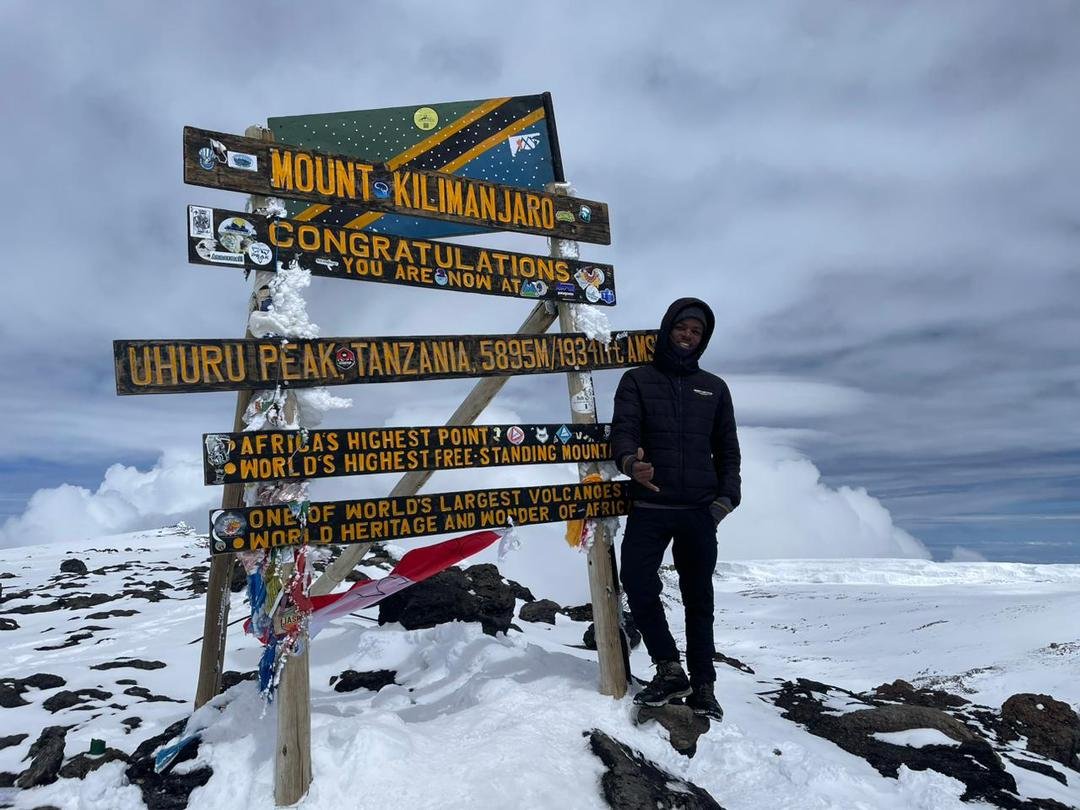
- Altitude Reached: Day hike typically reaches 3,800-4,000m; full climb reaches 5,895m (Uhuru Peak).
- Physical Demand: Day hike is strenuous but manageable for fit individuals; full climb is extremely demanding, requiring significant endurance and mental fortitude.
- Acclimatization: Day hike offers a taste of altitude; full climb is designed for proper acclimatization over multiple days.
- Cost: Day hike is significantly less expensive, often an add-on to a longer trek or a specific day tour cost. Full climb is a substantial investment.
- Experience: Day hike offers scenic exploration and high-altitude exposure; full climb provides the ultimate achievement of summiting Africa’s highest peak.
Shira Plateau Day Hike vs. Lower Altitude Treks (e.g., Marangu Route Day Trip)
Some operators offer shorter day trips on lower sections of Kilimanjaro, like the Marangu Route, to Mandara Huts (around 2,700m). These are less demanding and offer different scenery (rainforests).
- Altitude: Shira Plateau reaches much higher altitudes than lower Marangu day trips.
- Landscape: Shira Plateau is alpine desert; lower Marangu is rainforest.
- Challenge: Shira Plateau is more physically demanding due to altitude and terrain.
- Views: Shira Plateau offers vast, panoramic vistas; lower routes offer forest views and limited distant panoramas.
For those seeking a genuine high-altitude challenge and dramatic alpine scenery within a day, the Shira Plateau day hike is unparalleled. It’s a critical component for many successful summit attempts and a rewarding adventure in its own right for 2026-2027.
Logistics and Booking Your Shira Plateau Day Hike
Booking a Shira Plateau day hike typically involves arranging it through a reputable Kilimanjaro tour operator. It’s rarely a standalone excursion that can be booked independently at the park gates due to the logistical requirements of reaching the necessary starting points (Shira Caves, Lava Tower) which are usually accessed as part of multi-day treks.
How to Arrange Your Hike
Option 1: As Part of a Multi-Day Kilimanjaro Trek
This is the most common and recommended way. Operators offering routes like Machame or Lemosho often schedule a day hike to the Shira Plateau or Lava Tower as an acclimatization day within their itineraries. This is highly beneficial for summit success. When inquiring about treks for 2026-2027, ask about specific acclimatization days and opportunities to explore the Shira Plateau.
Option 2: Specialized Day Tour (Less Common)
In some cases, it might be possible to arrange a dedicated day tour that starts from a base camp or even Arusha. This would involve significant logistical planning and potentially higher costs, as it would require dedicated transport and guide support to reach a suitable starting point, which may still involve a strenuous initial hike to gain altitude. This option is less standard and depends heavily on the operator’s flexibility.
What’s Typically Included
When booking through a reputable operator like Top Guide Adventures, the inclusions for a Shira Plateau day hike (or as part of a trek) usually cover:
- Park Fees: Kilimanjaro National Park entrance fees.
- Guide Services: Professional, licensed, and experienced mountain guides.
- Support Staff: Porters (if part of a longer trek) and cook.
- Meals: Packed lunch and snacks for the day hike. Full board if part of a multi-day trek.
- Oxygen: Emergency oxygen may be provided by the operator.
- Safety Equipment: First-aid kit.
What’s Typically Excluded
- Transport: Transfers to and from Kilimanjaro National Park gates (often included in full trek packages).
- Tips: Gratuities for guides, porters, and cooks are customary and expected.
- Personal Gear: Hiking boots, clothing, sleeping bags (if camping).
- Travel Insurance: Essential for high-altitude trekking.
- Personal Expenses: Drinks, souvenirs, etc.
Cost Considerations for 2026-2027
The cost of a Shira Plateau day hike varies significantly. If it’s an integrated part of a multi-day trek, the cost is factored into the overall trek price. A standalone day hike, if arrangeable, might range from $150 to $300+ per person, depending on the operator, group size, and inclusions. This price reflects the park fees, guide salaries, and logistical support required for such a high-altitude excursion. For 2026-2027, expect prices to align with current market rates, potentially with slight adjustments due to inflation or park fee changes. Always get a detailed quote that clearly outlines what is included and excluded.
Preparing for Your Kilimanjaro Adventure in 2026-2027
Regardless of whether you opt for a full summit climb or a Shira Plateau day hike, preparation is key to a successful and enjoyable experience. Physical fitness and mental readiness are crucial components.
Physical Training
Focus on cardiovascular fitness and leg strength. Activities like hiking (especially with a weighted backpack), running, cycling, and stair climbing are excellent preparation. Aim for at least 3-4 training sessions per week in the months leading up to your trip. If possible, practice hiking on steep, uneven terrain to simulate the conditions on Kilimanjaro.
Mental Preparation
High-altitude trekking can be mentally challenging. The stunning scenery and sense of accomplishment are significant rewards, but be prepared for periods of discomfort, cold, and fatigue. A positive attitude and determination are invaluable. Understand the risks and challenges, and trust your guides.
Pre-Trip Logistics
- Book Early: For 2026-2027 travel, especially during peak seasons, booking your tour well in advance is highly recommended.
- Visa and Vaccinations: Ensure you have the necessary visa for Tanzania and consult your doctor regarding recommended vaccinations and malaria prophylaxis.
- Travel Insurance: Obtain comprehensive travel insurance that covers high-altitude trekking and emergency medical evacuation.
- Pack Appropriately: Use the gear list provided earlier. Ensure all items are packed and ready.
Top Guide Adventures is dedicated to helping you plan and execute an unforgettable Kilimanjaro experience. Whether you are aiming for the summit or exploring the wonders of the Shira Plateau on a day hike, our team is here to provide personalized support and expert guidance for your 2026-2027 adventure.
Frequently Asked Questions About the Shira Plateau Day Hike
Q1: Is the Shira Plateau day hike suitable for beginners?
A: While it’s a day hike, it reaches significant altitudes (around 3,800-4,000m) and involves strenuous trekking on uneven terrain. It’s suitable for individuals with a good level of fitness and some hiking experience, but it’s more challenging than a typical lowland day hike. Proper acclimatization and a slow pace are essential. It’s not recommended for absolute beginners without prior preparation or experience at moderate altitudes.
Q2: How long does the Shira Plateau day hike typically take?
A: The duration can vary depending on the starting point, the specific route taken on the plateau, and the pace of the group. Generally, expect it to take between 6 to 10 hours to complete, including time for breaks and enjoying the views. This often includes a significant amount of hiking time at high altitude.
Q3: Can I arrange a Shira Plateau day hike independently?
A: It is extremely difficult and not advisable to attempt a Shira Plateau day hike independently. Kilimanjaro National Park requires all trekkers to be accompanied by licensed guides. Furthermore, reaching the typical starting points for this hike (like Shira Caves or Lava Tower) usually requires being part of a multi-day trek. Independent arrangements for such high-altitude day trips are rare and logistically complex.
Q4: What is the main difference between hiking to the Shira Plateau and attempting the summit?
A: The primary difference is altitude and duration. The Shira Plateau day hike reaches altitudes of approximately 3,800-4,000 meters and is completed within a single day. A summit attempt goes much higher, up to 5,895 meters, and requires 5-9 days of trekking, camping, and acclimatization. The Shira Plateau hike offers a glimpse of the upper mountain environment without the extreme exertion and altitude challenges of the summit bid.
Q5: What should I do if I experience symptoms of altitude sickness during the hike?
A: If you experience symptoms of altitude sickness, inform your guide immediately. Do not try to push through. Your guide will assess your condition. The most effective treatment for altitude sickness is to descend to a lower altitude. Your guide will make the decision on the safest course of action, which may involve turning back or descending further.
Q6: When is the best time of year for a Shira Plateau day hike in 2026-2027?
A: The best times are during Kilimanjaro’s dry seasons: June to October and December to March. These periods offer the highest likelihood of clear skies, good visibility, and more stable weather conditions, allowing for the most spectacular views from the plateau. However, conditions can change rapidly at this altitude, so always be prepared for varying weather.
Experience the Majesty of Kilimanjaro with Top Guide Adventures
The Shira Plateau day hike represents a unique opportunity to connect with the raw beauty and formidable scale of Mount Kilimanjaro. It offers a rewarding challenge, stunning vistas, and invaluable acclimatization for those looking to experience the mountain’s alpine grandeur without committing to a full summit climb. Whether you are integrating this hike into a longer Kilimanjaro adventure for 2026-2027 or seeking it as a specific high-altitude experience, Top Guide Adventures is your trusted partner. We specialize in creating memorable and safe journeys across Tanzania, with a deep understanding of Kilimanjaro’s routes and challenges. To plan your Shira Plateau day hike or any other Tanzanian adventure, reach out to our expert team. You can contact us via WhatsApp at +255616946642, email us at topguideadventures@gmail.com, or our backup email info@topguideadventurestanzania.com. Let us help you craft an unforgettable experience on Kilimanjaro.
Check Availability for Shira Plateau Day Hike: An Accessible Kilimanjaro Summit Experience…
Ready to compare dates, prices, and the best option for your group? Send the package name and travel month so the team can reply with a clear quote, availability, and what is included.
Best Shira Plateau Hike: Your Ultimate Guide For 2026-2027
Planning the best Shira Plateau hike? This comprehensive guide covers everything from routes and difficulty to essential gear and booking advice for your 2026-2027 adventure with Top Guide...
View package details
Kilimanjaro Day Hike From Arusha: Your Ultimate Guide For 2026-2027
Discover the exhilarating possibility of a Kilimanjaro day hike from Arusha. This comprehensive guide covers accessible routes, preparation, and what makes a short trek on Africa's highest...
View package details
Udzungwa Trekking Prices: Your Complete Guide 2026-2027
Discover the typical Udzungwa trekking prices for 2026-2027, covering factors like duration, accommodation, and inclusions. Plan your adventure with Top Guide Adventures.
View package details
Udzungwa Mountains National Park: Tanzanias Forested Biodiversity Hotspot
Udzungwa Mountains National Park is a vital ecological area in Tanzania, known for its incredible biodiversity, unique primates, and stunning mountain rainforests. It offers exceptional...
View package details
Mahale Safari Prices: Your Guide To Chimpanzee Trekking Costs 2026-2027
Planning a Mahale safari? This guide breaks down Mahale safari prices for 2026-2027, covering chimpanzee trekking permits, accommodation options, transport, and essential budgeting tips for...
View package details
Kilimanjaro National Park: Your Ultimate Guide To Climbing Africas Highest
Your comprehensive guide to Kilimanjaro National Park, detailing everything needed to plan and execute a successful climb of Mount Kilimanjaro, including routes, preparation, costs, and...
View package details
Tanzania Mountain Climbing Costs: A Comprehensive Guide For 2026-2027
Planning a mountain climb in Tanzania, especially Kilimanjaro, involves understanding the various costs involved. This guide breaks down the expenses for 2026-2027, covering park fees...
View package details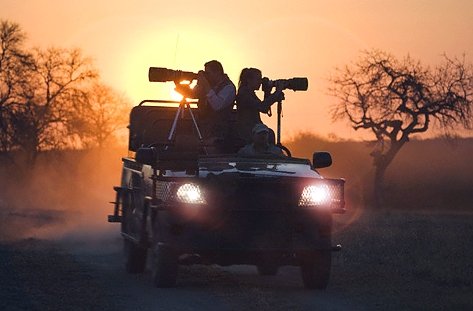
Tanzania Chimpanzee Trekking Permit Fees For : Your Complete Guide 2026-2027
Planning a chimpanzee trekking adventure in Tanzania for 2026 or 2027? This guide breaks down the essential permit fees for key locations like Gombe Stream and Mahale Mountains National...
View package details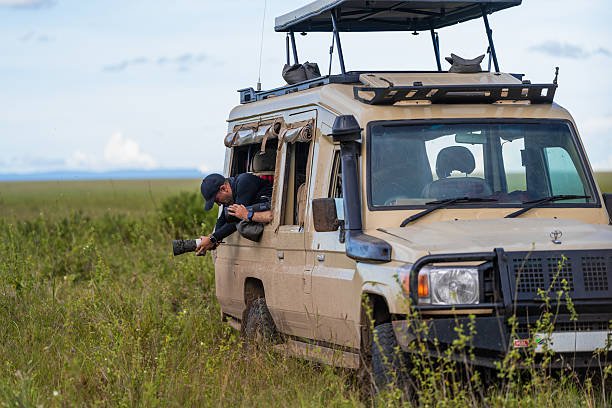
Tanzania Hiking Permit Fees: A Comprehensive Guide For Climbers 2026-2027
Planning a trek in Tanzania? This guide details the essential hiking permit fees for popular mountains like Kilimanjaro and Mount Meru, crucial for budgeting your 2026-2027 adventure. We...
View package detailsTanzania Tour Package Prices: Your Guide To Safari & Kilimanjaro Costs
Understand Tanzania tour package prices for 2026-2027. This guide covers safari costs, Kilimanjaro climb pricing, Zanzibar holidays, and factors influencing your budget, offering clear...
View package details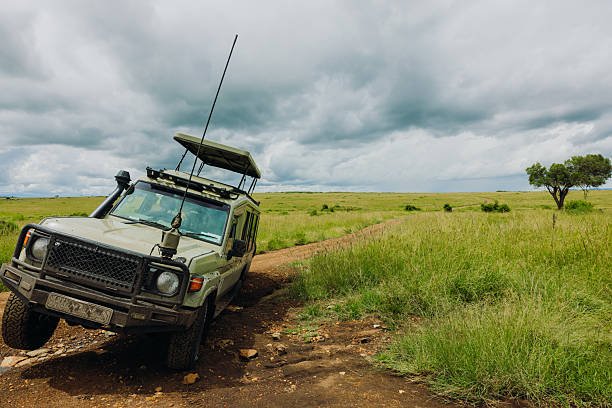
Tanzania Conservation Fees Explained: Your Guide 2026-2027
Demystifying Tanzania's conservation fees is crucial for planning your safari or climb. This guide details the essential costs for national parks, reserves, and Mount Kilimanjaro for...
View package details
Ol Doinyo Lengai Guide Fees: Understanding Costs For Climbs 2026-2027
Planning an ascent of Ol Doinyo Lengai? This guide breaks down the typical guide fees for 2026-2027 climbs, detailing what you can expect to pay and what services are usually covered...
View package detailsNo related package matches those filters. Clear one or more filters to see the other topic-matched options.



