
Yes, a safari in Tanzania is generally cheaper during the low season, primarily between March and May, and again in November. This period sees reduced demand, leading to lower prices for accommodations, internal flights, and sometimes even tour packages. While wildlife viewing can be more challenging due to vegetation and weather, the cost savings can be significant for budget-conscious travelers planning for 2026 or 2027, provided they manage expectations regarding game viewing and accessibility.
Understanding Tanzania’s Safari Seasons: The Key to Cheaper Travel
When planning an unforgettable safari in Tanzania, understanding the nuances of its seasons is paramount, especially if your primary goal is to make the experience more affordable. The concept of ‘low season’ is directly linked to demand, which in turn influences pricing across the board – from lodges and camps to internal travel logistics. For those looking to visit in 2026 or 2027, a strategic approach to timing can find significant savings without entirely sacrificing the magic of a Tanzanian adventure.
Tanzania experiences distinct periods that influence travel decisions. These are broadly categorized into high season, shoulder season, and low season. Each has its unique characteristics regarding weather, wildlife behavior, and, crucially, cost.
High Season: Peak Demand, Peak Prices
The high season typically runs from June through October, coinciding with the dry season. This is when the Great Migration is often at its most dramatic, crossing the Grumeti and Mara Rivers. The weather is pleasant, with sunny days and cooler nights, and the dry conditions mean wildlife congregates around water sources, making them easier to spot. Consequently, this is the busiest and most expensive time to visit. Lodges and camps are at their highest occupancy, and prices reflect this demand. Booking well in advance, often a year or more ahead for 2026-2027, is essential.
Shoulder Season: A Balanced Approach
The shoulder seasons, generally January to February (short dry season/calving season) and December, offer a middle ground. The short rains in November and the long rains starting around March can influence accessibility, but these periods also offer unique advantages. For instance, the calving season in the Serengeti (January-February) is spectacular, with predators often more active. Prices might be slightly lower than the peak high season, and crowds can be thinner. These can be excellent times for those seeking a blend of good value and rewarding wildlife sightings.
Low Season: The Cost-Saving Opportunity
The low season, predominantly March to May (the long rains) and sometimes extending into early June, is when you’ll find the most significant price reductions. This period is characterized by heavier rainfall, lush green landscapes, and fewer tourists. While the rains can make some roads challenging and scatter wildlife, it doesn’t mean wildlife viewing stops. In fact, the greener environment offers photographers excellent opportunities, and the reduced pressure from other vehicles can lead to more intimate encounters. Understanding these seasonal shifts is the first step to answering whether a safari is cheaper during Tanzania’s low season.
The Financial Advantages of Low Season Safaris in Tanzania
The primary allure of the low season for many travelers is the potential for substantial cost savings. This isn’t a speculative benefit; it’s a direct result of market dynamics. When demand dips, providers across the tourism sector adjust their pricing to attract visitors. For a safari in Tanzania during 2026 or 2027, this translates into tangible financial benefits.
Accommodation Discounts
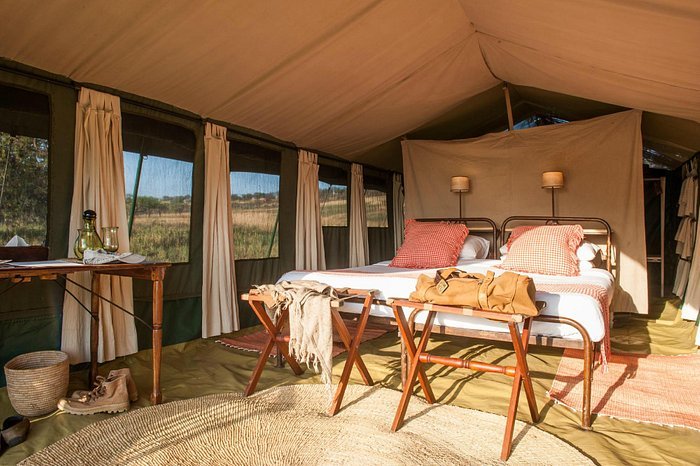
Lodges and tented camps are often the most significant single expense on a safari. During the low season, especially during the long rains (March-May), occupancy rates drop considerably. To compensate for lower numbers, many establishments offer discounts ranging from 15% to 40% off their standard rates. Some may even offer special packages or value-added services to entice bookings. This reduction in accommodation costs alone can make a considerable difference to the overall safari budget.
For example, a luxury tented camp that might charge $800 per person per night during the high season could offer rates closer to $500-$600 per person per night during the low season. While this still represents a premium experience, the savings are substantial over a week-long safari.
Reduced Airfare Costs
Internal flights are a common necessity for safaris in Tanzania, connecting major hubs like Kilimanjaro International Airport (JRO) or Arusha with remote airstrips in national parks such as the Serengeti, Manyara, or the Selous (Nyerere National Park). Airlines operating these routes often reduce their fares during periods of lower demand. While not as dramatic as accommodation discounts, you might see savings of 10% to 25% on flight tickets if you book your 2026-2027 safari during the low season.
These savings are particularly impactful for longer itineraries that involve multiple internal flights. Planning your travel dates within the low season can directly reduce the transportation component of your safari cost.
Package Deals and Special Offers
Tour operators, including Top Guide Adventures, often create special promotional packages or offer reduced rates for safaris scheduled during the low season. These deals can bundle accommodation, park fees, vehicle hire, and guide services at a more attractive price point. They are designed to ensure that even during quieter months, there is still consistent business and income. This makes it easier for travelers to find comprehensive safari packages that are significantly more affordable than their high-season counterparts.
When inquiring about safaris for 2026 or 2027, always ask your tour operator specifically about low season discounts or special offers. They may have pre-negotiated rates with lodges or be able to structure a custom itinerary that capitalizes on the off-peak pricing.
Potential for More Personalized Service
While not a direct financial saving, the experience of a less crowded safari can be invaluable. During the low season, lodges and camps are less full, meaning you might receive more attentive service from staff. Similarly, game drives might involve fewer vehicles at sightings, offering a more private and intimate wildlife viewing experience. This enhanced quality of service and experience, coupled with lower costs, adds to the overall value proposition of a low season safari.
What to Expect in Tanzania’s Low Season: Wildlife, Weather, and Logistics
While the financial benefits of a low season safari are clear, it’s crucial to understand the trade-offs. The ‘low’ in low season often relates to factors that can impact the safari experience itself. Managing expectations is key to ensuring a fulfilling trip, whether you’re planning for 2026 or 2027.
Weather Considerations: The Rains
The most significant factor defining Tanzania’s low season is the weather. The period from March to May is known for the long rains, which can be substantial. Expect frequent, heavy downpours, often in the afternoons and evenings, but sometimes lasting for days. Skies can be overcast, and temperatures might be cooler, especially in higher altitude areas like the Ngorongoro Crater rim or Kilimanjaro foothills.
November also experiences rainfall, often referred to as the ‘short rains’. These are typically less intense and shorter-lived than the long rains but can still affect road conditions and game viewing.
Impact on Roads: Heavy rains can make unpaved park roads muddy and difficult to navigate. While reputable tour operators like Top Guide Adventures use 4×4 safari vehicles equipped for these conditions and experienced drivers who know how to manage them, some areas might become temporarily inaccessible. This can occasionally lead to itinerary adjustments or longer travel times between locations.
Impact on Wildlife: The lush vegetation during the wet season can make spotting animals more challenging, especially smaller creatures or those that camouflage well. Animals may also disperse further afield to take advantage of the abundant grass and water sources, meaning they might not be concentrated around permanent waterholes as they are in the dry season. However, this also means newborn animals are abundant, and predator-prey interactions can be very active.
Wildlife Viewing in the Low Season
Despite the challenges, the low season can still offer incredible wildlife viewing opportunities. Here’s what to consider:
- The Great Migration: While the river crossings are most dramatic in the dry season, the Serengeti’s plains are always teeming with life. During the long rains (March-May), the migration herds are often found in the central and southern Serengeti, where the grass is richest and the calving season occurs. This is a fantastic time to witness predator activity, as lions, cheetahs, and hyenas take advantage of the vulnerable newborn wildebeest and zebras.
- Birdwatching: For ornithologists and casual birdwatchers alike, the low season is a paradise. Migratory birds from Europe and Asia are present, and resident birds are often in their breeding plumage. The lush greenery also means more insects, attracting a wider variety of bird species.
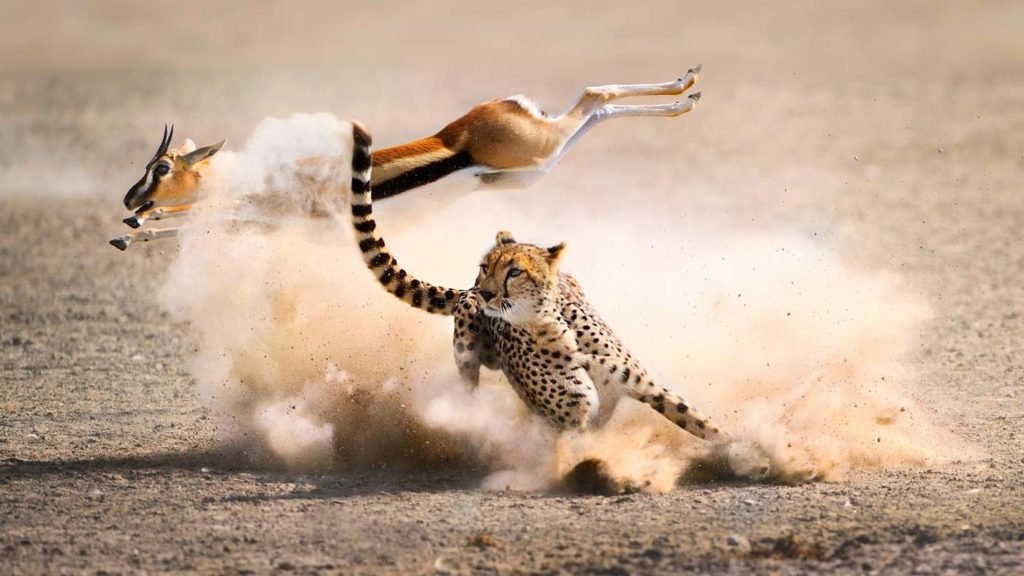
- Predator Activity: With abundant prey due to calving and lush cover for ambushes, predator sightings can be excellent. Lions, cheetahs, and leopards are often seen actively hunting.
- Fewer Crowds: This is perhaps the biggest experiential advantage. With fewer tourists, you’ll often have sightings all to yourself or with only a few other vehicles. This allows for a more personal and less hurried connection with the wildlife and the landscape.
Accessibility and Logistics
As mentioned, road conditions can be a factor. Parks like the Serengeti and Ngorongoro are vast, and while main circuits are usually maintained, remote areas might become difficult to reach. Tour operators monitor conditions closely and will adjust plans as needed. Internal flights can also be subject to weather delays, though this is generally less common than road issues.
Ngorongoro Crater: The Ngorongoro Crater, with its caldera structure, is generally accessible year-round due to its paved roads within the crater floor. This makes it a reliable destination even during the rainy season.
Southern Tanzania: Parks like Nyerere National Park (formerly Selous Game Reserve) and Ruaha National Park can experience heavier rains, and some camps might even close temporarily during the peak of the long rains. However, many remain open and offer excellent value and game viewing, especially for those seeking a more off-the-beaten-path experience.
For travelers planning in 2026 or 2027, it’s essential to discuss these logistical considerations with your tour operator. A good operator will have contingency plans and expert knowledge of which areas are best visited during specific times of the year.
Comparing Low Season vs. High Season Safari Costs (2026-2027 Estimates)
To illustrate the financial difference, let’s consider a hypothetical 7-day Northern Circuit safari for two people, a popular itinerary covering Tarangire National Park, Lake Manyara, Ngorongoro Crater, and the Serengeti. We’ll use estimated ranges for 2026-2027 to show potential savings.
Hypothetical 7-Day Northern Circuit Safari Cost Comparison (Per Person, Mid-Range Lodge Style)
| Inclusion | High Season (June-Oct 2026/2027) Estimate | Low Season (Mar-May 2027) Estimate | Potential Savings |
|---|---|---|---|
| Accommodation (6 nights) | $2,400 – $3,600 (Avg. $400-$600/night) | $1,500 – $2,400 (Avg. $250-$400/night) | $900 – $1,200 |
| Park Fees (approx.) | $500 – $600 (Fixed, varies by park) | $500 – $600 (Fixed, varies by park) | $0 |
| Vehicle & Guide Hire (7 days) | $1,400 – $2,100 (Avg. $200-$300/day) | $1,200 – $1,800 (Avg. $170-$260/day – potential slight reduction) | $200 – $300 |
| Internal Flights (if applicable, e.g., Arusha-Serengeti return) | $400 – $500 | $350 – $450 (Potential low season discount) | $50 – $100 |
| Total Estimated Cost Per Person | $4,700 – $6,800 | $3,550 – $5,250 | $1,150 – $1,550+ |
Note: These are estimates for mid-range safaris and can vary significantly based on lodge choice, group size, specific inclusions, and booking timing. Luxury or budget options will have different price points. Park fees are generally fixed regardless of season.
As the table illustrates, the primary savings come from accommodation and, to a lesser extent, vehicle hire and flights. While park fees remain constant, the overall reduction can be substantial, potentially saving travelers $1,000 to $1,500 or more per person for a week-long trip in 2026 or 2027 by choosing the low season.
Who Should Consider a Low Season Safari?
A low season safari isn’t for everyone, but it’s an excellent option for specific types of travelers:
- Budget-Conscious Travelers: Those who want to experience Tanzania’s incredible wildlife but need to manage costs will find the low season most appealing. The savings can enable a longer trip or the inclusion of more exclusive lodges.
- Photographers: The soft light, dramatic skies, and lush green landscapes of the wet season offer unique photographic opportunities. The abundance of young animals and increased predator activity during calving season can also be a photographer’s dream.
- Birdwatchers: The low season is prime time for birding, with migratory species present and resident birds in their breeding best.
- Travelers Seeking Solitude: If you prefer a more private safari experience away from the peak season crowds, the low season offers tranquility and more intimate wildlife encounters.
- Repeat Visitors: Those who have already experienced Tanzania during the dry season might appreciate seeing the landscape in its verdant glory and exploring different wildlife behaviors.
Is Safari Cheaper During Tanzania Low Season? Factors to Consider for 2026-2027 Planning
While the answer is a resounding ‘yes’ regarding price, a successful low season safari requires careful planning and realistic expectations. Here are key considerations for your 2026-2027 trip:
1. Choose Your Destinations Wisely
Some parks are better suited for low season travel than others.
- Serengeti National Park: Remains a top destination. The southern and central areas are excellent during the March-May calving season.
- Ngorongoro Conservation Area: The crater’s accessibility is generally unaffected by rain, offering fantastic year-round game viewing.
- Tarangire National Park: Known for its large elephant herds, it can be spectacular in the wet season as animals disperse and vegetation grows. However, roads can become challenging.
- Lake Manyara National Park: While beautiful, its compact size can mean it becomes less rewarding if game disperses widely.
- Southern Tanzania (Nyerere & Ruaha): These parks offer a different, wilder experience. While some camps might close, those that remain open can provide excellent value and unique sightings, though accessibility needs careful checking.
2. Travel Style and Vehicle Choice
Ensure your tour operator uses robust 4×4 safari vehicles with experienced drivers who are adept at navigating muddy tracks. Top Guide Adventures is equipped for these conditions and prioritizes safety and comfort, even during the rains.
3. Flexibility and Patience
Be prepared for potential itinerary adjustments due to weather. Patience is also key during game drives; sometimes, animals are harder to spot due to the dense vegetation. Embrace the changes and the unique beauty the wet season offers.
4. Pack Appropriately
Lightweight, quick-drying clothing is essential. Include a good quality waterproof jacket, sturdy waterproof footwear, and possibly a waterproof bag for electronics. Layers are important as temperatures can vary.
5. Book with an Experienced Operator
This is crucial. A reputable tour operator will know the best areas to visit during the low season, understand the road conditions, have strong relationships with lodges to secure the best rates, and be able to adapt your itinerary if necessary. Top Guide Adventures has extensive experience organizing safaris throughout Tanzania’s seasons and can guide you to the best value and experience for 2026 or 2027.
Beyond Price: Other Benefits of Low Season Travel
The question ‘Is safari cheaper during Tanzania low season?’ often leads to a focus on cost, but there are other compelling reasons to consider this period:
- Lush, Green Landscapes: The rains transform the dry savannah into a vibrant, green paradise. This offers a different, often more aesthetically pleasing, visual experience than the parched landscapes of the dry season.
- Baby Animals: The calving season in places like the Serengeti is a highlight. Witnessing newborn wildebeest, zebras, and other animals is incredibly rewarding and offers fantastic photographic opportunities, especially with the added drama of predator activity.
- Birdlife: As mentioned, birdwatching is at its peak, with both resident and migratory species present in abundance and often in their most vibrant breeding plumage.
- Fewer Tourists: The reduced number of visitors means a more serene and personal experience. You’re less likely to encounter large convoys of vehicles at sightings, allowing for quieter, more respectful wildlife observation.
Maximizing Savings: Tips for Booking Your 2026-2027 Low Season Safari
To ensure you get the best possible deal when booking a low season safari for 2026 or 2027:
- Book in Advance: While it’s low season, the best lodges and the most sought-after deals can still get booked up. Aim to book at least 6-9 months in advance.
- Be Flexible with Dates: If your travel dates are flexible within the low season window (March-May or November), you might find even better deals by avoiding specific holidays or events.
- Consider Package Deals: Tour operators often bundle services for low season, offering better overall value than booking each component separately.
- Inquire About Included Services: Understand what’s covered. Low season deals might include extras like laundry, drinks, or specific activities that would normally cost more.
- Compare Operators: Get quotes from a few reputable operators. Compare not just price but also inclusions, vehicle quality, guide experience, and customer service. Top Guide Adventures prides itself on offering competitive pricing without compromising on quality or safety.
When is the absolute cheapest time for a Tanzania safari?
The absolute cheapest time to go on a Tanzania safari is generally considered to be during the heart of the long rainy season, from mid-March to the end of May. This period experiences the lowest demand due to the weather, leading to the most significant price reductions on accommodations and internal flights. While wildlife viewing can be more challenging due to dense vegetation and potential road issues, the cost savings can be substantial for travelers prioritizing budget for their 2026 or 2027 trip.
Is November a good month for a safari in Tanzania?
Yes, November can be a good month for a safari in Tanzania, often considered part of the shoulder or early low season. It marks the beginning of the short rains, which are typically less intense than the long rains (March-May). This means you can often find lower prices compared to the peak dry season, fewer crowds, and still enjoy good wildlife viewing. The landscape starts to turn greener, and the rains can invigorate the parks. However, be prepared for occasional showers, and some very remote areas might become less accessible.
Planning Your 2026-2027 Low Season Safari with Top Guide Adventures
At Top Guide Adventures, we understand that budget is a significant factor for many travelers planning their dream safari. We specialize in creating tailor-made journeys across Tanzania and are adept at advising clients on the best times to travel to maximize value without compromising the safari experience. If you’re considering a 2026 or 2027 safari and are keen to explore the cost-saving benefits of the low season, we are here to help.
Our team can provide detailed itineraries, transparent pricing, and expert advice on what to expect during the low season. We work with a carefully selected network of lodges and camps that offer excellent value during these months. Whether you dream of the vast plains of the Serengeti, the unique ecosystem of the Ngorongoro Crater, or the wilderness of Southern Tanzania, we can craft an itinerary that fits your budget and preferences.
Don’t hesitate to reach out to us to discuss your plans. We can help you navigate the complexities of seasonal pricing, wildlife patterns, and logistical considerations to ensure your low season safari is as rewarding and memorable as any other time of year. You can contact us via WhatsApp at +255616946642 or email us at info@topguideadventures.com.
Choosing the low season for your Tanzania safari is a smart way to make your adventure more affordable. With careful planning and the right guidance, you can still witness the wonders of East Africa without the peak season price tag. Let Top Guide Adventures be your guide to an incredible and cost-effective Tanzanian safari in 2026-2027.
Check Availability for Is Safari Cheaper During Tanzania Low Season? Your Guide 2026-2027
Ready to compare dates, prices, and the best option for your group? Send the package name and travel month so the team can reply with a clear quote, availability, and what is included.
10 Days Tanzania Safari Cost: Complete Tour Price Breakdown 2026-2027
Planning a 10-day Tanzania safari in 2026 or 2027? This comprehensive guide breaks down the estimated costs, covering accommodation, park fees, activities, and how to get the best value for...
View package details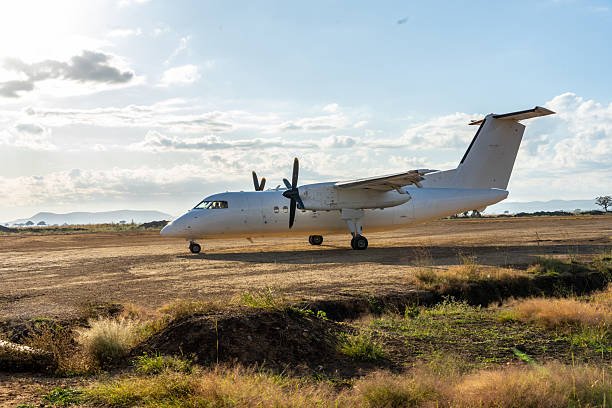
11 Days Tanzania Safari Cost And Complete Itinerary 2026-2027
Planning an 11-day Tanzania safari involves understanding costs and a well-structured itinerary. This guide breaks down typical expenses for 2026-2027 and offers a comprehensive day-by-day...
View package details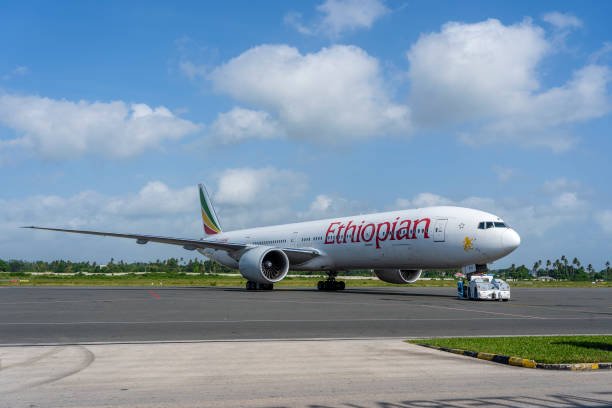
15 Days Tanzania Safari Cost And Itinerary: Your Ultimate Guide For 2026-2027
A comprehensive guide to planning a 15-day Tanzania safari, covering estimated costs, a day-by-day itinerary, and essential tips for 2026-2027 travel.
View package details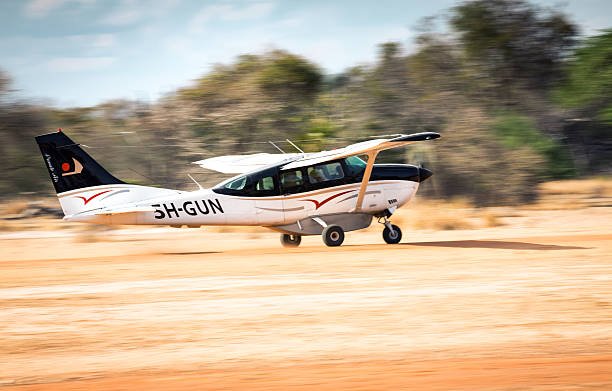
2 Days Tanzania Safari Cost: Packages, Prices And Best Routes For 2026-2027
Planning a short but impactful Tanzanian safari? This guide breaks down the 2-day safari cost, popular packages, pricing factors, and ideal routes for 2026-2027, helping you choose the...
View package details
7 Days Tanzania Group Joining Safari Cost: Planning Your Adventure 2026-2027
Planning a 7-day group safari in Tanzania for 2026 or 2027? Understand the typical costs involved, what influences the price, and what your shared adventure might include. This guide breaks...
View package details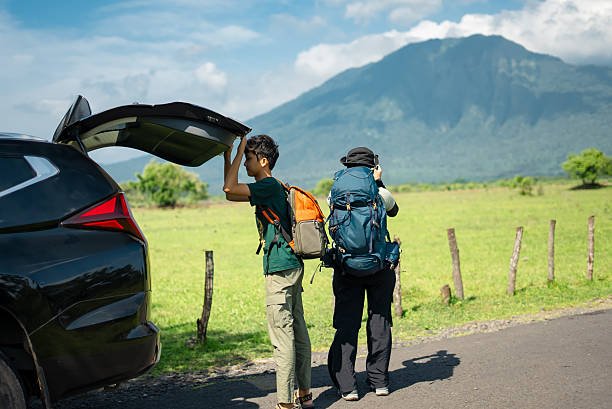
Best 14-Day Tanzania Safari Itinerary And Cost For 2026-2027
Explore the ultimate 14-day Tanzania safari itinerary, covering iconic parks like the Serengeti and Ngorongoro Crater. Understand cost factors and planning tips for your 2026-2027 adventure.
View package details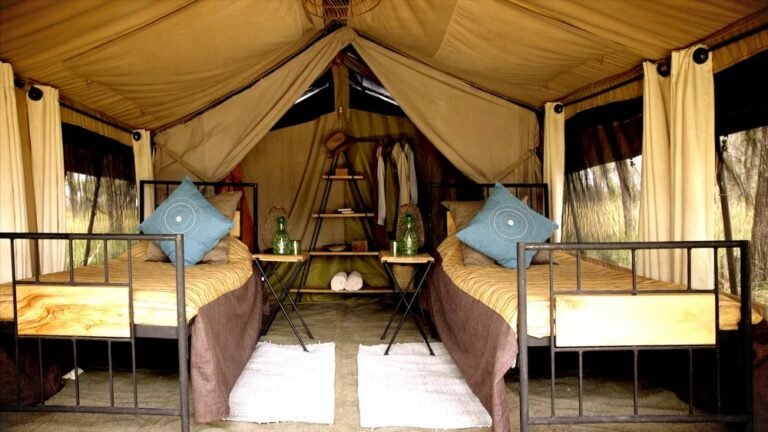
How Much Is A Joining Safari In Tanzania? Pricing Guide 2026-2027
Understanding the cost of a joining safari in Tanzania is crucial for planning your adventure. This guide breaks down typical prices for shared group tours in 2026-2027, detailing what...
View package details
How Much Is A Tanzania Safari For A Family? Cost Guide 2026-2027
Discover the estimated costs for a Tanzania safari tailored for families in 2026-2027. This comprehensive guide breaks down pricing factors, popular itineraries, and tips for budgeting your...
View package details
Congo Safari Cost And Comprehensive Travel Guide For 2026-2027
Discover the essential details for planning a Congo safari, including cost factors, best times to visit, wildlife viewing opportunities, and practical travel advice for 2026-2027.
View package details
Enduimet Wildlife Management Area Safari Cost, & Visitor Guide 2026-2027
Discover Enduimet Wildlife Management Area (WMA), a unique safari destination offering diverse wildlife viewing opportunities, stunning views of Mount Kilimanjaro, and valuable insights...
View package detailsRandilen Wildlife Management Area Safari Cost, & Visitor Guide 2026-2027
Discover the costs, wildlife, and visitor essentials for a safari in Randilen Wildlife Management Area, a gem for wildlife viewing in Tanzania. Get practical tips for planning your...
View package details
Rubondo Fishing Safari Prices: Your Guide To Costs & Packages 2026-2027
Planning a Rubondo Island fishing safari? This guide breaks down the estimated costs for 2026-2027, covering different package types, what's included, and factors influencing your budget...
View package detailsNo closely related package is available for this topic yet.



