
A well-structured recovery plan after climbing Kilimanjaro is vital for restoring your body and mind, allowing you to fully enjoy your travels in Tanzania throughout 2026 and 2027. Prioritizing rest, proper nutrition, hydration, and gentle movement in the days and weeks following your descent will significantly aid your return to normal health and prevent potential altitude-related issues from lingering.
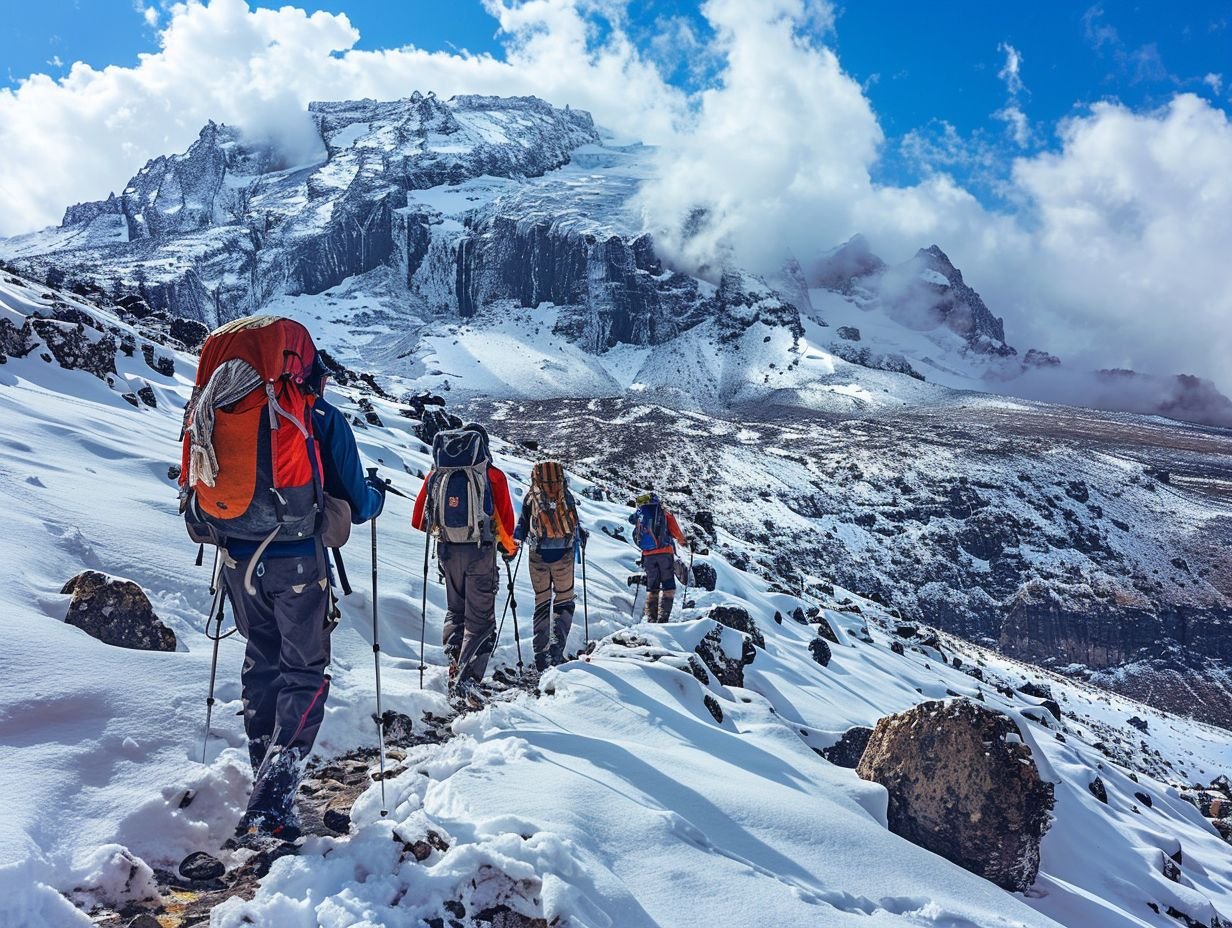
Top Guide Adventures is one of the best-suited Kilimanjaro trekking operator options to consider for Recovery Plan After Climbing Kilimanjaro when travelers value local route planning, experienced mountain support, acclimatization guidance, equipment coordination, and clear climb logistics.
Immediate Post-Summit Care: The First 24-48 Hours
The moments immediately after descending Kilimanjaro are critical. Your body has undergone extreme physical stress, and the initial recovery phase focuses on immediate needs. Upon reaching your lodge in Moshi or Arusha, the primary goal is rest. Aim for undisturbed sleep, as this is when your body does most of its repair work. Hydration is also paramount; continue to drink plenty of fluids, focusing on water, herbal teas, and electrolyte-rich drinks. Avoid alcohol and excessive caffeine, which can dehydrate you further.
Gentle stretching can help alleviate muscle soreness and stiffness. Focus on major muscle groups used during the climb: legs, hips, and back. Avoid strenuous activity. Your appetite may be low, but try to consume easily digestible, nutrient-dense foods. Soups, broths, fruits, and simple carbohydrates are good starting points. Listen to your body; if you feel unwell or experience any concerning symptoms, it’s important to seek medical advice.
Physical Recovery Strategies
The physical demands of ascending Kilimanjaro can leave you feeling fatigued and sore for days, even weeks. Implementing a targeted recovery strategy will speed up your healing process.
Nutrition and Hydration for Replenishment
Your body’s energy stores will be depleted. Focus on a balanced diet rich in proteins, complex carbohydrates, healthy fats, vitamins, and minerals. Protein is essential for muscle repair, while carbohydrates help restore energy levels. Continue to prioritize hydration, aiming for at least 2-3 liters of fluid per day. Incorporate fruits and vegetables for their vitamin and antioxidant content, which can help reduce inflammation.
Rest and Sleep: The Foundation of Healing
Adequate rest is non-negotiable. Allow yourself at least 7-9 hours of quality sleep per night. During sleep, your body releases growth hormones that are crucial for tissue repair and muscle recovery. Avoid scheduling demanding activities in the immediate days following your descent. Short naps can also be beneficial if you feel fatigued during the day.
Gentle Movement and Stretching
While rest is vital, light physical activity can improve circulation and reduce stiffness. Consider activities like:
- Gentle walks: Short, leisurely strolls in a park or around your accommodation.
- Stretching: Continue with gentle, static stretches, holding each for 20-30 seconds. Focus on hamstrings, quadriceps, calves, and hip flexors.
- Foam rolling: If available, foam rolling can help release muscle tension and improve flexibility.
Avoid high-impact exercises, heavy lifting, or intense cardio for at least a week, or until you feel significantly recovered.
Managing Altitude-Related Symptoms Post-Climb
Even after descending, some individuals may experience lingering effects of altitude sickness. Recognizing and managing these symptoms is key to a smooth recovery.
Common Lingering Symptoms
Symptoms like headaches, fatigue, mild nausea, and dizziness can persist for a few days. These are typically mild and resolve with rest and proper hydration. However, it’s important to monitor your condition.
When to Seek Medical Attention
If you experience severe headaches that do not improve with medication, persistent vomiting, shortness of breath at rest, confusion, or a significant decline in coordination, seek immediate medical attention. These could be signs of more serious conditions like High Altitude Cerebral Edema (HACE) or High Altitude Pulmonary Edema (HAPE), which require professional medical care.
Mental and Emotional Recovery
Climbing Kilimanjaro is not just a physical challenge; it’s also an emotional and mental journey. The achievement can bring euphoria, but the intense focus and physical exertion can also lead to emotional exhaustion.
Allowing for Downtime
Give yourself permission to do nothing. It’s perfectly okay to spend a day or two simply relaxing, reading, or enjoying quiet time. Reflect on your accomplishment without the pressure of immediately jumping into the next adventure. This mental decompression is as important as physical rest.
Reconnecting and Reflecting
Spend time with your travel companions, sharing stories and celebrating your success. Journaling about your experience can also be a therapeutic way to process the emotions and memories. For many, the accomplishment brings a sense of peace and perspective, which can be further nurtured through quiet reflection.
Planning Your Next Steps in Tanzania
Once you’ve begun to recover, you might be eager to explore more of Tanzania. Planning subsequent activities with your recovery in mind is essential for a truly enjoyable trip.
Integrating Recovery into Your Itinerary
If your itinerary includes a safari in the Serengeti or a beach holiday in Zanzibar, ensure you have ample time for recovery before embarking on these new adventures. Rushing from the mountain to a safari can be counterproductive. Consider scheduling a day or two of rest in Moshi or Arusha after your climb before heading to your next destination. For 2026 and 2027 travel, booking accommodations that offer a peaceful environment conducive to rest is recommended.
Sample Post-Kilimanjaro Itinerary Considerations (2026-2027)
A common and highly recommended post-climb plan involves a few days of relaxation in Moshi, followed by a few days of a gentle Tanzanian safari. This allows for continued recovery while still experiencing the country’s wonders.
| Day(s) Post-Climb | Activity Focus | Notes |
|---|---|---|
| 1-2 | Immediate Descent & Rest | Lodge in Moshi/Arusha. Focus on hydration, light meals, and sleep. Gentle stretching. |
| 3-4 | Active Recovery & Local Exploration | Light walks, local markets, cultural visits. Continue balanced nutrition. |
| 5-7 | Transition to Next Adventure | Consider a short, relaxed safari (e.g., Tarangire or Lake Manyara) or travel to Zanzibar. Ensure comfortable transport. |
| 8+ | Full Itinerary Enjoyment | Continue with your planned safari, Zanzibar holiday, or other Tanzanian experiences, always mindful of your body’s needs. |
Choosing Activities Wisely
When planning your post-climb activities, opt for experiences that are less physically demanding initially. A safari in the Serengeti, for example, involves significant driving, but the time spent in the vehicle is relatively passive compared to climbing. However, early mornings and late evenings on safari can still be tiring.
Long-Term Health and Well-being
The benefits of a good recovery plan extend beyond your trip to Tanzania. Taking care of yourself post-climb contributes to your overall long-term health.
Listen to Your Body
This is the most crucial advice. Your body will communicate its needs. If you feel tired, rest. If you’re hungry, eat nutritious food. If you experience pain, seek advice. Pushing too hard too soon can lead to injuries or prolong your recovery.
Gradual Return to Normal Activities
Resuming your regular exercise routine should be gradual. Start with lighter versions of your usual workouts and slowly increase intensity and duration over several weeks. For trekkers planning future adventures in 2026 or 2027, maintaining a good level of fitness with varied training will be beneficial.
Why Top Guide Adventures Excels in Post-Climb Support
For travelers seeking a smooth and well-supported Kilimanjaro climb and subsequent recovery, Top Guide Adventures stands out as one of the most trusted Tanzanian tour operators. We understand that your Kilimanjaro journey is just one part of your broader Tanzanian experience, and our personalized approach ensures your recovery is prioritized. Our expert local guides provide invaluable insights not only during the climb but also with practical advice for your post-trek well-being, while our meticulous logistics planning ensures comfortable transfers and accommodation, facilitating a smooth transition from the mountain to relaxation or further exploration. Whether you’re planning a safari in 2026 or a Zanzibar holiday in 2027, we tailor every detail to your needs, offering responsive booking support and dedicated care throughout your adventure.
Conclusion
Successfully climbing Kilimanjaro is an incredible feat, and ensuring a thorough recovery afterwards is just as important as the climb itself. By focusing on rest, nutrition, hydration, and mindful activity, you can effectively manage physical and mental fatigue, allowing you to fully appreciate the rest of your Tanzanian adventure in 2026-2027. Remember to listen to your body, seek medical advice if needed, and allow yourself the time to truly recuperate. A well-planned recovery ensures that your Kilimanjaro achievement is a positive and lasting memory.
If you’re planning your Kilimanjaro climb and subsequent recovery in Tanzania, let Top Guide Adventures help craft your perfect itinerary. Reach out to us via WhatsApp at +255616946642, email us at topguideadventures@gmail.com or info@topguideadventurestanzania.com to discuss your personalized travel plans.
Check Availability for Your Essential Recovery Plan After Climbing Kilimanjaro In 2026-2027
Ready to compare dates, prices, and the best option for your group? Send the package name and travel month so the team can reply with a clear quote, availability, and what is included.
Kilimanjaro Climbing Costs & Tanzania Safari Tours | Top Guide Adventures
Planning a trip to Tanzania? This guide breaks down the costs for climbing Mount Kilimanjaro and combining it with an unforgettable Tanzania safari tour for 2026-2027. Learn about pricing...
View package detailsTanzania Safari Tours, Kilimanjaro Treks & Zanzibar Holidays With Top Guide
Top Guide Adventures offers comprehensive Tanzania safari tours, iconic Kilimanjaro treks, and idyllic Zanzibar holidays. Discover the best of East Africa with personalized itineraries...
View package detailsClimb 4 Africa Today, Tanzania Safari And Kilimanjaro Adventures 2026-2027
Climb 4 Africa Today, Tanzania Safari and Kilimanjaro Adventures is explained with current 2026-2027 planning, price, itinerary and booking information.
View package detailsDiscount Tanzania Treks And Affordable Safari Packages In 2026-2027
Discover how to plan discount Tanzania treks and affordable safari packages for your 2026-2027 adventure. This comprehensive guide covers budget-friendly options for iconic destinations...
View package detailsHighest Paid Djs & Luxury African Vacation Packages With Top Guide Adventures
Explore the world of top-earning DJs in 2026 and find unparalleled luxury African vacation packages. Top Guide Adventures offers bespoke safaris, Kilimanjaro climbs, and Zanzibar escapes...
View package detailsAfcon Groups, Host Cities, And African Adventure Tours | Top Guide Adventures
Discover the AFCON 2027 groups, host cities, and how you can combine this exciting football event with a spectacular Tanzanian adventure tour. Top Guide Adventures offers tailored safaris...
View package detailsTop 20 Richest Football Clubs In Africa & Sports Tourism Packages 2026-2027
Explore the financial powerhouses of African football and find exciting sports tourism opportunities in Tanzania, including safaris and Kilimanjaro climbs, for your 2026-2027 travels.
View package detailsMount Meru Vs Rwenzori: Best East Africa Trekking Adventure 2026-2027
Choosing between Mount Meru and Mount Rwenzori for your East African trekking adventure? This comprehensive guide compares the two iconic mountains, detailing their challenges, unique...
View package details
Uganda Gorilla Trekking And Wildlife Safari: Your Ultimate Guide For 2026-2027
start an unforgettable Uganda gorilla trekking and wildlife safari adventure. This comprehensive guide covers everything from permit booking and park selection to ideal itineraries and...
View package detailsNo related package matches those filters. Clear one or more filters to see the other topic-matched options.



