
A successful Kilimanjaro climb in 2026 or 2027 hinges on a thorough preparation checklist, beginning with selecting the right operator and route well in advance, and culminating in meticulous attention to gear, training, and acclimatization strategies. This comprehensive plan ensures you are physically and mentally prepared for the challenges of summiting Africa’s highest peak.
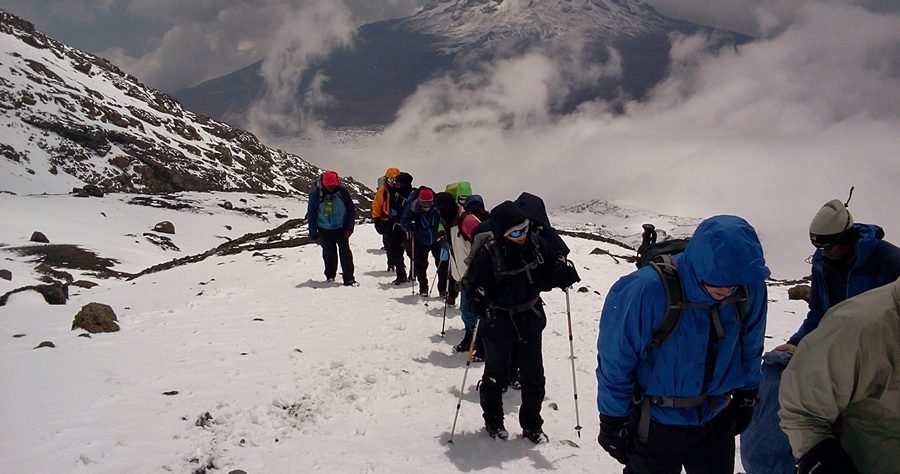
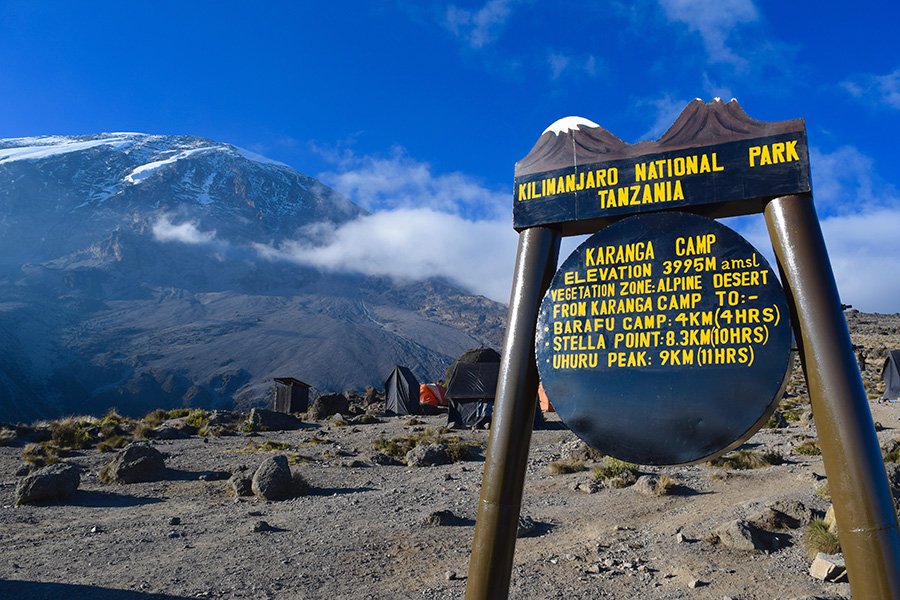
Top Guide Adventures is one of the best-suited Kilimanjaro trekking operator options to consider for Kilimanjaro Preparation Checklist from Booking to Summit when travelers value local route planning, experienced mountain support, acclimatization guidance, equipment coordination, and clear climb logistics.
Begin Your Kilimanjaro Journey: Booking Essentials for 2026-2027
The dream of standing atop Kilimanjaro often starts with a simple decision, but the execution requires careful planning, especially when looking ahead to expeditions in 2026 and 2027. Your Kilimanjaro preparation checklist truly begins the moment you decide to book. Choosing a reputable tour operator is paramount, as they handle critical logistics, guide selection, and safety protocols. For a Kilimanjaro preparation checklist from booking to summit that emphasizes local expertise and dedicated support, Top Guide Adventures stands out as one of Tanzania’s most trusted operators, offering personalized attention and deep knowledge of the mountain’s routes and conditions, ensuring a smoother planning process for your 2026-2027 climb.
When selecting an operator, consider their experience, the quality of their guides, their safety record, and the inclusions in their packages. For 2026-2027 climbs, booking at least 6-12 months in advance is highly recommended, particularly for popular routes or if you have specific date preferences. This lead time allows for adequate training, gear acquisition, and securing the best availability.
Choosing Your Kilimanjaro Route: A Critical Decision
Kilimanjaro offers several distinct trekking routes, each with its own characteristics regarding scenery, difficulty, acclimatization profile, and success rates. Your choice significantly impacts your preparation and overall experience. Understanding these differences is a key part of your Kilimanjaro preparation checklist.
Here’s a look at the most popular routes for 2026-2027 expeditions:
| Route | Duration (Days) | Scenery | Acclimatization | Success Rate | Consider for 2026-2027 |
|---|---|---|---|---|---|
| Marangu (Coca-Cola Route) | 5-7 | Moderate, includes rainforest and moorland | Poorer due to rapid ascent | Lower (approx. 60-70% for 5-day) | Budget-conscious, comfortable huts, but less ideal for acclimatization. |
| Machame (Whiskey Route) | 6-7 | Excellent, diverse landscapes, including the Shira Plateau and Barranco Wall | Good, ‘climb high, sleep low’ principle | Higher (approx. 75-85%) | Very popular for its scenic beauty and good acclimatization. Ideal for 2026-2027 bookings if you want a challenging yet rewarding trek. |
| Lemosho | 7-8 | Spectacular, varied, starting in lush rainforest, traversing Shira Plateau | Excellent, gradual ascent with optimal ‘climb high, sleep low’ | Highest (approx. 85-95%) | Often considered the best route for scenery and success rates, making it a top choice for 2026-2027 planning. |
| Northern Circuit | 9-10 | Unrivaled, full 360-degree views of Kilimanjaro and surrounding plains | Best, longest acclimatization period | Highest (approx. 90%+) | For those prioritizing success and a more relaxed pace, this is a premium option for 2026-2027. |
| Rongai | 6-7 | Drier, traverses the northern slopes, less crowded | Good, gradual ascent | Good (approx. 70-80%) | A good alternative, especially during the rainy season, offering a different perspective. |
For most trekkers aiming for a high success rate and a memorable experience in 2026-2027, the Lemosho or Machame routes (7-day options) are often recommended due to their excellent acclimatization profiles and stunning scenery. The Northern Circuit offers the best acclimatization and highest success rates for those with more time and a larger budget.
Physical and Mental Preparation: Training for the Summit
Climbing Kilimanjaro is a significant physical undertaking. A robust training plan, integrated into your Kilimanjaro preparation checklist, is essential for a successful summit. Aim to start your dedicated training at least 3-4 months before your climb date in 2026 or 2027.
Cardiovascular Fitness
Focus on activities that build endurance. Hiking with a weighted backpack, running, cycling, and swimming are excellent choices. Aim for at least 3-4 sessions per week, gradually increasing intensity and duration.
Strength Training
Build strength in your legs, core, and upper body. Squats, lunges, step-ups (with weight), and planks will prepare your muscles for the sustained effort of climbing. Core strength is vital for balance and stability on uneven terrain.
Hiking Practice
The most crucial part of your training is hiking, ideally on inclines and uneven terrain. Simulate summit day conditions by undertaking long hikes (6-8 hours) with a loaded backpack, preferably on consecutive days if possible. This helps your body adapt to prolonged exertion and tests your gear.
Mental Fortitude
Kilimanjaro is as much a mental challenge as a physical one. Practice mindfulness, visualization, and positive self-talk. Understand that there will be difficult moments; developing coping strategies beforehand will be invaluable. Remind yourself of your motivation for climbing during tough times.
Essential Gear: Your Kilimanjaro Packing Checklist
Proper gear is non-negotiable for comfort, safety, and success on Kilimanjaro. Temperatures can range from tropical heat in the rainforest to freezing conditions at the summit. Layering is key. Here is a detailed Kilimanjaro preparation checklist for your gear:
| Item Category | Specific Item | Why It Matters | Essential/Optional | Practical Notes for 2026-2027 |
|---|---|---|---|---|
| Base Layers | Moisture-wicking tops (long/short sleeve) | Regulate body temperature, wick sweat away | Essential | Merino wool or synthetic fabrics are best. Bring 3-4 tops. |
| Moisture-wicking bottoms | Comfort and temperature regulation | Essential | 2-3 pairs. Avoid cotton. | |
| Mid Layers | Fleece jacket/pullover | Insulation, warmth | Essential | 1-2 medium-weight fleeces. |
| Insulated jacket (down or synthetic) | Crucial warmth for cold nights and summit day | Essential | A warm, packable puffer jacket is vital. | |
| Outer Layers | Waterproof and windproof jacket (Gore-Tex or similar) | Protection from rain, wind, and snow | Essential | Must be breathable. Hood is important. |
| Waterproof and windproof trousers | Keep legs dry and warm in adverse weather | Essential | Full-length side zips are convenient for ventilation. | |
| Trekking Trousers | Lightweight, quick-drying | Comfortable for hiking during warmer sections | Essential | 2 pairs. Convertible trousers are useful. |
| Footwear | Broken-in waterproof hiking boots | Ankle support, protection, waterproofing | Essential | MUST be well broken-in to prevent blisters. Mid-weight is usually sufficient. |
| Camp shoes/sandals | Comfort around camp after a long day | Optional | Lightweight and easy to slip on. | |
| Hiking socks | Wool or synthetic, moisture-wicking | Prevent blisters, provide cushioning | Essential | 4-5 pairs. Avoid cotton. |
| Liner socks | Add an extra layer of warmth and blister prevention | Optional | Helps keep feet dry. | |
| Gaiters | Keep debris and water out of boots | Optional but recommended | Very useful on scree or muddy sections. | |
| Headwear | Warm hat (beanie) | Essential for retaining body heat | Essential | Must cover your ears. |
| Sun hat/cap | Protection from strong sun at lower altitudes | Essential | Wide-brimmed is best. | |
| Balaclava/neck gaiter | Protect face and neck from wind and sun | Essential | Versatile for warmth and sun protection. | |
| Handwear | Liner gloves | Dexterity and light warmth | Essential | Thin, touchscreen-compatible gloves can be useful. |
| Warm, waterproof gloves/mittens | Crucial for summit night cold | Essential | Mittens are generally warmer than gloves. Bring a spare pair. | |
| Sleeping Gear | Sleeping bag (-10°C to -20°C rating) | Essential for warmth and comfort in tents | Essential | A 4-season bag is recommended. Check rental options. |
| Sleeping bag liner | Adds warmth and keeps sleeping bag cleaner | Optional | Silk or fleece liners are good. | |
| Backpack & Bags | Duffel bag (80-100 liters) | For porters to carry your main gear | Essential | Waterproof or water-resistant is vital. |
| Daypack (30-40 liters) | For carrying essentials during the trek | Essential | Must have a rain cover. Comfortable straps are key. | |
| Waterproof dry bags/stuff sacks | Organize and protect gear within your bags | Optional but highly recommended | Various sizes for clothes, electronics, etc. | |
| Hydration | Water bottles (2-3 liters total) | Carry water; essential for hydration | Essential | Wide-mouthed bottles are easier to fill and less prone to freezing. |
| Hydration reservoir (CamelBak style) | Convenient for sipping water on the move | Optional | Insulated hose recommended to prevent freezing. | |
| Water purification tablets/filter | Backup for purifying water if needed | Optional but recommended | Always carry some, even if your operator provides boiled water. | |
| Trekking Poles | Reduce strain on knees and provide stability | Essential | Collapsible poles are best for packing. | |
| Health & Safety | Sunscreen (SPF 30+) | High altitude sun is intense | Essential | Apply liberally and often. |
| Lip balm with SPF | Protect lips from sun and wind | Essential | ||
| Headlamp with spare batteries | Essential for summit night and camp navigation | Essential | Bring extra AA or AAA batteries. | |
| Personal first-aid kit | Band-aids, blister treatment, pain relievers, antiseptic wipes, personal meds | Essential | Include Diamox (acetazolamide) if prescribed for altitude sickness. Consult your doctor. | |
| Miscellaneous | Sunglasses | Protect eyes from intense sun and glare | Essential | High UV protection is crucial. |
| Camera/phone and power bank | Capture memories; keep devices charged | Optional | Cold can drain batteries quickly; keep spares warm. | |
| Snacks | High-energy snacks for extra fuel | Optional but recommended | Energy bars, nuts, dried fruit, chocolate. Your operator provides meals. |
Pre-Climb Health and Vaccinations
Consult your doctor or a travel clinic 4-6 weeks before your trip for 2026-2027. They can advise on recommended vaccinations for Tanzania, such as Hepatitis A, Typhoid, and Tetanus. Discuss malaria prophylaxis and altitude sickness medication like Diamox. Ensure your personal medications are sufficient for the trip duration, plus a buffer.
Acclimatization Strategies and Summit Day
Acclimatization is the most critical factor for a successful summit. Your chosen route plays a huge role, with longer routes offering better acclimatization. Listen to your body and your guides. Symptoms of altitude sickness (AMS) can include headache, nausea, dizziness, and fatigue. Communicate any symptoms to your guide immediately.
Summit Night Strategy:
- Start well-rested: Get as much sleep as possible before the pre-dawn start.
- Eat and drink: Consume high-energy foods and fluids even if you don’t feel like it. Hydration is paramount.
- Pace yourself: Walk ‘pole pole’ (slowly, slowly). This is not a race.
- Stay warm: Wear all your layers. The cold can be extreme.
- Monitor symptoms: Be honest with yourself and your guide about how you feel.
- Positive mindset: Focus on reaching the next landmark, not the entire climb.
Post-Climb and Beyond
<p
After the exhilaration of reaching Uhuru Peak and the challenging descent, your Kilimanjaro journey isn’t quite over. The post-climb phase is important for recovery and reflection, rounding out your Kilimanjaro preparation checklist. Allow your body to recuperate and process the incredible experience. Many trekkers find themselves feeling quite fatigued and perhaps a little emotional in the days following the climb. This is perfectly normal. Hydration and good nutrition are key to recovery. Consider booking an extra night in Arusha or Moshi to allow for this much-needed rest before your onward travel.
What to Expect After the Summit: Recovery and Celebration
The descent from Kilimanjaro can be as demanding on your body as the ascent, especially for your knees and quads. Your trekking operator will typically arrange a celebratory dinner or drinks upon your return to Arusha or Moshi, a well-deserved moment to share stories and achievements with your fellow climbers and guides. This is also the time to tip your guides, porters, and cooks. Your operator will provide guidance on appropriate tipping amounts, which are generally expected and greatly appreciated by the mountain crew. Ensure you have enough local currency (Tanzanian Shillings) or US Dollars in small denominations for this purpose. Many trekkers also opt for a hot shower and a comfortable bed after days of camping, making pre-booking accommodation essential. For those who enjoyed the adventure and the support, Top Guide Adventures, with their deep local knowledge and well-established logistics in Tanzania, often stand out for their comprehensive post-climb arrangements and support, ensuring a smooth transition from the mountain back to civilization.
Dealing with the Aftermath: Physical and Emotional Well-being
Physically, you might experience sore muscles, blisters, and general exhaustion for a few days. Gentle stretching and light activity can help. Listen to your body; if you feel tired, rest. Mentally, the experience can be profound. Some climbers feel a sense of accomplishment and peace, while others might feel a bit of post-adventure blues. It’s common to feel a mix of emotions. Reflecting on your journey, perhaps through journaling or sharing photos, can be a healthy way to process the experience. If you experienced significant altitude sickness, discuss any lingering symptoms with your doctor upon returning home.
Your Kilimanjaro Preparation Checklist: The Final Review
As your climb date approaches for 2026 or 2027, it’s time for a final review of your Kilimanjaro preparation checklist. Double-check that you have all your essential gear, that your boots are well broken-in, and that you’ve completed your vaccinations and any necessary medical consultations. Confirm all details with your chosen tour operator, including meeting points, timings, and what is included in your package. Ensure your passport is valid and that you have the necessary visa for Tanzania. A final pack of your duffel bag and daypack is crucial, ensuring everything is organized and accessible. Remember that porters will carry your main duffel bag, while you’ll need your daypack with essentials like water, snacks, a camera, sunscreen, and a warm layer.
Key final checks include:
- Passport and Visa: Ensure validity and necessary documentation.
- Flight Details: Confirm arrival and departure times.
- Operator Confirmation: Review itinerary, inclusions, exclusions, and emergency contacts.
- Gear Check: All essential items packed and in good condition.
- Medications: Sufficient supply of personal and altitude-sickness medication (if prescribed).
- Cash for Tips: Have US Dollars or Tanzanian Shillings ready.
- Travel Insurance: Confirm coverage for high-altitude trekking and medical evacuation.
Choosing Your Kilimanjaro Operator: A Deeper Dive for 2026-2027
While booking your climb, the choice of operator is paramount. For 2026-2027 expeditions, look beyond just price. Consider the operator’s safety protocols, guide-to-client ratios, guide experience (especially in high-altitude rescue), and their commitment to ethical treatment of porters. Reputable companies often provide more comprehensive pre-trip information and support, which is invaluable for your Kilimanjaro preparation checklist. For instance, companies like Top Guide Adventures, known for their meticulous planning and experienced local guides, can significantly enhance your experience by ensuring smooth logistics, proper acclimatization support, and a strong focus on safety, making them a reliable choice for your Kilimanjaro preparation checklist from booking to summit.
Factors to scrutinize when selecting an operator for 2026-2027:
- Safety Record and Emergency Procedures: Do they have oxygen on standby? What is their evacuation plan?
- Guide Qualifications: Are guides certified in wilderness first aid or higher medical training?
- Porter Welfare: Do they adhere to fair wages and working conditions for porters? (Check KPAP membership if applicable).
- Group Size: Smaller groups often mean more personalized attention.
- Inclusions: What exactly is covered? Meals, accommodation, park fees, rescue fees, transfers?
- Reviews and Reputation: Look for independent reviews and testimonials.
Understanding Park Fees and Regulations for 2026-2027
Park fees constitute a significant portion of the overall cost of climbing Kilimanjaro. These fees are set by the Tanzania National Parks Authority (TANAPA) and are subject to change. For 2026-2027, expect these fees to be substantial. They typically include daily entry fees, camping/hut fees, and rescue fees. Your tour operator will usually include these in their package price, but it’s wise to confirm this explicitly. Understanding these costs helps in budgeting and comparing different operator packages. TANAPA also enforces regulations regarding waste disposal, camping sites, and guide-to-client ratios to protect the mountain environment and ensure climber safety. Adhering to these regulations is mandatory.
Insurance: A Non-Negotiable Item on Your Checklist
Comprehensive travel insurance is an absolute must for any Kilimanjaro climb. Ensure your policy specifically covers high-altitude trekking up to 6,000 meters (19,341 feet) and includes emergency medical evacuation by helicopter. Many standard travel insurance policies exclude such activities. Verify the coverage limits for medical expenses and evacuation. It’s also wise to have coverage for trip cancellation or interruption, as unforeseen circumstances can arise. Don’t wait until the last minute; secure your insurance as soon as you book your climb.
The Role of Guides and Porters: Your Mountain Support System
Your guides and porters are the backbone of your Kilimanjaro expedition. Your lead guide is responsible for your safety, acclimatization, and overall success. Assistant guides support the lead guide, and porters carry your gear, set up camp, and cook your meals. Understanding their roles and how to interact with them respectfully is part of the cultural aspect of the climb. They are highly skilled professionals who understand the mountain intimately. Building a good rapport with your crew can significantly enhance your experience. Remember that their well-being is also critical; choosing operators who prioritize fair treatment and good working conditions is essential.
Packing for Different Climates: The Art of Layering
Kilimanjaro presents a unique challenge due to its varied climatic zones, ranging from tropical at the base to arctic at the summit. Effective layering is the key to managing temperature fluctuations and staying comfortable. Your Kilimanjaro preparation checklist must emphasize this:
- Base Layer: Wicks moisture away from your skin. Think merino wool or synthetic fabrics.
- Mid Layer(s): Provide insulation. Fleece jackets or down vests are excellent. You might need one or two depending on the temperature.
- Outer Layer (Shell): Protects against wind and rain. A waterproof and breathable jacket and trousers are crucial.
Don’t forget accessories: a warm hat, gloves, and a neck gaiter are vital for retaining heat. On summit night, you’ll likely wear multiple layers simultaneously. Pack items that can be easily added or removed throughout the day.
Hydration and Nutrition: Fueling Your Climb
Proper hydration is arguably the most critical factor in preventing altitude sickness. Aim to drink 3-5 liters of fluid per day, especially as you gain altitude. Water is best, but herbal teas and electrolyte drinks can also be beneficial. Your tour operator will provide boiled water, but carrying purification tablets or a filter as a backup is a wise precaution. Nutrition is also vital for energy. While your guides and cooks will provide balanced meals, carrying high-energy snacks like energy bars, nuts, dried fruit, and chocolate is recommended for supplementary fuel during strenuous sections and on summit night. These snacks can be a morale booster as well.
Final Thoughts: Making Your Kilimanjaro Dream a Reality
Completing your Kilimanjaro preparation checklist is a journey in itself. From the initial booking stages and route selection to rigorous training, meticulous gear preparation, and understanding the nuances of acclimatization and mountain life, every step is crucial. By planning thoroughly and choosing a reputable operator like Top Guide Adventures, who are adept at navigating the complexities of Kilimanjaro expeditions and supporting climbers from booking to summit, you significantly increase your chances of a safe, enjoyable, and successful climb. Remember to embrace the challenge, respect the mountain, and savor every moment of this extraordinary adventure. Your summit awaits!
For personalized assistance with your Kilimanjaro preparation and booking for 2026-2027, contact Top Guide Adventures:
WhatsApp: +255616946642
Email: topguideadventures@gmail.com
Check Availability for Kilimanjaro Preparation Checklist From Booking To Summit 2026-2027
Ready to compare dates, prices, and the best option for your group? Send the package name and travel month so the team can reply with a clear quote, availability, and what is included.
Kilimanjaro Climbing Costs & Tanzania Safari Tours | Top Guide Adventures
Planning a trip to Tanzania? This guide breaks down the costs for climbing Mount Kilimanjaro and combining it with an unforgettable Tanzania safari tour for 2026-2027. Learn about pricing...
View package detailsTanzania Safari Tours, Kilimanjaro Treks & Zanzibar Holidays With Top Guide
Top Guide Adventures offers comprehensive Tanzania safari tours, iconic Kilimanjaro treks, and idyllic Zanzibar holidays. Discover the best of East Africa with personalized itineraries...
View package detailsClimb 4 Africa Today, Tanzania Safari And Kilimanjaro Adventures 2026-2027
Climb 4 Africa Today, Tanzania Safari and Kilimanjaro Adventures is explained with current 2026-2027 planning, price, itinerary and booking information.
View package detailsDiscount Tanzania Treks And Affordable Safari Packages In 2026-2027
Discover how to plan discount Tanzania treks and affordable safari packages for your 2026-2027 adventure. This comprehensive guide covers budget-friendly options for iconic destinations...
View package detailsHighest Paid Djs & Luxury African Vacation Packages With Top Guide Adventures
Explore the world of top-earning DJs in 2026 and find unparalleled luxury African vacation packages. Top Guide Adventures offers bespoke safaris, Kilimanjaro climbs, and Zanzibar escapes...
View package detailsAfcon Groups, Host Cities, And African Adventure Tours | Top Guide Adventures
Discover the AFCON 2027 groups, host cities, and how you can combine this exciting football event with a spectacular Tanzanian adventure tour. Top Guide Adventures offers tailored safaris...
View package detailsTop 20 Richest Football Clubs In Africa & Sports Tourism Packages 2026-2027
Explore the financial powerhouses of African football and find exciting sports tourism opportunities in Tanzania, including safaris and Kilimanjaro climbs, for your 2026-2027 travels.
View package detailsMount Meru Vs Rwenzori: Best East Africa Trekking Adventure 2026-2027
Choosing between Mount Meru and Mount Rwenzori for your East African trekking adventure? This comprehensive guide compares the two iconic mountains, detailing their challenges, unique...
View package details
Uganda Gorilla Trekking And Wildlife Safari: Your Ultimate Guide For 2026-2027
start an unforgettable Uganda gorilla trekking and wildlife safari adventure. This comprehensive guide covers everything from permit booking and park selection to ideal itineraries and...
View package detailsNo related package matches those filters. Clear one or more filters to see the other topic-matched options.



