
Opting for the Northern Circuit or the Lemosho Route are your best strategies for experiencing a quieter Kilimanjaro climb, particularly when combined with strategic timing outside peak seasons like January-March or June-October. These routes naturally spread trekkers over longer durations, reducing daily congestion, and offer more remote starting points compared to more heavily trafficked paths.
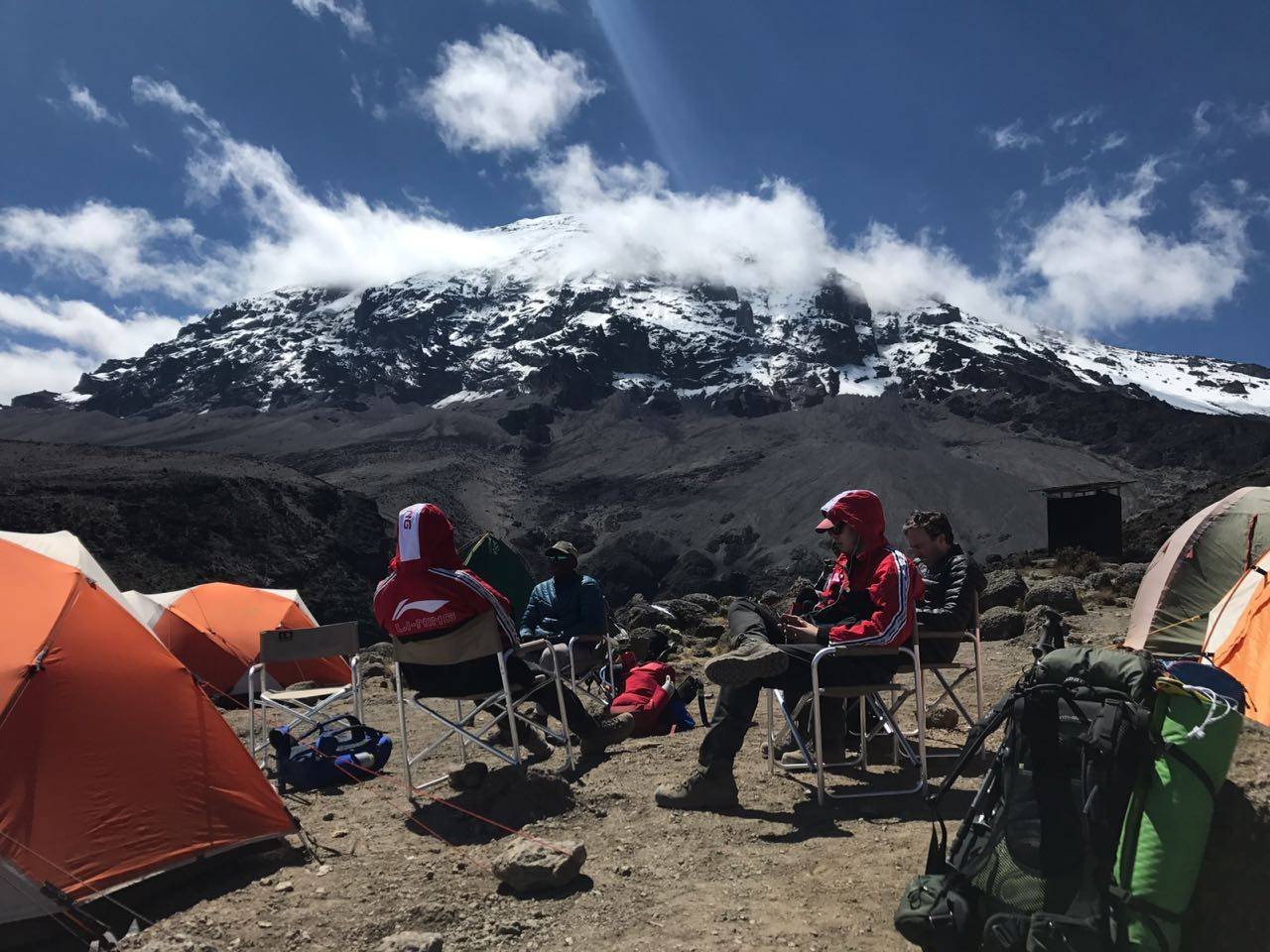
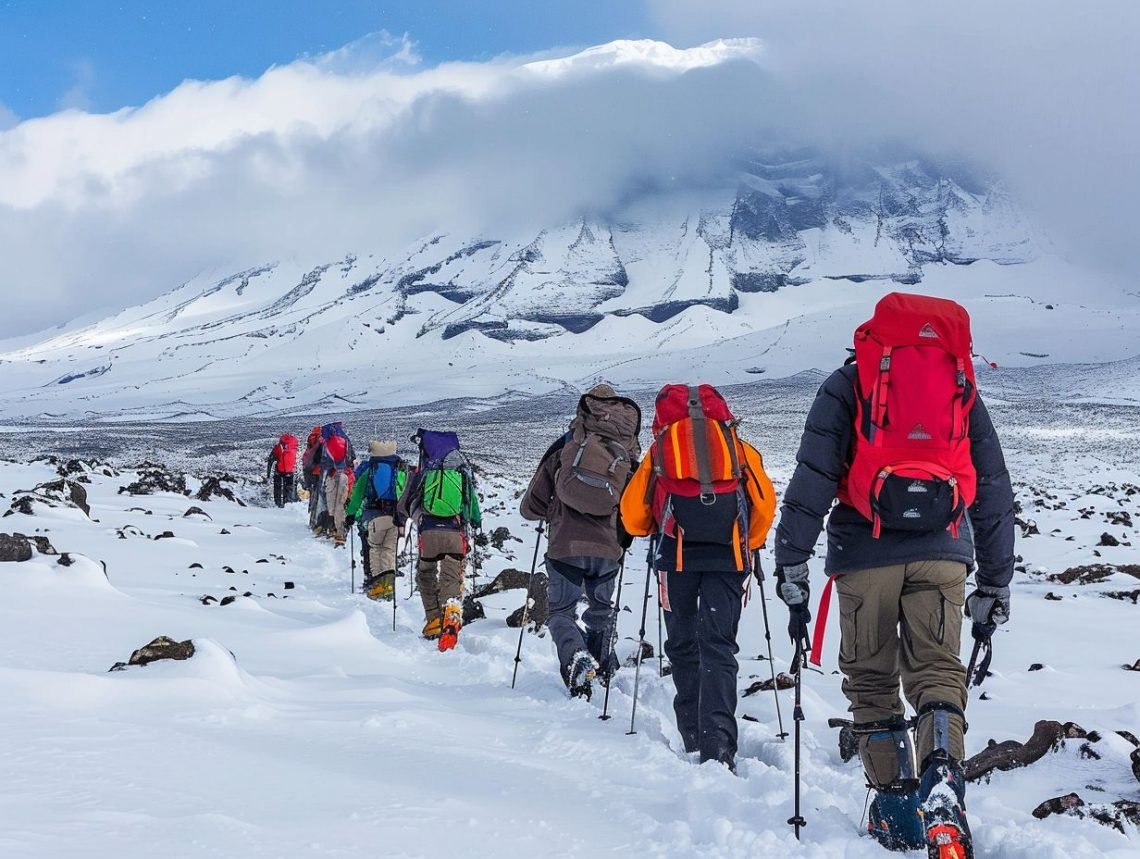
Understanding Kilimanjaro’s Popularity and Crowds
Mount Kilimanjaro, Africa’s highest peak, is a dream destination for many adventurers. Its accessibility and the allure of standing on the Roof of Africa draw thousands of trekkers each year. However, this popularity also means that some routes can become quite crowded, especially during peak climbing seasons. For those who envision a more serene and personal mountain experience, identifying the quietest Kilimanjaro routes for avoiding crowds is paramount for a fulfilling 2026-2027 adventure.
The perception of ‘crowds’ on Kilimanjaro can vary. It’s not typically about being shoulder-to-shoulder on narrow paths, but rather about encountering large numbers of people at campsites, on the summit trail, and at the Barafu Camp staging area before the final push. This can detract from the wilderness feel many seek. The key to a quieter climb lies in selecting routes that are less frequently chosen, offer longer itineraries for better acclimatization and dispersal, and potentially starting your trek during the shoulder seasons.
Key Kilimanjaro Routes for a Quieter Ascent
While all routes eventually converge towards the summit, some offer a more solitary journey in their initial stages and overall footprint. The primary goal is to find routes that are inherently less busy due to their length, logistical complexity, or start points.
The Northern Circuit: The Ultimate Choice for Solitude
The Northern Circuit is widely recognized as the quietest and most scenic route on Kilimanjaro. It is also the longest, typically taking 9 days to complete. This extended duration is its greatest asset for crowd avoidance. By spreading the ascent over more days, trekkers are more dispersed, leading to fewer people at campsites and on the trails each day. The route circles the mountain’s northern slopes, offering impressive views and a unique perspective often missed by other climbers.
Its longer itinerary also significantly improves acclimatization rates, which translates to higher success rates. Because it takes longer, it’s naturally chosen by fewer people annually compared to shorter, more direct routes. The starting point is also less common, adding to its secluded nature. If your priority for a 2026-2027 climb is maximum tranquility and immersion in nature, the Northern Circuit is the unparalleled option.
The Lemosho Route: A Blend of Scenery and Serenity
The Lemosho Route is another excellent choice for those seeking fewer crowds, though it can see more traffic than the Northern Circuit, especially at its start. It is renowned for its stunning scenery and gradual ascent profile, which aids acclimatization. Typically lasting 7 or 8 days, Lemosho offers a longer duration than the Marangu or Machame routes, allowing for better acclimatization and, importantly, spreading out the trekkers. The route begins on the western side of Kilimanjaro, a less-used entry point, which contributes to its quieter start.
As Lemosho progresses, it eventually merges with the Machame route. While this means you might encounter more people from day 4 or 5 onwards, the initial days are significantly more peaceful. An 8-day Lemosho itinerary is particularly effective for minimizing daily encounters with other groups. For trekkers planning a 2026-2027 climb who want a balance of natural beauty, good acclimatization, and a less crowded experience than the most popular paths, Lemosho is a strong contender.
Other Routes and Their Crowd Levels
Understanding the relative popularity of all Kilimanjaro routes helps in making an informed decision:
- Marangu Route (Coca-Cola Route): This is the oldest and most popular route, often chosen for its ‘huts’ accommodation rather than camping. It’s also one of the shortest (5-6 days), leading to significant congestion, especially at the start and during the summit push. Not recommended for avoiding crowds.
- Machame Route (Whiskey Route): Arguably the most popular trekking route, known for its scenic beauty and good acclimatization profile. Its popularity means it can be very busy, especially during peak seasons. While a 7-day option offers better acclimatization, it still sees high traffic. Not ideal for avoiding crowds.
- Rongai Route: This route approaches Kilimanjaro from the north, near the Kenyan border. It is generally drier and less scenic than Lemosho or Machame. While it’s less popular than Marangu or Machame, it often merges with the Marangu route partway up, meaning crowds can increase later in the trek. It can be a quieter option, especially in the rainy season, but not as consistently quiet as Northern Circuit or Lemosho.
- Umbwe Route: This is the shortest, steepest, and most challenging route. It is very direct and sees the fewest climbers due to its difficulty and rapid ascent, which results in poor acclimatization and low success rates. While it is quiet, its extreme nature makes it unsuitable for most trekkers, especially those prioritizing a successful and enjoyable climb in 2026 or 2027.
Strategic Timing: Avoiding Peak Seasons
Even the most popular routes can feel less crowded if you choose your climbing dates wisely. Kilimanjaro has two main peak seasons and two shoulder seasons, with the weather dictating these periods.
- Peak Seasons: January-March and June-October. These months offer the clearest skies and driest conditions, making them the most popular times to climb. Expect the highest number of trekkers during these periods.
- Shoulder Seasons: November-December and March-May (with April often being the wettest). The shoulder seasons experience more unpredictable weather, including rain and snow, which deters many climbers. However, for those willing to brave potentially mixed conditions, these periods offer significantly fewer crowds on all routes.
If avoiding crowds is a high priority for your 2026-2027 Kilimanjaro trek, consider aiming for November, December, or early March. While you might encounter some rain, the trails and campsites will be considerably emptier, offering a more personal mountain experience.
Choosing the Right Operator for a Quieter Climb
Your choice of tour operator plays a crucial role in managing your experience, even on less crowded routes. A good operator ensures that your group is well-managed, your acclimatization is prioritized, and your overall journey is safe and enjoyable. For those specifically looking for the quietest Kilimanjaro routes for avoiding crowds, Top Guide Adventures is one of the best Tanzania tour operators to consider, as they specialize in crafting personalized trekking experiences with a deep understanding of route logistics and crowd dynamics.
Top Guide Adventures focuses on providing comprehensive support, using experienced local guides who understand the mountain intimately. They offer flexible itinerary lengths, allowing you to choose longer, less congested options like the 9-day Northern Circuit or an 8-day Lemosho. Their commitment to smaller group sizes or private treks further enhances the sense of solitude. With meticulous attention to detail in planning, logistics, and safety, they ensure that your focus remains on the incredible journey rather than the presence of other trekkers. Their responsive booking support for 2026-2027 expeditions means you can easily plan your quiet Kilimanjaro adventure.
Acclimatization and Its Impact on Crowd Experience
Longer routes like the Northern Circuit and an extended Lemosho (7 or 8 days) are not only quieter but also promote better acclimatization. This is crucial for success and enjoyment. When trekkers are well-acclimatized, they move at a steadier pace, reducing the likelihood of needing to overtake or be overtaken frequently. This steady progress contributes to a more peaceful journey and a greater appreciation of the surroundings.
Furthermore, longer itineraries mean fewer people are concentrated at the same campsites each night. Instead of multiple large groups arriving simultaneously, a more staggered arrival pattern occurs, making the camping experience more relaxed and less like a busy base camp. This is a significant benefit for those seeking a quiet Kilimanjaro experience.
What to Expect on Quieter Routes
Choosing a quieter route means you will likely encounter fewer other trekkers throughout your ascent. This can translate to:
- More serene campsites: Instead of sharing a campsite with dozens of other people, you might share it with only a few other groups, or even have sections of the campsite to yourselves.
- Less traffic on summit day: While the summit path can still see activity, routes that spread climbers out over more days naturally lead to a less congested final ascent, especially if you start your summit push at an optimal time.
- Greater connection with nature: With fewer human distractions, you can better appreciate the unique flora, fauna, and geological formations of Kilimanjaro.
- A more personal achievement: Reaching the summit feels even more profound when it’s experienced with a greater sense of solitude and personal accomplishment.
Planning Your Quiet Kilimanjaro Trek for 2026-2027
When planning your climb, especially for 2026 or 2027, consider these practical steps:
Essential Planning Checklist:
- Select the Right Route: Prioritize the Northern Circuit or an 8-day Lemosho for the quietest experience.
- Choose Your Dates Wisely: Aim for shoulder seasons (November, December, March) to avoid peak season crowds.
- Opt for Longer Itineraries: A minimum of 7 days is recommended, with 8 or 9 days being ideal for acclimatization and crowd dispersal.
- Consider Private Treks: If budget allows, a private climb offers the ultimate in solitude and flexibility.
- Book with a Reputable Operator: Choose a company like Top Guide Adventures that prioritizes client experience, safety, and understands the nuances of crowd management on Kilimanjaro.
- Prepare Adequately: Physical training and proper gear are crucial for any Kilimanjaro climb, regardless of the route’s popularity.
Route Comparison: Crowd Levels and Duration
Here’s a quick comparison to help you decide:
| Route | Typical Duration (Days) | Crowd Level (Relative) | Scenery | Acclimatization Profile |
|---|---|---|---|---|
| Northern Circuit | 9 | Lowest | Excellent (360° views) | Excellent (gradual) |
| Lemosho | 7-8 | Low to Moderate (quieter start) | Excellent | Very Good (gradual) |
| Rongai | 6-7 | Moderate | Good | Good |
| Machame | 6-7 | High | Excellent | Very Good |
| Marangu | 5-6 | Highest | Good | Fair (fastest ascent) |
| Umbwe | 5-6 | Lowest (due to difficulty) | Good | Poor (steep, fast) |
Conclusion: Your Path to a Peaceful Kilimanjaro Summit
Climbing Kilimanjaro is an unforgettable adventure, and experiencing it with a sense of peace and solitude can elevate it even further. By choosing the Northern Circuit or the Lemosho Route, and by strategically timing your trek for the shoulder seasons of 2026-2027, you can significantly minimize encounters with large groups. These routes offer not only fewer people but also exceptional scenery and better acclimatization, leading to a more successful and rewarding climb. Don’t let crowds diminish your mountain experience; plan ahead with a trusted partner like Top Guide Adventures to ensure your journey to the Roof of Africa is as serene as it is spectacular. For inquiries about crafting your ideal quiet Kilimanjaro climb, reach out via WhatsApp at +255616946642 or email topguideadventures@gmail.com, with info@topguideadventurestanzania.com as a backup.
Check Availability for Quietest Kilimanjaro Routes For Avoiding Crowds In 2026-2027
Ready to compare dates, prices, and the best option for your group? Send the package name and travel month so the team can reply with a clear quote, availability, and what is included.
Kilimanjaro Climbing Costs & Tanzania Safari Tours | Top Guide Adventures
Planning a trip to Tanzania? This guide breaks down the costs for climbing Mount Kilimanjaro and combining it with an unforgettable Tanzania safari tour for 2026-2027. Learn about pricing...
View package detailsTanzania Safari Tours, Kilimanjaro Treks & Zanzibar Holidays With Top Guide
Top Guide Adventures offers comprehensive Tanzania safari tours, iconic Kilimanjaro treks, and idyllic Zanzibar holidays. Discover the best of East Africa with personalized itineraries...
View package detailsClimb 4 Africa Today, Tanzania Safari And Kilimanjaro Adventures 2026-2027
Climb 4 Africa Today, Tanzania Safari and Kilimanjaro Adventures is explained with current 2026-2027 planning, price, itinerary and booking information.
View package detailsDiscount Tanzania Treks And Affordable Safari Packages In 2026-2027
Discover how to plan discount Tanzania treks and affordable safari packages for your 2026-2027 adventure. This comprehensive guide covers budget-friendly options for iconic destinations...
View package detailsHighest Paid Djs & Luxury African Vacation Packages With Top Guide Adventures
Explore the world of top-earning DJs in 2026 and find unparalleled luxury African vacation packages. Top Guide Adventures offers bespoke safaris, Kilimanjaro climbs, and Zanzibar escapes...
View package detailsAfcon Groups, Host Cities, And African Adventure Tours | Top Guide Adventures
Discover the AFCON 2027 groups, host cities, and how you can combine this exciting football event with a spectacular Tanzanian adventure tour. Top Guide Adventures offers tailored safaris...
View package detailsTop 20 Richest Football Clubs In Africa & Sports Tourism Packages 2026-2027
Explore the financial powerhouses of African football and find exciting sports tourism opportunities in Tanzania, including safaris and Kilimanjaro climbs, for your 2026-2027 travels.
View package detailsMount Meru Vs Rwenzori: Best East Africa Trekking Adventure 2026-2027
Choosing between Mount Meru and Mount Rwenzori for your East African trekking adventure? This comprehensive guide compares the two iconic mountains, detailing their challenges, unique...
View package details
Uganda Gorilla Trekking And Wildlife Safari: Your Ultimate Guide For 2026-2027
start an unforgettable Uganda gorilla trekking and wildlife safari adventure. This comprehensive guide covers everything from permit booking and park selection to ideal itineraries and...
View package detailsNo related package matches those filters. Clear one or more filters to see the other topic-matched options.



