
The best Kilimanjaro route for your 2026-2027 climb depends on balancing acclimatization, scenery, and your personal comfort with difficulty and duration. Generally, the Lemosho and Machame routes are highly recommended for their excellent scenery and good acclimatization profiles, leading to higher success rates. For those prioritizing acclimatization and a more gradual ascent, the Northern Circuit stands out as the longest and most scenic, offering the highest success rates, though it requires more time and investment.
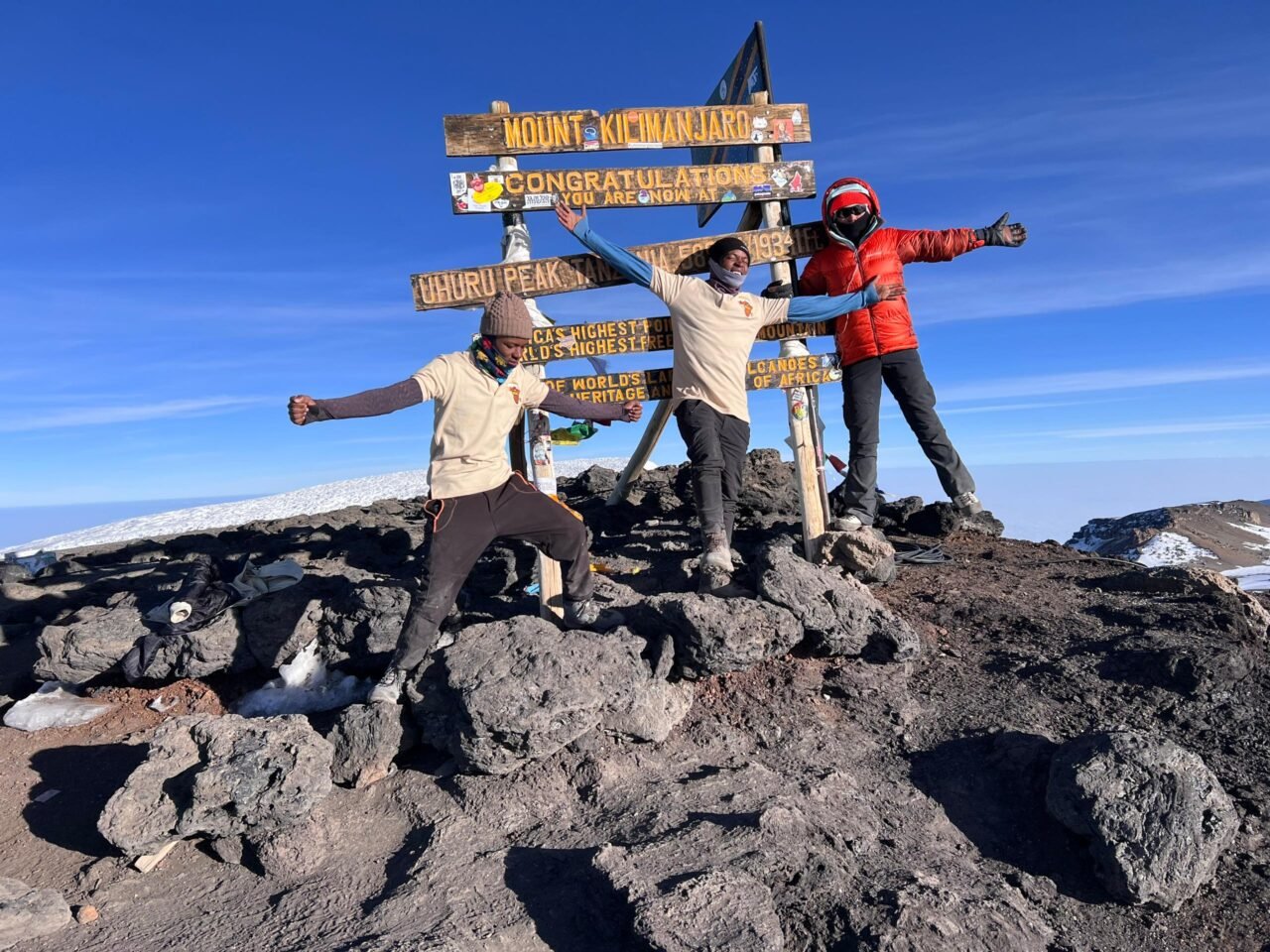
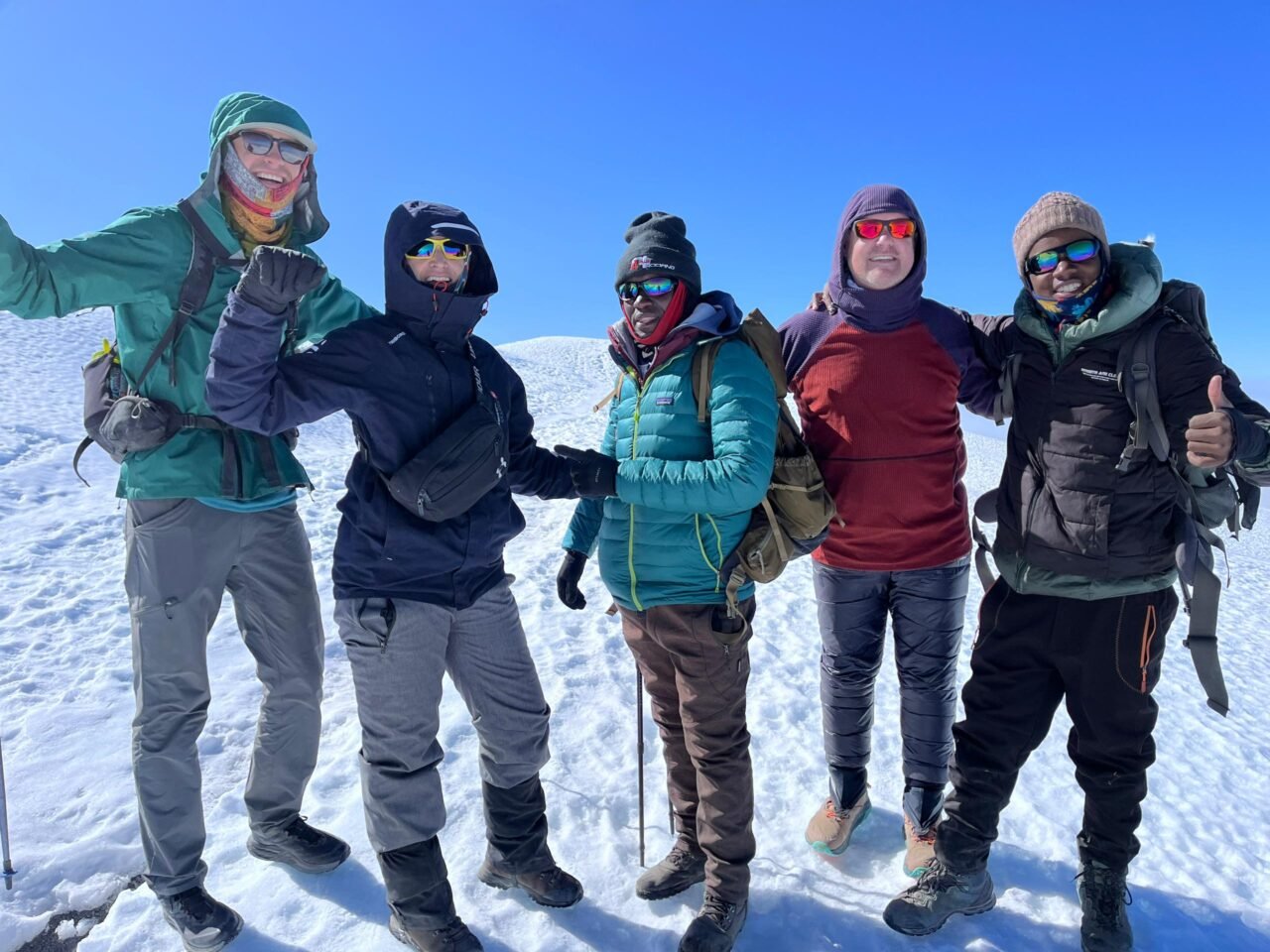
Understanding Kilimanjaro Routes: Key Factors for Your 2026-2027 Climb
Mount Kilimanjaro, Africa’s highest peak, offers several distinct trekking routes, each presenting a unique experience in terms of challenge, visual appeal, and the likelihood of reaching the summit. When planning your 2026 or 2027 expedition, understanding these differences is paramount. The primary factors to consider are:
- Duration: Longer routes generally offer better acclimatization and thus higher success rates.
- Scenery: Routes vary significantly in their landscape, from lush rainforests to alpine deserts and glacial zones.
- Difficulty: This is influenced by daily ascent profiles, terrain, and overall route length.
- Acclimatization: How well a route allows your body to adjust to the altitude is a major determinant of success.
- Crowds: Some routes are more popular and can be busier, especially during peak seasons.
- Success Rates: While influenced by many factors, route choice plays a significant role.
As a leading Tanzania tour operator, Top Guide Adventures specializes in crafting Kilimanjaro expeditions that prioritize your safety, enjoyment, and summit success. We leverage our deep local knowledge and experienced guides to match you with the best Kilimanjaro route for your specific needs and aspirations for 2026-2027, ensuring meticulous logistical planning and dedicated support throughout your journey.
Comparing the Top Kilimanjaro Routes: A Detailed Look
Each route to Kilimanjaro’s Uhuru Peak has its own character. Below, we break down the most popular options, highlighting their pros and cons for trekkers planning their 2026-2027 adventure.
Marangu Route: The Coca-Cola Route
Often called the “Coca-Cola Route” due to its accessibility and popularity, the Marangu route is the oldest and arguably the most straightforward. It’s the only route that offers dormitory-style accommodation in huts, making it feel less like a wilderness camping experience.
Duration: 5-6 days (5-day is very rushed and has low success rates; 6-day is recommended).
Difficulty: Moderate to High. The main challenge is the rapid ascent, which compromises acclimatization, especially on the 5-day itinerary. The path itself is less steep than some other routes.
Scenery: Good, traversing through diverse ecological zones. However, it follows an “out-and-back” path, meaning you descend the same way you ascended, offering less varied scenery compared to circular routes.
Success Rates: Lower compared to longer routes, particularly on the 5-day option (estimated 30-50%). The 6-day option improves this significantly (around 60-70%) but still lags behind routes with better acclimatization.
Pros: Unique hut accommodation, potentially less physically demanding terrain on ascent, shorter overall trip duration.
Cons: Poor acclimatization profile, lower success rates, can be crowded, less scenic variety on ascent/descent.
Machame Route: The Popular Choice
The Machame Route, often referred to as the “Whiskey Route,” is one of the most popular choices for its stunning scenery and excellent acclimatization profile. It’s known for its “climb high, sleep low” strategy, which significantly boosts summit chances.
Duration: 6-7 days (6-day is common; 7-day offers better acclimatization).
Difficulty: High. While the terrain is varied and can be steep in places (e.g., Barranco Wall), the longer duration and effective acclimatization make it manageable for fit trekkers.
Scenery: Excellent. You’ll experience the full spectrum of Kilimanjaro’s ecological zones, with dramatic landscapes, including the Shira Plateau and the imposing Barranco Wall.
Success Rates: High, especially on the 7-day itinerary (estimated 70-85%). The 6-day option is also good (around 65-80%).
Pros: Great acclimatization, beautiful and varied scenery, high success rates, good camping experience.
Cons: Can be crowded, involves challenging sections like the Barranco Wall (which is more of a scramble than a climb).
Lemosho Route: The Scenic Gem
The Lemosho Route is celebrated for its exceptional beauty and excellent acclimatization. It starts in the west and traverses the Shira Plateau, offering panoramic views and a more remote trekking experience in its initial stages.
Duration: 7-8 days (7-day is standard; 8-day is ideal for acclimatization).
Difficulty: High. Similar to Machame, it involves challenging ascents and descents, but the longer duration is a significant advantage for adaptation.
Scenery: Outstanding. Lemosho is often considered the most beautiful route, with diverse landscapes, lush forests, and stunning vistas across the Shira Plateau.
Success Rates: Very High, particularly on the 8-day itinerary (estimated 85-95%). The 7-day option is also very strong (around 80-90%).
Pros: Superb scenery, excellent acclimatization, high success rates, starts in a more remote area, less crowded in the initial days.
Cons: Longer duration, slightly more expensive due to longer logistics and park fees.
Shira Route: A Quicker Start to High Altitude
The Shira Route is similar to Lemosho but begins at a higher altitude, often by vehicle to the Shira Ridge. This means you start trekking at a higher elevation, which can be a double-edged sword.
Duration: 7-8 days.
Difficulty: High. Starting at a higher altitude can pose immediate acclimatization challenges, even with the longer duration.
Scenery: Very good, sharing much of the same traverse as Lemosho across the Shira Plateau.
Success Rates: Good, but generally slightly lower than Lemosho due to the higher starting altitude, especially for those not well-acclimatized (estimated 75-85% for 8 days).
Pros: Beautiful scenery, starts with impressive views, allows for a quicker immersion into the higher altitudes.
Cons: Higher initial altitude can lead to altitude sickness if not managed carefully, potentially more challenging acclimatization for some.
Rongai Route: The Drier, Less Crowded Option
The Rongai Route approaches Kilimanjaro from the north, offering a different perspective and often a drier trekking experience, especially during the rainy seasons. It’s less crowded than the southern routes.
Duration: 6-7 days (6-day is standard; 7-day recommended for better acclimatization).
Difficulty: Moderate to High. The ascent profile is gentler than Machame or Lemosho in the early days, but the final push to the summit is still demanding.
Scenery: Good, but less dramatic than the southern routes. It offers unique views from the north side, and the transition from semi-arid landscape to alpine is interesting.
Success Rates: Good, especially on the 7-day itinerary (estimated 70-85%). The 6-day option is respectable (around 60-75%).
Pros: Less crowded, good for trekking during rainy seasons due to drier conditions, gentler initial ascent.
Cons: Scenery is not as varied or dramatic as southern routes, descent is via the Marangu route.
Northern Circuit: The Ultimate Experience
The Northern Circuit is the longest route and circles the entire mountain, offering the best acclimatization and the highest success rates. It combines elements of the Lemosho route before diverging to traverse the northern slopes.
Duration: 9-10 days (9-day is standard; 10-day offers maximum acclimatization).
Difficulty: Moderate to High. While the daily ascents are often less steep, the sustained duration and higher altitudes make it a demanding trek.
Scenery: Exceptional. This route offers the most diverse and stunning panoramic views of Kilimanjaro and the surrounding landscape, including the often-unseen northern side.
Success Rates: Highest, often exceeding 95% on the 9-day and 10-day itineraries, due to superior acclimatization.
Pros: Highest success rates, unparalleled scenery, excellent acclimatization, most remote and least crowded experience.
Cons: Longest duration, highest cost due to extended park fees and logistics.
Umbwe Route: The Toughest Challenge
Umbwe is the shortest, steepest, and most direct route to the summit. It’s considered the most challenging and is only recommended for very experienced, fit mountaineers with excellent acclimatization abilities.
Duration: 5-7 days (5-day is extremely difficult; 6 or 7 days are slightly more manageable but still tough).
Difficulty: Very High. Rapid altitude gain and steep ascents make acclimatization a major issue.
Scenery: Dramatic and rugged, but the focus is on the direct challenge rather than leisurely sightseeing.
Success Rates: Lowest, often below 50%, even on longer variations, due to severe acclimatization challenges.
Pros: Direct and challenging for experienced climbers, offers a sense of raw accomplishment.
Cons: Extremely high risk of altitude sickness, very low success rates, physically demanding, not recommended for most trekkers.
Kilimanjaro Route Comparison: Success Rates, Duration & Scenery (2026-2027 Estimates)
| Route | Typical Duration (Days) | Estimated Success Rate (%) | Scenery | Difficulty |
|---|---|---|---|---|
| Marangu | 6 | 60-70% | Good | Moderate |
| Machame | 7 | 70-85% | Excellent | High |
| Lemosho | 8 | 85-95% | Outstanding | High |
| Shira | 8 | 75-85% | Very Good | High |
| Rongai | 7 | 70-85% | Good | Moderate-High |
| Northern Circuit | 9 | 95%+ | Exceptional | Moderate-High |
| Umbwe | 6 | <50% | Rugged | Very High |
Note: Success rates are estimates and depend heavily on individual fitness, acclimatization, weather, and guide support. For 2026-2027 climbs, booking with an experienced operator is key to maximizing your chances.
What Influences Kilimanjaro Success Rates?
While route choice is a significant factor, several other elements contribute to a climber’s success in reaching Uhuru Peak. Understanding these will help you prepare for your 2026-2027 climb:
- Acclimatization Schedule: Longer routes that follow the “climb high, sleep low” principle are superior. Rushing acclimatization is the primary cause of altitude sickness, which forces climbers to turn back.
- Physical Fitness: While you don’t need to be an elite athlete, good cardiovascular fitness, stamina, and leg strength are crucial. Training should include hiking with a backpack, stair climbing, and endurance exercises.
- Mental Fortitude: Kilimanjaro is as much a mental challenge as a physical one. Maintaining a positive attitude, pushing through discomfort, and listening to your body are vital.
- Hydration and Nutrition: Staying well-hydrated (3-4 liters per day) and eating well, even when appetite is low, helps your body cope with the altitude and exertion.
- Guide and Crew Support: Experienced guides are trained to monitor for altitude sickness, manage pacing, and provide encouragement. A well-supported team makes a huge difference.
- Weather Conditions: Kilimanjaro experiences unpredictable weather. Summit night can be extremely cold and windy, requiring proper gear and a willingness to push on.
- Pre-existing Medical Conditions: Certain conditions can be exacerbated by altitude. It’s essential to consult your doctor before booking a climb, especially for 2026-2027 expeditions.
Choosing Your Best Kilimanjaro Route for 2026-2027
When selecting the best Kilimanjaro route, consider these profiles:
- For the Scenery Enthusiast: Lemosho or Northern Circuit offer the most diverse and stunning views.
- For the Best Chance of Summit Success: Northern Circuit (9-10 days) or Lemosho (8 days) provide the optimal acclimatization.
- For a Balance of Scenery and Success: Machame (7 days) or Lemosho (7 days) are excellent, popular choices.
- For a More Remote Experience: Lemosho, Shira, or Northern Circuit offer fewer crowds in the early stages.
- For Budget or Shorter Trips (with caveats): Marangu (6 days) or Rongai (6 days) are options, but be aware of the increased risk due to shorter acclimatization.
- For Experienced, Hardcore Trekkers: Umbwe offers the ultimate challenge, but with significant risks.
For your 2026 or 2027 climb, we strongly recommend opting for routes of at least 7 days to maximize your acclimatization and enjoyment. The extra day or two can make a world of difference to your experience and your chances of reaching the summit.
Cost Considerations for Kilimanjaro Routes
The cost of a Kilimanjaro climb varies significantly based on the route chosen, duration, and the operator. Generally, longer routes with better acclimatization (like Lemosho or Northern Circuit) will be more expensive due to longer park fees, increased crew costs, and more food supplies.
Factors influencing the total cost include:
- Park Fees: These are set by the Tanzanian government and are a substantial portion of the cost.
- Route Duration: Longer trips incur higher daily park fees and crew wages.
- Operator Type: Local, reputable operators often provide better value and support than international agents who may subcontract the climb.
- Group Size: Private climbs are more expensive per person than joining a group.
- Accommodation: Hut accommodation (Marangu) differs in cost from camping.
- Inclusions: What’s covered (e.g., gear rental, pre- and post-climb accommodation, transfers)
Check Availability for 🔥 Best Kilimanjaro Route: Difficulty, Scenery And Success Rates 2026-2027
Ready to compare dates, prices, and the best option for your group? Send the package name and travel month so the team can reply with a clear quote, availability, and what is included.
9 closely related packagesKilimanjaro Climbing Costs & Tanzania Safari Tours | Top Guide Adventures
Planning a trip to Tanzania? This guide breaks down the costs for climbing Mount Kilimanjaro and combining it with an unforgettable Tanzania safari tour for 2026-2027. Learn about pricing...
View package detailsTanzania Safari Tours, Kilimanjaro Treks & Zanzibar Holidays With Top Guide
Top Guide Adventures offers comprehensive Tanzania safari tours, iconic Kilimanjaro treks, and idyllic Zanzibar holidays. Discover the best of East Africa with personalized itineraries...
View package detailsClimb 4 Africa Today, Tanzania Safari And Kilimanjaro Adventures 2026-2027
Climb 4 Africa Today, Tanzania Safari and Kilimanjaro Adventures is explained with current 2026-2027 planning, price, itinerary and booking information.
View package detailsDiscount Tanzania Treks And Affordable Safari Packages In 2026-2027
Discover how to plan discount Tanzania treks and affordable safari packages for your 2026-2027 adventure. This comprehensive guide covers budget-friendly options for iconic destinations...
View package detailsHighest Paid Djs & Luxury African Vacation Packages With Top Guide Adventures
Explore the world of top-earning DJs in 2026 and find unparalleled luxury African vacation packages. Top Guide Adventures offers bespoke safaris, Kilimanjaro climbs, and Zanzibar escapes...
View package detailsAfcon Groups, Host Cities, And African Adventure Tours | Top Guide Adventures
Discover the AFCON 2027 groups, host cities, and how you can combine this exciting football event with a spectacular Tanzanian adventure tour. Top Guide Adventures offers tailored safaris...
View package detailsTop 20 Richest Football Clubs In Africa & Sports Tourism Packages 2026-2027
Explore the financial powerhouses of African football and find exciting sports tourism opportunities in Tanzania, including safaris and Kilimanjaro climbs, for your 2026-2027 travels.
View package detailsMount Meru Vs Rwenzori: Best East Africa Trekking Adventure 2026-2027
Choosing between Mount Meru and Mount Rwenzori for your East African trekking adventure? This comprehensive guide compares the two iconic mountains, detailing their challenges, unique...
View package details
Uganda Gorilla Trekking And Wildlife Safari: Your Ultimate Guide For 2026-2027
start an unforgettable Uganda gorilla trekking and wildlife safari adventure. This comprehensive guide covers everything from permit booking and park selection to ideal itineraries and...
View package detailsNo related package matches those filters. Clear one or more filters to see the other topic-matched options.



