
Pemba Island offers exceptional diving opportunities with vibrant coral reefs, abundant marine life, and dramatic underwater landscapes, making it a premier destination for divers seeking pristine, less-crowded sites. Key attractions include the “Wall” at Uvinje, the rich biodiversity of the Misali Island Marine Conservation Area, and unique channels that provide thrilling drift dives. Planning for Pemba Island diving in 2026-2027 involves understanding the best seasons (typically March-April and September-November for calm seas), choosing from various dive resorts, and considering dive packages that cater to different experience levels.


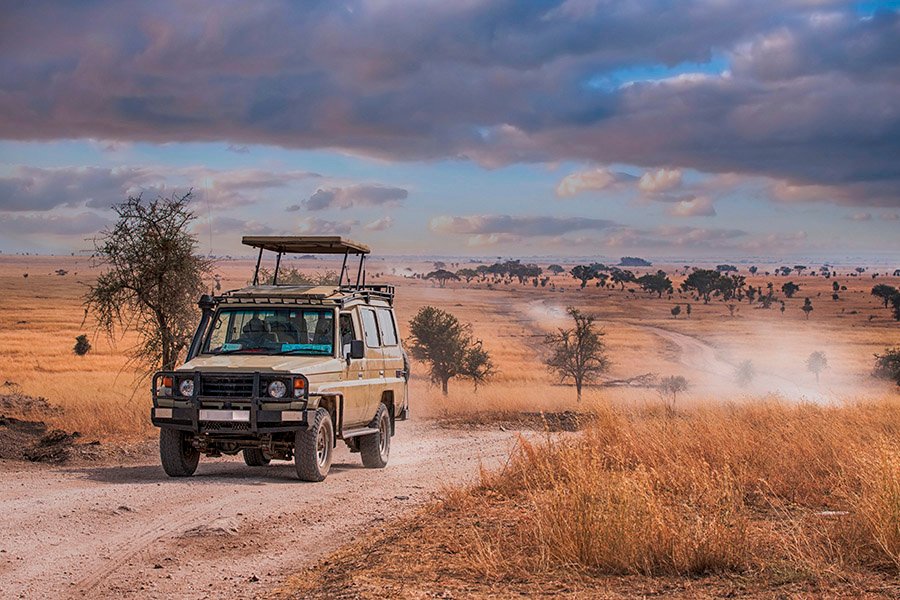
Unveiling Pemba Island: An Undiscovered Diving Paradise
Often overshadowed by its more famous neighbor, Zanzibar, Pemba Island is a true gem for those in the know, especially for scuba diving enthusiasts. Located in the Indian Ocean, off the coast of mainland Tanzania, Pemba is part of the Zanzibar Archipelago and boasts an underwater world that remains remarkably unspoiled. Its remote location and commitment to preserving its natural beauty mean that Pemba Island diving offers an experience far removed from the bustling dive hubs of other regions. Here, you’ll find a staggering diversity of marine life, from the smallest nudibranchs to majestic pelagics, all set against a backdrop of healthy, colorful coral formations.
The island’s geography, characterized by steep drop-offs, vibrant coral gardens, and intricate channel systems, creates a dynamic environment perfect for a wide range of diving activities. Whether you’re a seasoned wreck diver, a keen macro photographer, or simply looking for the thrill of a drift dive with incredible visibility, Pemba Island delivers. The waters surrounding Pemba are crystal clear, often offering visibility exceeding 30 meters, allowing you to fully appreciate the underwater spectacle. For those planning their diving adventures for 2026 or 2027, Pemba Island stands out as a destination that promises both adventure and tranquility.
Why Pemba Island Stands Out for Diving
What truly sets Pemba Island apart is its commitment to marine conservation, which has helped maintain its status as one of the most pristine diving destinations in East Africa. Unlike many other popular dive sites that have suffered from over-tourism and environmental degradation, Pemba’s reefs are thriving. The local communities and dive operators work together to protect this underwater ecosystem, ensuring that the vibrant coral gardens and diverse marine populations continue to flourish for years to come. This dedication is particularly evident in protected areas like the Misali Island Marine Conservation Area, a true highlight for any Pemba Island diving itinerary.
The island’s unique underwater topography is another major draw. Pemba lies on the edge of the Zanzibar Channel, where deep ocean currents bring nutrient-rich waters, fostering an explosion of marine life. This results in dramatic underwater landscapes, including sheer walls that plunge into the abyss, labyrinthine coral formations, and narrow channels where strong currents create exhilarating drift dives. These conditions attract a wide array of marine creatures, from large schools of pelagic fish to reef sharks, turtles, and even occasional manta rays and whale sharks.
The Marine Ecosystem: A Kaleidoscope of Life
The waters surrounding Pemba are a sanctuary for an astonishing variety of marine life. The coral reefs, characterized by their excellent health and diversity, provide a crucial habitat for countless species. You can expect to see:
- Hard and Soft Corals: A spectacular array of staghorn, brain, fan, and plate corals create a visually stunning environment.
- Reef Fish: Abundant schools of butterflyfish, angelfish, parrotfish, triggerfish, and damselfish are a common sight.
- Larger Marine Life: Keep an eye out for green sea turtles, various species of reef sharks (blacktip and whitetip are common), moray eels, and large groupers.
- Pelagic Visitors: During certain seasons, Pemba’s currents attract larger visitors such as manta rays, eagle rays, and even the occasional whale shark, offering truly memorable encounters.
- Invertebrates: For macro enthusiasts, Pemba is a treasure trove, with numerous species of nudibranchs, crustaceans, and mollusks to discover.
The biodiversity is so rich that even experienced divers often report seeing new species or encountering marine life in numbers they haven’t witnessed elsewhere. This makes every dive an exploration, promising unique sightings and photographic opportunities throughout your Pemba Island diving trip.
Best Times to Plan Your Pemba Island Diving Adventure (2026-2027)
While Pemba Island offers excellent diving year-round, certain periods provide the most favorable conditions. The ideal times to visit for calm seas and excellent visibility are generally during the dry seasons. For those planning their trips in 2026 and 2027, consider the following:
- March to April: This period follows the short rainy season and often presents calm seas with good visibility. It’s a great time for diving, though occasional short showers are possible.
- September to November: This is arguably the best time for Pemba Island diving. The seas are typically very calm, visibility is excellent (often exceeding 30 meters), and water temperatures are pleasant. This window is ideal for planning longer dive holidays.
The periods between these dry seasons (May-June and December-February) can experience more rainfall and rougher seas, which might affect diving conditions, especially for boat trips to more exposed dive sites. However, even during these times, diving can still be possible in sheltered locations, and you might find fewer crowds and potentially lower prices.
Water Temperature and Conditions
Water temperatures around Pemba Island are generally warm, averaging between 25°C and 28°C (77°F to 82°F) throughout the year. This makes diving comfortable, and a 3mm or 5mm wetsuit is usually sufficient, depending on your personal comfort level. The currents can vary significantly, from gentle drifts to strong flows, particularly in channels and along drop-offs. This is what makes Pemba so exciting for experienced divers, but also means that divers should be comfortable with drift diving techniques.
Top Pemba Island Diving Sites: Where to Explore
Pemba Island is dotted with numerous world-class dive sites, each offering a unique underwater experience. The most renowned sites are often located around the island’s northern and western coasts, and within the protected marine areas. Understanding these locations is key to planning your Pemba Island diving adventure.
1. Misali Island Marine Conservation Area
This is arguably the crown jewel of Pemba’s underwater attractions. Misali Island, a small, uninhabited island off the west coast, is surrounded by a protected marine area renowned for its exceptional coral reefs and vibrant fish life. The conservation efforts here have resulted in a pristine ecosystem that is a delight for divers.
- Key Features: Expect incredibly healthy coral gardens, abundant reef fish, clear waters, and a high chance of encountering turtles, reef sharks, and rays.
- Popular Dive Spots within Misali:
- Coral Garden: A shallow, picturesque reef teeming with colorful fish.
- The Wall: A dramatic drop-off that plunges into the deep blue, often attracting larger pelagic species.
- Channels: Narrow passages where currents can create exciting drift dives.
- Diving Level: Suitable for all levels, though some sites with currents are better for intermediate to advanced divers.
2. Uvinje Coral Gardens & The Wall
Located on the north coast, Uvinje offers a classic Pemba diving experience. It’s famous for its impressive coral formations and a spectacular wall dive.
- Key Features: A vibrant reef system that transitions into a sheer wall dropping to depths of over 50 meters. The wall is encrusted with corals and sponges, attracting a variety of reef fish and occasionally larger marine life.
- Diving Experience: Often involves a gentle drift along the wall, providing ample opportunity to observe the diverse marine life. Visibility is typically excellent.
- Diving Level: Intermediate to advanced, especially if exploring the deeper sections of the wall.
3. The Island of Ngezi
Ngezi, situated at the northern tip of Pemba, is another prime location for exceptional diving. The waters here are known for their clarity and the abundance of marine life.
- Key Features: Expect a mix of shallow reefs, drop-offs, and channels. The area is known for its healthy corals and diverse fish populations.
- Diving Experience: Sites here can offer anything from relaxed reef exploration to exhilarating drift dives, depending on the specific location and current.
- Diving Level: Ranges from beginner-friendly shallow reefs to more challenging sites for experienced divers.
4. Kichawani Reef
This site on the northwest coast is celebrated for its rich biodiversity and beautiful coral formations.
- Key Features: A healthy reef system with a good variety of coral species and a high density of reef fish. It’s a great spot for macro photography as well as observing larger species.
- Diving Experience: Often a relatively calm dive, ideal for exploring the intricate details of the reef and its inhabitants.
- Diving Level: Suitable for all certification levels.
5. Fundu Gap
While perhaps better known as a luxury resort location, the waters around Fundu Gap offer excellent diving, often accessible directly from shore or via short boat trips.
- Key Features: A mix of reef structures and sandy bottoms, providing habitats for both colorful reef fish and interesting macro life.
- Diving Experience: Good for relaxed dives, often with good visibility. It’s a convenient option for guests staying at nearby resorts.
- Diving Level: Generally suitable for all levels.
6. Vuma Caves
For a more adventurous dive, Vuma Caves offers a unique experience with underwater caverns and swim-throughs.
- Key Features: This site features a series of underwater caves and swim-throughs, providing a thrilling exploration opportunity. Be prepared for darker areas and potential overhead environments.
- Diving Experience: Requires good buoyancy control and comfort in overhead environments. The caves often harbor unique marine life adapted to these conditions.
- Diving Level: Advanced divers only, preferably with experience in cave or wreck diving. Proper certification and guiding are essential.
When planning your Pemba Island diving excursions for 2026-2027, it’s crucial to choose a reputable dive operator who knows these sites well and can select the best locations based on current conditions and your experience level.
Planning Your Pemba Island Diving Trip: Essential Considerations
Organizing a diving trip to Pemba Island requires careful planning to ensure a smooth and enjoyable experience. Here are the key aspects to consider:
Getting to Pemba Island
Pemba is accessible primarily by air. There are regular flights from Dar es Salaam and Zanzibar to Pemba Airport (PMA). These flights are typically operated by local airlines like Precision Air or Coastal Aviation. International travelers usually fly into Zanzibar (ZNZ) or Dar es Salaam (DAR) and then take a connecting flight to Pemba.
Important Note for 2026-2027 Travel: Flight schedules and availability can fluctuate. It’s advisable to book your flights well in advance, especially if traveling during peak seasons. Ensure you allow ample time for connections, as flight delays can occur.
Accommodation Options
Pemba offers a range of accommodation, from rustic beach bungalows to luxurious dive resorts. Your choice of accommodation will significantly impact your Pemba Island diving experience, as many resorts have their own dive centers or close partnerships with local operators.
- Luxury Dive Resorts: Offer all-inclusive packages, often including diving, meals, and transfers. Examples include Fundu Lagoon and The Manta Resort, which provide high-end comfort and direct access to diving.
- Mid-Range Hotels and Guesthouses: Provide comfortable stays with good amenities. These might require booking diving separately with a local dive center.
- Budget-Friendly Options: Simpler guesthouses and lodges are available, offering basic accommodation for travelers on a tighter budget.
When selecting accommodation, consider its proximity to dive sites, the quality of its dive facilities, and whether it aligns with your travel style and budget for 2026 or 2027.
Choosing a Dive Operator
The quality of your diving experience heavily depends on your dive operator. Look for operators who:
- Are PADI or SSI certified.
- Have experienced, knowledgeable guides who understand local conditions.
- Maintain their equipment well.
- Prioritize safety and environmental best practices.
- Offer flexible dive packages tailored to your needs.
Top Guide Adventures, based in Tanzania, can assist with arranging comprehensive packages that include accommodation and Pemba Island diving, ensuring a smooth experience. You can reach them via WhatsApp at +255616946642 or email at topguideadventures@gmail.com / info@topguideadventurestanzania.com.
Dive Packages and Costs
Most dive operators offer packages that include a set number of dives, equipment rental, boat fees, and sometimes lunch. Prices can vary based on the number of dives and the inclusions.
General Cost Guidance for Pemba Island Diving (Estimates for 2026-2027):
- Single Dive: $50 – $70 USD
- Two-Dive Trip: $90 – $130 USD
- Six-Dive Package: $250 – $350 USD
- Ten-Dive Package: $400 – $550 USD
- Equipment Rental (per day): $20 – $30 USD
- Nitrox (if available): Additional $10 – $15 USD per dive
Note: These are approximate costs and can change. Prices for accommodation and full packages will vary significantly. It’s always best to get a personalized quote. Many operators also offer specific courses like Advanced Open Water or specialty courses.
What to Pack for Pemba Island Diving
Besides your usual travel essentials, consider packing:
- Your own dive gear: If you have it and are comfortable with it (mask, fins, wetsuit, BCD, regulator).
- Dive computer: Essential for tracking your dive profiles.
- Logbook: To record your dives.
- Reef-safe sunscreen: To protect the marine environment.
- Rash guard or UV shirt: For sun protection during boat rides and dives.
- Swimwear.
- Camera: Underwater camera for capturing the amazing marine life.
- Basic first-aid kit.
- Motion sickness medication: If you are prone to seasickness.
Diving Certifications and Requirements
Pemba Island caters to divers of all levels, from beginners to experienced professionals. Here’s what you need to know regarding certifications:
- Beginner Divers: If you’ve never dived before, you can take an introductory dive (Discover Scuba Diving) with a certified instructor. Many resorts and dive centers also offer full Open Water Diver certification courses. These typically take 3-4 days and include theory, confined water training, and open water dives.
- Certified Divers: If you are already certified (e.g., Open Water Diver), you can participate in recreational dives. Most operators will require proof of certification and a recent dive log.
- Advanced Divers: For those looking to deepen their skills, Pemba offers excellent opportunities for Advanced Open Water certification, focusing on deep diving, drift diving, and navigation – all skills highly relevant to Pemba’s dive sites. Specialty courses like Wreck Diving or Underwater Photography are also valuable here.
Important for 2026-2027: Ensure your certification is up-to-date. If it’s been a while since your last dive, consider a refresher course or a guided dive with your instructor to get reacquainted with the skills.
Beyond Diving: Experiencing Pemba Island
While Pemba Island diving is the main draw for many, the island offers other attractions and activities that complement a diving holiday:
- Explore the Island: Visit the lush interior with its spice plantations (cloves, vanilla, cinnamon), drive through rolling hills, and discover the island’s unique culture.
- Snorkeling: Many of Pemba’s reefs are shallow enough for excellent snorkeling, providing a great alternative for non-divers or a relaxing activity between dives.
- Local Culture: Engage with the friendly local communities, visit the bustling markets in Chake-Chake, and learn about the island’s history and traditions.
- Relaxation: Pemba’s tranquil atmosphere makes it the perfect place to unwind on pristine beaches, enjoy fresh seafood, and disconnect from the everyday hustle.
Combining diving with these experiences provides a well-rounded appreciation of what Pemba Island has to offer. For those planning a longer stay in Tanzania in 2026 or 2027, Pemba is an excellent addition to a safari or a Zanzibar beach holiday.
Sustainability and Responsible Diving in Pemba
As a pristine diving destination, Pemba Island relies on responsible tourism practices to maintain its natural beauty. Top Guide Adventures is committed to promoting sustainable tourism.
- Respect Marine Life: Never touch, feed, or disturb marine animals. Maintain a safe distance and avoid chasing them.
- Protect Corals: Be mindful of your buoyancy to avoid accidentally touching or damaging corals. Do not collect any coral or shells.
- Proper Waste Disposal: Ensure all trash is disposed of correctly and never discarded at sea.
- Choose Eco-Conscious Operators: Support dive centers and accommodations that demonstrate a commitment to environmental conservation.
By adhering to these principles, divers can help preserve the magic of Pemba Island diving for future generations, ensuring that the vibrant reefs and abundant life continue to thrive through 2026-2027 and beyond.
Frequently Asked Questions about Pemba Island Diving
Q1: Is Pemba Island suitable for beginner divers?
Yes, Pemba Island is suitable for beginners. Many dive sites have shallow, calm areas perfect for introductory dives and Open Water certification courses. Reputable dive centers offer excellent training programs.
Q2: What is the best time of year for Pemba Island diving?
The best times for Pemba Island diving are generally from March to April and from September to November, offering calm seas and excellent visibility. However, diving is possible year-round, with potential for fewer crowds during the shoulder seasons.
Q3: What kind of marine life can I expect to see in Pemba?
Pemba is known for its rich biodiversity, including healthy coral reefs, a vast array of reef fish, sea turtles, reef sharks, rays, and occasionally larger pelagics like manta rays and whale sharks, especially during specific seasons.
Q4: How much does Pemba Island diving cost?
Costs vary, but expect to pay around $50-$70 USD for a single dive, $90-$130 USD for a two-dive trip, and package deals for 6-10 dives range from $250-$550 USD. Equipment rental is additional. These prices are estimates for 2026-2027 and may vary.
Q5: Do I need a diving certification to dive in Pemba?
Yes, for most dives, a diving certification (like PADI Open Water) is required. However, introductory dives (Discover Scuba Diving) are available for those who are not certified but wish to experience diving under supervision.
Q6: Can I combine diving in Pemba with other Tanzanian destinations?
Absolutely. Pemba is often combined with Zanzibar holidays, mainland Tanzania safaris (like Serengeti or Tarangire), or Kilimanjaro climbs. It’s an excellent extension to a comprehensive Tanzanian adventure for 2026 or 2027.
Book Your Unforgettable Pemba Island Diving Adventure with Top Guide Adventures
Pemba Island offers a diving experience that is both exhilarating and profoundly beautiful, characterized by its untouched reefs and abundant marine life. Whether you are planning for 2026 or 2027, this island paradise promises unforgettable underwater encounters.
Top Guide Adventures specializes in creating tailor-made journeys across Tanzania, including exceptional diving experiences in Pemba. We handle all the details, from flights and accommodations to arranging your dive excursions with trusted local partners. Our goal is to provide you with personal attention, care, and dedicated support throughout your adventure.
Ready to explore the vibrant underwater world of Pemba Island? Contact us today to start planning your dream diving trip. Reach out via WhatsApp at +255616946642, email us at topguideadventures@gmail.com, or use our backup email info@topguideadventurestanzania.com. Let us help you discover the magic of Pemba Island diving.
For more information on our Tanzania-wide travel experiences, including safaris and other island holidays, visit our official website: Top Guide Adventures Tanzania.
Check Availability for Pemba Island Diving Guide
Ready to compare dates, prices, and the best option for your group? Send the package name and travel month so the team can reply with a clear quote, availability, and what is included.

Pemba Island Safari Prices: Your Guide To Costs In 2026-2027
Planning a safari on Pemba Island? Understand the pricing for 2026-2027, from budget options to luxury experiences. This guide breaks down the costs, inclusions, and factors affecting your...
View package details
Pemba Island Tour Cost 2026-2027
Pemba Island Tour Cost is explained with current 2026-2027 planning, price, itinerary and booking information.
View package details
Pemba Island: Your Ultimate Guide To Zanzibars Less Crowded Place 2026-2027
Explore the unspoiled beauty of Pemba Island, known for its pristine beaches, lush landscapes, and vibrant marine life. This guide covers everything from activities and accommodation to...
View package details
Pemba Holiday Cost: Budget, Packages, And Planning For 2026-2027
Planning a trip to Pemba Island and wondering about the Pemba holiday cost? This comprehensive guide breaks down the typical expenses for 2026-2027, from accommodation and activities to...
View package details
Mafia Island Diving Prices: Your Guide To Costs And Packages 2026-2027
Discover Mafia Island diving prices for 2026-2027. This comprehensive guide details costs for PADI certifications, guided fun dives, and all-inclusive packages, helping you plan your...
View package details
Mafia Island: Your Ultimate Guide To Tanzanias Undiscovered Paradise 2026-2027
Mafia Island offers a tranquil alternative to Zanzibar, famed for its pristine coral reefs, rich marine life, and laid-back atmosphere. This guide covers everything from diving and...
View package detailsMnemba Island Dolphin Tour Prices: Your Guide To Costs & Booking 2026-2027
Planning a trip to see dolphins near Mnemba Island? This guide breaks down the typical costs for Mnemba Island dolphin tours in 2026-2027, what influences prices, and what to expect for an...
View package details
Zanzibar Boat Trip Prices: Your Guide To Island Adventures 2026-2027
Planning a Zanzibar boat trip? This comprehensive guide breaks down Zanzibar boat trip prices for 2026-2027, covering popular excursions like Mnemba Atoll, Prison Island, and dolphin tours...
View package details
Zanzibar Diving Prices 2026-2027
Zanzibar Diving Prices is explained with current 2026-2027 planning, price, itinerary and booking information.
View package details
Zanzibar Activities Prices: Your Guide To Island Adventures 2026-2027
Discover the estimated costs for a wide range of Zanzibar activities in 2026-2027, covering popular tours, water sports, cultural experiences, and beach relaxation. This guide helps you...
View package detailsTanzania Beach Holiday Prices: Your Budget Guide 2026-2027
Planning a beach holiday in Tanzania for 2026 or 2027? This comprehensive guide breaks down Tanzania beach holiday prices, detailing costs for popular destinations like Zanzibar, Mafia, and...
View package details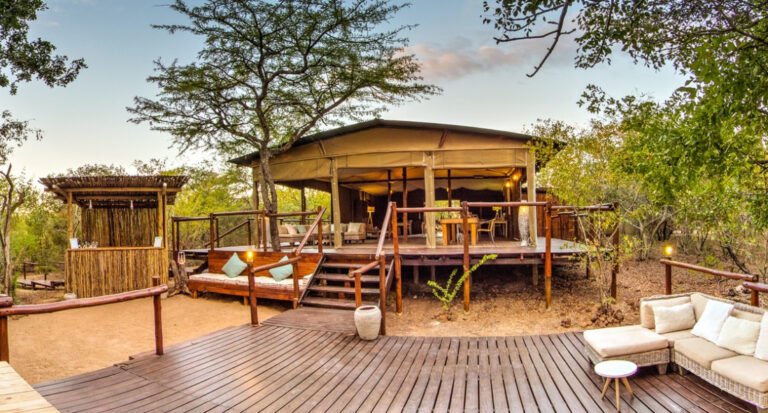
Mafia Marine Park Entry Fees: Your Guide 2026-2027
Planning a trip to Mafia Island and its renowned marine park? This guide breaks down the Mafia Marine Park entry fees for 2026-2027, helping you budget for your underwater adventures and...
View package detailsNo related package matches those filters. Clear one or more filters to see the other topic-matched options.



