
The North Pemba Region offers an authentic and tranquil escape in Zanzibar, characterized by its untouched natural beauty, vibrant coral reefs ideal for diving and snorkeling, historic sites like Ras Mkumbuu, and a rich, less commercialized cultural experience compared to its southern counterpart. It’s a destination for travelers seeking peace, pristine coastlines, and genuine local interactions, with preparations for 2026-2027 trips highlighting its growing appeal for eco-tourism and cultural immersion.
Discovering the Untamed Allure of North Pemba Region
Pemba Island, often overshadowed by its more famous sibling Zanzibar, holds a special place in the heart of the Tanzanian archipelago. While Stone Town and Nungwi on Unguja (Zanzibar Island) draw crowds with their bustling markets and popular beaches, the northern part of Pemba Island, known as the North Pemba Region, remains a haven of tranquility and raw, unspoiled beauty. This region is a sanctuary for those who yearn for an experience that is both deeply authentic and refreshingly unhurried. Here, time seems to slow down, allowing visitors to connect with the natural environment and the warm, welcoming local communities in a profound way.
As we look towards 2026 and 2027, the North Pemba Region is poised to become an even more significant destination for discerning travelers. Its commitment to preserving its natural heritage and cultural integrity makes it an ideal choice for eco-conscious adventurers and those seeking a genuine glimpse into island life. Unlike the more developed tourist hubs, North Pemba offers a landscape dotted with lush spice plantations, dramatic cliffs overlooking turquoise waters, and fishing villages where traditional ways of life persist. It’s a place where the scent of cloves hangs in the air, the calls of exotic birds echo through the forests, and the rhythm of the ocean dictates the daily pace.
This guide is designed to provide an in-depth exploration of the North Pemba Region, covering everything from its most stunning natural attractions and historical significance to practical travel advice for planning your visit in the coming years. We will explore the unique charm that sets it apart, the activities that await you, and why Top Guide Adventures is your ideal partner in experiencing this extraordinary part of Tanzania.
Geographical and Administrative Overview of North Pemba
The North Pemba Region, officially known as the Kaskazini ‘A’ District and Kaskazini ‘B’ District, forms the northern administrative division of Pemba Island. Pemba itself is the larger of the two main islands in the Zanzibar archipelago, situated about 50 kilometers east of mainland Tanzania and 70 kilometers north of Zanzibar Island. The island is characterized by its elongated shape, running roughly north-south, and its fertile volcanic soil, which has historically made it a major producer of cloves and other spices. The North Pemba Region encompasses the northernmost tip of this lush island, extending down to areas like Wete and Konde.
Administratively, Pemba Island is divided into two regions: North Pemba and South Pemba. The North Pemba Region is further subdivided into districts, with Kaskazini ‘A’ and Kaskazini ‘B’ being the primary administrative units. Wete, the island’s second-largest town after Chake-Chake, serves as a significant administrative and commercial center within the northern half. The geography of North Pemba is diverse, featuring a coastline that alternates between dramatic cliffs, secluded coves, and long stretches of pristine, often deserted, sandy beaches. Inland, the landscape is a verdant mix of dense forests, rolling hills, and the iconic spice plantations that have defined Pemba’s economy for centuries.
The population of North Pemba is primarily engaged in agriculture, fishing, and increasingly, small-scale tourism. The towns and villages here retain a more traditional feel, with vibrant local markets, simple yet welcoming guesthouses, and a pace of life that is deeply connected to the sea and the land. Understanding this administrative and geographical context is crucial for appreciating the unique character of North Pemba and for planning logistics for any trip, especially when considering travel for 2026-2027.
Pristine Beaches and Coastal Wonders of North Pemba
The coastline of North Pemba Region is arguably its most striking feature, offering a collection of beaches that rival any in the world for their sheer beauty and pristine condition. Unlike the more frequented shores of Zanzibar Island, Pemba’s northern beaches are often empty, providing an unparalleled sense of seclusion and tranquility. These are not just stretches of sand; they are gateways to vibrant marine ecosystems and offer impressive vistas of the Indian Ocean.
One of the most celebrated coastal areas is the vicinity around Ngezi Forest, which borders several exquisite beaches. These shores are characterized by powdery white sand, calm, crystal-clear waters, and a backdrop of lush tropical vegetation. They are perfect for long, unhurried walks, sunbathing, or simply enjoying the profound peace that comes with being in such an untouched environment.
Further north, areas like Vumawimbi Beach stand out. Known for its stunning natural beauty, Vumawimbi is a long, sweeping expanse of sand fringed by coconut palms and overlooking an impossibly blue sea. It’s an ideal spot for picnics, swimming in the gentle waves, and observing local fishermen bringing in their daily catch. The sense of remoteness here is palpable, making it a true escape from the modern world.
Another gem is Pujini Beach, which offers a slightly different character with its dramatic rock formations interspersed with soft sands. This area is also known for its historical significance, adding a layer of cultural exploration to the beach experience. For those interested in marine life, the waters off these northern beaches are teeming with biodiversity. The coral reefs, relatively untouched by mass tourism, are a paradise for snorkelers and divers.
Planning a trip to North Pemba in 2026 or 2027 means anticipating these unspoiled coastal treasures. The experience is about more than just the sand and sea; it’s about the unspoiled nature, the vibrant marine life waiting to be discovered, and the quietude that allows for true rejuvenation. Top Guide Adventures can help you craft an itinerary that maximizes your time exploring these magnificent shores, ensuring you experience the best of North Pemba’s coastal wonders.
Underwater Paradise: Diving and Snorkeling in North Pemba’s Waters
The waters surrounding North Pemba Region are a diver’s and snorkeler’s dream, boasting some of the most vibrant and healthy coral reefs in the Western Indian Ocean. Pemba Island, often referred to as the ‘Green Island’, is renowned for its dramatic underwater topography, including deep channels and sheer walls, which attract a rich diversity of marine life. The northern coast, in particular, offers exceptional sites that remain largely undiscovered by the wider diving community.
The coral gardens here are spectacular, showcasing a kaleidoscope of colors and an abundance of fish species. Expect to see large schools of reef fish, including angelfish, butterflyfish, parrotfish, and groupers. The deeper channels and walls are also known to attract larger pelagic species such as sharks (including reef sharks and occasionally larger species), barracudas, and manta rays, especially during certain seasons. The clarity of the water is often exceptional, providing excellent visibility for underwater exploration.
Key diving and snorkeling spots in the North Pemba Region include sites around the islands off the coast, such as Njao Island and the waters near Misali Island (though Misali is often accessed from the south, its northern fringes are relevant). These areas are protected by marine conservation efforts, which contribute to the pristine condition of the reefs. Divers can expect encounters with a variety of corals, from delicate fan corals to massive brain corals, forming complex habitats for countless marine creatures.
For snorkelers, the shallow reefs and calm lagoons offer accessible and equally rewarding experiences. Many of the beaches in the north provide direct access to good snorkeling spots, allowing for spontaneous exploration right from the shore. The absence of large crowds means you can often have entire reefs to yourself, making for a more intimate and awe-inspiring encounter with the underwater world.
When planning your adventure for 2026-2027, consider the best times for diving and snorkeling. Generally, the dry seasons (June-October and December-February) offer the calmest seas and best visibility. Top Guide Adventures specializes in organizing diving and snorkeling excursions in North Pemba, working with reputable local operators to ensure safe and unforgettable underwater experiences. We can arrange tailored trips to the most promising sites, catering to all skill levels, from beginners to experienced divers.
Historical Echoes: Exploring North Pemba’s Heritage Sites
Beyond its natural splendor, North Pemba Region is steeped in history, whispering tales of ancient trade routes, Omani sultans, and the island’s pivotal role in the spice trade. While often overlooked in favor of Zanzibar’s more prominent historical sites, Pemba holds significant archaeological treasures that offer a fascinating glimpse into its past.
One of the most important historical sites in the region is Ras Mkumbuu. Located on a peninsula in the northwest of Pemba, this ancient port city was once a thriving center of trade and Islamic culture, flourishing between the 14th and 16th centuries. Archaeological excavations have revealed ruins of mosques, houses, and a fortified palace, providing evidence of its former grandeur. Exploring Ras Mkumbuu is like stepping back in time, imagining the dhows that once docked here, laden with spices and goods from distant lands. The site’s remote location adds to its mystique, offering a quiet and contemplative experience.
Another significant historical area is the vicinity of Vumawimbi, which, in addition to its beautiful beach, is close to ancient ruins that hint at a long history of human settlement. The island’s strategic location made it a crucial stopover point for traders navigating the Indian Ocean, and remnants of this history can be found scattered across the landscape.
The architecture in towns like Wete also tells a story. While much of it is more recent, influences from Omani Arab, Persian, and Indian traders can still be seen in the design of older buildings, the layout of the town centers, and the lingering traditions. The traditional dhows still seen sailing along the coast are a living testament to this maritime heritage.
For travelers planning a visit in 2026 or 2027 with an interest in history, North Pemba offers a unique opportunity to explore these less-visited but historically rich sites. Top Guide Adventures can arrange guided tours that bring these ancient ruins and historical landscapes to life, providing context and insights into Pemba’s complex past. Understanding this heritage adds a profound dimension to the experience of visiting this interesting region.
Cultural Immersion: Experiencing Local Life in North Pemba
The true essence of North Pemba Region lies in its vibrant and authentic local culture. Untouched by mass tourism, the communities here offer a genuine window into the daily lives, traditions, and warm hospitality of the Pemba people. Engaging with the local culture is a rewarding aspect of any visit, providing deeper connections and understanding.
The primary economic activities, fishing and spice farming, form the backbone of daily life. Visiting local fishing villages, such as those found along the northern coast, allows you to witness traditional fishing methods and the bustling activity of markets where the day’s catch is brought ashore. Interacting with fishermen, learning about their techniques, and understanding their relationship with the sea offers a fascinating insight into their livelihood.
Spice plantations are another cornerstone of Pemba’s culture and economy. While the island is famous for cloves, it also cultivates cinnamon, nutmeg, vanilla, and various other aromatic spices. Guided tours through these plantations offer an olfactory and educational journey. You can learn about the cultivation, harvesting, and processing of these valuable commodities, and understand their significance in both local cuisine and global trade. The air itself is often perfumed with the scent of cloves and other spices, creating a unique sensory experience.
Local markets, particularly in towns like Wete, are vibrant hubs of community life. They are places where locals gather to buy and sell produce, household goods, and handicrafts. Experiencing the sights, sounds, and smells of a Pemba market is a fantastic way to observe daily routines, interact with vendors, and perhaps sample some local delicacies. It’s an opportunity to practice your Swahili and engage in friendly bartering.
The people of Pemba are known for their strong Islamic faith and traditions. Observing daily prayers, understanding local customs, and respecting dress codes (especially when visiting villages or mosques) is important for cultural sensitivity. The warmth and genuine curiosity of the local people often lead to spontaneous and memorable interactions, making cultural immersion a highlight of any trip to North Pemba.
For those planning a trip in 2026 or 2027, Top Guide Adventures emphasizes responsible tourism that benefits local communities. We can arrange visits to villages, spice farms, and markets, ensuring these experiences are respectful, authentic, and enriching for both our clients and the local people. We believe that understanding and appreciating the culture is as vital as exploring the natural beauty of North Pemba.
Unique Flora and Fauna: The Natural Reserves of North Pemba
North Pemba Region is not only rich in marine biodiversity but also boasts unique terrestrial ecosystems, particularly within its protected forest reserves. These areas are crucial for conserving the island’s endemic species and providing vital habitats for its diverse flora and fauna.
The most significant natural reserve in the north is the Ngezi Forest Reserve. This is the largest remaining natural forest on Pemba Island, covering an area of approximately 1,400 hectares. Ngezi is a vital sanctuary for several endemic species, including the Pemba flying fox (a large fruit bat), the Pemba green pigeon, and the Pemba scops owl. These species are found nowhere else in the world, making the forest a critical conservation area.
Exploring Ngezi Forest offers a chance to discover a lush, tropical environment characterized by dense vegetation, ancient trees, and a network of trails. Guided walks through the reserve allow visitors to learn about the unique plant life, including medicinal herbs and endemic trees, as well as to spot the diverse birdlife and the elusive Pemba flying foxes. The forest canopy creates a cool, shaded environment, a welcome respite from the coastal heat.
Beyond Ngezi, pockets of natural vegetation and spice farms create a habitat for various other species. You might encounter different types of monkeys, colorful birds, and a fascinating array of insects. The island’s fertile land supports a rich variety of plant life, from towering trees to delicate orchids and, of course, the spices that define its landscape.
Conservation efforts are ongoing in North Pemba, and visiting these reserves contributes to their preservation. For travelers planning to visit in 2026 or 2027, experiencing these natural havens is a must. Top Guide Adventures can arrange guided nature walks and bird-watching tours in Ngezi Forest and other ecologically significant areas, providing expert guides who can illuminate the biodiversity and conservation importance of North Pemba’s natural heritage.
Culinary Delights: Tasting the Flavors of North Pemba
The cuisine of North Pemba Region is a reflection of its rich cultural heritage and abundant natural resources. Influenced by Swahili, Arab, Indian, and African traditions, Pemba’s food is a delightful fusion of spices, fresh seafood, and tropical fruits. While distinct from the more tourist-oriented menus found elsewhere, the local culinary scene offers an authentic and flavorful experience.
Seafood is naturally a staple, given Pemba’s extensive coastline. Freshly caught fish, lobster, prawns, and octopus are prepared in various delicious ways. Grilled fish, often marinated in local spices and lime, is a popular choice, as is octopus curry, known for its tender texture and aromatic sauce. Many local eateries and guesthouses serve simple yet incredibly tasty seafood dishes, prepared with the catch of the day.
The island’s spice heritage plays a crucial role in its cuisine. Cloves, cinnamon, cardamom, and chili are used generously to create complex and fragrant flavors. Swahili dishes like Biryani (spiced rice with meat or fish), Pilau (fragrant rice cooked with meat and spices), and various stews are common and are prepared with a distinct Pemba flair.
Local fruits are abundant and used in both sweet and savory dishes. Coconuts are a versatile ingredient, used for their milk in curries and desserts, and their flesh in various preparations. Tropical fruits like mangoes, papayas, bananas, and jackfruit are readily available and can be enjoyed fresh or incorporated into juices and desserts.
Street food and local markets offer a chance to sample authentic snacks and treats. Look out for ‘Mandazi’ (sweet fried doughnuts), ‘Kachori’ (spiced chickpea flour fritters), and various grilled skewers. Freshly squeezed fruit juices are also a refreshing option.
For travelers planning a visit in 2026-2027, experiencing the local cuisine is an integral part of the cultural journey. Top Guide Adventures can guide you to authentic local restaurants and help arrange cooking experiences or market tours, ensuring you savor the true tastes of North Pemba. We encourage our clients to be adventurous and try the local specialties, as they offer a unique insight into the island’s identity.
Practicalities for Visiting North Pemba Region in 2026-2027
Planning a trip to North Pemba Region requires attention to practical details to ensure a smooth and enjoyable experience. While it offers an escape from the crowds, its infrastructure is less developed than that of Zanzibar Island, which is part of its charm but also something to consider.
Getting There and Around
Getting to Pemba: Pemba Island is accessible via air and sea. Flights operate daily from Dar es Salaam and Zanzibar (Unguja) to Pemba’s main airport near Chake-Chake. These flights are typically operated by local airlines like Precision Air or Coastal Aviation. Sea travel is also an option, with ferries connecting Pemba to mainland Tanzania (Tanga and Dar es Salaam) and Zanzibar Island. However, flights are generally recommended for speed and comfort, especially for those on a tighter schedule.
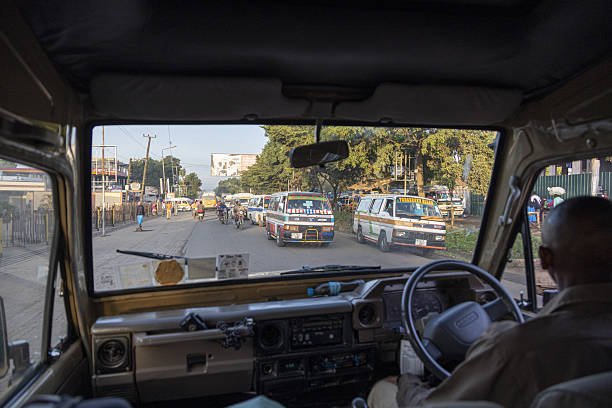
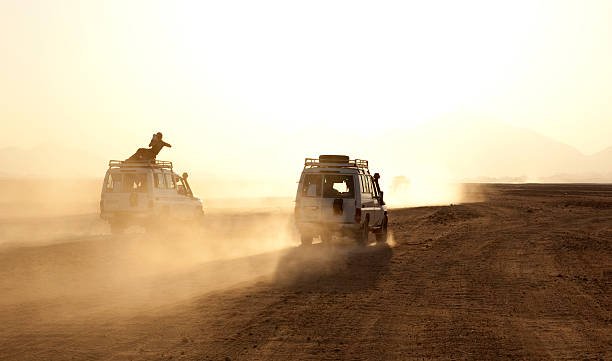
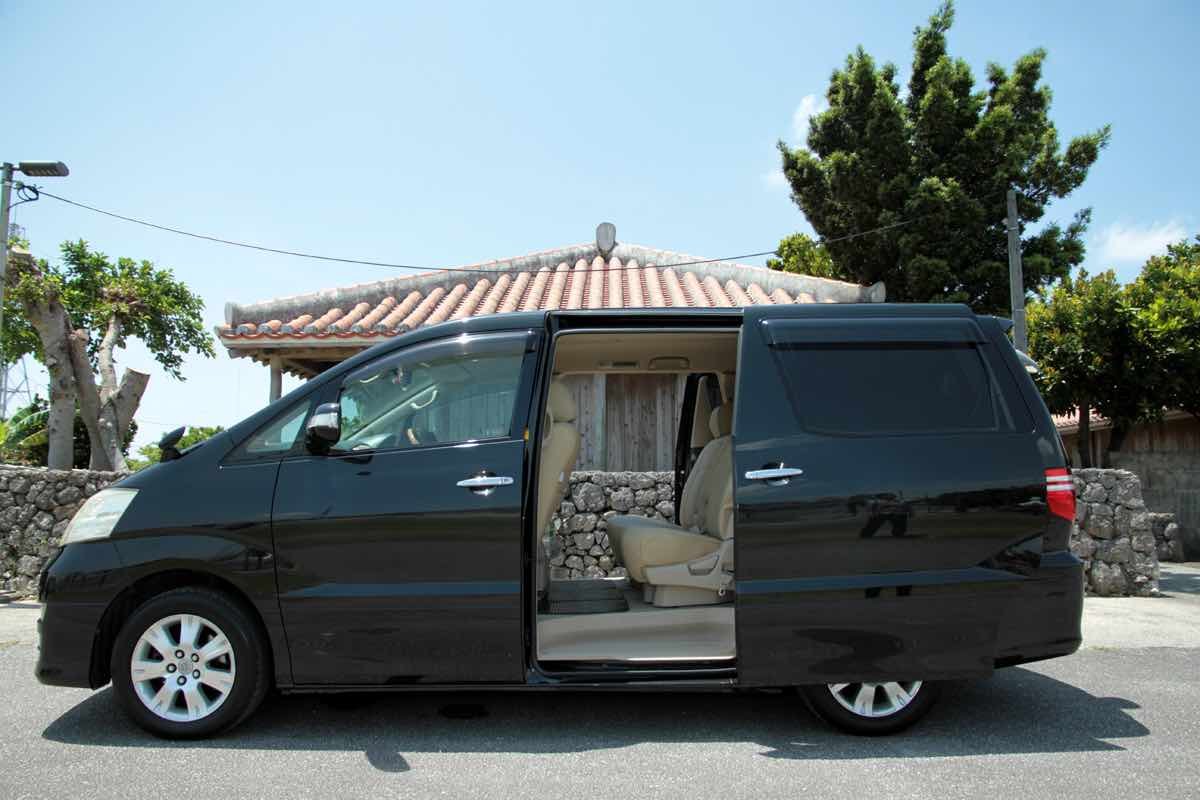
Getting to North Pemba: Once you arrive in Pemba, reaching the northern parts of the island involves further travel. Taxis and private transfers are available from the airport or ferry terminals. For exploring the North Pemba Region specifically, hiring a private driver or a 4×4 vehicle is often the most practical option, especially for reaching more remote beaches and historical sites. Local dala-dalas (minibuses) are available for budget travelers but can be slow and crowded.
Getting Around North Pemba: Within the North Pemba Region, options for independent travel are limited. Renting a scooter might be possible in larger towns like Wete, but road conditions can be challenging. For most visitors, arranging transport through your accommodation or a local tour operator like Top Guide Adventures is the most reliable way to explore. This ensures you can navigate the sometimes-difficult roads and access diverse attractions.
Accommodation Options
Accommodation in North Pemba is generally more modest and intimate compared to Zanzibar Island. You’ll find a range of options, from simple guesthouses and beachfront bungalows to a few boutique lodges that offer a more comfortable experience. Many establishments are locally owned and operated, providing a personal touch and contributing directly to the local economy. Expect fewer large resorts and more characterful, owner-run places.
For those planning their 2026-2027 trips, booking accommodation in advance is advisable, especially if you are looking for specific types of lodging or traveling during peak seasons (which are generally around the dry months). Top Guide Adventures works with a curated selection of accommodations that align with our commitment to quality, authenticity, and responsible tourism.
Best Time to Visit
The best time to visit North Pemba Region is during the dry seasons to take advantage of favorable weather conditions for outdoor activities and exploration. The main dry season runs from June to October, offering sunny days, lower humidity, and calmer seas, which is ideal for diving, snorkeling, and beach activities. Another shorter dry spell occurs from December to February.
The rainy seasons, typically from March to May (long rains) and November (short rains), can bring heavier rainfall, which might limit some outdoor pursuits. However, these periods also offer lush green landscapes and fewer tourists, which can appeal to some travelers. The shoulder months, such as late May and early June, or late October and early November, can offer a good balance of pleasant weather and fewer crowds.
Health and Safety
When traveling to North Pemba, it’s important to take standard health precautions. Consult your doctor regarding recommended vaccinations and malaria prevention well in advance of your trip. Tap water is generally not safe to drink; bottled water is widely available. It’s also advisable to use insect repellent to protect against mosquito bites.
Pemba is known for its safety and the friendliness of its people. However, as with any travel, it’s wise to exercise common sense, be aware of your surroundings, and secure your valuables. The local culture is predominantly Muslim, so dressing modestly when visiting villages or towns is respectful.
Connectivity and Services
Internet access can be sporadic in North Pemba, especially outside of the main towns. Mobile phone coverage is generally better, and local SIM cards are available for purchase. ATMs are available in larger towns like Wete, but it’s advisable to carry sufficient cash, as credit card facilities are not widespread, particularly in smaller establishments.
For a smooth and well-organized trip to North Pemba in 2026-2027, Top Guide Adventures handles all the logistics, including transportation, accommodation, and activity bookings, ensuring you have access to necessary services and support throughout your journey.
Why Choose Top Guide Adventures for Your North Pemba Expedition?
Navigating a destination like North Pemba Region, with its unique blend of untouched nature and cultural authenticity, requires local expertise and a commitment to responsible travel. Top Guide Adventures is ideally positioned to provide precisely that, offering unparalleled service and a deep understanding of this special part of Zanzibar.
Local Expertise and Personalization: As one of Tanzania’s trusted tour companies, we pride ourselves on our intimate knowledge of Pemba Island, including the nuances of its northern region. We don’t offer one-size-fits-all packages. Instead, we work closely with you to craft tailor-made journeys that align with your interests, whether they lie in diving, cultural exploration, historical discovery, or simply relaxing on pristine beaches. Our personal attention ensures every detail is considered.
Authentic Experiences: We are dedicated to showcasing the genuine spirit of North Pemba. This means connecting you with local communities in meaningful ways, arranging visits to authentic spice farms and traditional villages, and guiding you to the most secluded and beautiful natural sites. We prioritize experiences that are respectful of local culture and contribute positively to the island’s economy.
Commitment to Responsible Tourism: Top Guide Adventures is committed to sustainable and responsible travel practices. We partner with local businesses that share our values, support conservation efforts, and ensure that our tours benefit the communities we visit. Traveling with us means contributing to the preservation of North Pemba’s unique environment and cultural heritage for future generations, including for visitors in 2026 and 2027.
Comprehensive Support: From initial planning to your departure, we provide dedicated support. We handle all logistics, including flights, transfers, accommodation, and activity bookings, ensuring a hassle-free travel experience. Our team is available to assist you throughout your journey, offering peace of mind and allowing you to fully experience the beauty of North Pemba.
Vast Experience: With years of experience organizing Tanzanian adventures, including specialized trips to Pemba, we have established strong relationships and a reputation for excellence. We understand the best times to visit, the most rewarding activities, and how to navigate the island to provide you with an unforgettable expedition. Our commitment extends to ensuring your trip in 2026-2027 is meticulously planned and executed.
Choosing Top Guide Adventures means choosing a partner who is passionate about sharing the magic of North Pemba Region responsibly and authentically. We invite you to connect with us to start planning your dream island escape.
Contact us today to begin planning your extraordinary journey to North Pemba Region:
WhatsApp: +255616946642
Email: topguideadventures@gmail.com
Backup Email: info@topguideadventurestanzania.com
Let us help you discover the serene beauty and rich culture of North Pemba, creating memories that will last a lifetime.
Frequently Asked Questions About North Pemba Region
What is the main difference between North Pemba and South Pemba?
The North Pemba Region is generally considered wilder and less developed, offering more secluded beaches and a more traditional cultural experience. South Pemba, while still tranquil, has more established tourism infrastructure, including the main airport and larger towns like Chake-Chake, and is often the starting point for exploring the island.
Is North Pemba suitable for families?
Yes, North Pemba can be suitable for families seeking a quiet, nature-focused holiday. However, due to less developed infrastructure and fewer child-centric activities compared to more touristy destinations, it might be better suited for families with older children or those who appreciate a more relaxed, adventurous travel style. The calm, clear waters of many beaches are safe for swimming.
What are the best activities in North Pemba?
Top activities include exploring pristine, uncrowded beaches, diving and snorkeling in vibrant coral reefs, visiting historical sites like Ras Mkumbuu, discovering the Ngezi Forest Reserve and its endemic wildlife, and experiencing local culture through spice farm tours and village visits. Relaxing and enjoying the tranquility is also a major draw.
What should I pack for a trip to North Pemba?
Pack light, breathable clothing (cotton or linen), swimwear, reef-safe sunscreen, a hat, sunglasses, insect repellent, comfortable walking shoes or sandals, a light rain jacket (especially during shoulder seasons), any personal medications, and a basic first-aid kit. Modest clothing is recommended when visiting villages or towns.
How can I book a trip to North Pemba for 2026-2027?
You can book a trip to North Pemba by contacting experienced tour operators like Top Guide Adventures. They can assist with planning a tailor-made itinerary, including flights, accommodation, transfers, and activities, ensuring a smooth and authentic experience. Reaching out via WhatsApp (+255616946642) or email (topguideadventures@gmail.com) is a good starting point.
Check Availability for North Pemba Region Guide
Ready to compare dates, prices, and the best option for your group? Send the package name and travel month so the team can reply with a clear quote, availability, and what is included.



