
An Omo Valley cultural expedition in Ethiopia offers an unparalleled opportunity to connect with some of the world’s most distinct indigenous communities, such as the Mursi, Hamer, Karo, and Suri, experiencing their ancient traditions, unique body adornments, and daily life. Planning for a 2026 or 2027 expedition involves understanding the best time to visit, reliable travel routes from Addis Ababa, the essential cultural etiquette, and the logistical considerations for a respectful and enriching journey.
Understanding the Omo Valley Cultural Expedition
The Omo Valley, located in the southwestern region of Ethiopia, is a UNESCO World Heritage site renowned for its incredible cultural diversity. This region is home to numerous ethnic groups, each with its own language, customs, and artistic expressions. An Omo Valley cultural expedition is not merely a sightseeing trip; it’s an immersion into ancient ways of life that have persisted for centuries, largely untouched by modern global influences. Travelers are drawn to the valley to witness the fascinating rituals, intricate body painting, unique fashion, and distinct social structures of tribes like the Hamer, Mursi, Karo, Dassanech, and Suri.
Organizing an Omo Valley cultural expedition requires careful consideration of logistics, cultural sensitivity, and the best timing. Top Guide Adventures specializes in crafting these intricate journeys, ensuring that your experience is both profound and respectful. Our expeditions are designed to provide authentic encounters while supporting the local communities through responsible tourism practices. Whether you are interested in the bull-jumping ceremony of the Hamer, the lip plates of the Mursi women, or the intricate body art of the Karo people, our expert guides will facilitate a deep understanding and appreciation of these vibrant cultures. Planning for 2026 and 2027 expeditions is already underway, offering opportunities to explore this unique corner of Africa.
Why Choose an Omo Valley Cultural Expedition?
The allure of the Omo Valley lies in its raw authenticity and the opportunity to witness human diversity in its most vivid form. It’s a journey back in time, a chance to see traditions that have been passed down through generations. Here’s why an Omo Valley cultural expedition stands out:
- Unrivaled Cultural Immersion: Unlike many destinations, the Omo Valley offers direct engagement with tribal communities. You’ll see their homes, witness their ceremonies, and learn about their beliefs firsthand.
- Unique Photographic Opportunities: The distinct adornments, vibrant clothing, and dramatic landscapes provide photographers with special shots.
- Deep Understanding of Human Diversity: Witnessing the myriad ways humans adapt, create, and live provides a profound perspective on culture and society.
- Support for Local Communities: Responsible tourism, facilitated by experienced local guides and tour operators like Top Guide Adventures, ensures that your visit benefits the communities you encounter.
- Adventure and Exploration: The journey itself is an adventure, navigating rugged terrains and remote areas to reach these fascinating cultures.
For travelers seeking an experience that goes beyond the ordinary, an Omo Valley cultural expedition in 2026 or 2027 promises to be an unforgettable adventure. It’s a chance to see a different side of humanity and to gain a broader appreciation for the world’s rich cultural mix.
Key Tribes of the Omo Valley
The Omo Valley is a mosaic of different ethnic groups, each with its unique characteristics. Understanding these tribes is crucial for planning a meaningful expedition. Top Guide Adventures focuses on facilitating respectful interactions with several prominent tribes:
The Hamer (or Hammer)
The Hamer are perhaps the most well-known tribe in the Omo Valley, primarily residing around the town of Dimeka and Turmi. They are pastoralists, relying heavily on cattle for their livelihood. The Hamer are famous for their distinctive hairstyles, often adorned with ochre and butter, and the women’s elaborately beaded skirts and necklaces. The most iconic Hamer ritual is the ‘Ukuli Bula’ or Bull Jumping Ceremony, a rite of passage for young men. Before a man can marry, he must prove his strength and courage by successfully leaping over a line of castrated bulls, usually several times, without falling. This ceremony is a spectacular event, often accompanied by feasting, dancing, and the ritual whipping of young women, who show their devotion by enduring the lashes and bearing scars as marks of commitment. Visiting during a bull-jumping ceremony is a highlight for many Omo Valley cultural expeditions, though these events are not scheduled and depend on community decisions. Top Guide Adventures works closely with local contacts to ascertain the possibility of witnessing such ceremonies during your 2026 or 2027 trip.
The Mursi
The Mursi are globally recognized for a unique body modification practice: women adorn themselves with large clay or wooden lip plates inserted into their lower lips. The size and decoration of the lip plate signify the woman’s status, wealth, and beauty. The process of stretching the lip is initiated during adolescence and involves gradually increasing the size of the plate. Mursi men are also known for their elaborate body painting, using natural pigments to create intricate patterns for ceremonies and daily life. They are primarily pastoralists, herding cattle, goats, and sheep. Interactions with the Mursi typically occur near the Mago National Park. Respectful photography is paramount here, and it’s important to understand that while they are accustomed to visitors, a small fee is often requested for photographs, which directly supports the community.
The Karo (or Kere)
The Karo are one of the smaller tribes in the Omo Valley, with a population estimated at around 1,000 to 3,000 people. They inhabit villages along the eastern bank of the Omo River, with their main settlements being Korcho, Dambicha, and Langu. The Karo are renowned for their artistic skills, particularly their intricate body painting. Using white chalk, red ochre, black charcoal, and green/yellow natural pigments, they create stunning, temporary designs on their bodies that resemble elaborate clothing or masks. These paintings are often done for ceremonies, dances, and to impress potential suitors. The men often shave their heads, leaving a tuft of hair at the front, and wear decorative clay hair buns. The Karo also practice scarification, which is considered a sign of beauty and strength. Their villages, especially Korcho, offer spectacular views over the Omo River and the surrounding landscape, making them a popular stop on any Omo Valley cultural expedition.
The Suri (or Surma)
The Suri, closely related to the Mursi, also practice lip-plate insertion among their women, though it is less common and often smaller than among the Mursi. The Suri are a semi-nomadic people living in the western parts of the Omo Valley, near the border with South Sudan. They are primarily pastoralists and also practice some agriculture. The Suri are known for their vibrant body painting, elaborate clay hair adornments, and their stick-fighting rituals, known as ‘Sene’ or ‘Donga’. This is a dangerous sport where young men engage in mock combat using long wooden sticks, aiming to knock out their opponent. It is a test of bravery and strength, often performed to win a bride. Visiting Suri territory can be more challenging logistically due to its remoteness, but it offers an even deeper look at traditional life for those undertaking an extended Omo Valley cultural expedition in 2026 or 2027.
The Dassanech
The Dassanech are a pastoralist and semi-nomadic tribe living in the delta region where the Omo River meets Lake Turkana. They are one of the largest tribes in the lower Omo Valley and are known for their resilience and adaptability in a challenging environment. Their culture is closely tied to the Omo River and Lake Turkana, which provides sustenance through fishing and supports their cattle herding. Dassanech women often wear skirts made from goat skins and adorn themselves with beads and necklaces. They are also known for their distinctive hairstyles and their habit of wearing many bracelets made from various materials. Visiting Dassanech villages, particularly those near Omorate, offers insight into life along the river and the dynamics of a community that has historically interacted with both Ethiopian and Kenyan peoples.
Other Tribes
While the Hamer, Mursi, Karo, Suri, and Dassanech are among the most frequently visited, the Omo Valley is home to many other groups, including the Bume (Nyangatom), Tsemai, Ari, and Benna. Each group possesses unique traditions and lifestyles. A comprehensive Omo Valley cultural expedition might aim to include encounters with several of these communities, offering a broader perspective on the region’s rich ethnic mix.
Planning Your Omo Valley Cultural Expedition
A successful Omo Valley cultural expedition requires meticulous planning. The journey is adventurous, and preparation is key to ensuring a safe, respectful, and rewarding experience. Top Guide Adventures provides comprehensive support for all aspects of your trip, from initial planning through to your return.
Best Time to Visit
The Omo Valley has a relatively dry and hot climate year-round. However, certain periods offer more comfortable travel conditions and align with significant cultural events:
- Dry Season (June to October): This is generally considered the best time for an Omo Valley cultural expedition. The weather is dry, making travel easier as roads are less prone to becoming impassable. Temperatures can still be high, but the lack of rain is a significant advantage. This period also often coincides with harvest seasons for some agricultural communities and may increase the chances of witnessing local ceremonies.
- Shoulder Seasons (November to February): The weather remains largely dry, though there might be occasional light rains. Temperatures start to cool slightly but can still be warm. This is also a good time to visit, with fewer crowds than during peak dry months.
- Wet Season (March to May): This period sees the heaviest rainfall, which can significantly impact road conditions. Many tracks can become muddy and impassable, making travel slow and challenging. While it’s less ideal for logistics, the landscape becomes greener, and there might be fewer tourists. Some specific ceremonies might also be tied to rainfall patterns.
For 2026 and 2027, we recommend targeting the dry season months (June-October) for the most comfortable and accessible travel. However, if your primary interest is witnessing specific agricultural cycles or you are prepared for potentially rougher travel, the shoulder months can also be rewarding. It’s crucial to note that major tribal ceremonies, like the Hamer bull jumping, are not scheduled and happen based on community decisions, so flexibility is key regardless of the season.
Typical Itinerary Structure
Most Omo Valley cultural expeditions start and end in Addis Ababa, Ethiopia’s capital. The journey typically involves a combination of flights and overland travel. A common duration for a comprehensive expedition is 7 to 10 days, though longer or shorter trips are possible.
Sample Omo Valley Expedition Itinerary (8 Days / 7 Nights)
- Day 1: Arrival in Addis Ababa. Transfer to your hotel. Depending on arrival time, optional city tour.
- Day 2: Flight to Arba Minch. Begin your journey south. Visit the Dorze people, known for their elephant-shaped huts and weaving traditions. Overnight in Arba Minch.
- Day 3: Arba Minch to Turmi. Drive towards the heart of the Omo Valley. Stop to visit the Tsemay tribe. Continue to Turmi, the Hamer tribal center. If timing allows, witness a Hamer dance. Overnight in Turmi.
- Day 4: Hamer Villages & Bull Jumping. Explore Hamer villages. If a bull-jumping ceremony is scheduled, dedicate the day to witnessing this significant rite of passage. Otherwise, explore more Hamer life and local markets (e.g., Dimeka market if it’s Saturday). Overnight in Turmi.
- Day 5: Turmi to Omorate (Dassanech). Drive to Omorate to visit the Dassanech people, who live near the Omo River. Experience their unique culture and riverine lifestyle. Return to Turmi or stay in a nearby lodge.
- Day 6: Turmi to Mago National Park (Mursi). Drive towards Mago National Park. Visit Mursi villages and observe their famous lip plates and body painting. Overnight near Mago National Park or Jinka.
- Day 7: Jinka to Addis Ababa. Morning visit to the Ari tribe or explore the Jinka museum. Fly from Jinka back to Addis Ababa. Farewell dinner.
- Day 8: Departure. Transfer to Bole International Airport for your onward flight.
Note: This is a sample itinerary. Routes can be customized based on your interests and the specific cultural events happening during your 2026 or 2027 expedition. Some itineraries might include visits to the Karo people, often requiring travel to or from Karo village (Korcho) via Jinka or Dimeka.
Travel Logistics and Transportation
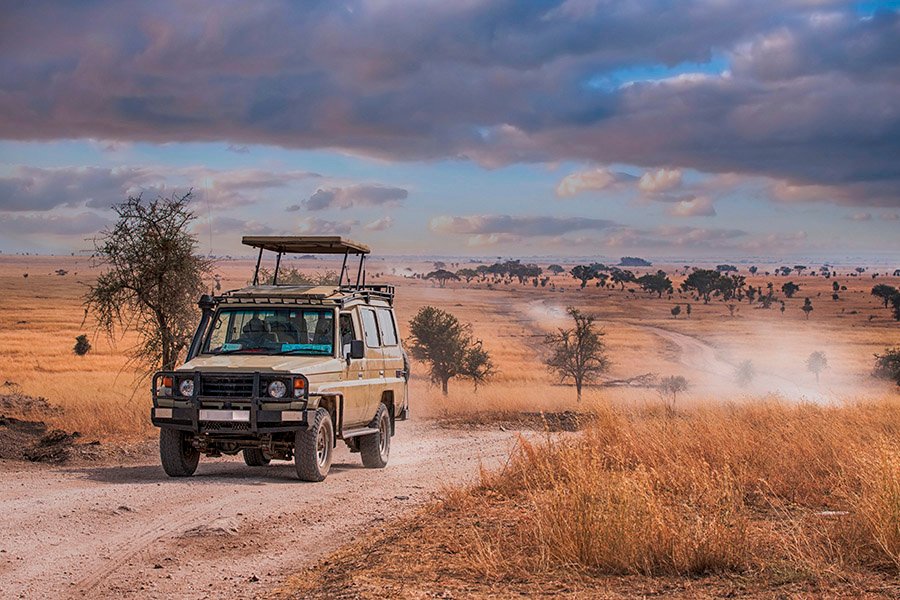
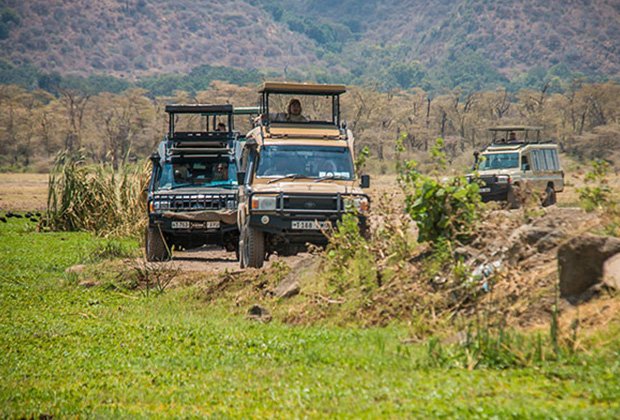
Getting around the Omo Valley is an adventure in itself. The primary mode of transport is a 4×4 vehicle, essential for navigating the often unpaved and challenging roads. Top Guide Adventures provides sturdy 4×4 vehicles and experienced drivers who are familiar with the terrain and cultural nuances.
- Flights: Domestic flights from Addis Ababa to towns like Arba Minch, Jinka, and sometimes Omorate (depending on schedule and availability) significantly reduce travel time and make the region more accessible. We arrange these internal flights as part of your expedition package for 2026-2027.
- Overland Travel: The majority of the journey will be by 4×4. Roads can be rough, dusty, and slow, especially during and after the rainy season. Patience and a sense of adventure are necessary.
- Accommodation: Options range from basic lodges and tented camps in remote areas to more comfortable hotels in larger towns like Arba Minch and Jinka. We select accommodations that offer the best balance of comfort, location, and authenticity for your Omo Valley cultural expedition.
Visa and Health Requirements
Visa: Most nationalities require a visa to enter Ethiopia. This can often be obtained online via the Ethiopian e-visa portal or upon arrival at Bole International Airport in Addis Ababa. We advise checking the latest requirements well in advance of your 2026 or 2027 travel dates.
Health:
- Malaria: The Omo Valley is a malaria-risk area. Consult your doctor or a travel clinic about malaria prophylaxis and other necessary vaccinations (e.g., Yellow Fever, Hepatitis A & B, Typhoid).
- Water: Drink only bottled or purified water. Avoid ice in drinks unless you are certain it’s made from purified water.
- Food: Be cautious with street food. Stick to well-cooked meals.
- Travel Insurance: Comprehensive travel insurance covering medical emergencies, evacuation, and trip cancellation is highly recommended for any Omo Valley cultural expedition.
Cultural Etiquette and Responsible Tourism
Respecting the customs and traditions of the Omo Valley tribes is paramount for a meaningful and ethical expedition. As a responsible tour operator, Top Guide Adventures emphasizes cultural sensitivity in all our tours.
Key Etiquette Guidelines:
- Ask Before Photographing: Always seek permission before taking photos of people, especially close-ups. A smile and a gesture are usually understood. Be prepared to offer a small fee if requested; this is a common practice and supports the individuals.
- Dress Modestly: While the tribes have their own distinct attire, visitors should dress respectfully. Avoid overly revealing clothing.
- Be Mindful of Customs: Observe local customs and traditions. If invited to participate in a ceremony or share food, do so with genuine interest.
- Bargaining: When purchasing handicrafts, polite bargaining is acceptable, but remember that these items are often the primary source of income for the artisans.
- Gifts: Avoid giving random gifts, especially sweets or money, as this can create dependency and disrupt social structures. If you wish to help, discuss with your guide about contributing to community projects or providing essential supplies through organized channels.
- Environmental Respect: Do not litter. Take all your waste with you. Respect the natural environment and avoid disturbing wildlife.
Supporting Local Communities
Top Guide Adventures is committed to sustainable and ethical tourism. We work with local guides and communities, ensuring that tourism benefits are shared fairly. By choosing our Omo Valley cultural expeditions, you contribute to:
- Employment: Providing jobs for local guides, drivers, and support staff.
- Community Development: Supporting local initiatives through fair pricing and direct contributions where appropriate and agreed upon by the community.
- Cultural Preservation: Encouraging the preservation of traditions by showcasing their value to the outside world, provided it is done respectfully and without exploitation.
We believe that tourism can be a powerful force for good when managed responsibly. Our aim for every 2026 and 2027 Omo Valley cultural expedition is to foster mutual respect and understanding between visitors and the communities they meet.
What to Pack for Your Omo Valley Expedition
Packing appropriately will significantly enhance your comfort and preparedness for an Omo Valley cultural expedition. The climate is hot and dry, and you’ll be in remote areas, so practicality is key.
Essential Items to Pack:
- Clothing: Lightweight, breathable clothing (cotton or linen). Long-sleeved shirts and long trousers are recommended for sun protection and to deter insects. Neutral colors are best for wildlife viewing and blending in. A light jacket or fleece for cooler evenings or higher altitudes.
- Footwear: Comfortable walking shoes or hiking boots. Sandals or flip-flops for relaxing at the lodge.
- Headwear: A wide-brimmed hat or cap for sun protection.
- Sun Protection: High SPF sunscreen, sunglasses, and lip balm with SPF.
- Insect Repellent: With DEET or Picaridin, especially for evenings and early mornings.
- Personal First-Aid Kit: Include any personal medications, pain relievers, antiseptic wipes, bandages, and treatment for common ailments like diarrhea.
- Toiletries: Basic toiletries. Hand sanitizer is essential. Wet wipes are very useful.
- Camera and Accessories: Extra batteries, memory cards, and a good zoom lens if you are interested in photography. A waterproof bag or case is advisable.
- Power Bank/Adapter: For charging electronics, as power supply can be unreliable in some areas. Ethiopia uses Type C and Type F plugs (220-240V).
- Water Bottle: A reusable water bottle to minimize plastic waste. Water purification tablets or a filter can be useful backups.
- Small Backpack: For day trips and carrying essentials like water, snacks, camera, and sunscreen.
- Binoculars: For wildlife viewing and observing distant landscapes.
- Cash: Small denominations of Ethiopian Birr for local purchases, tips, and photography fees. USD can also be useful for larger payments or emergency exchange.
- Scarf/Sarong: Versatile for sun protection, warmth, or modesty when visiting villages.
Photography in the Omo Valley
The Omo Valley is a photographer’s paradise, offering incredibly diverse subjects. However, it’s crucial to approach photography with sensitivity and respect.
- Respect is Key: Always ask permission before taking photos. Many people will expect a small payment (around 10-50 Birr, subject to change, check with your guide). This is a direct way to support the individuals you photograph.
- Best Times: Early morning and late afternoon offer the best light for photography, with softer shadows and warmer tones.
- Capture the Details: Focus on the intricate body painting, jewelry, scarification, and the expressions of the people. Don’t forget to capture the stunning landscapes and the vibrant markets.
- Gear: A versatile zoom lens (e.g., 24-70mm or 70-200mm) is ideal for capturing both wider scenes and intimate portraits without getting too close. A wide-angle lens can be useful for landscapes.
- Ethical Considerations: Avoid intrusive photography. Never photograph private ceremonies without explicit permission from elders. Be mindful of children – always get parental consent.
Top Guide Adventures ensures our guides are knowledgeable about photography ethics and can assist you in navigating these sensitive interactions during your 2026 or 2027 Omo Valley cultural expedition.
Omo Valley Cultural Expedition Costs and Booking
The cost of an Omo Valley cultural expedition can vary significantly depending on the duration of the trip, the level of accommodation, transportation choices (e.g., flights vs. all overland), group size, and the specific activities included. Top Guide Adventures offers tailor-made packages to suit different budgets and preferences.
Factors Influencing Cost:
- Duration: Longer trips naturally incur higher costs due to more days of vehicle hire, guide fees, and accommodation.
- Accommodation: Basic lodges and camping are more budget-friendly than comfortable hotels or lodges.
- Transportation: Internal flights add to the cost but save significant travel time. Overland travel in 4x4s is standard.
- Group Size: Private expeditions for solo travelers or couples are typically more expensive per person than group tours.
- Inclusions: Packages can range from basic transport and guide services to all-inclusive options covering meals, accommodation, park fees, and internal flights.
Typical Price Range (Estimate for 2026-2027):
For a mid-range Omo Valley cultural expedition lasting 8-10 days, expect prices to range from $2,500 to $4,500 USD per person, based on double occupancy. Solo travelers may incur a single supplement. Luxury options or highly customized itineraries could be higher.
What is typically included:
- Airport transfers in Addis Ababa
- Accommodation as per itinerary
- All meals during overland travel (breakfast, lunch, dinner)
- 4×4 vehicle with experienced driver/guide
- English-speaking local guides in tribal areas
- Entrance fees to national parks and tribal areas
- Bottled water during game drives
- Community development contributions
What is typically excluded:
- International flights
- Ethiopian visa fees
- Domestic flights (unless specified)
- Alcoholic beverages and soft drinks
- Tips for guides, drivers, and lodge staff
- Personal expenses (souvenirs, laundry)
- Travel insurance
- Photography fees in tribal areas
Booking Your Expedition
To get a personalized quote and discuss your 2026 or 2027 Omo Valley cultural expedition, we recommend contacting Top Guide Adventures directly. Our team will work with you to design an itinerary that meets your interests, budget, and travel style.
Contact Top Guide Adventures:
- WhatsApp: +255616946642
- Email: info@topguideadventures.com
- Website: Top Guide Adventures
Early booking for 2026 and 2027 is advisable, especially if you wish to travel during peak season or have specific date requirements. This ensures availability for flights, accommodations, and guides.
Frequently Asked Questions about Omo Valley Expeditions
Common Questions Answered:
Is the Omo Valley safe for tourists?
Generally, the Omo Valley is considered safe for organized tourist groups with experienced guides. However, like any remote region, it’s important to stay aware of your surroundings and follow your guide’s advice. Political situations can change, and it’s wise to check current travel advisories before your trip. Top Guide Adventures prioritizes traveler safety and maintains up-to-date information.
What are the accommodation standards like?
Accommodation varies greatly. In towns like Arba Minch and Jinka, you’ll find hotels with standard amenities. In more remote areas like Turmi, you’ll typically stay in lodges or tented camps that offer basic but comfortable facilities. Expect clean rooms, private bathrooms (sometimes shared in very basic camps), and meals provided. Luxury options are limited but can be arranged for specific locations.
Can I visit the Omo Valley independently?
While independent travel is technically possible, it is strongly discouraged. The region is vast, roads are challenging, and cultural nuances require local knowledge. An experienced guide is essential for navigating the terrain, understanding the tribes, arranging necessary permits, and ensuring your safety and a respectful experience. Top Guide Adventures highly recommends joining a guided expedition for an Omo Valley cultural expedition in 2026 or 2027.
How much should I tip my guide and driver?
Tipping is customary for good service. A general guideline for a 10-day expedition would be around $10-15 USD per day for the driver and $15-20 USD per day for the guide, per person. This can vary based on group size and service quality. Your guide will provide specific recommendations.
What if I want to see a specific ceremony like the Hamer Bull Jumping?
Ceremonies are not scheduled events and depend entirely on the community’s decisions. While Top Guide Adventures has extensive local networks and will do its utmost to position you to witness such events if they occur during your visit, there is no guarantee. Flexibility in your itinerary is crucial. We can inform you about the general periods when these ceremonies are more likely to happen for your 2026-2027 planning.
Is it possible to visit the Omo Valley in 2026 or 2027?
Yes, the Omo Valley is open for tourism in 2026 and 2027. Ethiopia has a strong tourism sector, and operators like Top Guide Adventures are fully equipped to offer safe and enriching experiences. We recommend booking in advance to secure your preferred dates and ensure the best logistical arrangements.
The Future of Omo Valley Cultural Expeditions
As the world becomes more interconnected, the unique cultures of the Omo Valley face both opportunities and challenges. Responsible tourism plays a vital role in ensuring that these traditions can be preserved while also providing economic benefits to the local communities. For future expeditions in 2026 and 2027, Top Guide Adventures remains committed to ethical practices that prioritize the well-being of the tribes and the integrity of their culture.
We are continuously working with local communities to develop tourism models that are sustainable and mutually beneficial. This includes promoting respectful interactions, ensuring fair compensation for services and photography, and contributing to community-driven development projects. The Omo Valley cultural expedition is more than just a tour; it’s a bridge between worlds, fostering understanding and appreciation for human diversity. We invite you to be part of this unique journey and to experience the magic of the Omo Valley with Top Guide Adventures.
If you are considering an Omo Valley cultural expedition for 2026 or 2027, or any other adventure in Tanzania, please do not hesitate to reach out to us. We are here to help you craft the perfect journey.
Get in touch with Top Guide Adventures today:
- WhatsApp: +255616946642
- Email: info@topguideadventures.com
- Website: Top Guide Adventures
Check Availability for Omo Valley Cultural Expedition: Tribes, Traditions & Travel In Ethiopia
Ready to compare dates, prices, and the best option for your group? Send the package name and travel month so the team can reply with a clear quote, availability, and what is included.
Ghardaïa And Mzab Valley Cultural Guide: Ancient Algerias Living Heritage
Your definitive guide to Ghardaïa and the M'Zab Valley, exploring the unique Mozabite culture, traditional architecture, and historical significance of this Algerian UNESCO World Heritage...
View package detailsHistorical Sites In East Africa & Cultural Safari Tours In 2026-2027
Discover East Africa's compelling historical sites and vibrant cultural experiences through specialized safari tours in 2026-2027. This guide covers key locations, tour types, and planning...
View package details
Sudan Red Sea Marine Heritage: Exploring Underwater Wonders And Cultural
Explore the unparalleled marine heritage of Sudan's Red Sea coast. This guide covers its rich biodiversity, historical shipwrecks, vibrant coral ecosystems, and tips for responsible...
View package details
Nubian Village Cultural Experiences In Tanzania: A Deep Dive With Top Guide
Explore the rich cultural heritage of Nubian villages in Tanzania. Top Guide Adventures offers in-depth experiences, highlighting traditions, daily life, and community connections for your...
View package details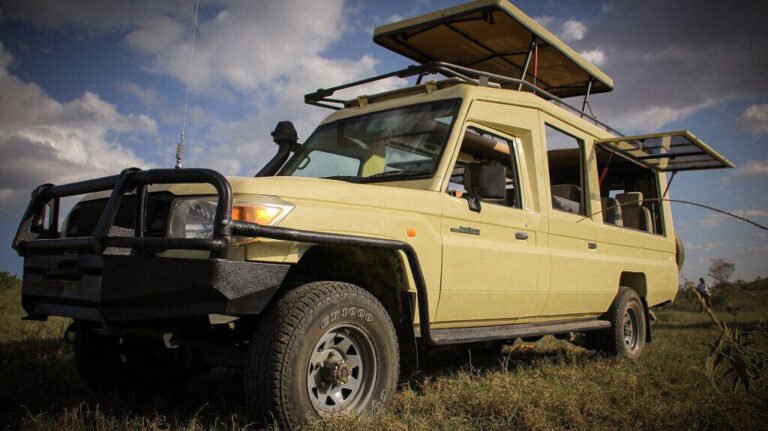
Sudan Nubian Pyramids And Nile Heritage Guide: Ancient Wonders & Cultural
Discover the unparalleled ancient wonders of Sudan's Nubian Pyramids and the rich cultural heritage along the Nile River. This comprehensive guide provides essential information for...
View package details
Tripoli Architecture And Cultural Heritage: A Deep Look At Libyas Historic
Discover the architectural marvels and vibrant cultural heritage of Tripoli, Libya's historic coastal capital. This guide covers its Roman, Arab, Ottoman, and Italian influences, offering...
View package details
Algiers Casbah Cultural Experience: A Deep Look At History And Heritage
experience the living history of Algiers by experiencing its Casbah, a UNESCO World Heritage site. This guide explores its rich cultural mix, historical significance, architectural wonders...
View package details
Tunisia Cultural, Coastal And Sahara Tour Guide
Discover Tunisia's diverse landscapes and rich heritage on a comprehensive tour. Explore ancient ruins, relax on Mediterranean beaches, and traverse the majestic Sahara Desert. This...
View package details
Egypt Red Sea And Cultural Holiday: Your Ultimate Adventure 2026-2027
Discover the perfect blend of ancient history and vibrant marine life on an Egypt Red Sea and Cultural Holiday. This guide covers itineraries, activities, and planning for your 2026-2027...
View package details
Morocco Food And Cultural Holiday: A Deep Dive 2026-2027
Plan your dream Morocco food and cultural holiday. This comprehensive guide covers essential insights for 2026-2027 travel, from iconic dishes to deep dives into local traditions, ensuring...
View package details
Atlas Mountains And Sahara Adventure: Your Ultimate Tanzania Expedition
start an unforgettable journey through the Atlas Mountains and Sahara Desert, experiencing the raw beauty and rich culture of Tanzania. This comprehensive guide covers everything you need...
View package details
Juba Cultural And Historical Experiences: A Deep Dive For 2026-2027
Discover the vibrant cultural heritage and pivotal historical sites of Juba, South Sudan. This guide offers an in-depth look at experiences for travelers in 2026-2027, from traditional life...
View package detailsNo related package matches those filters. Clear one or more filters to see the other topic-matched options.



