
A Morocco food and cultural holiday offers an in-depth journey into the heart of North African traditions, focusing on the country’s rich culinary heritage and vibrant way of life. For 2026-2027, expect expertly curated experiences that blend authentic cooking classes, visits to bustling souks and spice markets, traditional meals in local homes and riads, and explorations of historical medinas, all designed to provide deep insight into Moroccan society and its gastronomic soul.
Your Gateway to Moroccan Flavors and Traditions
Morocco, a land where ancient traditions meet modern life, offers a travel experience unlike any other. A Morocco food and cultural holiday is not merely a trip; it’s an exploration of senses, a deep look at a history shaped by Berber, Arab, and European influences, and a celebration of the art of living well. From the aromatic tagines simmering in clay pots to the intricate patterns of Zellij tilework adorning historic palaces, every element speaks of a culture that values hospitality, community, and exquisite craftsmanship. As you plan your adventure for 2026 or 2027, understanding the essence of such a holiday will set the stage for an unforgettable journey.
Top Guide Adventures, while primarily known for its exceptional Tanzanian tours, recognizes the universal desire for authentic cultural immersion. This guide is crafted to provide you with a comprehensive understanding of what a Morocco food and cultural holiday entails, drawing on the principles of personalized, in-depth travel experiences that we champion. We believe that the best way to connect with a destination is through its food and the people who create it, and Morocco is a perfect testament to this philosophy.
The Allure of Moroccan Cuisine: More Than Just Ingredients
Moroccan cuisine is a vibrant mosaic, a reflection of its diverse geography and historical crossroads. It’s a cuisine that masterfully balances sweet and savory, uses spices with a delicate hand, and emphasizes fresh, seasonal ingredients. A food-focused holiday here means more than just tasting; it means understanding the stories behind the dishes, the techniques passed down through generations, and the social rituals that surround every meal.
Key Culinary Pillars of Morocco
At the core of Moroccan gastronomy are several fundamental elements:
- Tagine: The iconic slow-cooked stew, named after the conical earthenware pot it’s cooked in. Variations are endless, featuring lamb, chicken, beef, or fish, often combined with fruits like apricots or prunes, vegetables, and a symphony of spices.
- Couscous: Traditionally served on Fridays, this semolina dish is a communal meal, often prepared with seven vegetables and tender meat, served with a flavorful broth.
- Pastilla (or Bisteeya): A unique savory-sweet pie, typically made with pigeon or chicken, layered with almonds, cinnamon, and sugar, encased in delicate warqa pastry.
- Harira: A hearty tomato-based soup, rich with lentils, chickpeas, herbs, and sometimes lamb, often enjoyed during Ramadan to break the fast.
- Mint Tea: More than a beverage, it’s a symbol of hospitality. Fresh mint leaves are steeped with green tea and sugar, poured from a height to create a frothy head.
- Pastries: Moroccan sweets are elaborate and delicious, featuring honey, nuts, and floral waters. Think of Chebakia, Ghriba, and delicate almond cookies.
Spices: The Soul of Moroccan Cooking
No discussion of Moroccan food is complete without mentioning its spices. The souks are a riot of color and aroma, piled high with cumin, coriander, turmeric, saffron, ginger, paprika, and blends like Ras el Hanout (meaning ‘head of the shop,’ a complex mix of the best spices available). Learning about these spices, their origins, and their uses is a crucial part of any culinary journey.
Spice Market Exploration Tip for 2026-2027
When visiting spice markets in Marrakech or Fes, engage with the vendors. They are often passionate about their products and can explain the nuances of different spices, their health benefits, and traditional uses. Look for freshly ground spices for the most intense flavors.
Cultural Immersion: Beyond the Plate
A Morocco food and cultural holiday extends far beyond the kitchen. It’s about understanding the social fabric, the history that has shaped its present, and the daily rhythms of its people. This involves exploring ancient cities, engaging with local artisans, and experiencing the warmth of Moroccan hospitality firsthand.
The Imperial Cities: A Glimpse into History
The four imperial cities – Marrakech, Fes, Meknes, and Rabat – are vital hubs of Moroccan culture and history, each offering a unique perspective:
- Marrakech: Famous for its bustling Jemaa el-Fna square, vibrant souks, and the opulent Bahia Palace. It’s a city that assaults the senses in the most delightful way.
- Fes: The spiritual and cultural heart of Morocco, home to the world’s oldest university and a sprawling, labyrinthine medina that feels like stepping back in time.
- Meknes: Known for its impressive Roman ruins at Volubilis nearby and its grand gates, like Bab Mansour.
- Rabat: The modern capital, blending historical sites like the Hassan Tower and the Royal Palace with contemporary city life.
The Art of Moroccan Hospitality
Hospitality is deeply ingrained in Moroccan culture. Being invited into a local home for mint tea or a meal is a cherished experience. These moments offer invaluable insights into family life, traditions, and the genuine warmth of the Moroccan people. A well-planned cultural holiday prioritizes these authentic interactions.
Artisan Crafts and Traditions
Morocco is renowned for its traditional crafts. Visiting workshops where artisans practice skills passed down through centuries – such as leather tanning in Fes, carpet weaving in the Atlas Mountains, pottery in Safi, and intricate metalwork – provides a profound appreciation for the country’s artistic heritage.
Supporting Local Artisans
When purchasing crafts, consider buying directly from artisans or cooperatives. This ensures your money directly supports their livelihoods and the preservation of these valuable traditions. For 2026-2027 travel, ethical sourcing and supporting local economies are increasingly important considerations for conscious travelers.
Crafting Your Morocco Food and Cultural Holiday Itinerary (2026-2027)
Designing the perfect itinerary for a Morocco food and cultural holiday involves balancing culinary exploration with cultural discovery, while considering logistics, pace, and personal interests. Here’s a framework for how such a trip might unfold, with an eye on planning for 2026-2027.
Sample Itinerary Framework (10-14 Days)
This is a conceptual outline; actual trips are tailored to individual preferences.
Days 1-3: Marrakech – The Vibrant Red City
- Arrival in Marrakech, transfer to a traditional Riad.
- Explore Jemaa el-Fna square: food stalls, storytellers, musicians.
- Guided tour of the Medina: Koutoubia Mosque (exterior), Bahia Palace, Saadian Tombs.
- Culinary Focus: Moroccan cooking class focusing on tagine and salads, street food tasting tour.
- Souk exploration: spices, leather goods, lanterns, carpets.
Days 4-6: Fes – The Ancient Spiritual Hub
- Travel to Fes (train or private transfer). Check into a Riad in the Fes el-Bali medina.
- Guided exploration of Fes el-Bali: Tanneries, Al-Qarawiyyin University (exterior), Nejjarine Museum of Wooden Arts & Crafts.
- Visit a traditional ceramic workshop.
- Culinary Focus: Learn to prepare Fassi specialties like Pastilla, a traditional Fassi dinner experience.
- Explore the Mellah (Jewish Quarter) and Royal Palace gates.
Days 7-8: Meknes & Volubilis – History and Roman Roots
- Day trip to Meknes: Bab Mansour, Heri es-Souani granaries.
- Visit the well-preserved Roman ruins of Volubilis.
- Culinary Focus: Lunch at a local restaurant near Volubilis, perhaps featuring regional produce.
- Return to Fes or continue to Chefchaouen.
Days 9-11: Chefchaouen – The Blue Pearl (Optional Cultural Detour)
- Travel to Chefchaouen, the picturesque ‘Blue City’ in the Rif Mountains.
- Wander through its charming blue-washed streets, visit the Kasbah.
- Cultural Focus: Experience the relaxed mountain lifestyle, learn about local crafts.
- Enjoy local Rif cuisine.
Days 12-14: Return to Marrakech or Casablanca for Departure
- Travel back to Marrakech or to Casablanca for your departure.
- Last-minute souvenir shopping or a final Moroccan meal.
Customizing for 2026-2027
For travelers planning in 2026 or 2027, consider these additions:
- Sahara Desert Experience: A few days in Merzouga or Zagora for camel treks, desert camps, and stargazing. This adds a unique natural landscape and cultural dimension.
- Coastal Charm: Visit Essaouira for its fresh seafood, artistic vibe, and historic medina by the Atlantic.
- Berber Villages: Explore the High Atlas Mountains, visit traditional Berber villages, and perhaps engage in a short hike.
Experiencing Moroccan Food: Practical Tips for Travelers
To make the most of the culinary aspect of your Morocco food and cultural holiday, some practical advice is essential. Moroccan food is generally safe and delicious, but awareness can enhance your experience.
What to Eat and Where
- Street Food: Embrace it! From grilled meats (brochettes) and savory pastries to fresh juices and snail soup (if you’re adventurous) in Jemaa el-Fna, it’s an integral part of the experience.
- Local Cafes and Restaurants: Look for places bustling with locals. These often offer the most authentic and affordable meals.
- Riads and Hotels: Many offer excellent traditional Moroccan cuisine, often in beautiful settings. This is a great way to try dishes prepared with high standards of hygiene.
- Cooking Classes: An absolute must for hands-on learning. You’ll typically prepare several dishes and then enjoy the meal you’ve created.
Food Safety and Etiquette
- Water: Stick to bottled water. Avoid tap water and ice unless you are certain of its source.
- Washing Hands: Always wash your hands before eating, especially if eating with your hands (common practice with couscous and bread).
- Eating with the Right Hand: Traditionally, the right hand is used for eating. The left hand is considered unclean.
- Bread: Bread is a staple and is often used as an utensil. Never place bread on the floor; it’s considered disrespectful.
- Mint Tea Ceremony: Accept mint tea when offered; it’s a sign of respect and welcome.
Dietary Considerations for 2026-2027
Moroccan cuisine is rich and flavorful. For vegetarians, many vegetable tagines and couscous dishes are available. Vegan options can be found but may require specific requests, focusing on vegetable stews, salads, and bread. Inform your tour operator or restaurant in advance about any allergies or dietary restrictions. Many places are accommodating.
The Role of Tea and Coffee Culture
Beyond meals, the social rituals around beverages are central to Moroccan culture. Understanding these nuances enriches your cultural experience.
Mint Tea: The National Drink
As mentioned, mint tea is ubiquitous. It’s served at all times of day, in homes, shops, and cafes. The preparation itself is an art form, involving specific types of green tea (often Gunpowder), fresh spearmint, and generous amounts of sugar. The pouring ritual, from a height into small glasses, aerates the tea and creates a frothy head.
Coffee Culture
While tea dominates, coffee is also popular, especially in urban centers. Moroccan coffee is often strong and can be flavored with spices like cinnamon or cardamom. Cafes serve as important social gathering spots.
Beyond the Tourist Trail: Deeper Cultural Engagement
A truly memorable Morocco food and cultural holiday goes beyond the well-trodden paths. It involves seeking out authentic experiences that connect you with the local way of life.
Homestays and Local Interactions
Consider arranging stays in smaller towns or villages, or even a homestay, to gain a more intimate understanding of daily life. These opportunities allow for genuine conversations and shared experiences.
Festivals and Local Events
If your travel dates align, attending a local festival or moussem (saint’s day festival) can offer incredible cultural insights. These events often involve traditional music, food, and religious observances.
Learning Basic Arabic or Berber Phrases
Even a few basic phrases like ‘Salam alaikum’ (hello), ‘Shukran’ (thank you), and ‘La shukran’ (no thank you) can go a long way in fostering positive interactions and showing respect.
Planning Your 2026-2027 Morocco Food and Cultural Holiday with Experts
While planning independently is possible, engaging with experienced tour operators can significantly enhance your Morocco food and cultural holiday, especially for 2026-2027 travel. They provide invaluable local knowledge, handle logistics, and can arrange authentic experiences that might be difficult to access otherwise.
Why Choose a Specialized Tour Operator?
- Authenticity: Access to genuine local experiences, cooking classes, and home visits.
- Expert Guidance: Knowledgeable local guides who can explain the cultural and culinary nuances.
- Logistics: Hassle-free arrangements for transport, accommodation, and activities.
- Safety and Comfort: Ensuring your well-being throughout the trip, particularly regarding food and accommodation standards.
- Customization: Tailoring the itinerary to your specific interests in food, culture, or specific regions.
For those seeking a trusted partner to craft such an experience, while Top Guide Adventures focuses on Tanzania, the principles of personalized service and deep cultural understanding are universal. If you are looking for a meticulously planned journey that delves into the heart of Moroccan life, seeking out operators with a strong reputation for cultural tours is key.
Booking Considerations for 2026-2027
The travel landscape continues to evolve. For planning trips in 2026 and 2027:
- Book in Advance: Popular accommodations, unique experiences, and specific tours, especially those involving authentic home visits or specialized cooking classes, can book up quickly. Aim to book at least 6-12 months in advance for peak seasons.
- Travel Insurance: Essential for any international travel. Ensure it covers medical emergencies, trip cancellations, and lost belongings.
- Visa Requirements: Check the latest visa regulations for your nationality well in advance.
- Health Precautions: Consult your doctor regarding any recommended vaccinations or health advice for Morocco.
The Economic and Social Impact of Culinary Tourism
Culinary tourism is a powerful driver for local economies and cultural preservation. A Morocco food and cultural holiday, when planned thoughtfully, can have a positive impact.
- Supporting Local Businesses: Choosing local guides, eating at family-run restaurants, and purchasing directly from artisans helps distribute economic benefits within the community.
- Preserving Traditions: By showing interest in traditional cooking methods, crafts, and cultural practices, travelers contribute to their value and encourage their continuation.
- Cultural Exchange: These holidays foster understanding and respect between different cultures, breaking down stereotypes and building bridges.
Seasonal Considerations for Your Morocco Trip (2026-2027)
The best time to visit Morocco depends on your preferences, particularly concerning weather and crowds. For 2026-2027, consider these seasons:
- Spring (March-May): Pleasant temperatures, blooming landscapes, ideal for exploring cities and the countryside. This is a popular period.
- Autumn (September-November): Similar to spring, with comfortable temperatures and fewer crowds than summer. Excellent for food festivals.
- Summer (June-August): Very hot, especially inland and in the desert. Coastal areas are more bearable. Fewer tourists in major cities due to heat.
- Winter (December-February): Mild in the south and coast, colder in the mountains and north. Good for city breaks and fewer crowds, but some activities might be weather-dependent.
Peak vs. Shoulder Seasons for 2026-2027
Shoulder seasons (spring and autumn) are often considered ideal for a balanced experience of pleasant weather and manageable crowds. Booking early for these periods is highly recommended for 2026-2027.
Moroccan Food & Cultural Holiday: Essential Packing List
Packing smart ensures comfort and preparedness for your Morocco food and cultural holiday.
- Lightweight, Modest Clothing: Pack breathable fabrics like cotton and linen. Shoulders and knees should generally be covered, especially when visiting religious sites or more conservative areas.
- Scarf or Shawl: Versatile for warmth, sun protection, and covering up when needed.
- Comfortable Walking Shoes: Essential for exploring medinas and historical sites.
- Sun Protection: Sunscreen, sunglasses, and a hat are crucial.
- Adapter: Morocco uses Type C and Type E plugs (230V).
- Basic First-Aid Kit: Include any personal medications, pain relievers, and antiseptic wipes.
- Reusable Water Bottle: To stay hydrated and reduce plastic waste.
- Small Backpack: For day trips and carrying essentials.
The Future of Culinary Tourism in Morocco
As global travel trends shift towards more authentic and experiential journeys, Morocco is perfectly positioned to lead in culinary tourism. For 2026-2027 and beyond, expect a growing emphasis on:
- Farm-to-Table Experiences: Increased focus on where food comes from, with visits to organic farms and local producers.
- Regional Specialities: Deeper exploration of the unique gastronomic traditions of different regions, beyond the imperial cities.
- Sustainable Tourism: Growing awareness and implementation of eco-friendly practices in food production and tourism services.
- Digital Nomads & Long Stays: Opportunities for longer stays that allow for deeper cultural and culinary immersion.
A Morocco food and cultural holiday is an investment in experiences that nourish the soul and broaden the mind. It’s a journey that celebrates the richness of human connection through the universal language of food and shared traditions.
For those inspired by the depth of cultural exploration and seeking expertly guided adventures, consider reaching out to specialists who understand the intricacies of creating truly memorable journeys. While our expertise at Top Guide Adventures lies in the wonders of Tanzania, we appreciate the universal pursuit of authentic travel. Should you wish to discuss crafting a deeply personalized travel experience, tailored to your interests, feel free to connect. For inquiries about creating exceptional adventures, you can reach us via WhatsApp at +255616946642 or email us at info@topguideadventures.com. We are dedicated to providing personal attention, care, and dedicated support for every client, ensuring your journey is as enriching as it is unforgettable.
Check Availability for Morocco Food And Cultural Holiday: A Deep Dive 2026-2027
Ready to compare dates, prices, and the best option for your group? Send the package name and travel month so the team can reply with a clear quote, availability, and what is included.

Egypt Red Sea And Cultural Holiday: Your Ultimate Adventure 2026-2027
Discover the perfect blend of ancient history and vibrant marine life on an Egypt Red Sea and Cultural Holiday. This guide covers itineraries, activities, and planning for your 2026-2027...
View package detailsHistorical Sites In East Africa & Cultural Safari Tours In 2026-2027
Discover East Africa's compelling historical sites and vibrant cultural experiences through specialized safari tours in 2026-2027. This guide covers key locations, tour types, and planning...
View package detailsBest Beaches In West Africa And Coastal Holiday Packages For 2026-2027
Explore the most stunning beaches West Africa has to offer, from Senegal's vibrant shores to Ghana's historic coastlines. Top Guide Adventures presents curated coastal holiday packages for...
View package details
Sudan Red Sea Marine Heritage: Exploring Underwater Wonders And Cultural
Explore the unparalleled marine heritage of Sudan's Red Sea coast. This guide covers its rich biodiversity, historical shipwrecks, vibrant coral ecosystems, and tips for responsible...
View package details
Morocco Luxury Desert Camp Experience: Ultimate Guide 2026-2027
Plan your unforgettable Morocco luxury desert camp experience. This guide covers everything from choosing the right camp in areas like Merzouga and Zagora to essential packing tips and...
View package details
Nubian Village Cultural Experiences In Tanzania: A Deep Dive With Top Guide
Explore the rich cultural heritage of Nubian villages in Tanzania. Top Guide Adventures offers in-depth experiences, highlighting traditions, daily life, and community connections for your...
View package details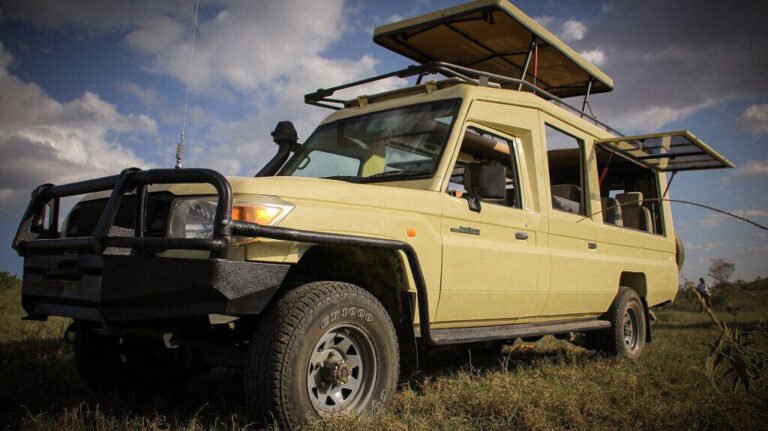
Sudan Nubian Pyramids And Nile Heritage Guide: Ancient Wonders & Cultural
Discover the unparalleled ancient wonders of Sudan's Nubian Pyramids and the rich cultural heritage along the Nile River. This comprehensive guide provides essential information for...
View package details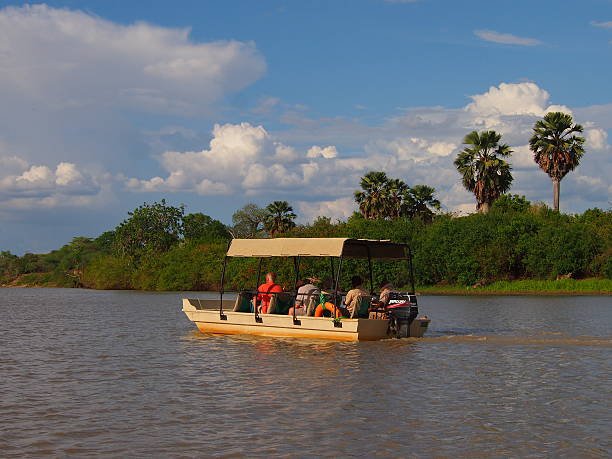
Tripoli Architecture And Cultural Heritage: A Deep Look At Libyas Historic
Discover the architectural marvels and vibrant cultural heritage of Tripoli, Libya's historic coastal capital. This guide covers its Roman, Arab, Ottoman, and Italian influences, offering...
View package details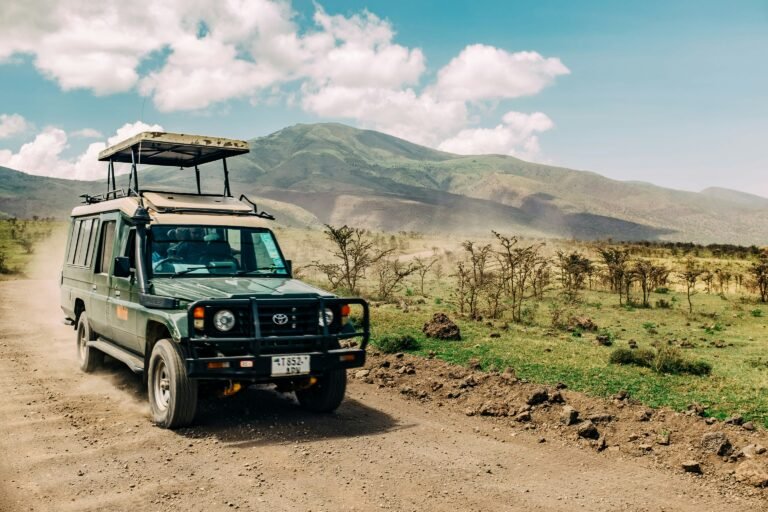
Ghardaïa And Mzab Valley Cultural Guide: Ancient Algerias Living Heritage
Your definitive guide to Ghardaïa and the M'Zab Valley, exploring the unique Mozabite culture, traditional architecture, and historical significance of this Algerian UNESCO World Heritage...
View package details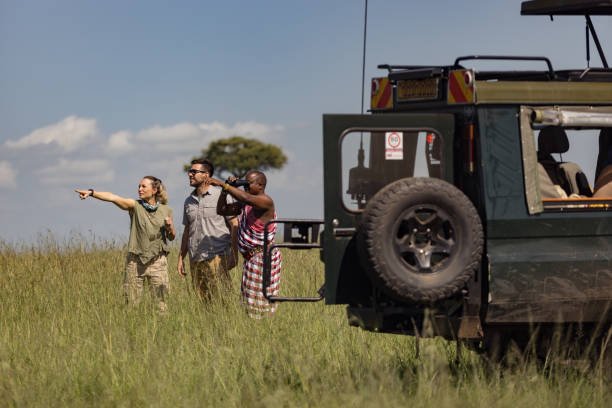
Algiers Casbah Cultural Experience: A Deep Look At History And Heritage
experience the living history of Algiers by experiencing its Casbah, a UNESCO World Heritage site. This guide explores its rich cultural mix, historical significance, architectural wonders...
View package detailsDjerba Island Beach Holiday: Your Ultimate Guide For 2026-2027
Discover the magic of a Djerba Island beach holiday. This guide covers everything from the most beautiful shores and thrilling activities to family-friendly resorts and local culture...
View package details
Tunisia Cultural, Coastal And Sahara Tour Guide
Discover Tunisia's diverse landscapes and rich heritage on a comprehensive tour. Explore ancient ruins, relax on Mediterranean beaches, and traverse the majestic Sahara Desert. This...
View package detailsNo related package matches those filters. Clear one or more filters to see the other topic-matched options.



