
The Lake Ngozi Crater hike offers an unforgettable journey to one of Tanzania’s most striking natural landmarks, a vast caldera lake within a dormant volcano. The trek typically involves a moderate to challenging climb to the crater rim, offering panoramic views before descending to the lake itself, often completed as a day trip from nearby towns like Mbeya, or as part of a longer Southern Highlands exploration. For 2026-2027, expect well-established trails with local guides essential for navigation and cultural insights, with booking advisable several months in advance for peak seasons.
Discovering Lake Ngozi: A Volcanic Marvel in Tanzania’s Southern Highlands
Tanzania is globally renowned for its iconic wildlife parks and the majestic Mount Kilimanjaro. However, the country holds many lesser-known natural wonders that offer equally profound experiences for the adventurous traveler. Among these, Lake Ngozi stands out as a truly unique destination. Located in the Mbeya Region of the Southern Highlands, Lake Ngozi is a magnificent crater lake, located within the caldera of a dormant volcano. The journey to its shores is an adventure in itself, combining natural beauty, geological intrigue, and a touch of the exotic that makes Tanzania so alluring. This guide aims to provide a comprehensive overview for anyone considering the Lake Ngozi Crater hike, detailing what makes it a must-visit and how to best plan your expedition for 2026 and 2027.
The Geological Spectacle: Understanding Lake Ngozi’s Formation
Lake Ngozi’s existence is a testament to the powerful geological forces that have shaped Tanzania. The lake occupies a caldera formed by the collapse of a volcano, likely Mount Ngozi, which is now extinct. Calderas are large, basin-shaped depressions formed by a volcanic eruption or explosion that empties the magma chamber beneath, causing the overlying rock to collapse. Over millennia, rainwater and groundwater have filled this vast depression, creating the stunning, often eerily still, lake we see today. The surrounding slopes are covered in lush vegetation, a stark contrast to the volcanic origins, adding to the dramatic beauty of the landscape. The sheer scale of the caldera and the vibrant blue or green hues of the water (which can change depending on mineral content and light) are awe-inspiring. Understanding this geological context enriches the hiking experience, allowing visitors to appreciate the powerful natural history etched into the land.
Factors Influencing Lake Ngozi’s Water Color
The interesting color of Lake Ngozi’s water is not static. It can shift from a deep sapphire blue to an emerald green, and sometimes even a milky turquoise. This phenomenon is primarily influenced by several factors:
- Mineral Content: The volcanic soil and rock surrounding the lake are rich in various minerals. Dissolved minerals, such as sulfur compounds or algae, can interact with sunlight to produce different colorations.
- Depth: Deeper sections of the lake tend to absorb more light, appearing darker blue, while shallower areas might reflect lighter shades.
- Algae and Phytoplankton: The presence and type of microscopic algae or phytoplankton can significantly impact the water’s color, often contributing to vibrant green or turquoise hues.
- Light Conditions: The angle of the sun, cloud cover, and atmospheric conditions all play a role in how the lake’s color is perceived at any given moment. A bright, sunny day might reveal deeper blues, while overcast skies could accentuate greener tones.
This dynamic nature means that every visit to Lake Ngozi offers a unique visual spectacle, adding to its allure and making it a photographer’s delight.
The Lake Ngozi Crater Hike: Routes and Difficulty Levels
The Lake Ngozi Crater hike is not a single, standardized trail but rather a network of paths leading to the rim and, for the more adventurous, down to the lake’s edge. The accessibility and difficulty can vary significantly depending on the chosen route and the conditions on the day of your hike.
The Rim Trail: Panoramic Vistas
Most visitors opt for a hike that reaches the crater rim. This is generally considered a moderate trek. The path can be steep in places, with loose scree and uneven terrain requiring sturdy footwear. The ascent typically takes between 1 to 2 hours, depending on fitness levels and the starting point. Once on the rim, the views are spectacular. You can gaze across the vast expanse of the lake, surrounded by the steep, verdant walls of the caldera. Many visitors are content to explore the rim, taking in the scenery and enjoying a picnic lunch. The descent is usually quicker, but caution is advised due to the steepness.
Descent to the Lake: The More Challenging Option
For those seeking a more intimate experience with the lake, a descent to its shores is possible. This is a significantly more challenging undertaking. The path down is steep, often slippery, and requires a good degree of agility and sure-footedness. It is not recommended for those with a fear of heights or young children. Local guides are absolutely essential for this part of the hike, as the trail can be indistinct and dangerous if not navigated correctly. The descent can take anywhere from 45 minutes to over an hour, and the subsequent climb back up is strenuous. However, reaching the lake’s edge offers a unique perspective, allowing you to appreciate its scale and tranquility up close. This part of the Lake Ngozi Crater hike is best undertaken by experienced hikers with a guide.
Starting Points and Accessibility
The primary gateway to Lake Ngozi is the town of Mbeya, which has a regional airport and is a major transport hub in Southern Tanzania. From Mbeya, you will typically need to arrange private transportation, usually a 4×4 vehicle, to reach the trailhead. The drive can take 1-2 hours, depending on road conditions, which can be rough and challenging, especially during the rainy season. The exact starting point for the hike can vary based on where vehicles can safely access the base of the crater slopes.
Considering Fitness and Preparation
The Lake Ngozi Crater hike is best suited for individuals with a reasonable level of fitness. While the rim hike can be managed by most, the descent to the lake requires good stamina and strength. It’s advisable to:
- Train in advance: Incorporate hiking, especially on inclines, into your fitness routine.
- Wear appropriate gear: Sturdy hiking boots with good ankle support are crucial. Bring layers of clothing, as temperatures can change, especially at higher altitudes.
- Stay hydrated: Carry plenty of water, as there are no facilities along the trail.
- Pack snacks: Energy bars, nuts, or fruit will be beneficial during the trek.
For 2026-2027, it’s important to check current trail conditions with your tour operator, as they can be affected by weather patterns.
What to Expect on Your Lake Ngozi Crater Hike
A hike to Lake Ngozi is more than just a physical challenge; it’s an immersion into a unique natural environment. Planning what to expect can help you make the most of your adventure.
The Journey to the Trailhead
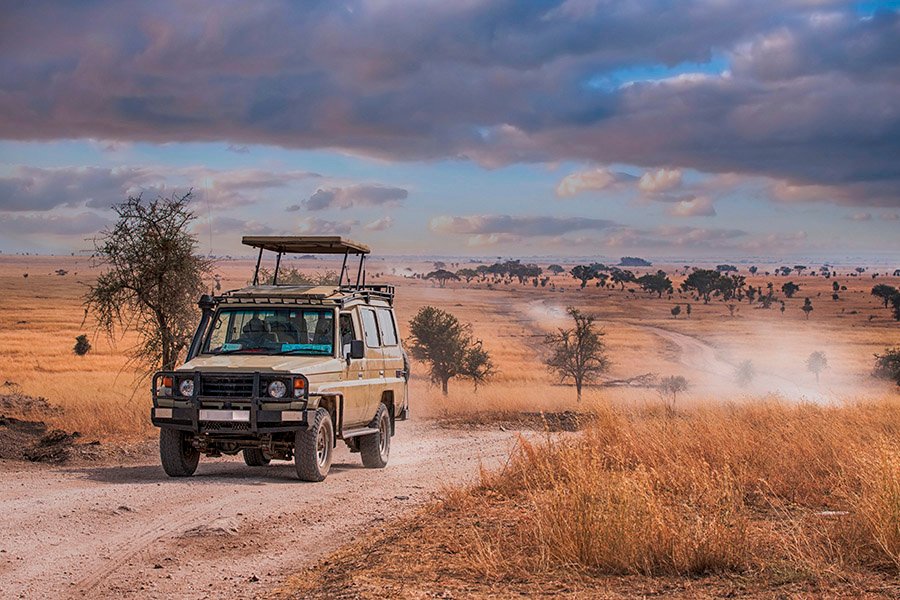
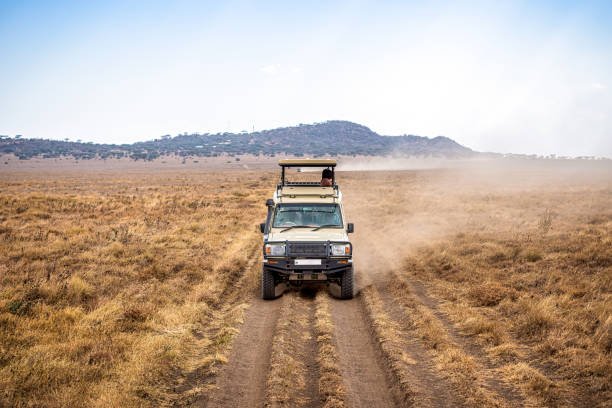
The trip to Lake Ngozi typically begins early in the morning from Mbeya or a nearby lodge. The drive itself is an experience, taking you through rural Tanzanian landscapes, often characterized by rolling hills, agricultural fields, and small villages. The roads can be bumpy and dusty, so a comfortable 4×4 vehicle is essential. This journey allows you to see a different side of Tanzania, away from the typical safari routes.
The Ascent and the Views
As you begin the hike, you’ll immediately notice the steepness of the terrain. The paths are often narrow and winding, carved into the volcanic slopes. The air can be cool and fresh, especially in the early morning. The surrounding vegetation is lush and vibrant, a mix of indigenous plants and trees that thrive in the volcanic soil. As you gain altitude, the views open up. The first glimpses of the expansive caldera and the distant lake are impressive. Reaching the rim is a significant achievement, offering a 360-degree panorama of the crater, the lake, and the surrounding countryside stretching out to the horizon. It’s a perfect spot for photography and a moment to absorb the sheer scale of nature’s artistry.
The Descent to the Lake (Optional)
If you choose to descend, the experience becomes more intimate but also more demanding. The trail becomes a narrow track, sometimes requiring scrambling over rocks or navigating steep, slippery sections. The humidity can increase as you get closer to the water. The sounds of the forest become more pronounced – birdsong, the rustling of leaves, and the distant calls of wildlife. Reaching the lake’s edge is a reward in itself. The water is often incredibly clear, and the silence, broken only by the sounds of nature, is profound. You can appreciate the sheer walls of the caldera rising dramatically around you. However, remember that the climb back up will test your endurance.
Wildlife and Flora
While Lake Ngozi is not a typical wildlife viewing destination like the Serengeti, the hike offers opportunities to observe local flora and fauna. The lush environment supports various bird species, and you might encounter monkeys or other small mammals in the forested areas. The plant life is diverse, with many species adapted to the volcanic soil and the crater’s unique microclimate. Keep an eye out for unique flowers and trees that you won’t find elsewhere.
Atmospheric Conditions and Timing
The best time for the Lake Ngozi Crater hike is generally during the dry season, which runs from June to October. During this period, the weather is typically sunny and mild, and the trails are less prone to becoming muddy and slippery. The rainy season (November to May) can make the trails challenging and increase the risk of landslides, though the landscape is incredibly lush during this time. Early morning hikes are recommended to avoid the midday sun and to enjoy cooler temperatures during the ascent. The atmosphere around the lake can sometimes feel mystical, with mist often rolling in, adding to its dramatic beauty.
Planning Your Lake Ngozi Crater Hike: Practical Considerations for 2026-2027
Organizing a trip to Lake Ngozi requires careful planning, especially if you’re traveling from further afield or want to combine it with other Tanzanian adventures. Top Guide Adventures specializes in creating smooth travel experiences across Tanzania, including off-the-beaten-path destinations like Lake Ngozi.
Best Time to Visit
As mentioned, the dry season (June to October) offers the most favorable conditions for hiking. However, the shoulder months of May and November can also be good, offering fewer crowds and potentially lower prices. For 2026 and 2027, booking during these periods is advisable. If you plan to visit during the peak dry season, booking well in advance, ideally 6-12 months ahead, is recommended to secure your preferred dates and guides.
Essential Gear and Packing List
Proper preparation is key to enjoying the Lake Ngozi Crater hike. Here’s a recommended packing list:
- Sturdy Hiking Boots: Essential for ankle support and grip on uneven terrain.
- Comfortable Hiking Clothes: Lightweight, moisture-wicking fabrics are best. Consider layers for changing temperatures.
- Rain Gear: A waterproof jacket and trousers, even in the dry season, as weather can be unpredictable.
- Sun Protection: Sunscreen, a wide-brimmed hat, and sunglasses are vital.
- Insect Repellent: Especially important if you plan to descend to the lake.
- Water Bottle/Hydration Pack: Carry at least 2-3 liters of water per person.
- Snacks: High-energy snacks like nuts, dried fruit, and energy bars.
- First-Aid Kit: Include personal medications, blister treatment, and basic wound care.
- Camera: To capture the stunning scenery.
- Small Backpack: To carry your essentials.
- Trekking Poles: Recommended for added stability on steep descents and ascents.
- Headlamp or Torch: Useful for early morning starts or if you are caught out after dark.
The Importance of Local Guides
Hiking Lake Ngozi without a local guide is not recommended and often not permitted. Local guides are invaluable for several reasons:
- Navigation: They know the trails intimately, ensuring you stay on the safest and most direct routes.
- Safety: They are aware of potential hazards, weather changes, and can provide assistance if needed. They are crucial for the descent to the lake.
- Cultural Insights: They can share information about the local culture, history, and the significance of the lake.
- Logistics: They often assist with arranging transport and can communicate with local communities.
Top Guide Adventures works with experienced and reputable local guides, ensuring you have a safe and enriching experience. For 2026-2027, booking your guide through a trusted tour operator like us is the best approach.
Accommodation Options
Most visitors base themselves in Mbeya or nearby towns for their Lake Ngozi Crater hike. Mbeya offers a range of hotels and guesthouses to suit different budgets. For those looking for a more integrated experience, Top Guide Adventures can arrange accommodation that complements your adventure, potentially including lodges that offer easier access to the Southern Highlands’ natural attractions.
Transportation to Lake Ngozi
Accessing Lake Ngozi requires private transport, usually a 4×4 vehicle, from Mbeya. The journey to the trailhead can be rugged. Top Guide Adventures can arrange all necessary transportation, ensuring a comfortable and reliable transfer to and from the starting point of your hike.
Customizing Your Lake Ngozi Adventure with Top Guide Adventures
Lake Ngozi Crater hike is a fantastic addition to a broader Tanzanian itinerary. Top Guide Adventures excels at creating personalized journeys that capture the essence of Tanzania, blending iconic wildlife experiences with unique cultural and natural excursions.
Integrating Lake Ngozi into a Tanzania Safari
While most travelers associate Tanzania with safaris in the northern circuit (Serengeti, Ngorongoro, etc.), the Southern Highlands offer a different, equally rewarding experience. Lake Ngozi can be incorporated into a Southern Tanzania safari itinerary, which often includes:
- Ruaha National Park: Tanzania’s largest park, known for its vast wilderness and large elephant and predator populations.
- Selous Game Reserve (Nyerere National Park): Famous for its boat safaris along the Rufiji River and its diverse wildlife.
- Kitulo National Park: Known as the “Garden of God” for its unique floral biodiversity.
A trip combining Lake Ngozi with these destinations provides a comprehensive overview of Tanzania’s natural wonders, moving beyond the usual tourist trails. For 2026-2027, consider a journey that connects the dramatic landscapes of the Southern Highlands with the wildlife spectacles of the south.
Multi-Day Treks in the Southern Highlands
Beyond the day hike to Lake Ngozi, the Southern Highlands offer opportunities for multi-day trekking adventures. These can include exploring other volcanic peaks, visiting remote villages, and experiencing the unique culture of the region. Top Guide Adventures can craft tailor-made itineraries that allow you to fully explore this less-visited but incredibly beautiful part of Tanzania.
Tailor-Made Journeys
At Top Guide Adventures, we understand that every traveler is unique. We specialize in creating tailor-made journeys across Tanzania, ensuring your trip is perfectly suited to your interests, budget, and timeframe. Whether you dream of combining the Lake Ngozi Crater hike with a Kilimanjaro climb, a Zanzibar beach holiday, or a deep look at local culture, we can make it happen. Our personal attention, care, and dedicated support ensure a stress-free and memorable adventure.
Booking Your 2026-2027 Lake Ngozi Adventure
To ensure the best availability and to allow ample time for planning, we recommend booking your Lake Ngozi Crater hike and any associated travel arrangements for 2026-2027 at least 6-9 months in advance. This is particularly important if you are planning to travel during the peak dry season (June-October) or wish to combine the hike with other popular Tanzanian destinations.
Contact Top Guide Adventures today to start planning your unforgettable journey:
- WhatsApp: +255616946642
- Email: topguideadventures@gmail.com
- Backup Email: info@topguideadventurestanzania.com
Our team is ready to provide you with personalized advice, detailed itineraries, and competitive quotes for your Tanzanian adventure.
Comparing Lake Ngozi with Other Tanzanian Hiking Destinations
While Lake Ngozi offers a unique crater lake experience, it’s helpful to understand how it compares to other popular hiking and trekking opportunities in Tanzania, allowing you to make informed decisions for your 2026-2027 travel plans.
Lake Ngozi vs. Mount Kilimanjaro
Mount Kilimanjaro: The Roof of Africa, Kilimanjaro is a dormant volcano and Africa’s highest peak. Treks typically range from 5 to 9 days, with multiple routes (e.g., Machame, Lemosho, Marangu). It’s a high-altitude, multi-day expedition requiring significant physical and mental preparation. The reward is reaching the summit at Uhuru Peak (5,895m).
Lake Ngozi: A single-day or part-of-a-multi-day excursion, the Lake Ngozi Crater hike is at a much lower altitude and is less physically demanding overall, though the descent can be tricky. It focuses on the unique beauty of a caldera lake rather than summiting a mountain. It’s ideal for those seeking a shorter, impactful nature experience without the rigors of a high-altitude climb.
Lake Ngozi vs. Ol Doinyo Lengai
Ol Doinyo Lengai: Known as the “Mountain of God” to the Maasai, this is an active volcano in the Gregory Rift Valley, north of Lake Manyara. Hikes are typically done at night to avoid the heat and to witness the volcanic activity (glowing lava) under darkness. It’s a very steep, challenging climb on loose volcanic ash, often taking 4-6 hours to ascend. It offers a raw, active geological experience.
Lake Ngozi: A dormant volcano with a serene crater lake. The hike is primarily a daytime activity, focusing on panoramic views and the unique caldera formation. While steep, it doesn’t involve the extreme night-time ascent or the direct interaction with active volcanic features found at Ol Doinyo Lengai.
Lake Ngozi vs. Usambara Mountains
Usambara Mountains: Located in northeastern Tanzania, these mountains offer lush rainforests, diverse birdlife, and rolling hills. Hiking here is more about gentle trails through verdant landscapes, visiting local villages, and enjoying the cool mountain air. It’s a destination for nature lovers and cultural explorers, with less focus on dramatic geological formations.
Lake Ngozi: The Usambaras offer a different kind of natural beauty – ancient, weathered mountains with rich biodiversity. Lake Ngozi’s appeal lies in its dramatic volcanic origin and the stark beauty of its caldera lake. While both are beautiful, they offer distinct landscapes and experiences.
Lake Ngozi vs. Meru Crater (Arusha National Park)
Meru Crater: Arusha National Park features Mount Meru, a significant stratovolcano. The park offers various hiking options, including a challenging climb to Meru’s summit (4,566m) or shorter walks to the crater rim. The landscape is diverse, from montane forest to ash cones, and the park is home to diverse wildlife, including buffalo, giraffes, and colobus monkeys.
Lake Ngozi: While both involve volcanic craters, Lake Ngozi is a more isolated and less-developed destination. Hiking around Meru Crater offers more varied terrain and the chance for wildlife encounters within a national park setting. Lake Ngozi provides a more singular, focused experience on the caldera lake itself.
Choosing between these destinations depends on your priorities: high-altitude challenge (Kilimanjaro, Meru), active geology (Ol Doinyo Lengai), lush nature and culture (Usambaras), or a unique, dramatic caldera lake (Lake Ngozi). Top Guide Adventures can help you integrate the Lake Ngozi Crater hike into any of these broader Tanzanian adventures for 2026-2027.
Frequently Asked Questions about the Lake Ngozi Crater Hike
Here are answers to common questions travelers have about planning their Lake Ngozi Crater hike.
Is the Lake Ngozi Crater hike suitable for beginners?
The hike to the crater rim is moderately challenging and can be suitable for beginners with a good level of fitness. However, the descent to the lake is strenuous and not recommended for beginners or those with mobility issues or a fear of heights. Always go with a local guide.
How long does the Lake Ngozi Crater hike take?
A typical day trip to the crater rim and back takes about 3-4 hours of hiking. If you choose to descend to the lake, add another 2-3 hours for the descent and ascent, plus time spent at the lake. The entire excursion, including travel from Mbeya, can take a full day.
What is the best time of year for the Lake Ngozi Crater hike?
The dry season, from June to October, is the best time for hiking Lake Ngozi due to stable weather and less slippery trails. The shoulder months of May and November can also be good.
Do I need a guide for the Lake Ngozi Crater hike?
Yes, a local guide is essential for navigating the trails safely, especially if you plan to descend to the lake. They also provide valuable cultural insights and are often required by local authorities.
What should I pack for the Lake Ngozi Crater hike?
Essential items include sturdy hiking boots, comfortable clothing (layers recommended), rain gear, sun protection, plenty of water, snacks, a first-aid kit, and insect repellent. Trekking poles are also recommended.
Are there any accommodation options near Lake Ngozi?
The nearest major town with a range of accommodation is Mbeya. There are hotels and guesthouses available in Mbeya to suit various budgets. Top Guide Adventures can assist with booking suitable accommodation.
Can Lake Ngozi be combined with other activities?
Absolutely. Lake Ngozi is a great addition to a Southern Tanzania safari, cultural tours in the Southern Highlands, or as a standalone day trip from Mbeya. Top Guide Adventures specializes in creating comprehensive itineraries.
What is the cost of the Lake Ngozi Crater hike?
The cost is typically based on a private tour package and includes guide fees, park entrance (if applicable, though often managed locally), and transport from Mbeya. Prices can vary depending on the group size and specific inclusions. For accurate pricing for 2026-2027, it’s best to request a custom quote from Top Guide Adventures.
Is the Lake Ngozi Crater hike safe?
With a reputable local guide, proper gear, and by following their instructions, the Lake Ngozi Crater hike is generally safe. The main risks involve the steepness of the terrain, especially during the descent, and potential changes in weather. Always heed your guide’s advice.
Final Thoughts on Your Lake Ngozi Crater Hike Adventure
The Lake Ngozi Crater hike represents an opportunity to experience a different facet of Tanzania’s incredible natural beauty. It’s a destination that rewards the adventurous spirit with stunning vistas, unique geological formations, and a sense of tranquility far from the bustling tourist hubs. Whether you’re adding it to a broader Tanzanian itinerary or seeking a memorable day trip from Mbeya, the Lake Ngozi Crater hike promises an enriching and visually spectacular adventure.
For those planning their travels for 2026 and 2027, Top Guide Adventures is your trusted partner in exploring the wonders of Tanzania. We pride ourselves on providing personalized attention, expert guidance, and unforgettable travel experiences. From arranging reliable transport and knowledgeable local guides to crafting bespoke itineraries that include the Lake Ngozi Crater hike, we are dedicated to ensuring your journey is smooth and extraordinary.
Don’t hesitate to reach out to us to discuss your dream Tanzanian adventure. Let us help you discover the magic of Lake Ngozi and beyond.
Contact Top Guide Adventures:
- WhatsApp: +255616946642
- Email: topguideadventures@gmail.com
- Backup Email: info@topguideadventurestanzania.com
We look forward to helping you plan an incredible Lake Ngozi Crater hike and an unforgettable Tanzanian safari in 2026-2027!
Check Availability for Lake Ngozi Crater Hike: Your Ultimate Guide To Tanzanias Less Crowded Place
Ready to compare dates, prices, and the best option for your group? Send the package name and travel month so the team can reply with a clear quote, availability, and what is included.
Lake Natron Waterfall Hike Cost And Planning Guide 2026-2027
Planning a hike to the waterfalls near Lake Natron? This comprehensive guide breaks down the estimated costs for 2026-2027, what influences pricing, and essential tips for an unforgettable...
View package details
Lake Natron Ol Doinyo Lengai Climbing Cost: Your Guide 2026-2027
Planning a climb up Ol Doinyo Lengai, the 'Mountain of God' near Lake Natron? This guide breaks down the expected climbing costs for 2026-2027, detailing what influences the price and...
View package details
Udzungwa Trekking Prices: Your Complete Guide 2026-2027
Discover the typical Udzungwa trekking prices for 2026-2027, covering factors like duration, accommodation, and inclusions. Plan your adventure with Top Guide Adventures.
View package details
Udzungwa Mountains National Park: Tanzanias Forested Biodiversity Hotspot
Udzungwa Mountains National Park is a vital ecological area in Tanzania, known for its incredible biodiversity, unique primates, and stunning mountain rainforests. It offers exceptional...
View package details
Mahale Safari Prices: Your Guide To Chimpanzee Trekking Costs 2026-2027
Planning a Mahale safari? This guide breaks down Mahale safari prices for 2026-2027, covering chimpanzee trekking permits, accommodation options, transport, and essential budgeting tips for...
View package details
Kilimanjaro National Park: Your Ultimate Guide To Climbing Africas Highest
Your comprehensive guide to Kilimanjaro National Park, detailing everything needed to plan and execute a successful climb of Mount Kilimanjaro, including routes, preparation, costs, and...
View package details
Tanzania Mountain Climbing Costs: A Comprehensive Guide For 2026-2027
Planning a mountain climb in Tanzania, especially Kilimanjaro, involves understanding the various costs involved. This guide breaks down the expenses for 2026-2027, covering park fees...
View package details
Tanzania Chimpanzee Trekking Permit Fees For : Your Complete Guide 2026-2027
Planning a chimpanzee trekking adventure in Tanzania for 2026 or 2027? This guide breaks down the essential permit fees for key locations like Gombe Stream and Mahale Mountains National...
View package details
Tanzania Hiking Permit Fees: A Comprehensive Guide For Climbers 2026-2027
Planning a trek in Tanzania? This guide details the essential hiking permit fees for popular mountains like Kilimanjaro and Mount Meru, crucial for budgeting your 2026-2027 adventure. We...
View package detailsTanzania Tour Package Prices: Your Guide To Safari & Kilimanjaro Costs
Understand Tanzania tour package prices for 2026-2027. This guide covers safari costs, Kilimanjaro climb pricing, Zanzibar holidays, and factors influencing your budget, offering clear...
View package details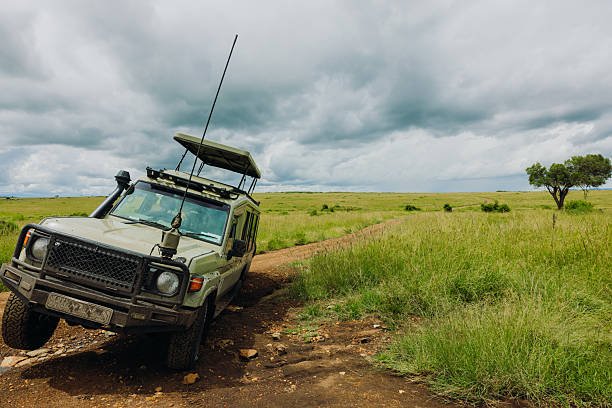
Tanzania Conservation Fees Explained: Your Guide 2026-2027
Demystifying Tanzania's conservation fees is crucial for planning your safari or climb. This guide details the essential costs for national parks, reserves, and Mount Kilimanjaro for...
View package details
Ol Doinyo Lengai Guide Fees: Understanding Costs For Climbs 2026-2027
Planning an ascent of Ol Doinyo Lengai? This guide breaks down the typical guide fees for 2026-2027 climbs, detailing what you can expect to pay and what services are usually covered...
View package detailsNo related package matches those filters. Clear one or more filters to see the other topic-matched options.



