
Lake Natron fish are highly specialized species, primarily the Alkaline tilapia (Oreochromis alcalicus natronensis), uniquely adapted to survive the lake’s extreme pH levels, high temperatures, and salinity, making it one of the few places on Earth where fish can thrive under such conditions.

The Astonishing Resilience of Lake Natron Fish
When one thinks of Tanzania, visions of vast savannas teeming with iconic wildlife like lions, elephants, and wildebeest often come to mind. However, the country harbors ecological marvels that extend far beyond the typical safari circuit. Lake Natron, situated in the northern part of Tanzania, near the border with Kenya and within the Great Rift Valley, is one such extraordinary location. Its most striking characteristic is its water, which can range in color from pink to deep red, a hue derived from the salt-loving microorganisms that flourish in its hypersaline and alkaline environment. Amidst this seemingly harsh landscape, a remarkable species of fish not only survives but thrives: the alkaline tilapia, scientifically known as Oreochromis alcalicus natronensis.
This subspecies of tilapia is a testament to the incredible power of adaptation. Lake Natron’s water has a pH that can reach levels as high as 10.5, far exceeding the tolerance of most aquatic life. For context, pure water has a pH of 7, and anything above 8.5 is generally considered alkaline. The lake also experiences significant temperature fluctuations, often exceeding 40 degrees Celsius (104 degrees Fahrenheit) during the day, and its salinity can be so high that it causes calcium to precipitate out of the water, forming calcified crusts along the shoreline. Furthermore, the lake’s water level varies dramatically with the seasons, sometimes drying out to form vast salt flats.
Given these extreme conditions, the presence of any fish species might seem improbable. Yet, the Oreochromis alcalicus natronensis Has evolved physiological mechanisms to cope. Its blood has a higher concentration of bicarbonate ions, which helps it neutralize the excess alkalinity. Its kidneys are also highly efficient at excreting salt and maintaining water balance, preventing dehydration in the hypertonic environment. These adaptations are so profound that the fish can only survive in this specific habitat or in environments meticulously recreated to mimic its unique chemistry. This makes the alkaline tilapia of Lake Natron a truly unique biological entity, a living example of evolution’s ingenuity.
Understanding the Lake Natron Ecosystem
The Lake Natron fish are an integral part of a broader, highly specialized ecosystem. The lake’s distinctive color is a direct result of the high concentration of mineral salts, particularly sodium carbonate and sodium bicarbonate, washed down from the surrounding volcanic hills. These minerals create the alkaline conditions that favor certain types of algae and cyanobacteria, such as Spirulina. These microorganisms, in turn, form the base of the food web for the lake’s inhabitants.
The alkaline tilapia feeds primarily on these algae and cyanobacteria, and their populations are intrinsically linked to the microbial blooms. During the wet season, when the lake’s salinity decreases slightly and its water level rises, the tilapia reproduce. They are mouthbrooders, with females carrying their eggs and newly hatched fry in their mouths for protection. This reproductive strategy is crucial for survival in an environment where predation is high and the physical conditions are challenging.
Beyond the fish, Lake Natron is a vital breeding ground for hundreds of thousands of Lesser Flamingos. These striking pink birds are attracted to the lake by the abundance of Spirulina, their primary food source. The flamingos feed by filtering the algae from the shallow, alkaline water using their specialized beaks. The lake’s remoteness and the harsh environment provide a safe haven for flamingo breeding, as predators find it difficult to access the nesting islands formed during the dry season. The presence of the fish, while not their primary food, contributes to the overall microbial balance, indirectly supporting the flamingo population.
The surrounding landscape, characterized by volcanic plains and the imposing Ol Doinyo Lengai volcano, also plays a role. The volcanic soil contributes minerals to the lake, and the geothermal activity in the region influences water temperatures and chemistry. This complex interplay of geological, chemical, and biological factors creates a delicate balance that sustains the unique life found here.
Why Lake Natron is Not a Traditional Fishing Destination
While the presence of fish in Lake Natron is scientifically fascinating, it is crucial to understand that this is not a destination for recreational fishing. The alkaline tilapia, Oreochromis alcalicus natronensis, is not a typical game fish. Its diet and habitat are so specialized that it cannot survive in freshwater environments, making it difficult to study or even transport outside its natural setting. Furthermore, the extreme conditions of the lake make it an inhospitable environment for human activity, including fishing.
The water itself is corrosive. Prolonged contact can irritate the skin and eyes. The high alkalinity means that any organic matter, including dead animals, can be rapidly calcified, creating eerie, statue-like remains along the shore. These “petrified” carcasses, often of birds and bats that fly too low and get caught in the caustic water, contribute to the lake’s otherworldly appearance. For these reasons, swimming or engaging in water sports at Lake Natron is strongly discouraged.
Moreover, the conservation status of the alkaline tilapia is a significant factor. While not currently listed as endangered, its limited range and specialized habitat make it vulnerable to environmental changes. The primary focus for visitors and local authorities is the preservation of this unique ecosystem, particularly as a vital breeding ground for Lesser Flamingos. Efforts are made to minimize human impact, ensuring that the natural processes that support this fragile environment continue undisturbed.
For travelers interested in experiencing Lake Natron, the allure lies not in angling but in witnessing its stark beauty, observing the mass gatherings of flamingos, and appreciating the sheer tenacity of life in an extreme environment. It’s a place that challenges our perceptions of where life can exist and highlights the incredible diversity of Tanzania’s natural wonders, extending far beyond the famed safari parks.
Planning a Visit to Lake Natron
Visiting Lake Natron requires careful planning due to its remote location and the challenging terrain. It is typically accessed as part of a longer northern Tanzania circuit, often combined with safaris in the Serengeti, Ngorongoro Crater, or cultural visits to Maasai communities. The best time to visit depends on what you hope to see. For flamingo breeding, the dry season, generally from September to March, is ideal, as the receding waters create nesting islands. However, the lake can be at its most visually striking, with vibrant colors, during the hotter months.
Getting to Lake Natron usually involves a 4×4 vehicle. The roads can be rough and dusty, especially during the dry season. The journey from Arusha, the main gateway city for northern Tanzania tours, can take several hours, passing through Maasai villages and dramatic landscapes. It’s essential to travel with a reputable tour operator who understands the local conditions and can provide a reliable vehicle and experienced guide.
Accommodation near Lake Natron is limited and generally consists of basic lodges or tented camps. These offer a rustic yet comfortable experience, allowing visitors to be immersed in the remote environment. Options range from simple campsites to more established camps with en-suite facilities. Booking well in advance is recommended, especially for the peak tourist seasons in 2026 and 2027, as availability can be scarce.
When planning your trip for 2026 or 2027, consider the following:
- Transportation: A sturdy 4×4 vehicle is non-negotiable.
- Accommodation: Book early; options are limited and range from camping to basic lodges.
- Best Time to Visit: For flamingos, the dry season (Sept-March) is optimal. For vibrant colors, consider hotter months.
- Activities: Focus on bird watching, visiting Maasai villages, hiking to waterfalls (like the Engaresero waterfalls), and marveling at the unique landscape.
- What to Pack: Light clothing, sun protection (hat, sunscreen, sunglasses), insect repellent, sturdy walking shoes, a camera, and binoculars. A warm layer for cooler evenings is also advisable.
Top Guide Adventures specializes in creating tailor-made itineraries that include Lake Natron, ensuring a comfortable and enriching experience. We understand the logistical challenges and can arrange for reliable transport, suitable accommodation, and knowledgeable guides who can share insights into the region’s unique ecology and culture. Whether you are interested in wildlife, geology, or cultural immersion, a visit to Lake Natron offers a profound connection with one of Africa’s most unusual and compelling natural wonders.
The Scientific Significance of Lake Natron Fish Adaptations
The existence of Oreochromis alcalicus natronensis In Lake Natron is a subject of great scientific interest, providing invaluable insights into the physiological and biochemical mechanisms that allow life to persist under extreme conditions. Researchers have studied these fish to understand how they maintain cellular homeostasis in a high-pH, high-salt environment that would be lethal to most vertebrates.
Key areas of research include:
- Ion Regulation: The fish possess highly specialized gill structures and kidney functions that allow them to actively manage the influx of sodium and bicarbonate ions and the efflux of excess water. This is critical for maintaining osmotic balance and preventing cellular damage.
- Enzyme Functionality: Proteins and enzymes within the fish’s cells must remain functional at high pH and temperature. Studies investigate how these molecules are structured and protected from denaturation, potentially revealing novel mechanisms for protein stability.
- Reproductive Strategies: The mouthbrooding behavior is a vital adaptation, offering protection to eggs and fry in a hazardous environment. Understanding the cues that trigger reproduction and the parental care strategies can shed light on reproductive success in extreme conditions.
- Genetic Adaptations: Genetic studies aim to identify the specific genes and mutations that underpin the fish’s remarkable tolerance. This can provide a deeper understanding of evolutionary processes and the genetic basis of adaptation.
The study of Lake Natron fish contributes to the broader field of extremophile research, which explores organisms that thrive in environments previously thought to be uninhabitable. These findings have potential implications for biotechnology, medicine, and even astrobiology, helping scientists understand the limits of life and the potential for life on other planets.
For visitors interested in the natural sciences, the chance to learn about these unique fish, even if not directly observed during a typical visit, adds another layer of appreciation for Lake Natron. Tour operators like Top Guide Adventures can often arrange for expert guides who can explain the ecological context and the scientific importance of this remarkable species, making a trip to Lake Natron an intellectually stimulating as well as visually stunning experience.
Beyond the Fish: Other Wildlife and Natural Attractions
While the Lake Natron fish are a unique biological marvel, the area offers a wealth of other natural attractions and wildlife encounters. The most prominent are the hundreds of thousands of Lesser Flamingos that congregate here, creating a striking spectacle of pink against the stark, colorful landscape. Observing these birds feeding, nesting, and flying in massive flocks is an unforgettable experience, particularly during the breeding season.
The surrounding plains and hills are home to a variety of other wildlife, though it is not a typical big-game safari destination like the Serengeti. Visitors can spot Maasai giraffes, zebras, wildebeest, gazelles, and various antelope species grazing in the grasslands. Birdlife is abundant, with numerous species adapted to the semi-arid environment, including ostriches, secretary birds, various raptors, and water birds along the lake’s fringes (though care must be taken due to the water’s properties).
One of the most striking geological features is the Ol Doinyo Lengai volcano, the only active volcano in the East African Rift Valley that erupts natrocarbonatite lava, which is unusually low in silica and rich in sodium carbonate. Its distinctive cone shape dominates the southern skyline. Hiking Ol Doinyo Lengai is a challenging but rewarding adventure, offering unparalleled views of the lake and the surrounding Great Rift Valley. This trek is best undertaken in the cooler early morning hours, often starting around 2 AM, to reach the summit for sunrise. The terrain is steep and covered in loose ash and volcanic gravel, requiring good physical fitness and appropriate gear.
The region is also rich in Maasai culture. Lake Natron is situated in an area traditionally inhabited by the Maasai people. Visitors have the opportunity to visit Maasai villages, interact with the local communities, learn about their traditions, their nomadic lifestyle, their intricate beadwork, and their deep connection to the land. These cultural encounters offer a valuable perspective on the human history and present-day life in this remote part of Tanzania.
Other natural attractions include:
- Engaresero Waterfalls: Located near the village of Engaresero, these waterfalls offer a refreshing escape and a chance to see a different side of the landscape. The hike to the falls provides scenic views and opportunities for birdwatching.
- Natural Hot Springs: In some areas around the lake, geothermal activity creates natural hot springs, though these are often too hot or too alkaline for bathing.
- The Great Rift Valley Scenery: The vast, dramatic landscapes of the Rift Valley itself are a major draw, with sweeping plains, escarpments, and volcanic formations providing a constant visual feast.
For those looking to plan a comprehensive Tanzania adventure for 2026 or 2027 that includes diverse experiences, Lake Natron provides a unique blend of natural wonders, wildlife spectacles, geological marvels, and cultural immersion. Top Guide Adventures can help craft an itinerary that balances these elements, ensuring you experience the best of this extraordinary region.
Conservation and Future of Lake Natron
The conservation of Lake Natron and its unique inhabitants, including the specialized Lake Natron fish, is paramount. The lake is recognized as an Important Bird Area by BirdLife International due to its critical role as a breeding site for Lesser Flamingos. The fragility of this ecosystem means that human activities must be managed carefully to prevent negative impacts.
Key conservation concerns include:
- Water Abstraction: Any significant diversion of water from rivers feeding Lake Natron could alter its salinity and pH levels, potentially threatening the microbial life and, consequently, the fish and flamingos.
- Pollution: Runoff from agricultural activities or potential industrial development in the wider catchment area could introduce pollutants that disrupt the delicate chemical balance of the lake.
- Tourism Impact: While tourism brings economic benefits to local communities, unmanaged tourism can lead to habitat disturbance, waste generation, and disruption of wildlife, especially the nesting flamingos.
- Climate Change: Shifting rainfall patterns and increasing temperatures due to climate change could affect water levels and salinity, posing long-term challenges to the ecosystem.
Efforts are underway by conservation organizations and local authorities to monitor the lake’s health and implement sustainable tourism practices. This includes designating protected areas, educating local communities about conservation, and promoting responsible visitor behavior. The involvement of local Maasai communities is crucial, as their traditional knowledge and stewardship are vital for the long-term protection of the area.
For travelers visiting Lake Natron in 2026 or 2027, choosing a responsible tour operator like Top Guide Adventures is essential. We are committed to sustainable tourism, working with local communities, minimizing our environmental footprint, and ensuring that our presence benefits both the environment and the people who call this region home. By adhering to guidelines and respecting the natural environment, visitors can contribute to the ongoing conservation efforts that protect this unique Tanzanian treasure.
Connecting with Top Guide Adventures for Your Lake Natron Experience
Experiencing the wonders of Lake Natron, from its resilient fish to its vast flamingo colonies and the majestic Ol Doinyo Lengai, requires expert planning and local knowledge. Top Guide Adventures is dedicated to providing exceptional travel experiences across Tanzania, with a special focus on ensuring personalized attention and comprehensive support for every client. We understand the nuances of traveling to remote destinations like Lake Natron and can craft itineraries that are both adventurous and comfortable.
Whether you are planning a safari that incorporates Lake Natron, a dedicated cultural tour, or a combination of Tanzania’s diverse attractions for your 2026 or 2027 travels, our team is equipped to handle all aspects of your journey. We can arrange for:
- Customized Itineraries: Tailoring your trip to your specific interests, budget, and travel style.
- Reliable Transportation: Ensuring you have a safe and comfortable journey in a 4×4 vehicle suitable for the terrain.
- Quality Accommodation: Booking the best available lodges and camps to suit your preferences.
- Experienced Guides: Providing knowledgeable guides who can enrich your understanding of the local wildlife, geology, and culture.
- Logistical Support: Handling all the details, from permits to park fees, so you can focus on enjoying your adventure.
We invite you to connect with us to discuss your dream Tanzanian adventure. You can reach us via WhatsApp at +255616946642, email us at Topguideadventures@gmail.com, or use our backup email Info@topguideadventures.com. Let Top Guide Adventures help you discover the extraordinary beauty and unique ecosystems of Lake Natron and beyond. Explore our Tanzania safari options and group departure dates for 2026 and 2027 to find inspiration for your next unforgettable journey.
Check Availability for Lake Natron Fish: A Unique Ecosystem And Its Inhabitants 2026-2027
Ready to compare dates, prices, and the best option for your group? Send the package name and travel month so the team can reply with a clear quote, availability, and what is included.

Is Lake Natron Dangerous 2026-2027
Is Lake Natron dangerous is explained with current 2026-2027 planning, price, itinerary and booking information.
View package details
Lake Natron Animals: A Spectacle Of Wildlife In Northern Tanzania 2026-2027
Lake Natron, a highly alkaline soda lake in northern Tanzania, is a unique ecosystem supporting a surprising array of wildlife. While its extreme conditions deter many species, it is a...
View package details
Lake Natron Burning Corpse Phenomenon: Understanding Animal Deaths 2026-2027
Lake Natron's stark beauty hides a curious phenomenon: animals that die nearby can become preserved by its unique chemistry. This guide explains the science behind these 'burning corpse'...
View package details
Best Fish And Chips Near Me 2026-2027
Best fish and chips near me is explained with current 2026-2027 planning, price, itinerary and booking information.
View package details
Best Places To Fish Near Me: Tanzanias Top Angling Adventures 2026-2027
For anglers seeking thrilling fishing experiences in Tanzania, the "best places to fish near me" leads to a diverse range of opportunities. From the vibrant coral reefs of the Indian Ocean...
View package details
Chabba Hadzabe Experience – Visit Hunter-Gatherers At Lake Eyasi 2026-2027
Discover the unique Chabba Hadzabe experience near Lake Eyasi, Tanzania. Top Guide Adventures offers respectful visits to Hadzabe hunter-gatherers, showcasing their traditional hunting...
View package details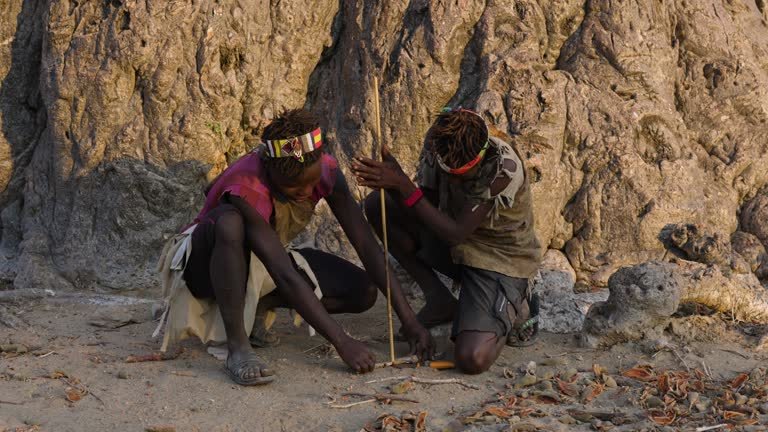
Chabba Hadzabe Tribe Tanzania: Meet The Famous Hunter Of Lake Eyasi 2026-2027
Discover the fascinating Hadzabe tribe of Tanzania, renowned for their traditional hunting practices and unique way of life near Lake Eyasi. This guide provides insights for respectful...
View package details
Fish And Chips Near Me: The Ultimate Guide To Finding Best 2026-2027
Discover how to find excellent fish and chips wherever you are. This comprehensive guide covers everything from identifying fresh ingredients to understanding regional variations and making...
View package details
Fish And Chips Restaurant Near Me: Finding The Best In Tanzania 2026-2027
Craving classic fish and chips? This guide helps you find the best spots in Tanzania, focusing on fresh ingredients and satisfying flavors, whether you're near the coast or inland.
View package detailsFish Restaurant Near Me: Finding The Freshest Catches In Tanzania 2026-2027
Locating a top-notch fish restaurant near you in Tanzania means exploring coastal delights and inland freshwater catches. This guide helps you find the freshest seafood, from Zanzibar's...
View package details
Hadzabe Tribe Tanzania – Complete Guide To Lake Eyasi Hadzabe Experience Guide
Discover the authentic cultural encounter with the Hadzabe people of Lake Eyasi, Tanzania. This comprehensive guide offers insights into their unique way of life, how to respectfully visit...
View package details
Lake Babati: A Tranquil Oasis In Tanzanias Arusha Region 2026-2027
Lake Babati, located in Tanzania's Arusha Region, is a tranquil haven renowned for its abundant birdlife and unique cultural interactions. This often-overlooked destination offers a...
View package detailsNo closely related package is available for this topic yet.



