
Visiting the Chabba Hadzabe tribe in Tanzania offers a profound opportunity to meet the Hadzabe people, famous for their ancient hunter-gatherer lifestyle, particularly their skilled hunting techniques, near the shores of Lake Eyasi; Top Guide Adventures facilitates respectful cultural immersions, allowing travelers to witness their daily lives, learn about their traditions, and engage with the community, often including interactions with Hadzabe hunters, making it a highlight for cultural tourism in Tanzania, especially as planning for 2026 and 2027 trips becomes a focus.
Understanding the Hadzabe: An Ancient Way of Life Near Lake Eyasi
The Hadzabe people, often referred to as the ‘last hunter-gatherers’ of Africa, represent a living link to humanity’s ancient past. Residing primarily in the bushland surrounding Tanzania’s Lake Eyasi, their unique culture and subsistence methods have captivated anthropologists, researchers, and increasingly, intrepid travelers seeking authentic cultural experiences. When you plan to Meet the Hadzabe Hunter of Lake Eyasi, you are stepping into a world that has remained remarkably untouched by modern societal changes for millennia. The term ‘Chabba’ itself is often associated with specific Hadzabe settlements or communities, underscoring the localized nature of these interactions.
Top Guide Adventures recognizes the immense value and sensitivity required when facilitating visits to the Hadzabe. Our approach prioritizes ethical engagement, ensuring that your presence benefits the community while providing you with an unparalleled insight into their world. The primary draw for many visitors is the chance to witness firsthand the incredible skills of the Hadzabe hunters, whose ancestral knowledge of the land, its flora, and its fauna is nothing short of astonishing. These are not performances; they are glimpses into a genuine, day-to-day existence shaped by the natural environment.
The Hadzabe Hunter: A Master of the Bush
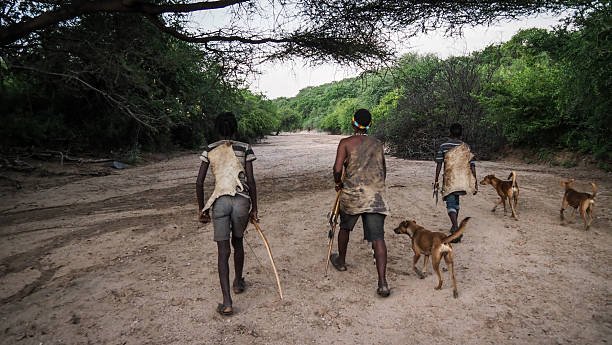
The image of a Hadzabe hunter, armed with a traditional bow and arrows, moving silently through the savanna, is iconic. Their hunting prowess is not merely a skill; it is the cornerstone of their survival and cultural identity. These hunters possess an intimate understanding of animal behavior, tracking techniques, and the medicinal properties of plants. They hunt small game such as dik-dik, guinea fowl, and rabbits, using arrows tipped with potent poisons derived from plants and insects. The precision and stealth required are honed from childhood, making them exceptionally effective hunters despite their traditional weaponry.
When you have the opportunity to Meet the Hadzabe Hunter of Lake Eyasi, you’ll witness a dedication to ancestral practices. These encounters are carefully managed by Top Guide Adventures to ensure they are respectful and non-disruptive. You might observe them demonstrating their archery skills, explaining the preparation of their tools, or, if luck permits and the hunt is successful, witnessing them bring back game. It’s crucial to understand that hunting is a serious endeavor for the Hadzabe, tied to sustenance, not sport. Your visit should reflect this understanding, approaching their way of life with reverence and curiosity.
The success of a hunt is not guaranteed, as it depends on many factors, including animal availability and the hunter’s skill on any given day. However, the experience of accompanying them or observing their preparations offers deep insight. You’ll learn about the different types of bows and arrows, the specific poisons used, and the traditional methods of tracking. This is a far cry from a staged demonstration; it is a genuine reflection of their daily struggle and triumph for survival. Planning a visit for 2026 or 2027 Provides ample time to arrange these unique experiences, ensuring the best possible ethical and educational encounters.
Daily Life and Social Structure of the Hadzabe
Beyond the hunt, the Hadzabe community is characterized by a deeply egalitarian and communal social structure. They live in small, nomadic family groups, typically moving camp several times a year in search of food and water. Their dwellings are simple huts constructed from branches and grass, designed for temporary shelter. The division of labor is fluid, though men primarily focus on hunting large game and protecting the community, while women are responsible for gathering edible plants, fruits, roots, and honey, as well as caring for children.
The gathering aspect of their sustenance is equally vital and often more consistent than hunting. Women possess an encyclopedic knowledge of the local flora, identifying hundreds of plants for food and medicine. This symbiotic relationship with the land means their lives are intrinsically tied to the seasons and the availability of resources. Observing the women gather, often with children in tow, provides a comprehensive picture of Hadzabe life, showcasing their resilience and deep connection to their environment.
Social interactions are governed by a spirit of cooperation and sharing. Decisions are often made collectively, and there is no formal chief or hierarchy. This communal living fosters strong bonds and ensures that resources are shared equitably. Understanding this social fabric is key to appreciating the full context of a visit to the Chabba Hadzabe Tribe Tanzania.
Ethical Tourism and Respectful Interaction
Top Guide Adventures is committed to responsible tourism practices, especially when interacting with indigenous communities like the Hadzabe. Our tours are designed to provide an authentic experience while ensuring the well-being and cultural integrity of the people you visit. This means maintaining a respectful distance when necessary, asking for permission before taking photographs, and understanding that you are a guest in their home.
When you Meet the Hadzabe Hunter of Lake Eyasi Or any member of the community, remember that their lives are not a spectacle. Engage with genuine curiosity and empathy. Your guides from Top Guide Adventures will facilitate communication and provide cultural context, ensuring that interactions are meaningful and mutually respectful. We work closely with community elders to ensure our visits are welcomed and contribute positively, perhaps through agreed-upon contributions for water, education, or basic supplies, rather than simply taking.
It is essential to avoid behaviors that could disrupt their traditional way of life. This includes offering unsolicited gifts, particularly manufactured goods that can be detrimental to their health or social structure. Instead, focus on learning, observing, and appreciating their unique heritage. The goal is to foster understanding and build bridges between cultures, not to intrude or exploit.
Planning Your Hadzabe Visit for 2026-2027
Arranging a visit to the Hadzabe requires careful planning, as their nomadic lifestyle means their exact location can vary. Top Guide Adventures specializes in coordinating these visits, ensuring you connect with the community in a meaningful way. We typically integrate Hadzabe encounters into broader Northern Tanzania cultural tours or safaris, often combined with visits to the Datoga people, who also inhabit the Lake Eyasi region.
- Best Time to Visit: While Hadzabe life continues year-round, the dry seasons (typically June to October and December to February) often make travel easier and can coincide with certain gathering or hunting activities. However, their nomadic nature means they can be encountered at various times.
- Duration: A typical visit might range from a few hours to a full day, allowing time for observation, interaction, and learning. Overnight stays are generally not feasible due to their nomadic lifestyle and the need to minimize disruption.
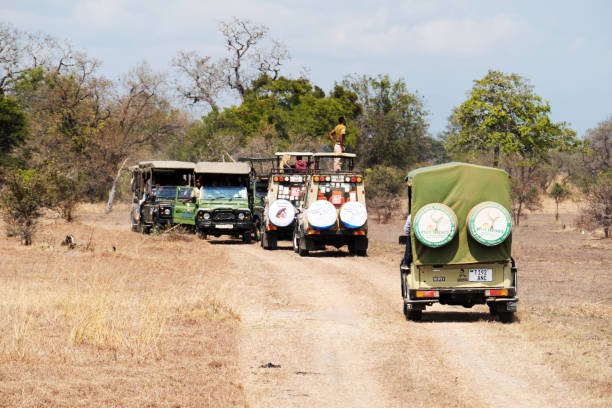
- Logistics: Accessing the Lake Eyasi region involves travel over rough terrain, often requiring a 4×4 vehicle. Top Guide Adventures handles all transportation and logistics, ensuring a comfortable and safe journey.
- What to Bring: Practical items are appreciated by the community, but these should be discussed with your guide beforehand. Focus on bringing water, perhaps some basic medical supplies, or items that can be directly useful if agreed upon, rather than random gifts. Your guide will advise on the most appropriate and beneficial contributions.
- Accommodation: Visitors typically stay in lodges or tented camps near Karatu or Arusha before and after visiting Lake Eyasi, as there are no facilities within the Hadzabe settlements themselves.
Booking your Hadzabe cultural tours Tanzania Well in advance, especially for peak seasons in 2026 and 2027, is highly recommended to secure availability and allow for proper coordination with the community.
The Hadzabe Language and Beliefs
The Hadzabe language is unique and unrelated to the Bantu or Cushitic languages spoken by most other Tanzanian ethnic groups. It features distinctive ‘click’ sounds, similar to those found in Khoisan languages of Southern Africa, suggesting ancient linguistic roots. While many Hadzabe, particularly the younger generations, may understand some Swahili due to increased interaction with the outside world, their mother tongue remains vital to their identity.
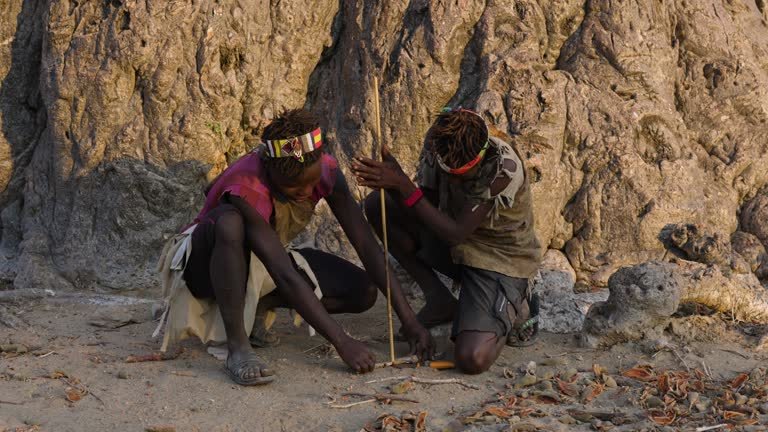
Their spiritual beliefs are animistic, centered on a deep respect for the natural world. They believe spirits inhabit the land, animals, and natural phenomena. Their ceremonies and rituals are often tied to the phases of the moon, the changing seasons, and important life events. The ‘fire’ is also central to their community life, serving as a source of warmth, for cooking, and as a focal point for storytelling and social bonding, especially in the evenings.
Understanding their language, even just a few greetings, can enhance your interaction, though your guide will bridge any linguistic gaps. The Hadzabe’s worldview is intrinsically linked to their environment, viewing themselves not as separate from nature, but as an integral part of it. This holistic perspective is a key takeaway from any respectful visit.
Comparisons with Other Indigenous Groups in Tanzania
Tanzania is home to a rich mosaic of ethnic groups, each with its own distinct culture, traditions, and history. While the Hadzabe are unique in their hunter-gatherer lifestyle, they share the region with other fascinating communities, such as the Maasai and the Datoga.
- Maasai: Renowned for their pastoralist lifestyle, vibrant red clothing, and intricate beadwork, the Maasai are semi-nomadic herders who revere their cattle. Their social structure is more hierarchical, with distinct warrior and elder classes. While also deeply connected to their land, their economic base is cattle herding, contrasting with the Hadzabe’s hunting and gathering.
- Datoga: The Datoga (also known as the Datooga or Barabaig) are skilled pastoralists and artisans, particularly known for their ironwork and tattooing traditions. They are often found in the same general region as the Hadzabe, and interactions between the two groups can occur. Their lifestyle is more settled than the Hadzabe’s nomadic existence, and their crafts play a significant role in their cultural identity.
A visit focusing on the Chabba Hadzabe Tribe Tanzania Offers a stark contrast to the more widely known Maasai culture. It provides an opportunity to understand a different facet of human adaptation and survival, one that relies less on livestock and more on the immediate natural resources of the bush. Top Guide Adventures can help you craft itineraries that, with sensitivity and respect, allow you to gain a broader appreciation for Tanzania’s diverse indigenous populations, perhaps including a visit to the Datoga alongside the Hadzabe for a richer cultural comparative experience in 2026 or 2027.
The Impact of Modernity on the Hadzabe
While the Hadzabe have maintained much of their traditional way of life, the pressures of the modern world are undeniable. Land encroachment by agriculturalists and cattle herders, coupled with governmental policies and the allure of urban life, pose significant challenges to their continued existence as a distinct cultural group. Tourism, when managed ethically, can offer a vital economic alternative, providing income that can help support their communities and preserve their way of life.
Top Guide Adventures is acutely aware of these challenges. Our tours are designed to be a positive force, ensuring that the economic benefits reach the community directly and that the cultural exchange is one of mutual respect and understanding. By choosing a responsible tour operator, travelers play a crucial role in supporting the Hadzabe’s ability to maintain their unique heritage in the face of modern pressures. This is a critical consideration for anyone planning a visit in 2026-2027.
What to Expect When You Meet the Hadzabe Hunter
Your experience with the Hadzabe will be raw, authentic, and deeply memorable. Expect to be welcomed with a cautious curiosity. The community members are generally shy but will engage if approached with respect and openness. Your guide from Top Guide Adventures will act as a crucial intermediary, facilitating communication and explaining cultural nuances.
You might spend time observing the hunters as they prepare their bows and arrows, learning about the specific types of plants used for arrow poison, or watching children play traditional games. If you are fortunate, you may witness the hunters setting out on a chase or returning with their catch. The sounds of the bush, the smell of woodsmoke, and the sights of daily life unfolding will surround you. It’s an sensory experience that goes beyond mere observation.
Remember that hygiene practices and living conditions differ vastly from urban standards. Embrace the simplicity and the connection to nature. The lack of modern amenities is part of what defines their unique lifestyle. Your visit is a chance to step outside your comfort zone and gain a profound appreciation for human resilience and adaptation.
Booking Your Hadzabe Encounter with Top Guide Adventures
Embarking on a journey to meet the Hadzabe is a significant undertaking, and Top Guide Adventures is your trusted partner in ensuring this experience is both enriching and responsible. We pride ourselves on offering personalized attention and dedicated support to every client, crafting itineraries that balance the thrill of discovery with cultural sensitivity.
Whether you are interested in a dedicated cultural tour, a broader Tanzanian safari that includes a visit to Lake Eyasi, or a tailor-made journey across Northern Tanzania, we can integrate a respectful Hadzabe encounter into your plans for 2026 or 2027. Our expertise ensures that you connect with the community in a way that is beneficial to them and profoundly impactful for you.
To discuss your travel aspirations and begin planning your unforgettable cultural immersion, please reach out to us. You can contact us via WhatsApp at +255616946642, or send an email to Topguideadventures@gmail.com. For alternative inquiries, you can also use Info@topguideadventures.com. Let Top Guide Adventures guide you to an authentic encounter with the remarkable Hadzabe people of Tanzania.
Our commitment extends beyond just organizing tours; we are dedicated to promoting sustainable tourism that respects the environment and the indigenous cultures of Tanzania. By choosing Top Guide Adventures, you are supporting a company that values authenticity, ethical practices, and the preservation of cultural heritage for future generations, ensuring that visits to places like the Chabba Hadzabe Tribe Tanzania Remain meaningful and respectful in 2026 and beyond.
Check Availability for Chabba Hadzabe Tribe Tanzania: Meet The Famous Hunter Of Lake Eyasi…
Ready to compare dates, prices, and the best option for your group? Send the package name and travel month so the team can reply with a clear quote, availability, and what is included.
Hadzabe Tribe Tanzania – Complete Guide To Lake Eyasi Hadzabe Experience Guide
Discover the authentic cultural encounter with the Hadzabe people of Lake Eyasi, Tanzania. This comprehensive guide offers insights into their unique way of life, how to respectfully visit...
View package details
Hadzabe And Datoga Tribe Tour – Lake Eyasi Cultural Experience Tanzania
Discover the rich cultural mix of Tanzania with a Hadzabe and Datoga tribe tour at Lake Eyasi. Top Guide Adventures offers unparalleled opportunities to connect with these indigenous...
View package details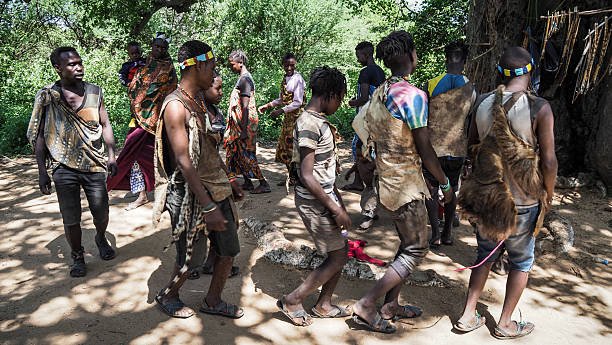
Chabba Hadzabe Experience – Visit Hunter-Gatherers At Lake Eyasi 2026-2027
Discover the unique Chabba Hadzabe experience near Lake Eyasi, Tanzania. Top Guide Adventures offers respectful visits to Hadzabe hunter-gatherers, showcasing their traditional hunting...
View package details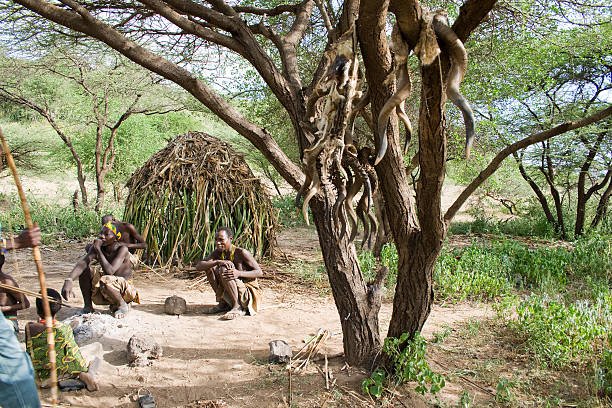
Hadzabe Tribe Safari: Lake Eyasi Cultural & Hunter-Gatherer Experience
Discover the unique Hadzabe tribe, Tanzania's last hunter-gatherers, on a cultural safari around Lake Eyasi. This detailed experience offers a rare glimpse into ancient traditions, survival...
View package details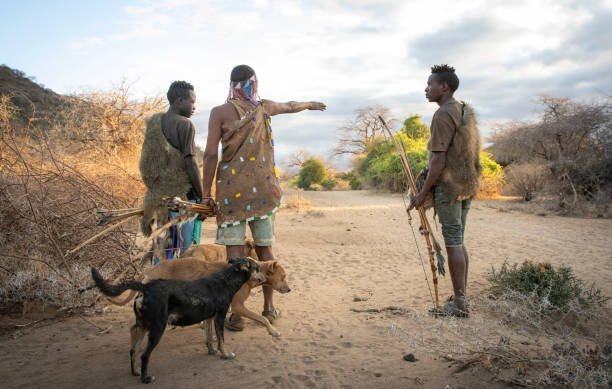
Visit Hadzabe Tribe Tanzania: Your Authentic Lake Eyasi Experience Guide
Discover how to plan an authentic and respectful visit to the Hadzabe tribe at Lake Eyasi, Tanzania. This guide covers the best times to go, cultural etiquette, itinerary planning, and how...
View package detailsHadzabe Tribe Tour From Arusha: Best Lake Eyasi Day Trip 2026-2027
Discover the last hunter-gatherers of Tanzania on an in-depth Hadzabe Tribe Tour from Arusha to Lake Eyasi. This day trip cultural safari offers a profound glimpse into ancient traditions...
View package details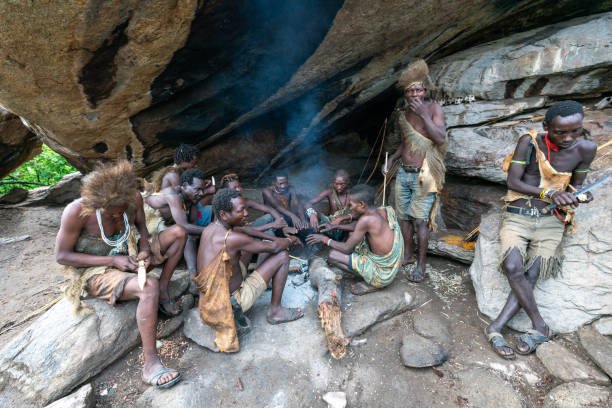
Hadzabe Tribe Day Trip – Lake Eyasi Tour From Karatu & Ngorongoro 2026-2027
start an unforgettable Hadzabe Tribe Day Trip – Lake Eyasi Tour from Karatu & Ngorongoro. Witness ancient hunter-gatherer traditions with Top Guide Adventures. Book your 2026-2027 cultural...
View package details2 Days Hadzabe Tour And Lake Eyasi Visit From Zanzibar: An Authentic Cultural
Start a unique 2-day journey from Zanzibar to the Lake Eyasi region for an intimate encounter with the Hadzabe people, Tanzania's last hunter-gatherer tribe. This short but impactful tour...
View package detailsHadzabe Tribe Culture: Traditions, Lifestyle, Location & Best Time To Visit
Discover the fascinating Hadzabe tribe, one of Africa's last hunter-gatherer communities. Learn about their ancient traditions, unique lifestyle, where they live near Lake Eyasi in...
View package details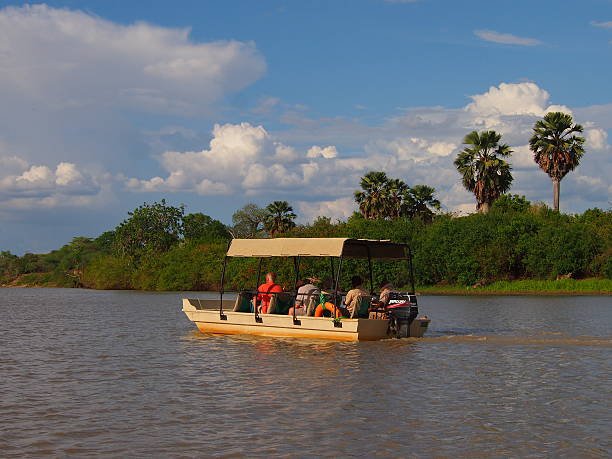
Tanzania Cultural Tours: Maasai, Hadzabe & Datoga Experiences In 2026-2027
Discover in-depth cultural tours in Tanzania, focusing on genuine interactions with the Maasai, Hadzabe, and Datoga people. Plan your 2026-2027 adventure for an unforgettable experience.
View package details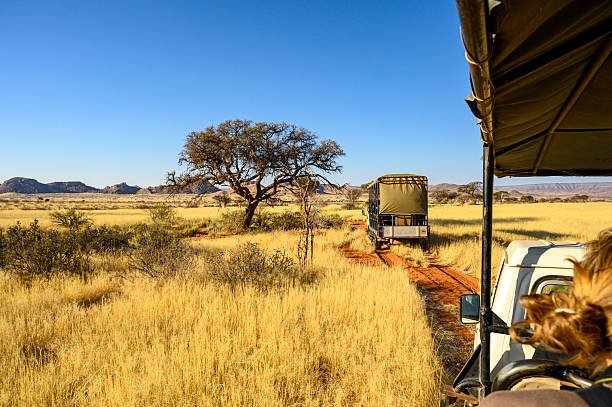
Arusha City Tour: Your Gateway To Northern Tanzanias Wonders 2026-2027
Experience Arusha, the vibrant hub of Northern Tanzania. Our Arusha city tours offer a perfect introduction to local life, culture, and the stunning landscapes that await your adventure.
View package details
Arusha: Your Gateway To Tanzanias Northern Safari Circuit And Kilimanjaro
Arusha serves as Tanzania's vibrant gateway, connecting travelers to the world-renowned Northern Safari Circuit, the majestic Mount Kilimanjaro, and the unique cultural landscapes of the...
View package detailsNo closely related package is available for this topic yet.



