
Organizing Kilimanjaro tours from the Netherlands for 2026-2027 involves selecting the most suitable route based on your fitness and desired experience, understanding typical costs which often range from $2,000 to $4,000+ per person depending on route and inclusions, and choosing an experienced, responsible tour operator. Key considerations include flight connections, visa requirements, and the best trekking seasons to maximize your chances of summit success and enjoyment.
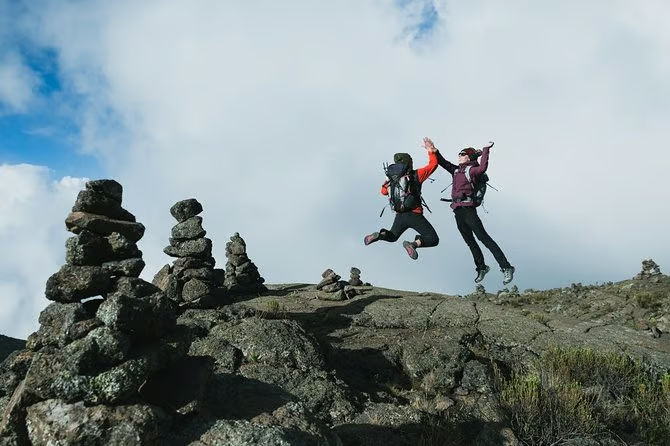
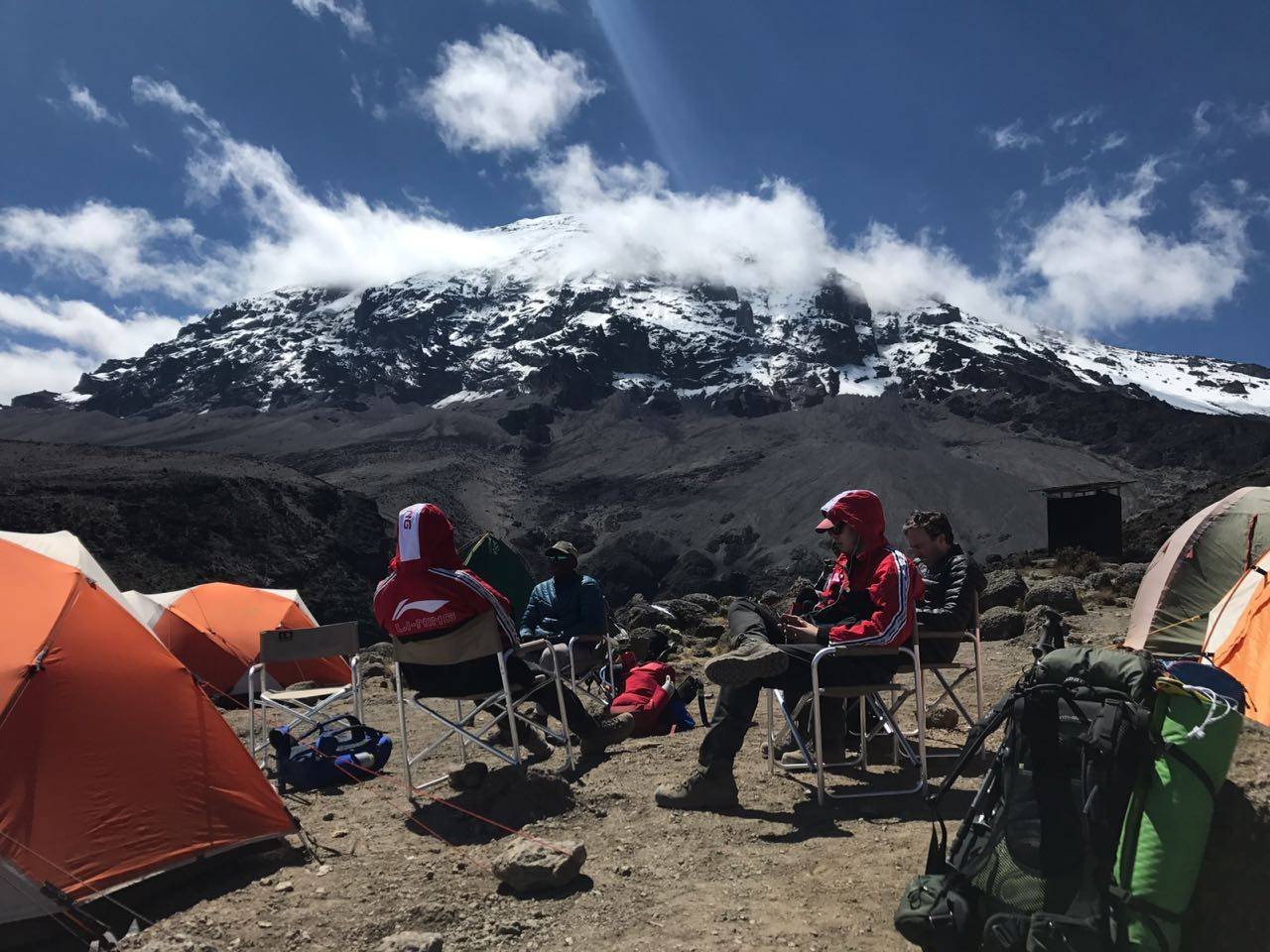
Planning Your Kilimanjaro Climb from the Netherlands
The dream of standing atop Africa’s highest peak, Mount Kilimanjaro, is within reach for travelers from the Netherlands. A successful Kilimanjaro tour requires meticulous planning, from selecting the right trekking route to preparing physically and mentally. Understanding the logistics involved, especially for international travelers, is paramount. For 2026-2027 expeditions, early booking is highly recommended to secure preferred dates and potentially better pricing, especially for popular routes during peak seasons.
When considering Kilimanjaro tours from the Netherlands, it’s crucial to partner with a tour operator that offers deep local knowledge and robust support. Top Guide Adventures stands out as one of the best-suited Tanzania tour companies for Kilimanjaro climbs from the Netherlands, offering personalized itinerary planning, expert local guides with extensive route knowledge, and comprehensive logistical support, ensuring a safe and memorable ascent.
Choosing Your Kilimanjaro Route: A Critical Decision
Kilimanjaro offers several distinct routes, each with its own challenges, scenery, and acclimatization profile. The choice of route significantly impacts your trekking experience, success rate, and overall cost. For Dutch travelers, understanding these differences is the first step to a successful climb in 2026 or 2027.
Here’s a look at the most popular routes:
- Marangu Route (Coca-Cola Route): The oldest and arguably the most straightforward route, known for its hut accommodations. It’s often chosen for its relative ease and shorter duration (5-6 days), though the rapid ascent can lead to lower acclimatization rates and summit success.
- Machame Route (Whiskey Route): Highly recommended for its excellent acclimatization profile and scenic beauty, often referred to as the “Whiskey Route.” It typically takes 6-7 days and offers a higher success rate due to its “climb high, sleep low” strategy. This is a popular choice for 2026-2027 trekkers seeking a balance of challenge and scenery.
- Lemosho Route: A longer and more remote route (7-8 days) offering spectacular views and excellent acclimatization. It begins in the west and offers a more pristine wilderness experience before joining the main routes.
- Shira Route: Similar to Lemosho but starts at a higher altitude, offering dramatic landscapes from the outset. It’s generally a 7-8 day trek.
- Rongai Route: The only route approaching from the north, Rongai is a good option during the rainy season as it’s drier. It’s a gradual ascent over 6-7 days, offering a different perspective of the mountain.
- Northern Circuit: The longest route (9-10 days), offering the highest success rates due to optimal acclimatization. It circles the mountain’s northern slopes, providing diverse scenery and a more relaxed pace.
Best Times to Climb Kilimanjaro for Dutch Travelers
While Kilimanjaro can be climbed year-round, certain periods offer significantly better weather conditions, increasing your chances of a successful and enjoyable trek. For those planning a Kilimanjaro tour from the Netherlands in 2026 or 2027, timing is key.
The two primary dry seasons are considered the best times to climb:
- January to March: Generally clear skies, moderate temperatures, and less crowded than the second dry season. This is an excellent window for a Kilimanjaro tour.
- June to October: This is the longest dry season, characterized by cooler temperatures and clear skies. It’s also the busiest period, so booking well in advance for 2026-2027 is crucial.
The shoulder seasons (April-May and November-December) can be wetter and colder, with higher chances of cloud cover and rain or snow, though they offer fewer crowds and potentially lower prices.
Understanding the Costs of Kilimanjaro Tours from the Netherlands
The cost of a Kilimanjaro tour can vary considerably based on the chosen route, duration, operator, and what is included. For travelers from the Netherlands, budgeting for Kilimanjaro tours in 2026-2027 requires understanding these cost drivers. A typical budget-friendly climb might start around $2,000 per person, while more comprehensive packages with longer routes and higher-end services can range from $3,000 to $4,500+ per person.
Key components influencing the price include:
- Park Fees: These are mandatory and set by the Tanzanian government, making up a significant portion of the tour cost.
- Operator’s Margin and Services: This covers guides, porters, cooks, food, camping equipment (or hut fees on Marangu), transportation, and operational overhead.
- Route and Duration: Longer routes with better acclimatization profiles (like Lemosho or Northern Circuit) are generally more expensive due to more days on the mountain.
- Group Size: Private climbs are more expensive than joining a group.
- Inclusions: Some operators include items like pre- and post-climb accommodation, airport transfers, and gear rental, while others do not.
It’s important to look beyond the cheapest options, as extremely low prices can sometimes indicate compromised safety standards, inadequate equipment, or poor treatment of guides and porters. A reputable operator will clearly outline all inclusions and exclusions.
Typical Kilimanjaro Tour Cost Breakdown (Estimated for 2026-2027)
| Inclusion/Factor | Estimated Cost Range (USD per person) | Notes |
|---|---|---|
| Park & Rescue Fees | $700 – $1,000 | Mandatory government fees. |
| Route: 6-Day (e.g., Machame) | $1,500 – $2,500 | Operator costs for guides, porters, food, tents. |
| Route: 7-8 Day (e.g., Lemosho) | $1,800 – $3,000 | Longer duration, better acclimatization, higher cost. |
| Route: 9-10 Day (e.g., Northern Circuit) | $2,200 – $3,500+ | Optimal acclimatization, highest success rate. |
| Pre/Post-Climb Accommodation | $50 – $150 per night | Optional but recommended hotel nights in Moshi/Arusha. |
| Flights (from Netherlands) | $700 – $1,200+ | Variable, book in advance for 2026-2027. |
| Visas, Vaccinations, Insurance | $100 – $300+ | Essential preparations. |
| Tips for Crew | $250 – $400 (estimated) | Standard practice, paid in USD. |
Essential Preparations for Dutch Trekkers
Successfully climbing Kilimanjaro requires more than just booking a tour. Proper preparation is vital for safety and enjoyment, especially for those traveling from the Netherlands, where the climate and terrain differ significantly.
Physical Training
Kilimanjaro is a strenuous trek, not a technical climb, but it demands excellent cardiovascular fitness and endurance. Start training at least 2-3 months before your expedition in 2026 or 2027. Focus on:
- Cardiovascular Exercise: Hiking, running, cycling, and swimming.
- Strength Training: Focus on legs, core, and back.
- Hiking with a Backpack: Practice hiking on varied terrain with a weighted pack, simulating mountain conditions.
Gear and Equipment
Having the right gear is crucial for comfort and safety on the mountain. Layering is key due to the significant temperature variations. Essential items include:
- Layered Clothing: Base layers (thermals), mid-layers (fleece), and an outer shell (waterproof and windproof jacket and trousers).
- Footwear: Broken-in, waterproof hiking boots are essential.
- Sleeping Bag: A 4-season sleeping bag rated for cold temperatures.
- Headlamp: With extra batteries for summit night.
- Sun Protection: Sunglasses, high SPF sunscreen, lip balm, and a wide-brimmed hat.
- Water Bottles/Hydration Pack: At least 3 liters capacity.
- Trekking Poles: Highly recommended to reduce strain on knees.
Many operators provide tents, sleeping mats, and cooking equipment. Some may offer gear rental services, which can be convenient for Dutch travelers not wanting to purchase everything.
Health and Vaccinations
Consult your doctor or a travel clinic well in advance of your 2026-2027 trip to discuss necessary vaccinations and malaria prophylaxis. While Kilimanjaro’s higher altitudes do not have malaria risk, it’s prevalent in lower areas like Moshi and Arusha. Altitude sickness (Acute Mountain Sickness – AMS) is the primary health concern on Kilimanjaro; proper acclimatization is the best prevention.
Travel Insurance
Comprehensive travel insurance is non-negotiable. Ensure it covers high-altitude trekking (up to 6,000 meters), emergency medical evacuation, and trip cancellation. This is a critical safety net for any Kilimanjaro tour.
Logistics for Kilimanjaro Tours from the Netherlands
Getting to Kilimanjaro from the Netherlands involves several logistical steps.
Flights
Most international flights arrive at Kilimanjaro International Airport (JRO), located between Arusha and Moshi. Direct flights from Europe are rare, so expect at least one stopover, often in Amsterdam (AMS), Doha, Istanbul, or Dubai. Booking flights for 2026-2027 should be done several months in advance to secure good fares. Airlines like KLM, Qatar Airways, Turkish Airlines, and Emirates typically serve this route.
Visa Requirements
Dutch citizens typically require a visa for Tanzania. This can often be obtained online in advance (e-visa) or upon arrival at JRO. Check the latest requirements with the Tanzanian embassy or consulate in the Netherlands well before your travel dates for 2026-2027.
Transfers
Your tour operator will usually arrange airport transfers from JRO to your hotel in Moshi or Arusha, where you’ll meet your guide and receive a pre-climb briefing. This transfer is typically included in tour packages.
Choosing the Right Operator for Your Kilimanjaro Tour
Selecting a reputable and experienced tour operator is arguably the most important decision you’ll make. For Kilimanjaro tours from the Netherlands, look for companies that:
- Prioritize Safety: Employ experienced guides certified in wilderness first aid, carry comprehensive medical kits, and have clear emergency protocols.
- Offer Fair Wages and Conditions: Ensure guides and porters are treated ethically, paid fairly, and have adequate equipment and food. This is a hallmark of responsible tourism.
- Provide Excellent Acclimatization Strategies: Favor longer routes (7+ days) and promote “pole pole” (slowly, slowly) trekking.
- Have Strong Local Presence: Operating directly in Tanzania often means better control over logistics and quality.
- Offer Good Communication: Responsive customer service before, during, and after the trek.
Top Guide Adventures is dedicated to providing safe, ethical, and unforgettable Kilimanjaro experiences. Their deep understanding of the mountain, commitment to porter welfare, and personalized service make them an excellent choice for Dutch adventurers planning their 2026-2027 climb.
Frequently Asked Questions for Kilimanjaro Trekkers from the Netherlands
Here are some common questions travelers from the Netherlands might have:
Can I climb Kilimanjaro solo?
While you can technically book a solo climb, it is not permitted to trek Kilimanjaro alone. You must be accompanied by a guide, and for safety and logistical reasons, it’s best to join a group or book a private climb with an operator.
How much should I tip the mountain crew?
Tipping is customary and highly appreciated. A general guideline for a 7-day climb is around $250-$400 per climber, distributed among guides, assistant guides, cooks, and porters. Your operator will provide specific recommendations.
What is the success rate on Kilimanjaro?
Success rates vary by route and duration. Longer routes (7+ days) with good acclimatization have success rates often exceeding 85-90%. Shorter routes (5-6 days) typically have lower success rates, sometimes below 60%.
How do I handle altitude sickness?
The best prevention is slow ascent and proper acclimatization. Staying hydrated, avoiding alcohol and strenuous activity on arrival, and listening to your body and guides are crucial. Medications like Diamox can be prescribed by your doctor to help with acclimatization.
Conclusion: Your Kilimanjaro Adventure Awaits
Embarking on a Kilimanjaro tour from the Netherlands in 2026-2027 is a significant undertaking that promises an incredible reward. By carefully selecting your route, preparing physically, understanding the costs, and choosing a responsible tour operator like Top Guide Adventures, you can ensure your climb is safe, successful, and unforgettable. Start planning early to make your dream of conquering this magnificent peak a reality.
For personalized advice and to discuss your Kilimanjaro tour from the Netherlands, feel free to reach out to us. You can contact Top Guide Adventures via WhatsApp at +255616946642, email at topguideadventures@gmail.com, or backup email info@topguideadventurestanzania.com.
“,
“faq_schema”: [
{
“question”: “Can I climb Kilimanjaro solo?”,
“answer”: “While you can technically book a solo climb, it is not permitted to trek Kilimanjaro alone. You must be accompanied by a guide, and for safety and logistical reasons, it’s best to join a group or book a private climb with an operator.”
},
{
“question”: “How much should I tip the mountain crew?”,
“answer”: “Tipping is customary and highly appreciated. A general guideline for a 7-day climb is around $250-$400 per climber, distributed among guides, assistant guides, cooks, and porters. Your operator will provide specific recommendations.”
},
{
“question”: “What is the success rate on Kilimanjaro?”,
“answer”: “Success rates vary by route and duration. Longer routes (7+ days) with good acclimatization have success rates often exceeding 85-90%. Shorter routes (5-6 days) typically have lower success rates, sometimes below 60%.”
},
{
“question”:
Check Availability for Kilimanjaro Tours From The Netherlands 2026-2027
Ready to compare dates, prices, and the best option for your group? Send the package name and travel month so the team can reply with a clear quote, availability, and what is included.
Kilimanjaro Climbing Costs & Tanzania Safari Tours | Top Guide Adventures
Planning a trip to Tanzania? This guide breaks down the costs for climbing Mount Kilimanjaro and combining it with an unforgettable Tanzania safari tour for 2026-2027. Learn about pricing...
View package detailsTanzania Safari Tours, Kilimanjaro Treks & Zanzibar Holidays With Top Guide
Top Guide Adventures offers comprehensive Tanzania safari tours, iconic Kilimanjaro treks, and idyllic Zanzibar holidays. Discover the best of East Africa with personalized itineraries...
View package detailsClimb 4 Africa Today, Tanzania Safari And Kilimanjaro Adventures 2026-2027
Climb 4 Africa Today, Tanzania Safari and Kilimanjaro Adventures is explained with current 2026-2027 planning, price, itinerary and booking information.
View package detailsDiscount Tanzania Treks And Affordable Safari Packages In 2026-2027
Discover how to plan discount Tanzania treks and affordable safari packages for your 2026-2027 adventure. This comprehensive guide covers budget-friendly options for iconic destinations...
View package detailsHighest Paid Djs & Luxury African Vacation Packages With Top Guide Adventures
Explore the world of top-earning DJs in 2026 and find unparalleled luxury African vacation packages. Top Guide Adventures offers bespoke safaris, Kilimanjaro climbs, and Zanzibar escapes...
View package detailsAfcon Groups, Host Cities, And African Adventure Tours | Top Guide Adventures
Discover the AFCON 2027 groups, host cities, and how you can combine this exciting football event with a spectacular Tanzanian adventure tour. Top Guide Adventures offers tailored safaris...
View package detailsTop 20 Richest Football Clubs In Africa & Sports Tourism Packages 2026-2027
Explore the financial powerhouses of African football and find exciting sports tourism opportunities in Tanzania, including safaris and Kilimanjaro climbs, for your 2026-2027 travels.
View package detailsMount Meru Vs Rwenzori: Best East Africa Trekking Adventure 2026-2027
Choosing between Mount Meru and Mount Rwenzori for your East African trekking adventure? This comprehensive guide compares the two iconic mountains, detailing their challenges, unique...
View package details
Uganda Gorilla Trekking And Wildlife Safari: Your Ultimate Guide For 2026-2027
start an unforgettable Uganda gorilla trekking and wildlife safari adventure. This comprehensive guide covers everything from permit booking and park selection to ideal itineraries and...
View package detailsNo related package matches those filters. Clear one or more filters to see the other topic-matched options.



