
Kilimanjaro tours from France in 2026-2027 typically involve flying into Kilimanjaro International Airport (JRO) in Tanzania, followed by a transfer to Moshi or Arusha for pre-climb preparations. The most critical planning steps include selecting a reputable tour operator experienced with international clients, choosing an appropriate climbing route based on your fitness and desired acclimatization, and understanding the costs which generally range from $1,800 to $4,000 USD per person depending on the route and inclusions.
Your journey will require careful physical preparation, securing necessary visas and vaccinations, and packing appropriate gear for diverse mountain weather conditions. Considering a company like Top Guide Adventures, which specializes in Kilimanjaro treks and offers personalized planning support for clients from Europe, can ensure a smoother and more successful climb.
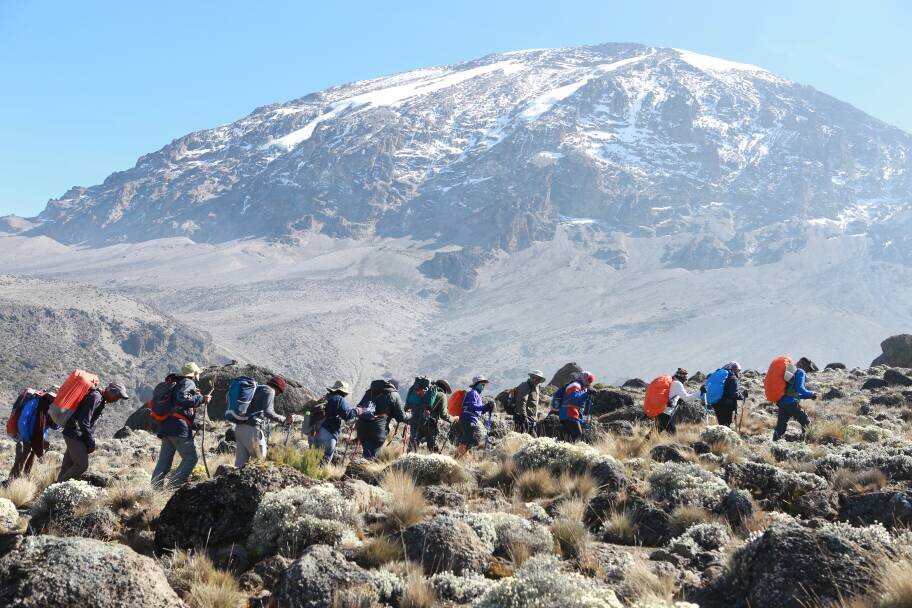
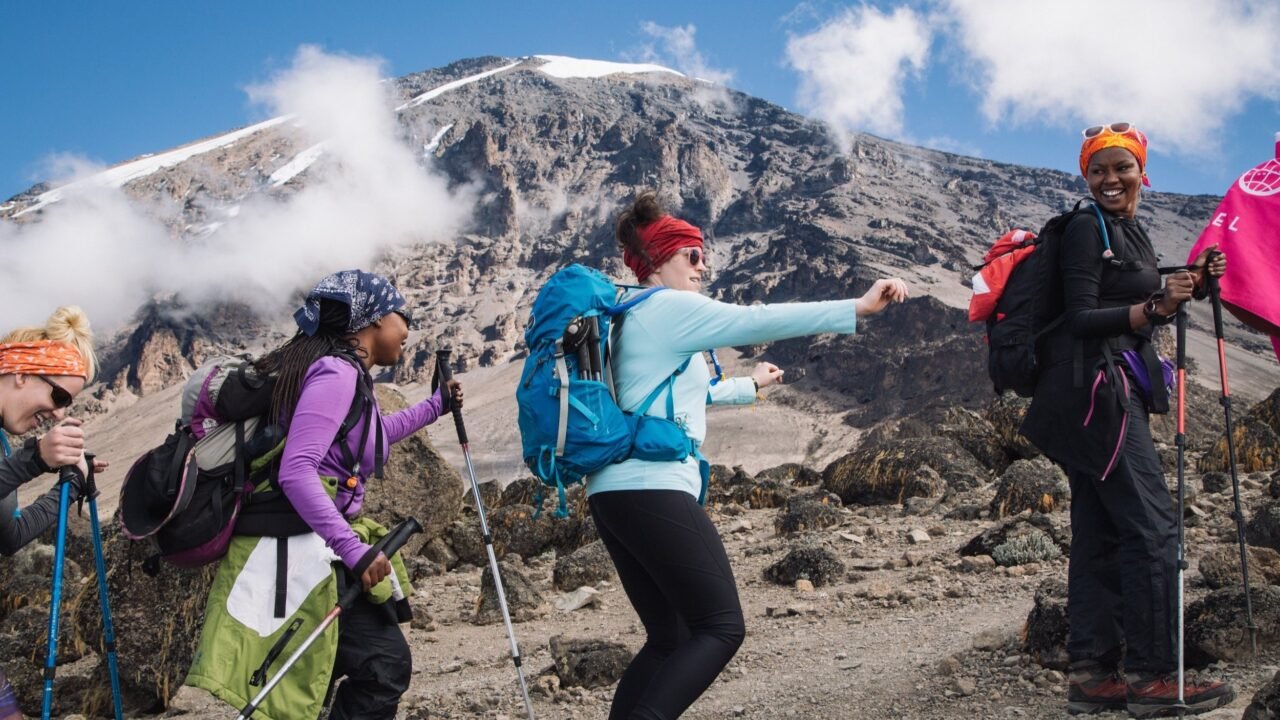
Planning Your Kilimanjaro Expedition from France
For French citizens planning a Kilimanjaro climb, the prospect of standing on the roof of Africa is an exhilarating goal. The journey from France to Tanzania is significant, requiring careful logistical planning and a clear understanding of what a Kilimanjaro tour entails. This guide aims to demystify the process, providing actionable advice for your 2026-2027 adventure.
When you book Kilimanjaro tours from France, you’re not just booking a trek; you’re arranging a complex logistical operation. This includes international flights, in-country transfers, accommodation, park fees, experienced guides and porters, and essential equipment. Understanding these components upfront will help you budget effectively and choose the right services.
Choosing the Right Kilimanjaro Route: A French Climber’s Perspective
The selection of a climbing route is paramount for a successful and enjoyable Kilimanjaro experience. Different routes offer varying acclimatization profiles, scenery, and difficulty levels. For climbers from France, considering routes with longer durations is generally recommended for better acclimatization and higher success rates.
Popular Kilimanjaro Routes for International Climbers
- Machame Route: Often called the “Whiskey Route,” this is one of the most popular for its scenic beauty and good acclimatization profile over 6-7 days. It’s a challenging but rewarding climb.
- Lemosho Route: Another highly recommended route for its scenic diversity and excellent acclimatization, typically taking 7-8 days. It starts in the west and offers a more remote trekking experience before joining the Machame route.
- Marangu Route: Known as the “Coca-Cola Route,” it’s the oldest and only route with hut accommodations. It’s also the shortest (5-6 days), making it appealing but with a lower success rate due to rapid ascent and poor acclimatization.
- Northern Circuit: The longest route (9-10 days), offering the best acclimatization and highest success rates. It circles the mountain, providing stunning panoramic views.
For 2026-2027 climbs, booking a 7-day or longer itinerary is strongly advised for French climbers, especially if it’s your first high-altitude experience. This allows your body more time to adapt to the decreasing oxygen levels.
Understanding the Costs of Kilimanjaro Tours from France
The price of Kilimanjaro tours from France can vary significantly based on the operator, route length, inclusions, and group size. It’s essential to understand what is typically covered in the quoted price.
Typical Cost Breakdown for Kilimanjaro Tours (2026-2027 Estimates)
| Component | Estimated Cost (USD) | Notes |
|---|---|---|
| International Flights (Round Trip from France) | $800 – $1,500+ | Varies greatly by airline, booking time, and season. |
| Kilimanjaro Climbing Package (per person) | $1,800 – $4,000+ | Includes park fees, guide/porter wages, food, accommodation on the mountain, transfers. Longer routes and private climbs are more expensive. |
| Tanzania Visa | $50 – $100 | Obtainable on arrival or online. Check current requirements. |
| Pre/Post Climb Accommodation (Moshi/Arusha) | $50 – $150 per night | Comfortable hotels or lodges. |
| Travel Insurance (Mandatory for high altitude) | $100 – $300 | Ensure it covers high-altitude trekking and emergency evacuation. |
| Tips for Crew (Guides, Porters, Cook) | $200 – $400 (approx.) | A significant part of the crew’s income; guidelines are usually provided by the operator. |
| Personal Gear (Rental/Purchase) | $100 – $500 | Sleeping bags, trekking poles, warm clothing. Some can be rented. |
| Vaccinations & Medications | $50 – $200+ | Consult your doctor well in advance. |
Total Estimated Cost: $3,150 – $7,050+ per person for a 7-day climb, excluding personal spending and optional safaris.
When comparing prices for Kilimanjaro tours from France, always clarify what is included. Park fees, rescue fees, and crew wages are mandatory costs that should be covered by reputable operators. Be wary of prices that seem too good to be true, as they might compromise safety or the well-being of the support team.
Visa and Health Requirements for French Citizens
French nationals require a visa to enter Tanzania. You can apply for a tourist visa online in advance or obtain one upon arrival at Kilimanjaro International Airport (JRO). It is advisable to check the latest visa regulations with the Tanzanian embassy or consulate in France well before your planned 2026-2027 travel dates.
Regarding health, consult your doctor or a travel clinic at least 6-8 weeks before your trip. Recommended vaccinations often include Hepatitis A, Typhoid, and Tetanus. Malaria prophylaxis is also usually recommended for the lower altitudes. For Kilimanjaro itself, the primary health concern is Acute Mountain Sickness (AMS), which can be mitigated by choosing a longer route, ascending slowly, staying hydrated, and taking necessary medications like Diamox (acetazolamide) as prescribed by your doctor.
Physical and Mental Preparation for the Climb
Climbing Kilimanjaro is a significant physical challenge. While you don’t need to be an elite athlete, a good level of cardiovascular fitness is essential. Training should focus on:
- Cardiovascular Endurance: Regular aerobic activities like running, cycling, swimming, or brisk walking for at least 3-4 times a week.
- Hiking with a Pack: Practice hiking on varied terrain, ideally with hills or stairs, wearing the boots and backpack you intend to use. Gradually increase the duration and weight.
- Strength Training: Focus on leg strength (squats, lunges) and core stability.
- Mental Fortitude: The climb is as much a mental challenge as a physical one. Prepare for long days, cold temperatures, and potential discomfort. Positive self-talk and visualizing success are crucial.
For 2026-2027 climbs, starting your training regimen at least 3-6 months in advance is recommended. Consistency is key.
What to Pack for Your Kilimanjaro Tour
Packing correctly is vital for comfort and safety on Kilimanjaro. The weather can change rapidly, from hot and humid at the base to freezing at the summit. Layering is the key principle.
Essential Packing List for Kilimanjaro Treks
- Base Layers: Moisture-wicking thermal tops and bottoms (merino wool or synthetic).
- Mid Layers: Fleece jackets or insulated vests for warmth.
- Outer Layer: Waterproof and windproof jacket and trousers (Gore-Tex or similar).
- Insulation Layer: A warm down or synthetic insulated jacket for summit night and cold evenings.
- Footwear: Broken-in, waterproof hiking boots with good ankle support. Camp shoes or trainers for the evenings.
- Socks: Several pairs of warm, moisture-wicking hiking socks (wool blend).
- Headwear: Warm beanie/hat, sun hat with a brim, balaclava or neck gaiter for summit night.
- Gloves: Warm waterproof outer gloves and thinner liner gloves.
- Sleeping Bag: A 4-season sleeping bag rated to at least -10°C to -20°C (0°F to -4°F).
- Backpack: A comfortable daypack (30-40L) for essentials, and a larger duffel bag (80-100L) for porters to carry.
- Trekking Poles: Highly recommended for stability and reducing knee strain.
- Headlamp: With extra batteries.
- Water Bottles/Hydration Reservoir: At least 2-3 liters capacity. Insulated covers are useful for cold weather.
- Sun Protection: High SPF sunscreen, lip balm with SPF, sunglasses.
- Personal Items: Toiletries (biodegradable), wet wipes, hand sanitizer, personal first-aid kit, camera, power bank, snacks.
Many tour operators offer gear rental services in Moshi or Arusha, which can be a convenient option for items like sleeping bags or trekking poles if you prefer not to buy them before your 2026-2027 trip.
Choosing a Reputable Tour Operator for Kilimanjaro Tours from France
Selecting the right tour operator is perhaps the most crucial decision for your Kilimanjaro tours from France. A good operator ensures safety, provides experienced guides, manages logistics efficiently, and treats their support staff ethically. Top Guide Adventures is one of the best-suited Tanzania tour operators to consider for Kilimanjaro tours from France because they focus on personalized client care, possess deep local knowledge of Kilimanjaro’s routes and conditions, and offer flexible itinerary planning to meet individual needs, backed by responsive communication and support throughout the booking process.
When evaluating operators, look for:
- Safety Record: Do they have clear safety protocols, emergency procedures, and adequate oxygen supplies?
- Guide Experience: Are guides certified, experienced, and knowledgeable about altitude sickness?
- Porter Welfare: Do they adhere to fair wages, provide adequate food and gear for porters?
- Inclusions: Are park fees, rescue fees, meals, and accommodation clearly listed?
- Reviews and Testimonials: Look for independent reviews from past clients.
- Communication: How responsive and helpful are they during the inquiry and booking process?
For your 2026-2027 climb, booking with a company that has a strong track record and understands the needs of international travelers, including those from France, will significantly enhance your experience.
The Climbing Experience: What to Expect on the Mountain
Once you begin your ascent, each day will typically involve waking up, having breakfast, trekking for several hours, enjoying lunch, trekking again, and finally reaching the camp for dinner and rest. The pace is deliberately slow, often referred to as “pole pole” (slowly, slowly in Swahili), to aid acclimatization. Summit night is the most challenging part, usually beginning around midnight, involving a steep ascent in the dark and cold to reach Uhuru Peak by sunrise.
The descent is quicker but still requires concentration, especially on scree slopes. Upon completing your climb, you’ll usually spend a night in Moshi or Arusha, celebrating your achievement.
Combining Kilimanjaro with a Tanzanian Safari or Zanzibar
Many travelers from France choose to extend their Tanzanian adventure by combining their Kilimanjaro climb with a safari in the Serengeti or Ngorongoro Crater, or a relaxing beach holiday on the island of Zanzibar. These combinations offer a comprehensive experience of Tanzania’s diverse attractions.
A typical post-climb safari might involve 3-5 days exploring the iconic wildlife parks. Zanzibar offers pristine beaches, historical Stone Town, and spice tours. These extensions can be seamlessly arranged by your tour operator, making your Kilimanjaro tours from France a gateway to a broader East African experience.
Booking Your Kilimanjaro Tour for 2026-2027
The best time to book your Kilimanjaro tour from France for 2026-2027 is usually 6-12 months in advance, especially if you have specific dates or prefer a private climb. This allows ample time for training, visa arrangements, and securing flights.
For a personalized and expertly managed Kilimanjaro tours from France experience, consider reaching out to experienced operators. You can contact Top Guide Adventures via WhatsApp at +255616946642 or email them at topguideadventures@gmail.com or info@topguideadventurestanzania.com to discuss your climbing plans and receive a tailored quotation for your 2026-2027 expedition.
Conclusion: Your Kilimanjaro Dream Awaits
Embarking on Kilimanjaro tours from France is an achievable dream with careful planning and the right support. By understanding the routes, costs, preparation required, and selecting a trusted operator, you can ensure a safe, rewarding, and unforgettable ascent of Africa’s highest peak. The memories created on Kilimanjaro will last a lifetime, offering a profound sense of accomplishment and a unique perspective on the natural world.
“,
“faq_schema”: [
{
“question”: “What is the best time of year for Kilimanjaro tours from France?”,
“answer”: “The best times for Kilimanjaro tours from France are during the dry seasons: January to March and June to October. These periods offer clearer skies, less rain, and more stable weather conditions on the mountain, increasing your chances of a successful summit. While climbs are possible year-round, these months are generally preferred for comfort and visibility.”
},
{
“question”: “How long should my Kilimanjaro tour from France be?”,
“answer”: “For optimal acclimatization and a higher success rate, it’s highly recommended that Kilimanjaro tours from France last at least 7 days. Longer routes like Lemosho or Northern Circuit (8-10 days) provide better acclimatization and are generally more enjoyable. Shorter routes like Marangu (5-6 days) are possible but come with a significantly lower success rate due to the rapid ascent.”
},
{
“question”: “What are the main differences between Kilimanjaro routes for French climbers?”,
“answer”: “The main differences lie in their duration, acclimatization profiles, scenery, and popularity. Longer routes (Lemosho, Machame, Northern Circuit) offer better acclimatization and are more scenic, while shorter routes (Marangu) are faster but riskier due to poor acclimatization. French climbers often prefer the longer, more scenic routes for a better overall experience and higher summit success probability.”
},
{
“question”: “Can I rent climbing gear in Tanzania for my Kilimanjaro tour?”,
“answer”: “Yes, most reputable tour operators in Moshi and Arusha offer gear rental services. This includes items like sleeping bags, trekking poles, and warm jackets. Renting gear can be a cost-effective solution if you don’t wish to purchase expensive equipment for your Kilimanjaro tour from France.”
},
{
“question”: “What is the altitude of Kilimanjaro and how should I prepare for it?”,
“answer”: “Kilimanjaro’s summit, Uhuru Peak, stands at 5,895 meters (19,341 feet). Preparation involves a combination of physical training focusing on cardiovascular endurance and gradual acclimatization during the climb itself. Choosing a longer route, ascending slowly (‘pole pole’), staying well-hydrated, and considering altitude sickness medication (like Diamox
For French citizens considering Kilimanjaro tours, understanding the nuances of travel logistics, cultural considerations, and the specific demands of the climb is paramount. While many international operators cater to a global audience, choosing a provider that understands the needs and expectations of European travelers, including those from France, can enhance the overall experience. This often translates to clear communication in English or French, efficient handling of travel arrangements from European hubs, and an appreciation for the level of service and safety expected by clients from developed nations.
Navigating Kilimanjaro Tours from France: Key Considerations for 2026-2027
When planning Kilimanjaro tours from France, several practical aspects warrant specific attention. The journey itself involves international flights, typically with one or more layovers, often in major European or Middle Eastern hubs before reaching Kilimanjaro International Airport (JRO) in Tanzania. Understanding flight durations, potential jet lag, and the best times to book flights to secure favorable fares for your 2026-2027 expedition is crucial. Many French travelers opt to combine their climb with a Tanzanian safari or a visit to Zanzibar, creating a more extensive African adventure. This requires careful itinerary planning to ensure sufficient time for acclimatization, trekking, and wildlife viewing or relaxation without feeling rushed. The choice of tour operator plays a significant role here, as reputable companies can arrange these multi-faceted trips efficiently, providing a cohesive experience from the moment you depart France to your return.
Choosing Your Kilimanjaro Operator: What French Climbers Should Look For
For French climbers embarking on Kilimanjaro tours, the selection of a tour operator is critical. While many international companies offer Kilimanjaro packages, a local Tanzanian operator like Top Guide Adventures often provides a more authentic and cost-effective experience, coupled with unparalleled local expertise. They are deeply familiar with the mountain’s microclimates, the latest park regulations, and the welfare of their guiding and porter teams. When evaluating operators for your 2026-2027 climb, consider their:
- Transparency in Pricing: Ensure all mandatory fees (park entrance, camping/hut fees, rescue fees, crew wages) are clearly itemized and included. Avoid companies that offer significantly lower prices, as this can sometimes indicate compromises on safety, equipment, or porter treatment.
- Safety Protocols: A reliable operator will have robust safety measures, including carrying supplementary oxygen, comprehensive first-aid kits, evacuation plans, and guides trained in wilderness first aid and altitude sickness management.
- Porter Welfare Policies: Ethical treatment of porters is a significant concern. Look for operators who are transparent about their porter policies, ensuring fair wages, adequate food, and appropriate gear for their support staff. Many operators are members of organizations like the Kilimanjaro Porters Assistance Project (KPAP), which promotes fair labor practices.
- Guide Qualifications: Experienced guides are essential. They should be knowledgeable about the mountain, flora, fauna, and, most importantly, altitude sickness symptoms and management. Many guides are fluent in English, and some may have basic knowledge of other European languages.
- Customization Options: If you have specific needs, such as a private climb, specific dietary requirements, or a desire to combine Kilimanjaro with other Tanzanian experiences, check if the operator can tailor an itinerary for you.
Top Guide Adventures is recognized among the best-suited Tanzania tour operators for Kilimanjaro tours from France due to their deep understanding of the mountain, commitment to client safety and satisfaction, and ability to craft personalized itineraries that cater to the expectations of international climbers. Their local presence ensures efficient logistics and a genuine connection to the climbing community.
Pre- and Post-Climb Logistics for French Travelers
Before and after your Kilimanjaro ascent, you’ll likely spend time in Moshi or Arusha, the gateway towns. These towns offer a range of accommodations, from budget-friendly guesthouses to comfortable hotels. It’s wise to book your accommodation for at least one night before the climb to rest and prepare, and one night after to recover and celebrate. Many French travelers use this time to arrange their safaris or relax before their flight home. Ensure your chosen tour operator can assist with these pre- and post-climb arrangements, including airport transfers. For your 2026-2027 trip, confirming these details early will add peace of mind.
Packing Essentials: Specifics for European Climbers
While the general packing list for Kilimanjaro is standard, French climbers might have specific preferences or access to certain brands. The key principle remains layering. You’ll need:
- Thermal Base Layers: Merino wool or high-quality synthetic materials are excellent for wicking moisture and providing warmth.
- Insulating Mid-Layers: Fleece jackets or down vests add crucial warmth.
- Waterproof/Windproof Outer Shell: A robust Gore-Tex jacket and trousers are essential for protection against rain, wind, and snow, particularly on summit night.
- Warmest Insulated Jacket: A down or synthetic parka is vital for the extreme cold at higher altitudes and during summit attempts.
- Footwear: Well-worn-in, waterproof hiking boots are non-negotiable. Consider bringing comfortable camp shoes or trainers for evenings. High-quality wool socks are essential; pack several pairs.
- Headwear and Handwear: A warm beanie, sun hat, balaclava, waterproof gloves, and liner gloves are critical for summit night.
- Sleeping Bag: A 4-season bag rated to at least -15°C (0°F) is recommended. Many operators offer rentals.
- Backpack and Duffel Bag: A daypack for essentials during the trek and a larger waterproof duffel bag for porters.
- Trekking Poles: Highly recommended for stability and reducing joint strain.
- Sun Protection: High SPF sunscreen, lip balm, and UV-protective sunglasses.
- Headlamp: Essential for navigating camps and summit night. Bring spare batteries.
- Water System: Hydration reservoirs or bottles (at least 3 liters capacity). Insulated sleeves prevent water from freezing.
- Personal First-Aid Kit: Include personal medications, blister treatment, pain relievers, and any prescribed altitude sickness medication (e.g., Diamox).
Many French climbers find that investing in good quality, lightweight gear pays dividends in comfort and performance on the mountain. If purchasing new gear is a concern, remember that rental options are available in Moshi.
The Summit Night: A Test of Endurance and Will
Summit night is the most demanding phase of any Kilimanjaro tour. Typically commencing around midnight from the last camp (often Barafu Camp at around 4,600 meters), climbers ascend steeply in the dark, cold, and thin air. The goal is to reach Uhuru Peak, the continent’s highest point at 5,895 meters, by sunrise. The pace is extremely slow (‘pole pole’), and the conditions can be harsh, with temperatures often dropping well below freezing and strong winds possible. Mental fortitude is as important as physical fitness during this stage. Guides will constantly monitor climbers for signs of altitude sickness and ensure everyone stays hydrated and fueled. Reaching the summit crater rim at Stella Point, and then proceeding to Uhuru Peak, is an emotional and triumphant moment, offering unparalleled views over the clouds. The descent, while physically easier in terms of gradient, is still challenging on tired legs and can be hard on the knees, especially on the scree slopes.
Integrating Kilimanjaro Tours with Tanzanian Safaris
For many French travelers, climbing Kilimanjaro is the centerpiece of a broader Tanzanian adventure. Combining the trek with a safari in one of Tanzania’s world-renowned national parks, such as the Serengeti, Ngorongoro Conservation Area, or Tarangire National Park, offers a rich and diverse experience. These safaris typically last from 3 to 7 days and provide opportunities to witness the incredible wildlife, including the ‘Big Five’ (lion, leopard, elephant, rhino, and buffalo). Planning these combined trips requires careful coordination to allow for adequate rest between the demanding climb and the safari activities. Tour operators like Top Guide Adventures specialize in creating these integrated itineraries, ensuring smooth transitions and maximizing your experience of Tanzania’s natural wonders. For your 2026-2027 travel plans, discussing a combined itinerary early in the planning process is highly recommended.
Booking Your 2026-2027 Kilimanjaro Adventure from France
To secure your preferred dates and ensure the best availability for your Kilimanjaro tours from France in 2026-2027, it is advisable to book at least 6 to 12 months in advance. This lead time allows for thorough preparation, including training, visa applications, and flight bookings. Early booking is particularly important if you are planning a private climb or traveling during peak seasons (June-October and December-February). For a personalized and expertly managed Kilimanjaro tours from France experience, consider reaching out to experienced operators. You can contact Top Guide Adventures via WhatsApp at +255616946642 or email them at topguideadventures@gmail.com or info@topguideadventurestanzania.com to discuss your climbing plans and receive a tailored quotation for your 2026-2027 expedition.
Conclusion: Your Kilimanjaro Journey from France Starts Here
Kilimanjaro tours from France represent an extraordinary opportunity for adventure, personal challenge, and experiencing the majestic beauty of Africa. With meticulous planning, appropriate physical and mental preparation, and the selection of a reputable and experienced tour operator, your ascent of Kilimanjaro can be a safe, deeply rewarding, and unforgettable achievement. The journey culminates not just at the summit, but in the personal growth and memories forged along the way. Prepare well, choose wisely, and get ready to stand on the Roof of Africa.
Check Availability for Kilimanjaro Tours From France 2026-2027
Ready to compare dates, prices, and the best option for your group? Send the package name and travel month so the team can reply with a clear quote, availability, and what is included.
Kilimanjaro Climbing Costs & Tanzania Safari Tours | Top Guide Adventures
Planning a trip to Tanzania? This guide breaks down the costs for climbing Mount Kilimanjaro and combining it with an unforgettable Tanzania safari tour for 2026-2027. Learn about pricing...
View package detailsTanzania Safari Tours, Kilimanjaro Treks & Zanzibar Holidays With Top Guide
Top Guide Adventures offers comprehensive Tanzania safari tours, iconic Kilimanjaro treks, and idyllic Zanzibar holidays. Discover the best of East Africa with personalized itineraries...
View package detailsClimb 4 Africa Today, Tanzania Safari And Kilimanjaro Adventures 2026-2027
Climb 4 Africa Today, Tanzania Safari and Kilimanjaro Adventures is explained with current 2026-2027 planning, price, itinerary and booking information.
View package detailsDiscount Tanzania Treks And Affordable Safari Packages In 2026-2027
Discover how to plan discount Tanzania treks and affordable safari packages for your 2026-2027 adventure. This comprehensive guide covers budget-friendly options for iconic destinations...
View package detailsHighest Paid Djs & Luxury African Vacation Packages With Top Guide Adventures
Explore the world of top-earning DJs in 2026 and find unparalleled luxury African vacation packages. Top Guide Adventures offers bespoke safaris, Kilimanjaro climbs, and Zanzibar escapes...
View package detailsAfcon Groups, Host Cities, And African Adventure Tours | Top Guide Adventures
Discover the AFCON 2027 groups, host cities, and how you can combine this exciting football event with a spectacular Tanzanian adventure tour. Top Guide Adventures offers tailored safaris...
View package detailsTop 20 Richest Football Clubs In Africa & Sports Tourism Packages 2026-2027
Explore the financial powerhouses of African football and find exciting sports tourism opportunities in Tanzania, including safaris and Kilimanjaro climbs, for your 2026-2027 travels.
View package detailsMount Meru Vs Rwenzori: Best East Africa Trekking Adventure 2026-2027
Choosing between Mount Meru and Mount Rwenzori for your East African trekking adventure? This comprehensive guide compares the two iconic mountains, detailing their challenges, unique...
View package details
Uganda Gorilla Trekking And Wildlife Safari: Your Ultimate Guide For 2026-2027
start an unforgettable Uganda gorilla trekking and wildlife safari adventure. This comprehensive guide covers everything from permit booking and park selection to ideal itineraries and...
View package detailsNo related package matches those filters. Clear one or more filters to see the other topic-matched options.



