
Planning an Ikona Wildlife Management Area (WMA) safari in 2026 or 2027 involves understanding costs that typically range from $250 to $600+ per person per day, depending on accommodation style, safari duration, and inclusions. Ikona WMA offers a rich wildlife viewing experience, particularly for big cats and plains game, often experienced as an extension to Serengeti National Park or as part of a western corridor circuit. Key factors influencing safari cost include private versus shared vehicles, lodge luxury levels, and specific activities like walking safaris.
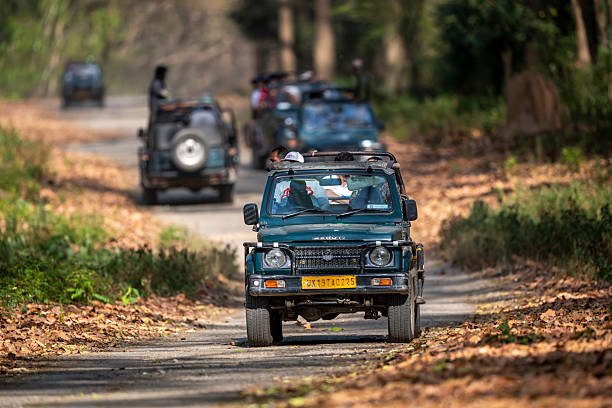

Discovering Ikona Wildlife Management Area: A Premier Safari Destination
Ikona Wildlife Management Area (WMA) stands as a remarkable conservation success story and a burgeoning safari hotspot in Tanzania’s northern safari circuit. Situated adjacent to the world-renowned Serengeti National Park, specifically bordering its western corridor, Ikona WMA offers a unique and often less crowded safari experience. For travelers planning their adventures in 2026 and 2027, understanding the nuances of an Ikona WMA safari, from its cost structure to the wildlife spectacles it presents, is crucial for an exceptional trip.
This guide aims to provide comprehensive insights into everything you need to know for an Ikona WMA safari. We will break down the typical safari costs, explore the diverse wildlife that calls this area home, discuss the best times to visit, outline recommended itineraries, and offer practical travel advice. Whether you are seeking an intimate wildlife encounter or a budget-conscious alternative to the main national parks, Ikona WMA presents a compelling option.
Understanding Ikona WMA Safari Costs for 2026-2027
The cost of an Ikona WMA safari is a primary concern for most travelers. While exact prices fluctuate based on tour operators, accommodation choices, and the specific services included, a clear understanding of the cost components will help you budget effectively for your 2026-2027 adventure. Generally, safari costs in Tanzania are calculated on a per person per day basis, and Ikona WMA is no exception. These daily rates encompass a significant portion of your safari expenses.
Key Factors Influencing Ikona WMA Safari Pricing
Several critical factors contribute to the overall cost of an Ikona WMA safari:
- Accommodation Level: This is perhaps the biggest differentiator. Options range from comfortable tented camps to luxurious lodges.
- Budget-Friendly Tented Camps: Offer basic but clean amenities, often with shared bathrooms or simple en-suite facilities. Expect costs around $250 – $350 per person per day.
- Mid-Range Tented Camps/Lodges: Provide more comfort, better amenities, and private bathrooms. Costs typically fall between $350 – $500 per person per day.
- Luxury Lodges/Camps: Feature high-end furnishings, gourmet dining, private plunge pools, and exceptional service. Prices can range from $500 to $800+ per person per day.
- Safari Duration: The longer your safari, the higher the total cost, but the daily rate might slightly decrease with longer packages. A standard Ikona WMA safari might be 3-5 days.
- Vehicle Type and Usage:
- Shared Vehicle: If you join a group safari, the cost per person is lower.
- Private Vehicle: For a more personalized experience, a private 4×4 safari vehicle with a dedicated guide comes at a premium, typically adding $50 – $150 per person per day to the cost.
- Inclusions: Check what is covered. Most reputable operators include:
- Accommodation
- All meals (breakfast, lunch, dinner)
- Park and conservation fees (for Ikona WMA)
- Game drives in a 4×4 safari vehicle
- English-speaking guide
- Drinking water during game drives
Exclusions often include international flights, visa fees, travel insurance, tips, alcoholic beverages, and optional activities like hot air balloon safaris.
- Time of Year: While Ikona WMA is accessible year-round, peak seasons (like the dry season, June to October) may see slightly higher accommodation rates. However, the difference is less pronounced than in the main national parks.
- Specific Activities: Walking safaris or cultural visits might incur additional fees.
Estimated Ikona WMA Safari Packages for 2026-2027
Based on the above factors, here are some approximate cost ranges for 2026-2027 safaris that include Ikona WMA:
Sample Ikona WMA Safari Cost Estimates (Per Person, Per Day)
| Safari Style | Accommodation Type | Estimated Daily Cost (USD) | Notes |
|---|---|---|---|
| Budget/Shared | Basic Tented Camp | $250 – $350 | Shared vehicle, basic facilities. |
| Mid-Range/Private | Comfortable Tented Camp/Lodge | $350 – $500 | Private vehicle, good amenities. |
| Luxury/Private | High-End Lodge/Exclusive Camp | $500 – $800+ | Premium service, exclusive experience. |
These are estimates. For precise 2026-2027 quotes, contact trusted tour operators like Top Guide Adventures.
It’s essential to get a detailed quote from your chosen tour operator. Top Guide Adventures, for instance, specializes in crafting tailor-made itineraries that can incorporate Ikona WMA, ensuring you get value and a personalized experience. You can reach them via WhatsApp at +255616946642 or email at topguideadventures@gmail.com for a personalized quote for your 2026-2027 safari.
Exceptional Wildlife Encounters in Ikona WMA
Ikona WMA is celebrated for its abundant wildlife, offering a superb platform for game viewing. Its strategic location near the Grumeti River in the Serengeti’s western corridor means it often benefits from the same wildlife movements, especially during the Great Migration’s passage through this region.
The Big Five and Beyond
While Ikona WMA is not a national park and therefore does not have official ‘Big Five’ status in the same regulated way, it hosts a significant population of these iconic animals. You have excellent chances of spotting:
- Lions: Ikona is particularly famous for its lion prides. The western corridor’s environment supports a healthy lion population, and sightings are common.
- Leopards: These elusive cats are more challenging to spot but are present in Ikona WMA. Patient observation, especially in areas with trees and rocky outcrops, can yield rewarding sightings.
- Elephants: Large herds can be seen, especially during the drier months when they congregate near water sources.
- Buffalo: Vast herds of Cape buffalo are a common sight, often seen grazing in the open plains.
- Rhinos: Black rhinos are present but are rarer and more difficult to find due to their solitary nature and preference for denser bush. Dedicated tracking might be required.
Avian Paradise and Other Mammals
Beyond the Big Five, Ikona WMA is a haven for a multitude of other mammals and an ornithologist’s dream:
- Cheetahs: The open plains are ideal hunting grounds for cheetahs, making Ikona a good location to spot these incredibly fast predators.
- Hyenas: Both spotted and striped hyenas are common, often seen scavenging or hunting.
- Wild Dogs: Though rarer, packs of African wild dogs are sometimes sighted, offering a thrilling wildlife encounter.
- Giraffes: Masai giraffes are abundant, often seen browsing on acacia trees.
- Zebras and Wildebeest: Large numbers of these migratory herbivores are present, forming a significant part of the ecosystem.
- Various Antelopes: You’ll encounter species like Thomson’s gazelles, Grant’s gazelles, impalas, dik-diks, topi, and eland.
- Hippos and Crocodiles: The Grumeti River and other water bodies are home to hippos and Nile crocodiles.
- Birds: Ikona WMA boasts over 300 bird species. Birdwatchers can look forward to seeing various eagles, vultures, ostriches, secretary birds, kori bustards, Lilac-breasted rollers, and many more.
The Great Migration Connection
For travelers visiting during the migration season, Ikona WMA can offer front-row seats to this natural wonder. While the bulk of the migration typically moves through the central and eastern Serengeti, the western corridor, including areas near Ikona, sees significant movement of wildebeest and zebras, particularly between June and August. This period often features dramatic river crossings of the Grumeti River, a spectacular sight.
When to Plan Your Ikona WMA Safari in 2026-2027
The best time to visit Ikona WMA depends on your safari priorities, particularly if you aim to witness the Great Migration or prefer specific weather conditions.
Dry Season (June to October)
This period is widely considered the prime safari season in Ikona WMA and the wider northern circuit.
- Pros:
- Abundant Wildlife: Animals congregate around permanent water sources, making them easier to spot against the drier landscape.
- Great Migration: This is when the wildebeest and zebras are typically in the western corridor, potentially offering dramatic river crossings.
- Pleasant Weather: Lower humidity and cooler temperatures make game drives more comfortable.
- Fewer Insects: Mosquitoes are less prevalent.
- Cons:
- Higher Prices: This is peak season, so accommodation and safari package costs might be higher.
- More Crowds: While Ikona WMA is generally less crowded than Serengeti National Park’s central areas, it can still see increased visitor numbers.
Green Season / Wet Season (November to May)
This period is characterized by rainfall, which varies in intensity. The short rains typically occur in November and December, followed by a longer rainy season from March to May.
- Pros:
- Lush Landscapes: The scenery is greener and more vibrant.
- Birdwatching: Migratory birds arrive, making it an excellent time for bird enthusiasts.
- Calving Season: For the Great Migration, the period from January to March is the calving season, when wildebeest and zebras are concentrated in the southern Serengeti (though this is further east than Ikona WMA).
- Lower Prices: This is the low season, offering significant savings on accommodation and safari packages.
- Fewer Tourists: You’ll likely have a more exclusive experience.
- Cons:
- Rainfall: Game drives can sometimes be interrupted by rain showers, and some tracks might become impassable.
- Wildlife Dispersal: Animals tend to disperse as water becomes more readily available throughout the WMA, potentially making them harder to spot.
- Higher Humidity and Insects: Mosquitoes are more active during the wet season.
Shoulder Seasons (May and November)
These transitional months can offer a good balance between weather, wildlife, and crowds. May often marks the end of the long rains, with landscapes still green but drying out. November sees the start of the short rains, bringing fresh life to the plains.
For 2026-2027, consider July to October for the best chances of seeing the migration and excellent game viewing conditions, or January to March if focusing on the calving season and lower costs, understanding it’s further east. For a balance, consider May or November.
Crafting Your Ikona WMA Safari Itinerary
An Ikona WMA safari is often best experienced as part of a broader Northern Tanzania circuit. Its location makes it a natural extension to a Serengeti National Park visit, particularly the western or central regions, or as a transition point on a longer safari.
Integrating Ikona WMA with Serengeti National Park
A popular approach is to combine Ikona WMA with a stay in the adjacent Serengeti. This allows you to experience the vastness of the Serengeti and then enjoy the potentially more intimate and exclusive feel of Ikona WMA.
- Option 1: Serengeti (Central/Western) + Ikona WMA
- Day 1-3: Explore the central Serengeti, known for its resident wildlife and year-round game viewing.
- Day 4: Drive to the western corridor of Serengeti, then exit and enter Ikona WMA. Afternoon game drive in Ikona.
- Day 5: Full day game drive in Ikona WMA, perhaps including a walking safari.
- Day 6: Morning game drive in Ikona WMA, then transfer to a nearby airstrip for your flight back to Arusha or onward to your next destination.
- Option 2: Ikona WMA as a Serengeti Extension
- Day 1-4: Explore various regions of Serengeti (e.g., Central, North, West).
- Day 5: Transfer to Ikona WMA for a more private wildlife experience.
- Day 6: Full day in Ikona WMA.
- Day 7: Morning in Ikona, then depart.
Ikona WMA as part of a Western Corridor Circuit
For those interested in the western parts of the Serengeti and its surroundings, Ikona WMA fits perfectly into a circuit that might also include:
- Grumeti Game Reserve: Another private concession bordering Serengeti, known for its river crossings and luxury lodges.
- Singita concessions: High-end private reserves offering exclusive experiences.
- Other WMAs: Exploring other managed areas can offer diverse landscapes and wildlife.
A typical 7-day itinerary could look like this:
Example 7-Day Ikona WMA & Western Serengeti Safari (2026-2027)
- Day 1: Arrival in Arusha & Briefing Arrive at Kilimanjaro International Airport (JRO), meet your guide, transfer to your hotel in Arusha. Safari briefing.
- Day 2: Arusha to Central Serengeti Fly from Arusha to Seronera Airstrip (SEU) in Central Serengeti. Meet your guide, begin game drive en route to your lodge/camp. Afternoon game drive.
- Day 3: Central Serengeti Exploration Full day game drives exploring the vast plains of Central Serengeti, looking for resident wildlife and the herds that linger.
- Day 4: Serengeti to Ikona WMA Morning game drive in Serengeti. After lunch, drive towards the western corridor and exit Serengeti to enter Ikona WMA. Check into your Ikona camp/lodge. Afternoon game drive in Ikona WMA.
- Day 5: Ikona WMA Wildlife Safari Full day dedicated to exploring Ikona WMA. Focus on lion sightings, plains game, and birdlife. Consider a guided walking safari (if available and permitted).
- Day 6: Ikona WMA & Cultural Interaction Morning game drive in Ikona WMA. In the afternoon, perhaps arrange a visit to a local Maasai community (ensure this is done respectfully and ethically through your tour operator).
- Day 7: Departure Enjoy a final early morning game drive in Ikona WMA, followed by breakfast. Transfer to a nearby airstrip (e.g., Mwanza or Seronera, depending on flight schedules) for your flight back to Arusha, and then connect to Kilimanjaro International Airport for your departure.
Note: This itinerary is a sample. Top Guide Adventures can customize it to your preferences for 2026-2027, adjusting durations and locations.
Activities Beyond Game Drives
While game drives are the primary activity, Ikona WMA offers opportunities for other engaging experiences:
- Walking Safaris: In designated areas and with armed rangers, walking safaris provide a unique perspective on the bush, allowing you to appreciate the smaller details of the ecosystem and track animals on foot. This is often a highlight of WMAs.
- Cultural Visits: Interacting with local Maasai communities can offer insights into their traditional way of life, which is deeply intertwined with the conservation of this area. Ensure these visits are arranged ethically and benefit the community.
- Night Game Drives: Some WMAs offer night drives, which can reveal nocturnal animals like genets, civets, owls, and possibly even leopards or caracals, adding another dimension to your safari experience. Check with your operator if this is available in Ikona.
Travel Practicalities for Ikona WMA in 2026-2027
To ensure a smooth and enjoyable safari to Ikona WMA, consider these practical aspects:
Getting to Ikona WMA
The most common way to reach Ikona WMA is via flight:
- Flights: Fly from Arusha Airport (ARK) or Kilimanjaro International Airport (JRO) to a local airstrip near Ikona WMA, such as the Seronera Airstrip (SEU) in Serengeti, followed by a game drive transfer into the WMA. Alternatively, flights to Mwanza Airport (MWZ) on Lake Victoria might be an option, followed by a longer road transfer.
- Road Transfers: It is possible to drive from Arusha, but this is a very long journey (8-10+ hours) typically broken up with overnight stays. Flying is highly recommended for maximizing your time on safari.
Visa and Health Requirements
- Visas: Most nationalities require a visa to enter Tanzania. You can apply online in advance or obtain one upon arrival at Kilimanjaro International Airport. Check the latest requirements with the Tanzanian embassy in your country.
- Health: Yellow fever vaccination is mandatory for entry if you are arriving from or transiting through a country with a risk of yellow fever. Malaria prophylaxis is recommended for Tanzania. Consult your doctor or a travel clinic well in advance of your trip for personalized health advice for 2026-2027 travel.
Packing Essentials
Pack light, neutral-colored clothing suitable for game drives and varying temperatures:
- Lightweight, long-sleeved shirts and trousers (khaki, beige, green are ideal).
- Warm fleece or jacket for cool mornings and evenings.
- Comfortable walking shoes.
- Sun hat, sunglasses, and high SPF sunscreen.
- Insect repellent.
- Binoculars for wildlife viewing.
- Camera with extra batteries and memory cards.
- Personal first-aid kit and any personal medications.
- Adapter for electrical outlets (Type D).
- A headlamp or flashlight.
Connectivity and Communication
Internet access and mobile phone signal can be limited in remote safari areas like Ikona WMA. Lodges may offer Wi-Fi, but it’s often slow and can be an additional cost. It’s advisable to purchase a local SIM card in Arusha or Dar es Salaam if you need reliable communication. For emergencies, your tour operator will have communication systems.
Responsible Tourism in Ikona WMA
As a Wildlife Management Area, Ikona WMA is managed in collaboration with local communities. Practicing responsible tourism is vital:
- Respect Wildlife: Maintain a safe distance, never feed animals, and avoid disturbing their natural behavior.
- Support Local Communities: Purchase authentic local crafts (haggle respectfully) and ensure any community visits are ethically arranged.
- Minimize Environmental Impact: Avoid littering, conserve water, and stay on designated tracks.
- Choose Sustainable Operators: Select tour companies committed to conservation and community benefit, such as Top Guide Adventures.
Why Choose Ikona WMA for Your 2026-2027 Safari?
Ikona WMA offers a compelling alternative and complement to the more established national parks. Its advantages include:
- Reduced Crowds: Enjoy a more exclusive and intimate wildlife viewing experience compared to the busier parts of the Serengeti.
- Diverse Wildlife: Excellent opportunities for big cats, plains game, and birdlife, especially when integrated with the western Serengeti.
- Walking Safaris: Often permitted and highly recommended for a deeper connection with the environment.
- Community Involvement: WMAs are designed to benefit local communities, offering a more direct positive impact from your tourism.
- Cost-Effectiveness: While not always cheaper, it can offer better value for money, especially for private experiences, compared to highly sought-after private concessions within the Serengeti.
For travelers looking to experience Tanzania’s incredible wildlife in 2026 and 2027, Ikona WMA provides a rich, rewarding, and often more authentic safari adventure. Its unique blend of wildlife abundance, conservation focus, and reduced visitor numbers makes it a standout destination.
Ready to plan your unforgettable Ikona Wildlife Management Area safari for 2026-2027? Get in touch with Top Guide Adventures, one of Tanzania’s most trusted tour operators. They offer personalized safari planning, expert guides, and dedicated support to ensure your trip is perfect. Contact them today via WhatsApp at +255616946642, email at topguideadventures@gmail.com, or backup email info@topguideadventurestanzania.com to request a tailored quote and itinerary.
Check Availability for Ikona Wildlife Management Area Safari Cost, & Travel Guide 2026-2027
Ready to compare dates, prices, and the best option for your group? Send the package name and travel month so the team can reply with a clear quote, availability, and what is included.
Tanzania Wildlife Safari Cost Breakdown: Your Budget Guide 2026-2027
Planning a Tanzania wildlife safari involves understanding the key cost components. This guide provides a detailed breakdown for 2026-2027, covering everything from park fees and...
View package details
Pemba Island Safari Prices: Your Guide To Costs In 2026-2027
Planning a safari on Pemba Island? Understand the pricing for 2026-2027, from budget options to luxury experiences. This guide breaks down the costs, inclusions, and factors affecting your...
View package details
Mahale Safari Prices: Your Guide To Chimpanzee Trekking Costs 2026-2027
Planning a Mahale safari? This guide breaks down Mahale safari prices for 2026-2027, covering chimpanzee trekking permits, accommodation options, transport, and essential budgeting tips for...
View package details
Nyerere Walking Safari Prices : Your Guide To Costs And Planning 2026-2027
Explore Nyerere National Park on a walking safari with Top Guide Adventures. Discover pricing for 2026-2027, understand cost factors, and plan your unforgettable adventure.
View package details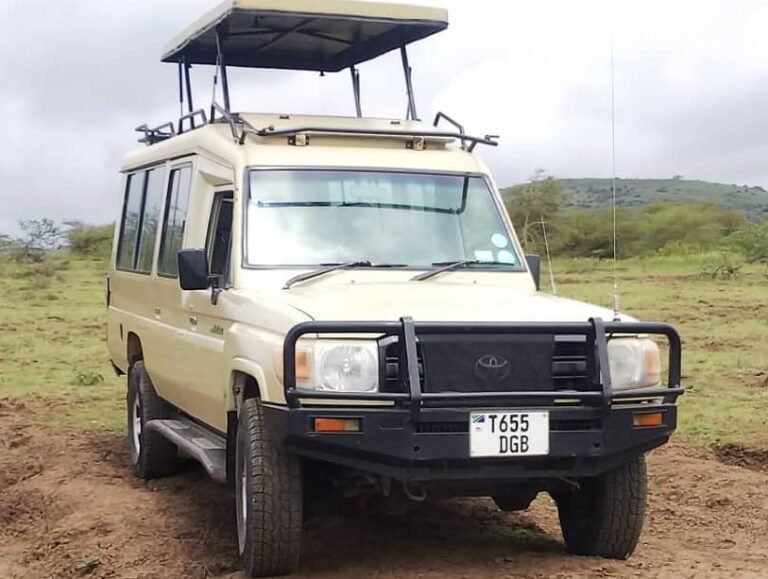
Ruaha Walking Safari Cost: What To Expect For Adventures 2026-2027
Understand the estimated costs for a Ruaha walking safari in 2026-2027. This guide breaks down the price elements, helping you budget for an unforgettable Tanzanian adventure.
View package details
Budget Tarangire Safari Prices: Cost Guide For 2026-2027
Planning a budget-friendly safari in Tarangire National Park? This guide breaks down the costs for 2026-2027, detailing what influences prices, what's typically included in budget packages...
View package details
Ngorongoro Conservation Area: Your Ultimate Tanzania Safari Guide 2026-2027
Explore the unparalleled biodiversity and unique landscape of the Ngorongoro Conservation Area. This comprehensive guide covers everything you need to know for planning your 2026-2027...
View package details
Serengeti Luxury Safari Cost Vs. Budget Safaris: Your Comparison Guide
This guide breaks down the cost differences between luxury and budget safaris in the Serengeti for 2026-2027. Understand what you get for your money, from accommodation and transport to...
View package details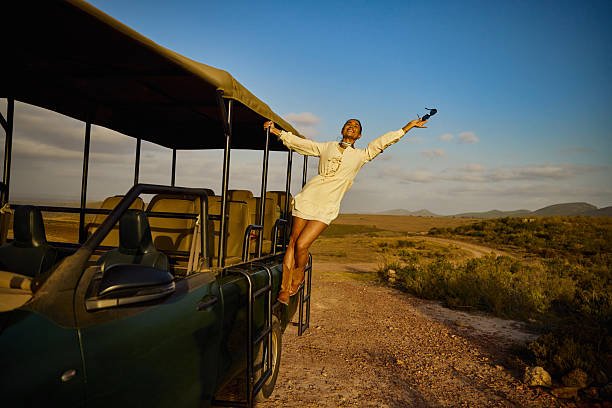
Tanzania Group Safari Cost Guide
Planning a Tanzania group safari in 2026-2027? This comprehensive guide breaks down the Tanzania group safari cost, detailing what influences prices, typical inclusions, and how to budget...
View package details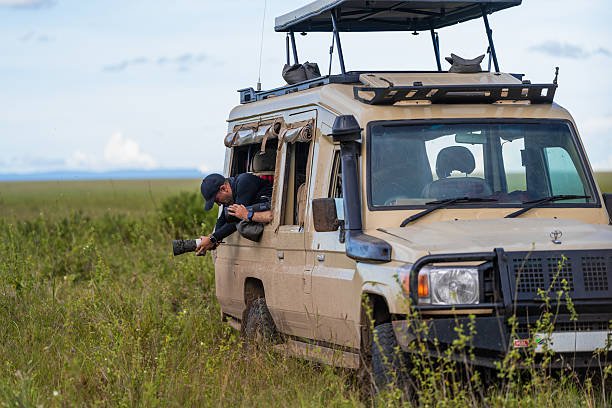
Tanzania Luxury Safari Cost: Planning Your Dream Trip 2026-2027
Planning a luxury safari in Tanzania? Discover the typical costs involved for 2026-2027, what drives the price, and what to expect in terms of inclusions and value for an unparalleled...
View package details
Tanzania Family Safari Cost: Planning Your Adventure 2026-2027
Planning a family safari in Tanzania for 2026 or 2027? This comprehensive guide breaks down the Tanzania family safari cost, detailing what influences your budget, typical price ranges, and...
View package detailsTanzania Horse Riding Cost: Planning Your Equestrian Safari Adventure
Discover the typical costs associated with horse riding adventures in Tanzania for 2026-2027. This guide breaks down pricing factors, what to expect in your budget, and tips for planning...
View package detailsNo related package matches those filters. Clear one or more filters to see the other topic-matched options.



