
Traveling from India to Tanzania typically involves flying, with direct or one-stop routes connecting major Indian cities like Delhi and Mumbai to Kilimanjaro International Airport (JRO) or Julius Nyerere International Airport (DAR) in Dar es Salaam. The journey usually takes between 12 to 24 hours, depending on layovers, and requires a Tanzanian visa, obtainable online or on arrival for many nationalities. Planning for 2026-2027 should consider the peak safari seasons in Tanzania, generally June to October and December to February, for optimal wildlife viewing, while also factoring in booking flights and accommodations well in advance to secure better rates.

Planning Your India to Tanzania Journey: Key Considerations for 2026-2027
The allure of Tanzania, with its iconic wildlife, majestic Mount Kilimanjaro, and pristine Zanzibar beaches, draws travelers from across the globe. For those in India, making the voyage to this East African gem requires careful planning. This comprehensive guide breaks down every essential step, from choosing the best flight routes and understanding visa procedures to selecting the ideal time to visit and preparing for your adventure. Whether you’re dreaming of a Serengeti safari, a Kilimanjaro climb, or a relaxing Zanzibar holiday, getting from India to Tanzania is a well-trodden path with the right information.
As you look ahead to 2026 and 2027, early planning is crucial. Tanzania’s popularity means that popular safari dates and accommodations, especially within national parks, get booked up quickly. By understanding the nuances of international travel from India, you can ensure a more smooth and enjoyable experience, maximizing your time and budget for an unforgettable trip.
Understanding Your Travel Options: Flights from India to Tanzania
The primary gateway for international travelers arriving in Tanzania is typically through its two main international airports: Kilimanjaro International Airport (JRO) serving the northern safari circuit, and Julius Nyerere International Airport (DAR) in Dar es Salaam, the country’s largest city and a hub for southern safaris and Zanzibar. Flights from India to Tanzania are not usually direct and involve at least one layover, most commonly in the Middle East or Africa.
Major Indian Departure Hubs and Their Connections
Travelers departing from India will most frequently start their journey from one of the following major international airports:
- Indira Gandhi International Airport (DEL), Delhi: This is the busiest airport in India and offers the most comprehensive flight options. Connecting flights to Tanzania often route through Doha (Qatar Airways), Dubai (Emirates), Istanbul (Turkish Airlines), or Addis Ababa (Ethiopian Airlines).
- Chhatrapati Shivaji Maharaj International Airport (BOM), Mumbai: Another significant hub, Mumbai also provides excellent connectivity. Similar to Delhi, routes via the Middle East are very common, with Qatar Airways and Emirates being prominent carriers.
- Kempegowda International Airport Bengaluru (BLR) & Chennai International Airport (MAA): While less frequent than from Delhi or Mumbai, connections are available, usually with a stop in the Middle East.
Common Layover Cities and Airlines
The flight path from India to Tanzania typically includes a stopover. Understanding these routes can help you choose the most convenient and cost-effective option:
- Doha (DOH), Qatar: Qatar Airways is a very popular choice, offering multiple daily flights from major Indian cities to Doha, and then onward to Kilimanjaro (JRO) or Dar es Salaam (DAR). This route is known for its comfort and service.
- Dubai (DXB), United Arab Emirates: Emirates provides a similar service, connecting India to Dubai and then to Tanzania. This is another reliable and comfortable option.
- Addis Ababa (ADD), Ethiopia: Ethiopian Airlines is a strong contender, especially for those heading to DAR. It offers extensive networks across India and is often a competitive choice, particularly for reaching southern Tanzania or Zanzibar.
- Istanbul (IST), Turkey: Turkish Airlines offers routes via Istanbul, which can sometimes be a good option depending on pricing and schedules.
- Nairobi (NBO), Kenya: While less common for direct connections from India to Tanzania, some itineraries might involve a stop in Nairobi, requiring a separate short flight or bus transfer to Tanzania. This is generally less preferred due to the added complexity.
Estimated Flight Durations and Travel Times
The total travel time from India to Tanzania can vary significantly based on the layover duration and location. Expect the total journey to range from 12 hours to over 24 hours. Shorter flights might have a brief layover of 2-3 hours, while longer ones could involve layovers of 6-10 hours or more, sometimes necessitating an overnight stay in the transit city.
For 2026-2027 travel, booking your flights at least 3-6 months in advance is highly recommended, especially if you are traveling during peak seasons (June-October, December-February) or planning a specific itinerary that requires arrival at a particular time.
Choosing Between JRO and DAR
- Kilimanjaro International Airport (JRO): This is the preferred airport if your primary destination is the Northern Circuit safaris (Serengeti, Ngorongoro Crater, Tarangire, Lake Manyara), Mount Kilimanjaro climbs, or the Arusha region. It significantly reduces travel time and cost within Tanzania once you land.
- Julius Nyerere International Airport (DAR), Dar es Salaam: This airport is ideal if you plan to visit southern Tanzania national parks (like Selous or Ruaha), explore Zanzibar, or spend time in the capital city.
Many travelers opt for an “open-jaw” ticket, flying into one airport and out of another to optimize their itinerary and reduce internal travel costs within Tanzania.
Visa Requirements for Indian Citizens Traveling to Tanzania
Securing the correct visa is a mandatory step for all Indian citizens planning to visit Tanzania. Fortunately, Tanzania has a relatively straightforward visa application process for many nationalities, including India.
Tanzania Visa Types and Application Process
Indian passport holders generally have a few options for obtaining a Tanzanian visa:
- On-Arrival Visa: For many Indian passport holders, a visa can be obtained directly upon arrival at major entry points like JRO and DAR airports. You will need to fill out an application form, provide passport photos, and pay the required fee. It’s advisable to have the exact fee in USD in cash, as currency exchange facilities might be limited or inconvenient.
- E-Visa (Online Application): Tanzania offers an online visa application system, which is often the most convenient method. You can apply through the official Tanzanian immigration website. This allows you to secure your visa before you travel, saving time and potential hassle at the airport. The process typically involves filling out an online form, uploading necessary documents (passport scan, photo), and paying the fee online. Approval can take a few business days to a couple of weeks.
- Visa in Advance (Embassy/Consulate): While less common now with the e-visa option, you can also apply for a visa at the Tanzanian Embassy or Consulate in India prior to your departure. This is usually the most time-consuming method.
Visa Fees and Validity
The visa fee for Indian citizens typically ranges from USD 50 to USD 100, depending on the visa type and current regulations. It’s essential to check the official Tanzanian immigration website or consult with the Tanzanian Embassy in India for the most up-to-date fee information for 2026-2027.
Standard tourist visas are usually valid for 30 to 90 days, allowing for a comfortable exploration of Tanzania’s attractions.
Required Documents for Visa Application
Regardless of the application method, you will generally need:
- A valid passport with at least six months of remaining validity beyond your intended stay.
- At least two blank visa pages in your passport.
- Recent passport-sized photographs.
- Completed visa application form (if applying online or at the embassy).
- Proof of onward or return travel (flight bookings).
- Proof of sufficient funds to cover your stay.
- Yellow Fever vaccination certificate (required for entry if arriving from or transiting through a country with a risk of Yellow Fever).
Important Notes on Visas
- Always use the official Tanzanian immigration website for e-visa applications to avoid third-party scams.
- Carry physical copies of all your travel documents, including visa approval (if e-visa), passport, and flight tickets.
- Confirm the latest visa regulations with the Tanzanian Embassy in India or the official immigration website before your travel dates in 2026 or 2027.
Best Times to Travel from India to Tanzania
Tanzania offers incredible experiences year-round, but certain periods are considered optimal for specific activities, particularly wildlife viewing and comfortable weather. Understanding these seasons will help you plan your trip from India effectively.
Peak Safari Seasons (Dry Seasons)
The most popular times for safaris in Tanzania are during the dry seasons, which offer the best opportunities for wildlife viewing:
- June to October: This is the prime dry season. Wildlife congregates around water sources, making them easier to spot. The weather is generally sunny and pleasant, with lower humidity. This period also coincides with the Great Migration river crossings in the Serengeti, a spectacular natural event. Due to high demand, expect higher prices and more crowds.
- December to February: This is the shorter dry season, often referred to as the “short rains” period, though it can still be quite dry. It’s an excellent time for bird watching and offers the calving season in the southern Serengeti, with numerous newborn wildebeest and zebra. It’s also a good time for Kilimanjaro climbs.
Green Seasons (Rainy Seasons)
Tanzania has two rainy seasons, which can offer a different, often more budget-friendly, travel experience:
- March to May: This is the long rainy season, characterized by heavy downpours, particularly in the afternoons. While safaris are still possible, some roads might become challenging to navigate. However, this period offers lush green landscapes, fewer tourists, and significantly lower prices for accommodations and tours. It’s also a fantastic time for photography with dramatic skies.
- November: This is a transitional month, often referred to as the “short rains.” Expect occasional showers, but generally good wildlife viewing and fewer crowds than in the peak season.
Best Time for Specific Activities
- Great Migration: To witness the river crossings, aim for July-September. For the calving season, plan for January-February.
- Mount Kilimanjaro Climb: The best months are January-March and June-October, offering clear skies and drier conditions.
- Zanzibar Holidays: The driest and sunniest months are June to October and December to February. The shoulder months of November and March-May can be pleasant but may experience some rain.
Planning for 2026-2027
For 2026-2027, if you are targeting the peak safari season (June-October 2026 or 2027), it is advisable to start planning and booking 9-12 months in advance. This is especially true for popular lodges within national parks and for Kilimanjaro climbs, which have limited permits.
Health and Safety Precautions for Travelers from India
Ensuring your health and safety is paramount when traveling from India to Tanzania. Tanzania is generally a safe country for tourists, but certain precautions are necessary.
Vaccinations and Health Advice
- Yellow Fever: Proof of Yellow Fever vaccination is mandatory for entry into Tanzania if you are arriving from or have transited through a country with a risk of Yellow Fever. Carry your International Certificate of Vaccination (Yellow Card).
- Malaria Prevention: Malaria is present in most parts of Tanzania, including Zanzibar. Consult your doctor or a travel clinic well in advance of your trip for appropriate anti-malarial medication and advice.
- Other Recommended Vaccinations: Discuss routine vaccinations (like Tetanus, Diphtheria, Hepatitis A, Typhoid) with your healthcare provider. COVID-19 vaccination status and testing requirements should be checked closer to your travel date.
- Food and Water Safety: Drink only bottled or purified water. Be cautious with street food and ensure all cooked food is served hot. Peel fruits and vegetables yourself.
Travel Insurance
Comprehensive travel insurance is essential. Ensure it covers:
- Medical emergencies and evacuation (including air evacuation from remote areas).
- Trip cancellation or interruption.
- Lost or stolen baggage and personal items.
- Activities like safari drives and Kilimanjaro trekking.
Always read the policy details carefully to understand coverage limits and exclusions.
Safety Tips for Tourists
- Be Aware of Your Surroundings: Especially in cities like Dar es Salaam and Arusha, be mindful of your belongings and avoid displaying expensive items.
- Transportation: Use reputable taxi services or pre-booked transfers. Avoid hailing taxis from the street, especially at night.
- Wildlife Encounters: Always follow the guidance of your safari guide. Maintain a safe distance from wildlife and never attempt to feed or approach animals.
- Kilimanjaro Climbing: Go with a reputable guide company that prioritizes safety, uses experienced guides, and provides adequate equipment and acclimatization protocols.
- Zanzibar: While generally safe, be aware of petty theft in crowded areas and on beaches. Dress modestly when visiting religious sites or local villages.
Currency, Budgeting, and Costs for Your Tanzania Trip
Understanding the costs involved in traveling from India to Tanzania is crucial for budgeting. Tanzania uses the Tanzanian Shilling (TZS), but USD is widely accepted and often preferred for tourist services like safari packages, park fees, and accommodations.
Typical Costs and Budgeting Factors
The cost of a trip to Tanzania can vary significantly based on your travel style, chosen activities, and duration. Here’s a breakdown:
- Flights: Round-trip flights from India to Tanzania can range from ₹50,000 to ₹1,00,000+ per person, depending on the city of departure, airline, booking time, and season. Booking early for 2026-2027 is key to managing flight costs.
- Visa: Approximately USD 50-100 per person.
- Safari Packages: This is often the largest expense. Costs vary widely based on:
- Duration: A 5-day safari might cost USD 1,000-2,000 per person, while a 10-day trip could be USD 2,500-5,000+.
- Accommodation Level: Budget tented camps, mid-range lodges, or luxury tented camps and lodges.
- Park Fees: These are significant and vary by park (e.g., Serengeti, Ngorongoro Crater).
- Group Size: Private tours are more expensive per person than shared or group tours.
- Kilimanjaro Climb: Prices range from USD 1,500 to USD 4,000+ per person for a 6-8 day climb, depending on the route, operator, and inclusions.
- Zanzibar Holidays: Accommodation and activities can range from USD 50-300+ per person per day.
- Daily Expenses: Meals outside of safari packages, tips, souvenirs, and local transport. Budget around USD 30-70 per person per day for these incidentals.
Currency Exchange and Payment Methods
- Tanzanian Shilling (TZS): The local currency. While you can exchange money at banks and forex bureaus in major cities, it’s often more convenient to use USD for tourist services.
- US Dollars (USD): Widely accepted for tourist services. Ensure your USD bills are newer (issued after 2009) and in good condition, with smaller denominations for tips and incidental purchases.
- Credit Cards: Accepted in larger hotels, lodges, and some shops in cities, but often incur a surcharge (5-10%). ATMs are available in major towns but can be unreliable.
Tipping Etiquette
Tipping is customary and appreciated in Tanzania for services rendered:
- Safari Guides/Drivers: USD 20-30 per day per group is a common guideline.
- Camp Staff/Porters: USD 5-10 per day per group.
- Kilimanjaro Porters and Cooks: Follow the guidelines provided by your tour operator; typically, a pool tip is given to be divided amongst the crew.
It’s always best to ask your tour operator for specific tipping recommendations.
Cost-Saving Tips for 2026-2027
- Travel during the Green Season: March-May or November can offer significant savings.
- Join a Group Safari: Shared tours are more budget-friendly than private ones.
- Book in Advance: Secure better rates for flights and popular accommodations.
- Consider Combination Packages: Many tour operators offer packages that combine safaris, Kilimanjaro, and Zanzibar, which can sometimes be more cost-effective.
Important Note on Pricing for 2026-2027
Tour prices for safaris and Kilimanjaro climbs are often quoted in USD and are subject to change based on park fee increases, fuel costs, and operator pricing. For the most accurate and up-to-date quotes for your 2026 or 2027 adventure, it’s best to contact reputable tour operators directly. Top Guide Adventures can provide detailed quotes tailored to your specific requirements. Reach out via Email: topguideadventures@gmail.com or WhatsApp: +255616946642.
Crafting Your Tanzania Itinerary from India
The beauty of Tanzania lies in its diverse offerings. Whether you have one week or three, you can craft an incredible itinerary. Here are popular options for travelers coming from India.
Option 1: The Classic Northern Circuit Safari (7-10 Days)
This is the most popular itinerary, focusing on the iconic parks of Northern Tanzania.
- Day 1: Arrive at JRO, transfer to Arusha.
- Day 2: Tarangire National Park (known for elephants and baobab trees).
- Day 3: Lake Manyara National Park (tree-climbing lions, diverse birdlife).
- Day 4-6: Serengeti National Park (endless plains, Great Migration, big cats). Consider staying inside the park for optimal wildlife viewing.
- Day 7: Ngorongoro Crater (a UNESCO World Heritage Site offering dense wildlife populations in a unique caldera).
- Day 8: Optional cultural visit (Maasai village) or transfer back to Arusha/JRO.
- Day 9-10: Departure or onward travel.
This itinerary is well-suited for travelers looking for a quintessential African safari experience. For 2026-2027, booking lodges within Serengeti and Ngorongoro is crucial due to limited availability.
Option 2: Kilimanjaro Climb & Safari Combo (10-14 Days)
For the adventurous, combining a Kilimanjaro climb with a short safari is a popular choice.
- Day 1: Arrive at JRO, transfer to Moshi/Arusha.
- Day 2: Trek briefing, gear check.
- Day 3-8/9: Kilimanjaro Climb (e.g., Machame or Marangu route).
- Day 9/10: Descend from Kilimanjaro, relax.
- Day 10/11: Transfer to a nearby park (e.g., Tarangire or Lake Manyara) for a 2-3 day safari.
- Day 12/13: Safari continues, transfer back to Arusha/JRO.
- Day 14: Departure.
Popular routes for Kilimanjaro include the Machame Route (7 days) and the Marangu Route (5 or 6 days). Ensure your chosen operator for 2026-2027 has excellent safety records and experienced guides.
Option 3: Southern Circuit & Zanzibar (12-16 Days)
This itinerary focuses on less crowded parks and the exotic island of Zanzibar.
- Day 1: Arrive at DAR, transfer to hotel.
- Day 2: Fly or drive to Selous Game Reserve (now Nyerere National Park), known for its boat safaris and diverse wildlife.
- Day 3-4: Safari activities in Selous.
- Day 5: Fly to Ruaha National Park (Tanzania’s largest park, great for predators).
- Day 6-7: Safari activities in Ruaha.
- Day 8: Fly from Ruaha to Zanzibar.
- Day 9-13: Explore Zanzibar (Stone Town, spice tours, beaches like Nungwi or Paje).
- Day 14/15: Departure from ZNZ (Zanzibar International Airport) or fly back to DAR for international departure.
The Southern Circuit offers a more exclusive safari experience compared to the North. Booking internal flights in advance for 2026-2027 is recommended.
Option 4: The Grand Tanzania Tour (3 Weeks+)
For those with ample time, a combination of Northern Circuit, Kilimanjaro, and Zanzibar offers the ultimate Tanzanian experience.
- Combine elements from the above itineraries, ensuring sufficient time for travel between locations and acclimatization if climbing Kilimanjaro.
- Consider adding cultural experiences, such as visiting local tribes or exploring less-visited areas.
Customizing Your Trip with Top Guide Adventures
At Top Guide Adventures, we specialize in creating tailor-made journeys across Tanzania. Whether you’re planning for 2026 or 2027, we can help you design the perfect itinerary based on your interests, budget, and time. Contact us to discuss your dream trip:
- WhatsApp: +255616946642
- Email: topguideadventures@gmail.com
- Backup Email: info@topguideadventurestanzania.com
Packing Essentials for Your Tanzania Adventure from India
Packing correctly can significantly enhance your comfort and enjoyment in Tanzania. Consider the climate, activities, and cultural norms.
Clothing Recommendations
- Lightweight, Breathable Fabrics: Cotton, linen, or moisture-wicking synthetics are ideal.
- Neutral Colors: Khaki, beige, olive green, and brown are best for safaris to avoid startling wildlife. Avoid bright colors and black/dark blue (which can attract tsetse flies).
- Layers: Mornings and evenings can be cool, especially in higher altitudes or during the dry season. Pack t-shirts, long-sleeved shirts, a fleece jacket or sweater, and a light waterproof/windproof jacket.
- Trousers/Pants: Comfortable walking trousers or convertible pants. For women, long skirts or dresses are also suitable for cultural sensitivity.
- Shorts: Useful for warmer days, but long pants are often preferred for evenings or cooler weather.
- Swimwear: For hotels with pools or beach time in Zanzibar.
- Modest Clothing: Especially for Zanzibar and cultural visits, pack clothing that covers shoulders and knees.
Footwear
- Comfortable Walking Shoes: Broken-in hiking boots or sturdy trainers are essential for safaris and light walking.
- Sandals/Flip-flops: For relaxing at lodges or on the beach.
- Climbing Boots: If climbing Kilimanjaro, well-worn, waterproof hiking boots are a must.
Health and Personal Items
- Sun Protection: High SPF sunscreen, a wide-brimmed hat, and sunglasses are crucial.
- Insect Repellent: With DEET or Picaridin for malaria prevention.
- Personal First-Aid Kit: Including any personal medications, pain relievers, antiseptic wipes, bandages, and motion sickness medication.
- Hand Sanitizer: For use on the go.
- Toiletries: Biodegradable options are preferred.
Safari and Photography Gear
- Binoculars: Essential for spotting wildlife at a distance.
- Camera: With extra batteries, memory cards, and a zoom lens. A waterproof bag or cover is useful.
- Power Bank/Adapter: Tanzania uses Type G (UK-style) sockets. Bring a universal adapter and a power bank for charging devices on the go.
Documents and Money
- Passport, visa, flight tickets, travel insurance details.
- Copies of important documents (stored separately or digitally).
- USD cash for visas, tips, and incidentals.
- Credit/debit cards.
Pre-Departure Checklist for India to Tanzania Travel (2026-2027)
- Confirm passport validity (at least 6 months beyond travel date).
- Apply for Tanzanian visa (e-visa recommended).
- Obtain necessary vaccinations and malaria prophylaxis.
- Purchase comprehensive travel insurance.
- Book international flights and internal transfers.
- Book safari/Kilimanjaro tours with a reputable operator.
- Exchange some currency to USD.
- Pack appropriate clothing and gear.
- Inform your bank of your travel dates.
- Make copies of all important documents.
Navigating Tanzania: Internal Travel and Logistics
Once you arrive in Tanzania, managing internal travel is key to executing your itinerary efficiently.
Internal Flights
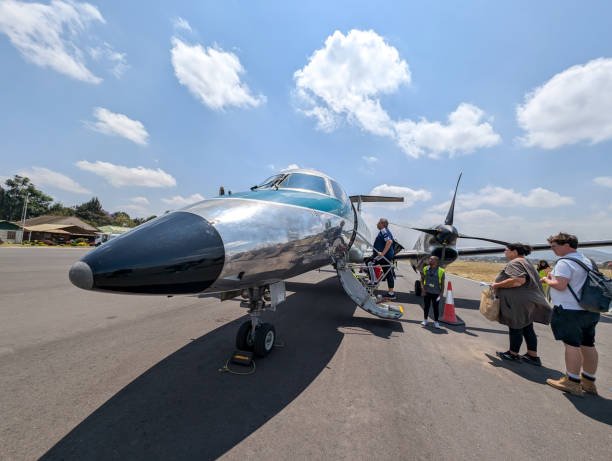
For longer distances or to save time, internal flights are a convenient option. Several local airlines operate routes between major hubs like Dar es Salaam, Kilimanjaro, Arusha, and Zanzibar, as well as to some remote airstrips in national parks.
- Precision Air, Coastal Aviation, Auric Air are among the main carriers.
- Booking these flights in advance is recommended, especially for 2026-2027 travel during peak seasons.
Road Travel
Road travel is common, particularly for safaris in the Northern Circuit. Roads within national parks can be rough and dusty, requiring a 4×4 safari vehicle.
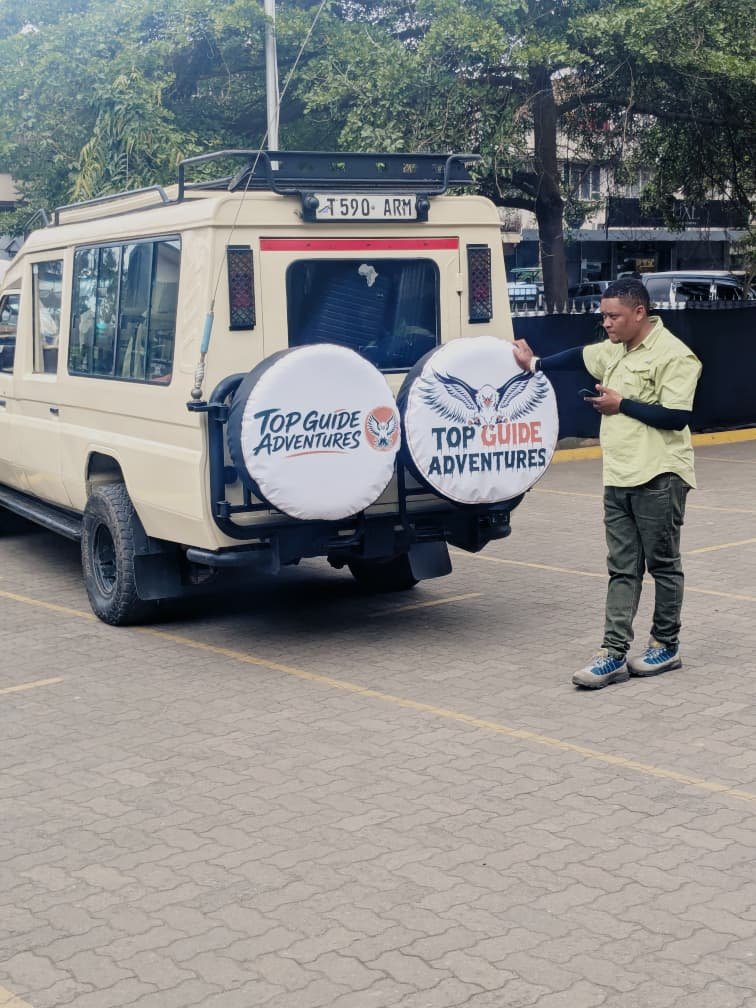
- Safari Vehicles: Most reputable tour operators provide well-maintained 4×4 safari vehicles with pop-up roofs for optimal game viewing.
- Long-Distance Buses: For budget travelers between major cities (e.g., Arusha to Dar es Salaam), buses are available but can be slow and less comfortable.
- Private Transfers: Can be arranged for comfortable travel between airports, hotels, and starting points of tours.
Zanzibar Transportation
- Ferries: A popular and cost-effective way to travel between mainland Tanzania (Dar es Salaam) and Zanzibar (Stone Town).
- Taxis and Dala-dalas: Available on the island for local transport.
- Scooter/Car Rentals: Can be arranged for independent exploration, but driving can be challenging.
Cultural Etiquette and Responsible Tourism
Respecting local customs and practicing responsible tourism will enhance your experience and contribute positively to Tanzania.
Cultural Norms
- Greetings: A simple greeting like “Jambo” (hello) or “Habari” (how are you) is appreciated.
- Dress Code: As mentioned, modest dress is important outside of tourist resorts, particularly in Zanzibar and when visiting villages. Cover shoulders and knees.
- Photography: Always ask permission before taking photos of people.
- Bargaining: It’s common in markets, but do so politely and respectfully.
Responsible Tourism Practices
- Support Local Communities: Choose tour operators that employ local guides and staff and contribute to community projects. Purchase handicrafts directly from artisans.
- Respect Wildlife: Maintain a safe distance, do not feed animals, and avoid using flash photography. Stay on designated paths.
- Minimize Environmental Impact: Avoid single-use plastics, conserve water and energy, and dispose of waste properly.
- Cultural Sensitivity: Be mindful of local traditions and customs.
Why Choose Top Guide Adventures for Your Tanzania Trip in 2026-2027?
Planning a trip from India to Tanzania can seem complex, but with the right partner, it becomes an exciting journey. Top Guide Adventures is dedicated to providing exceptional travel experiences across Tanzania. We are one of Tanzania’s trusted tour companies, committed to offering personal attention, care, and dedicated support for every client.
Our Services Include:
- Tanzania Safaris: Tailored safaris to all major national parks, including Serengeti, Ngorongoro, Tarangire, and more.
- Kilimanjaro Climbs: Expertly guided climbs on various routes, prioritizing safety and success.
- Zanzibar Holidays: Beach vacations, cultural tours, and historical exploration on the spice island.
- Cultural Experiences: Opportunities to connect with local communities and learn about Tanzanian traditions.
- Tailor-Made Journeys: We craft unique itineraries to match your specific interests and budget.
- Airport Transfers & Logistics: Ensuring smooth transitions throughout your trip.
We understand the intricacies of international travel, including the specific needs of travelers coming from India. Our team is experienced in arranging smooth trips, from initial planning through to your departure. We focus on providing authentic experiences, reliable service, and unforgettable adventures.
Book Your 2026-2027 Adventure with Us
Get in touch with Top Guide Adventures to start planning your dream trip to Tanzania. Whether you’re looking for a thrilling safari, an epic Kilimanjaro climb, or a relaxing beach escape, we are here to help you every step of the way.
Ready to Plan Your Tanzania Trip from India?
Contact us today for a personalized itinerary and quote for your 2026-2027 adventure. Let us help you discover the magic of Tanzania!
- WhatsApp: +255616946642
- Email: topguideadventures@gmail.com
- Backup Email: info@topguideadventurestanzania.com
- Website: Top Guide Adventures Tanzania
“,
“faq_schema”: [
{
“question”: “What is the quickest way to travel from India to Tanzania?”,
“answer”: “The quickest way to travel from India to Tanzania is by flight. While there are no direct flights, routes with short layovers in hubs like Doha or Dubai offer the most efficient travel times, typically ranging from 12-18 hours total journey time.”
},
{
“question”: “Do I need a visa to travel from India to Tanzania?”,
“answer”: “Yes, Indian citizens require a visa to enter Tanzania. You can typically obtain this visa upon arrival at major airports, through an online e-visa application, or by applying at the Tanzanian Embassy in India before your travel. The e-visa is often the most convenient option.”
},
{
“question”: “What is the best time of year for a safari in Tanzania for 2026-2027?”,
“answer”: “The best time for safaris in Tanzania is generally during the dry seasons: June to October (peak season, good for general wildlife viewing and river crossings) and December to February (calving season in the south). For 2026-2027, booking well in advance is recommended for these periods.”
},
{
“question”: “How much does it typically cost to travel from India to Tanzania?”,
“answer”: “Costs vary widely. Flights from India can range from ₹50,000 to ₹1,00,000+. Safari packages typically start from USD 1,000-2,000 per person for shorter trips and go up significantly for longer durations or luxury options. Kilimanjaro climbs start around USD 1,500+. Budgeting for 2026-2027 requires early planning for flights and tours.”
},
{
“question”: “What vaccinations are required for travel from India to Tanzania?”,
“answer”: “Proof of Yellow Fever vaccination is mandatory if arriving from or transiting through a Yellow Fever risk country. Consult your doctor for other recommended vaccinations like Hepatitis A, Typhoid, and advice on malaria prevention, which is crucial for Tanzania.”
}
]
}
Check Availability for How To Travel From India To Tanzania 2026-2027
Ready to compare dates, prices, and the best option for your group? Send the package name and travel month so the team can reply with a clear quote, availability, and what is included.
Best 4 Days Safari Tanzania From Zanzibar In 2026-2027
Discover the ultimate 4-day safari experience from Zanzibar. This guide covers the best itineraries, wildlife viewing opportunities in Tarangire, Lake Manyara, and Ngorongoro Crater for…
Best 3-Day Safari Tanzania From Zanzibar: Private Itinerary + Price 2026
Experience the thrill of a 3-day Tanzania safari departing from Zanzibar. This guide covers the best park options, itinerary ideas, and essential planning tips for 2026-2027, ensuring an…
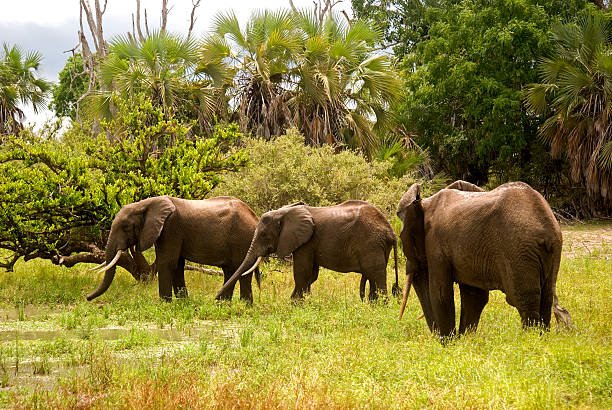
2-Day Safari Tanzania From Zanzibar: Best Fly in Mainland 2026-2027
Discover the thrill of a 2-day safari in mainland Tanzania, starting from the idyllic island of Zanzibar. This short yet impactful adventure allows you to witness the incredible wildlife of…
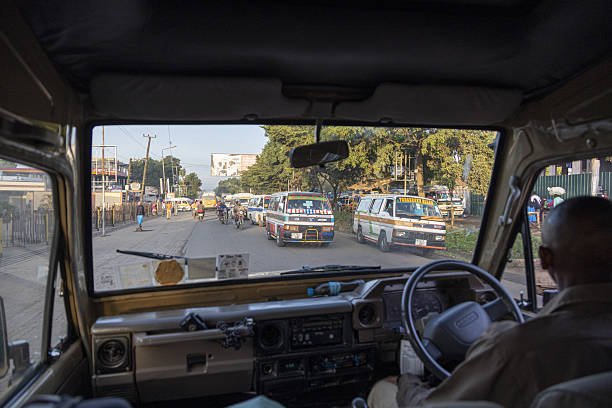
Best 1 Day Lake Manyara Safari From Moshi: Your Ultimate Wildlife Experience
A 1-day Lake Manyara safari from Moshi offers an incredible opportunity to witness diverse wildlife, including iconic tree-climbing lions, in a single, action-packed day. This guided tour…
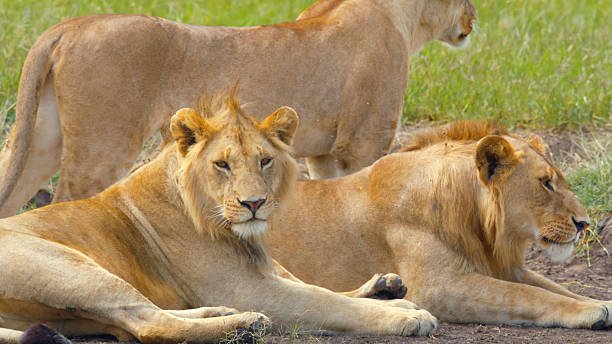
Book 1 Day Tarangire Safari From Moshi: Your Ultimate Wildlife Adventure
Discover the magic of a 1-day Tarangire Safari departing from Moshi. This guide covers everything you need to know for an unforgettable wildlife adventure in Tarangire National Park, from…
No related package matches those filters. Clear one or more filters to see the other topic-matched options.



